
Best Insurer for Wildfire Upgrades & Inspections
Find the best insurance carrier for wildfire-resistant home upgrades and inspections. Get tips on coverage, discounts, and protecting your home in fire zones.

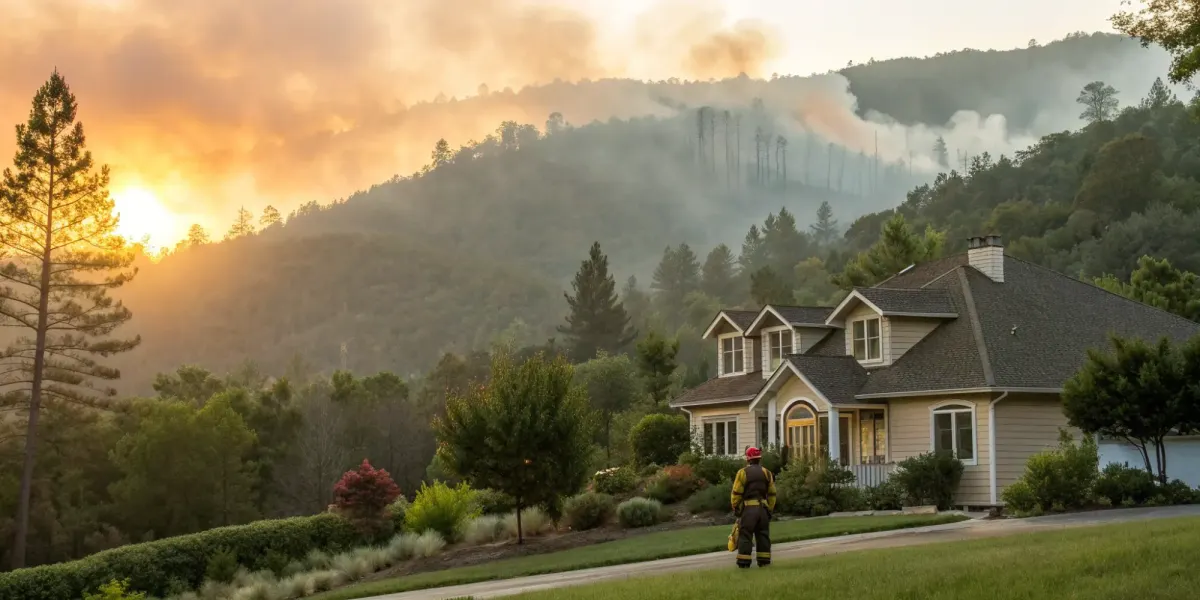
Trying to secure a policy in a fire zone can feel like a losing game. One year you have coverage, the next you’re scrambling after a non-renewal notice. It’s frustrating, especially when major carriers turn you away, leaving you with a last-resort plan. But you aren't out of options. This guide is your playbook. We’ll show you how to get credit for your hard work and find the best insurance carrier for wildfire-resistant home upgrades and inspections. We'll break down the best fire insurance options and introduce you to companies that offer wildfire mitigation discounts for homeowners.
Key Takeaways
- Make Your Home a Lower Risk: Taking proactive steps to harden your home is the single best way to improve your insurance options. Focus on creating defensible space and using fire-resistant materials to show insurers that your property is a responsible investment for them to cover.
- Look Beyond the Premium Price: The cheapest policy often has dangerous gaps, like wildfire exclusions or coverage that won't pay the full cost to rebuild. Always confirm your policy includes Replacement Cost Value (RCV) and has no hidden clauses that would leave you unprotected.
- Work with an Expert Who Knows the Market: You don't have to search for coverage by yourself. Partnering with an independent insurance broker who specializes in high-risk areas gives you access to more options and an expert advocate to find the best policy for your situation.
Why Is It So Hard to Insure a Home in a Fire Zone?
If you’ve been struggling to find affordable home insurance, you’re not alone. It’s become incredibly challenging for homeowners in areas prone to wildfires, and it’s not just your imagination. As wildfire seasons grow longer and more intense, insurance companies see these regions as a much bigger financial risk. In response, many have raised their prices, tightened their requirements, or even stopped offering new policies altogether in certain areas. This shift leaves many homeowners feeling stuck, with fewer choices and higher costs. Understanding why this is happening is the first step toward finding a solution that works for you and protects your home.
The Growing Challenge of Wildfire Insurance in California
The reality is that finding comprehensive home insurance in California has become a serious challenge. As wildfires cause more widespread damage, many of the big, standard insurance companies have decided the risk is too high. In response, they have limited coverage or are non-renewing existing policies in high-risk areas, leaving countless homeowners in a tough spot. This retreat from the market forces many people toward the California FAIR Plan. While it serves as a crucial safety net, it's designed as a last resort for a reason. A FAIR Plan policy provides basic fire coverage but typically excludes liability and theft, leaving you with significant gaps you’ll need to cover separately.
What Else Makes a Home "High-Risk"?
While living in a wildfire zone is the most obvious reason your home might be labeled "high-risk," it’s not the only factor insurers consider. They look at a complete picture of your property and even some of your personal history to determine how likely you are to file a claim. Understanding these factors gives you a clearer picture of how an underwriter sees your home and highlights areas you might be able to improve to make your property more insurable. It’s not just about where you live; it’s also about what your home is made of and how it’s maintained.
Property and Structural Risks
Beyond your home’s general location, its specific features play a huge role in its risk assessment. Insurers want to see that you’ve taken steps to protect your property from potential threats. This is often called "home hardening." For wildfire resilience, this means using fire-resistant building materials. Key upgrades include installing a Class A-rated roof made of materials like metal or asphalt shingles, using fiber cement or stucco siding, and fitting dual-pane windows. It’s also critical to cover attic and foundation vents with fine metal mesh to block flying embers, which are a primary cause of homes catching fire during a wildfire.
Personal and Liability Risks
Insurers also look at factors related to you, the homeowner. A significant one is your claims history. If you've filed multiple claims in the past—even for unrelated issues like water damage or theft—insurers may see you as more likely to file claims in the future. In most states, your credit score can also influence your rates, as insurance companies use it to generate an insurance score that predicts risk. Additionally, certain features on your property can increase liability concerns. Things like having a swimming pool without a fence, owning a trampoline, or having certain dog breeds can make it harder and more expensive to secure a comprehensive policy.
Am I Living in a High Fire Hazard Zone?
You might think a "high fire hazard zone" is just a home deep in the woods, but it’s more complex than that. Insurance companies and state agencies use sophisticated mapping tools to assess risk based on factors like your home’s proximity to dense vegetation, local weather patterns, and the slope of your land. With more than a third of Americans living in counties with an elevated risk of wildfires, this is a widespread issue. These designated zones aren't just about the landscape; they also consider how easily a fire could spread in your neighborhood and the resources available to fight it. Knowing your home's specific risk level is key to understanding your insurance options.
How Fire Risk Limits Your Insurance Choices
Living in a high-risk area directly affects your ability to get and keep home insurance. Homeowners in these zones almost always pay more for coverage because the likelihood of a claim is much higher. You’ve probably noticed that many major insurance carriers are limiting their business in states like California, making the market extremely competitive and stressful. It’s frustrating to be turned down for coverage, but it doesn’t mean you’re out of options. It just means you need to look for specialized insurers and alternative solutions designed for homes like yours.
How Future Rate Calculations Might Change
The way insurance rates are determined is on the verge of a major shift, especially in states like California. Traditionally, insurers have set prices by looking backward, relying on historical data of past wildfires to gauge risk. However, that old method doesn't fully capture the new reality of longer, more intense fire seasons. Because of this, there is a significant push to allow insurers to use future-predicting models that account for climate trends and evolving environmental conditions. This change could mean that rates will become even more closely tied to your property’s specific vulnerabilities. More importantly, it highlights a crucial opportunity: the proactive steps you take to harden your home and create defensible space may soon have an even greater impact on your premium and your ability to get coverage in the first place.
Spotting Common Gaps in Your Fire Coverage
Don’t assume that a standard homeowners policy has you fully covered. In high-risk zones, it’s common for policies to have specific exclusions for wildfire damage, even if they cover other types of fires. You might need to purchase a separate wildfire policy to be truly protected. It’s also important to check for secondary damage coverage. Some policies might cover the flames but not the extensive smoke or water damage that comes with firefighting efforts. If you can’t find a private insurer, you may be pointed toward your state’s FAIR Plan, but be aware that these are typically more expensive and offer less comprehensive coverage.
What Coverage Do You Actually Need?
Navigating a homeowners insurance policy can feel like learning a new language, especially when you live in a high-risk fire area. The standard coverage you see advertised might not be enough to fully protect you if the worst happens. It’s crucial to look past the policy summary and understand the specific types of coverage that will help you rebuild your life after a wildfire. A complete policy isn't just about the structure of your house; it’s about covering the cost of rebuilding, the expense of living somewhere else temporarily, replacing your belongings, and protecting your financial future.
Getting the right coverage is about creating a safety net that accounts for the unique risks you face. This means paying close attention to how your policy defines things like "fire damage" and how it calculates payouts. Some policies have specific exclusions or limits that can leave you underinsured when you need help the most. We’ll break down the essential components of a robust home insurance policy so you can feel confident that you’re truly protected. Understanding these five key areas will empower you to ask the right questions and choose a policy that won’t let you down.
Insuring Your Home's Structure (Dwelling Coverage)
This is the core of your homeowners policy, often called "dwelling coverage." It’s designed to cover the cost of rebuilding or repairing the physical structure of your home. However, in high-risk areas, you can't assume all fire damage is covered equally. As Bankrate notes, "Even if a standard insurance policy covers fire, wildfire damage might be excluded in high-risk zones." This is a critical detail to verify. You need to read the fine print or ask your agent directly if your policy has a wildfire exclusion. If it does, you’ll need to add a special endorsement or purchase a separate wildfire insurance policy to be fully protected.
Replacement Cost vs. Actual Cash Value: Know the Difference
These terms determine how your insurance company will pay you for a loss, and the difference is huge. Actual Cash Value (ACV) pays you for the value of your home minus depreciation—think of it as the "used" value. Replacement Cost Value (RCV) pays the full amount required to rebuild your home to its previous state using similar materials, without deducting for depreciation. Given today’s rising construction costs, RCV is essential for homeowners. Some insurers even offer an "extended replacement cost" option, which provides an extra cushion—typically 20% to 50% above your policy limit—in case rebuilding costs surge after a widespread disaster. This extra protection can be a financial lifesaver.
Covering Your Living Expenses After a Fire
If a wildfire forces you out of your home, where will you live? This is where Additional Living Expenses (ALE) coverage comes in. Also known as "loss of use," this part of your policy pays for the extra costs you incur while your home is uninhabitable, such as hotel bills, rent for a temporary apartment, and even restaurant meals. Rebuilding can take months or even years, and these expenses add up fast. Review your policy’s ALE limits carefully. Make sure the coverage is sufficient to support your family for an extended period, as you don’t want to be caught paying out-of-pocket for housing while also managing the stress of a rebuild.
Making Sure Your Personal Belongings Are Covered
Your home is more than just walls and a roof; it’s filled with your personal belongings. Personal property coverage is designed to help you replace everything from furniture and electronics to clothes and kitchenware. Just like with your home’s structure, you’ll want replacement cost value (RCV) for your belongings. This ensures you get enough money to buy a new laptop, not just the depreciated value of your five-year-old model. The best way to determine how much coverage you need is to create a home inventory—a detailed list of your possessions and their estimated value. This will also make the claims process much smoother.
Why You Still Need Liability Coverage
Liability coverage might not seem directly related to wildfire risk, but it’s a non-negotiable part of your policy. This coverage protects you financially if you’re sued because someone was injured on your property or if you accidentally damage someone else’s property. In the chaotic aftermath of a fire, hazards can exist on your land, and this coverage protects you from potential lawsuits. As Bankrate explains, "liability coverage is essential as it protects you from claims resulting from injuries and damage to other people or their property." It covers legal fees and any settlements, safeguarding the assets you’ve worked so hard to build.
What About Condo Owners in Fire Zones?
If you own a condo, your insurance puzzle has a few extra pieces. Your protection is split between two policies: your personal condo policy (often called an HO-6) and your homeowners association's (HOA) master policy. Generally, your HO-6 policy covers your personal property and the interior of your unit from the "walls-in." The HOA’s master policy is responsible for the building's exterior and common areas. When a wildfire threatens, both policies come into play, and it's critical to understand how they work together to make sure you're not left with a devastating coverage gap.
The biggest risk for condo owners is a major shortfall in the HOA's master policy. If the building is destroyed and the master policy isn't enough to cover the full cost of rebuilding, the HOA will likely pass the remaining cost on to all the owners through a "special assessment." This could leave you with a bill for tens of thousands of dollars. To protect yourself, look for an HO-6 policy that includes loss assessment coverage. This add-on is specifically designed to cover your share of a special assessment, providing a crucial financial safety net after a disaster.
Don't just assume your HOA has adequate coverage. You have the right to review the master policy, so ask your HOA board for the details. Check the policy's dwelling coverage limit, deductible, and, most importantly, look for any wildfire exclusions. Then, compare it with your personal HO-6 policy to ensure there are no weak spots. Working with an independent agent who understands the unique challenges of insuring condos in high-risk areas can help you coordinate your coverage and ensure you’re fully protected from every angle.
Best Insurance Companies for Homes in High-Risk Fire Zones
Finding a company willing to write a policy in a high-risk fire area can feel like searching for a needle in a haystack. Many of the big-name insurers have pulled back from these markets, leaving homeowners feeling stranded. However, options still exist, though they may require a bit more research to find. The key is knowing where to look and understanding that different companies have different appetites for risk.
Some national carriers may still offer coverage in certain areas, while smaller, specialized insurers focus specifically on hard-to-place properties. The landscape is constantly shifting, so a company that wasn't an option last year might be one today. Below are a few companies to start your search with, including both traditional carriers and specialized agencies that can help you find the right fit.
Five Bays Insurance Agency
Unlike a traditional insurance carrier, Five Bays is an independent agency. Think of us as your guide. We don't work for one single insurance company; we work for you. Our job is to partner with multiple carriers who are willing to insure homes in high-risk areas, including some you might not be able to find on your own. Because we specialize in catastrophe-prone regions, we understand the unique challenges you face. We can help you compare policies, understand complex coverage details, and find a solution that fits your home and your budget, saving you the frustration of calling dozens of companies just to hear "no."
State Farm
While many major insurers have scaled back, some homeowners have reported finding coverage with State Farm, even in high-risk zones. The best approach is often to contact a local agent directly rather than just getting an online quote. Agents may have access to different underwriting tools or special programs that aren't advertised publicly. State Farm is one of the largest insurers in the country, and while they have become more selective, they haven't completely withdrawn from high-risk markets everywhere. It’s worth a phone call to see if your property might still qualify for a policy.
Farmers Insurance
Similar to State Farm, Farmers Insurance is another large, established carrier where some homeowners have found success. Your eligibility will depend heavily on your specific location, your home’s characteristics, and the mitigation efforts you’ve undertaken. Reaching out to a local Farmers agent can sometimes yield better results than their website’s quoting tool. These agents are often more familiar with the regional risks and may be able to better present your home’s case to underwriters. They can also discuss potential discounts for bundling your home and auto insurance policies.
Allstate
Allstate has a strong reputation for competitive pricing and offering significant discounts, especially for bundling home and auto policies. However, it's crucial for California homeowners to know that Allstate is not offering new policies in the state due to wildfire risk and rebuilding costs. While they are still servicing existing policies, they are not an option for new customers in California at this time. If you live in another state with high fire risk, they may still be an option, but their underwriting has become much stricter across the board, so be prepared for a thorough review of your property.
USAA
If you or a family member has served in the military, USAA should be at the top of your list to call. They are consistently ranked among the best for customer service and offer comprehensive homeowners policies. USAA’s eligibility is limited to U.S. military members, veterans, and their immediate families. While they have also tightened their underwriting criteria in high-risk fire zones, their commitment to serving the military community means they may still be an option when other carriers are not. Their policies are known for being robust, so be sure to check your eligibility on their website.
Chubb
For owners of higher-value homes, Chubb is a premier insurance carrier that specializes in providing exceptional coverage and service. They are known for policies that go beyond the standard, such as offering "extended replacement cost" coverage, which gives you a buffer if rebuilding costs more than your policy limit. Chubb’s risk consultants may also work with you to identify ways to make your home more resilient to wildfire. While their premiums are higher, the quality of their coverage and claims service is designed to provide peace of mind for those with significant assets to protect.
How to Reduce Your Fire Risk (and Lower Your Premiums)
Living in a high-risk fire zone can feel overwhelming, but you have more power than you think. Taking proactive steps to make your home more fire-resistant not only protects your property and family but also makes you a more attractive applicant to insurance carriers. When insurers see you’ve invested in reducing your risk, they’re often more willing to offer coverage, sometimes at a better rate.
These improvements, often called "home hardening," are practical measures that create a buffer between your home and a potential wildfire. Think of it as giving your home a fighting chance. From simple landscaping changes to strategic material upgrades, each step you take demonstrates responsibility and reduces the likelihood of a catastrophic loss. This is exactly what insurance companies want to see. By focusing on what you can control, you can improve your home’s resilience and your own peace of mind, all while making your property more insurable in a tough market. Let’s walk through some of the most effective ways to get started.
Create Defensible Space Around Your Home
One of the most critical steps you can take is creating defensible space. This is a buffer zone around your home that slows or stops the spread of wildfire. Start by clearing away flammable materials within the first five feet of your foundation, including mulch, dead plants, and firewood stacks. This immediate non-combustible zone is crucial for preventing embers from igniting your home. From there, extend your efforts outward. Thin out trees and shrubs, remove dead vegetation, and keep your lawn mowed and watered. The goal is to create a landscape that’s less likely to act as fuel. For a detailed guide, you can review the zones recommended by CAL FIRE.
Install Fire-Resistant Building Materials
The materials your home is made of play a huge role in its ability to withstand a fire. Your roof is the most vulnerable surface, so if you’re due for a replacement, choose Class A fire-rated materials like concrete, clay tiles, or metal. These materials can resist severe fire exposure and prevent embers from igniting your attic. Beyond the roof, consider fire-resistant siding like stucco or fiber cement over wood. Even small upgrades make a difference. These investments are not just for safety; they are a clear signal to insurers that your home is a lower risk, which can be a major factor in securing a policy.
Make Home Hardening Upgrades That Earn Discounts
Home hardening involves strengthening your home’s weak points against embers, which can travel miles ahead of a wildfire. Start by covering attic and foundation vents with 1/8-inch metal mesh to block embers from getting inside. If you have single-pane windows, upgrading to dual-pane tempered glass offers significantly more protection against heat. You should also regularly clean your gutters and consider installing non-combustible gutter guards to prevent a buildup of flammable debris. Even your fence can be a liability; a wood fence attached to your house can act like a wick, so consider replacing the first five feet with a non-combustible material like metal. These home hardening improvements can be done over time and add up to a much safer home.
Upgrade Your Fire Safety Systems
Being prepared for an emergency can also influence your insurability. Ensure you have a reliable water source by connecting long garden hoses that can reach all sides of your house. Some homeowners even install exterior sprinkler systems that can be activated to douse the home and surrounding area. Inside, make sure your smoke detectors are working and that you have several multi-purpose fire extinguishers in accessible locations, like the kitchen and garage. Planning for an emergency shows insurers that you are a proactive homeowner, which is always a positive trait. Simple preparedness measures demonstrate that you’re serious about protecting your property.
Document Your Mitigation Efforts
Doing the work to harden your home is half the battle; proving it is the other half. Insurance companies won’t know about your new fire-resistant roof or the defensible space you cleared unless you show them. Create a detailed record of every improvement you make. Take "before and after" photos of your property, keep all receipts for materials you purchase, and save invoices from any contractors you hire. This portfolio of your efforts is powerful. When you apply for a policy, you can share this proof with your agent or the insurance underwriter. It transforms your application from a set of statistics into the story of a responsible homeowner who is actively managing their risk.
Consult Local Fire Safety Experts
You don’t have to become a wildfire expert overnight. There are professionals in your community whose job is to help you, and their advice is often free. Your local fire department is an excellent resource and may offer complimentary home assessments to identify your property’s specific vulnerabilities. They can walk your property with you and provide a prioritized checklist of improvements that will make the biggest impact. Getting a professional opinion not only gives you a clear action plan but also adds credibility to your mitigation efforts. An official report or recommendation from a fire safety expert shows insurers that your home hardening is based on sound, professional advice, not just guesswork.
What Are Your Options if You Can't Find Coverage?
Getting a non-renewal notice or being denied coverage can feel incredibly discouraging, especially when you’ve done everything right. But it’s not the end of the road. If you’re struggling to find a standard policy in the private market, you still have solid options to protect your home. It’s all about knowing where to look and who to ask for help. Think of this as a detour, not a dead end. Let’s walk through the primary alternatives available to homeowners in high-risk areas.
The California FAIR Plan: What to Know
If you've been turned down by traditional insurers, your first stop will likely be the California FAIR Plan. It’s not a government agency but an association of all licensed property insurers in the state, created to be an insurer of last resort. The FAIR Plan provides basic coverage for fire, lightning, and internal explosion damage. However, it's crucial to understand that this is not a comprehensive homeowners policy. It won't cover critical risks like theft, water damage, or personal liability. To get that protection, you'll need to purchase a separate "wrap-around" policy from a private insurer that fills in those gaps.
Explore Surplus Lines Insurance
Another path to consider is surplus lines insurance, sometimes called excess and surplus (E&S) lines. This is a specialty market designed for risks that standard insurers won't cover. Think of it as a custom-fit solution for unique or high-risk homes. Surplus lines carriers have more flexibility in their pricing and policy terms, which allows them to take on risks that other companies avoid. While these policies can sometimes be more expensive, they often provide a way to get comprehensive coverage when the standard market says no. This is a great option for homes in areas with significant wildfire exposure that need more than a basic FAIR Plan policy.
Partner with an Independent Insurance Broker
You don't have to figure this out alone. One of the most effective steps you can take is to contact an independent insurance broker. Unlike agents who work for a single company, independent brokers partner with a wide range of insurance carriers, including specialty and surplus lines insurers. They have deep knowledge of the high-risk market and relationships with companies you might never find on your own. A good broker can shop your policy around to find the best possible combination of coverage and cost, saving you the time and frustration of calling dozens of companies yourself. They are your advocate in a complex market.
Combine Policies for Complete Protection
For many homeowners in high-risk fire zones, the best solution is a combination of policies. This typically involves pairing a California FAIR Plan policy for fire damage with a wrap-around policy from a private insurer. The wrap-around policy, also known as a Difference in Conditions (DIC) policy, covers everything the FAIR Plan doesn't, like liability, theft, and water damage. While managing two separate policies might seem complicated, it’s a common and effective strategy for creating a safety net that’s just as robust as a traditional homeowners policy. An independent broker can help you find both policies and ensure there are no gaps between them.
Know Your Rights Regarding Non-Renewal
Getting that letter in the mail can feel like a punch to the gut. But before you panic, know this: your insurance company can’t just drop you without warning. If your policy isn't being renewed, your insurer is required to give you advance written notice—usually 30 to 60 days—and they must provide a reason for their decision. This isn't a cancellation due to a missed payment; it's a business decision, often reflecting the market-wide changes we've seen as carriers pull back from high-risk areas. This notice period is your critical window to act. Use this time to review the reason for non-renewal and immediately start exploring the alternatives we've discussed, whether that's the FAIR Plan or working with an independent broker to find a carrier who understands and is willing to cover your home.
How to Shop for High-Risk Home Insurance
Finding the right insurance in a high-risk area can feel like a full-time job, but a strategic approach makes all the difference. Instead of casting a wide net and hoping for the best, focus your energy on the carriers and policies designed for your situation. Being prepared with the right information and asking the right questions will help you secure the best possible coverage for your home.
Get Quotes from Specialized Insurers
Your first step should be to connect with an independent insurance broker who specializes in high-risk properties. Unlike agents who work for a single company, independent brokers partner with multiple carriers, including smaller, specialized insurers that are more comfortable writing policies in fire-prone areas. These experts understand the local landscape and have access to options you won’t find on major insurance comparison websites. They can compare different policies for you and find coverage that fits your home’s unique risk profile. This is often the most effective way to find a willing and affordable carrier without spending weeks calling around on your own.
Watch Out for Wildfire Policy Exclusions
Don’t assume a standard homeowners policy has you covered. In many high-risk zones, insurers add specific exclusions for wildfire damage, even if the policy generally covers fire. You need to read the fine print carefully to see exactly what is and isn't included. Ask directly if you need a separate wildfire policy or a "Difference in Conditions" policy to fill in the gaps. Understanding these potential policy exclusions before you buy is critical. The last thing you want is to discover you’re not covered after a disaster strikes. Be proactive and get clarity on every detail of your fire coverage.
What to Ask Your Potential Insurer
When you speak with an agent or broker, having a list of questions ready will help you compare your options effectively. Start with the basics: What are the coverage limits for my dwelling, personal property, and liability? Then, dig deeper. Ask if they offer discounts for fire mitigation efforts like creating defensible space. It’s also smart to ask what happens if your application is rejected. Some homeowners may need to turn to their state's Fair Access to Insurance Requirements (FAIR) Plan as a last resort, so it’s good to know if that’s a potential next step. Finally, ask about the claims process after a wildfire—you want a carrier with a solid reputation for supporting policyholders.
When Is the Best Time to Shop for a Policy?
Timing is everything, especially in a high-risk market. Don't wait until the week your policy is set to expire. Start shopping for a new policy at least 60 to 90 days before your renewal date. Underwriting for homes in fire zones is more complex and takes longer. Insurers may require inspections and documentation of your fire mitigation efforts. Furthermore, many companies place moratoriums on writing new policies during active wildfire seasons. If a fire is burning anywhere near your region, you may not be able to get coverage at all. Shopping during a calmer part of the year gives you more time, more options, and a much better chance of securing a policy without the added pressure.
Red Flags to Avoid When Choosing a Policy
When you live in a high-risk area, just getting an insurance quote can feel like a victory. But before you sign, it’s crucial to look closer. The relief of finding a policy can sometimes mask underlying issues that could leave you financially vulnerable when you need protection the most. Not all insurance policies are created equal, and the cheapest option is rarely the best one, especially when you’re protecting your most valuable asset from a significant threat like wildfire.
Think of shopping for insurance like a home inspection—you need to look for the cracks. A policy that seems great on the surface might have hidden exclusions, inadequate limits, or be backed by a company that can’t handle a crisis. Knowing what to watch out for can save you from a financial disaster down the road. We’ll walk through the most common red flags, from coverage gaps that could leave you underinsured to confusing fee structures that cost you more in the long run. Being a savvy shopper now will ensure you have a reliable partner when it matters most.
Not Enough Coverage for a Total Loss
One of the biggest mistakes you can make is choosing a policy that won’t actually cover the full cost to rebuild your home. The market value of your house—what you could sell it for—is not the same as its replacement cost. After a widespread disaster like a wildfire, the demand for contractors and building materials skyrockets, driving up rebuilding costs significantly. Your policy’s dwelling coverage limit needs to be high enough to account for this. Look for policies that offer extended replacement cost, which provides an extra 25% or more on top of your limit to give you a buffer against price surges.
Insurers with Poor Financial Ratings
An insurance policy is essentially a promise that a company will be there to help you recover financially after a disaster. But what if that company doesn’t have the funds to keep its promise? A major wildfire can lead to a flood of claims, and a financially unstable insurer might struggle to pay them all. Before committing to a carrier, check its financial strength rating from an independent agency like A.M. Best. A company with a high rating (like an A or A+) has a proven ability to meet its obligations. A low premium from a poorly-rated company isn’t a bargain; it’s a gamble.
Policies with Sneaky Wildfire Exclusions
You can’t assume that a standard homeowners policy automatically covers wildfire damage, especially in a designated high-risk zone. Some insurers add specific exclusions to avoid taking on that risk. As Bankrate notes, "Even if a standard insurance policy covers fire, wildfire damage might be excluded in high-risk zones." This means you need to read the fine print and ask your agent directly: "Is damage from a wildfire fully covered under this policy?" If it’s not, you’ll need to find a different carrier or purchase a separate, specialized fire policy to ensure you’re protected. Don’t let this detail slip through the cracks.
Hidden Fees and Unreasonable Deductibles
A deductible is the amount you pay out of pocket before your insurance kicks in, and it’s a key factor in your premium costs. A policy with a very low monthly premium might look appealing, but it could be hiding an impossibly high deductible. As a rule, "a higher deductible usually means lower monthly payments, but you'll pay more out-of-pocket if you have a claim." Be honest with yourself about what you could afford to pay on short notice. Also, watch for separate, higher deductibles for specific events like wildfires. This is an increasingly common practice that can catch homeowners by surprise.
Understanding Wildfire-Specific Deductibles
Beyond the standard deductible for things like theft, many policies in high-risk areas have a separate, much larger deductible just for wildfire damage. This isn't a flat dollar amount; it’s typically a percentage of your home's insured value, often between 1% and 5%. This detail can have a massive impact on your finances. For example, a 5% wildfire deductible on a home insured for $800,000 means you would be responsible for the first $40,000 of the loss. This is why a policy with a low premium can be deceptive—the savings might come at the cost of an out-of-pocket expense that could be financially devastating. It's vital to confirm the exact figure with your agent. Ask them directly: "Does this policy have a separate wildfire deductible, and what is the exact percentage?"
Smart Ways to Get a Better Rate
Finding affordable home insurance in a high-risk fire area can feel like an uphill battle, but you have more control over your premium than you might think. While you can’t change your home’s location, you can take several strategic steps to make your coverage more affordable. It’s all about being a proactive, informed homeowner. By making a few smart moves, you can find opportunities for savings without sacrificing the quality of your protection. Let’s walk through some of the most effective ways to get a better rate on your policy.
Bundle Your Home and Auto Policies
One of the easiest and most common ways to save on insurance is by bundling your policies. This simply means you purchase your home and auto insurance from the same company. Insurers love this because it earns them more of your business, and they pass that appreciation on to you in the form of a discount. You can often save a significant amount, sometimes up to 25%, on your premiums just by combining them. It also simplifies your life by letting you manage your policies with a single provider. If you have your home and auto insurance with different companies, it’s definitely worth getting a quote to see how much you could save by bringing them together.
Maintain a Good Credit Score
It might seem unrelated, but your credit history can play a big role in what you pay for homeowners insurance. Many insurers use a credit-based insurance score to help determine your rates. From their perspective, a strong credit history suggests you're responsible and less likely to file a claim. While this practice is banned in some states, it's a factor in many others, including California. By paying your bills on time and keeping your debt low, you can maintain a good credit score that not only helps with loans and credit cards but can also lead to lower insurance premiums. It’s a long-term strategy that pays off in multiple areas of your financial life.
Review Your Policy Annually
Your insurance needs aren't set in stone. They change as your life changes—maybe you’ve made home improvements, paid off your mortgage, or acquired new valuables. That’s why it’s so important to review your policy every year. An annual check-in ensures your coverage still fits your needs and gives you a chance to shop around. Don't get discouraged if one company raises your rates or drops your coverage; different insurers have different risk appetites. What’s considered too risky for one company might be acceptable to another. An annual review keeps you informed and ensures you’re always getting the best possible coverage and price for your situation.
Find Grants for Wildfire Mitigation Upgrades
If you’re struggling to find coverage in the private market, don’t lose hope. Many states have programs designed to help. In California, the FAIR Plan acts as a last-resort insurer for homeowners who can’t get a policy elsewhere. While it typically offers more basic coverage and can be more expensive, it provides a crucial safety net. Additionally, working with an independent insurance broker can be a game-changer. Brokers have access to a wide range of insurance companies, including smaller, specialized carriers you might not find on your own. They can help you find a company willing to cover your home and identify any available grants for home hardening.
Consider Raising Your Deductible
If you're looking for a direct way to lower your monthly premium, adjusting your deductible is a powerful lever to pull. Your deductible is the amount of money you agree to pay out of pocket for a claim before your insurance coverage begins. As a general rule, "a higher deductible usually means lower monthly payments." By taking on a bit more of the initial financial risk yourself, you signal to the insurer that you're less likely to file small claims, and they reward you with a lower rate. However, this strategy comes with a critical warning: you must be certain you can comfortably afford to pay that higher deductible on a moment's notice. It’s a trade-off that requires having a healthy emergency fund ready to go.
Filing a Claim After a Wildfire
The aftermath of a wildfire is chaotic and emotionally draining. The last thing you want to deal with is a complicated insurance claim, but moving quickly and methodically is key to starting your recovery. Your first step, once you and your family are safe, is to contact your insurance company to begin the claims process. They will assign an adjuster to your case who will assess the damage and guide you through the next steps. This is also the time to lean on your policy’s Additional Living Expenses (ALE) coverage. This is the part of your policy that helps pay for things like hotel stays, temporary rent, and even restaurant meals if you can't live in your home.
As you begin the process, it's essential to understand the scope of your coverage. As Bankrate highlights, you should "review your policy’s ALE limits carefully" to know how much support you have and for how long. Keep a detailed log of every conversation you have with your insurance company, including the date, time, and who you spoke with. Be prepared for the process to take time, as widespread disasters create a surge in claims. Having an independent broker on your side can be invaluable here; they can act as your advocate, helping you understand the process and ensuring your claim is handled fairly and efficiently.
Steps for Documenting Your Damage
Thorough documentation is your best tool for a smooth and successful insurance claim. Before you clean up or move anything, document everything with photos and videos. Capture the damage from every angle, both outside and inside your home, getting close-ups of specific items and wide shots of entire rooms. Next, create a detailed inventory of everything that was damaged or destroyed, including purchase dates and estimated values if possible. Gather any official documents you can, like a fire report from the local fire department. Finally, keep a meticulous record of all your expenses, from hotel receipts to the cost of buying toiletries. This detailed proof is crucial for substantiating your claim and ensuring you receive the full compensation you're entitled to.
Related Articles
- Western US Home Insurance | Wildfire & High-Risk Coverage | Five Bays Insurance Agency
- Policy Checkup: Wildfire & High-Risk Home Insurance | Five Bays Insurance Agency
- Get a Quote: Wildfire & High-Risk Home Insurance | Five Bays Insurance Agency
- Disclaimers & Disclosures | Five Bays Insurance Agency
- Terms of Service | Five Bays Insurance Agency
Frequently Asked Questions
My policy wasn't renewed. What's the very first thing I should do? First, don't panic. A non-renewal notice is stressful, but it's also a signal to take action. Your immediate next step should be to contact an independent insurance broker who specializes in high-risk properties. They work with multiple insurance carriers, including those that focus on homes like yours, and can start searching for new options for you right away. This is far more effective than calling individual companies one by one.
Will all the work I do to create defensible space actually lower my insurance costs? While there's no universal guarantee that it will slash your premium, creating defensible space and hardening your home are the most important things you can do to improve your insurability. When an insurance company sees you've taken concrete steps to reduce your risk, they are much more likely to offer you a policy in the first place. Some carriers do offer specific discounts for these mitigation efforts, but the primary benefit is making your home an acceptable risk in a very tough market.
What's the difference between an independent broker and just calling a big insurance company myself? Think of it this way: an agent who works for a single large company can only sell you that company's products. An independent broker works for you. They have relationships with a wide range of insurance carriers, from big names to smaller, specialized insurers you've likely never heard of. Their job is to understand your specific needs and shop the market on your behalf to find the best possible coverage and price.
Is the California FAIR Plan a complete homeowners policy? No, and this is a critical point to understand. The FAIR Plan is designed as a last-resort option that provides basic coverage for fire damage only. It does not include other essential protections like liability, theft, or water damage. To be fully protected, you must purchase a separate "wrap-around" policy from a private insurer to cover everything the FAIR Plan leaves out.
How do I figure out how much coverage I really need to rebuild my home? Your home's market value is not the right number to use. You need to insure it for its replacement cost, which is the price to rebuild it from the ground up using similar materials at today's prices. A good estimate can be found by multiplying your home's square footage by the current local building costs per square foot. For the most accurate number, you can consult a local contractor or appraiser. Always look for a policy that includes "extended replacement cost" to give yourself a financial cushion in case costs spike after a disaster.


