
Best Insurance for Wildfire-Resistant Home Upgrades
Find the best insurance carrier for wildfire-resistant home upgrades and inspections. Learn how to get coverage and discounts for your fire-safe improvements.

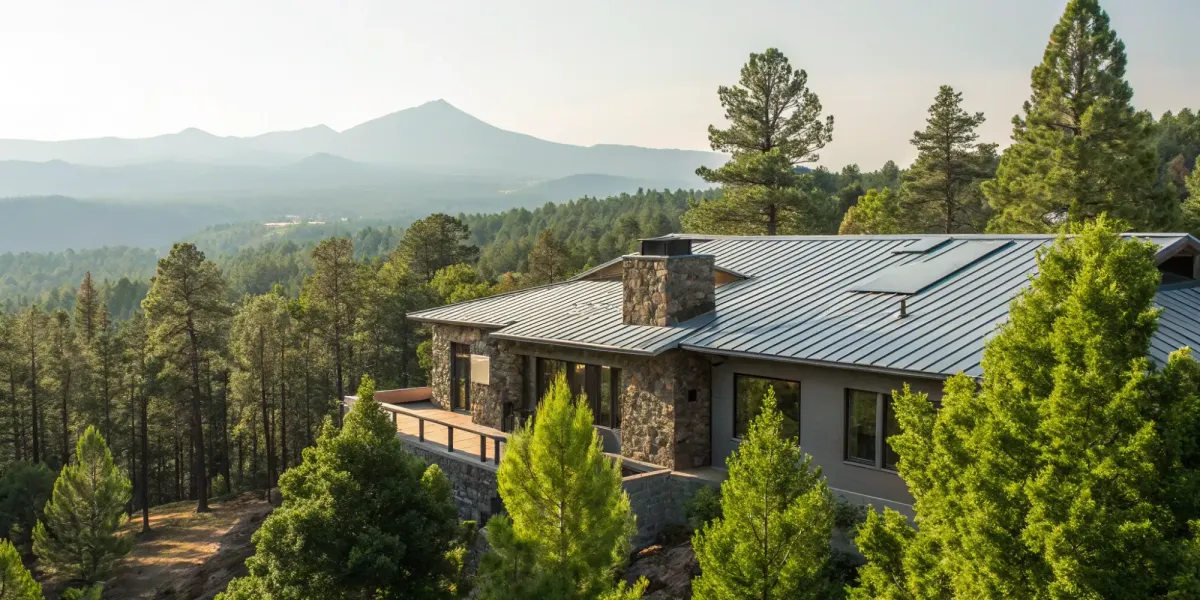
You’ve invested a lot in making your home more resilient to wildfire. That effort should pay off in more ways than one. Beyond protecting your property, these upgrades make you a much more attractive applicant to insurance carriers. The right insurer sees your fire-safe features as a sign of a responsible partner, not just another risk. They're the ones offering wildfire mitigation discounts for homeowners. This guide shows you how to document your upgrades, understand what underwriters look for, and connect with the best insurance carrier for wildfire-resistant home upgrades and inspections, helping you secure a policy that rewards your hard work.
Key Takeaways
- Your fire-resistant home qualifies you for better standard insurance: Instead of searching for a unique "fire-safe" policy, understand that your home's protective features make you a stronger candidate for comprehensive coverage from traditional carriers.
- Strategic upgrades can lead to real savings: Documenting improvements like a Class A roof, ember-resistant vents, and defensible space can directly translate into lower premiums, so be sure to share a detailed list with your agent.
- Standard carriers aren't your only option: If you're denied coverage, don't stop there. An independent agent can help you explore alternatives like the California FAIR Plan or specialty insurers designed specifically for high-risk properties.
Understanding the Growing Wildfire Threat
If it feels like wildfire season is getting longer and more intense, you’re not wrong. The threat isn’t just a headline; it’s a reality that has reshaped communities and the insurance landscape, especially here on the West Coast. For homeowners in high-risk areas, this shift has created a perfect storm of rising premiums and shrinking coverage options, leaving many feeling stranded. Understanding the data behind this trend is the first step toward finding a real solution. When you see the numbers, you can better appreciate why proactive measures and finding the right insurance partner are so critical for protecting your home and your financial stability.
National Wildfire Statistics
This isn't just a regional issue; it's a national challenge. Over the last decade, the United States has seen an average of 63,000 wildfires burn each year. This consistent frequency highlights a new normal where wildfire preparedness is no longer optional but essential for homeowners in vulnerable areas. The sheer volume of these events puts immense pressure on the insurance industry, forcing carriers to re-evaluate risk on a massive scale. For you, this means that insurers are looking more closely than ever at your property’s specific risk factors, making every upgrade and defensive measure you take that much more important when you apply for coverage.
California-Specific Trends and Costs
Nowhere is the impact felt more acutely than in California. With over 2.6 million homes facing a moderate to high risk of wildfire damage, the stakes are incredibly high. In response, many major insurance companies have pulled back, limiting new policies in high-risk areas and leaving countless homeowners with few, if any, options. This has forced many onto the California FAIR Plan, a last-resort policy that often provides less coverage at a higher cost. This isn't just a perception; climate change has fueled a staggering 172% increase in land burned across the state, making it clear that this problem requires a new approach to both home protection and insurance.
How Does Insurance for Fire-Resistant Homes Work?
If you’ve invested in making your home more fire-resistant, you might be wondering if there’s a special type of insurance policy just for you. The short answer is no—there isn’t a separate product called “fire-resistant home insurance.” Instead, what we’re really talking about is a standard homeowners policy that properly accounts for your home’s protective features. This insurance covers damage from wildfires, smoke, and ash, just like any other policy. The key difference is how insurers view your property and assess its risk.
For homeowners in high-risk areas, getting coverage has become a major challenge. As the frequency and severity of wildfires increase, many insurance companies have become more selective about which homes they’re willing to cover. By building or retrofitting your home with fire-resistant materials and maintaining defensible space, you make your property a much more acceptable risk. This doesn’t just improve your home’s safety—it significantly improves your chances of securing a good policy from a reliable carrier. It helps you avoid last-resort options that offer less protection and gives you more control in a difficult market. Think of it less as a different type of insurance and more as a way to qualify for the best possible coverage available.
How Is It Different From a Standard Policy?
So, what really separates the insurance process for a fire-resistant home from any other? While most standard homeowners policies technically cover wildfire damage, the difference isn't in the policy language itself—it's in the underwriting and availability. If you live in a low-risk area, an insurer might not look too closely at your roofing material. But in a high-risk zone, those details are critical. Insurers will carefully evaluate your home’s construction and surroundings to decide if they’ll offer you a policy at all. For those in the highest-risk regions, this can mean the difference between getting coverage from a standard carrier or being forced to turn to state-backed FAIR plans, which often provide more limited protection.
What Key Protections Should Your Policy Include?
When you’re shopping for a policy, don’t just focus on the premium. The right coverage is what truly protects you. First, make sure your dwelling coverage is high enough to completely rebuild your home at today’s prices—not what you paid for it. For an extra layer of security, look for a policy with Extended Replacement Cost. This endorsement adds a buffer, typically 25% to 50% more than your dwelling limit, to cover unexpected spikes in labor and material costs after a disaster. An even better, though often harder to find, option is Guaranteed Replacement Cost, which pays the full amount to rebuild, no matter the cost. These protections are your financial safety net if the worst happens.
Dwelling and Other Structures Coverage
This is the core of your policy, covering the cost to rebuild your house from the ground up. It’s critical that your dwelling limit reflects today's construction costs, not what you originally paid for your home. After a major wildfire, the demand for labor and materials can skyrocket, driving up rebuilding expenses unexpectedly. That’s why Extended Replacement Cost is so important. This endorsement provides a safety net, adding an extra 25% to 50% on top of your dwelling limit to absorb those price surges. Your policy should also include coverage for "other structures" on your property, like a detached garage, shed, or fencing, which are often the first things damaged in a fire.
Personal Property Coverage: Actual Cash Value vs. Replacement Cost
Beyond the structure of your home, you need to protect everything inside it. Personal property coverage does just that, but how it pays out depends on the type you choose. Actual Cash Value (ACV) coverage will pay you what your belongings were worth at the time they were destroyed, factoring in depreciation. Think of it as the garage sale price. On the other hand, Replacement Cost (RCV) coverage pays to replace your old items with new ones of similar kind and quality. While a policy with RCV might have a slightly higher premium, it provides the financial support you actually need to rebuild your life and replace what you lost without dipping into your savings.
Loss-of-Use Coverage
If a wildfire forces you to evacuate or makes your home unlivable, where will you go? Loss-of-Use coverage, also known as Additional Living Expenses (ALE), is designed to handle this exact situation. It pays for the necessary increase in living expenses—like hotel bills, rent for a temporary apartment, and even restaurant meals—while you’re displaced. This coverage is a lifeline that allows your family to maintain a sense of normalcy during a stressful and chaotic time. When reviewing a policy, check the limits on this coverage, as they are often set as a percentage of your dwelling coverage and may have a time limit, such as 12 or 24 months.
What About Wildfire Insurance for Condos?
If you own a condo in a wildfire-prone area, you’re likely wondering how your insurance works. The good news is that a standard condo insurance policy, often called an HO-6 policy, typically covers damage from fires, including wildfires. Your personal policy is designed to protect your belongings and the interior of your unit—think drywall, flooring, and cabinets. Meanwhile, your Homeowners Association (HOA) carries a master policy that covers the building's exterior and shared spaces. Both policies are crucial, and both usually include protection against fire damage. The challenge, much like with single-family homes, isn't whether the policy language includes fire coverage, but whether an insurer is willing to offer you a policy at all, given the location and construction of your entire building.
How to Choose the Best Home Insurance for Wildfire Protection
Finding the right insurance for your fire-resistant home can feel like a puzzle, but it's one you can solve by focusing on a few key areas. It’s not just about checking a box; it’s about finding a policy that truly reflects the effort and investment you’ve put into making your home safer. A great policy rewards your preparedness. By systematically evaluating your property’s risk, documenting its unique features, and understanding your coverage needs, you can find a carrier that sees you as a partner in prevention. Here’s how to approach it step-by-step.
Assess Your Property's Wildfire Risk
Your home’s location is the first thing an insurer will consider. As you likely know, homeowners in areas with high wildfire risk often find it hard to get home insurance and usually pay more for it. Start by getting a clear picture of your property's specific risk profile. You can use state resources like the CAL FIRE Fire Hazard Severity Zone Maps to understand how your area is officially designated. Knowing your zone, the history of fires in your region, and local mitigation efforts helps you have a more informed conversation with an insurance agent. This knowledge allows you to discuss your home’s specific strengths in the context of its environment.
Review Your Home's Fire-Resistant Materials
The fire-resistant materials you chose for your home are one of your biggest assets when shopping for insurance. Homes with features like Class A roofing, fiber-cement siding, and dual-paned windows reduce the risk of fire damage and can make you a more attractive applicant to carriers. Keep a detailed list of all fire-safe upgrades, including receipts and manufacturer specifications if you have them. Presenting this documentation to your agent shows that you’ve actively worked to harden your home against wildfire. These proactive measures can sometimes lead to homeowners insurance discounts and open the door to better coverage options.
Maintain Your Defensible Space for Better Rates
What happens outside your home is just as important as what it’s made of. Insurers want to see that you’ve created a "defensible space" around your home by clearing away flammable plants, shrubs, and debris. This buffer zone is critical for slowing a fire’s spread and giving firefighters a safe area to work. Regularly maintain this space by trimming trees, cleaning gutters, and moving firewood piles away from the house. A well-maintained property signals to an insurer that you are a responsible homeowner who is committed to reducing risk, which can significantly impact your ability to get and keep a good policy.
Check Your Home's Age and Code Compliance
The age of your home and its compliance with modern building codes play a significant role in its insurability. Newer homes are often built to stricter fire-safety standards, which carriers view favorably. However, the most important factor is ensuring your coverage is adequate for a total loss. Your insurance coverage should be based on your home’s replacement cost, not its market value. Market value can fluctuate, but the cost to rebuild your home to today's standards—with current material, labor, and permit costs—is what your policy needs to cover. This ensures you have enough funds to completely restore your home after a disaster.
Consider Personal Factors That Affect Your Rates
While the physical characteristics of your home are central to an insurer's evaluation, they aren't the only things that matter. Underwriters also look at personal factors to build a complete picture of your risk profile. Things like your past claims, your credit history, and even your lifestyle choices—such as running a business from home or owning certain pets—can influence your premiums and eligibility for coverage. Understanding how these elements are viewed by insurers can help you anticipate questions and better prepare for your insurance application. It’s all part of the complex equation that determines your final rate.
Your Claims History and Credit Score
Insurers see a history of frequent claims as a potential indicator of future losses, even if those claims were small or unrelated to fire. If you've filed multiple claims in the past few years, a carrier might view your property as a higher risk. Similarly, your credit history can play a role. In most states, insurers use a credit-based insurance score to help predict the likelihood of a claim being filed. While it’s just one factor among many, a lower credit score can sometimes result in a higher premium, as it's statistically associated with a greater chance of filing a claim.
Other Risk Factors: Home Businesses and Dog Breeds
Your day-to-day life can also impact your insurance. If you run a business from home, especially one that involves clients visiting your property or storing inventory, it can introduce new liability risks that a standard policy may not cover. Your pets can also be a factor. Some insurance companies have restrictions on certain dog breeds, like Pit Bulls or Rottweilers, due to perceived liability risks. It’s important to be upfront about these details with your agent. An independent agent can be particularly helpful here, as they can connect you with carriers that have more flexible guidelines for home-based businesses or are more welcoming to all members of your furry family.
Best Insurance Companies with Wildfire Mitigation Discounts
Finding the right insurance provider can feel like searching for a needle in a haystack, especially when you live in a wildfire-prone area. Some companies have pulled back from high-risk regions, while others have become specialists, offering policies designed for homeowners who have invested in fire-resistant construction. The key is knowing where to look.
The right partner will recognize and reward the steps you’ve taken to protect your property. They’ll offer fair premiums and provide peace of mind that you’re covered if the worst happens. While national carriers often provide discounts for fire-safe features, independent agencies can be invaluable allies, connecting you with carriers willing to write policies in hard-to-insure markets. Below are a few top providers to consider as you start your search. Each one brings something different to the table, from specialized expertise to broad coverage options and significant discounts.
Comparing Insurers on Claims Satisfaction and Cost
When you're comparing insurance companies, it’s easy to get fixated on the monthly premium. But the true test of an insurer’s value comes when you need them most—after a disaster. A low price doesn't mean much if the company is difficult to work with or denies legitimate claims. That’s why it’s so important to look at both claims satisfaction and cost. You want a partner who will be there to help you rebuild, not one who adds to your stress. Finding that balance between reliable service and an affordable premium is the goal.
Top-Rated Companies for Paying Claims
A company’s track record for paying claims is a great indicator of its reliability. According to a recent analysis by MarketWatch, a few national carriers stand out for their excellent claims service. The report found that Nationwide, American Family, and Liberty Mutual are among the best home insurance companies for paying claims. In their survey, Nationwide approved 100% of claims, typically within one to two weeks. American Family was also a top performer, approving 97% of claims with an impressively fast turnaround of zero to six days. While these national carriers are a great place to start your research, keep in mind that their willingness to write policies can vary dramatically depending on your specific location in California.
Sample Monthly Premiums
Pinpointing an "average" premium for a home in a high-risk fire area is nearly impossible because every situation is unique. Insurers weigh dozens of factors, including your home’s specific location, its age, construction materials, your claims history, and the quality of your defensible space. As wildfire frequency increases, carriers have become much more selective, and their pricing reflects that detailed risk assessment. The only way to know what you’ll actually pay is to get personalized quotes. This is where working with an agent can save you a lot of time and frustration. They can gather quotes from multiple carriers at once, helping you compare real-world costs and coverage side-by-side.
Finding the Right Insurer for Your Unique Situation
Not every home fits neatly into an insurance company’s standard underwriting box. If you own a high-value property, an older home with unique construction, or have been denied coverage in the past, you might need to look beyond the big national brands. The standard market isn’t your only option. There are specialty insurers and programs designed specifically for properties that don’t meet traditional guidelines. The key is knowing where to find them and how to present your home’s strengths, even if it has a few quirks. Your fire-resistant features are a huge asset here, showing that you’re a proactive and responsible owner.
Specialized Coverage for High-Value or Older Homes
If you've been turned down for coverage, don't give up. This is where an independent insurance agent becomes your most valuable resource. Unlike captive agents who only work for one company, independent agents partner with numerous carriers, including specialty insurers that focus on high-risk or non-standard properties. They can help you explore alternatives like surplus lines carriers or, as a last resort, the California FAIR Plan. At Five Bays, we specialize in connecting homeowners with carriers willing to write policies in these challenging markets. We understand the nuances of insuring unique properties and can help you find a solution that provides real protection, not just a policy that checks a box.
Five Bays Insurance Agency
As an independent agency, Five Bays Insurance Agency specializes in finding coverage for homes in high-risk areas, including those with significant wildfire exposure. We work with multiple carriers to find the best coverage options tailored to your home’s unique features. Our focus is on properties with fire-resistant construction, ensuring that your proactive safety measures are recognized and properly valued. By connecting homeowners with insurers who understand the nuances of catastrophe-prone regions, we help bridge the gap in the market and secure comprehensive, affordable protection for your home.
State Farm
State Farm is one of the largest and most recognized names in the industry, and for good reason. They offer a wide range of home insurance products and are known for their robust claims process and strong customer service. For owners of fire-resistant homes, State Farm provides notable discounts for features like impact-resistant roofing and other fire-safe building materials. Their extensive network of agents means you can often find local support to help you identify all the credits and discounts your home qualifies for, which can make a real difference in your annual premium.
Farmers Insurance
Farmers Insurance offers specialized coverage designed for homes in areas at risk for wildfires. They understand that a standard policy might not be enough, so they provide customizable options that can include additional protection specifically for wildfire damage. Beyond just writing policies, Farmers also gives its policyholders access to helpful resources and tips for fire prevention and mitigation. This proactive approach can be a great benefit for homeowners who are serious about protecting their property and want an insurer who shares that commitment.
USAA
If you or a family member has served in the military, USAA is an excellent option to explore. They are consistently ranked at the top for customer service and claims satisfaction. USAA’s insurance offerings for homeowners include competitive rates and valuable discounts for homes built with fire-resistant materials and other protective features. For those who are eligible, USAA provides a trusted and reliable choice, combining strong financial backing with a deep commitment to serving its members, ensuring you feel supported throughout the life of your policy.
Allstate
Allstate provides comprehensive home insurance policies that can be customized to fit your needs. They offer a variety of discounts that can help lower your costs, including incentives for installing fire-resistant roofing and siding. Allstate also places a strong emphasis on risk management, providing homeowners with resources and tools to help them better protect their homes from fire. This focus on mitigation can be particularly helpful for those living in high-risk areas who want to do everything they can to safeguard their property and, in turn, maintain affordable coverage.
Can Fire-Resistant Home Upgrades Lower Your Premium?
When you take steps to make your home more resilient to fire, you’re not just protecting your property—you’re also making a smart financial move. Insurance companies base your premium on risk. The less likely your home is to suffer major damage in a wildfire, the lower your risk profile becomes. This is why investing in fire-resistant upgrades, a process often called “home hardening,” can directly lead to discounts on your homeowners insurance.
Think of it as a partnership with your insurer. By demonstrating that you’re proactively reducing risk, you become a more attractive customer. These savings can help offset the cost of the upgrades over time, making it a win-win situation. The most impactful features that carriers reward fall into three main categories: the construction materials you use for your home’s exterior, the safety systems you install inside, and the way you manage the landscape immediately surrounding your property. Each of these areas plays a critical role in your home’s overall defense against wildfire.
Get Credits for Fire-Resistant Roofing and Siding
Your home's exterior is its first line of defense against wind-blown embers, which are a primary cause of homes igniting during a wildfire. Insurance carriers know this, and many offer significant credits for using non-combustible or fire-resistant building materials. Your roof is the most vulnerable surface, so choosing a Class A fire-rated material like metal, slate, or tile can make a big difference. Some insurers also offer discounts for certain impact-resistant shingles that provide superior protection.
The same principle applies to your siding. Materials like stucco, fiber cement, and brick are far less likely to ignite than wood siding, making your home a much lower risk. When getting a quote, always be sure to tell your agent about these features.
Understanding California's Mandatory Discount Laws
It’s also worth knowing that in California, these discounts aren't just a courtesy from your insurer—they're required by law. The state mandates that insurance companies offer premium reductions for homeowners who take proven steps to harden their homes and create defensible space. This regulation, part of the Safer from Wildfires framework, outlines a clear list of actions that qualify, such as maintaining a five-foot ember-resistant zone, installing a Class A fire-rated roof, and using ember-resistant vents. Knowing these requirements allows you to go into the conversation with your agent fully prepared to ask for every credit you deserve. It helps ensure your proactive efforts are financially recognized, giving you more control in the process.
Find Incentives for Fire Safety Systems
While a hardened exterior protects your home from the outside, internal safety systems can stop a fire from spreading if one ever starts inside. Insurance companies often provide discounts for homes equipped with modern safety devices because they can drastically reduce the severity of a claim. This includes centrally monitored smoke detectors and fire alarms that alert emergency services automatically, giving firefighters a critical head start.
Interior sprinkler systems offer another layer of protection that insurers value highly. According to the National Fire Protection Association, sprinklers can contain and even extinguish a fire in less time than it would take the fire department to arrive. These systems show insurers you’re serious about minimizing potential damage.
Earn Rewards for a Well-Maintained Defensible Space
Creating and maintaining defensible space is one of the most effective actions you can take to protect your home, and it’s something insurance companies look for during their risk assessment. Defensible space is the buffer zone you create by clearing flammable vegetation and materials from the area around your home. This includes removing dead plants, trimming trees so branches don’t hang over your roof, and keeping your yard lean, clean, and green.
By managing this space, you rob an approaching wildfire of its fuel, making it less likely to reach your house. Insurers see a well-maintained property as a sign of a responsible homeowner, and many will offer discounts for this proactive work.
Beyond Upgrades: Other Ways to Save on Insurance
While hardening your home is the most direct way to improve your risk profile, it’s not the only lever you can pull to manage your insurance costs. Once you’ve documented your home’s fire-resistant features, there are a few financial strategies you can explore to make your premium more affordable. These adjustments are about finding the right balance between your monthly payments and your potential out-of-pocket costs in the event of a claim. By looking at your policy structure and your personal financial health, you can find additional opportunities for savings that complement the physical upgrades you’ve already made.
Raising Your Deductible
One of the most straightforward ways to lower your premium is to raise your deductible. Your deductible is the amount of money you agree to pay toward a claim before your insurance company starts to pay. By choosing a higher deductible, you’re essentially telling the insurer that you’re willing to take on a larger portion of the initial financial risk. In return, they will typically lower your annual premium. The key is to find a sweet spot. You should only raise your deductible to an amount you could comfortably pay from your emergency fund without causing financial hardship. It’s a trade-off that can lead to immediate savings, but it requires an honest assessment of your own financial preparedness.
Improving Your Credit Score
It might not seem directly related to wildfires, but your credit history can play a role in what you pay for homeowners insurance. Many insurers use a credit-based insurance score to help determine premiums, as it’s seen as an indicator of overall financial responsibility. A higher credit score can often lead to more favorable rates. You can work on improving your score by consistently paying your bills on time, keeping your credit card balances low, and regularly reviewing your credit report for any errors that might be dragging your score down. This is a long-term strategy, but it’s a powerful one that can positively impact many areas of your financial life, including your insurance costs.
Fire Insurance Must-Haves for Your Policy
When you live in a wildfire-prone area, your homeowners insurance policy is your financial lifeline. But not all policies offer the same level of protection. The standard coverage that works for a homeowner in a low-risk area might leave you dangerously exposed when a wildfire strikes. It’s essential to look past the price tag and examine the specific features of your policy. The right coverage is about more than just rebuilding your house; it’s about having the resources and support to put your life back together. Let’s walk through the non-negotiable features your policy needs to have.
Why You Need Extended Replacement Cost Coverage
One of the most critical parts of your policy is the dwelling coverage limit—the maximum amount your insurer will pay to rebuild your home. After a major wildfire, the demand for building materials and labor can skyrocket, making reconstruction far more expensive than anticipated. This is where standard coverage can fall short. To protect yourself, look for a policy with Extended Replacement Cost. This feature adds a buffer, typically 20% to 50% above your dwelling limit, to cover unexpected cost increases. For even greater peace of mind, Guaranteed Replacement Cost coverage will pay the full price to rebuild your home to its previous state, regardless of the cost.
Understand Your Wildfire Damage Coverage and Exclusions
You might assume that a standard home insurance policy that covers fire damage automatically includes wildfire damage, but that’s a risky assumption. In high-risk areas, many insurers add specific exclusions for wildfires, meaning you wouldn’t be covered at all. It's crucial to read the fine print of your policy to understand exactly what is and isn’t covered. Some homeowners may need a separate, specialized wildfire policy to get adequate protection. A clear understanding of your wildfire damage coverage ensures there are no devastating surprises when you need to file a claim.
Look for Policies with Fire Prevention Support
The best insurance partners are proactive about helping you protect your home before a disaster happens. Some forward-thinking insurance companies now offer loss prevention services as part of their coverage. These services can include professional consultations to help you harden your home, financial assistance for installing fire-resistant vents, or even sending crews to clear brush and apply fire-retardant gel to your property when a wildfire is approaching. Ask your agent if your insurer offers these benefits. This kind of support shows that your insurance company is invested in your home’s safety, not just in processing claims after a loss.
Example: Proactive Wildfire Defense Services
To give you a real-world example, some insurers like American Family Insurance offer a Wildfire Defense Services endorsement. Through a partnership with specialists, they can dispatch crews to your home during an active wildfire threat to provide emergency, on-the-ground protection. This can include removing flammable materials from your porch, covering vents to block embers, and even deploying temporary sprinkler systems. This service doesn't just add a critical layer of defense for your home; it also shows an insurance carrier that you are a proactive partner in managing risk. Opting into a program like this shows an insurer you're a responsible homeowner, which can make a real difference in your ability to secure and maintain good coverage.
Meet Smoke Alarm and Safety Requirements
Installing and maintaining safety devices in your home is one of the most effective ways to protect your family and property. It can also help you save on your insurance premiums. Insurers often provide home insurance discounts for homes equipped with features like monitored smoke detectors, fire alarms, interior sprinkler systems, and home security systems. These devices can provide early warnings and suppress fires before they become catastrophic, reducing the potential for a major loss. Be sure to inform your insurance agent about all the safety systems you have installed to make sure you’re receiving every credit you deserve.
Common Myths About Wildfire Insurance, Busted
Navigating the world of homeowners insurance can feel like a maze, especially when you live in a high-risk fire area. You’ve done your part to build or upgrade your home with fire-resistant features, but you might still be running into confusing information. Let's clear the air and tackle some of the most common myths about insuring a fire-resistant home so you can approach the process with confidence. Understanding these distinctions is the first step toward securing the right protection for your property and your peace of mind.
Myth #1: A Fire-Resistant Home Is Always Easy to Insure
You’d think that having a home built with fire-resistant materials would put you on the fast track for affordable insurance, but it’s not that simple. While these features are a huge plus and definitely improve your home's risk profile, insurers look at the bigger picture. Your home's location, proximity to brush, local fire protection services, and the overall wildfire risk of your ZIP code are weighed heavily. One of the biggest homeowners insurance myths is that a single feature makes you a shoo-in for coverage. In reality, fire resistance is just one piece of a much larger puzzle that carriers use to assess your property.
Myth #2: Your Policy Automatically Covers All Fire Damage
Most people assume that if their policy includes fire coverage, any and all damage from a fire is taken care of. While standard homeowner’s insurance policies do cover fire damage, the devil is in the details. Policies often have specific exclusions or limits. For example, damage from a fire caused by an earthquake might not be covered unless you have a separate earthquake policy. It’s also important to understand how your policy handles related damages, like smoke, soot, or the water damage caused by firefighting efforts. Always read your policy carefully to understand exactly what is and isn't covered before you need to file a claim.
Myth #3: Fire-Safe Materials Guarantee a Lower Premium
Investing in a Class A roof or non-combustible siding is a smart move that can certainly make your home more attractive to insurers. Many carriers even offer discounts if you use certain impact-resistant roofing products or other certified fire-safe materials. However, this doesn't guarantee a lower premium. The final price of your policy is based on a comprehensive risk assessment. If your home is in an area with a severe wildfire score, the discount from your fire-resistant siding might be offset by the high location-based risk. These upgrades are crucial for protection, but they are just one factor among many that determine your final rate.
Myth #4: Fire Insurance Is Just Standard Homeowners Insurance
This is a common point of confusion. Homeowners insurance (an HO-3 or HO-5 policy) is a comprehensive package that covers your dwelling, personal property, and liability for a wide range of perils, including fire, theft, and wind. On the other hand, fire insurance is a more specific type of policy. For instance, dwelling fire insurance is often used for properties that don't qualify for a standard homeowners policy, like vacant homes or rentals. It primarily covers damage from fire and can be more limited in scope. It’s important to know which type of policy you have and ensure it provides the broad protection you need.
Wildfire-Resistant Home Upgrades That Save You Money
When you live in a high-risk fire area, protecting your home can feel like a full-time job. The good news is that many of the steps you take to make your home safer can also make your insurance more affordable. Insurance carriers look favorably on homeowners who proactively reduce their risk. By making strategic upgrades, you’re not just investing in your home’s resilience—you’re also building a stronger case for better insurance rates and eligibility. Think of it as a win-win: you get a safer home and a happier wallet. Here are some of the most impactful home improvements that can help lower your insurance costs.
Install Fire-Resistant Roofing and Siding
Your roof is your home's first line of defense against flying embers, which can travel for miles during a wildfire. Upgrading to a Class A fire-rated roof is one of the most significant improvements you can make. Materials like metal, slate, clay tile, and certain asphalt or composite shingles are designed to resist catching fire. The same logic applies to your siding—stucco, fiber cement, and brick are far more resilient than wood. Making these changes shows your insurer that you’ve seriously reduced your home’s vulnerability, which can often make you eligible for valuable discounts on your home insurance.
Create Defensible Space Through Smart Landscaping
Defensible space is essentially a buffer zone you create between your home and the surrounding vegetation. This doesn't mean you need a yard of dirt and rock; it’s about smart landscaping. The goal is to clear away flammable materials like dead plants, dry leaves, and wood piles from the area immediately around your foundation, deck, and windows. This simple maintenance can stop a ground fire from reaching your house. Creating and maintaining this space is a clear signal to insurers that you are actively working to reduce fire risk, making you a much more attractive applicant for coverage.
Upgrade to Fire-Resistant Windows and Vents
Wildfires often find their way into homes through the smallest openings. Embers can easily slip through attic or foundation vents, igniting your house from the inside. You can prevent this by covering all vents with a noncombustible metal mesh with openings no larger than one-eighth of an inch. Windows are another weak point. Single-pane windows can shatter from the intense heat, allowing embers inside. Upgrading to dual-pane windows with tempered glass provides a much stronger barrier. These upgrades are key features of fire-resistant homes and are often noted during an insurance inspection.
Choose Nonflammable Fencing and Decking
A wooden fence or deck attached to your house can act like a wick, carrying a fire directly to your exterior walls. To break this path, consider using fire-resistant materials for any structures connected to your home. Composite decking, metal fencing, and stone patios are excellent alternatives that won't fuel a fire. If you have a wooden fence, you can create a firebreak by replacing the five feet of fencing closest to your house with a metal gate or nonflammable section. These thoughtful modifications can make a huge difference in your home’s safety profile and may lead to better rates or homeowners insurance discounts.
How Do Insurers Calculate Your Wildfire Risk?
Ever wonder what goes on behind the scenes when an insurance company gives you a quote? It’s not just about your zip code. Insurers look at a whole range of factors to understand your home’s specific wildfire risk. Knowing what they’re looking for is the first step in finding fair coverage and even lowering your premium. They combine broad, location-based data with the specific details of your property to create a complete risk profile. This process helps them determine your eligibility for a policy and what your final rate will be.
What to Expect During a Wildfire Risk Inspection
Your home's location is the first piece of the puzzle. Insurance companies charge more for homes in areas with higher wildfire risk because there's a greater chance of expensive damage. If you live where wildfires are common, you know it can be tough to find insurance. You might be pointed toward a specialized agent or a state-backed option like the California FAIR Plan, which can sometimes offer less coverage for a higher price. This is because insurers use advanced mapping tools that analyze everything from your proximity to dense vegetation to the area's fire history and typical wind patterns to assign a risk score to your neighborhood.
Key Factors That Determine Your Premium
Beyond your location, insurers look closely at your home's specific characteristics. Here's a key detail to remember: your coverage should be based on your home’s replacement cost, not its market value. This ensures you have enough funds to rebuild completely after a total loss. The good news is that proactive steps can make a real difference. Homes built with fire-resistant materials or equipped with sprinklers and fire extinguishers often qualify for discounts because they reduce the risk of severe damage. Using certain impact-resistant roofing products can also help you save. These features show insurers that your home is a lower risk to cover.
The Future of Rate Setting in California
The way insurance rates are set in California is going through a major shift, and it’s good news for proactive homeowners. For years, insurers had to base their prices on historical data, which didn't always capture the real-time risk or the benefits of your home hardening efforts. Now, the state is overhauling the system. The California Department of Insurance is allowing carriers to use forward-looking catastrophe models to set rates. This means they can use modern science to better predict wildfire risk and, more importantly, to accurately price the risk reduction you’ve achieved through upgrades. To ensure this helps homeowners, insurers who use these new models must also commit to writing more policies in high-risk areas. This change makes your investment in a fire-resistant home more valuable than ever, as it directly ties your premium to your proactive safety measures.
Can't Get Covered? Your Options in High-Risk Areas
Receiving a non-renewal notice or being denied coverage can feel incredibly stressful, especially when you’ve done everything right to protect your home. If you’re struggling to find a policy in a high-risk area, it’s easy to feel like you’ve hit a dead end. But please don’t give up. The traditional insurance market isn’t your only path forward. There are specific programs and types of insurance designed for exactly this situation, and knowing what they are can make all the difference. It's a frustrating position to be in, but you have more power than you think. This isn't about settling for less; it's about finding the right fit for your unique circumstances. Many homeowners in California and other Western states are facing the same challenge as the insurance landscape continues to shift. The key is to understand the alternative routes available to you. Let’s walk through the primary options when standard coverage seems out of reach, so you can find a clear path to protecting your home and your peace of mind.
What Is the California FAIR Plan?
If you've been turned down by traditional insurers, your next step might be looking into the California FAIR Plan. Think of it as a safety net—a state-backed insurance pool created to provide basic fire coverage for homeowners who can't get it elsewhere. While it’s an essential resource, it’s important to understand its limitations. A FAIR Plan policy is often more expensive and typically offers less comprehensive protection than a standard homeowners policy. It’s designed to be a last-resort option, but for many, it provides the crucial wildfire insurance needed to protect their property when no one else will.
Understanding the FAIR Plan's Growth and Cost
If you're being pushed toward the FAIR Plan, you are far from alone. The number of homes relying on this last-resort option has surged, with enrollment jumping from 200,000 in late 2020 to over 610,000 today. This isn't a coincidence; it's a direct result of standard insurance carriers becoming more selective as the threat of wildfires intensifies. The financial sting is real, too. The average yearly premium for the FAIR Plan is about $2,800, a steep price for what is often bare-bones coverage. This trend underscores the growing challenge for homeowners seeking affordable and reliable wildfire insurance in California, making it more important than ever to explore every possible alternative.
When to Consider Surplus and Specialty Insurance
What if your home is unique or has specific risks that don’t fit neatly into a standard insurance box? This is where surplus and specialty insurance comes in. Also known as excess and surplus (E&S) lines, this type of insurance is designed for situations that traditional carriers avoid. These insurers have more flexibility in the rates they can charge and the coverages they can offer, making them a great fit for high-risk properties. If you’re looking for high-risk homeowners insurance, exploring surplus lines can open up a new world of possibilities that are tailored to your home’s specific needs.
How an Independent Agent Can Help
Navigating the FAIR Plan and the world of surplus lines insurance on your own can be overwhelming. This is where an independent insurance agent becomes your most valuable ally. Unlike agents who work for a single company, independent agents partner with multiple carriers, including specialty insurers. They have the expertise to understand the complexities of your situation and can shop around to find policies you might not be able to access on your own. An agent can help you compare your options and find the best coverage for your fire-resistant home, saving you time, stress, and uncertainty.
Related Articles
- Western US Home Insurance | Wildfire & High-Risk Coverage | Five Bays Insurance Agency
- Policy Checkup for Wildfire & High-Risk Home Insurance | Five Bays Insurance Agency
- Get a Quote for Wildfire & High-Risk Home Insurance | Five Bays Insurance Agency
- Licenses for Wildfire & High-Risk Home Insurance | Five Bays Insurance Agency
- Wildfire & High-Risk Home Insurance Overview | Five Bays Insurance Agency
Frequently Asked Questions
Why is my insurance still so expensive even though my home is fire-resistant? This is a frustrating but common situation. While fire-resistant features are incredibly important and definitely help, insurers look at your home’s overall risk profile. The biggest factor is often your location. If you live in a designated high-risk fire zone, that location-based risk can outweigh the discounts you get for having a Class A roof or fiber-cement siding. Think of your upgrades as what makes you eligible for coverage in the first place, rather than something that guarantees a low price in a high-risk area.
What's the single most important thing I can do to improve my home's insurability? If you can only focus on one thing, make it defensible space. This is the managed buffer zone around your home. Clearing away flammable vegetation, trimming trees, and keeping the area lean and clean is something insurers look for during inspections. It shows you are actively managing your property's risk. While a fire-resistant roof is a close second, a well-maintained defensible space can be the factor that convinces an underwriter you are a responsible partner in prevention.
What should I do if I can't find any company to insure my home? First, don't panic—you have options. The next step is to look into your state's FAIR Plan, which is a state-backed insurance pool designed as a safety net for homeowners in your exact situation. It provides basic fire coverage when the traditional market won't. At the same time, you should connect with an independent insurance agent. They specialize in hard-to-place risks and have access to specialty carriers that you can't find on your own.
Why is 'replacement cost' coverage so important, and how is it different from my home's market value? Market value is what someone would pay to buy your house and land today, which can go up or down. Replacement cost is the actual price to rebuild your home from the ground up using current labor and material costs. After a widespread disaster like a wildfire, construction costs can spike dramatically. If your policy is based on market value, you could be left with a massive shortfall. Replacement cost coverage ensures you have enough money to actually rebuild, which is the entire point of having insurance.
How can I make sure my insurance company knows about all the fire-safe upgrades I've made? You need to be your own best advocate. Create a detailed list of every fire-resistant feature and upgrade you've made to your home. Include the materials used for your roof, siding, windows, and vents. If you have receipts, manufacturer specifications, or photos, gather those as well. Present this complete package to your insurance agent and specifically ask them to confirm that all applicable credits and discounts have been applied to your policy. Don't assume they will automatically know or ask.


