
8 Best Wildfire Insurance Providers for Your Home
Find the best wildfire insurance providers for high-risk homes. Compare coverage, claims support, and discounts to protect your property from wildfire damage.

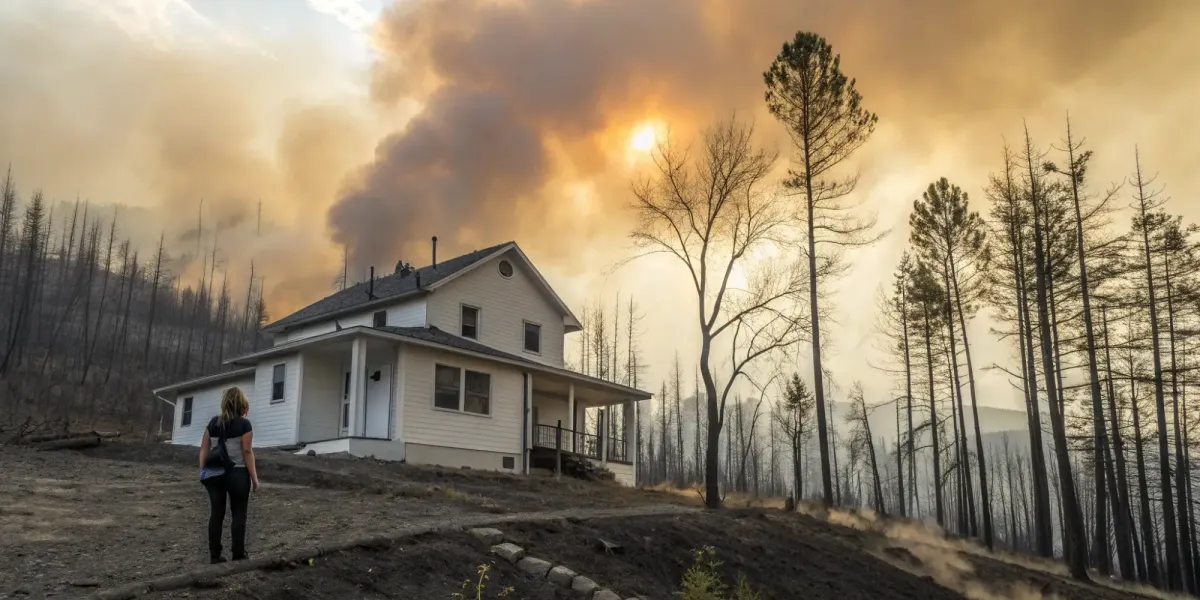
Receiving a non-renewal notice or staring at a massive premium increase is a frustrating reality for homeowners in high-risk areas. It’s easy to feel powerless, but you have more control than you think. Choosing the right insurer is about more than just the lowest price; it’s about finding a stable, supportive partner for the long haul. This means looking at a company’s financial strength, its reputation for handling claims, and its willingness to reward your home-hardening efforts. We’ll explore the key qualities you should demand from your insurer and evaluate some of the best wildfire insurance providers available to homeowners like you.
Key Takeaways
- Your policy's fine print is crucial: Ensure you have Extended Replacement Cost coverage to protect against rebuilding surges and sufficient Additional Living Expenses (ALE). Be sure to ask about specific exclusions, like damage from fire retardant, to avoid costly surprises later.
- Take control of your insurance costs through action: Don't just accept a high premium. Proactively reducing your home's risk by creating defensible space or upgrading to fire-resistant materials can directly lead to lower rates and better coverage options.
- Evaluate the company, not just the quote: A low price means nothing if the insurer can't pay claims or makes the process difficult. Research a company's financial stability and customer service reputation to ensure you're choosing a reliable partner for your recovery.
The Complete Guide to Wildfire Insurance: Providers, Quotes, and Brush Coverage
As wildfire seasons in California become more intense, securing homeowners insurance is no longer a simple online click. For those living in "High Fire Severity Zones," the search for coverage requires a specialized approach.
Understanding Brush Exposure and Fire Zones
Most standard carriers use satellite imagery and "Fireline" scores to determine risk. If your property has significant brush exposure within 100–200 feet, or if you are located in a canyon or remote area, you may face non-renewal. Understanding your "brush score" is the first step in obtaining a valid quote.
Top Providers for Wildfire Areas
While many names have pulled out of the California market, several specialized carriers still offer robust protection for fire-prone areas:
- Surplus Lines Carriers: Companies like Scottsdale or Lexington often step in where standard carriers exit.
- Fire-Resistant Built Homes: If your home features ember-resistant venting, Class A roofing, and defensible space, certain "admitted" carriers may still provide preferred rates.
- The FAIR Plan: The safety net for all California residents (see our FAIR Plan guide below).
How to Get an Accurate Quote in a Fire Zone
Don't settle for a "ballpark" estimate. To get a binding quote in a high-risk zone, you will need:
- A recent brush clearance inspection.
- Photos of your defensible space.
- A breakdown of fire-resistant upgrades to your structure.
Understanding the Modern Wildfire Threat
It’s a feeling many of us in California know all too well: the dry air, the red flag warnings, and the constant, low-level anxiety that fire season brings. This isn't just a feeling; it's a response to a changing reality. Wildfires are no longer a distant, occasional threat. They are more frequent, burn for longer, and impact communities that once felt safe. Understanding the specifics of this new reality is the first step toward protecting your home and family, and it starts with looking at the numbers and knowing where the real danger lies.
The Growing Risk: Wildfire by the Numbers
The scale of modern wildfires can be difficult to grasp, but the trend is clear. Each year, millions of acres burn across the country, and the number of large, destructive fires continues to climb. This isn't a problem confined to remote forests; the wildland-urban interface—where homes and wildlands meet—is expanding, putting more properties at risk than ever before. These aren't just statistics; they represent a direct threat to our homes, our financial stability, and our peace of mind. This growing risk is precisely why insurance carriers are becoming more selective, making it essential for homeowners to understand the data and take proactive steps to remain insurable.
It’s Not the Wall of Flame: How Embers Threaten Your Home
When you picture a home burning in a wildfire, you probably imagine a massive wall of flames sweeping over it. The surprising truth is that most homes are lost due to something much smaller: embers. These are tiny, burning pieces of debris that can be carried by the wind for a mile or more ahead of the actual fire front. They are the primary culprits, landing in gutters filled with dry leaves, on wooden decks, or getting sucked into attic vents. The good news is that you have a fighting chance against embers. While you can't stop a raging fire, you can harden your home against these fiery invaders by creating defensible space and using fire-resistant building materials, which can make all the difference.
What to Look for in a Wildfire Insurance Provider
Finding the right homeowners insurance when you live in a wildfire-prone area can feel like searching for a needle in a haystack. It’s not just about getting a policy; it’s about finding a partner who truly understands the risks you face and is committed to helping you recover if the worst happens. So, what separates a great wildfire insurance provider from the rest? It comes down to a few key qualities that go far beyond a recognizable name or a low initial quote.
First, look for a provider with a deep understanding of wildfire risk. This means they don't just see your address on a map and assign a high premium. Instead, they should be willing to consider your property’s specific vulnerabilities and the mitigation efforts you’ve made, like creating defensible space or using fire-resistant building materials. A great insurer offers comprehensive and flexible coverage options that protect your home, your belongings, and your peace of mind with features like extended replacement cost and robust additional living expense (ALE) coverage.
Transparency is another critical factor. You need a provider who is upfront about what your policy covers—and what it doesn’t. There shouldn’t be any surprises buried in the fine print about exclusions for things like fire retardant damage. Equally important is their approach to customer service and claims handling. A responsive, empathetic, and efficient claims team can make all the difference during an incredibly stressful time. Finally, always consider the company's financial stability. You want confidence that your insurer has the resources to pay out claims, even after a widespread disaster.
Wildfire Defense Services
Some of the most forward-thinking insurance carriers offer a game-changing perk: Wildfire Defense Services. Think of it as a private, expert team dedicated to protecting your property when a wildfire threatens your area. This isn't a standard feature on every policy, but for homeowners in high-risk zones, it’s an invaluable layer of protection that can make a significant difference. These services are typically offered at no additional cost to eligible policyholders and focus on proactive mitigation. When you partner with an agency that understands the landscape, like Five Bays, we can help you identify carriers that provide these essential, preventative services, giving you another tool to safeguard your home.
What These Services Include
So, what does a wildfire defense service actually do? When a wildfire is approaching, these specialized teams are deployed to your property to take preventative action. Their goal is to make your home less vulnerable to ignition from embers, which are the primary cause of home loss in a wildfire. As outlined by carriers like Chubb, this can include clearing flammable debris like leaves and pine needles from your roof and gutters, moving patio furniture or woodpiles away from the house, and even deploying a temporary sprinkler system. Some services may also apply a fire retardant to the most vulnerable areas of your property to slow the spread of flames.
Supporting, Not Replacing, First Responders
It’s crucial to understand that these services are designed to supplement, not replace, the work of official first responders. As providers like American Family Insurance make clear, these teams are not private firefighters; they won't be battling a wall of flames at your property line. Their mission is entirely preventative. They work ahead of the fire to prepare your home and give it the best possible chance of survival. By reducing immediate threats, they help make the property more defensible, which in turn allows official fire departments to allocate their resources more effectively across the community during a major event.
Coverage for Smoke and Ash Damage
A wildfire doesn’t have to burn your house down to cause significant damage. The smoke and ash carried by the wind can infiltrate your home, causing pervasive and costly problems long after the flames are gone. This type of damage can ruin furniture, clothing, and electronics, and cleaning it out of your HVAC system and ductwork requires professional remediation. Fortunately, standard wildfire insurance typically covers damage from smoke and ash, even if your home has no direct fire damage. It falls under the part of your policy that protects your dwelling and personal property, ensuring you can get your home back to a clean, livable condition.
Comparing the Top Wildfire Insurance Providers
Finding the right insurance provider when you live in a high-risk area can feel like searching for a needle in a haystack. The good news is that several reputable companies are stepping up to offer robust coverage, even in places other insurers might avoid. Each provider has a unique approach, from proactive defense services to deep discounts for bundling policies. Understanding these differences is the first step toward finding a partner who can give you both protection and peace of mind.
Let’s walk through some of the top wildfire insurance providers. We’ll look at what makes each one stand out so you can get a clearer picture of who might be the best fit for your home and your budget.
Five Bays Insurance Agency
Instead of being a single carrier, we operate as an independent insurance agency. Think of us as your expert guide and advocate. We specialize in helping homeowners in catastrophe-prone regions find the right coverage. We work with a network of top-rated insurance carriers—including some on this list—to connect you with policies that actually fit your needs. Our focus is on finding affordable and accessible options, especially for those who have struggled to get insured. We combine deep industry knowledge with a commitment to wildfire loss prevention, helping you make your home more resilient and insurable. We’re here to sort through the complexity for you.
Chubb
If you’re looking for a provider that takes a hands-on approach to protecting your property, Chubb is a standout choice. They are known for their premium service, which includes proactive risk management. For eligible homeowners, Chubb offers complimentary Wildfire Defense Services to help safeguard your home when a threat is imminent. This service can include things like clearing brush and applying fire retardant around your property. It’s a great option for homeowners who value having an extra layer of expert defense and want a partner who actively works to prevent losses before they happen.
Chubb's Wildfire Defense Services: What to Know
So, what does Chubb’s Wildfire Defense Service actually look like in action? It’s much more than a policy benefit—it’s a hands-on defense force for your home. When a wildfire is approaching, Chubb can dispatch a team of certified fire professionals directly to your property. Their job is to create a stronger defense perimeter by removing flammable materials like dead leaves and patio furniture, closing vents to block embers, and in some cases, setting up temporary sprinkler systems. This proactive service goes beyond just financial coverage, giving you a tangible layer of defense when your home is most vulnerable. Best of all, this service is often included at no extra cost for eligible policyholders in high-risk states, making it a powerful value-add.
State Farm
State Farm is one of the most recognizable names in insurance, and for good reason. With a vast network of local agents across the country, they offer a personal touch that can be incredibly reassuring, especially when you’re dealing with a stressful situation. According to WalletHub, State Farm has good service for handling claims, which is a critical factor when you need support the most. If you prefer face-to-face interaction and want an agent who understands your local community and its specific risks, State Farm’s established presence and reputation for solid claims handling make them a reliable choice.
Farmers Insurance
Farmers has a long and storied history when it comes to protecting homes from fire. In fact, the company’s roots in this area run deep, having started a Fire Insurance Exchange way back in 1942 with a specific focus on home insurance with fire coverage. This long-term experience means they have decades of data and expertise in underwriting homes in fire-prone regions. For homeowners seeking a provider with a proven track record and a foundational understanding of fire risk, Farmers’ historical commitment to this type of coverage makes them a very credible and experienced option.
USAA
For military members, veterans, and their families, USAA is consistently ranked at the top for both customer satisfaction and affordability. They are widely recognized for offering competitive rates and excellent customer service, making them a go-to choice for those who are eligible. USAA’s commitment to serving the military community translates into a supportive and efficient claims process. If you have a military connection, it’s definitely worth getting a quote from USAA. Their combination of low prices and high-quality service is tough to beat, providing significant value to the families they serve.
USAA's Wildfire Response Program
What truly sets USAA apart is its response when you need it most. Their commitment to the military community shines through in a claims process that is consistently described as supportive and efficient. During the chaos and stress that follows a wildfire, having an insurer that handles your claim with empathy and speed is invaluable. This focus on a smooth recovery is a core part of their value. For eligible homeowners, USAA’s proactive approach to risk management, combined with their financial stability, makes them a strong partner. They offer a rare combination of value, delivering both excellent service and competitive rates that provides genuine peace of mind.
Allstate
If you’re looking for ways to make your coverage more affordable, Allstate is known for its wide range of discounts. They offer significant savings for bundling your home and auto policies, which can make a big difference in your overall budget. One of their most compelling features is the "Claim RateGuard" benefit, which can prevent your rates from increasing just because you filed a claim. This can provide valuable peace of mind, as you won’t have to worry about being penalized for using your insurance when you need it. For homeowners focused on finding cost-effective solutions without sacrificing protection, Allstate’s discount opportunities are a major plus.
Liberty Mutual
Every home is different, and Liberty Mutual understands that your insurance policy should be too. They are known for providing customizable homeowners' insurance that allows you to tailor your coverage to your specific needs. This flexibility is key when you live in a high-risk area, as you can adjust your policy limits for things like dwelling protection or personal property to ensure you’re adequately covered. If you don’t want a one-size-fits-all plan and prefer to have more control over the details of your policy, Liberty Mutual’s customizable approach empowers you to build the protection that’s right for you.
American Family Insurance
American Family Insurance is another provider taking a forward-thinking approach to wildfire risk. They understand that protecting your home starts long before a fire is on the horizon, and they’ve built their model around proactive defense rather than just reactive payouts. This is a huge plus for homeowners who want to do everything they can to safeguard their property and are looking for an insurer who supports those efforts. Their commitment to innovative defense strategies, particularly through their partnership with wildfire mitigation specialists, shows they are invested in being a true partner in resilience, not just a company that sends a check after the fact.
Wildfire Defense Services Endorsement
One of the most compelling features from American Family is their Wildfire Defense Services endorsement. This isn't just a line item on your policy; it's an active service. Through a partnership with Wildfire Defense Systems, Inc. (WDS), they provide on-the-ground support to eligible policyholders. If a wildfire is threatening your area, WDS crews can be dispatched to your property to take preventative measures. This can include clearing flammable debris, deploying temporary sprinkler systems, or even applying fire-retardant gel to your home. In many states where this is offered, this service is automatically included at no extra cost, making it an incredibly valuable benefit that provides an extra layer of professional protection when you need it most.
High-risk home? We may still have options.
We compare top carriers for wildfire-exposed California homes — surplus lines, admitted, and FAIR Plan alternatives.
Is Your Wildfire Coverage Actually Enough?
When you live in a high-risk area, your insurance policy is more than just a piece of paper—it’s your financial safety net. But not all policies are created equal. The standard homeowners policy might not have the specific protections you need to fully recover from a wildfire. Understanding the fine print is the best way to ensure you have a plan that will actually work for you when it matters most.
Think of your policy as a toolkit for recovery. You need the right tools for the job. This means looking beyond the basics and focusing on coverage types that address the unique challenges of rebuilding after a fire. From ensuring you have enough funds to reconstruct your home at today’s prices to covering the costs of living elsewhere during repairs, the right options can make all the difference. Let’s walk through the four most critical coverage areas you should have on your radar.
Covering the Cost to Rebuild Your Home
Dwelling protection is the part of your policy that covers the physical structure of your home. But standard replacement cost might not be enough. After a widespread disaster like a wildfire, the demand for contractors and building materials can cause prices to surge. This is where extended replacement cost coverage becomes essential. It provides an additional buffer, often 25% to 50% above your dwelling limit, to cover these unexpected cost increases. This ensures you have the funds to rebuild your home to the same standard it was before, without dipping into your personal savings.
Guaranteed vs. Extended Replacement Cost
Let's break down the two main types of enhanced rebuilding coverage you'll see in a policy: guaranteed and extended replacement cost. Think of Guaranteed Replacement Cost as the ultimate safety net. With this coverage, your insurer promises to pay the full amount to rebuild your home to its former state, no matter the final price tag—even if it blows past your policy limit. It’s designed to completely absorb the shock of post-disaster price hikes. However, this level of protection has become increasingly rare and costly, especially in high-risk states. The more common and still incredibly valuable option is Extended Replacement Cost. This adds a specific percentage, usually 25% to 50%, on top of your dwelling coverage limit. This buffer is crucial for handling the "demand surge" that drives up labor and material costs after a widespread event. While it isn't an unlimited promise, having a strong extended replacement cost endorsement is a non-negotiable for ensuring you can fully recover without draining your savings.
What About Your Personal Belongings?
While your dwelling coverage rebuilds the house, personal property coverage replaces what’s inside it—your furniture, clothes, electronics, and other belongings. It’s important to read this section of your policy carefully. Many insurers place sub-limits on high-value categories like jewelry, art, or firearms, meaning they’ll only pay up to a certain amount for those items, regardless of their actual value. You should also check for specific exclusions. For example, some policies may not cover damage caused by fire retardants dropped during firefighting efforts, which can be a frustrating surprise during the claims process.
Covering Costs if You Have to Relocate
If a wildfire forces you out of your home, where will you go? Additional Living Expenses (ALE) coverage is designed to answer that question. This vital protection helps pay for the costs of temporary housing, meals, and other essential living costs while your home is being repaired or rebuilt. Without ALE, you could face the overwhelming financial burden of paying for a mortgage on an unlivable house while also covering rent for a temporary apartment. It’s a critical part of any policy that ensures your family can maintain a sense of normalcy during a very disruptive time.
Getting Credit for Wildfire Prevention
Some of the best insurance providers are now taking a proactive approach to protecting your home. Instead of just paying for damage after it happens, they offer wildfire defense services to reduce your risk beforehand. For example, some carriers provide a service that can dispatch certified firefighters to your property to help clear brush, apply fire retardant, and implement other emergency measures when a wildfire is threatening your home. These risk mitigation programs not only offer incredible peace of mind but can also make your home more resilient in the face of a threat.
How to Save on Your Wildfire Insurance
When you live in a high-risk area, the price of homeowners insurance can feel unpredictable and, frankly, unfair. It’s easy to get sticker shock when you see your premium, but understanding what goes into that number is the first step toward finding a policy that fits your budget without sacrificing protection. The cost of your insurance is a direct reflection of your home’s risk level, but it’s not a fixed number. Many carriers offer significant discounts for homeowners who take proactive steps to make their properties safer and more resilient.
The key is to strike a balance. You want comprehensive coverage that will actually be there for you when you need it, but you also need it to be affordable. This means looking beyond the bottom-line price and digging into the details of what each policy offers. It also means taking an active role in reducing your home’s vulnerability. By learning how premiums are calculated, what discounts are available, and how to compare providers effectively, you can find the right coverage for your home and your peace of mind.
What Factors Influence Your Premium?
The single biggest factor influencing your insurance premium is your home's location. Insurance providers calculate risk based on a wide range of data, and if your property is in an area with a history of wildfires, your rates will be higher. Carriers charge more for homes in wildfire zones to offset the greater potential for a catastrophic loss. Other factors also play a role, including the age and construction of your home, the materials used for your roof and siding, and your proximity to a fire station. Understanding how this risk impacts your premium is crucial because it helps you see your policy from the insurer's perspective and identify areas where you can make improvements.
Earning Discounts for Reducing Your Risk
While you can’t change your home’s location, you have a lot of control over its resilience. Many insurance companies offer discounts to homeowners who actively reduce their wildfire risk. Simple actions like creating defensible space by clearing brush and trees away from your house, installing a fire-resistant roof, and using non-combustible siding can make a huge difference. Some carriers even offer discounts for installing ember-resistant vents or having a wildfire preparedness plan. These steps not only protect your property but also show insurers that you are a responsible homeowner, which can lead to lower premiums and help you secure adequate home insurance in a tough market.
Home Hardening: Building with Fire-Resistant Materials
Think of home hardening as giving your house a suit of armor. It’s all about using building materials that can stand up to heat and embers. The roof is your home's most vulnerable area, so swapping out old wood shingles for materials like metal, clay tiles, or Class A composite shingles is one of the most impactful upgrades you can make. For your home's exterior walls, materials like fiber cement, brick, or stucco are far more effective at resisting fire than wood or vinyl siding. Don't forget the small details, either—installing dual-paned windows and covering vents with fine metal mesh can prevent wind-blown embers from getting inside. These improvements aren't just for safety; they are a clear signal to insurers that you've invested in reducing your property's risk.
Creating Defensible Space: The First 5 Feet Matter Most
Most homes don't catch fire from a giant wall of flames, but from small, wind-blown embers that land on or near the house. This is why creating "defensible space" is so critical. It’s a buffer zone around your home that denies fuel to a fire. The most important area is the first five feet extending out from your foundation. This immediate zone should be completely free of flammable items. That means clearing away all dry leaves, pine needles, and dead plants. You should also move firewood piles, propane tanks, and flammable outdoor furniture at least 30 feet away from the house. Taking these steps creates a powerful, fire-resistant barrier that can dramatically improve your home's chances of survival and is one of the first things insurers look for when evaluating your property.
How Costs Vary Between Insurance Providers
When you’re shopping for insurance, it’s tempting to just go with the lowest quote. However, a cheaper policy isn’t always better. It’s essential to compare what you’re getting for your money. Two policies with similar premiums could have vastly different coverage limits, deductibles, and exclusions. For example, one policy might cover the cost of debris removal while another doesn’t. Common exclusions can also include damage from fire retardant drops or limited coverage for detached structures like sheds or guest houses. Get quotes from several providers and compare them side-by-side to ensure you’re making an informed decision based on value, not just price.
What Isn't Covered by Wildfire Insurance?
Reading your insurance policy can feel like a chore, but it’s one of the most important things you can do to protect your home and finances. The exclusions—the specific situations and types of damage your policy won’t cover—are often hidden in the fine print. For homeowners in wildfire-prone areas, understanding these exclusions is absolutely critical. An event you assume is covered might not be, leaving you with unexpected and potentially devastating out-of-pocket costs.
Think of it this way: your policy is a contract. It outlines what the insurance company agrees to cover, but it also clearly states what it won’t. Wildfires create complex and cascading damage, and insurers have become very specific about what they will and will not pay for. From the chemicals used to fight the fire to the environmental aftermath, several common exclusions can catch homeowners by surprise. Let’s walk through a few of the most important ones so you know exactly what to look for in your own policy.
Damage from Fire Retardant
It sounds counterintuitive, but the very substance used to save your home from a wildfire could cause damage that isn't covered. Fire retardant is an essential tool for firefighters, but the chemicals can stain siding, corrode metal fixtures, and damage landscaping. Many standard homeowners policies have specific exclusions for damage caused by fire retardants. If your home survives a fire but is coated in retardant, you could be on the hook for the cleanup and repair costs. When reviewing your documents, check for any language about chemical damage or contamination from firefighting efforts to see where you stand.
What About Mudslides or Floods After a Fire?
Wildfires don’t just burn; they fundamentally change the landscape. When a fire strips hillsides of vegetation, it creates the perfect conditions for secondary disasters. A heavy rain following a fire can trigger devastating mudflows and landslides. Unfortunately, many insurance policies that cover fire damage specifically exclude coverage for earth movement. This means that even though the wildfire was the root cause, the policy may not cover damage from resulting landslides, mudslides or mudflows. It’s a frustrating loophole that leaves many homeowners vulnerable, so be sure to see how your policy handles these chain-reaction events.
Understanding Your Liability Limits
Your liability coverage protects you if you’re held responsible for an accident that injures someone or damages their property. But when it comes to wildfires, liability can get complicated. For instance, what if a fire starts on your property and spreads? Or what if a utility company’s equipment is the cause? Some policies include specific wildfire exclusions that can limit coverage, especially if another party is found to be at fault. It’s important to understand the scope of your liability protection and know where your responsibility ends and another entity’s begins. This ensures you aren't caught off guard in a complex legal situation.
Common Wildfire Insurance Challenges (and Solutions)
If you’re a homeowner in a high-risk area, some of these scenarios might sound all too familiar. The insurance landscape is shifting, and it can feel like the rules are changing right under your feet, leaving you scrambling to protect your home. Many homeowners are finding themselves in a tough spot, dealing with a market that feels unpredictable and, at times, unfair. Let’s walk through some of the most common hurdles people are facing right now. Recognizing these challenges is the first step toward finding a better path forward.
What to Do if Your Policy Is Canceled
Receiving a non-renewal notice in the mail is a gut-wrenching experience. Unfortunately, it’s becoming more common as insurance carriers pull back from areas they deem too risky. Even with temporary moratoriums on cancellations in certain zip codes following major wildfires, the long-term trend shows insurers are becoming more selective. This leaves responsible homeowners, who have diligently paid their premiums for years, suddenly without coverage and forced to search for a new policy in a difficult market. The California fire insurance crisis has left many feeling abandoned by the very companies they trusted to be there for them.
Finding Coverage in a High-Risk Area
Even if you can find a company willing to offer you a policy, the options might be slim and incredibly expensive. Homeowners in high-risk zones often discover that finding affordable homeowners insurance with adequate protection is a major challenge. You might be presented with policies that have high deductibles, low coverage limits for your personal property, or exclusions for the very disasters you’re most worried about. This forces you into a difficult position: either pay a staggering premium for comprehensive coverage or settle for a less-protective policy that could leave you financially vulnerable if the worst happens.
Is the California FAIR Plan Your Only Option?
When you can’t find coverage in the traditional market, you might be pointed toward the California FAIR Plan. While it serves as a crucial safety net, it’s designed to be a last-resort option for a reason. The FAIR Plan typically only covers damage from fire, lightning, and internal explosion, meaning you’ll need to purchase a separate, supplemental policy to cover everything else, like liability, water damage, and theft. Juggling multiple policies can be complicated and costly, and it often results in coverage gaps. Relying on the FAIR Plan is a temporary fix, not a comprehensive, long-term solution for protecting your home and assets.
How to Choose the Right Wildfire Insurance Provider
Finding the right insurance provider can feel like a huge task, especially when you live in a high-risk area. But it doesn't have to be overwhelming. When you know what to look for, you can confidently compare your options and find a partner who will be there for you when it matters most. Focus on these three key areas to find a provider that offers both solid protection and peace of mind.
Check the Insurer's Financial Health
Before you sign any policy, you need to know that the company has the financial strength to pay out claims, even after a widespread disaster. Think of it as checking the foundation of a house—if it’s not solid, nothing else matters. Look for carriers with high ratings from independent agencies like AM Best or Moody's. As one industry guide notes, it's essential to "Check if the company is financially stable and can pay claims quickly." A strong financial rating is a good indicator that your provider can handle its obligations without delay, giving you the support you need to start rebuilding.
Evaluate Their Claims Process and Support
How a company handles claims is a true test of its character. After a wildfire, you’ll be dealing with enough stress—you don’t need a difficult claims process adding to it. Research how a provider is known for treating its customers during their most difficult times. You want a team that is responsive, fair, and supportive. Look for reviews or ask an independent agent about the company's reputation. The goal is to find a provider known for "handling claims fairly, quickly, and helpfully," because that support can make all the difference in your recovery.
Ask if You Can Customize Your Policy
Your home and your needs are unique, and your insurance policy should reflect that. A great provider will work with you to tailor a policy that fits your situation. Don’t be afraid to ask detailed questions. Can you get guaranteed or extended replacement cost coverage? What are the limits for additional living expenses? It's also critical to understand what isn't covered. Some policies have specific wildfire exclusions, such as damage caused by fire retardants dropped from aircraft. Getting clarity on these details upfront ensures you have the right protection in place, with no surprises later on.
Questions to Ask Your Insurance Agent
Shopping for insurance can feel overwhelming, especially when you’re trying to protect your home from something as unpredictable as a wildfire. But you don’t have to go in blind. Arming yourself with the right questions can help you cut through the confusion and find a policy that truly fits your needs. Before you sign on the dotted line, make sure you get clear, direct answers to these questions from any potential provider.
What exactly does this policy cover in a wildfire?
This might seem obvious, but the details matter. Go beyond a simple "yes, you're covered." Ask for specifics on your dwelling protection. Is it based on your home's market value or its replacement cost? You should also push for Extended Replacement Cost coverage, which provides a buffer if rebuilding costs surge after a disaster. Dig into your personal property coverage, too. Does it cover everything inside your home, or are there specific limits on high-value items like jewelry or electronics? Finally, understand your Additional Living Expenses (ALE) coverage. How much does it provide, and for how long, if you’re displaced from your home? Your home’s location will influence your rates and policy options, so be sure the agent understands your specific property.
What are the specific exclusions and limitations?
Just as important as what’s covered is what isn’t. Every policy has exclusions, and you need to know what they are before you have to file a claim. Ask for a list of events or types of damage that are not covered. For example, some policies won't cover damage caused by fire retardant dropped during firefighting efforts. It's also critical to understand if your coverage carries any wildfire exclusions or sub-limits, which are lower coverage caps on specific categories of items. Don't be afraid to ask for hypothetical scenarios to see how your coverage would respond.
How is my premium calculated, and what discounts can I earn?
Your premium is based on your home’s perceived risk. Ask the provider what specific factors they use in their calculation. Is it based on your ZIP code, your property’s specific risk score, the slope of your land, or the types of vegetation nearby? Understanding this gives you more control. Follow up by asking about available discounts. Many modern insurers offer significant premium reductions for homeowners who take proactive steps to mitigate their risk. This includes creating defensible space, installing a fire-resistant roof, or using non-combustible siding. This is your chance to get rewarded for your home-hardening efforts.
Can you walk me through your claims process?
When you need your insurance most, the last thing you want is a confusing and stressful claims process. Ask the agent to explain, step-by-step, what happens after you report a loss from a wildfire. Who will be your main point of contact? What is the typical timeline for an inspector to visit your property? How are funds for additional living expenses and personal property disbursed? A provider who can give you clear, confident answers is likely one that has a well-established process for supporting its customers through the toughest times.
Ready to Protect Your Home? Here's What's Next
Finding the right wildfire insurance can feel like a huge task, but breaking it down into manageable steps makes the process much clearer. As wildfires continue to pose a significant threat, taking proactive measures is the best way to safeguard your property and your peace of mind. Here’s how you can get started.
- Understand Your Coverage Options. First, get a clear picture of how your home’s specific location impacts your insurance. Living in a high-risk area will directly influence your insurance rates and the types of policies available to you. Understanding your property’s unique risk profile helps you ask the right questions and compare quotes more effectively.
- Look for Proactive Defense Services. Some insurers go beyond simply writing a policy. For example, Chubb offers complimentary Wildfire Defense Services to eligible homeowners, which can include sending certified firefighters to help protect your home during an active threat. When speaking with potential providers, ask if they offer similar risk mitigation programs. This can be an invaluable layer of protection.
- Find Affordable Coverage. It’s true that homeowners in high-risk zones often face higher premiums, but don’t let that discourage you. This is where shopping around is essential. Get quotes from multiple providers, including independent agencies that specialize in hard-to-insure properties, to find the best balance of coverage and cost for your budget.
- Review Common Exclusions. Before you sign, make sure you understand what isn’t covered. Common exclusions might include damage caused by fire retardants or have specific sub-limits on certain types of personal property. Reading the fine print now can save you from unexpected and costly surprises down the road.
By taking these steps and carefully evaluating your options, you can find a policy that truly protects your home. Don't wait until it's too late—start the conversation with an insurance professional today.
Related Articles
- Policy Checkup: Is Your Wildfire Coverage Enough?
- Frequently Asked Questions About Wildfire & High-Risk Home Insurance
- Get a Quote for Wildfire & High-Risk Home Insurance
- Disclaimers & Disclosures for Wildfire Insurance
- Terms of Service for Wildfire & High-Risk Coverage
Frequently Asked Questions
Why should I work with an independent agency instead of just calling a big-name company directly? Think of an independent agency as your personal insurance shopper and advocate. Instead of being tied to one company's products, we work with a wide network of carriers to find the best policy for your specific situation. This is especially helpful in high-risk areas where options are limited. We do the legwork of comparing complex policies and can often find coverage from specialized insurers you might not have found on your own, saving you time and frustration.
My insurance company just sent me a non-renewal notice. What should I do first? First, don't panic. While it’s incredibly stressful, you have options. Your immediate next step should be to contact an insurance professional who specializes in high-risk properties. Start gathering any documentation you have about your home’s construction and any fire mitigation work you’ve done, like creating defensible space. This information will be essential for finding a new carrier who understands and values the steps you've taken to protect your property.
Is the California FAIR Plan a good long-term solution for my home? The FAIR Plan is an essential safety net, but it's not designed to be a complete or permanent solution. It primarily covers damage from fire and smoke, leaving major gaps in protection. To get coverage for things like liability, theft, and water damage, you have to buy a separate "difference in conditions" policy from another insurer. Managing two policies can be complicated and expensive, so it's always best to view the FAIR Plan as a last resort while you work to find comprehensive coverage in the private market.
Will the money I spend on home hardening actually save me money on my insurance? In many cases, yes. While you can't change your home's location, you can change its risk profile. When you invest in a fire-resistant roof, clear defensible space, or install ember-proof vents, you're making your home a better risk for an insurance company. Many carriers offer significant discounts for these efforts. More importantly, in today's tough market, these improvements can be the deciding factor that makes your home eligible for coverage in the first place.
What's the single most important coverage I should look for in a policy? If you have to prioritize one thing, make it Extended Replacement Cost coverage for your dwelling. A standard policy might give you enough to rebuild your home under normal circumstances, but it often falls short after a widespread wildfire. When that happens, the demand for labor and materials skyrockets, driving up construction costs. Extended Replacement Cost provides a crucial financial cushion—typically 25% to 50% above your policy limit—to ensure you can actually afford to finish rebuilding without draining your savings.


