
How to Choose an Insurance Broker for Fire Zones
Find the right insurance broker fire zones expert for your home. Get practical tips to secure coverage and protect your property in wildfire-prone areas.

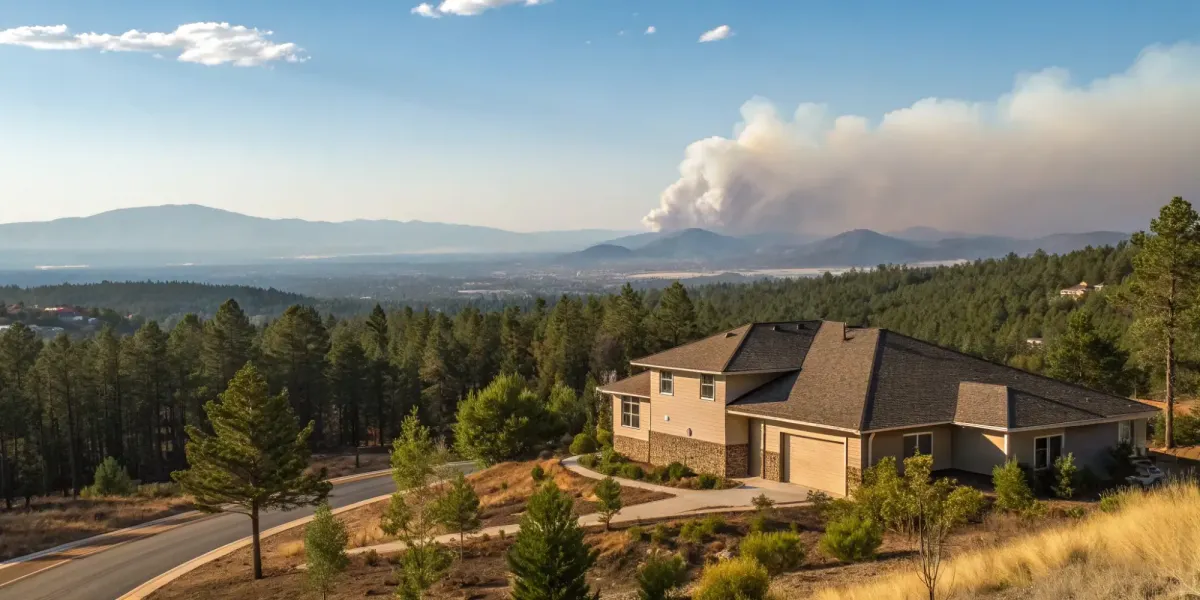
You wouldn't ask your family doctor to perform heart surgery. So why trust a generalist insurance agent to protect your home in a wildfire zone? Insuring a high-risk property is a completely different ballgame. Standard agents often lack access to the right carriers and don't understand the specific underwriting rules that get you approved. Choosing the wrong person leads to dead ends and frustration. This is where a specialist is essential. Let's cover how to choose the right insurance broker for fire zones—an expert who can provide the specialized protection your home truly needs.
Key Takeaways
- Choose a Broker, Not an Agent: A broker works for you, not an insurance company. This gives you access to more coverage options from various carriers, which is critical when standard insurers are pulling out of high-risk fire zones.
- Prioritize Fire Zone Expertise: Don't settle for a generalist. A specialized broker understands the unique underwriting rules for fire-prone areas, has relationships with specialty carriers, and can offer practical advice on making your home more insurable.
- Vet Your Broker and Prepare Your Home: Ask targeted questions about a broker's experience with wildfire claims and their carrier relationships. A great partner will also provide actionable steps, like home hardening and creating defensible space, to improve your property's risk profile.
Broker or Agent: Who Should You Choose in a Fire Zone?
When you’re looking for homeowners insurance in a high-risk fire area, the terminology can get confusing fast. You’ll hear people talk about agents and brokers, sometimes interchangeably. But the person you choose to work with can make all the difference in whether you find affordable, reliable coverage or end up with a policy that doesn't fully protect you. Understanding who does what is the first step toward getting the right policy for your home.
Think of it this way: you wouldn't go to a car dealership that only sells one brand if you wanted to compare all your options. The same logic applies to insurance. Let's break down the key players and what their roles mean for you as a homeowner in a place where finding coverage is already a challenge.
What Does an Insurance Broker Actually Do?
An insurance broker is a licensed professional who represents you, the customer. Their primary job is to act as your advocate in the insurance market. Instead of being tied to a single company, they assess your specific needs—like protecting a home in a wildfire-prone area—and then search for policies from various insurance carriers to find the best fit.
According to the National Association of Insurance Commissioners, brokers work for you to find the best insurance for your needs, especially in complex situations. Because their loyalty is to you and not to any one insurance company, they can provide impartial advice and help you compare the fine print on different policy options. This is incredibly valuable when standard insurers are pulling back from your area and you need access to specialty markets.
Broker vs. Agent: The Main Distinctions
While a broker works for you, an insurance agent represents one or more insurance companies. There are two main types of agents you’ll encounter. Captive agents work exclusively for a single insurance company, like State Farm or Allstate. They are experts on their company’s products but can only sell you what that one carrier offers.
Then there are independent agents. These agents work with several different insurance companies, giving them the ability to offer you more options than a captive agent. While both independent agents and brokers can provide quotes from multiple carriers, the key difference lies in who they formally represent. An agent is appointed by and represents the insurance companies they work with, while a broker’s primary duty is to you, the client.
Does This Choice Really Matter for Your Home?
For homeowners in fire zones, this distinction is critical. When you work with a captive agent, their company may have strict rules that prevent them from writing a policy for your home, leaving you at a dead end. An independent agent or broker, however, has a much wider net to cast. They can help you get options from different companies, including specialty carriers that are comfortable with wildfire risk.
Choosing the right professional is just as important as picking the right policy. In a challenging market, you need an expert who can do more than just give you a single quote. You need someone who understands the landscape, has relationships with the right carriers, and can advocate on your behalf to find a solution that keeps your home and finances secure. This access to more choices directly increases your odds of finding comprehensive coverage at a competitive price.
Why You Need an Insurance Broker for Fire Zones
When your home is in a high-risk area, finding the right insurance feels less like shopping and more like a high-stakes search. The standard insurance market can feel like a maze of dead ends, with confusing rules and outright denials. This is where a broker who specializes in fire zones becomes your most valuable partner. They aren't just selling you a policy; they're your guide through a complex system, equipped with the specific knowledge and relationships needed to protect your home. Think of them as a specialist for a specific condition—you wouldn't see a general practitioner for heart surgery, and you shouldn't rely on a generalist agent for wildfire risk. A specialized broker understands the landscape, from carrier appetites to mitigation requirements, and can build a strategy tailored to your property’s unique situation. They work for you, not the insurance company, giving them the freedom to find the best possible fit from a wider range of options.
What Makes Insuring a High-Risk Home So Hard?
Living in a beautiful, wildland-adjacent area comes with a unique set of insurance hurdles. For homeowners in these regions, understanding how this risk impacts home insurance is the first step. Insurance carriers use sophisticated mapping and risk-scoring models that can change from one street to the next. Your home’s specific location, the slope of your property, and the type of surrounding vegetation all play a major role in your eligibility and premiums. A specialized broker knows how to interpret these risk factors and present your home in the best possible light. They can explain why you might be getting quoted a high premium and what specific steps you can take to improve your home’s risk profile in the eyes of an underwriter.
The Growing Insurance Crisis in High-Risk States
If you’ve received a non-renewal notice or been denied coverage, you’re not alone. Across the West, from California to Arizona, homeowners are facing a shrinking insurance market. As wildfire seasons become longer and more destructive, many standard insurance carriers are hitting the brakes. They are re-evaluating their risk exposure and, in many cases, deciding to pull out of entire regions. This industry-wide shift means that companies are refusing to renew long-standing policies and denying new applications, leaving homeowners scrambling for options. This isn't a reflection on you or your home; it's a market correction that has left countless responsible homeowners feeling stranded and exposed.
Development in the Wildland-Urban Interface (WUI)
For decades, communities have expanded into what’s known as the Wildland-Urban Interface (WUI)—the scenic areas where homes and wildlands meet. While these locations offer incredible natural beauty, they also place more properties in the direct path of potential wildfires. As more homes are built in these fire-prone areas, the potential for catastrophic loss has grown exponentially. Insurers see this concentration of risk and are becoming increasingly hesitant to offer coverage. What was once a dream home location is now often flagged as a high-risk liability, making it incredibly difficult for both current homeowners and prospective buyers to secure the protection they need to feel safe.
The Broader Economic Impact
The insurance crunch doesn't just affect individual homeowners; it has a ripple effect on entire communities. When insurance becomes scarce and expensive, it can stall real estate transactions, lower property values, and hinder local economic growth. Even in communities that have taken proactive steps to become "Firewise" by clearing brush and using fire-resistant building materials, insurers are still tightening their rules. This creates a frustrating situation where homeowners are doing everything right but still can't find coverage. This uncertainty makes it harder for families to build financial security and for communities to thrive, turning the insurance crisis into a significant economic hurdle for entire regions.
How Insurers Measure Wildfire Risk
To an insurer, your home isn't just a place with four walls and a roof; it's a data point on a map. When determining your eligibility for coverage, insurance companies use a combination of public data and their own private, complex models to calculate the probability of your home being damaged in a wildfire. This process can feel opaque and frustrating, especially if you receive a non-renewal notice without a clear explanation. Understanding the key factors they look at—like risk scores and hazard zones—is the first step toward taking control. It helps you see your property through an underwriter's eyes and identify the specific areas where you can make improvements to lower your risk profile.
Understanding Your Wildfire Risk Score
One of the first things an insurer looks at is your property’s wildfire risk score. Think of this as a grade that predicts how likely your immediate area is to experience a fire. According to insurance experts, these scores are a primary tool used to determine pricing and eligibility for homeowners insurance. Companies use third-party vendors to generate these scores, which analyze factors like the density and type of nearby vegetation, the slope of the land, and historical weather patterns. A high score can automatically flag your property as high-risk, often leading to higher premiums or even a denial of coverage from standard carriers. A specialist broker can help you understand your score and find insurers who are willing to look beyond it.
What Are Fire Hazard Severity Zones (FHSZ)?
In California, the state also plays a role in mapping fire danger through Fire Hazard Severity Zones, or FHSZ. These maps are mandated by state law and categorize land into three levels of hazard: Moderate, High, and Very High. CAL FIRE creates these maps using scientific data that considers factors like vegetation (fuel), topography, and typical fire weather. You can look up your property to see which zone you’re in. While these maps provide a broad, regional overview of fire hazard, they are just one piece of the puzzle. Insurers use this public data as a starting point but then drill down with their own, more granular tools to assess your specific property.
Hazard vs. Risk: What You Can Control
It’s important to understand the difference between "hazard" and "risk." The FHSZ maps show the natural hazard of your location—something you can't change. But "risk" refers to the potential for actual damage, which you absolutely can influence. This is where you have power. An insurer’s model will look at your home’s specific risk by evaluating factors like your roof material, whether you have ember-resistant vents, and if you’ve created defensible space around your property. Taking proactive steps to harden your home can significantly lower your individual risk, even if you live in a Very High Fire Hazard Severity Zone. A knowledgeable broker can provide a checklist of high-impact improvements that will make your home more attractive to insurers.
Gaining Access to Specialized Insurers
One of the biggest advantages of working with a specialized broker is their access to insurance markets that aren't available to the general public or most standard agents. Many mainstream carriers have pulled back from high-risk areas, leaving homeowners with few choices. A fire zone specialist, however, has established relationships with specialty carriers and surplus lines insurers who are willing to take on that risk. They know which companies are actively writing policies in your neighborhood. While state-run programs like FAIR Plans exist as a safety net, a good broker’s goal is to find you more comprehensive coverage in the private market first, often by bundling policies or finding a carrier with a higher risk tolerance.
Cutting Through Complicated Carrier Rules
Insurance policies are already filled with jargon, but policies for high-risk homes have an extra layer of complexity. Each carrier has its own strict and often unpublished underwriting guidelines for fire zones. These rules can dictate everything from the type of roofing material you must have to the exact clearance required around your home. A specialized broker is fluent in this language. They stay current on the ever-changing requirements of different carriers and can quickly identify which ones your home qualifies for. This expertise saves you from wasting time applying to companies that will automatically deny you and helps you focus your efforts on meeting the criteria of those that are a potential match.
How to Choose the Right Fire Zone Broker
Finding the right insurance broker when you live in a high-risk fire zone is about more than just getting a quote. It’s about finding a true partner who understands the specific challenges you face. The insurance landscape in these areas is complicated, with rules and requirements that can feel overwhelming. A great broker acts as your guide and advocate, helping you find the best possible coverage from carriers who are actually willing to insure your home.
Not all brokers have the specialized knowledge needed to serve homeowners in fire-prone regions. A generalist might not know which insurance companies have an appetite for wildfire risk or understand the nuances of defensible space and home hardening. You need someone who lives and breathes this stuff. They should be able to explain complex policy details in plain English and offer practical advice on how to make your home more insurable. Think of your search for a broker as hiring a key member of your home protection team. You want someone with the right qualifications, a solid track record, and deep connections within the industry. By focusing on a few key areas, you can find a professional who will help you secure the peace of mind you deserve.
Look for These Key Credentials
A state license is the bare minimum for any insurance professional, but in a high-risk area, you should look for more. Professional certifications show that a broker has invested extra time and effort into mastering their field. Think of them as a sign of deep expertise and a commitment to their craft.
Look for brokers who hold recognized designations like Accredited Advisor in Insurance (AAI), Certified Risk Manager (CRM), or Certified Insurance Counselor (CIC). These credentials mean the broker has completed rigorous coursework in complex topics like risk management and insurance law. It’s a strong indicator that they have the skills to handle the unique challenges of insuring a home in a fire zone.
Do They Have Real-World Wildfire Claim Experience?
There’s no substitute for hands-on experience. You want a broker who has not only written policies in fire zones but has also guided clients through the claims process after a wildfire. This real-world experience is invaluable. A broker with a proven track record knows the common pitfalls and can help you prepare for a smoother claims experience if the worst should happen.
They can provide insights into what insurance adjusters look for and how to properly document your property and belongings. This experience also means they understand the emotional and financial stress homeowners face, allowing them to be a more effective and empathetic advocate for you when you need it most.
Why Local Knowledge and Carrier Relationships Matter
An effective fire zone broker has deep roots in the local community and strong relationships with insurance carriers. They understand the specific micro-climates, topographies, and fire histories of your neighborhood. This local knowledge allows them to present your home’s risk profile accurately and favorably to underwriters.
Furthermore, their industry connections are a huge asset. They often have access to specialized insurance markets, including smaller, regional, or even non-profit insurers that you wouldn’t find on your own. These carriers may be more willing to offer coverage in high-risk areas and can sometimes provide more competitive rates than mainstream companies.
How to Verify Their State License
Before you commit to working with anyone, do a quick background check. Every state has a Department of Insurance where you can verify that a broker’s license is active and in good standing. This is a simple but critical step to ensure you’re working with a legitimate professional. For California homeowners, you can check a license through the Department of Insurance website.
Beyond the license, it’s good to know that brokers must meet certain educational qualifications and pass courses on ethics and state insurance codes. This ensures they have a foundational understanding of the industry and are held to professional standards. Taking a few minutes to verify these credentials protects you and gives you confidence in your choice.
Your Interview Checklist: Questions to Ask a Broker
Finding the right insurance broker can feel like a job interview where you’re the one doing the hiring—and that’s exactly how you should approach it. The right partner will be your advocate, guide, and expert resource in a challenging market. Being prepared with a list of smart questions helps you cut through the sales pitch and find someone who truly understands the complexities of insuring a home in a fire zone. Think of this conversation as the first step in building a long-term relationship based on trust and expertise. A great broker won’t just sell you a policy; they’ll help you protect your home.
Before you commit, take the time to have a real conversation. Use these questions to gauge their experience, understand your options, and ensure they’re the right fit for your needs.
Questions to Vet Their Experience
First, you need to know if they have the right background. Insuring a home in a high-risk area isn't the same as insuring a condo in the city. You’re looking for a specialist, not a generalist. A broker with deep experience in wildfire zones will have established relationships with the right carriers and a clear understanding of what it takes to write a policy for your home.
Start with these questions:
- How many years have you specialized in high-risk properties, specifically in wildfire areas?
- What percentage of your clients live in areas like mine?
- Can you share an example of a difficult-to-insure home you successfully found coverage for?
- What specific training or certifications do you have related to high-risk property insurance?
What Are My Coverage Options?
This is where you get into the details of what they can actually offer you. An independent broker’s greatest asset is their access to multiple insurance carriers, including those that specialize in non-standard markets. Your goal is to understand the breadth of their network and how they plan to find a policy that fits your home and budget. Be direct about your concerns regarding availability and affordability, as your home’s location will directly influence your options.
Ask them:
- Which insurance carriers do you work with that actively write policies in my area?
- What are the typical coverage limits and deductibles you see for homes like mine?
- If traditional carriers won't cover my home, what are the next steps? Do you have experience with surplus lines or state-run programs like the California FAIR Plan?
Breaking Down Your Homeowners Policy
A good broker will start with the basics. Ask them to walk you through exactly what a potential policy covers in the event of a wildfire. Most standard plans are designed to protect you in three key ways. First is dwelling coverage, which pays to repair or rebuild the physical structure of your home. Second is personal property coverage for replacing your belongings, like furniture and clothes. Finally, there’s additional living expenses (ALE) coverage, which helps pay for temporary housing and meals if a fire forces you out of your home. Understanding how these pieces work together is the foundation of a solid policy.
Replacement Cost vs. Actual Cash Value
This is one of the most important distinctions in your policy, so make sure you’re clear on it. Ask your broker to explain the difference between Replacement Cost Value (RCV) and Actual Cash Value (ACV). RCV pays to rebuild your home and replace your belongings with new materials of similar quality at today's prices. ACV, on the other hand, only pays you for the depreciated value of your home and items. Think of it this way: RCV buys you a brand-new roof, while ACV gives you the cash value of your 15-year-old roof. In almost every case, you’ll want replacement cost coverage to ensure you can fully recover without dipping into your savings.
Are Your Coverage Limits High Enough for a Rebuild?
It’s easy to underestimate how much it would cost to rebuild your home from the ground up, especially after a widespread disaster. When a wildfire destroys an entire neighborhood, the demand for contractors and building materials skyrockets, driving up prices—a phenomenon known as "demand surge." On top of that, new building codes may require more expensive materials or construction methods than your original home had. Ask your potential broker, "How will we make sure my dwelling coverage is high enough to account for post-disaster cost increases?" A knowledgeable broker will recommend adding extended replacement cost coverage, which provides an extra cushion (typically 25% to 50%) above your policy limit to protect you from these unexpected expenses.
The 80% Rule Explained
Here’s a piece of insurance jargon that has real financial consequences. The "80% rule" is a requirement from many insurance companies that you must insure your home for at least 80% of its total replacement cost. If you don't, you could face a penalty when you file a claim, even for partial damage. For example, if your home’s replacement cost is $1 million, you need at least $800,000 in coverage. If you only have $700,000, the insurer may not cover the full cost of repairs. Ask your broker to explain this rule and confirm that your proposed coverage amount meets the threshold to avoid any surprises down the road.
Special Fire Deductibles and Common Exclusions
The fine print matters, especially in high-risk areas. Some policies include a separate, and often much higher, deductible specifically for wildfire damage. This means you could be responsible for paying a significant amount out of pocket before your insurance kicks in. A standard deductible might be $2,500, but a wildfire deductible could be 5% or more of your home’s insured value. You should also ask about any specific exclusions. For example, some policies may not cover landscaping, detached structures like sheds, or debris removal after a fire. A great broker will be transparent about these details and help you find a policy with terms you’re comfortable with.
How Do They Handle Claims and Fees?
A broker’s job doesn’t end once you sign the policy. You need to know they’ll be there for you when it matters most: during a claim. You also deserve total transparency about how they are compensated. A trustworthy professional will be upfront about their commission structure and any fees associated with their services. Remember, you should never feel pressured to buy a policy. If a deal seems too good to be true, it’s worth asking more questions to understand why.
Clarify these points:
- What is your role during the claims process? Will I work directly with you or the carrier?
- Can you walk me through how you’ve helped other clients with wildfire-related claims?
- How are you compensated? Are there any broker fees I should be aware of?
Can They Help Lower Your Home's Risk?
A great broker is more than a salesperson; they are a risk advisor. They should be able to offer concrete, actionable advice on how to make your home more resilient and, therefore, more attractive to insurers. This partnership is key to not only getting coverage but keeping it. By taking proactive steps to mitigate risk, you can improve your home’s insurability and gain peace of mind.
Inquire about their advisory role:
- What specific home hardening or defensible space improvements do you recommend for my property?
- Can you connect me with qualified professionals who can perform these upgrades?
- Which risk-reduction efforts do you see providing the biggest impact on premium costs or coverage eligibility with your carriers?
How a Good Broker Gets You the Right Policy
Finding insurance in a high-risk area can feel overwhelming, but you don’t have to go it alone. A skilled broker acts as your advocate and guide, using their expertise to connect you with the coverage you need. They do more than just shop for quotes; they help you present your home in the best possible light to insurers, manage the complex application process, and provide clarity in a confusing market. Think of them as a partner dedicated to protecting your home and financial well-being.
Actionable Steps to Prepare Your Property
A great broker does more than find policies—they help you become a more attractive risk to insurance carriers. They can provide a clear, actionable plan to prepare your property for wildfire season. This often starts with creating what’s known as defensible space, which is a buffer between your home and the surrounding vegetation. Your broker can recommend specific steps, like clearing dry brush, trimming trees, and removing flammable materials from near your foundation. Taking these proactive measures demonstrates to insurers that you are serious about risk reduction, which can significantly improve your chances of getting covered.
Creating and Maintaining Defensible Space
One of the most powerful steps you can take is creating defensible space around your home. Think of it as a safety buffer that gives firefighters a fighting chance to save your property and can drastically lower your home's risk profile in the eyes of an insurer. The goal is to remove fuel for a fire. This means clearing away dead plants, dry leaves, and flammable debris, especially within the first 30 feet of your house. According to wildfire preparedness guidelines, you should also trim tree branches so they don't overhang your roof and keep your lawn mowed and watered. A knowledgeable broker will emphasize how critical this is, as many carriers have strict requirements for defensible space and may even send an inspector to verify it before issuing a policy.
The Importance of a Digital Home Inventory
Imagine the worst happens and you lose your home. Trying to remember every single item you owned—from furniture and electronics to clothes and kitchen gadgets—for an insurance claim would be an overwhelming and heartbreaking task. This is why a digital home inventory is non-negotiable. The process is simple: walk through your home with your smartphone and record a video of everything. Open closets, drawers, and cabinets. For high-value items like appliances and electronics, take photos of the serial numbers. Save these files to a secure cloud service like Google Drive or Dropbox so you can access them from anywhere. A broker with real claims experience will tell you that having this documentation makes the claims process infinitely smoother and helps ensure you receive the full compensation you're entitled to.
Simple Maintenance to Reduce Fire Risk
Beyond major home hardening projects, simple, consistent maintenance can make a huge difference in protecting your home from embers, which are the leading cause of home ignition during a wildfire. Start by regularly cleaning your gutters and roof to remove pine needles, leaves, and other flammable debris where embers could land and smolder. You should also clear any dead vegetation from under your deck and patio. Another crucial step is to install fine metal mesh screening over all vents—like attic and foundation vents—to block embers from getting inside your home. These small, proactive tasks are exactly what insurers want to see. They demonstrate that you are a responsible homeowner actively working to reduce your property's risk, which can be a key factor in securing coverage.
Home Upgrades That Insurers Want to See
Beyond basic landscaping, certain home upgrades can make a huge difference to an underwriter. A broker specializing in fire zones knows which improvements carriers value most. They can advise you on prioritizing upgrades like installing a Class A fire-rated roof, covering attic vents with fine mesh to block embers, or upgrading to dual-pane tempered glass windows. These aren't just safety improvements; they are key investments in your home's insurability. Your broker can help you understand which home hardening techniques offer the best return when it comes to securing a policy.
Choosing Fire-Resistant Building Materials
The materials used to build your home speak volumes to an insurance underwriter. When it comes to wildfire risk, what your house is made of is just as important as where it’s located. Swapping out flammable materials for fire-resistant alternatives is one of the most impactful upgrades you can make. This doesn't mean you have to rebuild from scratch. Simple changes like replacing a wood-shake roof with one made of metal, tile, or asphalt shingles can make a huge difference. The same goes for siding—materials like fiber cement and stucco are far less likely to ignite from flying embers. A knowledgeable broker can help you identify which fire-resistant materials will give you the most leverage when negotiating for a policy.
Installing a Sprinkler System
While it’s a more significant investment, installing a sprinkler system can be a powerful tool in your home protection arsenal. There are two main types to consider: interior systems, which are designed to extinguish fires that start inside, and exterior systems, which can douse your home and the immediate area to prevent ignition from embers. Insurers view sprinklers as a serious commitment to risk mitigation. Not only do they drastically reduce the potential for a total loss, but they can also make your property eligible for coverage with carriers that might otherwise decline. In some cases, having a certified sprinkler system can even lead to a discount on your premium, making it a smart long-term investment in both safety and insurability.
Getting Help with Paperwork and Assessments
Applying for insurance in a high-risk area often requires a mountain of paperwork. You may need to provide photos of your property, receipts for fire-mitigation work, or even a formal wildfire risk assessment. A broker streamlines this entire process. They know exactly what documentation underwriters need to see and can help you compile a thorough and compelling application. This attention to detail saves you time and frustration, ensuring your home is presented accurately and professionally, which reduces the likelihood of a denial based on incomplete information.
Common Fire Zone Insurance Myths, Busted
Misinformation about insuring homes in fire zones is rampant, causing unnecessary stress for homeowners. A knowledgeable broker is your best resource for cutting through the noise. They can debunk common myths, like the idea that a standard policy covers all natural disasters or that the state’s FAIR Plan is your only option after a non-renewal. By providing clear, accurate information, your broker empowers you to understand your policy and make informed decisions. This clarity is invaluable when you’re trying to protect one of your biggest assets.
Can't Find Coverage? Here Are Your Options
Getting a non-renewal notice or being denied coverage can feel incredibly defeating, especially when you’ve done everything right. But a "no" from one carrier doesn't mean you're out of options. If you're struggling to find a policy, it’s time to look at some different avenues. Think of these as the next steps in your playbook for securing protection for your home. From state-run programs to specialized markets, there are still ways to get the coverage you need. The key is knowing where to look and who to ask for help.
What Is a State FAIR Plan?
When the standard insurance market isn't an option, state-run programs can be a critical safety net. Most states have a FAIR Plan (Fair Access to Insurance Requirements) designed to be an insurer of last resort. These plans offer basic coverage to homeowners who can't find it elsewhere, guaranteeing protection regardless of your property's risk profile. While the coverage is often less comprehensive than a standard policy, the California FAIR Plan ensures you aren't left completely exposed. A knowledgeable broker can help you understand if this is the right fit for you and can supplement a FAIR Plan policy with additional coverage for a more complete solution.
Appealing a Rate Hike or Non-Renewal
Receiving a notice that your premium is skyrocketing or your policy won’t be renewed is a gut punch, but it’s not always the final word. You have the right to ask your insurance company to reconsider its decision. Insurers use complex risk models, and sometimes new information—like recent home hardening projects or corrections to your property’s data—can make a difference. This is another area where a specialized broker is your best ally. They can help you formally challenge the decision by gathering the right documentation and communicating directly with the underwriter on your behalf. While an appeal isn't guaranteed to succeed, it’s a crucial step to take before moving on to other options.
Where to Find Reputable Brokers
If your search feels like you're hitting a wall, you might just need a better guide. This is where finding the right professional makes all the difference. Unlike captive agents who only sell for one company, an independent agent or broker works with many different carriers. This gives you access to a much wider range of options. A great place to start is by looking through directories from industry groups. The National Association of Insurance Commissioners (NAIC) offers resources to help you find licensed professionals in your state. These organizations can connect you with brokers who have the experience and market access needed for high-risk properties.
Exploring Alternative Coverage Solutions
Beyond the big-name carriers and state plans, there are other markets that can provide solutions. These are often called "non-admitted" or "surplus lines" carriers, and they specialize in insuring unique or high-risk properties that standard insurers avoid. Some non-profit insurers also focus specifically on high-risk areas and may offer competitive rates. Accessing these markets almost always requires working with a broker who has the right relationships and expertise. They know which carriers are willing to write policies in fire zones and can handle the specific requirements to get your application approved. It’s their job to explore every possible path to get you covered.
Broker Red Flags You Shouldn't Ignore
Finding the right insurance broker can feel like a huge weight off your shoulders, but choosing the wrong one can create even more problems. When you live in a high-risk fire zone, the stakes are simply too high to work with someone who isn’t a true expert. Your broker should be your advocate and guide, not just a salesperson. To protect your home and your finances, it’s important to know how to spot the warning signs of a broker who might not be the right fit for your needs. Think of it as a job interview where you’re the hiring manager. Being prepared to identify these red flags will help you confidently choose a partner you can trust.
They Seem Inexperienced or Unsure
Experience in your specific situation is non-negotiable. A broker might have decades of experience with standard home insurance but know very little about the complexities of securing coverage in a wildfire-prone area. If they seem unfamiliar with terms like "defensible space," "home hardening," or the specific carriers that write policies in your neighborhood, it’s a major red flag. The National Association of Insurance Commissioners offers great guidance on selecting the right professional, and a key takeaway is that expertise matters. An inexperienced broker won't know which home improvements actually lower your risk in an insurer's eyes or how to properly position your application for success. Don't be afraid to ask direct questions about their experience with homes just like yours.
They're Vague About Their Fees
You have a right to know exactly how your broker is getting paid. Most brokers earn a commission from the insurance company, which is built into your premium. Some may also charge a separate broker fee for their services, especially for hard-to-place policies. A trustworthy professional will be completely upfront about this. If you ask about their commission or fees and they get defensive, vague, or change the subject, you should be concerned. This lack of transparency can be a sign of bigger issues. You should never feel pressured or confused about the costs involved. A clear, straightforward conversation about compensation is a hallmark of a professional you can trust to act in your best interest.
They Make Promises That Sound Too Good to Be True
If a broker promises you rock-bottom prices with comprehensive coverage in a high-risk area, your skepticism should kick in. The reality is that insuring a home in a fire zone is challenging and often expensive. A good broker will be honest about this while working to find you the best possible value. Be wary of anyone who guarantees they can find you coverage before they’ve even reviewed your property details. It’s also important to be aware of common insurance myths, like the idea that a standard policy covers every type of natural disaster. A great broker will educate you on what your policy actually covers and help you understand any exclusions or limitations, ensuring there are no surprises down the road.
Related Articles
- Western US Home Insurance | Wildfire & High-Risk Coverage | Five Bays Insurance Agency
- FAQ: Wildfire & High-Risk Coverage | Five Bays Insurance Agency
- Policy Checkup: Wildfire & High-Risk Coverage | Five Bays Insurance Agency
- Disclaimers & Disclosures | Five Bays Insurance Agency
- Terms of Service | Five Bays Insurance Agency
Frequently Asked Questions
Is it more expensive to use an insurance broker? Not usually. Brokers are typically paid a commission by the insurance company that you ultimately choose, so their fee is already built into the premium. This means you generally don't pay anything extra out-of-pocket for their expertise. For very complex or hard-to-insure properties, some brokers might charge a small service fee, but a trustworthy professional will be completely transparent about any costs upfront.
Why can't I just find a policy myself online or with a big-name company? You can certainly try, but you might find it frustrating. Many large, well-known insurance companies have significantly reduced their presence in high-risk fire zones, so their online tools and captive agents will often lead to an automatic denial. A specialized broker has access to a different set of tools and relationships, including specialty carriers and surplus lines markets that don't sell directly to the public but are willing to insure homes in your situation.
What's the main difference between an independent agent and a broker again? It really comes down to who they represent. While both can offer policies from multiple companies, an independent agent has a formal contract with those insurance carriers. A broker, on the other hand, works for you. Their primary legal and ethical duty is to act in your best interest, serving as your advocate to find the best possible coverage across the entire market.
What if a broker says the FAIR Plan is my only choice? Does that mean they're not a good broker? Not necessarily. A good broker's goal is to find you a comprehensive policy in the private market first. However, in some extremely high-risk areas, the private market may truly be unavailable. If a thorough broker has exhausted all other options and recommends the FAIR Plan, it's likely an honest assessment of the current market. A great broker will then help you supplement that basic fire policy with other coverage to ensure you're as protected as possible.
How much work is involved on my end after I hire a broker? Think of it as a partnership. Your broker will do the heavy lifting of searching the market, comparing policies, and handling the application paperwork. Your role is to provide them with accurate information about your home and be proactive about risk reduction. This might involve taking photos of your property, providing receipts for home hardening upgrades, or actively working to create defensible space. The more you can do to make your home a better risk, the more options your broker will have to work with.


