
Policies for a Vacation Home: A Complete Guide
Find out how to compare policies vacation home owners need in California, with tips on coverage, costs, and what to look for in the right insurance.

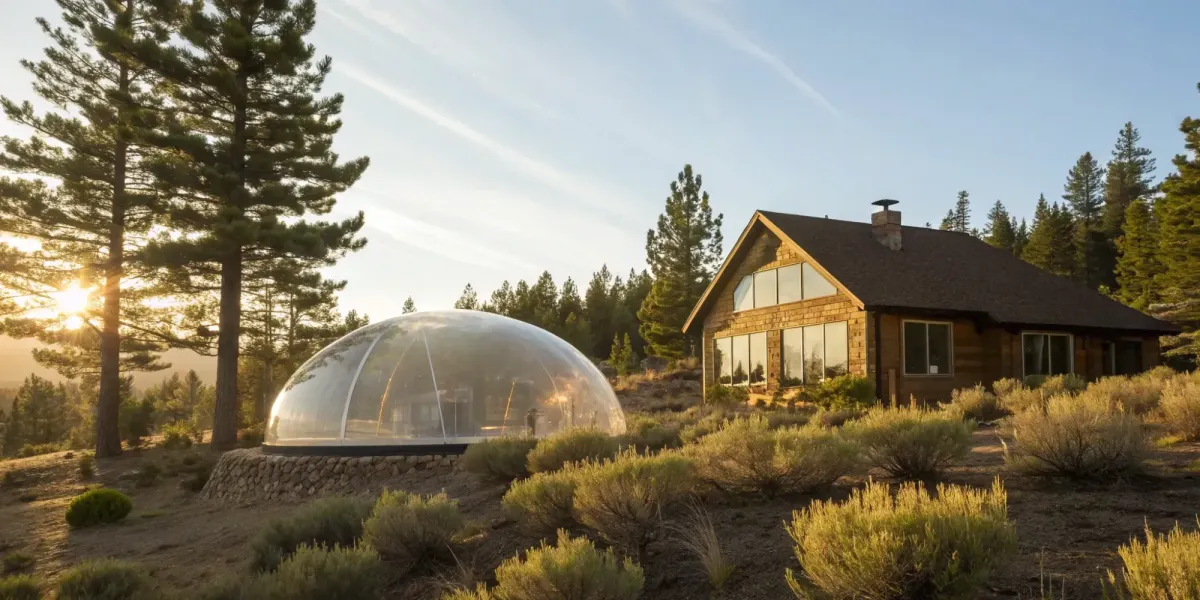
Using your vacation home for personal getaways is one thing. But listing it on Airbnb or Vrbo, even for a few weekends, is something else entirely. That simple switch turns your property into a business, and your standard insurance policy likely won't cover it. This creates a major liability gap that many homeowners don't know about until it's too late. Getting this wrong can be a financially devastating mistake. This guide will help you find the right policies for your vacation home in California, ensuring you have the proper coverage before you welcome your first guest.
Key Takeaways
- Define How You Use Your Home to Get the Right Policy: Your coverage needs depend entirely on whether the home is for personal use, a short-term rental, or will sit vacant for long periods. Each scenario requires a different type of policy to avoid critical gaps in protection.
- Plan for California's Big Three: Fire, Flood, and Earthquake: Standard policies won't cover flood or earthquake damage, so you'll need to buy separate coverage for those risks. In high-risk areas, you may also need the California FAIR Plan for basic fire protection.
- Compare Key Details, Not Just the Final Price: The true value of a policy is in its details. Focus on crucial features like Replacement Cost vs. Actual Cash Value coverage, liability limits, and the insurer's claims reputation to ensure you're getting solid financial protection.
What Kind of Vacation Home Insurance Do You Need in California?
Finding the right insurance for your California vacation home can feel like a puzzle. It’s not quite the same as insuring your primary residence, because a second home has its own unique risks and uses. A standard homeowners policy often isn’t the right fit. The best coverage for you depends entirely on how you use the property. Is it a private retreat for family getaways? Do you rent it out on weekends to help with the mortgage? Or does it sit empty for long stretches of the year? Each of these situations calls for a different kind of protection.
From an insurer's perspective, a home that’s frequently empty or has a rotating cast of rental guests presents a different set of risks than a home you live in full-time. That’s why the industry offers specialized policies designed for these scenarios. Getting familiar with these options is the first step to ensuring your investment is properly protected without overpaying. We’ll break down the main types of vacation home insurance you’ll find in California, from standard policies for personal use to specific coverage for rentals and common California perils like earthquakes and wildfires. This will help you ask the right questions and find a policy that truly fits your needs.
Understanding Standard Vacation Home Policies
If your vacation home is strictly for you, your family, and your friends to enjoy, a standard vacation home policy is likely what you need. This type of coverage is designed for personal use, not for business or rental income. It typically protects the physical structure of your home (the dwelling) and other buildings on the property, like a detached garage or a shed. It also includes coverage for your personal belongings inside the home and provides liability protection in case a guest is accidentally injured on your property. Think of it as a foundational policy that covers the basics for a second home that you don't rent out.
Renting It Out? Consider Landlord Insurance
If you plan to rent out your vacation home, even for just a few weekends a year on a site like Airbnb or Vrbo, your standard policy won't cover you. In California, short-term renting is considered a business activity, which requires a specific type of coverage. This is where landlord insurance comes in. This policy is designed to protect you from the unique risks associated with tenants and rental income. It generally covers property damage caused by renters, liability for guest injuries, and can even reimburse you for lost rental income if your property becomes uninhabitable due to a covered event, like a fire. Don't skip this—it’s essential for protecting your asset.
Covering Your Unoccupied or Vacant Home
Insurers draw a sharp line between a home that is "unoccupied" and one that is "vacant," and it’s a critical distinction for your coverage. An unoccupied home is one that is fully furnished with the utilities on, but you just happen to be away for a while—like a snowbird who leaves for the winter. A vacant home, on the other hand, is empty of personal belongings and implies no one is scheduled to return soon. Insurers see vacant properties as much riskier because problems like a burst pipe or a break-in can go unnoticed for weeks. If your home will be empty for more than 30 to 60 days, you may need to add a special endorsement or purchase a separate vacant home policy.
Adding Protection for Natural Disasters
Living in California means facing certain risks that aren't typically included in a standard insurance policy. Most vacation home policies specifically exclude damage from events like earthquakes and floods. To get protection from these perils, you’ll need to purchase separate, specialized policies. For example, you can get earthquake coverage through the California Earthquake Authority (CEA) or a private insurer. Similarly, flood insurance is usually obtained through the National Flood Insurance Program (NFIP). Given the high risk of wildfires in many parts of the state, it's also crucial to carefully review your policy’s fire coverage to ensure it’s adequate for your property’s location.
Meeting Lender Requirements
If you financed your vacation home, your lender has a significant financial stake in the property. To protect that investment, they will almost certainly require you to carry homeowners insurance for the life of the loan. This isn’t just a suggestion; it’s a mandatory condition of your mortgage. Your lender needs assurance that the property can be repaired or rebuilt if it’s damaged or destroyed by a covered event like a fire. Failing to maintain the required coverage can have serious consequences—your lender could purchase a policy for you, known as force-placed insurance, which is often far more expensive than a policy you’d find on your own. It’s essential to understand your lender’s specific requirements upfront to ensure your investment is properly protected.
Why Do Policies Vary Between Insurers?
When you start gathering quotes for your vacation home, it’s tempting to just compare the final price. But the policy with the lowest premium isn’t always the best deal. Two policies can look similar on the surface but offer vastly different levels of protection when you dig into the details. For a property in California, where risks like wildfires are a real concern, understanding these differences is essential to protecting your investment. Let’s break down the key coverage areas where you’ll see the biggest variations between insurance providers.
How Much Dwelling Coverage Is Enough?
Dwelling coverage is the part of your policy that pays to repair or rebuild the physical structure of your vacation home if it’s damaged. One insurer might offer a coverage limit that seems high, while another offers a lower limit for a cheaper premium. It’s crucial to ensure your limit is high enough to cover a complete rebuild at today’s construction costs, not just the market value of your home. After a major event like a wildfire, building material and labor costs can spike. A lower limit might save you money now, but it could leave you underinsured and unable to fully rebuild later.
Is Your Personal Property Covered?
This coverage helps you replace your belongings—think furniture, appliances, linens, and kitchenware—if they are damaged or stolen. Insurers handle this differently. Some policies provide personal property coverage as a percentage of your dwelling coverage (say, 50%), while others let you set a specific limit. Take a moment to estimate the value of the items you keep at your second home. Make sure the policy you choose offers enough protection to replace those essentials. It’s also wise to check for special limits on high-value items like electronics or artwork, as these can vary significantly between carriers.
The Importance of a Home Inventory
Imagine trying to list every single item in your vacation home from memory after a total loss, like a wildfire. It’s a nearly impossible task, and it’s why a home inventory is so important. This detailed record of your belongings—from the big-ticket furniture down to the silverware in the drawer—is your proof of ownership when you file a claim. It takes the guesswork out of a stressful situation and helps ensure you receive a fair settlement for what you've lost. The good news is that creating a home inventory doesn't have to be a huge project. Simply walking through your home and recording a video on your phone is a great start. Just be sure to store a copy of it somewhere safe, like in the cloud, so you can access it when you need it most.
What Are Your Liability Protection Options?
Personal liability coverage is your financial safety net if a guest is injured at your vacation home and you’re found legally responsible. This is especially important for a second home where you may have visitors or even short-term renters. One policy might include a standard $100,000 in liability protection, while another offers $300,000 or more. The amount you need depends on your personal assets and risk exposure. Comparing personal liability limits is a critical step in safeguarding your finances from a potential lawsuit, so don’t overlook this part of the policy.
Named Perils vs. All-Risk: What's the Difference?
This is one of the most important distinctions in any insurance policy. A "named perils" policy only covers losses from specific events listed in the policy, like fire or theft. If it’s not on the list, it’s not covered. In contrast, an "all-risk" (or open peril) policy covers everything except for the specific exclusions listed. Many vacation home policies are written on a named-peril basis, which is more restrictive. It’s vital that you understand which type of policy you’re being offered and carefully review the list of covered perils or exclusions.
What Determines Your Insurance Rate?
Understanding your vacation home insurance premium can feel like trying to solve a puzzle. The final price isn't arbitrary; it’s a reflection of the specific risks associated with your property. Insurers look at a wide range of factors to determine how likely it is you’ll file a claim and how much that claim might cost. By getting familiar with these key variables, you can better understand your quote and identify areas where you might be able to make changes that could lower your costs. From your home’s exact location down to the materials it’s built with, every detail plays a part in shaping your policy. Let’s walk through the most significant factors that influence what you pay for coverage in California.
Your Home's Location and Wildfire Risk
In California, location is the single most important factor driving insurance costs. Your premium is heavily influenced by the area’s exposure to natural disasters, especially wildfires. Insurers use sophisticated mapping tools to assess a property’s specific risk, looking at things like its proximity to dense vegetation, the slope of the land, and historical fire activity in the region. A home situated in a high-risk fire zone will always cost more to insure than one in a lower-risk area. Beyond wildfires, carriers also consider other regional risks like earthquakes and flooding, which can further impact your rates. Understanding your property’s unique environmental risks is the first step to grasping your insurance needs and costs.
The Value and Build of Your Home
The cost to rebuild your vacation home from the ground up is a core component of your insurance premium. This is known as your dwelling coverage limit. A larger, more expensive home will naturally require a higher coverage amount and, therefore, a higher premium. But it’s not just about size. The materials used to build your home also play a crucial role, particularly in fire-prone areas. A home constructed with fire-resistant materials like a metal roof, stucco siding, and double-paned windows is considered more resilient and may qualify for better rates than a home with wood siding and a shake roof. These features directly reduce the risk of a total loss, which is a key consideration for any insurer.
How Frequently You Visit the Property
How you use your second home significantly changes its risk profile. A property that sits vacant for long stretches faces different perils—like undetected water leaks, vandalism, or theft—than one that is regularly occupied. Insurers need to know if the home is for your personal use only, rented out to long-term tenants, or used as a short-term rental on platforms like Airbnb or Vrbo. Each scenario requires a different type of policy. For example, short-term rental activity is considered a business use and requires specific liability coverage that isn't included in a standard vacation home policy. Be transparent about your usage to ensure you have the right protection in place.
Your Property's Features and Amenities
Beyond the main structure, specific features on your property can significantly influence your insurance rates. Things like a swimming pool, hot tub, or even a trampoline are what insurers call "attractive nuisances." While they’re great for relaxing or entertaining, they also increase the risk of a guest getting injured, which raises your liability exposure. As a result, having these amenities often leads to a higher premium. It’s also important to account for other structures on your property, such as a detached garage, guest house, or workshop. Make sure your policy provides enough coverage to rebuild not just your main house, but everything you’d want to replace after a loss.
Proximity to Fire Services
Insurers also look closely at your property’s access to emergency services. A key metric they use is the home’s distance from the nearest responding fire station and a reliable water source, like a fire hydrant. Homes in remote, rural areas that are far from these resources are considered higher risk because a fire could cause more damage before help arrives. This is often captured in a "Public Protection Classification" (PPC) score, which rates the local fire department's effectiveness. A better score, indicating close proximity and a well-equipped fire department, can lead to lower insurance premiums. It’s a practical factor that directly impacts an insurer’s ability to mitigate a potential loss.
What to Look For in a Vacation Home Policy
When you’re looking at insurance quotes, it’s easy to let your eyes drift straight to the price tag. But the real value of a policy is hidden in the details, especially for a property in California. Two policies can seem almost identical on the surface, but a closer look might reveal critical differences in how you’re covered after a wildfire or storm. Understanding a few key features will help you compare your options accurately and choose a policy that truly protects your investment. Let’s walk through the most important ones to look for so you can feel confident in your decision.
Replacement Cost vs. Actual Cash Value: Which Is Better?
This is one of the most important distinctions in any property insurance policy. Imagine a wildfire damages the 10-year-old roof on your vacation cabin. With replacement cost coverage, your policy pays the full amount to install a brand-new roof at today’s prices. It’s designed to restore your property to its original condition without you having to pay for the depreciation.
On the other hand, actual cash value (ACV) coverage would only pay you for the value of a 10-year-old roof. It calculates the replacement cost and then subtracts depreciation, leaving you to cover the difference. For a major repair, that gap can be thousands of dollars. Always clarify which valuation method a policy uses—it dramatically impacts your financial recovery after a loss.
Covering Your Lost Rental Income
If you rent out your vacation home, that income is a key part of your investment. But what happens if a covered event, like a fire or severe storm, makes your property uninhabitable for months? That’s where loss of rental income coverage comes in. This feature helps replace the rent you would have collected while your property is being repaired, so you can continue to cover your mortgage and other expenses. Many standard policies don’t include this automatically, so if you rely on rental income, make sure you find a policy that offers this important protection.
What Are Additional Living Expenses (ALE)?
Don’t confuse this with loss of rental income. Additional Living Expenses (ALE) coverage is for you. If your vacation home is your primary residence for part of the year and you’re forced to leave due to a covered claim, ALE helps pay for the extra costs of living elsewhere. This can include things like hotel bills, restaurant meals, and laundry services—essentially, the difference between your normal expenses and your temporary ones. Most policies include some ALE coverage, but the limits can vary, so it’s a good idea to check how much is offered and for how long.
Liability for Short-Term Rentals
Renting your home on platforms like Airbnb or Vrbo is considered a business activity, and this creates a major insurance gap. A standard vacation home policy likely won’t cover injuries or property damage that happens during a guest’s stay. If a renter slips and falls, you could be held personally responsible for their medical bills. That’s why having the right short-term rental insurance is so critical. This ensures you have liability protection for guest-related incidents, protecting you from lawsuits that could otherwise put your assets at risk. Always confirm your policy covers this specific use.
Setting Clear Rules for Your Rental Guests
When you rent out your vacation home, you’re not just a homeowner anymore—you’re running a business. And like any business, you need clear policies to protect your asset and ensure a smooth experience for everyone. Setting firm house rules isn’t about being difficult; it’s about managing expectations and minimizing risks. A well-thought-out set of guidelines can prevent misunderstandings, protect your property from damage, and reduce your liability exposure. By communicating your rules clearly from the start, you attract responsible guests who will treat your home with respect and help you maintain a positive reputation in your community and on rental platforms.
Establishing Guest Requirements and House Rules
The first step in protecting your rental property is defining who can book it and how they should behave. Start by setting basic guest requirements, such as a minimum age for the primary renter and a maximum occupancy limit that aligns with local regulations and your home’s capacity. Your house rules should be a clear, concise guide to living in your space. Cover the essentials: check-in and check-out times, policies on pets and smoking, and rules for using amenities like a pool or hot tub. Think of this as your first line of defense. Since short-term renting is a business activity, treating your rules with professional seriousness is non-negotiable.
Outlining Prohibited Items and Activities
Being explicit about what is not allowed is just as important as outlining what is. The biggest liability for many rental owners is unauthorized parties. Your rules should state unequivocally that parties and large gatherings are forbidden, and outline the consequences, such as immediate eviction without a refund. This is also the place to prohibit specific items that could pose a risk, like fireworks, grills on wooden decks, or anything that could increase the danger of a fire. Clearly listing these prohibitions in your rental agreement and on your property listing helps deter problematic guests and gives you clear grounds for action if a rule is broken.
Communicating Local Ordinances and Property Care
Your guests are temporary members of your community, and it’s your responsibility to ensure they act like good neighbors. Your house rules should include information on local ordinances, such as noise restrictions after a certain hour or specific trash and recycling schedules. If your home is in an environmentally sensitive area, include rules about property care. For example, you might need to remind guests to remove their belongings from the beach at night or to avoid disturbing local wildlife. This not only protects the local environment but also helps you maintain a good relationship with your neighbors, which is invaluable for a vacation rental owner.
Creating a Smooth Check-Out Process
A clear and simple check-out process ensures your property is left in good condition for your cleaning crew and the next guests. Don’t leave anything to interpretation. Provide a checklist that details your expectations, such as stripping the beds, starting a load of towels, washing all dishes, and taking out the trash. Specify the exact check-out time and make it clear that late departures may incur a fee. A streamlined process reduces the chance of damage or excessive cleaning needs, and it ends the guest’s stay on a positive and professional note, increasing the likelihood of a good review.
Encouraging Guests to Purchase Travel Insurance
Life happens, and sometimes guests need to cancel their trips for reasons beyond their control. To protect both your income and your guests' investment, it’s a smart move to strongly recommend they purchase travel insurance. You can include this suggestion in your booking confirmation and pre-arrival communications. Explain that travel insurance can protect them from unforeseen events like illness, family emergencies, or severe weather. This simple step can prevent difficult conversations about refunds that fall outside your cancellation policy and positions you as a thoughtful and professional host who has their guests' best interests in mind.
Understanding the Tax Rules for Your Vacation Rental
Once you start earning money from your vacation home, you’ve officially entered the world of rental income—and that means you need to get familiar with the IRS. While it might seem intimidating, understanding the tax implications is a critical part of managing your property successfully. The good news is that along with the responsibility of reporting your income, you also gain the ability to deduct a wide range of expenses, which can significantly lower your tax bill. Getting a handle on a few key rules will help you stay compliant, maximize your deductions, and make informed decisions about how you use and rent out your property.
Reporting Rental Income and Deductible Expenses
If you rent out your vacation home, the income you receive is generally considered taxable and must be reported to the IRS. However, you don't pay taxes on the gross amount you bring in. The IRS allows you to deduct the ordinary and necessary expenses for managing and maintaining your property. These can include mortgage interest, property taxes, maintenance and repair costs, utilities, insurance premiums, and depreciation. Keeping meticulous records of all your income and expenses throughout the year is essential. This will not only make tax time easier but will also give you a clear picture of your property's financial performance.
The 14-Day Rule for Tax-Free Income
There’s a special provision in the tax code that’s a huge benefit for homeowners who only rent out their property for a short time each year. It’s often called the "14-day rule" or the "Master's rule." According to the IRS, if you rent out your home for fewer than 15 days during the entire year, you don’t have to report any of that rental income. It’s completely tax-free. This is a fantastic perk for someone who, for example, rents out their cabin for two weeks in the summer. The trade-off is that you can't deduct any rental expenses, but for many, the tax-free income is a much bigger win.
How Personal Use Affects Your Deductions
If you use your vacation home for personal enjoyment and also rent it out for 15 days or more, your tax situation gets a bit more complex. You’ll need to divide your expenses between personal use and rental use, and you can only deduct the portion of expenses related to the rental period. The IRS has specific rules for how to allocate these costs based on the number of days the property was used for each purpose. This means that the more you use the home yourself, the lower your deductible expenses will be. It’s a balancing act between personal enjoyment and maximizing the financial benefits of your investment.
Tips for Renters (And What It Means for You as a Host)
To be a successful host, it helps to think like a savvy renter. Experienced travelers have learned what to look for—and what to avoid—when booking a vacation home. They prioritize safety, transparency, and professionalism. By understanding their perspective, you can refine your own practices to meet their expectations. Building your rental business on a foundation of trust and clarity not only attracts higher-quality guests but also protects you in the long run. Let’s look at what discerning renters want and how you, as a host, can deliver it.
Ensuring Your Rental is Legal and Compliant
Smart renters know that local regulations for short-term rentals can be strict. In some cities, rentals under 30 days are heavily restricted or even illegal. As a host, it is your responsibility to know and comply with all local, county, and state laws governing vacation rentals. This includes obtaining the necessary permits, paying lodging taxes, and adhering to safety and zoning codes. Operating a fully legal and compliant rental is non-negotiable. It protects you from fines and legal trouble, and it signals to potential guests that you are a serious, professional operator they can trust with their vacation.
Building Trust with Potential Renters
In an online marketplace, trust is everything. Renters want to know there’s a real, responsive person behind the listing. You can build this trust by being accessible and transparent from the very first inquiry. Respond to questions promptly and thoroughly. Consider offering a quick phone call to answer questions and establish a personal connection. Proactively offering references or pointing to past guest reviews can also go a long way. When renters feel confident that you are a reliable and honest host, they are far more likely to book your property and treat it with care during their stay.
Providing a Clear and Comprehensive Rental Agreement
A formal rental agreement is the cornerstone of a professional booking. It protects both you and your guest by clearly outlining the terms of the stay. Renters expect to see a contract that details all the critical information: arrival and departure dates, total cost and payment schedule, cancellation and refund policies, and a full list of house rules. Don’t rely on verbal agreements or informal emails. A signed contract minimizes misunderstandings and provides a clear framework for resolving any issues that might arise. It’s a fundamental tool for managing your liability and setting the stage for a smooth, conflict-free rental experience.
Offering Secure Payment Options
How you handle payments says a lot about your professionalism. Renters are rightfully wary of requests for cash, checks, or wire transfers, as these methods offer little to no protection against fraud. The best practice is to use a secure, reputable payment system. Platforms like Airbnb and Vrbo have their own integrated systems, but if you book directly, use a credit card processor like Stripe or PayPal. Offering secure payment options, especially credit cards which provide robust fraud protection, gives guests peace of mind and shows that you are running a legitimate business.
What Isn't Covered? Common Policy Exclusions
Reading an insurance policy isn't exactly a thrilling weekend activity, but knowing what your policy doesn't cover is just as important as knowing what it does. Exclusions are specific situations or types of damage that your insurance carrier will not pay for. Getting familiar with these upfront can save you from major headaches and financial surprises down the road. Think of it as creating a complete picture of your protection. When you’re comparing policies, pay close attention to the exclusions section to make sure you aren’t left with a critical gap in your coverage.
Why Floods and Earthquakes Often Aren't Included
In California, this is the big one. Standard vacation home policies do not cover damage from floods or earthquakes. Insurers consider these catastrophic events that require separate, specialized coverage. A burst pipe flooding your kitchen might be covered, but damage from a river overflowing its banks will not be. To protect your property, you’ll need to purchase a separate policy. You can find flood coverage through the National Flood Insurance Program (NFIP) or a private insurer, and earthquake insurance is available through providers like the California Earthquake Authority (CEA). Don't assume you're covered for these major risks—always check the fine print.
Restrictions for Vacant Properties
Vacation homes are often empty for weeks or months at a time, and insurance companies see this as an added risk. An unoccupied home is more vulnerable to theft, vandalism, or unnoticed problems like a water leak. Because of this, most standard policies have a "vacancy clause" that may limit or deny coverage if your home is empty for more than 30 or 60 consecutive days. If you plan to leave your second home empty for long periods, you may need to add a specific endorsement or purchase a dedicated vacant home insurance policy to stay protected. Be sure to clarify this with your agent.
When Your Rental Is Treated as a Business
If you plan to rent out your vacation home on a platform like Airbnb or Vrbo, your standard homeowner's policy won't cover you. In California, short-term rentals are considered a business activity, which is a standard exclusion in personal insurance policies. If a paying guest is injured or causes damage to your property, your insurer will likely deny the claim. To properly protect your investment and yourself from liability, you’ll need to get a specific short-term rental insurance policy. This type of coverage is designed to handle the unique risks that come with renting out your property.
Damage From General Wear and Tear
Insurance is designed to cover sudden and accidental damage, not the costs of routine upkeep. That’s why general wear and tear is a standard exclusion on every home insurance policy. This includes things like an old roof that needs replacing due to age, faded paint, worn-out carpeting, or appliances that simply stop working. These are considered part of the homeowner's maintenance responsibilities. Staying on top of regular home maintenance not only keeps your property in great shape but also helps prevent small issues from turning into major problems that might not be covered.
Insuring a Vacation Home in California: What's Different?
Insuring a vacation home in California comes with its own set of rules. The state’s beautiful landscapes also bring unique risks, from wildfires to earthquakes, that you need to plan for. Understanding these nuances is the key to securing a policy that truly protects your property. Here are a few key considerations to keep in mind as you compare your options.
Understanding Wildfire Risk and the FAIR Plan
In many parts of California, finding an insurer willing to provide wildfire coverage can be a major challenge. While a standard policy typically includes fire damage, many carriers are pulling back from high-risk areas. If you’re denied coverage on the private market, you may need to turn to the California FAIR Plan. This is a state-mandated program that provides basic fire insurance as a last resort. Keep in mind, the FAIR Plan is not a comprehensive homeowners policy—it only covers damage from fire, lightning, and internal explosion. You will need to purchase a separate Difference in Conditions (DIC) policy to cover other essential risks like liability, theft, and water damage.
Do You Really Need Earthquake Insurance?
One of the most critical things to know about California home insurance is that standard policies do not cover damage from earthquakes. To protect your vacation home from shake damage, foundation cracks, or a total collapse, you will need to purchase a separate earthquake policy. Given the state’s position along major fault lines, this isn't a corner you want to cut. You can typically buy this coverage as an add-on to your homeowners policy or as a standalone policy from a specialized provider like the California Earthquake Authority. It’s an essential layer of protection for any property owner in the state.
Protecting Your Coastal Home from Floods
Similar to earthquake damage, losses from flooding are another standard exclusion in homeowners insurance policies. This includes damage from storm surges, overflowing rivers, or even heavy, pooling rain. If your vacation home is on the coast, near a lake, or in a low-lying area, you’ll need a separate flood insurance policy. Most of these policies are underwritten by the federal government’s National Flood Insurance Program (NFIP), but you can also find coverage from private insurers. Don’t assume you’re safe just because you’re not right on the water; flood maps change, and unexpected weather can cause damage far inland.
Don't Believe These Common Coverage Myths
It’s easy to make assumptions about vacation home insurance, but a few common misunderstandings can leave you with serious coverage gaps. First, your primary home’s insurance will not extend to your second home; it needs its own dedicated policy. Second, if you plan to rent out your property on a short-term basis, your standard homeowners policy won’t cover it. Rental activity is considered a business, requiring landlord or specialized vacation rental insurance. Finally, be aware of vacancy clauses. If your home sits empty for more than 30 or 60 days, your insurer could deny a claim unless you have specific unoccupied home coverage.
How to Save Money on Your Vacation Home Policy
Finding affordable insurance for a vacation home in California can feel like a challenge, but you have more power to influence your premium than you might think. Insurers base their rates on risk, so every step you take to make your property safer and more secure can translate into real savings. Think of discounts as a reward for being a proactive and responsible homeowner.
Beyond just saving money, many of these actions also increase your home’s resilience against threats like wildfire, theft, and water damage, giving you valuable peace of mind. From simple policy adjustments to strategic home upgrades, there are several practical ways to lower your insurance costs without sacrificing essential coverage. Let’s walk through some of the most effective strategies for securing a better rate.
Bundle Your Policies for Savings
One of the easiest ways to save is by bundling your policies. If you have car insurance or a primary home policy, check with that same provider about insuring your vacation home. Insurers love loyal customers and often offer a multi-policy discount for keeping your business under one roof. This approach not only simplifies your life by streamlining payments and renewals but can also lead to significant savings. It’s always a good idea to "consider bundling your home insurance policy with another kind of insurance coverage to keep premiums as low as possible." It’s a straightforward question to ask your agent and could immediately lower your bill.
Get Credit for Safety and Security Upgrades
Insurers look favorably on homes equipped with protective devices because they reduce the likelihood of a claim. Installing a centrally monitored security system, smoke detectors, or deadbolts can often earn you a discount. For vacation homes, which sit empty more often, other features can also make a difference. According to one report, "equipment that might be able to lower your premiums include a water shut-off device, a backup generator, and security cameras." An automatic water shut-off device can prevent catastrophic damage from a burst pipe, while security cameras deter theft. These upgrades are an investment in your home's safety that can pay you back on your premium.
Lower Your Risk with Wildfire Mitigation
For California homeowners, proactively addressing wildfire risk is one of the most impactful things you can do for your property and your premium. Insurers are looking for homes that have been hardened against embers and flames. This includes upgrades like installing a Class A fire-rated roof, using non-combustible siding, and covering vents with fine metal mesh. Just as important is creating defensible space by clearing flammable vegetation, trimming trees, and removing debris around your home. These steps demonstrate to an insurer that you’ve taken serious measures to reduce your risk, which can make you eligible for better rates and coverage options.
The Benefit of a Claims-Free Record
Sometimes, the best way to save is by not costing your insurer money. A long history without any claims shows that you’re a low-risk policyholder, and many companies will reward you for it with a lower premium. As one insurance professional explains, "maintaining a claims-free history can help you secure lower premiums, as insurers often reward policyholders who have not made claims." This doesn't mean you should never file a claim, but it’s wise to be strategic. For minor damage, it might make more financial sense to pay out-of-pocket rather than filing a small claim that could erase your discount and raise your rates for years.
How to Pick the Right Insurance Company
Finding the right insurance policy is only half the battle; you also need to find the right company to stand behind it. The provider you choose can make all the difference between a smooth, supportive claims process and a frustrating, drawn-out ordeal. This is especially true in California, where the insurance landscape can be complex. You want a partner who not only understands the unique risks of your vacation home but also has the financial strength and customer-focused approach to be there when you need them most.
When you’re comparing insurers, it’s easy to get focused on the price tag. But the cheapest option isn’t always the best. A reliable provider offers more than just a policy—they offer peace of mind. Before you commit, take the time to look into four key areas: their financial stability, their reputation for handling claims, their experience in high-risk areas, and the quality of their customer service. Doing this homework upfront will help you find a carrier you can count on for years to come.
Check Their Financial Stability Rating
An insurance policy is essentially a promise that the company will pay for covered losses. But what if the company doesn’t have the money to keep that promise? That’s why checking an insurer’s financial stability is so important. You need to know they have the resources to handle claims, even after a widespread disaster. Independent agencies like A.M. Best and Moody's grade insurance companies on their financial health. Look for providers with high ratings (like an "A" or better), as this indicates they are financially sound and capable of meeting their obligations to policyholders. An independent agent can also help you understand these ratings and guide you toward stable, reputable carriers.
Find Out How They Handle Claims
A company’s true colors show when it’s time to file a claim. You want an insurer with a reputation for handling claims fairly and efficiently. Start by reading online reviews and checking complaint data with the California Department of Insurance. This can give you a sense of how other customers’ experiences have been. Do they communicate clearly? Do they process payments in a timely manner? A provider that makes the claims process straightforward and transparent is an invaluable partner. Pay attention to how they handle disputes and whether they seem to work with their customers to find solutions, not create roadblocks.
Do They Insure Homes in High-Risk Areas?
In California, this is a big one. Many insurance companies have pulled back from areas with high wildfire risk, making it difficult for some homeowners to find coverage. Before you get too far into the quoting process, confirm that the provider actually writes policies for your vacation home’s specific location. Be completely honest about your property’s risk factors. Working with an agent who specializes in hard-to-insure properties can be a game-changer here. They have established relationships with carriers that are still active in high-risk zones and can connect you with the right options, saving you time and frustration.
Read Reviews on Their Customer Service
When you have a question about your bill or need to update your policy, you want to talk to a helpful, knowledgeable person. Good customer service is a must. Before you buy, give their customer service line a call. Are they easy to reach? Are the representatives friendly and able to answer your questions clearly? Another sign of good service is a company that helps you find ways to save. For example, they might proactively ask if you qualify for discounts or suggest bundling your policies to lower your premium. This shows they value your business and are committed to building a long-term relationship.
How to Compare Vacation Home Insurance Quotes
Finding the right insurance for your vacation home can feel like a puzzle, especially in California. With so many variables at play, it’s easy to get overwhelmed. But with a clear strategy, you can confidently compare your options and find a policy that truly protects your second home. Here’s a straightforward approach to break it down.
Start by Getting Multiple Quotes
Your first step is to shop around. Not every insurance company offers policies for second homes, and those that do can have very different rates and coverage options. Getting quotes from several providers is the only way to get a clear picture of the market. An independent agent can be a huge help here, as they can source quotes from multiple carriers on your behalf, saving you time and potentially finding insurers you wouldn't have discovered on your own. This process helps you find the best coverage tailored to your property’s unique needs.
Use a Checklist to Compare Apples to Apples
Once you have a few quotes, it’s time to compare them side-by-side. A simple checklist can make this much easier. Since many vacation home policies only cover "named perils"—meaning only the risks specifically listed in the policy are covered—you need to know exactly what you’re protected against. Your checklist should compare key items like dwelling coverage limits, personal property protection, liability amounts, and which specific perils (like fire, theft, or wind) are included. This ensures you’re making a true apples-to-apples policy comparison and not just looking at the price tag.
Pay Attention to Deductibles and Limits
Next, look closely at the deductibles and coverage limits. Your deductible is what you pay out-of-pocket before your insurance kicks in, while the coverage limit is the maximum amount the insurer will pay for a covered loss. It’s a balancing act: a higher deductible usually means a lower premium, but you’ll pay more if you need to file a claim. You need to find a policy that you can afford but that also provides enough coverage to rebuild if the worst happens. Make sure you’re comfortable with the deductible and that the limits are high enough to protect your investment.
Look Beyond the Price Tag
Finally, remember that the cheapest policy isn't always the best value. Your vacation home needs its own dedicated insurance policy; you can't just add it to your primary home’s insurance. In California, unique risks like wildfires, earthquakes, and floods heavily influence insurance costs and coverage availability. A slightly more expensive policy that includes robust wildfire coverage or higher liability limits might offer far greater peace of mind and financial protection. Consider the true cost of being underinsured in a high-risk area when making your final decision.
Related Articles
- Western US Home Insurance | Wildfire & High-Risk Coverage | Five Bays Insurance Agency
- Western US Home Insurance | Wildfire & High-Risk Coverage | Five Bays Insurance Agency
- Western US Home Insurance | Wildfire & High-Risk Coverage | Five Bays Insurance Agency
- Western US Home Insurance | Wildfire & High-Risk Coverage | Five Bays Insurance Agency
- Western US Home Insurance | Wildfire & High-Risk Coverage | Five Bays Insurance Agency
Frequently Asked Questions
Why can't I just add my vacation home to my primary home's insurance policy? A vacation home needs its own separate policy because it has a completely different risk profile than the home you live in every day. Insurers see a second home as a higher risk because it’s often unoccupied for long periods, making it more susceptible to issues like theft, vandalism, or an unnoticed water leak. It also has its own unique location-based risks, like wildfire exposure, that need to be evaluated independently. A dedicated policy ensures the coverage limits and features are tailored specifically to protect that property.
Do I really need special insurance if I only rent my cabin out a few weekends a year? Yes, absolutely. The moment you accept money from a guest, you’re running a business, and a standard vacation home policy won’t cover business activities. If a renter gets injured or causes damage, your insurer could deny the claim, leaving you personally responsible for the costs. You need a landlord or short-term rental policy that includes liability protection for paying guests. It’s a non-negotiable step for protecting your financial security.
What is the California FAIR Plan, and is it enough coverage on its own? The California FAIR Plan is a last-resort insurance option for homeowners who can't find fire coverage in the private market, which is common in high-risk wildfire areas. However, it is not a comprehensive policy. The FAIR Plan only covers damage from fire, lightning, and internal explosions. On its own, it leaves you exposed to major risks like theft, water damage, and liability. To get complete protection, you must purchase a separate "Difference in Conditions" policy to cover everything else.
What's the difference between "replacement cost" and "actual cash value," and why does it matter so much? This is one of the most important details in your policy. Replacement cost coverage pays to rebuild or repair your home with new materials at today's prices. Actual cash value (ACV) only pays you what your damaged property was worth right before the loss, factoring in depreciation for age and wear. After a fire, ACV might only give you enough money to cover half the cost of a new roof, leaving you to pay the rest. Replacement cost is designed to make you whole again, and it's what you should always aim for.
Besides my home's location, what's the most effective thing I can do to lower my insurance costs? Taking proactive steps to harden your home against wildfires can make a huge difference. Insurers want to see that you’ve reduced your risk. This includes practical upgrades like installing a fire-resistant roof, using non-combustible siding, and clearing flammable vegetation to create defensible space around the property. These actions not only make your home safer but also signal to insurers that you are a responsible owner, which can lead to better rates and more coverage options.


