
Home Fire Insurance for High-Risk Properties
Find out what drives home fire insurance costs in high-risk areas and learn practical steps to protect your home while keeping your premiums manageable.

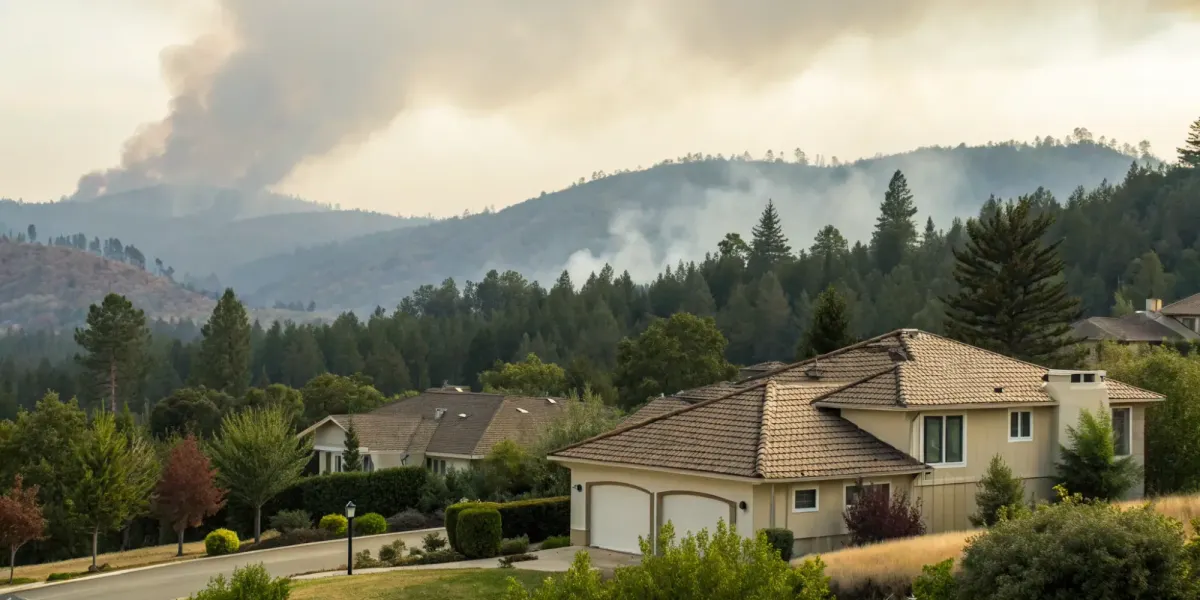
Living in a beautiful, wild part of California comes with a tough reality: the constant worry about home fire insurance. You know that heart-sinking moment when you open a non-renewal notice? It can make you feel completely powerless. But you have more influence than you realize. Taking back control starts with understanding the true cost of a dwelling fire policy in a high-risk area. This guide is about giving you that control. We’ll break down the factors that drive your premiums and show you how to find a solution that protects your home without breaking your budget.
Key Takeaways
- Take Control of Your Insurability: You can directly lower your home's risk profile by creating defensible space and using fire-resistant materials. Documenting these improvements provides concrete proof to insurers that your property is a safer bet, which can lead to better coverage options.
- Look Beyond a Basic Fire Policy: A last-resort policy like the California FAIR Plan only covers fire damage, leaving you exposed to common risks like theft and liability. To be fully protected, you'll need a separate Difference in Conditions (DIC) policy to fill these critical gaps.
- Partner with an Independent Agent: The insurance market for high-risk homes is difficult to handle alone. An independent agent works with multiple carriers and can find specialized policies you might miss, ensuring you get the most comprehensive coverage at the best possible price.
Do You Need Dwelling Fire Insurance for Your High-Risk Home?
If you live in an area where wildfire risk is a constant concern, you’ve likely encountered the term “dwelling fire insurance.” It might sound like just another industry buzzword, but it’s a critical type of coverage for many California homeowners. At its core, dwelling fire insurance is a specialized policy designed to protect properties that standard homeowners insurance carriers may no longer be willing to cover due to a high risk of fire. While these policies were traditionally used for rental properties or vacant homes, they are now becoming an essential solution for primary residences in hard-to-insure areas.
Think of it as a focused policy that zeroes in on the structure of your home. When an insurer sees a property located in a region prone to wildfires, they see a heightened level of risk that a standard, all-encompassing policy might not be priced to handle. A dwelling fire policy addresses this specific threat head-on. It’s important to understand that this isn’t a lesser form of insurance; it’s just different. It’s tailored to provide a financial safety net against the most significant threat your home might face. Getting the right fire insurance in California means understanding these distinctions and finding a policy that truly fits your home’s unique situation, ensuring you’re protected without paying for coverage you don’t need.
How Common Are Home Fires?
When you live with wildfire risk, it’s easy to focus on the threats outside your home. But the reality is, fire danger often starts right in our own kitchens. It might be surprising to learn that cooking is the leading cause of home fires, responsible for nearly half of all incidents. Every year, there are hundreds of thousands of house fires across the country, a number that has remained stubbornly consistent over the last decade. These aren't just minor flare-ups; residential fires cause an estimated 11.4 billion in property damage annually. This shows that even without the added threat of a wildfire, a fire can be financially devastating. For homeowners in high-risk zones, this everyday risk is compounded, making a dedicated dwelling fire policy less of a niche product and more of a fundamental necessity for protecting your largest asset.
What's Covered by a Dwelling Fire Policy?
So, what exactly are you getting with a dwelling fire policy? While every policy is different, most are built around a few key components designed to help you recover after a fire. Typically, coverage includes damage to your home’s structure (the dwelling itself), your personal belongings, liability protection in case a fire on your property spreads, and funds for temporary living expenses if your home becomes uninhabitable. This means if a fire damages your roof and walls, the policy helps pay for repairs. It also helps you replace your furniture, clothes, and other possessions. And if you need to rent an apartment while your home is being rebuilt, it covers those costs, too.
Is Your Home in a High-Risk Fire Zone?
You might wonder how your neighborhood officially gets labeled "high-risk." This isn't an arbitrary decision made by insurance companies. In California, the State Fire Marshal (CAL FIRE) is responsible for creating detailed maps that identify areas with Moderate, High, or Very High wildfire risk. These maps are based on extensive data, including factors like vegetation, topography, and weather patterns. When an insurance carrier reviews your application, they consult these official designations to assess your property's risk level. If you find your policy has been non-renewed due to wildfire risk, it’s likely because your home falls into one of these higher-risk zones, prompting the need for specialized coverage like the California FAIR Plan.
Common Dwelling Fire Insurance Myths, Busted
One of the most common and costly misconceptions is that a standard homeowners insurance policy provides blanket protection for every possible disaster. Many homeowners believe they are fully covered, only to discover critical gaps after it’s too late. The reality is that most standard policies have limitations, and in high-risk areas, they may exclude or offer insufficient coverage for wildfire damage. This is why it’s so important to debunk common insurance myths and read your policy carefully. For homes in wildfire-prone regions, relying on a one-size-fits-all policy can be a huge gamble. You often need a separate dwelling fire policy or additional endorsements to ensure you’re adequately protected against the most probable threats.
What Factors Drive Your Home Fire Insurance Costs?
Understanding your insurance premium can feel like trying to solve a complex puzzle. Carriers look at a wide range of factors to calculate the risk associated with insuring your home, especially in areas prone to wildfires. While some of these factors are beyond your control, like your home’s location, others can be managed through proactive home improvements and maintenance. Let's break down the key elements that insurance companies evaluate when setting your dwelling fire policy cost.
How Location and Wildfire Score Affect Your Rate
It’s no surprise that where you live is the single biggest factor in determining your premium. Insurance carriers rely heavily on risk assessments, including official fire hazard severity zone maps from agencies like CAL FIRE. These maps categorize areas into Moderate, High, or Very High risk zones based on vegetation, topography, and weather patterns. The higher your property’s wildfire score, the greater the perceived risk, which translates directly into a higher premium. This scoring system is the primary reason why two homes that look identical can have vastly different insurance costs just a few miles apart.
Why Your Home's Features and Materials Matter
After location, the construction of your home itself plays a huge role. Carriers will look at the age of your home and, more importantly, the materials used to build it. Homes constructed with fire-resistant materials like stucco, brick, or fiber cement siding are viewed more favorably than those with wood siding. The same goes for your roof—asphalt shingles, metal, or tile are much better options than wood shakes. Even small details matter, such as having non-combustible screens on your vents to prevent embers from entering your attic. These features can significantly influence your home’s insurability and cost.
How Close is the Nearest Fire Department?
Insurance companies also assess how easily firefighters can protect your home in an emergency. They consider your home’s distance from the nearest fire station and fire hydrant, often referred to as its Protection Class. A home located within a few miles of a station will generally have a lower premium than a remote property. Carriers also look at accessibility. Can a fire truck easily get up your driveway? Are the roads leading to your home wide and clear enough for emergency vehicles? Clear access is crucial for a swift response, and it’s a key factor in an underwriter’s evaluation.
Does Your Claims History Affect Your Premium?
Your personal claims history also comes into play. If you’ve filed multiple claims in the past—for any reason, not just fire—insurers may see you as a higher risk. This can lead to higher premiums or even a non-renewal of your policy. While this can feel frustrating, especially when claims are for events outside your control, it’s a standard practice in the industry. Maintaining a clean claims record can help keep your rates more stable over time. It’s one of the few factors where your past actions directly influence your future insurance costs.
How Market Trends Influence Your Policy
Finally, the broader insurance market has a major impact on your premium. In California, the increasing frequency and severity of wildfires have put immense pressure on insurance carriers. As a result, many have limited their coverage in high-risk areas, raised their prices significantly, or stopped writing new policies altogether. This shrinking availability creates a less competitive market, which drives up costs for everyone. It’s a challenging environment, and it means that even if nothing about your home has changed, you may see your premium increase due to these larger market forces.
How Much Does High-Risk Home Fire Insurance Cost?
Let’s talk about the numbers. When you live in a high-risk area, the cost of insurance is often the biggest source of stress, and it’s completely understandable to feel sticker shock when you see the quotes. The truth is, insuring a home in a wildfire-prone zone is expensive because the risk of a total loss is significantly higher for the insurance carrier. But being prepared with realistic expectations can help you budget effectively and find the best possible solution for your home.
The goal isn't to scare you with big numbers, but to give you a clear, honest picture of the financial landscape. Your premium is a direct reflection of the risk associated with your property, from its specific location down to the materials used to build it. Understanding what you can expect to pay—and why—is the first step toward building a protection plan that works for your budget without leaving you exposed. We’ll break down the typical costs, explain why they vary so much, and point out some extra expenses you’ll want to keep on your radar.
What to Expect: Premiums by Risk Level
For homes in areas with a high wildfire score, premiums are substantially higher than the national average. It’s not uncommon for annual premiums to range from $5,000 to $12,000. This price jump directly reflects the increased likelihood of a catastrophic claim. Insurers use sophisticated modeling to assess this risk, and the premium is their way of ensuring they can cover potential losses. While that range is wide, it gives you a realistic starting point for what to expect when you begin shopping for a policy. The average fire insurance cost in these zones is a figure that carriers watch closely.
A Look at Insurance Costs Across California
You might see reports that the average homeowners insurance premium in California is around $1,383 per year, but for those of us in high-risk areas, that number feels like it’s from another planet. This statewide average includes millions of homes in low-risk urban and suburban areas, which pulls the overall figure down. The reality is that your specific location—your ZIP code, your neighborhood’s wildfire score, and even your home’s proximity to brush—is what truly determines your rate. A complete guide to fire insurance will always emphasize that location is one of the most significant rating factors.
The Cost of Adding Extra Coverage
It’s critical to know that a basic dwelling fire policy, especially a last-resort option like the California FAIR Plan, is not a complete insurance solution. These policies are designed to cover fire damage and that’s often it. They typically exclude common risks like theft, water damage from a burst pipe, and personal liability if someone is injured on your property. To get that essential protection, you’ll need to purchase a separate policy called a Difference in Conditions (DIC) policy. When you’re budgeting, be sure to account for the cost of both policies to understand your total annual insurance expense.
Are There Hidden Costs and Fees to Watch For?
When you live in a high-risk area, you can expect that wildfire zones and home insurance will come with higher base premiums. However, some carriers may also add specific surcharges or fees tied directly to your property’s wildfire score. It’s important to read any quote carefully and ask questions about every line item. Are there separate fees for brush exposure? Does the carrier require specific mitigation efforts that you’ll have to pay for out-of-pocket? Understanding the full breakdown of your premium ensures there are no surprises down the road and helps you make a true apples-to-apples comparison between different offers.
FAIR Plan vs. Standard Policies: A Cost Comparison
For many homeowners, the California FAIR Plan feels like the only option left. While it provides a crucial safety net, it’s important to understand the cost trade-offs. FAIR Plan premiums are often more expensive than a standard policy, with averages hovering around $3,200 per year for basic fire coverage alone. Remember, this doesn't include the additional DIC policy you'll need for liability and other perils. When you compare the California FAIR Plan vs. private wildfire insurance, you’ll often find that a comprehensive policy from a private carrier, if you can qualify, offers more robust protection for a similar or even better price.
What Are Your Insurance Options for a High-Risk Home?
Finding the right insurance for a home in a high-risk area can feel overwhelming, but you have more options than you might think. The key is understanding what each type of coverage offers and how they can fit together to protect your home and family. It’s not always a one-size-fits-all solution, and what works for your neighbor might not be the best fit for you. From standard policies with traditional companies to more specialized plans designed for hard-to-insure properties, let’s walk through the primary paths available so you can make an informed decision.
Can You Get a Policy from a Traditional Insurer?
The ideal scenario for any homeowner is securing a standard policy from a traditional insurance carrier. This is often the most comprehensive and affordable route, with average California premiums around $1,460 per year for homes in lower-risk areas. However, as wildfire risk increases, many of these carriers have become more selective, leading to non-renewals and making it harder to find coverage. They charge higher premiums in high-risk zones to offset the potential for catastrophic loss. An independent insurance agent is your best ally here; they have relationships with multiple carriers and know which ones are still actively writing policies in your area, helping you find the best possible coverage and rates.
What is the California FAIR Plan?
If you’ve been turned down by traditional insurers, your next stop is likely the California FAIR Plan. Think of it as a state-mandated safety net that provides basic fire insurance when you can’t get it on the private market. It’s an essential option, but it’s not a perfect substitute for a standard policy. The FAIR Plan only covers damage from fire, lightning, and internal explosions, and premiums are significantly higher, averaging around $3,200 annually. It leaves major gaps in your protection, as it doesn’t cover common risks like theft, water damage, or personal liability. While coverage limits have recently increased, it’s designed to be a last resort, not a complete solution.
FAIR Plans Beyond California
While the California FAIR Plan is a constant topic of conversation for homeowners here, it’s important to know that this isn’t a uniquely Californian issue. Many other states have similar programs designed to be an insurer of last resort. Take the Ohio FAIR Plan, for example. It functions as a safety net for residents who can't secure property insurance through the private market. According to the Ohio FAIR Plan, its purpose is to "help people in Ohio get important property insurance when they can't find it from regular insurance companies." This shows that the challenge of insuring high-risk homes is a nationwide problem, requiring state-level solutions to prevent homeowners from being left completely unprotected.
These programs share a common thread: they provide essential, but limited, coverage at a higher cost. This isn't just a California reality. The financial trade-off is a key characteristic of these last-resort plans across the country. As one analysis notes, "FAIR Plan premiums are often more expensive than a standard policy, with averages hovering around $3,200 per year for basic fire coverage alone." This underscores why it's so crucial to explore every possible avenue in the private market before turning to a FAIR Plan, no matter which state you call home. An independent agent can help you determine if there are specialized carriers willing to offer a more comprehensive and affordable policy.
Is Surplus Lines Insurance an Option?
Another important alternative is surplus lines insurance. These policies are provided by specialized private companies that are willing to take on risks that standard carriers avoid. If you have a high-value home, unique architectural features, or other factors that make your property difficult to insure, a surplus lines policy could be a great fit. Because they are less regulated than standard insurers, they have more flexibility in the coverage they offer and the rates they charge. Premiums are comparable to the FAIR Plan, but these policies can provide much higher coverage limits and more comprehensive protection, making them a strong choice for homeowners who need more than just basic fire insurance.
What is a Difference in Conditions (DIC) Policy?
Since the FAIR Plan only covers a few specific fire-related perils, you need something to fill in the gaps. That’s exactly what a Difference in Conditions (DIC) policy is for. You can think of it as the other half of a complete homeowners policy. A DIC policy "wraps around" your FAIR Plan fire policy to add coverage for the things it misses, like theft, liability for an injury on your property, and water damage from a burst pipe. Buying a FAIR Plan policy without a companion DIC policy leaves you dangerously exposed to some of the most common and costly household claims. Together, the two policies create a comprehensive protection plan that functions much like a traditional homeowners policy.
How to Build a Complete Protection Plan
The best way to secure solid protection is to work with a professional who understands the complexities of California’s insurance market. A licensed, independent insurance broker can help you compare all your options—from traditional carriers to a FAIR Plan and DIC combination. They can also help you identify potential discounts for home hardening efforts or smart-home technology. Before you shop, it’s also wise to assess your property’s specific risk using tools like CAL FIRE’s Fire Hazard Severity Zone Maps. Documenting your mitigation work with photos and receipts can also make a big difference. This information will help you and your agent build the most effective and affordable protection plan for your home.
How to Make Your Property More Insurable
When you live in a high-risk area, finding affordable homeowners insurance can feel like a constant struggle. It’s easy to feel powerless when you see premiums climb or receive a non-renewal notice. But you have more control than you might think. By taking proactive steps to make your home safer and more resilient, you can directly influence how insurers view your property. Think of it as building a strong case for your home’s insurability.
Making your property more fire-resistant isn’t just about checking boxes for an insurance company; it’s about protecting your family, your investment, and your peace of mind. Every improvement you make reduces the overall risk, which is exactly what carriers want to see. From simple landscaping changes to more significant home upgrades, these actions demonstrate that you are a responsible homeowner committed to mitigating risk. Below are practical, effective steps you can take to make your property more attractive to insurers and secure the coverage you need.
Invest in Fire-Resistant Home Improvements
One of the most impactful ways to protect your home is by using building materials that can withstand heat and embers. When it’s time for a renovation or repair, consider choosing fire-resistant building materials like stone, brick, or metal siding. Your roof is especially vulnerable, so opting for materials like composite shingles, metal, or tile can make a huge difference. Don’t forget the smaller details, either. Installing fine mesh screens over vents can prevent wind-blown embers from entering your attic or crawl space, which is a common way fires spread from home to home. These upgrades are long-term investments in your home’s safety and insurability.
How to Create and Maintain Defensible Space
Defensible space is a buffer zone around your home that can slow or even stop a wildfire from reaching it. The goal is to create at least 100 feet of managed space around your house. In the first 30 feet, you’ll want to remove all dead plants, dry leaves, and flammable clutter. This is also the zone where you should avoid having woodpiles or propane tanks. In the next 70 feet, focus on thinning out vegetation, trimming tree branches so they’re at least six feet from the ground, and creating space between trees. Maintaining this defensible space not only protects your home but also gives firefighters a safe area to work if they need to defend it.
Why You Should Install Fire Safety Systems
Insurers look favorably on homes equipped with modern safety systems because they can reduce the severity of a loss. Start with the basics by ensuring you have functional smoke detectors and fire alarms installed throughout your home. For an even higher level of protection, you could install an automatic sprinkler system that can suppress a fire before it gets out of control. Many homeowners are also adding smart home security systems that can monitor for smoke and heat, automatically alerting you and the fire department, even when you’re not home. These systems show carriers that you have multiple layers of protection in place.
Don't Forget to Document Your Mitigation Efforts
After all your hard work, you need to make sure your insurance carrier knows about it. Documenting your mitigation efforts is a critical step that many homeowners miss. Take before-and-after photos of your defensible space clearing and home improvement projects. Keep a file with receipts for fire-resistant materials, invoices from contractors, and certificates for any new safety systems you’ve installed. Share this portfolio with your insurance agent. This tangible proof demonstrates your commitment to risk reduction and can be a powerful tool when applying for or renewing your policy, potentially opening the door to better coverage options.
How to Find Insurance Discounts and Programs
Don’t assume you have to bear the full cost of these improvements alone. Many insurance companies offer discounts for homes with fire-resistant features, monitored alarm systems, and well-maintained defensible space. It’s also worth looking into community-wide programs like Firewise USA®, as participation can sometimes lead to premium reductions. The best way to uncover these opportunities is to speak with an independent insurance agent. They understand the market and can help you identify carriers that reward proactive homeowners, ensuring you get credit for all the hard work you’ve put into protecting your property.
What's Hiding in Your Policy's Fine Print?
Your insurance policy is more than just a bill you pay each month—it’s a contract that outlines exactly how you’re protected. While it’s tempting to file it away without a second glance, taking the time to understand the details is one of the most important things you can do as a homeowner, especially in a high-risk area. The fine print is where you’ll find the answers to critical questions about what’s covered, what’s not, and what you need to do if you ever have to file a claim.
Think of it as the instruction manual for your home’s financial safety net. Knowing what’s inside can help you avoid surprises when you need your coverage the most. Let’s walk through the key parts of your policy so you can feel confident in the protection you have. We’ll look at common exclusions, how to pick the right deductible, and what you need to know about the claims process before a disaster strikes.
Replacement Cost vs. Actual Cash Value
When you look at your policy, you’ll see terms that define how you get paid after a claim. You'll usually pick between two main valuation methods. The first is Replacement Cost Value (RCV), which pays to repair or replace your damaged property with new items of similar quality, up to your coverage limit. If a fire ruins your five-year-old sofa, an RCV policy gives you the funds to go out and buy a brand-new, comparable one. The second is Actual Cash Value (ACV), which pays you for what the item was worth the moment before it was damaged. This means it accounts for depreciation—the wear and tear on your sofa over those five years. With an ACV policy, you’d get a check for the value of a used sofa, not a new one. Most homeowners prefer replacement cost coverage because it more fully restores what you lost.
Rebuilding Cost vs. Market Value
This is one of the most common and critical points of confusion for homeowners. Your home should be insured for its rebuilding cost, not its market value. The market value is what a buyer would pay for your house and the land it sits on in the current real estate market. But after a fire, your land is still there—you just need to rebuild the structure. The rebuilding cost is the estimated price of the labor and materials needed to reconstruct your home from scratch. Depending on your location, these two numbers can be wildly different. Insuring for market value could leave you underinsured if the cost to rebuild is higher than your home's sale price, or overinsured if a large portion of your property's value is tied up in the land. An experienced agent can help you estimate the cost to rebuild accurately.
What Isn't Covered? Exclusions and Limits to Know
One of the most common and costly assumptions is that a homeowners policy covers every possible type of damage. In reality, every policy has specific exclusions and limits. Exclusions are events or types of damage that are not covered, while limits are the maximum dollar amount your insurer will pay for a covered loss. For example, damage from floods or earthquakes is almost always excluded from standard policies and requires separate coverage. It’s crucial to read this section carefully to understand what you’re responsible for. Look for a section titled “Exclusions” or “Losses Not Insured” to see exactly what your policy won’t pay for.
Common Reasons for Claim Denial
Beyond specific exclusions, claims can be denied for reasons that are entirely within your control. One of the most frequent issues is a failure to report damage promptly. Insurers have deadlines for filing claims, and waiting too long can jeopardize your coverage. Another common pitfall is not taking reasonable steps to prevent further damage after an initial incident, like covering a damaged roof with a tarp to stop rain from getting in. Insurers expect you to mitigate further loss. Finally, any misrepresentation on your initial application, even if unintentional, can be grounds for denial. It’s essential to be transparent about your property’s features and your claims history to ensure your policy remains valid when you need it most. Understanding these tips for filing a claim can make all the difference.
Special Limits on Valuables
Your policy might provide $300,000 in personal property coverage, but that doesn't mean you'll get that amount for every item you own. Most policies have special, lower limits for high-value categories like jewelry, firearms, art, and electronics. For example, your policy might only cover up to $1,500 for stolen jewelry, even if your collection is worth ten times that. This is a critical detail often buried in the policy language. To find these limits, look for a section titled “Special Limits of Liability” or something similar. If your valuables exceed these amounts, you’ll need to purchase additional coverage through a "rider" or "floater" to insure them for their full appraised value. This ensures your most precious items are properly protected.
How to Choose the Right Deductible for You
Your deductible is the amount of money you agree to pay out of pocket before your insurance coverage begins. Think of it as your share of the repair cost. Choosing the right deductible is a balancing act: a higher deductible typically leads to a lower premium, but it also means you’ll have a larger upfront expense if you file a claim. In high-risk areas, some policies include a separate, higher deductible for specific perils like wildfires. When selecting a deductible, pick an amount you could comfortably pay tomorrow without causing financial strain. Your home’s location can heavily influence your insurance rates and deductible options, so it’s a key part of your overall cost.
Do You Have Gaps in Your Home Fire Insurance?
A coverage gap is any risk your property faces that isn’t covered by your current insurance policy. For example, a basic dwelling fire policy might cover the structure of your home but not your personal belongings, liability for accidents on your property, or the cost of living elsewhere during repairs. Identifying these gaps is essential for building a complete protection plan. You might need to add endorsements or purchase a separate Difference in Conditions (DIC) policy to fill them. Review your policy’s coverage limits against a recent home inventory and current rebuilding costs in your area to ensure you have enough protection.
The Dangers of Being Underinsured
Being underinsured is one of the biggest financial risks a homeowner can take, especially when relying on a last-resort policy. It’s easy to assume that having a basic fire policy, like the California FAIR Plan, is enough, but this is a costly misconception. A standalone fire policy often leaves you dangerously exposed to common household claims that can be just as devastating as a fire. Imagine a guest tripping over debris after a fire and getting injured—without liability coverage, you could be facing a lawsuit on top of rebuilding your home. Or consider the cost of replacing every piece of furniture, clothing, and personal item you own. These are the gaps that can turn a difficult situation into a financial catastrophe, making it critical to compare your options and ensure your plan is complete.
What to Expect During the Claims Process
The middle of an emergency is the worst time to figure out how to file an insurance claim. Familiarize yourself with the process now so you know exactly what to do. The first step is always to contact your insurer as soon as it’s safe to do so. You’ll need to document the damage with photos and videos and prevent any further damage if possible. Your insurer will assign a claims adjuster to assess the loss. It’s also important to know your rights. For instance, a misunderstood California law could protect your home’s fire insurance from being canceled after a disaster, giving you crucial stability when you need it most.
A Step-by-Step Guide to Filing a Claim
After a fire, the first thing you should do—once you and your family are safe—is contact your insurance company to start the claims process. Be prepared to provide a detailed account of the damage. Use your phone to take extensive photos and videos of everything, from the structural damage to your personal belongings. If it’s safe, take steps to prevent further harm, like covering a damaged roof with a tarp, and keep all your receipts for these temporary repairs. Your insurer will assign a claims adjuster to inspect the property and evaluate the loss, so having your own thorough documentation is your best tool for ensuring a fair assessment. Understanding what to expect during the claims process can make a stressful situation more manageable.
What Documentation You'll Need
Solid documentation is your best friend during the claims process. Before you ever need it, create a detailed home inventory with photos, videos, and receipts for major purchases, and store it securely in the cloud. Keep a digital copy of your insurance policy where you can easily access it. This preparation makes filing a claim much smoother and helps ensure you receive a fair settlement. It’s also helpful for exercising your rights under state laws like Senate Bill 824, which prohibits insurers from canceling or not renewing your policy for one year after a wildfire-related state of emergency is declared in your area.
How Other Policies Can Help After a Fire
When a fire strikes, your home is the obvious concern, but the damage often doesn't stop there. That's why a complete protection plan relies on more than just your dwelling fire policy. For example, if a fire damages your car in the garage, your auto insurance can cover the loss—if you have comprehensive coverage. The same logic applies to other property. Condo insurance can help repair the interior of your unit, and renters insurance protects your personal belongings from fire damage. This layered approach is critical for homeowners in high-risk areas. A last-resort policy like the FAIR Plan only covers fire, leaving you vulnerable to common risks like theft or liability. To fill those gaps, you need a separate Difference in Conditions (DIC) policy to ensure you have truly comprehensive protection.
How to Create a Long-Term Home Protection Strategy
Securing an insurance policy is a great first step, but protecting your home in a high-risk area requires an ongoing commitment. Think of it less like a one-time purchase and more like a continuous plan to keep your home safe, sound, and insurable for years to come. A long-term strategy involves actively managing your property’s risk, staying on top of your coverage needs, and preparing for the unexpected. By taking a proactive approach, you not only protect your investment but also position yourself as a responsible homeowner in the eyes of insurance carriers. This forward-thinking mindset is your best defense against the uncertainties of living in a catastrophe-prone region and can make all the difference when it’s time to renew or find a new policy.
Start with a Solid Risk Mitigation Plan
A risk mitigation plan is your roadmap for making your home safer and more resilient. Start by getting a clear picture of your property’s specific vulnerabilities. Understanding how wildfire risk impacts home insurance is the first step, as your home’s location and surrounding environment heavily influence your policy options and costs. Your plan should include both short-term tasks, like clearing dry brush, and long-term projects, like upgrading to fire-resistant siding or roofing. Documenting every improvement you make provides tangible proof to insurers that you are actively working to reduce risk, which can significantly improve your ability to secure affordable coverage.
Why You Should Review Your Coverage Annually
Your life and your home aren’t static, and your insurance policy shouldn’t be either. Set a calendar reminder to review your coverage with your agent every single year. Building costs fluctuate, you might complete a renovation that increases your home’s value, or an insurer might change its policy terms. An annual review ensures your dwelling coverage limit is still high enough to rebuild your home completely after a total loss. This is also the perfect time to ask questions, clarify any confusing language in your policy, and confirm that you’re still getting the best possible rate for the protection you need.
Simple Ways to Prepare Your Home for an Emergency
Beyond structural improvements, practical preparation is key. Focus on creating and maintaining defensible space by clearing flammable vegetation and debris from around your home. Inside, assemble an emergency kit with essentials and create a detailed home inventory—a list of your belongings with photos or videos—to streamline any future claims process. It’s also critical to establish a clear family evacuation plan and practice it. These steps not only protect your family in a crisis but also demonstrate a high level of preparedness that insurers value.
Preventing Common Household Fires
While the threat of wildfire gets a lot of attention, it’s just as important to focus on preventing fires that start inside your home. Simple habits can make a huge difference. Always keep a fire extinguisher in an accessible place, especially in the kitchen, and make sure everyone in the family knows how to use it. Regularly check that your smoke alarms are working—a quick monthly test is all it takes. These small, proactive steps are fundamental to a safe home and are often the first line of defense against common household fires, giving you peace of mind and a greater sense of control over your family’s safety.
Install and Maintain Smoke Alarms
Working smoke alarms are non-negotiable for home safety. The National Fire Protection Association (NFPA) provides clear guidelines on where to place them for maximum effectiveness: install alarms on every level of your home, inside each bedroom, and just outside all sleeping areas. But installation is only half the battle. You need to test them every month to ensure the batteries and sensors are working correctly. It’s a simple task that takes less than a minute but can be a true lifesaver, providing the early warning you need to get your family out safely.
Create a Family Fire Escape Plan
In an emergency, a clear plan can prevent panic and save lives. Sit down with your family and map out a fire escape plan for your home. The most important rule is that everyone should know at least two ways out of every single room. Designate a safe meeting spot outside—like a specific tree or a neighbor’s mailbox—so you can quickly account for everyone. Once you have a plan, practice it at least twice a year. Running through the drill helps commit it to memory, ensuring that if the worst happens, everyone knows exactly what to do without hesitation.
How to Plan for Your Home's Future Insurability
The insurance landscape in high-risk areas is constantly changing, so it’s smart to always be thinking one step ahead. All the mitigation efforts you undertake directly contribute to your home’s future insurability. If you find yourself struggling to secure a standard policy, options like the California FAIR Plan can provide a crucial safety net for fire damage. However, remember that it’s a basic policy and doesn’t cover risks like theft or liability. You’ll likely need a supplemental Difference in Conditions (DIC) policy to fill those gaps. Working with an independent agent can help you build a complete protection plan that keeps you covered today and prepared for tomorrow.
How to Find Affordable Home Fire Insurance
Finding an affordable insurance policy in a high-risk area can feel like an uphill battle, but it’s far from impossible. The key is to be strategic and proactive. Instead of accepting the first high-priced quote that comes your way, you can take specific steps to find better options, lower your costs, and secure the protection your home deserves. It’s about knowing where to look and who to ask for help. With the right approach, you can find a policy that fits your budget without leaving you underinsured.
Why You Should Always Shop Around
Never assume the first quote you receive is the only one available. Insurance providers often charge higher premiums for homes in wildfire zones to offset their increased risk, but how each company calculates that risk can vary significantly. This is why getting quotes from multiple carriers is one of the most effective things you can do. As you compare offers, look past the premium and dig into the policy details. Does it provide enough dwelling coverage to rebuild your home? What are the specific limits for wildfire damage? A cheaper policy isn't a good deal if it leaves you with major gaps in your coverage when you need it most.
The Benefits of Working with an Independent Agent
You don’t have to handle the search for insurance on your own. Unlike captive agents who only work for one company, an independent agent represents multiple insurance carriers. This means they can do the comparison shopping for you. Working with a licensed insurance broker can help you compare options and find the best coverage for your needs, especially in a complex market. An independent agent acts as your advocate, using their expertise to find carriers willing to write policies in high-risk areas. They understand the local landscape and can connect you with standard carriers or specialized surplus lines insurers you might not find otherwise.
Don't Be Afraid to Ask for a Lower Rate
Insurers are all about managing risk, so anything you do to make your home safer can potentially lower your premium. Taking steps to harden your home against wildfires shows an insurance company that your property is a better risk. Simple actions, like trimming large tree branches and clearing brush to create defensible space, can make a real difference. Don’t be shy about asking a potential insurer what mitigation efforts they recognize with discounts. Upgrades like installing a Class A fire-rated roof, ember-resistant vents, or a sprinkler system could translate into meaningful savings on your policy.
Can Bundling Your Policies Save You Money?
One of the simplest ways to save is by bundling your policies. Most insurance companies offer a multi-policy discount if you purchase more than one type of coverage from them. For example, buying your home and car insurance from the same company can often get you a discount, sometimes as much as 15% or 20%. If you have cars, a boat, or an umbrella policy with different providers, ask your agent to run the numbers on what it would look like to bring them all under one roof. It’s a straightforward strategy that can reduce your overall insurance costs without cutting back on your protection.
Related Articles
- Western US Home Insurance | Wildfire & High-Risk Coverage | Five Bays Insurance Agency
- Western US Home Insurance | Wildfire & High-Risk Coverage | Five Bays Insurance Agency FAQ
- Western US Home Insurance | Wildfire & High-Risk Coverage | Five Bays Insurance Agency Disclaimers & Disclosures
- Western US Home Insurance | Wildfire & High-Risk Coverage | Five Bays Insurance Agency Get a Quote
- Western US Home Insurance | Wildfire & High-Risk Coverage | Five Bays Insurance Agency Terms of Service
Frequently Asked Questions
Is dwelling fire insurance just a cheaper, basic version of homeowners insurance? Not at all. It’s better to think of it as a more focused type of policy rather than a lesser one. While a standard homeowners policy bundles coverage for many different risks, a dwelling fire policy zeroes in on protecting the structure of your home from fire damage. This specialization makes it a vital tool for properties that traditional insurers may no longer cover due to high wildfire risk. It’s a different approach designed to provide a strong financial safety net against the most significant threat your home faces.
Why did my premium go up so much, even though I've never filed a claim? This is an incredibly common and frustrating situation. Your premium is based on much more than just your personal claims history. Insurers primarily look at the collective risk of the area where you live, using official wildfire hazard maps to assign a risk score to your property. Factors like your home's building materials, its proximity to dense vegetation, and even broader insurance market conditions in California all play a major role. So, even if you’ve been a perfect customer, your rate can increase if the perceived risk in your neighborhood or the entire state has gone up.
If I get the California FAIR Plan, am I fully covered? This is a critical point to understand: no, you are not fully covered with just a FAIR Plan policy. The FAIR Plan is an essential safety net that provides basic coverage for damage from fire, but that’s where it stops. It does not include protection for other common risks like theft, water damage from a burst pipe, or personal liability if someone is injured on your property. To get that necessary protection, you must purchase a separate policy called a Difference in Conditions (DIC) policy to wrap around your FAIR Plan coverage.
What are the most effective things I can do to make my home more insurable? You have more control than you might think. The two most impactful actions you can take are creating defensible space and hardening your home. Defensible space is the managed buffer zone around your house where you clear away flammable vegetation. Hardening your home involves using fire-resistant materials for your roof, siding, and decks, and installing fine mesh screens over vents to block embers. These steps tangibly reduce your property’s risk, which is exactly what insurance companies want to see.
I'm overwhelmed by all the options. Where should I even start? The best first step is to talk to an independent insurance agent. Unlike an agent who works for a single company, an independent agent partners with multiple carriers. They can do the heavy lifting of shopping around for you, comparing traditional policies, surplus lines options, and a FAIR Plan with a DIC policy. They understand the complexities of California’s market and can act as your advocate, helping you find the most complete and affordable protection for your specific situation.


