
The Real Cost of Home Insurance in a Wildfire Zone
Get clear answers on the cost of home insurance in a wildfire zone, what drives your premium, and practical steps to protect your home and your budget.

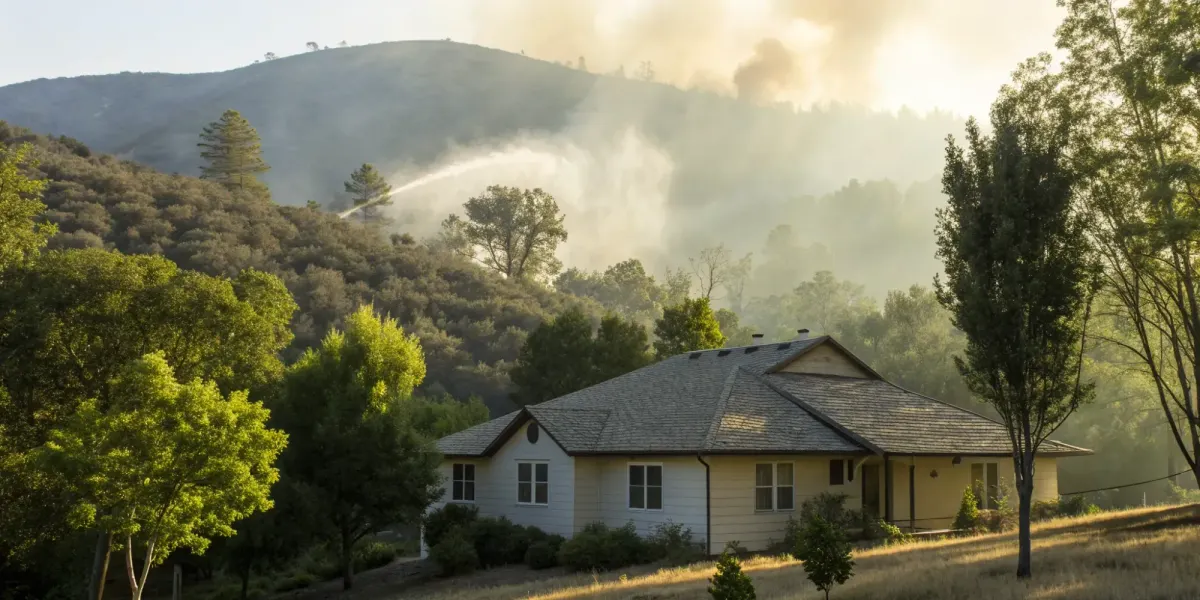
One of the biggest financial risks for homeowners in a fire-prone area isn't the fire itself—it's being underinsured when disaster strikes. After recent major wildfires, a shocking number of families discovered their policies wouldn't cover the full cost of rebuilding, leaving them with a massive financial gap. This is a terrifying reality, driven by the soaring cost of home insurance in a wildfire zone and complex policy details. This article is designed to prevent that from happening to you. We’ll decode your policy, explain must-have coverages like Extended Replacement Cost, and show you how to ensure your financial safety net is strong enough to help you recover completely.
Key Takeaways
- Make Your Home a Better Bet for Insurers: Lower your premium and improve your coverage options by creating defensible space, investing in fire-resistant home upgrades, and documenting every improvement you make.
- Look Beyond Standard Coverage: Protect yourself from post-disaster price spikes by ensuring your policy includes Extended Replacement Cost, Building Ordinance coverage, and pays the full replacement cost for your belongings.
- Treat Your Policy as a Living Document: Avoid the risk of being underinsured by reviewing your coverage limits annually with a specialist, and always update your policy after any home renovation to reflect its new value.
Why Is Home Insurance So Expensive in Wildfire Zones?
If you live in a beautiful, high-risk area, you’ve likely felt the sticker shock of a rising home insurance premium. It’s a frustrating reality for homeowners across California and other western states, and you’re right to wonder why it’s happening. The simple reason for the high cost is risk. Insurance companies base their prices on the likelihood of you filing a claim. In areas prone to wildfires, that likelihood is significantly higher, and the potential cost of a claim is massive.
But it’s not just about the risk of a total loss from flames. Insurers also factor in the rising costs of rebuilding materials and labor, the availability of local firefighting resources, and the overall concentration of homes they insure in one area. When a single wildfire can cause billions in damages, carriers have to spread that risk across all their policyholders in the region, which drives up rates for everyone. When these factors combine, they create a challenging market where prices climb and availability shrinks. This leaves many homeowners feeling stuck, often with limited and expensive options. Understanding what’s behind these costs is the first step toward finding a solution that protects your home and your budget.
What Drives Your Premium
The price you pay for home insurance isn't arbitrary. It’s a calculated figure based on several key factors. Your home’s location is the biggest one; living in a designated high-risk fire zone or even just being far from the nearest fire station will increase your premium. The size of your home and the amount of coverage you need to rebuild it also play a major role.
Insurance companies are in the business of managing risk. Because of the increased frequency and severity of wildfires, the financial risk of insuring homes in these areas has grown exponentially. As a result, many standard carriers have raised their rates significantly or have stopped offering wildfire insurance altogether in certain zip codes, making it harder and more expensive to secure the protection you need.
What Standard Coverage Includes
The good news is that most standard homeowners insurance policies do cover damage from wildfires. If a fire damages or destroys your property, your policy is designed to help you recover financially. This coverage is typically broken down into a few key areas.
First is your dwelling coverage, which pays to repair or rebuild the physical structure of your home. You’ll also have coverage for other structures on your property, like a detached garage or shed. Your personal property coverage helps replace your belongings, from furniture to clothing. Finally, if you’re unable to live in your home during repairs, your policy’s additional living expenses (ALE) coverage helps pay for temporary housing, meals, and other essentials.
The Reality of Living in a High-Risk Area
Living in a wildfire-prone state like California, Colorado, or New Mexico means facing a tough insurance market. Wildfires are causing a major strain on the system, making coverage much more expensive and, in some cases, nearly impossible to find. This isn't just an inconvenience; it's a growing crisis that impacts household budgets and the financial stability of entire communities.
For the majority of homeowners who have a mortgage, carrying insurance isn't optional. Yet, many are struggling to afford the rising premiums or find a carrier willing to offer them a policy. This has forced thousands onto last-resort plans that often provide less coverage for more money. The cascading effects of this problem are widespread, creating financial stress for families and economic challenges for local governments.
The True Cost of Being Underinsured
One of the most dangerous financial risks in a wildfire zone is being underinsured. This happens when your policy’s coverage limit is too low to cover the full cost of rebuilding your home. Unfortunately, a shocking number of homes lost in recent wildfires have been underinsured, leaving families to cover a massive financial shortfall on their own.
After the 2021 Marshall Fire in Colorado, for example, an estimated 92% of the homes destroyed were underinsured. This not only creates personal financial devastation but also slows down community-wide recovery. Rebuilding costs have soared due to supply chain issues and labor shortages, making it critical to ensure your coverage has kept pace. Without adequate protection, the dream of rebuilding can quickly become an impossible financial burden.
Breaking Down Your Premium: What Insurers Look At
It can feel like your home insurance premium is a random number pulled out of thin air, but there’s a detailed method behind it. Insurers look at a wide range of factors to calculate the specific risk your home represents. Understanding what goes into this calculation is the first step toward finding fair coverage and even lowering your costs. It’s not just about where you live; it’s about your home’s unique story and the environment around it.
Your Home's Location and Specific Risk
This is the biggest piece of the puzzle. Your premium depends heavily on your home’s exact location—down to the street address. Insurers use sophisticated mapping tools to assess factors like your proximity to dense vegetation or wildlands, the slope of your property (fire moves faster uphill), and your distance from the nearest fire hydrant and fire station. All of this data is used to generate a wildfire risk score for your property. A higher score signals greater risk to the carrier, which almost always translates to a higher premium. It’s the most fundamental element they consider when deciding whether to offer you a policy and at what price.
Construction Materials and Home Features
How your home was built plays a huge role in how it might withstand a wildfire. Insurers look closely at your home’s construction materials to gauge its resilience. A home with a Class A fire-rated roof (like composite shingles or metal) is a much better risk than one with old wood shakes. They’ll also assess your siding—stucco and fiber cement are far more resistant than wood. Other important features include multi-pane tempered glass windows, which are less likely to shatter from heat, and fine mesh screens on vents to keep embers out. Making investments to harden your home with fire-resistant materials can directly influence an insurer’s decision and may help you secure a better rate.
Your Community's Fire Protection Resources
Insurers don’t just evaluate your home; they evaluate your community’s ability to protect it. They look at the local fire department’s staffing levels, equipment, and response times. A key metric they use is the Public Protection Classification (PPC) score, which rates a community’s fire suppression capabilities on a scale from 1 to 10, with 1 being the best. A lower PPC score, indicating a well-equipped and responsive fire service, can have a positive effect on your premium. Conversely, if you live in a remote area with a volunteer fire department and limited access to water, insurers will see that as a significant risk, which will be reflected in your insurance costs.
Local Wildfire History
Past events are one of the strongest indicators of future risk, and insurers pay close attention to the wildfire history of your region. If your neighborhood or county has experienced frequent or destructive wildfires, carriers will view the area as having a high probability of future incidents. This isn't just about whether your specific property has been impacted before. The sheer fact that nine of the ten most expensive wildfires in the U.S. have occurred since 2017 has made insurers extremely cautious. This historical data informs their risk models, leading them to charge higher premiums or even pull back from areas they deem too risky based on past fire activity.
The Current State of the Insurance Market
Finally, your premium is influenced by factors that have nothing to do with your home itself. The overall health of the insurance market plays a major part. In recent years, massive payouts from wildfires, hurricanes, and other disasters have put immense financial pressure on insurance companies. To remain solvent, they must adjust their pricing and risk appetite. This has created what’s known as a "hard market," where carriers across the board raise rates, tighten their underwriting rules, and in some cases, stop offering policies in high-risk states like California. This shrinking availability means less competition and higher costs for homeowners.
Common Roadblocks for High-Risk Homeowners
If you feel like finding affordable, reliable home insurance is getting harder, you’re not alone. For homeowners in areas with high wildfire risk, the landscape has changed dramatically. What used to be a straightforward annual renewal has become a source of stress and uncertainty. Many homeowners are now facing a frustrating cycle of skyrocketing premiums, sudden non-renewals, and a shrinking pool of insurance carriers willing to offer coverage.
This isn't a reflection on you as a homeowner. It's the result of a broader shift in the insurance industry as companies reassess the financial risks tied to climate change and more frequent natural disasters. They are becoming much more selective about the homes they cover, leaving responsible homeowners feeling stuck. Understanding these common challenges is the first step toward finding a real solution. Below, we’ll break down the biggest hurdles you might face and give you the clarity you need to move forward.
Why Fewer Carriers Offer Coverage
It can feel personal when you struggle to find an insurer, but the reality is a simple matter of business risk. Insurance companies operate by balancing the premiums they collect with the claims they pay out. As more severe wildfires become the norm, the potential for massive, widespread claims in certain areas has grown exponentially. To remain financially stable, many national carriers have decided the risk is too high. They’ve responded by significantly raising prices, tightening their underwriting rules, or pulling out of high-risk markets like California altogether. This leaves fewer players in the game, reducing competition and limiting your options.
Dealing with Rate Hikes and Non-Renewals
There are few things more stressful than opening a letter from your insurance company to find your premium has doubled or that your policy won’t be renewed at all. These decisions are often based on new risk models that flag your entire neighborhood or zip code, not necessarily a change you made to your home. An insurer might decide the concentration of risk in your area is too great for their portfolio. While it’s purely a business decision on their end, it leaves you in a tough spot, often with little time to find a replacement policy before your current one expires.
Is the FAIR Plan Your Only Option?
When you can’t find coverage from a private insurer, you may be pointed toward your state’s FAIR Plan. In California, the FAIR Plan is a state-mandated insurance pool designed as a last-resort option to ensure everyone has access to basic fire insurance. While it serves as a critical safety net, it’s important to understand its limitations. FAIR Plans typically offer less comprehensive coverage than a standard homeowners policy and can be more expensive. It often only covers fire damage, meaning you’ll need to purchase a separate, supplemental policy to cover things like liability, theft, and water damage.
Hidden Gaps to Look for in Your Policy
Whether you have a standard policy or are relying on the FAIR Plan, being underinsured is one of the biggest financial risks you can face. It’s crucial to read the fine print and understand exactly what’s covered. Make sure your policy covers enough money to rebuild your home at today's construction and labor prices—not just its market value. Check your limits for personal property, debris removal, and additional living expenses (ALE), which covers temporary housing costs. Many policies also have exclusions or lower limits for things like detached structures or landscaping, so it pays to know where your coverage gaps are before you need to file a claim.
What to Do If Your Policy Isn't Renewed
Receiving a non-renewal notice can spark immediate panic, but you do have options. First, don’t let your coverage lapse, as this can make it even harder and more expensive to get a new policy. Contact your current provider to see if there are any mitigation efforts you can make to reverse their decision, though this is often unlikely. Your best next step is to immediately start shopping around. This is where working with an independent insurance agent who specializes in high-risk properties becomes invaluable. They have access to specialty carriers and can help you find the best possible coverage for your unique situation.
Actionable Ways to Lower Your Premium
Feeling stuck with high insurance premiums can be incredibly frustrating, but you have more power than you think. Insurance carriers reward proactive homeowners who take concrete steps to reduce their property’s risk. By making smart, strategic improvements, you can not only make your home safer but also make it more attractive to insurers, which can lead to lower rates and better coverage options.
Think of it as a partnership: when you show carriers you’re serious about protecting your home, they’re more likely to offer you a better deal. These actions demonstrate that you’re actively managing your risk, which is exactly what insurers want to see. Let’s walk through some of the most effective steps you can take to lower your premium.
Create Defensible Space Around Your Home
One of the most impactful things you can do is create a buffer zone, or "defensible space," around your house. This is your home’s first line of defense against an approaching wildfire. The goal is to clear a perimeter of at least 30 feet from all flammable vegetation and debris. This doesn’t mean you need a barren landscape, but it does mean being strategic. Start by removing dead plants, dry leaves, and overgrown brush. Trim tree branches so they don’t hang over your roof, and make sure any shrubs are well-maintained. Creating this space can slow a fire’s spread and give firefighters a safe area to work, a factor that insurance companies weigh heavily.
Invest in Fire-Resistant Upgrades
The materials your home is made of play a huge role in its ability to withstand a wildfire. While a complete overhaul might not be realistic, you can make incremental upgrades that make a big difference. When it’s time to replace your roof, opt for non-combustible materials like metal, slate, or tile. Consider installing ember-resistant vents to prevent tiny, wind-blown sparks from entering your attic or crawl spaces. Swapping out wood siding for stucco or fiber cement can also significantly improve your home’s resilience. These upgrades are long-term investments that not only protect your property but also directly improve your home’s insurability.
Install Home Safety and Alarm Systems
Insurers love to see safety systems because they can prevent a small problem from becoming a catastrophe. While a full interior sprinkler system is a major selling point, other devices can also lead to discounts. Monitored smoke detectors and fire alarm systems that automatically alert the fire department can help you qualify for a lower premium. Even having well-maintained fire extinguishers readily available can sometimes make a difference. When you get a quote, always ask what discounts are available for protective devices—you might be surprised by what qualifies.
Document Your Mitigation Efforts
Making improvements is the first step, but proving you’ve made them is just as important. Keep a detailed record of all your mitigation work. Take before-and-after photos of your defensible space clearing. Keep receipts and invoices for your new fire-resistant roof or ember-proof vents. Organize these documents in a folder that you can easily share with your insurance agent. This portfolio of proof shows an underwriter that you’ve actively reduced your home’s risk profile, which can be a powerful tool when negotiating your premium or seeking coverage from a new carrier.
Partner with an Insurance Specialist
You don’t have to figure this all out on your own. Working with an independent insurance agent who specializes in high-risk areas can be a game-changer. Unlike captive agents who only work for one company, an independent agent can shop around with multiple carriers to find the best fit for your specific situation. They understand the unique challenges of insuring a home in a wildfire zone and can help you highlight your mitigation efforts to underwriters. A knowledgeable insurance specialist can guide you toward carriers willing to write policies in your area and ensure you get the credits you deserve for your hard work.
Decoding Your Policy: Must-Have Coverage
When you live in a wildfire zone, your homeowners insurance policy is more than just a piece of paper—it’s your financial foundation for recovery. But not all policies are created equal, and the standard coverage that works for a homeowner in a low-risk area might leave you dangerously exposed. Understanding the fine print is the single best thing you can do to protect your investment and your family’s future.
Think of your policy as a toolkit. A basic kit might cover the structure of your home, but it won’t have the specialized tools you need to handle the complex aftermath of a wildfire. Rebuilding costs skyrocket after a disaster, building codes become stricter, and the process of clearing your land can be a huge expense on its own. Let’s break down the essential coverages that every high-risk homeowner should have. These aren’t just nice-to-haves; they are critical components of a policy that will actually work for you when you need it most.
Extended Replacement Cost: Your Financial Buffer
After a widespread wildfire, the demand for building materials and skilled labor surges, driving up construction costs overnight. Your standard dwelling coverage, which is based on normal rebuilding costs, may not be enough to cover this spike. This is where Extended Replacement Cost comes in. It provides an additional buffer—typically 25% to 50%—on top of your policy’s limit to help cover these inflated expenses. It’s a crucial safety net that ensures you have the funds to actually finish rebuilding your home, even when post-disaster costs are higher than anyone predicted.
Building Code and Ordinance Coverage
If your home is destroyed, you can’t just rebuild it exactly as it was. You’ll have to comply with the latest building codes, which are often much stricter (and more expensive) than the ones in place when your home was originally built. These new codes might require fire-resistant roofing, modern electrical systems, or other costly upgrades. Standard policies don’t typically cover these expenses, but Building Code and Ordinance Coverage does. This add-on pays for the increased cost of bringing your home up to current standards, preventing a major out-of-pocket expense during an already stressful time.
Protecting Your Personal Belongings
While your home’s structure is the main focus, don’t forget about everything inside it. Your policy’s personal property coverage is designed to help you replace furniture, clothing, electronics, and other belongings lost in a fire. To make sure you have enough coverage, it’s essential to create a home inventory that documents your possessions and their value. Also, check if your policy provides “replacement cost” value rather than “actual cash value.” Replacement cost pays to buy new items, while actual cash value only pays what your used items were worth, which is often much less than you’ll need.
Covering Additional Living Expenses
If a wildfire forces you to evacuate or leaves your home uninhabitable, where will you live? Additional Living Expenses (ALE) coverage, also known as Loss of Use, is the part of your policy that pays for temporary housing, meals, and other essential costs while you’re displaced. Rebuilding can take months or even years, so it’s vital to have a generous ALE limit. This coverage ensures you can maintain a sense of normalcy for your family by covering rent for a temporary home or hotel bills, preventing you from draining your savings just to get by.
Factoring in Debris Removal Costs
Before you can even think about rebuilding, you have to deal with what’s left behind. Clearing a property of ash, hazardous waste, and charred debris is a complex and expensive process that can easily cost tens of thousands of dollars. While most policies include some coverage for debris removal, it’s often a small percentage of your total dwelling coverage. In a total loss scenario, this amount is rarely enough. Review this part of your policy carefully and talk to your agent about increasing the limit to ensure the full cost of cleanup is covered.
Protect Your Home and Your Policy
Securing the right insurance is a huge step, but the work doesn’t stop there. Taking proactive steps to protect your home not only reduces your physical risk but also strengthens your relationship with your insurance carrier. When insurers see you’re actively working to mitigate risk, it can make a real difference in maintaining your coverage and keeping your premiums as manageable as possible. Think of it as a partnership: you protect your home, and in turn, you protect your policy. Here are five straightforward habits that can help you do just that.
Review Your Coverage Annually
Setting your policy and forgetting it can be a costly mistake, especially when rebuilding costs are on the rise. Take time once a year to sit down and review your coverage limits. A shocking number of homes lost in wildfires are underinsured, leaving families without enough funds to rebuild their homes and replace their belongings. Check that your dwelling coverage is high enough to cover a complete rebuild at current labor and material costs, not just the market value of your home. Don’t forget to review the coverage for your personal property, too. An annual check-in ensures your financial safety net is as strong as it needs to be.
Simple Steps to Reduce Your Risk
You have more power than you think to make your home less vulnerable to wildfires. The most important action you can take is creating a Defensible Space around your property. This means clearing a 30-foot buffer zone around your home of all dead plants, dry leaves, and flammable vegetation. It also helps to trim trees and choose fire-resistant landscaping. When it’s time for renovations, opt for fire-resistant materials like metal roofing, non-combustible siding, and vents designed to keep embers out. These upgrades are smart investments in your home’s safety and insurability, showing your carrier that you are a proactive partner in risk reduction.
Create a Family Emergency Plan
When a wildfire threatens your area, you need a plan that you can put into action without a second thought. Work with your family to develop a clear evacuation plan that includes multiple escape routes from your neighborhood and a designated meeting spot. Pack a "go-bag" for each family member with essentials like water, non-perishable food, medications, a first-aid kit, and a portable phone charger. Staying informed through local alerts is also key. Having a solid plan in place reduces panic during a stressful time and ensures everyone knows exactly what to do to stay safe when every second counts.
Stick to a Home Maintenance Schedule
Simple, routine maintenance can have a huge impact on your home’s fire resistance. Make it a habit to regularly clean your gutters and roof, as they can easily fill with dry leaves and pine needles—perfect fuel for an ember. Sweep decks, patios, and porches to keep them clear of debris. Give your home a regular walk-around to check for any potential hazards, like tree branches growing too close to the roof or flammable materials stored too close to the house. These small, consistent efforts go a long way in preventing a stray ember from igniting your home and are easy to incorporate into your seasonal chores.
Keep Your Documents Organized
In the stressful aftermath of a fire, the last thing you want to worry about is proving what you owned. That’s why creating a home inventory is one of the most helpful things you can do for your future self. The process is simple: walk through your home and record your belongings using your smartphone’s camera. Take videos of entire rooms and photos of valuable items like electronics, furniture, and appliances. Store this inventory in the cloud or on an external drive you can take with you. This documentation will make filing a claim infinitely smoother and help ensure you get a fair settlement.
Finding and Keeping the Right Coverage
Securing a homeowners policy in a high-risk area can feel like a huge win, but it’s really just the beginning. The insurance landscape is constantly shifting, especially in places prone to wildfires. Keeping your coverage requires a proactive mindset and a clear strategy. It’s not just about paying your premium on time; it’s about demonstrating to your carrier that you are a responsible partner in protecting your property. This means understanding exactly what your policy covers, knowing what insurers look for at renewal time, and taking consistent steps to make your home more resilient.
Think of your insurance policy as a living document. It needs to be reviewed and adjusted as your life and your home change. A renovation, a change in local building codes, or even a shift in regional wildfire risk can impact your coverage needs. By staying ahead of these changes, you can avoid the shock of a non-renewal notice or, even worse, finding out you’re underinsured after a disaster strikes. The following steps will help you build a strong foundation for finding the right policy and holding onto it for the long haul.
How to Choose the Right Coverage Limits
One of the biggest mistakes homeowners make is confusing their home’s market value with its replacement cost. Your policy needs to cover the full amount it would take to rebuild your home from the ground up, including labor, materials, and debris removal at today’s prices. After a widespread disaster, these costs can skyrocket. Many homes lost in wildfires are underinsured, leaving families with a devastating financial gap. Work with your insurance agent to get an accurate replacement cost estimate for your property. This ensures you have enough funds to rebuild the home you love without draining your savings.
Understand Key Policy Terms
Insurance policies can be filled with confusing jargon, but two terms are critical to understand: “replacement cost” and “actual cash value.” A replacement cost policy pays to replace your damaged property with new items of similar kind and quality. Actual cash value, on the other hand, only pays what your belongings were worth at the time of the loss, factoring in depreciation. For your home and your possessions, replacement cost coverage is almost always the better option. It’s the difference between getting a new sofa and getting a check for the value of your 10-year-old, well-loved one.
Why a Specialized Carrier Matters
If you live in a high-risk area, you’ve likely noticed that many standard insurance companies are pulling back. This shrinking market can make finding coverage feel impossible. This is where working with a specialized agent becomes essential. We have access to carriers that understand the unique risks of your area and are willing to write policies for well-maintained homes. While a state-backed option like the California FAIR Plan can be a last resort, it often provides less comprehensive coverage and can be more expensive. A specialist can help you find more robust private market solutions first.
A Smart Strategy for Policy Renewal
An insurance policy isn’t a permanent contract. Carriers regularly review their risk exposure and may choose not to renew policies in areas they deem too hazardous. The best way to protect yourself from non-renewal is to be a proactive homeowner. Document every step you take to mitigate wildfire risk, from clearing defensible space to installing a fire-resistant roof. Share these updates with your agent well before your renewal date. This shows your carrier that you’re actively working to reduce their risk, making your home a much more attractive property to insure.
Plan for Your Home's Long-Term Insurability
Keeping your home insurable is a long-term commitment that benefits both you and your community. When homes are properly insured, it eases the financial burden on local and state governments for disaster recovery. To ensure your home remains insurable for years to come, focus on consistent risk reduction. This means sticking to a home maintenance schedule, staying informed about local fire safety initiatives, and making fire-resistant upgrades whenever possible. By investing in your home’s resilience, you’re not just protecting your property—you’re making it a safe bet for insurers now and in the future.
Are You Underinsured? Here's How to Fix It
Discovering you’re underinsured after a disaster is a devastating financial blow. Unfortunately, it’s a common problem, especially in areas where rebuilding costs can change quickly. The good news is that you can take clear, proactive steps to make sure your coverage is solid before you ever need to file a claim. It’s about understanding what it would truly cost to rebuild your life from the ground up and ensuring your policy is ready for that reality. Let’s walk through how to check your coverage and close any gaps you find.
Calculate Your Home's True Replacement Cost
First things first: your home’s replacement cost is not its market value. It’s the estimated cost to rebuild your home from scratch, using similar materials and quality, at today’s prices. Many homeowners make the mistake of insuring their home for what they paid for it, but that number doesn’t account for rising labor and material costs. It's critical to make sure your insurance covers enough to rebuild, as "many homes lost in wildfires are underinsured." An independent insurance agent or a local contractor can help you get a precise estimate based on your home’s unique features and local construction costs.
The Hidden Financial Risks of Rebuilding
Being underinsured can turn a difficult recovery into a financial catastrophe. After a widespread disaster, the demand for contractors and building materials skyrockets, driving up prices unexpectedly. This "demand surge" can leave you with a massive gap between what your insurance pays and what it actually costs to rebuild. For example, after the 2021 Marshall Fire in Colorado, it was estimated that "up to two-thirds of the homes destroyed might not have had enough insurance to rebuild them fully." This shortfall forces families to dip into savings, take on debt, or even abandon rebuilding altogether.
Explore Endorsements and Add-On Coverage
If you’re worried about a potential shortfall, you can strengthen your policy with endorsements. Think of these as safety nets for your coverage. An Extended Replacement Cost endorsement is a popular option that adds an extra percentage—typically 20% to 50%—on top of your dwelling coverage limit. This provides a crucial buffer if rebuilding costs are higher than expected. An even more comprehensive option is Guaranteed Replacement Cost, which pays the full cost to rebuild your home, no matter how much it exceeds your policy limit. These add-ons are some of the most effective tools for protecting your finances after a total loss.
Update Your Policy After Renovations
Did you recently remodel your kitchen or add a new deck? Any significant home improvement project increases your home’s value and, therefore, its replacement cost. It’s a simple but often overlooked step: you need to "tell your insurance company about any big home renovations so your coverage stays current." If you don’t, your policy limit will be based on the old, pre-renovation value of your home, leaving you underinsured. A quick call to your agent after a project is complete is all it takes to adjust your coverage and ensure your investment is fully protected.
Build Your Financial Safety Net
Having the right insurance coverage is a cornerstone of your financial security, but it also has a ripple effect on your entire community. When homes are underinsured after a wildfire, "local and state governments have to spend more on recovery, temporary housing, and social services." By ensuring your home is properly insured, you’re not just protecting your own assets; you’re contributing to your community’s resilience. Think of your policy as one part of a larger emergency financial plan that includes a healthy emergency fund and well-organized personal documents. This preparation gives you peace of mind and the stability to recover when the unexpected happens.
Related Articles
- Western US Home Insurance | Wildfire & High-Risk Coverage | Five Bays Insurance Agency
- Western US Home Insurance | Wildfire & High-Risk Coverage | Five Bays Insurance Agency FAQ
- Western US Home Insurance | Wildfire & High-Risk Coverage | Five Bays Insurance Agency - Get a Quote
- Western US Home Insurance | Wildfire & High-Risk Coverage | Five Bays Insurance Agency Disclaimers & Disclosures
- Western US Home Insurance | Wildfire & High-Risk Coverage | Five Bays Insurance Agency Home
Frequently Asked Questions
My premium just doubled, but nothing about my home has changed. Why? This is incredibly frustrating, and it’s happening to a lot of homeowners. Often, a major rate hike isn’t about your specific home but about the changing risk of your entire area. Insurers are constantly updating their risk models based on recent wildfire activity and rising rebuilding costs. When they see increased risk across a whole zip code or region, they adjust rates for everyone there. It’s also a reflection of the broader insurance market, which is under pressure from paying out massive claims from recent disasters.
Am I stuck with this high premium, or is there anything I can actually do about it? You absolutely have power here. While you can’t change your home’s location, you can change its risk profile. Insurers reward homeowners who take proactive steps to make their property safer. Creating defensible space, upgrading to a fire-resistant roof, and installing ember-proof vents are all powerful actions. The key is to document every improvement with photos and receipts and share that proof with your agent. These steps can make your home much more attractive to insurers and can open up better coverage options.
I just received a non-renewal notice. What are my immediate next steps? First, take a deep breath. A non-renewal notice feels personal, but it's a business decision based on the insurer's risk tolerance. The most important thing is to not let your coverage lapse, as that will make finding a new policy much harder. Your immediate next step is to start shopping for a new policy right away. This is the perfect time to connect with an independent agent who specializes in high-risk properties, as they have relationships with carriers that you won't find on your own.
Everyone keeps mentioning the FAIR Plan. Is it my only real option? The FAIR Plan is an essential safety net, but it should be treated as a last resort, not your first choice. It’s designed to provide basic fire coverage when you can’t find it anywhere else. However, it typically offers less protection than a standard policy and often requires you to buy a separate policy to cover things like liability and theft. Before settling for the FAIR Plan, it’s always worth exploring all private market options with a specialist who knows which carriers are still actively writing policies in your area.
My policy covers "replacement cost," but how do I know if that's actually enough to rebuild? This is a fantastic question because it gets to the heart of being properly insured. Your policy’s limit needs to cover the cost of rebuilding at today’s prices, which are often much higher after a disaster due to a surge in demand for labor and materials. The best way to be sure is to get a detailed replacement cost estimate from your agent or a local contractor. You should also ask about adding an "Extended Replacement Cost" endorsement to your policy, which provides an extra financial cushion of 25% or more on top of your limit.


