
How E&S Insurance Companies Cover High-Risk Homes
Find out which E&S insurance companies offer reliable coverage for high-risk homes and learn how to choose the best carrier for your unique property needs.

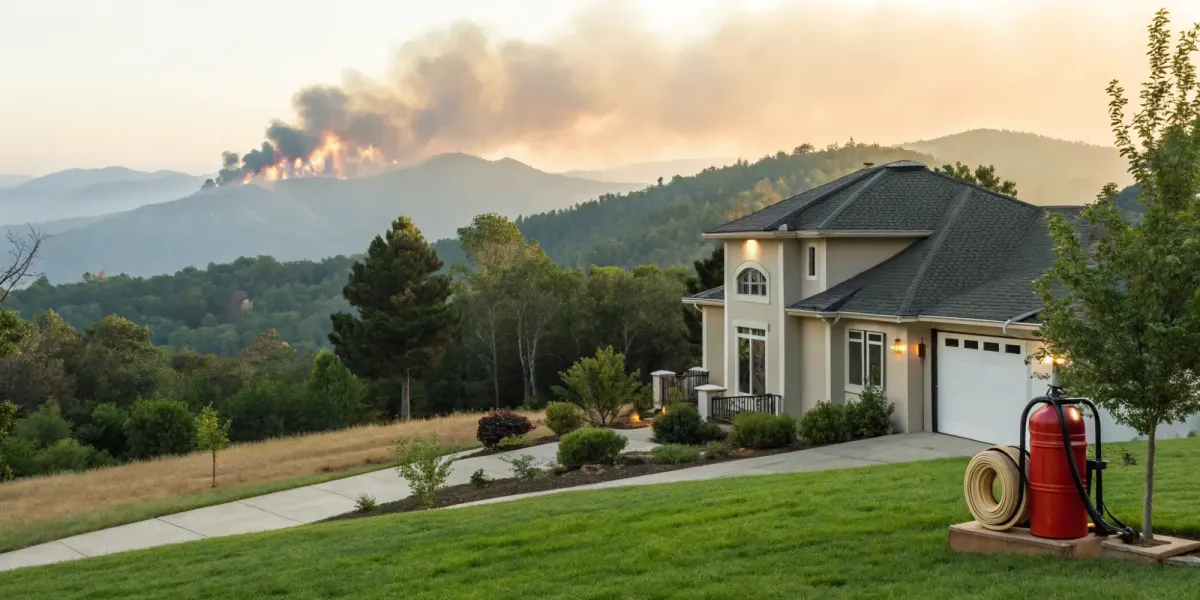
You’ve done everything right. You cleared defensible space, installed a fire-resistant roof, and followed every guideline to make your home safer. Yet, you still got a non-renewal notice. It’s frustrating to feel penalized for your location when you've worked so hard. Standard insurers often use broad rules that overlook your individual efforts. But there's another option. The Excess and Surplus (E&S) market is different. Here, e&s insurance companies take a closer look, assessing your property on its own merits, not just its ZIP code. These specialized e&s carriers value your proactive steps and can offer a path to coverage that rewards your diligence.
Key Takeaways
- E&S is Your Solution for High-Risk Homes: This isn't a last-resort plan, but a specialized market designed to provide flexible, customized coverage when traditional insurers can no longer protect your property.
- Showcase Your Home's Strengths: E&S underwriters look at the whole picture, so documenting your fire mitigation efforts—like creating defensible space or installing a fire-resistant roof—can directly improve your ability to get coverage.
- A Surplus Lines Broker is Non-Negotiable: You can only access E&S policies through a licensed broker, who acts as your expert guide to compare quotes, vet carrier financial strength, and find the best policy for your specific needs.
What is E&S Insurance for High-Risk Homes?
If you’ve been struggling to find homeowners insurance because of where you live, you’re not alone. In places like California, the insurance landscape is changing rapidly. Many standard insurance companies are limiting their coverage in areas they consider high-risk, leaving homeowners feeling frustrated and stuck with limited, often inadequate, options like the FAIR Plan. This is where a special type of coverage called Excess and Surplus (E&S) insurance comes in.
Think of it as a solution designed specifically for homes that don’t fit into the neat boxes of traditional insurance. E&S carriers specialize in evaluating and covering risks that others won’t, from homes in wildfire zones to coastal properties or houses with unique architectural features. It’s not a last-resort option or a sign that your home is uninsurable. Instead, for a growing number of homeowners, it’s the smartest and most reliable way to protect their biggest asset. Understanding how E&S works is the first step toward finding a policy that gives you the comprehensive coverage and peace of mind you deserve. It opens up a new set of possibilities when the standard market says no.
What Does "Excess and Surplus" Actually Mean?
So, what exactly does "Excess and Surplus Lines" mean? In simple terms, E&S insurance provides coverage for risks that standard insurance companies, often called "admitted" carriers, have declined to cover. These E&S carriers are considered "non-admitted," which sounds a bit technical, but it just means they have more flexibility. They aren't bound by the same strict state-level rate and policy regulations as standard insurers. This freedom allows them to create customized policies and set premiums that accurately reflect a home's unique risk profile. It’s this adaptability that makes it possible for them to insure properties that others can't.
Could Your Home Need This Specialized Coverage?
You might need E&S coverage for a few key reasons, and the most common one is location. If your home is in an area prone to catastrophes like wildfires or floods, standard carriers may consider the risk too high. This is a reality for many homeowners across California and the West. Other factors can also point you toward E&S insurance, such as having a high-value home, unique architecture, or a history of past claims. For many people in these situations, E&S isn't just an option—it's often the only viable path to securing the protection you need. It’s a market designed to provide a home for risks that have nowhere else to go.
The Growing E&S Insurance Market
It might feel like your insurance options are shrinking, but a whole segment of the industry is actually expanding to meet your needs. The Excess and Surplus (E&S) market is growing for a reason: more and more homeowners, just like you, need a better solution than what standard insurance can offer. This isn't just a small, niche corner of the insurance world anymore. It’s becoming a mainstream, robust market designed to provide coverage for well-maintained homes in areas that traditional carriers have decided to leave. This growth is a direct response to the challenges homeowners in high-risk areas face, and it’s creating more opportunities to find the right protection.
E&S Market Size and Growth
The numbers tell a powerful story. In 2023, the E&S market saw premiums reach over $86 billion, a significant jump from the previous year. This shows just how many people are turning to E&S for coverage. This market now makes up a growing slice of all insurance premiums in the U.S., proving it's a stable and essential part of the industry. For you, this growth is good news. It means more competition, more options, and more specialty insurers dedicated to creating policies that work for homes in places like California.
What makes this market so different is its flexibility. E&S insurance is specifically designed for properties that are considered higher risk. Because E&S carriers have more freedom in their underwriting, they can create customized insurance plans that truly fit your home's situation. Instead of relying on broad, location-based rules, an E&S underwriter can look at your property individually. They take into account the proactive steps you’ve taken to mitigate risk, like clearing defensible space or installing a fire-resistant roof. This approach rewards your hard work and provides a path to coverage based on your home's actual resilience.
E&S vs. Traditional Home Insurance: What's the Difference?
If you’ve been shopping for home insurance in a high-risk area, you’ve probably heard two terms: “admitted” and “surplus lines” (or "non-admitted"). Think of them as two different paths to getting coverage. The admitted market is your traditional route, with carriers like State Farm or Allstate. These companies are licensed by the state and must follow strict, state-approved rules on pricing and policy language. This works well for standard, low-risk homes, but it can be a dead end if your property doesn’t fit neatly into their box.
This is where the surplus lines market, also known as Excess and Surplus (E&S) lines, comes in. E&S carriers specialize in covering risks the traditional market won’t take on. Because they aren’t bound by the same rigid state regulations, they have the freedom to create policies for unique situations—like homes in wildfire zones or on the coast. It’s not a back-alley market; it’s a highly regulated, specialized field designed to provide a safety net for homeowners who need it most. For many Californians, it’s the key to finding comprehensive and reliable coverage when standard options are unavailable.
Finding Flexibility Outside of Standard Rules
The main difference between traditional and E&S insurance comes down to regulation and flexibility. Traditional, or “admitted,” carriers have their rates and policy forms approved by California’s Department of Insurance. This creates consistency, but it also means they have little room to adjust for unique risks. If your home’s profile doesn’t match their pre-approved guidelines, they often have to decline coverage.
Excess & Surplus lines insurance operates differently. These “non-admitted” carriers are not bound by the same state-filed rate and form requirements, giving them the freedom to set terms and prices based on the specific risk of your property. This flexibility allows them to insure homes that traditional carriers can’t, offering a vital solution for homeowners in hard-to-insure areas.
The Role of State Oversight for Excess & Surplus (Non-Admitted) Carriers
The term "non-admitted" can be a bit misleading. It might sound like these carriers operate without any rules, but that couldn't be further from the truth. While they aren't licensed by the state in the same way as traditional insurers, they are still subject to regulation. The key difference is that they aren't required to follow California's strict guidelines on rates and policy language. This freedom is exactly what allows them to be more adaptable. Instead of applying a one-size-fits-all approach, they can assess your home's individual risk and design a policy that makes sense, even in a high-risk area. It’s a specialized market designed to provide a crucial safety net, not an unregulated free-for-all.
So, what’s the trade-off for this flexibility? The most important distinction is that excess & surplus lines carriers are not part of California's state guaranty fund. This fund is a safety net that steps in to pay claims if a standard, admitted insurance company becomes insolvent. While E&S insurance offers a lifeline for high-risk properties, it doesn't come with that same state-backed guarantee. This is why vetting the financial health of an E&S carrier is absolutely essential. Reputable carriers have strong financial strength ratings from independent agencies like A.M. Best, and working with an experienced broker ensures you're placed with a stable, reliable company that can honor its commitments.
How to Tailor Your E&S Coverage
Because E&S carriers aren’t using a one-size-fits-all approach, they can offer customized insurance solutions that fit your home’s specific needs. Standard policies often come as a package deal with little room for changes. If your home has unique features, a complex claims history, or is located in a high-risk area, a standard policy might not provide the right protection—if you can get one at all.
With E&S, an underwriter can design a policy that directly addresses your property’s vulnerabilities. This might mean including specific coverage for wildfire damage, adjusting liability limits, or accounting for the high value of your home. This ability to find customized insurance solutions ensures you’re not paying for coverage you don’t need or, worse, left without protection where you need it most.
A Different Approach to Underwriting Your Home
When you apply for traditional insurance, your application often goes through an automated system that can issue a quick denial based on a single factor, like your ZIP code or wildfire risk score. E&S underwriters, on the other hand, tend to take a more hands-on approach. They look at the complete picture of your property, considering not just the risks but also the steps you’ve taken to mitigate them.
This is great news if you’ve invested in a fire-resistant roof, cleared defensible space, or installed a home fire suppression system. An E&S underwriter can factor these proactive measures into their decision. This specialized process requires working with a licensed surplus lines broker—like the experts at Five Bays—who can present your home’s story to the right carriers and find the best possible terms.
How E&S Carriers Define Their Underwriting Appetite
An insurer’s “underwriting appetite” is just a formal way of saying what kinds of risks they’re willing to take on. For many standard carriers, that appetite is narrow and rigid. They often rely on automated systems that can reject your application based on your ZIP code alone, completely ignoring the fire-resistant roof you just installed. E&S carriers, however, have a much more flexible appetite. They specialize in evaluating and covering risks that standard insurers avoid by looking at the details. Instead of just seeing a location, they see the specific actions you’ve taken to protect your property. A well-maintained defensible space and modern safety features can turn a potential rejection into an approved policy because their decisions are based on your home’s individual story.
Does Your Home Qualify for E&S Insurance?
If you’ve received a non-renewal notice or struggled to find a standard insurance carrier willing to cover your home, you’re not alone. Many homeowners, especially in California, are finding themselves in this exact position, often feeling stuck with limited or no good options. Standard insurers use rigid underwriting rules, and if your home doesn't fit neatly into their box, they may deny coverage. This is where E&S insurance comes in. It’s designed specifically for properties with unique risks that the standard market avoids.
Think of it this way: if your home has been labeled "high-risk," it simply means you need a more specialized solution. This could be due to your location, the home’s value, its construction, or even your past claims history. E&S carriers have the flexibility to look at your property as a whole and create a policy that truly fits, rather than trying to make a one-size-fits-all policy work. They can assess risks individually and price them accordingly, opening up coverage possibilities where there were none before. Let’s look at the most common reasons a home might be a great candidate for E&S coverage.
Living in a Wildfire Zone or High-Risk Area
Living in a beautiful, scenic part of California often means living with an increased risk of wildfire. As standard insurers have become more cautious, they have pulled back from insuring homes in areas they deem too risky. If your home is located in a high-risk fire zone, has significant brush exposure, or is in a region prone to other natural disasters, you’ve likely experienced this firsthand. E&S carriers specialize in these situations. They understand the nuances of wildfire risk and are equipped to offer coverage where others won’t. They take a detailed look at your property, including your mitigation efforts like creating defensible space, to write a policy that reflects your home’s specific risk profile.
Owning a Coastal Home or Flood Zone Property
Properties located along the coast or in designated flood zones face their own set of challenges. Standard homeowners policies typically exclude damage from flooding, leaving a major gap in coverage. While the National Flood Insurance Program (NFIP) is an option, its coverage limits can be insufficient for many homes. E&S insurance can provide a solution. Specialized E&S flood insurance is available for families with homes in high-risk areas or those with unique coverage needs, offering higher limits and broader protection. For coastal homes, E&S carriers can also provide tailored coverage against risks like windstorms and other perils that standard insurers may limit or exclude.
If Your Home Has a History of Claims
Sometimes, it’s not about where your home is, but what has happened there in the past. A history of claims—even for unrelated incidents like water damage or theft—can make standard insurers view your property as a higher risk. Many carriers will non-renew a policy after just two or three claims in a few years. E&S insurers, however, are often more willing to consider the context behind the claims. They can look at your property’s full story and may offer coverage when standard carriers have turned you away. This gives you a path forward to secure protection for your home without being penalized for past events.
Insuring a High-Value or Unique Home
If you own a high-value home, you may find that standard policies simply don’t offer high enough coverage limits to fully protect your investment. Last-resort options like the California FAIR Plan also have coverage caps that can leave you significantly underinsured. E&S insurance is built to handle these situations, providing the high-limit coverage needed to protect luxury properties. The same goes for homes with unique or historic construction. A custom-built home, a historic Victorian, or a property with non-standard materials can be difficult for traditional insurers to value correctly. E&S underwriters have the expertise to assess these one-of-a-kind properties and craft a policy that covers their true replacement cost.
Beyond Homeowners: The Broader E&S Market
While our focus is on protecting your home, it’s helpful to understand that the principles of E&S insurance extend far beyond residential properties. The same flexibility and customized approach that provides a lifeline for homeowners in high-risk areas also supports the businesses that make up our communities. From local contractors and new restaurants to tech startups and large-scale construction projects, many businesses face unique risks that don’t fit the standard insurance model. Without a market willing to cover these complex needs, innovation would slow, and many of the services we rely on simply wouldn’t exist.
The E&S market is a critical part of the economy, providing a safety net for risks that are too new, too large, or too specialized for the admitted market to handle. By offering tailored solutions, E&S carriers empower entrepreneurs to launch new ventures and established companies to take on ambitious projects. Understanding this broader context can help demystify E&S insurance. It’s not an obscure, last-ditch option; it’s a robust and essential market designed to solve complex risk challenges, whether for a family home or a growing business.
Commercial Liability and Property Coverage
Just as your home’s location can make it a unique risk, a business can have operations that fall outside the scope of standard insurance. A construction company working on a complex skyscraper, a manufacturer producing a new type of product, or even a local festival needing event liability coverage are all examples of risks that may need a specialized solution. E&S carriers step in to provide this essential commercial coverage. Because they aren't bound by the same rigid state regulations as standard insurers, they can create customized policies and set premiums that accurately reflect a business's specific activities and exposures, ensuring they have the protection they need to operate safely.
Insurance for New and High-Risk Businesses
Imagine trying to get insurance for a business in an industry that didn’t exist five years ago. Standard insurers often lack the data to price policies for emerging fields like drone delivery services, cannabis dispensaries, or renewable energy technologies. This is where the E&S market truly shines. E&S carriers specialize in evaluating and covering risks that others won’t, giving innovators and entrepreneurs the confidence to move forward. By providing a home for these hard-to-place risks, the E&S market fuels economic growth and ensures that new ideas have the chance to develop, backed by solid financial protection.
Who Are the Top E&S Insurance Carriers?
When your home is considered high-risk, the names on your insurance documents might look a little different. The Excess and Surplus (E&S) market is filled with specialized carriers designed to handle risks that traditional insurers often avoid. Getting to know some of the key players can give you confidence as you search for the right coverage. These companies are financially strong and have deep experience in protecting homes just like yours, offering a reliable path forward when standard options seem out of reach.
Top 10 E&S Insurers by Premium
While you might not recognize all of these names from TV commercials, the E&S market is backed by some of the largest and most respected players in the insurance world. These aren't small, untested companies; they are industry giants with the financial stability to handle complex risks. This is incredibly important because when you need to file a claim, you want to be certain your insurer has the resources to support you. The volume of premium a company writes is a strong indicator of its market presence and stability. According to the Professional Insurance Agents Western Alliance, these are the leading E&S carriers:
- Berkshire Hathaway: $8.39 billion
- AIG: $4.96 billion
- Fairfax Financial Holdings: $4.04 billion
- Markel: $3.68 billion
- W. R. Berkley: $3.61 billion
- Chubb: $3.18 billion
- Nationwide: $2.84 billion
- Starr Insurance Companies: $2.71 billion
- Liberty Mutual: $2.31 billion
- AXA: $1.96 billion
Seeing this list makes it clear that E&S is not a small, niche corner of the insurance world. It’s a robust and rapidly growing industry that generated over $86 billion in premiums in 2023 alone. That massive figure, up from $75 billion the previous year, reflects a major shift in the market and shows just how many homeowners are finding the reliable coverage they need outside of traditional channels. This growth is a direct response to the challenges people are facing with non-renewals and shrinking options. It means you’re not alone, and there are strong, viable solutions available. An independent broker, like our team at Five Bays, is your essential partner in accessing these top-tier carriers and finding a policy that offers real, dependable protection for your home.
The E&S Carriers We Trust
At Five Bays, we don't work for an insurance company; we work for you. Our job is to connect you with the best possible coverage for your home, and that means partnering with a carefully selected group of E&S carriers. We’ve built strong relationships with insurers who understand the unique challenges of insuring homes in California and other high-risk areas. We vet our partners for financial stability, claims-paying ability, and a genuine commitment to their policyholders. This allows us to act as your advocate, finding a reliable carrier who offers a policy that fits your needs and your budget.
AIG Excess and Surplus Lines
You’ve probably heard of AIG, but you might not know about their specialized divisions. AIG offers Excess & Surplus Lines (E&S) insurance through its Lexington Insurance and Western World companies. These branches are specifically set up to handle complex or high-risk properties that fall outside the scope of standard insurance. For homeowners, this means you can get the backing of a major global insurer that has the expertise and resources to cover homes in areas prone to wildfires, earthquakes, or other perils. They provide a crucial safety net when traditional options aren't available.
Lloyd's of London Syndicates
Lloyd's of London isn't a single insurance company but a unique marketplace where multiple financial backers, known as syndicates, come together to insure risks. This structure gives them incredible flexibility. Lloyd's syndicates have the flexibility to provide coverage for high-risk properties without being tied to the rigid rules of the standard market. For decades, they have been essential in insuring properties that others won't, from coastal homes to those in severe weather zones. Their willingness to create custom solutions makes them a go-to option for many California homeowners.
Vault Insurance Company
If you own a high-value or custom-built home, finding the right coverage can be especially challenging. Vault specializes in this exact area. Vault Custom insurance is designed for luxury homes with unique features or complex needs that standard policies just can't accommodate. They offer a high degree of customization, allowing you to tailor your policy to protect what matters most. This focus on the high-value market means they understand the specific risks and coverage requirements that come with these one-of-a-kind properties, providing peace of mind for discerning homeowners.
Other Notable E&S Insurance Companies
The E&S market is home to many other excellent carriers, each with its own specialty. For example, Velocity Risk offers special property insurance focused on protecting homes and businesses from major natural disasters like wildfires and hurricanes. These carriers are experts in catastrophic risk. Ultimately, Excess and surplus (E&S) lines insurance exists to fill the gaps left by the standard market, providing coverage for unique or high-risk situations. The key is finding the right one for your specific home and location, which is where working with an experienced independent broker makes all the difference.
What Does E&S Insurance Actually Cover?
When you hear "specialty insurance," it’s easy to assume the coverage is somehow less than what you’d get from a standard policy. But that’s not the case with E&S insurance. In fact, it’s often more robust because it’s designed specifically for your unique situation. Think of it less like a one-size-fits-all policy and more like a custom-tailored suit. The fundamental types of coverage are the same as a traditional homeowners policy—protecting your home, your belongings, and your liability—but the details are adjusted to fit the risks you actually face.
Because E&S carriers have more freedom in how they write policies, they can offer protection that standard insurers can’t or won’t. This flexibility is exactly what’s needed for homes in wildfire zones or other high-risk areas. You get a policy built from the ground up with your property in mind, ensuring there are no surprises when you need it most. The goal isn't to give you less, but to give you the right coverage that a standard policy might exclude. So, while the name might sound different, the core components of protection will feel very familiar. Let’s break down what that actually looks like.
Coverage for Your Home's Structure
This is the core of your homeowners policy, often called "dwelling coverage." It’s what protects the physical structure of your house—the walls, roof, floors, and built-in appliances. For high-risk homes, this is where E&S insurance really shines. Standard carriers might exclude fire damage in a wildfire-prone area, but an E&S policy is written specifically to address that risk. Excess & Surplus lines insurance is designed for risks that regular insurance companies won't cover, making it an essential option for homeowners with unique or high-risk properties. The goal is simple: to provide the funds you need to repair or completely rebuild your home after a covered disaster.
Protecting Your Personal Property and Liability
Your home is more than just its structure; it’s filled with your personal belongings. E&S policies provide coverage for your furniture, clothes, electronics, and other possessions. What’s great about the E&S market is the ability to create a plan that fits your home’s specific needs. For instance, some carriers like Vault Custom can create an insurance plan that ensures your personal belongings are adequately protected, which is especially important if you have high-value items like art, jewelry, or collectibles. This part of your policy also includes personal liability protection, which covers you financially if someone is injured on your property and you are found legally responsible. It’s a crucial safety net for any homeowner.
Covering Living Expenses and Other Unique Risks
What happens if a wildfire or another covered event makes your home uninhabitable? This is where Additional Living Expenses (ALE) coverage comes in. ALE helps pay for temporary housing, meals, and other essential costs while your home is being repaired or rebuilt. It’s a lifeline that prevents you from facing major out-of-pocket expenses during an already stressful time. Because excess and surplus lines insurance must be purchased through a licensed surplus lines broker, you gain access to these more tailored coverage options. This partnership allows you to build a policy that includes the specific protections, like robust ALE, that give you true peace of mind.
What Do E&S Underwriters Look For?
E&S underwriters look at your home with a different lens than standard carriers. Because they specialize in properties with unique risks, their evaluation is more detailed and holistic. They aren't just checking boxes; they're building a complete picture of your property to accurately price the risk. This means they consider factors that might lead to an outright denial from a standard insurer. They primarily focus on three key areas: your home's specific location, its physical condition, and the steps you've taken to protect it.
Your Property's Location and Specific Risks
Location is more than just your ZIP code to an E&S underwriter. While they know you're in a high-risk area, they want to understand the exact nature of that risk. They analyze the slope of your property, the types of vegetation nearby, and your home's proximity to dense brush. They also assess local factors, like accessibility for fire crews. Because surplus lines insurance operates with more flexibility, underwriters conduct their own thorough risk analysis instead of relying on broad maps that might automatically disqualify your home in the standard market.
The Construction and Condition of Your Home
The physical state of your home tells an underwriter a lot. They will look closely at the age and material of your roof, the condition of your electrical system, and the overall maintenance of the property. A home with a newer, Class A fire-rated roof and non-combustible siding is a much more attractive risk than one with deferred maintenance. Unlike standard insurers who might see an older home in a wildfire zone as an automatic "no," an E&S underwriter is willing to consider the specifics of high-risk properties. They want to see that your home is well-cared-for, as it shows you're actively working to protect it.
Your Claims History and Mitigation Efforts
If you've had to file claims in the past, you might feel like you're out of options. However, E&S carriers are often more forgiving. While they will review your claims history, they are more interested in what you've done since. Proactive efforts to protect your home make a huge difference. This includes creating defensible space, installing ember-resistant vents, and clearing gutters. Showing an underwriter that you are a responsible partner in risk mitigation can significantly improve your chances of securing a policy, even with a few past claims on your record.
How to Compare E&S Insurance Quotes
Once you have a few E&S quotes in hand, you might feel a little overwhelmed. Comparing them isn't always an apples-to-apples situation like it is with standard insurance. Because E&S policies are designed to be flexible, they can have different structures, exclusions, and conditions. The goal isn't just to find the cheapest option, but to find the best value—the policy that gives you the right protection for your unique home without any unwelcome surprises.
Think of it as a three-step process: evaluating the guide, the policy, and the company behind it. First, you need an expert you can trust to walk you through the options. Next, you’ll want to look closely at the details of the coverage itself, paying attention to what’s included and how much you’d be responsible for in a claim. Finally, you need to be sure the insurance carrier has the financial stability to be there for you when you need them most. Breaking it down this way helps you move forward with confidence and choose the right coverage for your home.
Work with a Knowledgeable Surplus Lines Broker
First things first: E&S insurance must be purchased through a licensed surplus lines broker. You can’t just call up an E&S carrier directly. This is actually a good thing, because a great broker is your most valuable asset in this process. Since surplus lines insurance isn't state-regulated in the same way as standard policies, it’s essential to work with a knowledgeable broker who understands the nuances of E&S coverage. They are your expert guide, helping you find reputable carriers and translating the policy language so you know exactly what you’re buying. A good broker will present you with clear options and advocate for your best interests.
Look Closely at Coverage Limits and Deductibles
When you look at your quotes, resist the urge to only focus on the premium. To make a true comparison, be sure you understand the types of coverage available to you, as well as the deductibles and limits that apply under each policy. Your coverage limit is the maximum amount the insurer will pay for a specific loss, while the deductible is what you pay out of pocket before coverage begins. Ask your broker to walk you through a side-by-side comparison. Does one policy offer higher limits for your personal property? Does another have a much higher deductible for wildfire damage? These details will help you evaluate which policy offers the best protection for your specific needs.
Verify the Insurer's Financial Strength
This step is critical. Because E&S carriers aren’t part of state guaranty funds, their ability to pay claims rests entirely on their own financial health. It's crucial to work with an E&S broker who understands the financial strength of the carriers they represent, as this directly impacts the reliability of your coverage. Reputable carriers are rated by independent agencies like A.M. Best, which grade their financial stability. Your broker should only recommend carriers with high ratings (typically an "A-" or better) and be able to explain why they trust the companies they’ve chosen for your quotes. This ensures your policy is backed by a stable company that can honor its promises.
How Much Does E&S Insurance Cost?
Let’s talk about the bottom line: the cost. It’s no secret that insurance for high-risk homes comes with a higher price tag, and E&S policies are no exception. Because these plans are designed to cover risks that standard carriers have turned down, the premiums naturally reflect that increased level of exposure. Think of it this way: you’re getting access to coverage that wasn’t available to you in the traditional market. It’s a solution for a problem that many California homeowners are facing right now.
While E&S insurance must be purchased through a licensed surplus lines broker, the policies themselves aren't bound by the same state regulations on pricing. This is a crucial difference. It gives carriers the flexibility to take on significant risks, like homes in wildfire zones, but it also means costs can be higher than what you might see in the standard market. The key is to understand what you’re paying for—a policy tailored specifically to protect your unique home. You're not just buying a generic product; you're investing in a specialized shield for one of your biggest assets. This approach ensures that even when traditional options disappear, you still have a path to securing reliable protection.
Key Factors That Determine Your Premium
Your E&S insurance premium is a direct reflection of your home’s specific risk profile. Carriers look at a combination of factors to calculate your rate, including your property’s wildfire score, its proximity to the coast, and its claims history. They also consider the construction materials, the age of your home, and any fire mitigation efforts you’ve undertaken. Because E&S carriers specialize in hard-to-place risks, they offer customized insurance solutions designed for your exact situation. This means your premium is calculated based on a detailed, individual assessment rather than a broad, one-size-fits-all model. Working with a knowledgeable broker is essential here, as they can help you highlight your home’s strengths and find the most competitive rate for the coverage you need.
Understanding Your Deductible and Payment Options
When you receive an E&S quote, pay close attention to the deductible. This is the amount you’ll pay out of pocket before your insurance coverage kicks in. Often, you can lower your annual premium by opting for a higher deductible, but you need to be comfortable with that amount in the event of a claim. It’s a personal financial decision, and there’s no single right answer. To make a true comparison between quotes, make sure you understand the coverage types, deductibles, and limits that apply to each policy. Payment options can also differ from standard insurance; some E&S carriers may require the premium to be paid in full upfront. Your broker can walk you through all these details so you can make an informed choice without any surprises.
Common Myths About E&S Insurance, Busted
If you’re just learning about Excess and Surplus (E&S) lines, you’ve probably come across some confusing or even intimidating information. Because it operates differently from the standard insurance market, a few misconceptions have popped up over the years. Let’s clear the air on two of the most common myths so you can approach your insurance search with confidence. Understanding the reality of E&S coverage is the first step toward finding a policy that truly protects your home, especially when traditional options are limited.
Myth: The Coverage is Subpar
It’s a common worry that because E&S policies aren’t backed by the state’s guarantee fund, the coverage must be weaker. While it’s true they operate outside of state regulations, this freedom is actually their greatest strength. Instead of offering one-size-fits-all plans, E&S carriers can create highly customized policies. Many E&S policies offer tailored coverage that standard insurers simply can’t provide. This flexibility allows them to write policies that address the specific risks of your property, whether it’s wildfire exposure or unique construction, ensuring you get protection where you need it most.
Myth: It's Too Expensive and Hard to Find
Many homeowners assume E&S insurance is out of reach financially, but that’s not the full picture. Because these policies are designed to be flexible, they come with a range of pricing options that can be adjusted to fit different needs and budgets. While E&S was once reserved for unusual, high-risk properties, it’s becoming a crucial solution for a growing number of homeowners in states like California. As options in the standard market shrink, E&S coverage may be your best—or only—path to insuring your home. It provides a viable alternative to last-resort plans, offering more comprehensive protection than you might expect.
How to Prepare Your E&S Insurance Application
Applying for E&S insurance is different from what you might be used to, but a little preparation makes all the difference. This isn't just about filling out a form; it's your chance to present the full story of your home to underwriters who assess each property individually. A clear, complete application helps your broker advocate for you and shows that you're a proactive homeowner. Taking the time to get organized upfront can smooth out the process and help you secure the best possible coverage for your unique situation.
Get Your Documents and Property Details Ready
The most important thing you can do is submit a complete application the first time. Underwriters need a full picture of your property to make an accurate assessment. Start by collecting key documents like your current policy, property deeds, and any recent appraisals. It’s also incredibly helpful to include high-quality photos of your home, especially any risk-mitigation features you’ve installed. Did you clear brush to create defensible space or install a fire-resistant roof? Document it with photos and receipts.
Decide How Much Coverage You Really Need
E&S insurance isn’t one-size-fits-all; its strength is offering customized insurance solutions for unique homes like yours. Before speaking with a broker, think about what you truly need. Consider the full replacement cost of your home, not just its market value, and make a rough inventory of your belongings. Having a clear idea of your priorities helps your broker find a policy that protects what matters most without making you pay for coverage you don’t need.
Key Questions to Ask Your Broker
Since E&S policies are sold through specialized brokers, your relationship with them is key. Come to the conversation prepared to ask the right questions so you can make an informed decision. Don’t be shy about the details. You’ll want to inquire about the specific risks covered, the policy’s liability limits, and any exclusions that apply. A good broker will walk you through the fine print and explain how different coverage options would work for your home, giving you clarity and confidence.
Related Articles
- Policy Checkup: Wildfire & High-Risk Home Insurance
- Get a Quote: High-Risk Home Insurance Options
- FAQ: Wildfire & High-Risk Home Insurance
- Disclaimers & Disclosures: High-Risk Home Insurance
- Licenses: Five Bays Insurance Agency
Frequently Asked Questions
Is E&S insurance safe if it isn't backed by the state? This is a great question, and it’s smart to ask. While E&S carriers aren't part of the state guaranty fund, that doesn't mean they are unreliable. Reputable E&S carriers are held to high standards of financial stability, which is graded by independent rating agencies like A.M. Best. A key part of a surplus lines broker's job is to connect you only with financially sound companies that have a long history of paying claims. Think of it as a different kind of security—one based on proven financial health rather than a state-level safety net.
Why is E&S insurance often more expensive than a standard policy? The cost of an E&S policy directly reflects the specific risk of your home. Standard insurance companies keep their rates lower by insuring a massive pool of low-risk properties. E&S carriers, however, specialize in covering homes that the standard market has already identified as having a higher chance of a major loss, like a wildfire. The premium is carefully calculated for your home's individual situation, which is why it costs more. You are paying for a tailored policy that provides protection when others won't.
How is E&S different from the California FAIR Plan? The FAIR Plan is designed to be a last-resort option, and its coverage is very basic. It typically only covers damage from fire and a few other perils, and it has strict coverage limits that may not be enough to rebuild your home. It also doesn't include personal liability or theft protection, meaning you'd have to buy a separate policy to get that coverage. An E&S policy, in contrast, can be a comprehensive homeowners plan that bundles dwelling, personal property, and liability coverage into one package, often with much higher limits and more customization.
What can I do to get a better rate on an E&S policy? You have more influence than you might think. E&S underwriters look at the whole story of your property, and they value proactive homeowners. Taking steps to reduce your home's risk can have a real impact on your premium. This includes creating defensible space, installing ember-resistant vents, upgrading to a fire-resistant roof, and maintaining your property well. Documenting these improvements with photos and receipts gives your broker powerful tools to negotiate the best possible terms for you.
Why can't I just buy an E&S policy directly from the carrier? The E&S market is a specialized field, and by law, you must work with a licensed surplus lines broker to access it. This is actually for your benefit. A good broker acts as your expert guide and advocate. They have established relationships with E&S carriers and understand the unique details of their policies. They know how to present your home in the best light to underwriters and can translate the complex terms so you can make a confident, informed decision.


