
California FAIR Plan Cost: A Complete Guide to Premiums, Hidden Fees, and Coverage Gaps
Get the facts on FAIR Plan cost, coverage gaps, and hidden fees so you can decide if this last-resort fire insurance is the right fit for your home.

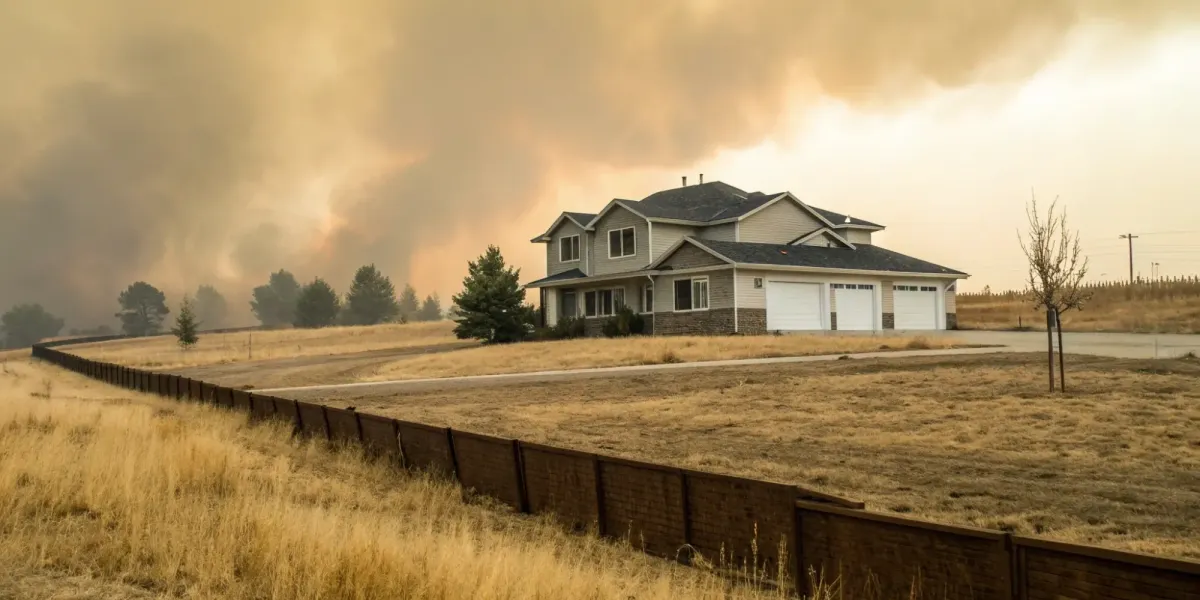
Receiving a non-renewal notice can make you feel powerless, as if your only option is to accept whatever policy you can get. For many Californians in high-risk fire zones, that option is the FAIR Plan. While it provides a critical safety net, it’s a solution with serious trade-offs. The FAIR Plan is a "named peril" policy, meaning it only covers specific events like fire, lightning, and internal explosions. It leaves critical, high-frequency risks completely uncovered, including: Theft, Water Damage (e.g., from a burst pipe), Personal Liability (if someone is injured on your property). To secure protection for these gaps, you must purchase a supplemental Difference in Conditions (DIC) or "wrap-around" policy. This article will walk you through the real FAIR Plan cost, not just in dollars, but in coverage gaps, so you can make an informed decision for your home.
When you get a quote for the California FAIR Plan, the premium is the first number you see, but it’s far from the last. The true financial picture is much bigger. This last-resort policy comes with significant hidden costs and risks that aren't immediately obvious. From the supplemental policies you’ll need to buy to cover common risks like theft and liability, to the massive coverage gaps that could leave you underinsured by millions after a total loss, the initial price is just the beginning. Before you commit, you need to understand the complete financial exposure. This guide breaks down the total fair plan cost so you can see what you’re really paying for and what you’re not.
Key Takeaways
- Treat it as a foundation, not a full solution: The FAIR Plan covers fire damage but leaves major gaps like theft and liability. You must pair it with a supplemental "Difference in Conditions" (DIC) policy to create protection that resembles a standard homeowners policy.
- Look beyond the premium at the total risk: The true cost of a FAIR Plan policy includes its high premium, extra fees, and the major financial risk from its $3 million coverage cap. If your home's value is higher, you are responsible for the difference after a total loss.
- Use the FAIR Plan as a last resort: Before settling, have an independent broker search for a standard policy, which offers better value and coverage. If the FAIR Plan is your only option, focus on wildfire mitigation to lower your premium and work toward re-entering the private market.
What is the California FAIR Plan?
If you’ve been struggling to find homeowners insurance in California, you’ve likely heard about the FAIR Plan. It can feel like a confusing, last-ditch option, but understanding what it is—and what it isn’t—is the first step toward making sure your home is properly protected.
The California FAIR Plan (Fair Access to Insurance Requirements) was established back in 1968 as a safety net. Its purpose is to make sure homeowners have access to basic fire insurance, especially when traditional insurance companies are unwilling to offer coverage in high-risk areas. Think of it less as a competitor to standard insurance and more as a state-mandated program designed to fill a critical gap in the market. While it provides a crucial service, it’s important to know that it’s not a one-to-one replacement for a comprehensive homeowners policy.
How Does the FAIR Plan Work?
The FAIR Plan is what’s known as last-resort homeowners insurance. It’s not a policy you can simply choose off the shelf. To qualify, you generally have to prove that you’ve been denied coverage by a certain number of private insurers. This requirement ensures the plan serves its intended audience: homeowners whose properties are considered too high-risk for the standard market. It’s designed for situations where factors like your home's location or condition make it difficult to secure a traditional policy. The goal is to provide a foundational layer of protection when no other options seem available.
How the FAIR Plan is Funded
You might think the FAIR Plan is a government program funded by your taxes, but it’s structured very differently. It’s actually a private association that includes every company licensed to write property insurance in California. These insurers are required to be members and collectively back the plan, sharing in its profits and losses. While premiums from policyholders are the primary source of funding, this industry-wide backing is what ensures the plan can pay its claims. This setup means that if the FAIR Plan takes a major financial hit after a devastating wildfire season, the losses are shared across the entire state's insurance market. That pressure can ripple out, affecting insurance costs for everyone, not just those on the FAIR Plan.
Who Actually Needs It?
So, who is this plan really for? It’s intended for homeowners whose properties are considered "high-risk." Most often in California, this means you live in an area with a significant threat of wildfires. However, other factors can also make a home hard to insure. This could include living in a neighborhood with a high crime rate or owning an older home with outdated electrical or plumbing systems that standard insurers see as a liability. If you’ve received non-renewal notices or have been repeatedly turned down for coverage, the FAIR Plan is likely the next step to consider.
FAIR Plan Myths vs. Facts
There’s a lot of confusion surrounding the FAIR Plan, so let’s clear a few things up. First, it’s a myth that if private carriers won’t insure your home, you have no options. The truth is, all Californians have access to the FAIR Plan if they meet the eligibility criteria. However, it’s also a misconception that this plan is a complete substitute for traditional insurance. FAIR Plan insurance offers less coverage than a standard policy. It primarily covers damage from fire, lightning, and internal explosion. It will not cover common risks like theft, water damage, or personal liability—meaning if someone gets injured on your property, you’re not protected.
The Financial Impact of the FAIR Plan on California
The sticker shock of a FAIR Plan premium is just the beginning. That high price you were quoted often costs significantly more than a standard policy, yet it delivers far less protection. Because the plan is designed to cover only specific perils like fire, you'll need to purchase a separate "Difference in Conditions" (DIC) policy to cover everything else—like theft, water damage, and liability. This second policy adds another layer of cost to your annual insurance bill. Beyond the added expenses, there's a major risk hidden in the fine print: the coverage cap. Warning: The $3 Million Coverage Cap is Your Biggest Risk. The California FAIR Plan has a combined maximum coverage limit of $3 million for your dwelling, other structures, and personal property. If your home's rebuilding cost exceeds this cap, you are personally responsible for the difference, which could easily be millions of dollars after a total loss.
How Much Does a FAIR Plan Policy Really Cost?
When you’re told the FAIR Plan is your only option, it’s easy to focus on just the premium. But the sticker price is only the beginning. The true cost of a FAIR Plan policy includes not just what you pay upfront, but also the fees that can accumulate and the major financial risks you might be taking on. Understanding these details is the first step toward making a clear-eyed decision about protecting your home and your finances. Let’s break down what you’re really paying for.
How Do FAIR Plan Premiums Compare?
The most obvious difference you’ll notice is the premium. The California FAIR Plan is a pricey solution: an average premium of $3,200 per year is more than double the average standard policy price of $1,480 annually. That’s more than double the price for what is often less coverage. This higher cost reflects the fact that the FAIR Plan is designed to cover properties that private insurers consider too risky. While it provides a necessary safety net, that safety comes at a premium price point from day one.
Real-World Cost Increases for Homeowners
The sticker shock of the FAIR Plan premium is just the beginning. The real financial hit comes when you realize you need to buy a second, separate policy to get complete protection. This is often called a "Difference in Conditions" (DIC) or "wrap-around" policy, and it’s not optional if you want coverage for common risks like theft, liability, or a burst pipe. When you add the cost of this essential supplemental policy to your FAIR Plan premium, the total can be staggering. In fact, many homeowners report their annual insurance expenses doubling or even tripling overnight. This jump happens because you're essentially paying two separate companies to piece together the coverage that used to come in one standard package.
Are There Hidden Fees or Surcharges?
Beyond the base premium, you’ll also encounter fees that aren’t common in the standard insurance market. The FAIR Plan offers several payment plan options, choosing a Monthly or Triannual payment plan adds a $4.50 fee per payment. A Monthly plan, for example, adds an extra $49.50 to your annual cost. While it might not seem like much, a monthly plan adds an extra $54 to your bill over the course of a year. These small, consistent charges contribute to the overall cost and are important to factor into your budget when you’re comparing it against other potential options.
Choosing a Payment Plan (and Avoiding Late Fees)
Life happens, and sometimes a payment might not go through as planned. With the FAIR Plan, a simple mistake can cost you. If a payment fails (e.g., a bounced check), you will incur a $25 fee. This penalty is another small but frustrating expense that can add up, especially when you’re already managing a high premium. Staying on top of your payment schedule is crucial to avoid these extra costs and ensure your policy doesn’t lapse, leaving you without any protection at all when you need it most.
Understanding the Installment Plan Options
The FAIR Plan gives you three ways to handle your premium: you can pay it all at once (Full Pay), break it into three installments (Triannual), or spread it out over eleven months (Monthly). The Triannual plan requires a 40% down payment, followed by two more payments of 30% each. The Monthly plan starts with a larger first payment of about 16.67% of the total premium, with the rest divided into 10 equal payments. While these installment options can help with cash flow, it’s important to know that you can’t switch between them on a whim. If you want to change your payment plan, you must submit your request at least 10 business days before your next payment is due, so a little advance planning is necessary.
Additional Payment Fees to Expect
Choosing an installment plan comes with extra costs. For both the Triannual and Monthly plans, you’ll be charged a $4.50 fee with every single payment. If you opt for the monthly plan, that’s an extra $49.50 tacked on over the year—it’s not a huge amount, but it’s another expense on top of an already high premium. Additionally, if you choose to pay with a credit or debit card, the third-party company that processes the transaction will add its own processing fee. These small, recurring charges are part of the total cost of the FAIR Plan and should be factored into your budget. If a payment doesn’t go through for any reason, you’ll face a $25 fee, making it even more important to stay on top of your due dates.
What Are the Coverage Limits on a FAIR Plan?
This is perhaps the most significant "hidden cost" of a FAIR Plan policy. The plan provides coverage for your home and other structures up to a combined total of $3 million. While that sounds like a lot, many homes in California are valued much higher. If your home is worth $5 million and suffers a total loss in a wildfire, the FAIR Plan would only pay out $3 million. You would be left to cover the remaining $2 million loss out of your own pocket. This coverage gap represents a massive financial risk and is a critical factor to consider when evaluating the true cost of your policy.
What Determines Your FAIR Plan Premium?
If you’ve received a quote for a California FAIR Plan policy, you might be wondering how that final number came to be. It’s not arbitrary—just like with standard insurance, your premium is calculated based on a specific set of risk factors. The main difference is that the FAIR Plan weighs certain risks, particularly wildfire exposure, more heavily than anything else. Understanding these key components can help you see why your premium is what it is and identify areas where you might have some control.
Think of it as a puzzle. The insurer pieces together information about your property’s location, its value, the specific coverages you select, and your personal insurance history. Each piece contributes to the overall picture of risk, which is then translated into your premium. While some factors, like your home’s location, are fixed, others might offer opportunities for adjustments. Let’s break down the four biggest factors that determine what you’ll pay for a FAIR Plan policy.
How Location and Wildfire Risk Affect Your Rate
This is the single most significant factor in determining your FAIR Plan premium. The plan was created to be an insurer of last resort, primarily for homeowners in areas deemed too high-risk for the standard market. If your home is in a designated high-severity fire zone, insurers see a greater chance of a total loss, and your premium will reflect that elevated risk. Your specific address, its proximity to brush, local fire protection resources, and the area’s history of wildfires are all crunched to calculate your property’s unique risk score. It can feel frustrating when a factor you can’t change has such a big impact, but for the FAIR Plan, location is everything.
Key Fire Protection Ratings
Beyond your home's specific location on a fire map, insurers also look at how well your community is equipped to respond to an emergency. This is often measured using a Public Protection Classification (PPC) score, which rates your local fire department's capabilities on a scale from 1 to 10. This rating considers factors like how close the nearest fire station is, whether it’s staffed by professional or volunteer firefighters, and the availability of a reliable water supply, like fire hydrants. A lower score, which indicates better protection, can lead to a lower premium. While you can’t personally change your community’s rating, understanding it helps clarify another piece of the premium puzzle and highlights how much of your rate is tied to factors completely outside of your control.
The Role of Your Home's Value and Features
Beyond where your home is, what it is matters, too. The FAIR Plan calculates your premium based on the estimated cost to rebuild your home (its replacement cost value), not its market price. The age of your home, its square footage, and its construction materials all play a part. For example, a home with a fire-resistant roof and stucco siding will likely cost less to insure than a home with a wood-shake roof. It’s also important to know that the California FAIR Plan has a maximum coverage limit of $3 million for your home, other structures, and personal property combined. If your property’s value exceeds this, you’ll need to find additional coverage elsewhere.
How Construction and Occupancy Play a Role
The materials used to build your home are a major piece of the premium puzzle. Insurers look closely at how your home would fare in a fire, and certain materials are simply more resilient than others. A home with a Class A fire-rated roof and non-combustible siding like stucco or fiber cement presents a much lower risk than a home with a wood-shake roof and siding. These choices directly influence the estimated cost to rebuild, which is a key part of the premium calculation. Making upgrades with fire-resistant materials can not only make your home safer but may also help lower your insurance costs over time.
How you use your property also matters. The FAIR Plan distinguishes between a primary residence, a vacation home, or a rental property. A home that is occupied year-round is generally considered a lower risk than one that sits vacant for long periods, as problems are more likely to be noticed and addressed quickly. If the property is a rental, the insurer will want to know the details of the lease. Each of these scenarios presents a different level of risk, which will be factored into your final premium, so be prepared to provide clear information about your home’s occupancy.
How Your Coverage Choices Impact Your Cost
The FAIR Plan isn’t a one-size-fits-all policy. While it provides basic protection against specific perils like fire, lightning, and smoke, you have some control over your coverage limits. You’ll select a specific dollar amount of coverage for your dwelling (the structure of your home) and your personal property (your belongings). The higher you set these limits, the higher your premium will be. It’s a balancing act: you want enough coverage to rebuild and replace your things after a disaster, but choosing higher limits directly increases your annual cost. This is one of the few areas where your choices have a direct and immediate impact on your premium.
Choosing Your Deductible
Your deductible is the amount you agree to pay out of pocket for a covered loss before the FAIR Plan pays for anything. Think of it as your share of the repair bill. The FAIR Plan offers a range of options, typically from $100 up to $10,000, giving you some control over your premium. The basic rule is simple: choosing a higher deductible will lower your home insurance premium. While this can be a tempting way to reduce your annual cost, it’s a decision that requires careful thought. You need to ask yourself what amount you could comfortably pay on short notice after a disaster. Saving a few hundred dollars a year on your premium won't feel like a win if you're faced with a $10,000 deductible you can't afford when you need to file a claim.
How Your Claims History Affects Your Rate
Your personal insurance history can also influence your FAIR Plan premium. If you’ve filed multiple claims in the past—especially for fire or related damages—you may be seen as a higher risk. This history is often why homeowners lose their policy in the standard market and end up needing the FAIR Plan in the first place. While the FAIR Plan is designed to accept high-risk properties, a history of frequent claims can still lead to a higher premium compared to a homeowner in a similar location with a clean record. Insurers use this data to predict the likelihood of future claims, and that prediction is factored into your final rate.
What the FAIR Plan Doesn't Cover
The California FAIR Plan can feel like a lifeline when you’ve been denied coverage by other insurance carriers. It exists to ensure that every homeowner has access to a basic level of fire protection, which is a critical safety net in high-risk areas. However, it’s important to see the FAIR Plan for what it is: a last-resort option with significant limitations. It was never designed to be a replacement for a comprehensive homeowners policy.
Understanding what the FAIR Plan doesn't cover is just as important as knowing what it does. A standard HO-3 policy, the kind most homeowners have, bundles protection for your house, personal belongings, liability, and additional living expenses into one package. The FAIR Plan unbundles these, leaving you with only the most basic fire coverage. This creates serious gaps that can leave your finances exposed after a disaster. To get the kind of protection you’re used to, you’ll need to purchase additional, separate policies to fill in the blanks. This approach not only complicates your insurance but also adds to the overall cost, making it a pricey and incomplete solution for many California families.
What Exactly Does the FAIR Plan Cover?
Think of the FAIR Plan as a bare-bones policy. Its primary job is to provide basic fire insurance for your home’s structure and your personal belongings. It covers damage from specific, listed events—or "named perils"—which typically include fire, lightning, and internal explosions. This is why it’s often called the “insurer of last resort.” It’s there to provide a fundamental layer of protection when the standard insurance market won't, ensuring your property isn't completely uninsured against major fire events. But that’s where its coverage begins and, for the most part, ends.
Standard Perils Covered
The FAIR Plan is what’s known as a “named peril” policy, which means it only covers the specific risks listed in the policy documents—and that list is short. The core coverages are for damage caused by fire, lightning, and internal explosion. It also typically includes smoke damage. That’s it. This is a stark contrast to a standard homeowners policy, which is usually an "open peril" policy that covers a wide range of events unless they are specifically excluded. The FAIR Plan unbundles these protections, leaving you with only the most basic fire coverage. This creates serious gaps for common risks like theft, falling objects, or the weight of ice and snow, which can leave your finances exposed after a disaster.
Optional Endorsements
You can add a few extra coverages, known as endorsements, to your FAIR Plan policy for an additional cost. The most common options are Vandalism and Malicious Mischief, and an "Extended Coverage" endorsement that adds protection for windstorms, hail, and riots. While these endorsements offer a bit more security, they don't come close to filling all the gaps. Critical risks like theft, liability (if someone is injured on your property), and water damage are still completely excluded. To get the kind of protection you’re used to, you’ll need to purchase additional, separate policies to fill in the blanks. This approach not only complicates your insurance but also adds to the overall cost, making it a pricey and incomplete solution for many California families.
Watch Out for These Common Coverage Gaps
The list of what the FAIR Plan doesn't cover is long. It typically excludes many of the standard protections you’d find in a traditional homeowners policy. You won't find coverage for personal liability, which protects you if someone is injured on your property. It also omits coverage for theft, water damage from a burst pipe, and medical payments to others. Furthermore, the FAIR Plan has a maximum coverage limit of $3 million for all combined coverages. For many homeowners in California, the cost to rebuild their home alone can exceed this amount, leaving a significant financial gap.
Why You Need a Supplemental Policy
To fill the gaps left by the FAIR Plan, you’ll need to buy a second, companion policy known as a Difference in Conditions (DIC) policy. A DIC policy wraps around your FAIR Plan policy to add back many of the missing coverages, like personal liability, theft, and water damage. Think of it as the missing piece of the puzzle. Without a DIC policy, you are financially exposed to some of the most common types of household claims. This two-policy approach is the only way to create a protection plan that comes close to what a standard homeowners policy offers.
How to Calculate Your Total Insurance Cost
The true cost of being on the FAIR Plan isn't just the premium you pay for that one policy. To accurately budget, you must combine the annual premium for your FAIR Plan policy with the premium for your supplemental DIC policy. Often, the total cost of these two policies is significantly higher than a single, traditional homeowners policy. The FAIR Plan is not designed to be competitive or affordable; it’s designed to be available. It also doesn't offer many of the common discounts you might be used to, making it a costly, temporary solution for most homeowners.
Policy Types Offered by the FAIR Plan
The FAIR Plan isn’t a one-size-fits-all solution; it offers different types of policies depending on whether you’re insuring a home or a business. It’s important to know that both policy types are what’s known as "named peril" policies. This means they only cover the specific risks that are explicitly listed in the policy documents—primarily fire. This is a major departure from standard insurance, which typically covers all perils except for those specifically excluded. Understanding this distinction is key, as it highlights the foundational, yet incomplete, nature of the protection you’re buying. It also sets the stage for other essential coverages you’ll need to add on, like earthquake insurance.
Residential and Commercial Policies
The FAIR Plan provides basic fire coverage for both residential and commercial properties, but neither is a substitute for a traditional insurance policy. For homeowners, the policy covers the structure of your home and your personal belongings against fire, lightning, and internal explosion. For business owners, the FAIR Plan offers similar named-peril coverage for commercial buildings. While the plan has recently increased its commercial property coverage limits, it is not designed to be a complete replacement for a standard commercial policy, which would also include liability and business interruption coverage. In both cases, the FAIR Plan acts as a basic building block, not the entire structure of your protection.
California Earthquake Authority (CEA) Policies
Living in California means dealing with risks beyond wildfires, and earthquakes are at the top of that list. The standard FAIR Plan policy does not cover damage from earthquakes. To get this crucial protection, you’ll need to purchase a separate policy from the California Earthquake Authority (CEA). This supplemental coverage can be added to your FAIR Plan policy to protect your home, personal property, and cover additional living expenses if an earthquake makes your home uninhabitable. Whether you own a house, a condo, or are renting, the CEA offers options to fill this critical gap. Piecing together the right coverage can feel complex, which is why working with an independent broker can help ensure you have a complete safety net.
Worried about gaps in your FAIR Plan coverage?
We help California homeowners find private alternatives and DIC policies — so you're not left relying on a last-resort plan.
How to Manage Your FAIR Plan Costs
While a FAIR Plan policy can feel like a heavy financial lift, you aren’t powerless over the price tag. The key is to be proactive and strategic. Think of it less as a fixed bill and more as a manageable expense. By taking specific steps to reduce your home’s risk profile and understanding the system, you can find ways to make your coverage more affordable. It starts with knowing where to look for savings and who to ask for help. From making your property more resilient to choosing a payment schedule that fits your budget, you have several levers you can pull to control your costs. Let’s walk through the most effective strategies to keep your FAIR Plan premium in check without sacrificing essential protection for your home.
Lower Your Wildfire Risk to Lower Your Premium
While FAIR Plans don’t typically offer the standard discounts you see with other carriers, you can still influence your premium. The most direct way is by making your home a lower risk to insure. This involves implementing wildfire mitigation measures like clearing brush, installing ember-resistant vents, and using fire-resistant building materials. These upgrades show that you’re actively working to protect your property. Another option is to choose a higher deductible—the amount you pay out of pocket on a claim. A higher deductible usually results in a lower premium, but be sure to select an amount you can comfortably afford if you ever need to file a claim.
Actionable Mitigation Steps
Taking control of your premium starts right in your own backyard. The most effective way to lower your FAIR Plan cost is to make your home more fire-resistant, which directly reduces the risk you present to an insurer. Start by creating defensible space—this means clearing dead leaves, brush, and other flammable debris from the 100-foot zone around your home to create a buffer. Next, focus on "hardening" your home itself. This includes installing fine mesh screens over vents to block flying embers, using non-combustible siding and roofing materials, and ensuring your windows are double-paned. These proactive steps are more than just home improvements; they are a clear signal to insurers that you are serious about protecting your property, which can lead to a more affordable premium.
How an Independent Broker Can Help
You can’t buy a FAIR Plan policy directly; you have to work with a licensed insurance agent or broker. This is actually a good thing. An independent broker acts as your advocate, guiding you through the process at no extra cost. They understand the complexities of the FAIR Plan and can ensure your application is accurate and complete, which helps avoid delays or issues. More importantly, a good broker will help you find the right supplemental policy to cover the gaps in your FAIR Plan coverage. They can shop around with different carriers to find the best combination of policies to fully protect your home, saving you time and potential headaches.
Are You Eligible for Premium Discounts?
One of the most significant ways to save is by qualifying for premium reductions. In California, homeowners can get discounts for taking steps to make their homes safer from wildfires. The state has established the Safer from Wildfires framework, which outlines specific actions that can earn you credits on your FAIR Plan policy. These actions are categorized into protecting the structure itself and creating defensible space around it. By completing these mitigation efforts and getting them verified, you can receive substantial discounts, making your policy much more affordable while also making your home more resilient. Ask your broker about these programs to see what you qualify for.
The Firewise Community Discount
One of the most powerful ways to lower your FAIR Plan premium is to team up with your neighbors through the Firewise USA® program. This goes beyond making changes on your own property; it’s a community-wide effort to reduce wildfire risk that can lead to real, tangible savings. When your neighborhood works together to clear flammable vegetation, create defensible space, and use fire-resistant building materials, you can collectively become a recognized Firewise community. This official designation signals to insurers that your area is serious about mitigation, which can translate into significant premium discounts. In fact, California has established the Safer from Wildfires framework, which provides a clear list of actions that can earn you verified credits on your policy. It’s a powerful way to make your home safer and your insurance more affordable at the same time.
Choosing the Right Payment Plan for You
Managing your cash flow is another important part of handling your insurance costs. The California FAIR Plan offers a few different payment plan options to give you flexibility. You can choose to pay the full premium upfront, which is often the simplest approach. Alternatively, you can opt for an installment plan, such as a three-payment plan or a monthly plan that spreads the cost over most of the year. While installment plans might include small service fees, they can make the premium much more manageable by breaking it into smaller, predictable payments that fit more easily into your monthly budget. Review the options and choose the one that aligns best with your financial situation.
How to Get a FAIR Plan Policy
If you’ve found that the California FAIR Plan is your only viable option for fire insurance, you might be wondering what comes next. The application process isn’t something you can do on your own; you’ll need to work with a licensed insurance professional to get started. Think of them as your guide through a system that can feel a little complicated at first.
The most important thing to know is that the FAIR Plan is designed as a last resort. This means your broker’s first step will be to search for coverage for you in the standard insurance market. They have to show that you were unable to find a traditional policy before you can become eligible for the FAIR Plan. Once that’s established, they will walk you through the application, help you select the right coverage for your home, and get you a quote. The good news is that there’s no extra cost to use a broker, and their expertise is invaluable in this process.
Your Step-by-Step Guide to Applying
Your journey to securing a FAIR Plan policy begins with a conversation with a licensed insurance broker. Make sure you find someone who is registered to work with the California FAIR Plan. Their initial task is to perform a diligent search for a standard homeowners policy on your behalf. If they can’t find a carrier willing to insure your home, you’ll then be eligible to apply for the FAIR Plan. At this point, your broker will help you complete the application and choose the right amount of dwelling coverage and other options to fit your specific needs and budget.
What Documents Do You Need to Apply?
To make the application process as smooth as possible, it’s a good idea to gather some key information about your property ahead of time. Your broker will need specific details to accurately fill out the application and get you a quote. Be prepared to provide your property’s full address, its construction type (e.g., wood frame, masonry), the year it was built, and its total square footage. You’ll also need to share details about its occupancy—whether it’s your primary residence, a rental, or vacant. Having this information ready will help your broker work efficiently.
How Long Until You're Covered?
After your broker submits the application, you’ll receive a quote for your policy. Once you review and approve it, there’s one final, crucial step: payment. Your FAIR Plan policy will not be active until you make the required payment to bind the coverage. This is especially important if you’re getting a policy for the first time or if there’s a lapse in your current insurance. Don’t assume you’re covered as soon as you approve the quote; the policy only goes into effect once the FAIR Plan has received your payment.
Should You Work With an Insurance Agent?
Working with an experienced insurance broker is more than just a requirement—it’s a strategic advantage. A knowledgeable professional who understands the complexities of high-risk properties can make all the difference. They can ensure your application is filled out correctly and help you select the most appropriate coverage limits. More importantly, they can help you find the supplemental policies you’ll need to fill the significant gaps in a FAIR Plan policy, ensuring your home and belongings are truly protected from more than just fire.
Are There Better Alternatives to the FAIR Plan?
If you’ve been non-renewed or denied coverage, it’s easy to feel like the California FAIR Plan is your only path forward. But before you settle, it’s crucial to understand your other options and what you’re really getting with a last-resort policy. The goal is to find comprehensive protection that fits your budget, and that often means looking beyond the obvious.
How to Find Coverage in the Standard Market
Your first step should always be to thoroughly explore the standard insurance market. The FAIR Plan was created as a safety net, not a first choice. It’s specifically for homeowners who can’t find coverage anywhere else. Before you even start an application, you need to be sure that’s truly your situation.
This is where working with an independent insurance agent becomes so valuable. Unlike captive agents who only represent one company, independent agents partner with multiple carriers. They have a broad view of the market and can connect you with insurers that specialize in higher-risk properties. Many homeowners are surprised to find there are still private carriers willing to offer them a policy, sometimes with the condition that they complete certain wildfire mitigation efforts.
Comparing the True Cost of All Your Options
At first glance, comparing insurance quotes seems straightforward, but with the FAIR Plan, you have to look beyond the premium. A FAIR Plan policy is significantly more expensive than standard insurance for far less coverage. On average, a FAIR Plan policy costs more than double a standard homeowners policy in California.
What’s more, that higher price buys you only basic protection, primarily from fire. Standard policies bundle in coverage for things like theft, water damage, and personal liability—protections you’d have to purchase separately with the FAIR Plan. To get equivalent coverage, you would need to buy a supplemental “Difference in Conditions” (DIC) policy, adding another expense to your total cost. When you add it all up, a standard policy almost always provides better value and more complete financial security.
When Does the FAIR Plan Make Sense?
Let's be clear: sometimes the FAIR Plan is the only available option. If your home is in an area with extreme wildfire risk where private insurers have pulled back entirely, it can be an essential tool. You might also need it if your property has unique characteristics, like an older roof or outdated electrical systems, that make it ineligible for standard coverage.
To even qualify for the FAIR Plan, you typically have to prove you’ve been denied coverage by at least three standard insurance companies. This requirement reinforces its role as a last resort. If you find yourself in this position, think of the FAIR Plan as a temporary solution that gives you protection while you work on reducing your home’s risk and improving its insurability for the future.
Putting Together Your Complete Coverage Plan
If you do need to purchase a FAIR Plan policy, remember that it’s just one piece of your insurance puzzle. On its own, it leaves you exposed to some of the most common household risks. To protect yourself fully, you’ll need to build a more complete coverage strategy.
This means purchasing a separate Difference in Conditions (DIC) policy from a private insurer. A DIC policy wraps around your FAIR Plan policy, filling in the gaps by covering risks like theft, falling objects, and personal liability. Think of it as the second half of a complete homeowners policy. An independent agent can help you find the right DIC policy to pair with your California FAIR Plan coverage, ensuring you don’t have any major gaps in your protection.
Related Articles
- Western US Home Insurance | Wildfire & High-Risk Coverage | Five Bays Insurance Agency
- Western US Home Insurance | Wildfire & High-Risk Coverage | Five Bays Insurance Agency FAQ
- Western US Home Insurance | Wildfire & High-Risk Coverage | Five Bays Insurance Agency Disclaimers & Disclosures
- Western US Home Insurance | Wildfire & High-Risk Coverage | Five Bays Insurance Agency Get a Quote
- Western US Home Insurance | Wildfire & High-Risk Coverage | Five Bays Insurance Agency Deletion Policy
Frequently Asked Questions
Is the FAIR Plan my only option if my insurer drops me? Not necessarily. The FAIR Plan is designed as a last resort, and you’re required to show that you couldn’t find coverage in the standard market before you can qualify. Your first and best step is to work with an independent insurance broker. They partner with multiple insurance carriers and can search for a standard policy on your behalf. You might be surprised to find that a private insurer is willing to cover your home, especially if you’ve taken steps to make it more fire-resistant.
Why is the FAIR Plan so much more expensive than a standard policy? The higher price tag reflects the higher risk. The FAIR Plan was created to insure properties that private companies have deemed too risky to cover, most often because of their location in a high-wildfire-threat area. You’re essentially paying a premium for guaranteed access to basic fire coverage when no other options are available. This means you end up paying more for a policy that provides significantly less protection than a typical homeowners policy.
If I have a FAIR Plan policy, is my home fully protected? No, and this is the most critical point to understand. A FAIR Plan policy is not a complete homeowners policy. It primarily covers damage from fire, lightning, and internal explosions. It leaves major gaps, offering no protection for common risks like theft, water damage from a burst pipe, or personal liability if someone gets injured on your property. To get that kind of coverage, you must purchase a separate, supplemental policy to work alongside your FAIR Plan policy.
Can I do anything to lower my FAIR Plan premium? Yes, you do have some control. The most effective way to reduce your premium is to lower your home’s risk profile. By taking steps to make your home safer from wildfires—like creating defensible space and installing fire-resistant vents—you may qualify for premium reductions through California’s Safer from Wildfires framework. You can also choose a higher deductible, which will lower your annual cost, but be sure it’s an amount you can comfortably pay out-of-pocket if you need to file a claim.
How do I actually get a FAIR Plan policy? You cannot buy a FAIR Plan policy directly. You are required to work with a licensed insurance agent or broker who is registered to sell them. This professional will first search the private market for you. If no options are available, they will then guide you through the FAIR Plan application, help you select the right coverage amounts, and find a separate policy to cover the gaps like liability and theft.


