
Find Coverage with a Specialized Wildfire Agent
Find out how a specialized wildfire agent can help you secure fair home insurance in high-risk areas and get credit for your wildfire mitigation efforts.

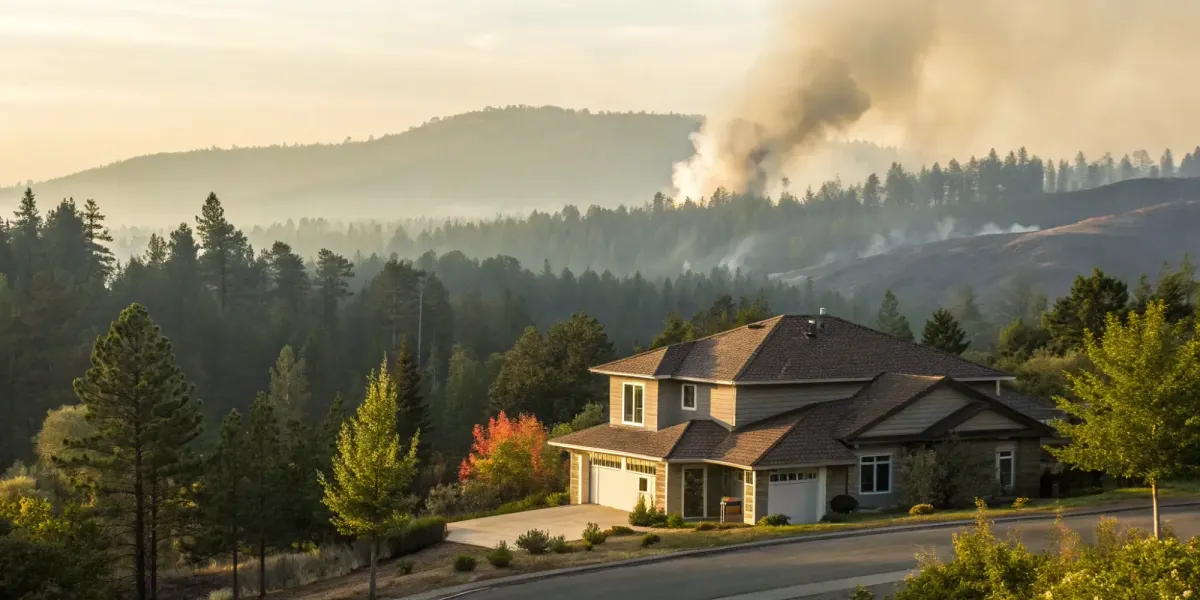
You’ve put in the work. Defensible space, a fire-resistant roof, screened vents—you checked all the boxes. Yet, finding fair insurance feels impossible. You're either quoted sky-high premiums or denied coverage altogether. Here’s the secret: the problem isn't your home. It’s that most agents don't speak the language of insurance underwriters. They can't properly showcase your mitigation efforts. To get the credit you've earned, you need a specialized wildfire agent. They act as your translator, ensuring your hard work results in a policy that actually reflects your reduced risk.
Key Takeaways
- Prioritize Specialized Expertise: A standard agent may not have the access or knowledge for high-risk areas. Partner with an independent agent who specializes in wildfire zones to find solutions and carriers that generalists can't.
- Combine Insurance with Action: Your policy is just one part of your defense. Proactively hardening your home and maintaining defensible space not only increases safety but also makes your property more attractive to insurers, potentially lowering your premiums.
- Vet Your Agent Thoroughly: Finding the right fit requires asking detailed questions about their local experience, the carriers they access, and the specific home improvements that underwriters value. This ensures you find a true advocate who understands your unique challenges.
Is Your Insurance Agent Ready for Wildfire Season?
If you’ve ever received a non-renewal notice or a shocking premium increase, you already know that insuring a home in a wildfire-prone area isn’t straightforward. While any licensed agent can sell you a homeowners policy, not all of them have the tools or expertise to handle the unique challenges of high-risk properties. A standard agent might rely on automated quoting systems that immediately flag your home as "too risky," leaving you with few options.
In today’s complex insurance market, especially in states like California, simply having an agent isn’t enough. You need a specialist who understands the landscape, knows which carriers are willing to provide coverage, and can help you present your home as a manageable risk. This is where an independent agent specializing in high-risk areas becomes an invaluable partner, guiding you toward solutions instead of dead ends.
Why Is It So Hard to Insure a Home in a Wildfire Zone?
Insuring a home in a wildfire zone is complicated because carriers see a heightened and unpredictable level of risk. They use sophisticated modeling tools that analyze everything from your roof material and the slope of your property to the density of surrounding vegetation. This data generates a risk score that determines your eligibility and rates. For many standard insurers, a high score means an automatic denial. The core challenge is that a standard policy might not fully address the specific perils you face, and a standard agent may not know how to find one that does. Insurance is a vital tool to help you recover financially after a wildfire, but only if the policy is built for that exact scenario.
How a Specialized Wildfire Agent Makes a Difference
A specialized agent acts as your advocate and strategist. Instead of just plugging your address into a system, they take the time to understand your property’s specific features and the mitigation efforts you’ve undertaken. They have deep knowledge of the local market and have built relationships with a broader range of carriers, including those that focus specifically on hard-to-insure homes. Think of them as a translator between you and the insurance underwriter. They know how to highlight your home’s strengths—like a new fire-resistant roof or a well-maintained defensible space—to secure the coverage you need at a fair price. Their local expertise is key to finding a path forward when others can't.
Who Fights the Fires? Understanding Wildland Response Teams
When a wildfire threatens your community, a complex and highly coordinated response swings into action. It’s not just one group of firefighters, but a network of specialized teams, each with a distinct role in containing the blaze. Understanding who these brave individuals are and what they do gives you a deeper appreciation for the massive effort involved in protecting homes and lives. These teams are organized across federal, state, and local agencies, all working together to manage and suppress fires in some of the most challenging environments imaginable. Their work is the front line of defense, and their expertise is critical in a world where wildfire risk is a growing concern for so many of us.
The History and Organization of Wildfire Crews
The approach to fighting wildfires has changed dramatically over the decades. What began as localized, often informal efforts has evolved into a sophisticated, multi-agency system. Today, wildland firefighting is a science, combining advanced technology with hard-earned experience. Crews are organized under a clear command structure, allowing teams from different agencies—like the U.S. Forest Service and state fire departments—to integrate seamlessly during a major incident. This collaborative framework is essential for managing large, complex fires that can cross county and state lines. The development of specialized crews, each trained for specific tasks, has been a key part of this evolution, ensuring that the right skills and equipment are deployed to the right place at the right time.
Types of Specialized Wildland Firefighting Crews
Just as a hospital has different types of doctors, a wildfire response has different types of crews. Each team brings a unique skill set and specialized equipment to the fight. Some are experts in creating firebreaks by hand in remote terrain, while others operate heavy machinery or coordinate aerial attacks from helicopters. This specialization allows fire managers to build a strategic response tailored to the specific behavior of the fire and the landscape it’s burning through. From the initial attack to the final mop-up, these crews work in concert to protect communities. Knowing the different types of crews helps you understand the incredible coordination required to keep you safe.
Interagency Hotshot Crews (IHCs)
Think of Interagency Hotshot Crews (IHCs) as the elite special forces of wildland firefighting. These are the teams sent into the most rugged terrain to handle the most dangerous and complex parts of a fire. Hotshots are known for their exceptional physical fitness, deep knowledge of fire behavior, and expert risk management skills. They are responsible for constructing firelines by hand in remote areas where vehicles can't go, often working for weeks at a time with minimal support. According to the U.S. Forest Service, their work requires strong leadership and communication, as they operate in high-stakes environments where every decision matters.
Engine Crews
Engine Crews are often the first on the scene of a new fire, making them a critical part of the initial attack. They operate specialized fire engines designed for off-road conditions, allowing them to quickly reach a blaze and begin suppression efforts with hoses, water, and pumps. Beyond fighting active fires, these crews are versatile; they also support prescribed burns, patrol for new fire starts, and engage in public fire prevention education. Their ability to respond rapidly can often mean the difference between a small, easily contained fire and a major incident, making them an indispensable part of any community’s wildfire defense.
Helitack Crews
When a fire starts in a remote or inaccessible area, Helitack Crews are the first to respond. These firefighters are transported by helicopter, allowing them to reach the scene quickly to assess the situation and begin initial suppression efforts. They are highly trained in using helicopters for a variety of firefighting tasks, including dropping water or retardant and deploying firefighters and equipment. Once on the ground, they use hand tools and chainsaws to build firelines, working to contain the blaze until additional resources can arrive. Their aerial capability is a game-changer, providing a strategic advantage in the early hours of a fire.
Hand Crews and Veteran Crews
Hand Crews are the backbone of wildland firefighting, performing the grueling work of building firelines with tools like shovels, axes, and chainsaws. They are essential for containing fires, especially in terrain that is too steep or dense for vehicles. They also conduct controlled burns to reduce fuel loads and perform cleanup work after a fire has been contained. A special type of hand crew, Veteran Crews, are composed entirely of military veterans. These crews provide a unique opportunity for those who have served the country to find a new sense of purpose and community while continuing to protect American landscapes and homes.
Fuels Crews
While some crews focus on suppressing active fires, Fuels Crews work to prevent them from starting or spreading in the first place. Their job is proactive, centered on managing vegetation to reduce wildfire risk and improve the overall health of the landscape. This involves thinning dense forests, removing flammable undergrowth, and conducting prescribed burns under controlled conditions. By strategically treating the landscape, Fuels Crews create more resilient ecosystems and help establish defensible space on a large scale, making it easier and safer for other crews to engage a fire when one does break out.
The Physical Demands of Wildland Firefighting
The work of a wildland firefighter is incredibly strenuous, demanding a level of physical and mental toughness that is hard to comprehend. A Hotshot, for example, might carry over 65 pounds of gear while hiking miles up steep, rugged terrain just to get to the fireline. Their shifts can last longer than 14 hours, often with little rest and in extreme conditions of heat and smoke. This physically punishing work requires constant situational awareness and the ability to make critical decisions under immense pressure. It’s a testament to the dedication and resilience of the individuals who volunteer for this essential and dangerous job.
The Role of Private Firefighting Companies
Alongside public agencies, private firefighting companies have become an important part of the wildfire response landscape. These companies are often hired by homeowners, communities, or even insurance companies to provide an additional layer of protection for specific properties. They can deploy quickly to apply fire retardant to homes, clear vegetation, and set up sprinkler systems ahead of an approaching fire. While they work to support the overall effort and coordinate with public agencies, their primary mission is structure protection. For homeowners in high-risk areas, these services can offer valuable peace of mind and a targeted defense for their property when a wildfire threatens.
Specialized vs. Standard Agent: What's the Difference?
The biggest difference between a standard and a specialized agent comes down to access and expertise. A standard agent typically works with a handful of large, well-known carriers whose underwriting rules are often rigid and unforgiving for homes in high-risk areas. A specialized, independent agent, on the other hand, has access to a much wider network of insurers, including niche and surplus lines carriers. They are also aware of unique programs that can add significant value. For example, some insurers offer complimentary personal wildfire defense services to policyholders, but you’d likely never know about these perks without an agent who operates in that world. A specialist doesn’t just find you a policy; they find you a comprehensive protection strategy.
What Makes a Great Wildfire Insurance Agent?
Finding the right insurance agent when you live in a wildfire-prone area is about more than just getting a quote—it’s about finding a true partner who can help you protect your home. The stakes are higher here, and a generalist agent who works primarily in low-risk suburbs might not have the specific knowledge or carrier access you need. You’re looking for a specialist who understands the landscape, the risks, and the unique insurance market that comes with it. Think of them as your guide through a complex process, someone who can translate risk scores into real-world advice and connect you with coverage that actually fits.
This isn't just a transaction; it's about building a relationship with someone who can advocate for you and your property when it matters most. A great agent in this space brings a mix of deep industry knowledge, local expertise, and a genuine commitment to helping you stay protected. They won't just sell you a policy; they'll help you understand your vulnerabilities and empower you to make your home more resilient. They are your first line of defense in navigating a market that can often feel overwhelming and unfair, ensuring you have the right protection in place long before a threat appears on the horizon. The right agent acts as a crucial link between you and the carriers, fighting to find fair terms and comprehensive coverage in a challenging environment.
Look for Proven Credentials and Experience
When you start your search, focus on experience that’s directly relevant to your situation. You want an agent who has a proven track record of securing policies for homes in high-risk fire zones. Don’t just go with the first name that pops up in a search. Instead, ask for recommendations from neighbors or local Realtors who frequently work with buyers and sellers in your area—they’ll know which agents can get the job done. An experienced agent won’t be surprised or intimidated by a high FireLine score. They’ll have seen it all before and will already have a strategy in mind for finding you the best possible coverage.
Do They Understand Your Local Risk?
Wildfire risk isn’t uniform. It can change dramatically from one hillside to the next. A truly knowledgeable agent understands the specific topography, fuel sources, and weather patterns of your neighborhood. They know which canyons are notorious for wind-driven fires and which local fire departments have the best response times. This granular, local expertise is invaluable. An agent with this insight can better represent your property to underwriters and may know about specialized programs, like carrier-provided wildfire defense services, that can offer an extra layer of protection and even help with your premiums. They should be a local expert, not just an insurance expert.
Can They Spot Your Property's Real Risks?
The best agents don’t just rely on satellite data and risk models. They have a practical understanding of what makes one home more resilient than another. They should be able to look at your property and offer concrete, actionable advice on home hardening and creating effective defensible space. This might include recommendations for specific building materials, landscaping changes, or vent screenings. This ability to see your home’s unique risk profile—beyond the numbers on a report—is a sign of a dedicated and knowledgeable professional. They see your home as a home, not just a liability, and can help you take meaningful steps to protect it.
More Carriers Mean More Options for You
In high-risk areas, many standard insurance carriers have pulled back, making it tough to find coverage. This is where working with an independent agent becomes a game-changer. Unlike captive agents who only work for one company, independent agents partner with a wide range of carriers, including specialty insurers that are comfortable writing policies in wildfire zones. This broad access is your single greatest advantage. A well-connected agent can shop your policy around to find the right fit, comparing options you would never find on your own and potentially uncovering policies that include valuable perks like wildfire response benefits at no extra cost.
Understanding Your Wildfire Coverage and Risk
Getting the right insurance policy starts with understanding how an insurer sees your home. It can feel like a black box, but once you learn what factors they’re looking at, you can have a much more productive conversation with an agent. Insurers use specific tools and data to calculate the risk of your property being damaged by a wildfire. This assessment directly impacts your eligibility, the types of coverage you can get, and how much you’ll pay in premiums.
Think of this as your pre-game strategy. By understanding your home’s risk profile, you can work with your agent to find carriers willing to offer coverage and build a policy that truly fits your needs. It’s about moving from a place of uncertainty to one of confidence, where you know your home and finances are properly protected. Let’s walk through the key components of a wildfire risk assessment and what they mean for your insurance policy.
What Does Your FireLine Score Mean for You?
One of the most common tools insurers use is a "FireLine Score." It’s a rating that estimates your home's potential exposure to wildfire, typically on a scale from 0 (very low risk) to 30 (extremely high risk). This number is generated by analyzing factors like the amount of nearby vegetation, the slope of your property, and whether firefighters have clear access to your home. A high score can make it challenging to get coverage from standard insurance companies, but it doesn’t make it impossible. Knowing your score gives you a clear starting point for discussions with a specialized agent who can interpret what that number means for your specific situation.
Finding Coverage That Fits Your Needs
If your home is in a high-risk area and has a high FireLine score, a standard home insurance policy might not be on the table. Many mainstream carriers have strict guidelines that prevent them from insuring properties they deem too risky. This is where a specialized agent becomes invaluable. They work with carriers that focus specifically on higher-risk homes, often through what’s known as the surplus lines market. These policies are designed for unique situations and can provide the comprehensive coverage you need when standard options aren’t available. It’s about finding the right fit, not just any fit.
Do You Need Extended or Supplemental Coverage?
Some insurance carriers go beyond simply writing a check after a loss. They offer proactive services designed to protect your home before and during a wildfire. For example, some carriers provide programs like Wildfire Defense Services at no extra cost to eligible policyholders. These services can include pre-season home consultations and even dispatching private crews to apply fire retardant and help clear combustibles if a fire is approaching. These supplemental benefits can be a game-changer, but you often have to enroll to receive them, so be sure to ask your agent what’s available.
What Determines Your Premiums and Coverage Limits?
While your FireLine score is a major factor, it’s not the only thing that determines your premium. Insurers also look at the specific actions you’ve taken to make your home more fire-resistant. This includes your home’s building materials, the type of roof and vents you have, and the defensible space you maintain around the property. Making home-hardening upgrades can sometimes lead to premium discounts and will almost always improve your ability to get coverage. Ultimately, insurance is a critical tool that helps you recover financially after a wildfire, and your premium reflects the shared cost of that protection.
Questions to Ask Your Wildfire Insurance Agent
Once you’ve found a few promising agents, it’s time to start the conversation. Think of this as an interview—you’re vetting them to see who is best equipped to protect one of your biggest assets. In a high-risk area, the standard questions just won’t cut it. You need to dig deeper to understand the nuances of your potential policy and how the carrier will respond when you need them most. Being prepared with a specific list of questions will not only help you compare policies accurately but also show you which agent is truly knowledgeable about the challenges you face as a homeowner in a wildfire zone.
A great agent will welcome your questions and provide clear, confident answers. If they seem unsure or dismissive, that’s a major red flag. Your goal is to find a partner who can explain your coverage in plain language and help you feel secure. Use the questions below as a starting point to guide your conversation. Don’t be afraid to ask for clarification or for them to walk you through different scenarios. This is your home and your financial security on the line, so getting it right from the start is what matters.
Ask About Your Policy and Coverage Details
The foundation of your protection lies in the details of your policy. It’s critical to understand exactly what is covered—and what isn’t—before a fire ever sparks. Start by asking about the core components of the policy to ensure you have enough coverage to make you whole again after a total loss. A good agent who is familiar with your area will understand local rebuilding costs and help you set realistic limits.
Here are some essential questions to ask:
- What is my dwelling coverage limit, and is it based on current local construction costs for a full rebuild?
- Does my policy include extended replacement cost coverage? If so, what is the percentage?
- How are my personal belongings covered? Is it for their actual cash value or full replacement cost?
- What are the limits for Additional Living Expenses (ALE), and how long does that coverage last if I’m displaced from my home?
Understand the Claims Process Before You Need It
A great policy is only as good as the company that stands behind it. When a disaster strikes, you want a smooth, supportive claims process, not a frustrating battle. Ask your agent to walk you through the steps you’d need to take after a fire. Understanding the carrier’s process and reputation ahead of time can save you a lot of stress during an already difficult time. Some top-tier insurers even offer proactive wildfire defense services to help protect your home before a fire arrives.
Be sure to ask:
- If my home is damaged, what is the very first step I should take, and who do I contact?
- What kind of documentation will I need to file a claim?
- What is the carrier’s typical timeline for inspecting the property and issuing payments for a wildfire claim?
- How does this carrier rank in terms of customer satisfaction for claims, particularly after major wildfire events?
"How Will You Assess My Property's Risk?"
Every home’s risk is unique, and insurance companies use sophisticated tools to evaluate it. Understanding how they see your property is key to getting the right coverage and identifying opportunities for improvement. Ask your agent to be transparent about their assessment process. They should be able to tell you what factors are driving your rates up and what specific actions you can take to improve your home’s insurability. Some insurers even provide a wildfire response benefit at no extra cost for homes that meet certain criteria.
Get specific with these questions:
- How does the insurer calculate my home’s specific wildfire risk? Do they use a rating like a FireLine score?
- Can you tell me which features of my property are contributing most to my risk assessment?
- What are the most impactful home hardening and defensible space improvements I can make from an underwriter’s point of view?
Ask How You Can Lower Your Premiums
While your primary goal is protection, affordability is also a major concern. The good news is that many insurers offer discounts for proactive homeowners who take steps to mitigate their wildfire risk. Your agent should be your best resource for identifying these opportunities. Ask them to connect the dots between the risk assessment of your property and your final premium. A knowledgeable agent will be able to provide a clear list of actions you can take—from installing ember-resistant vents to clearing vegetation—that can lead to meaningful savings on your policy.
Ask your agent to help you find savings:
- What specific discounts are available for wildfire mitigation efforts, such as having a Class-A fire-rated roof?
- Can you provide a checklist of home hardening measures that qualify for premium reductions?
- How would adjusting my deductible impact my premium, and what are my options?
- Do you offer discounts for homes located in a certified Firewise USA® community?
Create Your Personal Wildfire Protection Plan
Finding the right agent and policy is a huge step, but your work doesn’t stop there. Think of your insurance as one part of a larger strategy to protect your home. A solid wildfire protection plan combines smart insurance coverage with proactive steps you take on your property. This approach not only makes your home safer but can also improve your insurability and potentially lower your premiums over time. It’s about taking control where you can and building a resilient home. Let’s walk through the key components of a strong plan.
Identify Your Property's Specific Risks
Before you can protect your home, you need to understand exactly what you’re up against. Wildfire risk isn’t one-size-fits-all; it depends on your specific location, topography, local weather patterns, and the vegetation surrounding your property. A specialized agent is your best resource here. They can help you interpret your property’s risk assessments, like a FireLine score, and explain what they mean in practical terms. If you're just starting out, you can also contact local real estate agents who are familiar with the area's history and specific challenges. They often have a great pulse on the hyper-local conditions that broad risk maps might miss.
Create Defensible Space and Harden Your Home
This is where you can make a tangible difference. Home hardening involves using fire-resistant materials and modifying your home’s structure to withstand embers and flames. Think non-combustible roofing, covered eaves, and multi-paned windows. Just as important is creating defensible space—a buffer between your home and the surrounding vegetation. The goal is to clear a zone of at least 30 feet around your house, removing dead plants, dry leaves, and flammable vegetation like juniper and pine. A well-maintained defensible space gives firefighters a chance to save your home. You can find detailed guides on how to create this space from organizations like CAL FIRE.
Tailor Your Policy to Your Needs
Your insurance policy should work in tandem with your home protection efforts. A specialized agent can help you find coverage that rewards your proactive measures. Some carriers even offer supplemental services for enrolled policyholders. For example, programs like Chubb’s Wildfire Defense Services can provide at-home consultations and even dispatch private crews to apply fire retardant during an active threat. These services are often available at no extra cost, but you usually have to opt-in. This is why it’s so important to talk with your agent and understand every feature of your policy—you might be leaving valuable protection on the table if you don’t.
Stay Proactive with Ongoing Risk Management
Your wildfire protection plan is a living document, not a checklist you complete once. It requires ongoing attention. Defensible space needs to be maintained season after season, and home hardening can be an ongoing project you tackle over time. Regularly review your insurance policy with your agent, especially after making significant upgrades to your home or if local risks change. While insurance is a critical tool to help you recover financially after a disaster, your proactive efforts are what truly build a more resilient home. Staying informed and prepared is your best defense against the unpredictable nature of wildfires.
How to Find the Right Specialized Wildfire Agent
Finding the right insurance agent can feel like searching for a needle in a haystack, especially when you live in a high-risk wildfire area. You need more than just someone who can sell you a policy; you need a true partner who understands the local landscape and can connect you with carriers willing to provide coverage. A specialized agent acts as your advocate, helping you understand your property’s specific risks and finding solutions that go beyond a standard, one-size-fits-all policy. They have the expertise to guide you through the complexities of insuring a home in a place others might deem "uninsurable." This process is about finding an expert who can offer both a solid policy and genuine peace of mind.
Where to Find a Specialized Wildfire Agent
Your search for a specialized agent should start locally. Begin by searching online for independent insurance agents in your area who focus on high-risk properties or wildfire zones. An independent agent isn't tied to a single carrier, giving them the flexibility to shop around for the best coverage for your unique situation. Another fantastic resource is your local real estate agent. Realtors are on the front lines of property transactions and often have a list of trusted insurance agents they work with who know how to secure coverage in your community. They can provide valuable recommendations for agents who have a proven track record of success in your neighborhood.
How to Vet Potential Agents
Once you have a shortlist of potential agents, it’s time to interview them. Don’t be shy about asking direct questions to gauge their expertise. A great starting point is to ask about their specific experience with wildfire insurance and how many homes they’ve insured in your immediate area. A truly knowledgeable agent will be able to discuss risk factors, mitigation efforts, and specialized carrier programs with confidence. You can also inquire about any value-added services they offer. For example, some top-tier carriers provide access to wildfire defense services, which can include proactive monitoring and property protection during a fire. An agent familiar with these programs is likely a specialist in the field.
Red Flags to Watch For
Just as important as knowing what to look for is knowing what to avoid. A major red flag is an agent who seems unfamiliar with or dismissive of wildfire-specific risks and mitigation strategies. If they can’t clearly explain how your property’s FireLine score impacts your eligibility or premiums, they may lack the necessary expertise. Be cautious if an agent doesn’t mention or offer access to comprehensive wildfire defense services, as this can indicate a lack of specialization. You want an agent who is a proactive partner in protecting your home, not someone who simply processes paperwork. An agent who rushes you or provides vague answers is not the advocate you need.
Making Your Final Decision with Confidence
The right agent will make you feel empowered, not overwhelmed. Look for someone who takes the time to walk you through your policy options, explains the fine print, and offers concrete steps you can take to make your home more insurable. The best agents often work with carriers that provide additional benefits, such as a wildfire response benefit that may come at no extra cost. This kind of offering is a strong signal that both the agent and the carrier are genuinely committed to protecting your home. Ultimately, you should choose an agent who you trust to be your long-term partner in managing your property’s risk and securing its future.
Related Articles
- Policy Checkup: Wildfire & High-Risk Coverage
- Get a Quote: Wildfire & High-Risk Coverage
- FAQ: Wildfire & High-Risk Coverage
- Disclaimers & Disclosures: Wildfire & High-Risk Coverage
- Western US Home Insurance: Wildfire & High-Risk Coverage
Frequently Asked Questions
Why can't my regular insurance agent find me a policy anymore? It’s usually not about your agent's effort but their access. Many standard agents work with a handful of large, well-known insurance carriers whose automated systems and strict rules often lead to an automatic "no" for homes in wildfire zones. A specialized, independent agent has a much wider network, including niche carriers that are specifically designed to handle the complexities of high-risk properties and are actively looking to provide coverage in your area.
My home has a high FireLine score. Does that mean I'm uninsurable? Not at all. Think of a high FireLine score as a starting point for a conversation, not a final verdict. While it might screen you out with standard insurers, a specialized agent sees it as a piece of the puzzle. They know how to look beyond that number to highlight your home's specific strengths—like a fire-resistant roof or good defensible space—and present your property to carriers who understand how to properly assess and price for that risk.
Besides my location, what can I actually control to improve my insurance options? You have more control than you might think. Insurers pay close attention to the proactive steps you take to make your home more resilient. Focusing on "home hardening" by upgrading to a Class-A fire-rated roof, installing ember-resistant vents, and using non-combustible siding can make a huge difference. Consistently maintaining your defensible space is also one of the most powerful actions you can take to show underwriters that you are a responsible partner in managing risk.
Are all policies for high-risk areas just basic, last-resort coverage? This is a common misconception. While last-resort plans exist, a specialized agent can often connect you with excellent, comprehensive policies. In fact, some of the best carriers in this space offer incredible value-added perks, such as complimentary wildfire defense services that can dispatch crews to your home during a fire. The goal isn't just to find any policy; it's to find a high-quality one that truly protects you.
What's the single most important question I should ask a potential agent? Instead of just asking if they can get you a quote, try asking this: "Based on my property's risk assessment, what are the top three things I could do to improve my home's insurability from an underwriter's perspective?" An expert agent will be able to give you a clear, actionable answer. This question quickly reveals whether they are a true specialist who can be your strategic partner or just a salesperson.


