
Fire-Resistant Roof Insurance: A Homeowner's Guide
A fire-resistant roof can help you save on fire-resistant roof insurance by reducing risk and qualifying your home for valuable discounts from your insurer.

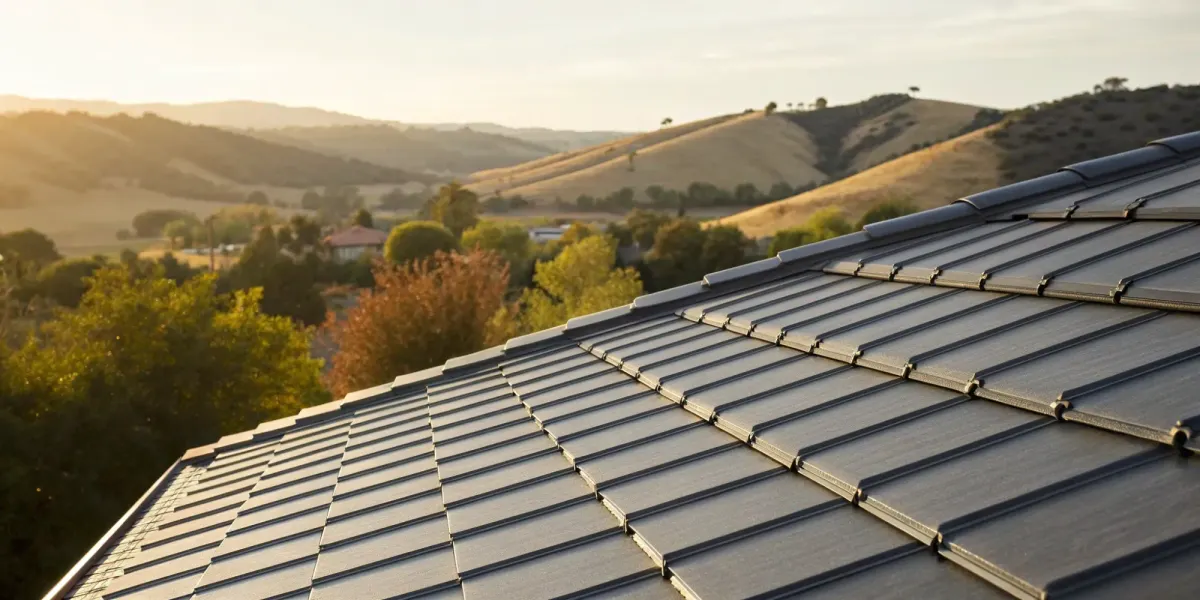
A new roof is a huge expense, so you need to know it's worth it. If you live in a high-risk fire area, the stakes are even higher. You’re not just thinking about leaks; you’re thinking about resilience and keeping your home insured. A fire-resistant roof is a powerful investment, but does it actually pay off? The big question is whether the savings on fire-resistant roof insurance justify the steep upfront cost. For many homeowners, the answer is a clear yes. This article breaks down the financial side of things, from the initial investment to long-term insurance savings.
Key Takeaways
- Prioritize a Class A Fire Rating: This is the highest safety standard and the first thing insurers look for. Choosing materials like metal, tile, or modern composites with this rating is the most direct path to lowering your home's risk and qualifying for better rates.
- Document the Upgrade and Inform Your Insurer: A new roof won't automatically reduce your premium. You need to proactively contact your agent with proof, like the contractor's invoice and material specs, to ensure you receive the discounts you've earned.
- Pair Your Roof with Other Protective Measures: A fire-resistant roof is your first line of defense, but it's even more effective when combined with other home hardening efforts. Creating defensible space is a critical next step that further improves your home's safety and insurability.
What Does 'Fire-Resistant Roof' Actually Mean?
When you live in an area prone to wildfires, your roof is your home's most important shield. It’s the largest, most exposed surface, making it the first line of defense against falling embers, which can travel a mile or more ahead of a fire. A fire-resistant roof isn't just about the material itself; it's about a complete system designed to withstand extreme heat and prevent flames from taking hold.
Choosing the right roof is one of the most effective steps you can take to protect your home and family. It’s also a key factor that insurance carriers consider when determining your eligibility and premiums. Understanding what makes a roof truly fire-resistant involves looking at official safety ratings, knowing which materials perform best under pressure, and clearing up some common misconceptions. By getting familiar with these elements, you can make an informed decision that adds a powerful layer of protection to your home and strengthens your financial security.
What Do Fire Resistance Ratings Mean?
When you start shopping for roofing, you'll see terms like "fire resistance rating." It sounds technical, but the concept is simple. Materials are tested and graded on how well they stand up to fire. The best rating a residential roofing material can get is Class A.
Think of a Class A rating as the gold standard for fire protection. To earn it, a roofing material must prove it can handle severe fire exposure without catching fire, allowing flames to penetrate the roof deck, or producing dangerous flying embers. This official classification gives you confidence that your roof is built to provide the highest level of defense possible. When insurers see a Class A roof, they see a lower risk, which is the first step toward a more affordable policy.
Understanding Fire Rating Classes (A, B, and C)
Think of roofing materials as having a report card for fire safety, with grades A, B, and C. A Class A fire rating is the best possible score, indicating the material provides the highest level of protection. According to Fire Safe Marin, these materials are proven to handle severe fire exposure, shield your roof deck from flames, and resist creating flying embers that can spread a fire. This is the standard insurers want to see, especially in high-risk regions. Class B offers moderate fire resistance, while Class C provides only light protection. For homeowners serious about safety and insurability, aiming for a Class A roof is the most effective strategy. Anything without a rating, like untreated wood, is a significant liability.
Stand-Alone vs. Assembly-Rated Systems
Here’s a crucial detail that can get overlooked: not all Class A ratings are achieved the same way. Some materials, like metal, tile, and certain modern composites, are inherently fire-resistant and earn a Class A rating on their own. These are known as "stand-alone" systems. Other materials, however, only reach a Class A standard as part of an "assembly." This means they require special underlayers and installation techniques to provide that top-tier protection. It’s essential to know which system you are getting. An assembly-rated roof is only as effective as its installation, so confirming your contractor follows the manufacturer’s specifications to the letter is non-negotiable.
The Dangers of Unrated Roofs
If there’s one feature that makes insurance carriers hesitant, it’s an unrated wood shake or shingle roof. These materials are extremely flammable and can act like kindling when embers land on them. A home with an old wood shake roof is at a much higher risk of igniting, which poses a threat to the entire community. Because of this, many insurance companies will no longer insure homes with these roofs, particularly in wildfire-prone states. If you’re struggling to find affordable coverage or have received a non-renewal notice, your roof is one of the first places to inspect. Upgrading it is often the single most important step toward making your home insurable again.
The Best Materials for a Fire-Resistant Roof
Fortunately, you have several excellent choices when it comes to Class A roofing. These materials combine durability, longevity, and proven fire resistance, making them smart investments for any homeowner in a high-risk area. While they have different aesthetics and price points, they all share the top-tier rating for fire safety.
The most common fire-resistant roofing materials include metal, clay tiles, concrete tiles, and slate. Metal roofs are known for their long lifespan of 40 to 70 years and their ability to shed embers easily. Concrete and clay tiles are also incredibly durable—often lasting 50 years or more—and are completely non-combustible. Modern synthetic or composite shingles are another great option, engineered to mimic the look of wood or slate while providing Class A protection.
Fire-Resistant Roofs: Fact vs. Fiction
One of the biggest myths is that a fire-resistant roof is an unnecessary expense. While the upfront cost can be higher than traditional asphalt shingles, it’s an investment that pays off. Insurance companies often provide significant discounts for homes with Class A roofs because they dramatically reduce the likelihood of a catastrophic fire claim. Over time, these savings can help offset the initial cost.
Another common misconception is that certain traditional materials, like wood shakes, offer adequate protection. In reality, untreated wood roofs are highly flammable and are often a primary reason for a non-renewal or denial of coverage in wildfire-prone regions. Swapping an old wood roof for a Class A material isn't just an upgrade; it's often a necessary step to secure affordable, reliable insurance.
Can a Fire-Resistant Roof Lower Your Insurance Bill?
When your home is better protected against risks like wildfire, your insurance carrier sees you as less of a liability. It’s that simple. A fire-resistant roof is one of the most significant upgrades you can make to reduce your home’s vulnerability, and insurers often reward that proactive step with lower premiums. By investing in materials that can withstand embers and slow the spread of flames, you’re not just protecting your property—you’re making a financial case for why you deserve a better rate.
This isn't just about checking a box; it's about demonstrating that you've taken tangible steps to mitigate risk. Insurance pricing is all about calculating risk, so every measure you take to harden your home can influence your final premium. While the upfront cost of a new roof can be substantial, the long-term insurance savings can help offset the initial investment, especially if you live in an area where wildfire risk is a constant concern. Think of it as a win-win: your home is safer, and your budget gets a little more breathing room.
How Much Can You Actually Save?
So, what kind of savings are we talking about? While there’s no universal discount percentage, installing a fire-resistant roof can certainly lead to a noticeable reduction in your homeowners insurance premium. Insurance companies often provide discounts for homes with Class A fire-rated roofs because they significantly lower the chances of a total loss during a wildfire. The exact amount you save will depend on your specific carrier, your home’s overall risk profile, and other protective features you have in place. But for homeowners in high-risk areas, the savings can be substantial enough to make the upgrade a smart financial decision over the long term.
Which Roofing Materials Get the Best Discounts?
Not all roofing materials are created equal in the eyes of an insurer. Materials with high durability and fire resistance, like metal, slate, tile, and concrete, are often favored and can lead to better rates. These materials are non-combustible and do an excellent job of resisting fire, rot, and severe weather. Modern synthetic roofing materials are also excellent choices and are often specifically designed to meet the highest fire-safety standards. An underwriter sees these roof types as a sign of a well-protected, lower-risk home, which can directly translate into a lower premium for you.
Why Your Location Affects Your Savings
If you live in a region prone to wildfires, like many parts of California, the financial incentive for installing a fire-resistant roof is much higher. For homeowners in these areas, a Class A-rated roof isn't just a nice-to-have feature; it's a critical defense mechanism. Insurance carriers are acutely aware of the heightened risk in these locations and are far more likely to offer significant discounts for upgrades that directly address it. Your ZIP code plays a huge role in determining your premium, so taking steps to make your home more resilient in a high-risk zone can have a much bigger impact on your bill than it would elsewhere.
More Ways to Save on Homeowners Insurance
Installing a fire-resistant roof is a fantastic first step, but your work isn’t done once the last shingle is in place. To make sure you get the discount you deserve, you need to be proactive. The most important step is to inform your insurance company about the upgrade. Don’t assume they’ll automatically know. Call your agent, provide documentation of the new materials and their fire rating, and ask for a policy review. This is also a great time to ask about other discounts you might qualify for, such as bundling policies or installing other home safety devices.
What Your Insurance Company Wants to See
When you tell your insurance provider you’ve installed a new roof, they see more than just a home improvement project. They see a change in your home’s risk profile. To an insurer, a new, high-quality roof means your home is better protected against threats like fire, wind, and hail, which could reduce the likelihood of a major claim. But they won’t just take your word for it. They want to see specific proof that your investment has made your home safer and more resilient. Providing the right details and documentation is key to making sure your premium reflects your efforts.
Why Material Quality and Ratings Matter
Insurance companies pay close attention to the materials used in your roof. Investing in fire-resistant roofing can directly lead to lower insurance costs because it significantly reduces your home's vulnerability. Insurers often provide discounts for roofs with a Class A fire rating—the highest level of protection available. Materials like metal, slate, tile, and concrete are highly valued because they are durable and effectively resist fire and weather damage. When your insurer sees that you’ve chosen a top-rated material, they recognize that you’ve taken a serious step to mitigate risk, which can translate into meaningful savings on your policy.
Why Proper Installation Is So Important
The best roofing materials in the world won’t protect your home if they aren’t installed correctly. Insurance companies know this, which is why they care about who installed your roof. A professional installation by a certified expert ensures that your roof meets all local building codes and that the materials will perform as expected under pressure. This verification gives your insurer confidence that the roof is structurally sound and won't fail due to shoddy workmanship. Always use a licensed and reputable contractor, as this not only guarantees quality but also strengthens your case for an insurance discount.
How Local Risk Factors Play a Role
Your home’s location is a major factor in how your insurance company views your new roof. If you live in an area prone to wildfires, severe storms, or other environmental threats, a fire-resistant roof becomes exponentially more valuable. Insurers assess risk based on your specific location, and taking proactive steps to harden your home against known local dangers demonstrates that you are a responsible homeowner. A Class A-rated roof in a high-risk wildfire zone is one of the most impactful upgrades you can make, showing your insurer that you’re actively working to protect your property and reduce potential claims.
What Paperwork You'll Need to Provide
To get the discount you deserve, you need to provide clear documentation. Don’t just tell your insurance company you have a new roof—show them. Keep a detailed file with the installation contract, receipts for materials, and the manufacturer’s warranty. Make sure these documents clearly state the type of roofing material, its Class A fire rating, and the date of installation. Proactively informing your insurance company with this paperwork makes the process seamless. It updates them on your home’s true condition and gives them the concrete evidence they need to adjust your premium accordingly.
Understanding Your Roof Coverage
Installing a fire-resistant roof is a huge step toward protecting your home, but it’s only half the battle. The other half is understanding how your insurance policy actually covers that roof. Your policy is a contract, and the fine print determines how much financial help you’ll receive if something goes wrong. Knowing the difference between coverage types, what’s excluded, and what makes a roof uninsurable in the first place can save you from major financial headaches down the road. It ensures that the investment you made in a high-quality roof is backed by a policy that will truly have your back when you need it most.
Actual Cash Value (ACV) vs. Replacement Cost Value (RCV)
When it comes to roof coverage, two terms you absolutely need to know are Actual Cash Value (ACV) and Replacement Cost Value (RCV). Think of ACV as the "garage sale" price for your roof; it pays you for what your roof is worth today, factoring in depreciation from age and wear. RCV, on the other hand, is the "retail" price; it covers the full cost to replace your roof with brand-new materials at today's prices, after you pay your deductible. For most homeowners, RCV is the better choice, as it prevents you from having to pay a huge amount out-of-pocket to make up the difference between a depreciated value and the actual cost of a new roof.
Why Maintenance Matters for Coverage
Insurance companies want to see that you’re doing your part to protect your home. Regular roof maintenance is a clear signal that you’re a responsible homeowner. Insurers can deny a claim if they determine the damage was caused by neglect rather than a covered event like a storm. That’s why it’s so important to have your roof inspected regularly—at least once a year—and to keep records of any repairs. Simple tasks like cleaning gutters, replacing cracked shingles, and ensuring proper drainage can prevent small issues from becoming major problems that could jeopardize your insurance coverage.
Common Policy Exclusions to Know
A standard homeowners policy doesn't cover everything. It’s crucial to read your policy and understand its exclusions. For example, damage from earthquakes or floods is almost always excluded and requires a separate policy. General wear and tear, deterioration from age, mold, and damage from pests like termites or birds are also typically not covered. Knowing these exclusions ahead of time helps you plan accordingly, whether that means purchasing additional coverage or staying on top of maintenance to prevent issues that your policy won’t pay for. An independent agent can be a great resource for walking you through these details.
What Makes a Roof Uninsurable?
Sometimes, a roof’s condition is so poor that an insurance company will refuse to cover it at all. This can happen during a new home purchase or even when your existing policy is up for renewal. An uninsurable roof is a major red flag, signaling that the risk of a claim is too high. Understanding the factors that lead to this decision can help you address them before you find yourself without coverage.
Age and Condition
The number one reason a roof becomes uninsurable is its age and overall condition. Every roofing material has an expected lifespan, and once a roof surpasses it, insurers see it as a ticking time bomb. Visible signs of wear, such as widespread missing or broken shingles, a sagging roof deck, or signs of rot, are immediate deal-breakers. An old, worn-out roof is far more likely to fail during a storm or leak, making it a risk that most carriers are simply unwilling to take on.
Active Leaks and Poor Drainage
An active leak is one of the fastest ways to get your coverage denied. From an insurer's perspective, covering a roof that is already leaking is like insuring a house that's already on fire—it’s a guaranteed loss. Leaks are evidence of existing failure and can lead to catastrophic damage, including structural rot, mold, and ruined interiors. Similarly, poor drainage caused by clogged gutters or improper roof design can cause water to pool, which accelerates deterioration and increases the risk of leaks, making the roof uninsurable.
How to Choose the Right Fire-Resistant Roof
Choosing a new roof is a big decision, especially when you live in a high-risk area. The right material protects your home from embers and can lower your insurance premiums. It’s about balancing durability, style, and budget. Let’s look at the top fire-resistant options to help you make a confident choice.
The Pros and Cons of Metal Roofing
Metal roofs are a fantastic non-combustible option for homes in wildfire-prone areas. They are incredibly durable, easily shedding embers, and require very little maintenance over their long lifespan. Many homeowners also see savings on their energy bills because metal reflects solar heat instead of absorbing it. While the upfront cost can be higher than traditional asphalt shingles, their longevity and resilience often make them a smart long-term investment. Plus, their sleek, modern look can add significant curb appeal to your home, making it a practical and stylish upgrade for both safety and value.
Are Slate and Tile Roofs a Good Choice?
For timeless beauty and top-tier protection, slate and tile are hard to beat. Made from natural stone or clay, these materials are inherently non-combustible and can last for 50 to 100 years, or even longer. They offer incredible protection against not just fire, but also high winds and hail. The main considerations here are their weight and cost. Both materials are heavy and may require extra structural support for your home, and they sit at the higher end of the price spectrum. For that investment, however, you get unparalleled durability and an elegant look that never goes out of style.
Weight and Structural Considerations
Before you fall in love with the look of a slate or tile roof, it’s important to address their weight. These materials are significantly heavier than asphalt shingles or metal, and not every home is built to handle the extra load. Installing a heavy roof on a structure that isn't designed for it can lead to serious structural problems down the road. To be safe, it’s always a good idea to consult with a qualified structural engineer before making a final decision. They can assess your home’s framing and foundation to determine if additional support is needed, ensuring your beautiful new roof is a safe and lasting investment.
The Importance of Repairing Cracks
While tile and slate roofs are incredibly durable, they aren't indestructible. A fallen tree branch or even improper foot traffic during maintenance can cause a tile to crack or break. This might seem like a small issue, but even a minor crack can compromise your roof's fire resistance. During a wildfire, wind-blown embers can easily find their way into these small openings, potentially igniting the underlying materials. Regular roof inspections and prompt repairs are critical to maintaining a continuous, protective barrier. Sealing these vulnerabilities ensures your roof remains your home's best defense against embers.
What to Know About Synthetic Roofing
If you love the look of wood shake but not the fire risk, modern synthetic roofing is your answer. These composite materials are engineered for strength and can beautifully mimic natural materials like slate or cedar while offering a Class A fire rating. Because of their impressive resilience and safety features, insurance companies often favor synthetic materials, which can translate into great premium discounts for you. They offer a perfect balance of high-end aesthetics, top-tier performance, and overall value, giving you peace of mind without compromising on style.
Asphalt Shingles: Beyond Fire Resistance
Asphalt shingles are one of the most common roofing materials for a reason: they offer a great blend of affordability, durability, and style. But what many homeowners don't realize is how far they've come in terms of safety. Modern asphalt shingles, particularly those made with a fiberglass base, often achieve a Class A fire rating. While asphalt itself can burn, the integrated fiberglass mat makes the shingle highly resistant to catching fire from airborne embers. This composition allows them to withstand severe fire exposure for a significant period, giving you and your family crucial time and protection. For homeowners looking for a cost-effective way to upgrade from an older, riskier roof, today’s asphalt shingles are a reliable and insurer-approved choice.
Understanding Impact-Resistant Shingles
If you want to add another layer of resilience to your home, consider impact-resistant asphalt shingles. Often labeled as Class 4, these shingles are specifically engineered to withstand damage from hail and high winds. While fire resistance is the top priority in many parts of California, insurers look at a home’s overall durability. A roof that can handle multiple types of severe weather is seen as a much lower risk. Choosing impact-resistant shingles can lead to additional discounts on your premium, as it demonstrates a comprehensive approach to protecting your property from a wider range of potential claims.
A Special Warning About Wood Shake Roofs
If your home has an untreated wood shake roof, it’s likely the single biggest obstacle to securing affordable and reliable homeowners insurance in a high-risk area. Wood is naturally flammable, and the rough, uneven texture of shakes is perfect for catching wind-blown embers, which are a primary cause of home ignition during a wildfire. Because of this extreme vulnerability, many insurance carriers will no longer insure homes with these roofs, leading to non-renewals or outright denials of coverage. For many homeowners, this is the very issue that forces them onto last-resort plans. Replacing a wood shake roof with a Class A-rated material isn't just a recommendation; it's often a necessary step to make your home insurable in the private market again.
Tips for a Flawless Roof Installation
Picking the right material is just the first step—proper installation is critical to ensuring your roof performs as expected. Always hire a licensed and certified roofing expert, as a poor installation can void your material warranty and compromise your home’s safety. You can find a qualified local contractor through professional organizations to ensure you're working with a reputable pro. Before you sign any contracts, it’s a great idea to talk with your insurance agent. We can help you understand which materials qualify for the best discounts and what paperwork you’ll need to submit. This simple step ensures you get the full financial benefit from your upgrade.
Beyond Materials: Roof Design and Vulnerabilities
Choosing a Class A material is a huge step, but the story doesn't end there. Your roof's design—its shape, angles, and openings—plays a critical role in how it performs during a wildfire. Embers are opportunistic and will find any small, sheltered spot to land and smolder. A well-designed roof minimizes these vulnerabilities, creating a stronger defense. Understanding these potential weak points allows you to address them, further hardening your home and making it a better risk for insurance carriers.
How Roof Shape Affects Risk and Insurance
A simple roof is safer than a complex one with many angles and dormers. Every valley and corner is a natural trap for leaves, pine needles, and other flammable debris. During a wildfire, these are the exact spots where wind-blown embers can accumulate and ignite. Even with a Class A material, a pile of burning debris can create intense heat that may compromise the structure underneath. Insurers know this, which is why a simpler roof design often contributes to a more favorable risk assessment and a better premium.
Common Vulnerabilities in Roof Design
Even fire-resistant materials like tile or metal can have small gaps where pieces overlap or meet the roof's edge. These openings might seem harmless, but they can become a fire hazard if birds or rodents build nests inside. If an ember finds its way into one of these gaps, it can ignite the flammable nesting material, allowing fire to spread into your attic. It's crucial to inspect your roof and plug these openings with non-combustible materials or corrosion-resistant metal mesh to prevent ember intrusion.
Securing Skylights and Other Openings
Skylights and solar tubes can be weak points in your roof's defense. The glass can crack under extreme heat, creating a direct entry point for embers. Debris can also collect around the frames of skylights, especially flat ones. If you have skylights that can be opened, make sure they are always closed during periods of high fire danger. Regularly clearing away any accumulated leaves or pine needles from around the frames is another simple but essential maintenance task that helps keep your home safe.
Your Action Plan for an Insurance Discount
Once your new fire-resistant roof is installed, it’s time to make sure your hard work pays off. Taking a few simple, proactive steps can help you secure the insurance discount you deserve. Think of this as the final, crucial part of your roofing project. By communicating clearly with your insurance provider and having the right information on hand, you can ensure your policy accurately reflects your home’s improved safety and resilience. Here’s how to get it done.
Notify Your Insurance Provider
Yes, you should absolutely let your insurance company know you’ve replaced your roof. It might seem like just another thing on your to-do list, but this one phone call or email can make a real difference. A new, more resilient roof reduces the risk of damage from wind, hail, and especially fire, which carriers see as a major positive. Many insurance companies offer discounts for new roofs, particularly those with a high fire rating. Notifying them also creates an official record of the roof's age and condition, which can simplify things if you ever need to file a claim in the future.
Gather the Right Documents
Before you contact your agent, take a few minutes to get your paperwork in order. This will make the process smoother and show your insurer that you’re serious about home protection. The most important document is the final receipt or invoice from your roofing contractor, which shows the date of completion and the total cost. You should also have the product information for the materials used, including the manufacturer and the specific fire-resistance rating (e.g., Class A). If your contractor provided any warranties or certificates for the materials or labor, have those handy as well. Having these details ready proves the quality of your upgrade and helps your provider apply the correct discounts.
Review and Update Your Policy
A new roof doesn’t just lower your risk; it also increases your home’s value. When you speak with your insurance provider, it’s a perfect time to review your entire policy. Your home’s replacement cost value may have increased, and you’ll want to ensure your coverage limits are still adequate. Your agent can help you adjust your policy to reflect the upgrade, making sure you’re not underinsured. This conversation ensures that your premium accurately reflects your home’s new, lower-risk profile while also confirming you have the right amount of protection for your investment.
Get Every Discount You Deserve
This is where your investment really starts to pay you back. A new, fire-resistant roof has the potential to lower your insurance bill by anywhere from 5% to 35%. The exact amount depends on your insurer, your location, and the type of roof you installed, but a Class A fire-rated roof is one of the most impactful upgrades you can make, especially in California. Don’t stop there, though. Ask your agent if you qualify for other discounts. Bundling your home and auto policies, installing security systems, or having a good credit history can lead to even more savings. Be your own best advocate and make sure you’re getting every discount available to you.
Is a Fire-Resistant Roof a Good Investment?
Deciding to replace your roof is a major financial decision, and it’s natural to wonder if the high price tag is truly worth it. When you live in an area prone to wildfires, however, a fire-resistant roof isn't just an upgrade—it's a critical layer of protection. Beyond the immediate safety benefits, this investment can pay off in significant ways, from lowering your insurance premiums to increasing your home's overall value. Let's break down what you can expect when you invest in a safer roof.
Upfront Costs vs. Long-Term Savings
There’s no getting around it: a high-quality, fire-resistant roof often costs more upfront than traditional options like asphalt shingles. But it’s important to look at the bigger picture. Over time, these roofs can actually save you money. Insurance companies recognize that a Class A fire-rated roof significantly reduces your home's risk, and they often reward homeowners with lower premiums. These insurance savings can really add up year after year. Plus, durable materials like metal or slate last longer and require less maintenance, saving you from future repair and replacement costs.
Estimated Costs Per Square Foot
The cost of a fire-resistant roof varies quite a bit, ranging anywhere from about $1 to $25 per square foot, depending on the material you select. Fire-rated asphalt shingles fall on the lower end of that spectrum, while premium materials like slate, clay tile, or standing-seam metal will be at the higher end. While the upfront cost can feel steep, it’s helpful to see it as an investment in your home's future. For many homeowners we work with at Five Bays, upgrading to a Class A roof is the single most important step toward securing stable, affordable coverage. It’s often the key that moves a home from being considered uninsurable to being a preferred risk, giving you long-term financial security and peace of mind.
What to Expect for Maintenance
A fire-resistant roof is low-maintenance, but not no-maintenance. To keep your roof in top condition and ensure it performs as expected, a little upkeep is necessary. Simple, routine tasks make a big difference. You’ll want to keep your gutters free of leaves and pine needles, as this debris can become fuel in a fire. It’s also a good idea to regularly clear away any branches or debris that land on your roof. Finally, trim back any tree branches that hang too close to your home. These small steps help maintain your roof’s integrity and its ability to protect your home.
The Role of Professional Inspections
Even the best fire-resistant materials won't protect your home if they aren't installed correctly. That’s why a professional inspection is non-negotiable—it’s your proof of a job done right. A certified roofing expert confirms that the installation meets all local building codes and that the materials will perform as expected when it matters most. For your insurance company, this verification is critical. It gives them confidence that your roof is structurally sound and won't fail due to poor workmanship, which is a huge factor in their risk assessment. Having a professional certify the installation not only protects your investment but also provides the solid documentation you need to secure the best possible insurance rate.
How a New Roof Affects Your Home's Value
A new roof is one of the most valuable upgrades you can make to your home, especially in high-risk areas. For starters, it can directly impact your insurance bill. Depending on the material you choose and your location, a new, resilient roof could lower your homeowners insurance by 5% to 35%. Beyond insurance, a fire-resistant roof is a huge selling point for potential buyers. It signals that your home is well-maintained and prepared for environmental threats, which can increase its market value and help it sell faster. It’s an investment in both your financial security and your property’s appeal.
Other Home Safety Upgrades to Consider
Your roof is your home's first line of defense, but it works best as part of a larger fire-safety strategy. To maximize your home’s resilience (and potentially your insurance discounts), think beyond the roof. Creating defensible space is one of the most effective steps you can take. This involves clearing flammable vegetation, trees, and shrubs in a perimeter around your home. You can also consider other upgrades like installing non-combustible siding, covering vents with fine mesh screens, and installing dual-pane tempered glass windows. Each improvement you make contributes to a safer, more insurable home.
Creating a Non-Combustible Zone
A fire-resistant roof is your first line of defense, but it's even more effective when combined with other home hardening efforts. Creating defensible space is a critical next step that further improves your home's safety and insurability. Think of the five feet immediately surrounding your home’s foundation as a non-combustible zone. This area should be completely free of flammable materials. Swap out wood mulch for gravel or pavers, remove dead plants and fallen leaves, and relocate firewood piles at least 30 feet away from your house. This simple buffer zone makes it much harder for embers to ignite materials next to your home, giving it a fighting chance in a wildfire.
Securing Vents and Windows
Wind-blown embers are a primary threat during a wildfire, and they can easily enter your home through small, unprotected openings. Vents in your attic, foundation, and eaves are vulnerable entry points. A simple and effective fix is to cover all vents with 1/8-inch metal mesh screening, which blocks embers while still allowing for airflow. Windows are another weak spot; the intense heat from a fire can cause single-pane glass to shatter. Upgrading to dual-pane tempered glass windows provides a much stronger barrier, significantly reducing the risk of embers getting inside your home and igniting it from within.
More Than Just Savings: Other Key Benefits
A lower insurance premium is a fantastic outcome, but it’s really just one piece of the puzzle. Choosing a fire-resistant roof is an investment in your home’s safety, its future value, and your own well-being. When you live in an area where wildfire risk is a real concern, these added benefits can be just as valuable as the money you save each year. Think of it as a comprehensive upgrade that pays dividends in multiple ways, strengthening your home from the top down and giving you a greater sense of security.
This decision is about more than just swapping out shingles; it’s about building resilience into the place you call home. It’s a proactive step that shifts your home from being a source of worry into a source of comfort. In areas where insurance is getting harder to find and more expensive to keep, demonstrating that you’ve taken significant steps to mitigate risk can make all the difference. It strengthens your position as a responsible homeowner and protects one of your most significant financial assets for the long haul.
How Fire-Resistant Roofs Protect Your Home
First and foremost, a fire-resistant roof is about protecting your home and family. During a wildfire, one of the biggest threats comes from wind-blown embers that can land on your roof and ignite it. Materials with a Class A fire rating offer the highest level of protection, meaning they are effective against severe fire exposure. They are designed to not only withstand direct flames but also to prevent the creation and spread of new embers. This single feature dramatically reduces the chance of your home catching fire, making it a critical layer of defense in your overall home hardening strategy.
A Smart Upgrade for Resale Value
While a new roof has an upfront cost, it’s an investment that can significantly increase your home’s market value. In high-risk areas, a durable, fire-resistant roof is a huge selling point for potential buyers. It signals that your home is well-maintained, resilient, and, importantly, insurable. This can make your property more attractive and help it command a higher price. Beyond the immediate appeal, these roofs often last longer and require less maintenance than traditional materials. This long-term durability and the associated insurance savings are powerful arguments that add tangible value when it’s time to sell.
The Environmental Perks of Modern Roofing
Upgrading your roof can also be a step toward a more sustainable home. Many modern fire-resistant materials, like metal, are made with a high percentage of recycled content and are fully recyclable at the end of their long lifespan. Furthermore, many of these options are considered “cool roofs.” They are designed to reflect more sunlight and absorb less heat than standard roofing. This energy efficiency can lead to lower air conditioning bills during hot summers, reducing both your energy consumption and your home’s carbon footprint. It’s a choice that’s good for your wallet and the planet.
Enjoy Greater Peace of Mind
Living with the threat of wildfires can be incredibly stressful. Taking proactive steps to protect your property is one of the best ways to manage that anxiety. Installing a fire-resistant roof is a tangible action that gives you more control over your home’s safety. Knowing you’ve invested in a powerful line of defense provides a sense of security that you can’t put a price on. The insurance discount is simply a reflection of a statistical fact: your home is now a lower risk. That reduction in risk is what truly matters, allowing you to rest a little easier.
Related Articles
- Western US Home Insurance | Wildfire & High-Risk Coverage | Five Bays Insurance Agency
- Western US Home Insurance | Wildfire & High-Risk Coverage | Five Bays Insurance Agency
- Western US Home Insurance | Wildfire & High-Risk Coverage | Five Bays Insurance Agency
- Western US Home Insurance | Wildfire & High-Risk Coverage | Five Bays Insurance Agency
- Western US Home Insurance | Wildfire & High-Risk Coverage | Five Bays Insurance Agency
Frequently Asked Questions
What's the single most important factor for my insurance company when it comes to my roof? While they look at a few things, the official fire rating is the most critical piece of information. A Class A rating is the highest standard for residential roofs and tells your insurer that the material has been rigorously tested to withstand severe fire exposure. This rating, combined with proof of professional installation, gives them the confidence they need to see your home as a lower risk.
If I install a Class A roof, am I guaranteed to get an insurance discount? While a Class A roof is one of the most powerful upgrades you can make, insurance is complex and a discount isn't always guaranteed. Your premium is based on many factors, including your home's specific location, claims history, and other protective features. However, in high-risk areas like much of California, a fire-resistant roof often moves you from being uninsurable to insurable and is a key factor in securing the best possible rate.
How do I know which fire-resistant material is right for my home and budget? The best choice depends on your budget, your home's structure, and your personal style. Metal is a durable, mid-range option, while tile and slate are premium choices known for their longevity. Modern synthetic materials offer a great balance, mimicking the look of natural wood or slate without the fire risk. A great first step is to talk with a trusted local roofer who can explain the costs and structural needs for each option.
I've decided to get a new roof. What's the very first thing I should do? Before you sign a contract with a roofer, call your insurance agent. This is a crucial step that many people miss. Your agent can tell you exactly which materials and ratings qualify for the best discounts under your policy. They can also confirm what documentation you'll need to submit once the job is done, ensuring you get the full financial benefit from your investment without any surprises.
Besides the roof, what's another high-impact upgrade that insurers value? Creating defensible space around your home is just as important as the roof itself. This means clearing away flammable vegetation, dead plants, and low-hanging tree branches within a 30 to 100-foot radius of your house. It creates a buffer that can slow or stop a wildfire from reaching your home. Insurers see this as a major sign of a proactive and responsible homeowner, which can positively influence your policy.


