
How to Find Insurance for a High-Risk Home
Get insurance for a high-risk home with these 7 clear steps. Learn how to address carrier concerns and find the right policy for your unique situation.

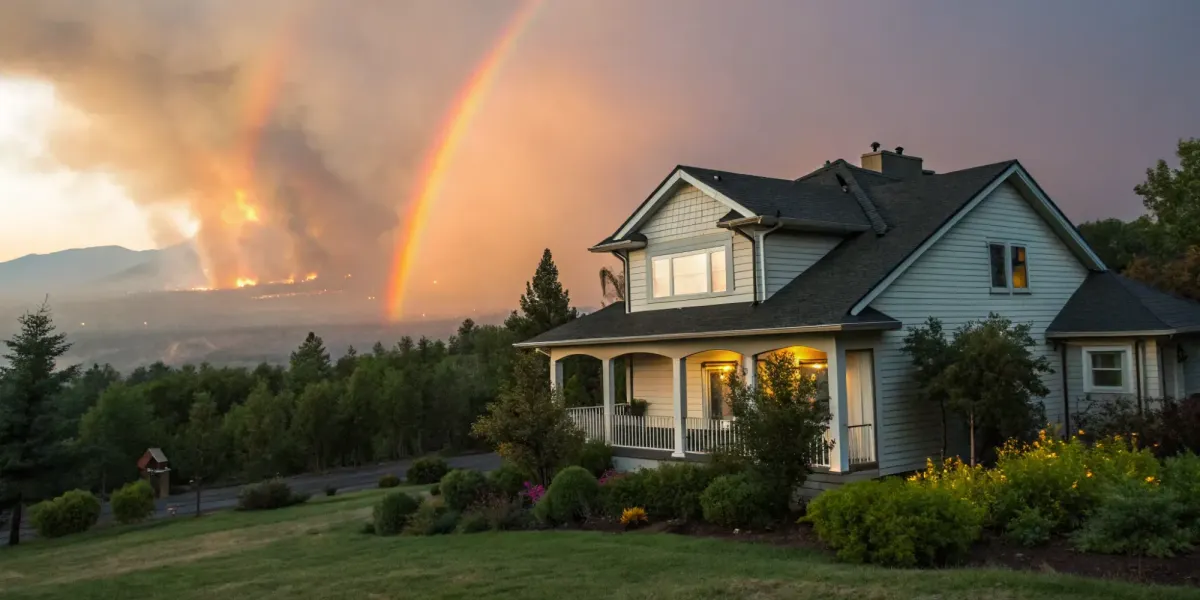
Getting that "high-risk" label from your insurance company can feel deeply personal and frustrating. It's easy to feel powerless. But this isn't the end of the road; it's a signal to get strategic. You have more control than you think. By showing insurers you're serious about protecting your property, you can change the conversation. This guide is designed to give you that control back, showing you exactly how to get insurance for a high-risk home by addressing carrier concerns and finding the right policy for your needs.
Key Takeaways
- Understand what insurers are looking for. Your home's risk level isn't a personal judgment; it's an assessment based on four key areas: your location, the home's physical condition, your personal claims history, and how you use the property. Knowing what's being evaluated is the first step toward improving your standing.
- Take control by making your home more resilient. You can directly lower your risk profile by investing in strategic upgrades like fire-resistant materials, creating defensible space, and sticking to a regular maintenance schedule. These actions show insurers you're a proactive partner in protecting your property.
- Look beyond the standard market with an expert guide. If you're turned down by traditional carriers, an independent agent is your most valuable resource. They can connect you with specialized options like surplus lines insurance or your state's FAIR Plan to build the comprehensive coverage you need.
Why Finding Homeowners Insurance Is Getting Harder
If you’ve recently received a non-renewal notice or seen your premium skyrocket, you’re not alone. The ground is shifting under the home insurance industry, and homeowners are feeling the tremors. What used to be a straightforward process of comparing quotes and choosing a policy has become a frustrating search for any carrier willing to offer coverage at all, especially in states like California. It’s not just about your claims history or the age of your roof anymore; larger, market-wide forces are at play that are completely changing the definition of what makes a home “insurable.”
This new reality can feel discouraging, but it doesn’t mean you’re out of options. It just means the old approach to getting insurance no longer works. Insurers are re-evaluating risk on a massive scale, and as a homeowner, your best strategy is to understand exactly what they’re looking for. By learning why carriers are becoming more selective, you can get ahead of their concerns and position your home as a risk they’re willing to take on. The key is to shift from simply shopping for a policy to actively managing your home’s risk profile.
The Growing Impact of Natural Disasters
The most significant driver behind this shift is the increasing frequency and severity of natural disasters. According to a 2024 U.S. Senate report, insurers have dropped nearly 2 million homeowners since 2018, largely due to this heightened risk. From an insurer's perspective, a home's location is a primary indicator of potential loss. If your property is in an area prone to wildfires or other extreme weather, carriers see a greater chance of expensive, widespread claims. This is why many homeowners in at-risk regions find it increasingly difficult to secure affordable coverage, even with a perfect claims history.
This industry-wide retreat from high-risk areas has left countless homeowners with limited choices, often forcing them to turn to state-run programs. In California, for example, many are left with the California FAIR Plan as their only option for basic fire insurance. While these plans provide a critical safety net, they often offer less comprehensive coverage than a traditional policy, leaving you to find supplemental insurance to fill the gaps. This complex situation highlights the growing need for proactive solutions that address risk head-on.
Is Your Home Considered High-Risk?
When an insurance carrier labels a home "high-risk," it’s not a personal judgment—it’s a practical assessment based on data. Insurers are essentially trying to predict the likelihood of you needing to file a claim in the future. If their data suggests a higher probability of loss, they classify the property as high-risk, which often leads to higher premiums or difficulty finding coverage.
Several factors contribute to this classification, and they aren't always obvious. While living in a wildfire-prone area is a clear-cut example, other details like the age of your roof or your personal claims history also play a significant role. Understanding what insurers are looking for is the first step toward finding the right coverage and taking control of your home's insurability. Let's break down the four main areas that carriers evaluate.
Does Your Location Increase Your Risk?
Where your home is located is one of the biggest factors in determining its risk profile. If you live in an area prone to natural disasters like wildfires, hurricanes, or floods, insurers will see your property as having a greater chance of sustaining damage. For homeowners in California, proximity to wildland areas is a major concern for carriers. The Insurance Information Institute explains that these environmental hazards can make it challenging to secure a standard policy because the potential for widespread, costly claims is so high. It’s not just about your home, but the risk shared by the entire community.
Are Your Home's Features Raising Red Flags?
Insurers also look closely at the condition and specific features of your house. An older home with outdated electrical or plumbing systems poses a higher risk of fire or water damage. The age and condition of your roof are also critical, as a worn-out roof is more likely to fail during a storm. Even attractive features can add to your risk profile. For example, having a swimming pool or trampoline increases liability risk, meaning there's a greater chance of someone getting injured on your property. These elements contribute to what insurers see as your home's overall vulnerability to common perils.
Common Attractive Nuisances
Insurers are always thinking about liability—your legal responsibility for accidents that happen on your property. Certain features, known as "attractive nuisances," can significantly increase this risk because they might draw children in and pose a danger. Think of things like unfenced swimming pools, trampolines, or elaborate treehouses. While you see a fun backyard, an insurer sees a higher potential for injury claims. Even your family pet can be a factor. Some carriers view certain dog breeds as a higher liability risk due to statistics on biting incidents, which can make finding coverage more difficult. It’s important to secure these features with fences, locks, or other safety measures to show you're actively managing that risk.
The Condition of Your Home
The physical state of your house is a direct reflection of its resilience, and insurers pay close attention to the age and condition of its most critical components. An older home with outdated electrical or plumbing systems, for instance, poses a much higher risk of fire or water damage. As insurance experts note, an old roof that needs replacing is one of the most common reasons a home is labeled high-risk, since it's more likely to fail during a storm and cause extensive damage. Regular maintenance is key. Unaddressed issues like wood rot or a cracked foundation signal to carriers that a small problem could easily become a major claim. Proactively updating these systems and keeping your home in good repair is one of the best ways to improve your risk profile.
How Your Claims History Impacts Your Rate
Your insurance history follows you. If you've filed multiple claims in the past—even at a different property—insurers may view you as more likely to file them in the future. This can lead to a higher risk classification and increased premiums. It’s not just about the number of claims but also the type. A history of liability claims or water damage, for instance, can be a red flag for carriers. According to a report from CNBC, this history is a key piece of data that helps insurers predict future losses, making it a standard part of their underwriting process.
Is Your Home Use Considered Risky?
How you occupy and use your home matters, too. If you run a business from your property, it can introduce risks that a standard homeowners policy isn't designed to cover, such as clients visiting or inventory being stored on-site. Similarly, if the home is left vacant for an extended period, the risk of theft, vandalism, or unnoticed damage (like a burst pipe) increases significantly. Insurers need to know that the property is being cared for and used in a way that aligns with the coverage they provide.
How Personal Factors Can Affect Your Risk Profile
It’s not just your home’s location and condition that insurers evaluate; they also consider your personal circumstances. Factors related to your lifestyle, financial habits, and even your pets can influence your risk profile. While this might feel intrusive, it’s part of the data-driven process carriers use to predict the likelihood of a future claim. Understanding these personal elements gives you a more complete picture of how insurers see you as a policyholder and highlights areas where you might have more control than you think.
Your Credit History
While it may seem unrelated, your credit history can play a role in determining your homeowners insurance rates. Many insurers use what’s called a credit-based insurance score to help predict how likely you are to file a claim. This score is different from the one lenders use; it focuses on patterns in your credit report, such as payment history and outstanding debt, to assess risk. The National Association of Insurance Commissioners notes that statistical data shows a correlation between these scores and insurance losses. A lower score can signal higher risk to an insurer, potentially leading to higher premiums. It’s one more piece of the puzzle they use to build a comprehensive risk assessment.
Owning Certain Dog Breeds
Your furry family members can also affect your insurability, specifically when it comes to liability coverage. Dog bites are a common source of homeowners liability claims, and some insurance companies view certain breeds as presenting a higher risk. According to reporting from Experian, breeds like Pit Bulls, Rottweilers, and German Shepherds are sometimes flagged by carriers. This isn't a judgment on your specific pet's behavior but a decision based on breed-related statistics. If you own a breed on an insurer’s restricted list, you might be quoted a higher premium, have dog-related incidents excluded from your policy, or even be denied coverage altogether.
Risky Hobbies or Occupations
What you do for a living and for fun can change how an insurer views your property. If you run a business from your home, for example, it introduces new risks that a standard policy isn’t designed to handle. Having clients visit your property increases liability risk, while storing inventory could increase the potential for property loss in a fire or theft. Similarly, certain hobbies can raise red flags. If you have a large collection of valuable art or firearms, or if you engage in activities that could increase the chance of injury on your property, your insurer will see that as an added layer of risk that needs to be accounted for in your policy.
Add These Safety Features to Lower Your Risk
When an insurance company labels your home "high-risk," it can feel like a judgment you can't escape. But you have more power than you think. By making strategic upgrades and committing to regular maintenance, you can directly address the concerns that carriers have. These improvements aren't just about checking a box on an application; they are tangible steps that reduce the likelihood of a claim and demonstrate that you are a proactive, responsible homeowner.
Think of your home's safety features as a conversation with potential insurers. A well-maintained roof, a modern electrical system, and a clean perimeter tell a story of a property that is cared for and less likely to suffer a catastrophic loss. Many carriers are willing to work with homeowners who invest in risk mitigation. Let's walk through the key features that can make a real difference in protecting your home and making it more attractive to insurance providers.
Protecting Your Home from Fire Damage
For those of us in wildfire-prone areas, fire mitigation is non-negotiable. Creating defensible space is your first line of defense. This means clearing a buffer zone around your home of at least 30 feet that is free of dead leaves, dry brush, and flammable vegetation. Inside the home, installing a sprinkler system can significantly reduce fire damage. You can also harden your home's exterior by upgrading to fire-resistant siding, installing ember-resistant vents to keep sparks out of your attic, and choosing dual-paned tempered glass windows. Each of these upgrades makes your home a much tougher target for a wildfire.
Prepare Your Home for Severe Weather
While fire is a major concern, other weather events can also cause significant damage. Your roof is your home's primary shield, so ensuring it's in excellent condition is crucial. Have it inspected regularly for loose or missing shingles, and address any issues immediately. If you live in an area with high winds, consider installing storm shutters or impact-resistant windows. Simple maintenance, like keeping your gutters and downspouts clear of debris, prevents water from backing up and seeping into your roof and foundation. These measures show an insurer that you’re prepared for more than just one type of risk.
Why a Security System Is a Smart Move
Protecting your home from theft and internal hazards like fire or burst pipes is another key part of the puzzle. Most insurance companies offer discounts for homes with monitored security systems, which can alert emergency services to a break-in or fire. At a minimum, make sure you have functional smoke detectors and carbon monoxide alarms on every level of your home and inside each bedroom. Smart home technology has also made it easier to monitor for risks like water leaks, which can cause extensive and costly damage if left unchecked. These systems provide peace of mind and a lower risk profile.
How Routine Upkeep Makes a Difference
Deferred maintenance is a major red flag for insurers. An aging, faulty system is often a claim waiting to happen. Regularly servicing your HVAC system and having your plumbing and electrical systems inspected can prevent fires and major water damage. Outdated electrical wiring, in particular, is a common cause of house fires. By keeping a detailed record of your maintenance and repairs, you can provide tangible proof to an insurer that your home is a sound, well-managed risk. This commitment to upkeep is one of the most effective ways to maintain your home's insurability over the long term.
Simple Upgrades for Everyday Safety
You don’t need a massive budget to make your home safer and more appealing to insurers. Simple, consistent actions can have a huge impact on your risk profile by showing you’re serious about preventing claims. Start with the basics: check that you have working smoke and carbon monoxide detectors in every bedroom and on each level of your home, and place fire extinguishers in key areas like the kitchen and garage. Even small upgrades, like installing a water leak sensor near your washing machine or water heater, can prevent a minor issue from becoming a major headache. While many insurance companies offer discounts for professionally monitored security systems, these smaller, proactive steps also demonstrate your commitment to loss prevention and make your home a better risk. Keep the receipts for these items as part of your home maintenance records.
Where to Find Insurance for a High-Risk Home
When you get a non-renewal notice or a shocking premium increase, it’s easy to feel like you’re out of options. The good news is that coverage is still available, even in high-risk areas. You just need to know where to look. Your search for the right policy will likely take you through a few different channels, from the big-name carriers you see on TV to specialized providers you may have never heard of. Understanding each path can help you find the best possible coverage for your home.
Can You Get Coverage from a Standard Insurer?
Your first stop should always be the standard insurance market. These are the well-known national and regional companies that insure the majority of homes. While it’s true that many have become more selective in high-risk areas, some may still be willing to offer you a policy, especially if you’ve taken steps to mitigate your home’s risk. Start by contacting your current provider to discuss your options. If they can no longer cover you, don’t be discouraged. It’s time to shop around. Getting quotes from several different standard carriers will give you a clear picture of what the market is offering. Even if you’re quoted a higher premium, it provides a valuable baseline as you explore other avenues for finding homeowners insurance.
When to Look for a Specialized Provider
If you’re turned down by standard carriers, your next step is to look into specialized providers. This category includes surplus lines insurers, which are equipped to handle risks that standard companies won’t take on. They have more flexibility in their pricing and policy terms, which can be a lifeline for homeowners in tough-to-insure areas. Another key option is your state’s Fair Access to Insurance Requirements (FAIR) Plan. In California, the CA FAIR Plan acts as a last-resort insurer for those who can’t find coverage elsewhere. While these plans provide a critical safety net, they often offer less comprehensive coverage at a higher cost. Think of it as a foundational policy that you may need to supplement with additional coverage.
Comparing High-Risk Insurance Providers
Not all high-risk situations are created equal, and some insurance companies have built their business around covering specific types of properties that others won't. While one carrier might be wary of an older home, another may specialize in it. The key is to find the provider whose appetite for risk aligns with your home's profile. This is where working with an independent agent can be a game-changer. Instead of you having to call a dozen different companies, an agent can quickly identify which carriers are best suited for your unique circumstances, whether you have a history of claims or live in a wildfire zone.
Providers for Older Homes or Claims History
If your home is older or you’ve had to file a few claims in the past, you might find a good match with a company like Foremost. As noted by CNBC, Foremost specializes in properties that other insurers might turn away due to age or claims history. Older homes can have outdated systems that increase the risk of fire or water damage, while a history of claims can signal to an insurer that future losses are more likely. A specialized provider understands these risks and has policies designed to address them, giving you a path to coverage when standard options seem out of reach.
Providers for Lower Credit Scores
Your credit score can feel unrelated to your home, but many insurers use it as a factor when setting your rates. If your credit isn't perfect, it can sometimes lead to higher premiums. However, some carriers are more forgiving in this area. Nationwide, for example, is known for offering more competitive prices to homeowners with lower credit scores. They also provide valuable discounts and policy options, like an endorsement that helps you rebuild your roof with stronger, more resilient materials after a covered loss. This shows that even with a challenging credit history, you can still find affordable and high-quality coverage.
Providers for High-Value Homes
Being "high-risk" isn't always about negative factors; sometimes it's about having unique needs that a standard policy can't meet. High-value homes fall into this category. A company like Chubb is a top choice for these properties because their policies are built to protect significant assets. Their coverage often includes higher limits for liability and valuable items like art or jewelry. They also provide complimentary services, such as home inspections to identify potential risks before they become problems. For owners of high-value homes, this level of specialized service is essential for ensuring their property is fully protected.
Understanding Specialized Policy Types
Sometimes, finding the right coverage isn't about the insurance company, but about the type of policy you get. Standard homeowners insurance (known as an HO-3 or HO-5) is designed for a typical, owner-occupied home. But if your property doesn't fit that mold—perhaps it's very old, vacant, or used as a rental—you'll likely need a different kind of policy. These specialized policies are structured to cover the specific risks associated with your situation, ensuring you don't have dangerous gaps in your coverage. Understanding these options is a critical step in building the right protection for your property.
HO-8 Policies for Older Homes
If you own an older home, particularly one that might be a historic landmark, an HO-8 policy may be the right fit. According to insurance marketplace Kin, this type of policy is specifically designed for homes where the cost to rebuild would far exceed the market value. Instead of covering the full replacement cost with modern materials, an HO-8 policy typically pays for repairs using common, functional materials. This makes coverage more affordable and accessible for unique, older properties that might otherwise be uninsurable in the standard market due to their construction and age.
Dwelling Fire Policies for Vacant Homes
A home that sits empty for more than a month or two presents a unique set of risks, including vandalism, theft, or unnoticed damage like a burst pipe. A standard homeowners policy isn't designed for this and may not cover a claim if the home is vacant. That's where a dwelling fire policy comes in. This type of insurance, often called a DP-3 policy, is designed to protect the structure of the home itself from specific perils like fire. It generally doesn't include coverage for personal belongings or liability, making it a more affordable and appropriate choice for a property that isn't currently occupied.
Key Things to Check in Your Policy
When you do find a company willing to insure your home, it’s important to do your homework before signing on the dotted line. The cheapest policy isn’t always the best one, especially when your home has significant risks. First, verify the insurer's financial strength. You want a company that can reliably pay claims after a major disaster. You can check their stability through rating agencies like A.M. Best; look for a grade of 'A' or higher. Next, read the policy details carefully. Pay close attention to the coverage limits, deductibles, and—most importantly—the exclusions. Make sure you understand exactly what is and isn’t covered, particularly for risks like wildfires or flooding. Look into customer reviews to see how the company handles claims.
Why an Independent Agent Can Help
Trying to find the right coverage on your own can be overwhelming. This is where an independent insurance agent becomes your most valuable resource. Unlike captive agents who work for a single company, independent agents partner with multiple insurance carriers, including many that specialize in high-risk properties. They have access to markets you might not find on your own. An experienced agent who understands the challenges in your area can guide you to the companies most likely to approve your application. They can also offer practical advice on home improvements that could lower your risk and improve your eligibility. By working with an expert, you save time and gain a trusted advocate who is dedicated to finding you the best possible solution.
Your Step-by-Step Guide to Getting Insured
Finding the right insurance in a high-risk area can feel like a challenge, but breaking it down into manageable steps makes the process much clearer. By being prepared and proactive, you can significantly improve your chances of securing a policy that truly protects your home. This step-by-step guide will walk you through the process, from initial assessment to final verification.
Start with a Professional Home Assessment
First, get a clear picture of where you stand. A professional home assessment will identify specific risks and potential areas for improvement. An independent insurance agent is a great resource here; they know what underwriters look for and can suggest improvements to make your home more attractive to carriers. For example, they might recommend clearing brush around your property or upgrading to a fire-resistant roof. This assessment gives you a concrete action plan and shows insurers you’re a proactive homeowner, which can make a significant difference in your ability to get covered.
Get Your Paperwork in Order
With your assessment in hand, it’s time to get your paperwork in order. Having all your essential documents ready will streamline the application process. You’ll typically need proof of ownership, details about your home’s construction, your personal claims history, and recent photos of the property. If you’ve made any improvements, be sure to have documentation for that work. Some state-run programs, like the California FAIR Plan, may even require proof of mitigation efforts to qualify for coverage, so keeping good records is key to moving forward quickly.
Filling Out the Application
Now you’re ready to apply. While it can be harder to get homeowners insurance when your property is considered high-risk, there are still ways to get coverage. Honesty and accuracy are critical on your application. Provide detailed, truthful information about your home and any steps you’ve taken to reduce risk. Working with an independent agent can be a huge help here. We can help you navigate different carrier applications, ensuring you highlight your home’s best features and mitigation efforts to find a policy you might not have found alone.
Final Step: Verify Your Coverage
Once you receive a policy offer, the final step is to review it carefully before you sign. Don’t just look at the premium. Dig into the details to understand your coverage limits, deductibles, and any exclusions. Insurance companies issue policies based on a careful assessment of risk, and your policy reflects their calculation. Make sure the coverage is adequate for rebuilding your home and replacing your belongings. If anything is unclear, ask questions until you feel confident that the policy truly protects your home and family.
How to Make Your Home More Insurable
It’s incredibly frustrating to learn that your home is considered "high-risk," but this isn't a label you have to accept without a fight. Insurance carriers are all about managing risk, so the more you can do to lower your home’s risk profile, the better your chances of finding affordable coverage. Think of it as a partnership: when you show insurers you’re serious about protecting your property, they’re more likely to see you as a responsible partner they want to work with.
Taking proactive steps to make your home safer and more resilient can directly impact your ability to get insured. These efforts demonstrate that you’re committed to preventing losses, which can open doors to more coverage options and even lower premiums. From simple maintenance tasks to strategic home improvements, every action you take is an investment in your home’s future and your own peace of mind. Let’s walk through the most effective ways to make your home more attractive to insurance providers.
Which Home Improvements Matter Most?
Making strategic upgrades is one of the most powerful ways to improve your home’s insurability. Instead of guessing what might help, focus on improvements that directly counter the biggest risks in your area. If you live in a wildfire-prone region, this means investing in fire-resistant building materials. Consider installing a Class A fire-rated roof, covering attic vents with fine metal mesh to block embers, and upgrading to dual-pane tempered glass windows. While these projects require an upfront investment, they make your home fundamentally safer and show insurers you’re taking tangible steps to reduce the likelihood of a catastrophic claim.
Add Protective Systems to Your Home
Sometimes, the simplest additions can make a big difference. Insurance companies love to see protective systems because they can alert you to danger early and help prevent a small issue from becoming a total loss. Installing and maintaining smoke detectors, carbon monoxide alarms, and a centrally monitored security system can often lead to policy discounts. These features not only protect your family but also signal to insurers that your home is a lower-risk property. Make sure to mention these systems when you apply for a quote, as they can directly influence your premium.
Create a Regular Maintenance Plan
Consistent upkeep is a clear sign of a responsible homeowner. Insurers look at the overall condition of a property, and a well-maintained home suggests that you’re actively preventing problems. Create a regular schedule for tasks like clearing flammable debris and vegetation to create defensible space around your home. You should also clean your gutters, inspect your roof for damage, and have your electrical, plumbing, and heating systems serviced professionally. Documenting this regular maintenance can be a huge asset when you’re applying for insurance, as it proves your home is in good working order.
Simple Ways to Reduce Everyday Risks
In some cases, an insurance carrier may require you to address specific issues before they’ll agree to offer you a policy. If an inspector flags an old roof, outdated knob-and-tube wiring, or foundation cracks, you’ll likely need to fix them to qualify for coverage. While these can be significant projects, they are often essential for securing a policy with a standard carrier. By tackling these known hazards, you’re not just checking a box on an application; you’re making your home safer and more resilient for the long term, which is the ultimate goal.
Managing Pet-Related Liability
Your furry family members can also add a layer of complexity to your insurance profile, primarily due to liability concerns. Insurers pay close attention to pets, especially certain dog breeds they classify as higher risk, because of the potential for expensive injury claims. Dog bites are a major source of liability claims, and the Insurance Information Institute reports that these incidents result in significant costs for homeowners and insurers alike. If you own a breed that a carrier flags as aggressive, you might face higher premiums, a specific exclusion for pet-related incidents, or even a policy denial. The best approach is to be upfront with your agent about your pets. Proactive steps like completing obedience training, maintaining a securely fenced yard, and demonstrating responsible ownership can make a big difference. Some carriers are more pet-friendly than others, and an independent agent can help you find one that fits your family’s needs.
What If You Can't Find Standard Coverage?
When you live in a high-risk area, finding a standard insurance carrier willing to cover your home can feel like an uphill battle. If you’ve faced rejection from traditional insurers, don’t lose hope. Several alternative markets and programs are designed specifically for situations like yours. These options can provide the essential protection your home needs, even if they work a little differently than a standard policy. Understanding them is the first step toward securing the right coverage and gaining peace of mind.
What Are State-Run FAIR Plans?
If you’re unable to find coverage in the private market, a state-run FAIR Plan might be your next step. These plans were created to ensure that property owners in high-risk areas have access to basic insurance. Think of it as a safety-net insurance pool for those who have been denied coverage elsewhere. For many California homeowners, the California FAIR Plan is a critical resource, primarily offering coverage for fire-related damage. It’s important to know that these policies often provide less comprehensive protection than standard homeowners insurance and may cost more. You’ll likely need to purchase a separate policy to cover other risks like theft and liability.
How to Apply for a FAIR Plan
Applying for a FAIR Plan typically requires you to show that you’ve been unable to find coverage in the standard market. Most states will ask for proof of denial from a certain number of private insurers before you can qualify. The application process itself involves submitting detailed information about your property, its construction, and its current condition. Because these plans are meant as a last resort, the requirements can be strict. An independent agent can be a huge help here, guiding you through the paperwork and ensuring you meet all the criteria. They can also help you understand the process and what to expect, making a complicated situation feel much more manageable.
Types of FAIR Plan Coverage
It’s crucial to understand that a FAIR Plan policy is not the same as a standard homeowners policy. It provides very basic coverage, often limited to damage from fire, lightning, and internal explosion. This leaves significant gaps. For example, a FAIR Plan policy typically does not cover theft, water damage from a burst pipe, or personal liability if someone is injured on your property. To get that protection, you’ll need to purchase a separate policy called a "Difference in Conditions" (DIC) policy that "wraps around" the FAIR Plan. This two-policy approach is how you can build comprehensive protection for your home when standard options aren't available.
Is Surplus Lines Insurance Right for You?
Another important option is the surplus lines market. Surplus lines insurance is provided by carriers that specialize in covering unique or high-risk properties that don’t fit the mold for standard insurers. These carriers have more flexibility in their pricing and policy terms, allowing them to take on risks that others won’t. Because this market is more specialized, it’s almost always accessed through an independent insurance agent or broker who has relationships with these carriers. They can help you find a reputable surplus lines insurer that can build a policy tailored to your home’s specific risks, from wildfires to other environmental threats.
Are There Regional Programs in Your Area?
Depending on where you live, you may have access to specialized regional insurance programs. While California’s primary focus is on wildfire risk, other states have created plans to address their own unique challenges. For example, several states along the Atlantic and Gulf coasts offer Beach and Windstorm Plans to provide coverage specifically for hurricane and wind damage in coastal areas. These state-sponsored programs function similarly to FAIR Plans by providing essential coverage where private insurance is scarce. They are another example of how the insurance industry adapts to meet the needs of homeowners in disaster-prone regions across the country.
Can You Layer Different Policies?
Securing full protection for a high-risk home often means you can’t rely on a single, all-in-one policy. Instead, you may need to combine different types of coverage to create a comprehensive safety net. A common strategy for homeowners in California is to pair a California FAIR Plan policy, which covers fire damage, with a separate Difference in Conditions (DIC) policy. A DIC policy is designed to fill in the gaps, providing coverage for things the FAIR Plan excludes, such as liability, water damage, and theft. This layered approach allows you to build the complete protection your home needs, even when a standard policy isn’t available.
How to Lower Your Insurance Premiums
Finding affordable coverage for a high-risk home can feel like an uphill battle, but you have more control over your premium costs than you might think. While factors like your location are fixed, several proactive steps can lead to significant savings. It’s about demonstrating to insurers that you are a responsible homeowner committed to reducing risk. By making strategic choices about your policy and targeted improvements to your property, you can directly influence your rates. Let's walk through four practical ways to lower your homeowners insurance premiums without sacrificing essential protection.
Find Every Discount You Qualify For
Insurance carriers offer a variety of discounts, but they aren't always advertised or automatically applied to your policy. It’s always worth asking your agent what you might qualify for. You may be eligible for savings based on factors you haven’t even considered. Common discounts include having safety and security features like smoke detectors or a burglar alarm, being a non-smoker, or being a senior or retiree. Some insurers even offer discounts for living in a gated community or for having a good credit score. Don't be shy about inquiring—a simple conversation could uncover savings that add up over time.
Bundle Your Insurance Policies
One of the most straightforward ways to save is by bundling your policies. This simply means you purchase more than one type of insurance, like your home and auto policies, from the same company. Insurers love repeat customers and reward that loyalty with a multi-policy discount, which can often be substantial. Beyond the savings, bundling also simplifies your life. You’ll have one point of contact for your insurance needs and fewer bills to manage. If your auto insurance is with a different provider, get a quote to see how much you could save by bringing it under the same roof as your homeowners policy.
Could a Higher Deductible Save You Money?
Your deductible is the amount of money you agree to pay out-of-pocket on a claim before your insurance coverage begins. There’s a direct relationship between your deductible and your premium: if you agree to a higher deductible, your premium will usually be lower. This is a trade-off. You’re taking on a bit more financial risk yourself in the event of a claim in exchange for immediate, year-round savings. The key is to choose a deductible that you can comfortably afford to pay on short notice. Take a look at your emergency fund and decide on a figure that gives you savings without putting you in a financial bind.
Get Credit for Your Home Improvements
Insurers are in the business of managing risk, so they are often willing to reward you for making your home safer and more resilient. Making specific home improvements, often called "home hardening," can lead to significant credits on your premium. For wildfire-prone areas, this could mean installing a Class A fire-rated roof, clearing brush to create defensible space, or adding ember-proof vents. In regions facing hurricanes, installing storm shutters or impact-resistant windows can make a difference. These upgrades not only make your home more insurable but, most importantly, provide an extra layer of protection for your family and property.
You've Got Coverage. Now What?
Securing a policy for your high-risk home is a huge step, but your work isn’t quite done. Managing your policy effectively is just as important as finding it in the first place. Staying proactive ensures your coverage remains adequate, your premiums stay as low as possible, and you’re fully prepared if you ever need to file a claim. Think of it as ongoing maintenance for your financial safety net. A little attention each year can save you from major headaches down the road and give you lasting peace of mind.
What Isn't Covered by Your Policy?
It’s easy to assume your homeowners policy covers everything, but high-risk policies often come with specific exclusions. These are events or types of damage that the policy will not pay for. For homes in wildfire zones, for example, your policy might exclude damage to landscaping or detached structures like sheds. It’s critical to read your policy documents—especially the “Exclusions” section—so you know exactly where your coverage begins and ends. If anything is unclear, don’t hesitate to ask your agent for a plain-language explanation. Understanding these limitations helps you avoid surprises and allows you to seek supplemental coverage if needed.
Are Your Coverage Limits High Enough?
Your coverage limits determine the maximum amount your insurer will pay for a covered loss. With rebuilding costs on the rise, it’s essential to confirm your limits are high enough to fully restore your home and replace your belongings. Check your dwelling coverage (for the structure itself), personal property coverage, and liability limits. An annual review ensures your policy keeps pace with inflation and any improvements you’ve made to your home. Having inadequate limits can leave you with a significant financial gap after a disaster, so it’s worth taking the time to get this right.
Why You Need an Annual Policy Review
Treat your insurance policy like an annual financial check-up. Once a year, set aside time to connect with your agent and review your coverage in detail. This is your chance to discuss any changes to your property, ask about new discounts, and confirm your policy still meets your needs. It’s also an opportunity to explore other options. If your current situation changes, you might find better rates or coverage elsewhere. For those in particularly tough markets, this review keeps you informed about alternatives, like your state’s high-risk insurance pool, so you always know what’s available.
What to Do If You Need to File a Claim
Knowing when—and when not—to file a claim is key to managing a high-risk policy. Insurance is there for major, unexpected disasters, not minor repairs. As a general rule, you should avoid filing a claim unless the repair cost is significantly higher than your deductible. A history of frequent, small claims can signal to insurers that your property is a higher risk, which can lead to increased premiums or even non-renewal. Before disaster strikes, familiarize yourself with your insurer’s claims process and document your home and belongings with photos and videos to make any future claims smoother.
Related Articles
- Policy Checkup: Wildfire & High-Risk Coverage
- FAQ: Wildfire & High-Risk Home Insurance
- Get a Quote: High-Risk Home Insurance
- Disclaimers & Disclosures: High-Risk Coverage
- Western US Home Insurance Overview
Frequently Asked Questions
My insurance company dropped me. Does this mean I can't get coverage anywhere? Getting a non-renewal notice is stressful, but it is not a final verdict on your home's insurability. It simply means that your home no longer fits that specific carrier's risk appetite. Many other options exist, from standard carriers with different guidelines to specialized insurers who focus on properties like yours. State-run programs like the FAIR Plan also exist as a safety net. This is a sign to start exploring your options, not to give up hope.
Are expensive home upgrades the only way to lower my insurance costs? While major improvements like a new fire-resistant roof can certainly help, they aren't your only path to a lower premium. You can make an impact by adjusting your policy, such as choosing a higher deductible that you can comfortably afford. Bundling your home and auto policies almost always results in a discount. Simple additions like a monitored security system or even just maintaining a clear, defensible space around your property can also lead to savings.
What's the real difference between a state FAIR Plan and a standard insurance policy? Think of a standard policy as a comprehensive package that covers a wide range of risks, from fire and theft to liability if someone gets hurt on your property. A state FAIR Plan is more of a foundational, last-resort option. It typically provides basic coverage for specific perils like fire, which is essential, but it often leaves out crucial protections like liability and theft. To get complete coverage, you usually need to pair a FAIR Plan policy with a separate "Difference in Conditions" policy to fill in those gaps.
Will filing one small claim really make my rates go up? It certainly can. Insurance companies pay close attention to claim frequency. A history of small, repeated claims can signal to an insurer that a property is a higher risk, which can lead to premium increases or even non-renewal. It’s often best to think of your insurance as a safety net for major, catastrophic events rather than a maintenance plan. If a repair costs less than or only slightly more than your deductible, it’s usually wiser to handle it out-of-pocket.
Why should I use an independent agent instead of just shopping around myself? Shopping for insurance on your own can be time-consuming, especially in a high-risk market. An independent agent does the legwork for you, but their real value is in their expertise and access. They work with multiple insurance carriers, including specialized companies that don't sell directly to the public. They understand what underwriters are looking for and can help you position your home in the best possible light, guiding you to the providers most likely to offer you a fair policy.


