
Is Homeowners Insurance Hard to Get in California? We Explain.
Wondering is it hard to get homeowners insurance in California? Learn why coverage is challenging, who’s most affected, and how to find the right policy.

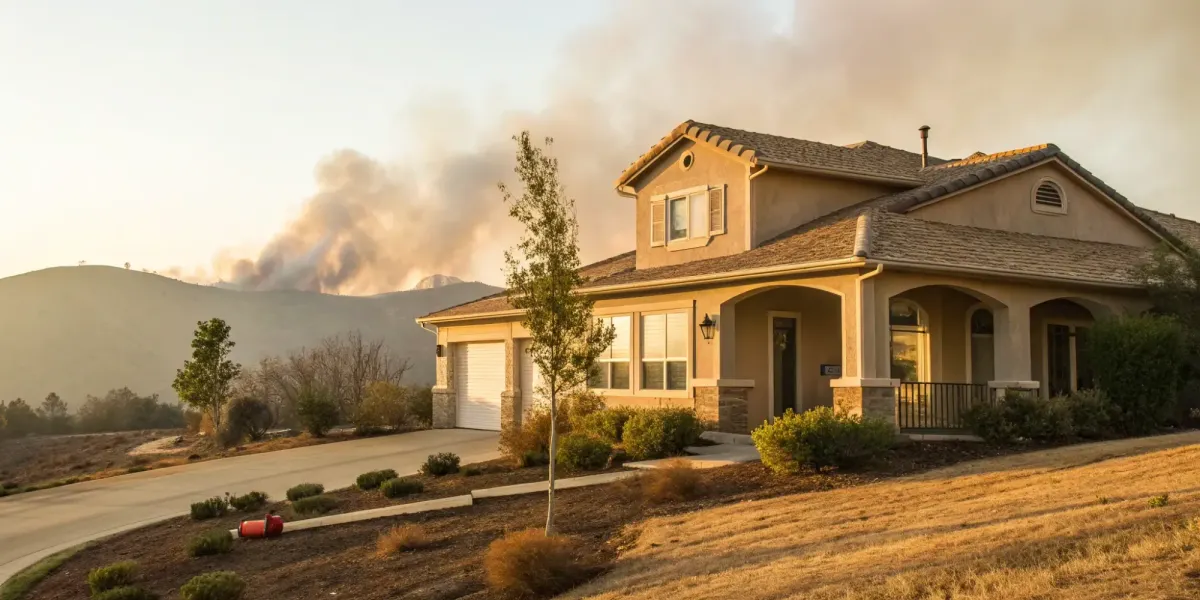
The stress of California’s insurance crisis is impacting more than just your peace of mind; it’s affecting the real estate market. Deals are falling through because buyers can’t get the coverage needed to secure a mortgage, and sellers are facing new hurdles. This instability raises a critical question for anyone owning or buying property: is it hard to get homeowners insurance in california? The answer is yes, and it’s changing the landscape of homeownership. But a challenging market doesn’t mean an impossible one. We’ll explain who is most affected by these changes and outline the available coverage options, giving you the clarity needed to protect your most valuable asset.
Key Takeaways
- Know why coverage is so challenging right now: The current market isn't personal; it's driven by a combination of increased wildfire risk, higher rebuilding costs, and restrictive state regulations that have caused many major insurers to pull back from California.
- Make your home a more attractive risk: You can directly influence your ability to get insured by taking proactive steps. Focus on home hardening projects and creating defensible space to show carriers you're a responsible partner in reducing risk.
- Piece together the right protection: If you can't find a traditional policy, the solution is often to combine the California FAIR Plan for fire coverage with a separate "Difference in Conditions" (DIC) policy for liability and other risks. An independent agent is your best resource for building this custom coverage.
What's Driving the California Home Insurance Crisis?
If you’ve felt like finding homeowners insurance in California has become an impossible task, you’re not imagining it. The market is going through a massive shift, leaving many homeowners feeling stressed and uncertain. It’s not just about rising prices; for many, it’s about finding a company willing to offer coverage at all. This isn't happening in a vacuum. A difficult combination of devastating wildfires, rising rebuilding costs, and outdated state regulations has created a challenging environment for both homeowners and insurance carriers, reshaping the landscape and impacting your ability to protect your home. Understanding these moving parts is the first step toward finding a solution that works for you.
Key Market Changes
The most significant change you’re likely feeling is the shrinking number of options. Many of California’s largest insurance carriers, including State Farm, Allstate, and Farmers, have hit the brakes on writing new policies or have severely restricted their coverage areas. This pullback is a direct response to the staggering losses from recent wildfires. Compounding the issue is a state regulation from 1988 that makes it difficult for insurers to adjust rates to match their increased risk and costs. This blend of higher risk and pricing constraints has led many companies to limit their exposure in the state, leaving fewer doors for homeowners to knock on.
The Impact on Real Estate
This insurance squeeze has real-world consequences, especially for those buying or selling a home. A growing number of real estate deals have been delayed or have fallen through entirely because buyers couldn't secure the insurance required for a mortgage. It’s also affecting current homeowners, who are facing a sharp rise in non-renewals. In one recent year, insurers chose not to renew over 230,000 policies—a massive jump from the year before. This trend forces homeowners into a frantic search for new coverage, often with little notice and at a much higher cost. The instability in the insurance market has become a major hurdle in California's real estate scene, adding another layer of complexity to homeownership.
Why Is Coverage So Hard to Get?
If you’ve been shopping for homeowners insurance in California lately, you’ve probably felt the frustration. Finding affordable, comprehensive coverage feels harder than ever, and you’re not imagining it. The market has become incredibly challenging for homeowners, especially in areas with any level of wildfire risk. This isn't a problem with your home or your history; it's the result of a perfect storm of environmental, economic, and regulatory factors that have put a major strain on the entire insurance industry. Understanding these core issues is the first step toward finding a solution. Let's break down the three main reasons why securing a policy has become such a difficult process.
Wildfire Risk and Our Changing Climate
The biggest driver behind the current insurance crisis is the dramatic increase in wildfire frequency and severity. What used to be a seasonal concern has now become a year-round threat across the state. This "new normal" is fueled by a combination of climate change and historical forest management practices, leading to fires that are larger and more destructive than ever before. For insurers, this means the potential for catastrophic losses has grown exponentially. When the risk of a total loss on a home goes from a remote possibility to a tangible threat, carriers have to reconsider how, where, and if they can offer coverage. This isn't just an industry trend; it's a direct response to the changing environmental realities we all face.
Rising Costs and Insurer Exits
When wildfires do occur, the cost to rebuild is staggering. In recent years, the price of essential building materials like lumber and shingles has surged, increasing reconstruction costs by nearly 40%. This inflation means that a potential claim is much more expensive for an insurer to pay out than it was just a few years ago. Faced with higher risks and skyrocketing costs, many of the largest insurance companies have made a tough business decision. Seven of the top carriers, including State Farm and Allstate, have either stopped writing new policies or have severely limited their availability in California. This massive pullback has left fewer options on the table, creating intense competition for the policies that remain.
Regulatory Hurdles
You might think that insurers could simply raise their rates to match the increased risk, but California's regulations make it complicated. A law passed in 1988 requires insurers to get state approval for rate increases, a process that can be slow and burdensome. More importantly, the regulations prevent carriers from using modern, forward-looking wildfire models to set their prices. Instead, they must rely on historical data, which no longer accurately reflects the current level of risk. This forces them to price policies without a full picture of the potential danger. When insurers can't charge rates that align with their actual risk, they often choose to reduce their exposure by not writing policies in high-risk areas at all.
Who Is Most Affected by This Crisis?
While it feels like every California homeowner is feeling the pressure, the insurance crisis isn't affecting everyone equally. The reality is that your home's location and specific characteristics play a huge role in how difficult—and expensive—it is to get coverage. If you live in certain areas, you’re likely experiencing the sharpest end of this problem, facing limited choices, sky-high premiums, or even non-renewal notices from carriers you’ve been with for years.
The core issue comes down to risk assessment. Insurance companies are looking at California’s landscape with a new level of scrutiny, and certain zip codes and property types are being flagged as too risky to insure profitably under their traditional models. This isn't personal; it's a business decision based on complex data and projections about future losses. However, the impact feels incredibly personal when it's your home on the line. This has left many homeowners feeling stranded and wondering where to turn. Understanding if you fall into one of these high-risk categories is the first step toward finding a viable solution for protecting your home and family. Let’s break down who is bearing the brunt of this challenging market.
Homeowners in High-Risk Wildfire Zones
If your home is located in an area officially designated as a high-risk wildfire zone, you are at the center of this insurance challenge. These are the communities where major insurance carriers have most aggressively pulled back, often pausing new policies entirely or choosing not to renew existing ones. For insurers, the potential for catastrophic loss in these areas has become too great to ignore, leading them to reduce their exposure.
This leaves homeowners in a tough spot, scrambling for coverage in a market with rapidly shrinking options. The California home insurance crisis is most tangible here, where the threat of non-renewal is a constant worry and finding an affordable policy can feel like an impossible task.
Properties in the Urban-Wildland Interface
You might hear the term "Wildland-Urban Interface," or WUI, used a lot in these discussions. In simple terms, the WUI is any area where homes and communities are built next to or within natural, undeveloped lands. These scenic locations, from wooded hillsides to chaparral-covered canyons, are beautiful places to live but also carry a higher risk of wildfire damage.
Because these properties are directly exposed to flammable vegetation, insurers view them as particularly vulnerable. As a result, many homeowners in the WUI are discovering just why home insurance is so hard to get from traditional carriers. If your home borders open space, you’re likely facing more scrutiny and fewer private insurance options than a homeowner in a dense suburban neighborhood.
How Different Property Types Are Impacted
Beyond your zip code, the specific features of your home matter. Older homes, especially those with features like wood-shake roofs or single-pane windows, are often seen as higher risk and can be more difficult to insure. Insurers are now looking closely at a home’s construction materials and its history of updates and maintenance.
This has created a ripple effect in the real estate market, where some sales have fallen through simply because the buyer couldn't secure a policy. These limited home insurance options create uncertainty for both buyers and sellers. Ultimately, the combination of your home's location, age, construction, and proximity to wildlands creates a unique risk profile that insurers are evaluating more carefully than ever before.
What Are Your Coverage Options?
Finding homeowners insurance in California can feel like a scavenger hunt, but you do have options. The key is understanding what each path offers and which one best fits your property and your budget. It’s not about finding a perfect, one-size-fits-all policy anymore; it’s about piecing together the right protection for your home. Let’s walk through the main avenues available to you.
Traditional Insurance Carriers
You’ve probably heard that many well-known insurance companies have paused or limited writing new policies in California. This has made finding coverage with a traditional carrier more challenging, and some real estate deals have even been impacted because buyers couldn't secure a policy. While it’s true that the market has tightened, traditional carriers are still an option for some homeowners, especially for properties with lower wildfire risk or those that have implemented significant mitigation measures. The best approach is to check with multiple companies, as underwriting guidelines can vary widely from one carrier to the next.
The California FAIR Plan
If you’ve been denied coverage by traditional insurers, your next stop is likely the California FAIR Plan. It’s important to know that the FAIR Plan is not a comprehensive homeowners policy; it’s a last-resort option that provides basic fire insurance. A standard policy covers damage from fire, lightning, and internal explosions. It does not cover common risks like water damage, theft, or personal liability. To get that kind of protection, you’ll need to purchase a separate "Difference in Conditions" (DIC) policy from a private insurer to wrap around your FAIR Plan policy.
Surplus Lines and DIC Policies
When traditional carriers won’t cover a high-risk property, surplus lines carriers often step in. These are specialized insurers that are willing to take on risks the standard market won’t. While they can be a great solution, it’s crucial to understand that these policies are not backed by the state’s guarantee fund, which protects policyholders if an insurer becomes insolvent. As mentioned above, a Difference in Conditions (DIC) policy is often purchased alongside a FAIR Plan policy. This separate coverage fills in the critical gaps, adding protection for things like liability, theft, and water damage to create a more complete safety net.
Why to Work with an Independent Agent
Feeling overwhelmed? This is exactly why working with an independent insurance agent is so valuable right now. Unlike a captive agent who only works for one company, an independent agent partners with multiple carriers, including traditional and surplus lines insurers. We can shop the market on your behalf, compare complex quotes, and help you find the best available combination of coverage and cost. An agent acts as your advocate, helping you understand your options and build a policy—or combination of policies—that truly protects your home.
How to Secure Homeowners Insurance
Finding coverage in California can feel like a challenge, but a methodical approach makes all the difference. Instead of getting overwhelmed, focus on taking it one step at a time. Breaking down the process helps you stay organized and find the best possible policy for your home. Think of it as a project with a clear goal: protecting your property and your peace of mind. Here’s a straightforward plan to guide your search and put you in control.
Gather Your Documentation
Before you start reaching out for quotes, get your information in order. Having everything ready will make the process smoother and faster. You’ll typically need details about your property, like its age, square footage, construction materials, and any recent upgrades to the roof, plumbing, or electrical systems. It’s also helpful to have your current or previous insurance policy on hand for reference. A great first step is to use the California Department of Insurance website to find a list of licensed insurance companies and agents in your area. This ensures you’re working with credible professionals from the very beginning.
Compare Your Options
It’s easy to feel like there are no options left, especially when you hear news about major insurers pausing new policies. The reality is that while the market has tightened, there are still over 100 insurance companies writing policies in California. The key is not to take the first offer you get. Make sure you get quotes from several different carriers to compare prices and, more importantly, coverage levels. An independent insurance agent can be an invaluable partner here, as they can shop the market on your behalf and access carriers you might not find on your own, saving you time and uncovering more competitive rates.
Find Available Discounts
Don’t be shy about asking for discounts—every little bit helps. One of the most common ways to save is by bundling your home and auto insurance with the same carrier. Insurers often reward this loyalty with a significant price reduction. You may also qualify for discounts by installing safety and security devices like smoke detectors, fire alarms, and burglar alarms. Other potential discounts include those for being claims-free for a certain period or for making home improvements that reduce risk, such as upgrading your roof or electrical system. Always ask your agent to review all possible savings to ensure you’re getting the best price available.
Customize Your Policy
If you’re struggling to find coverage in the private market, you may need to turn to the California FAIR Plan. It’s important to understand that the FAIR Plan is a last-resort option that provides basic fire coverage, but it isn’t a comprehensive homeowners policy. To get protection for things like liability, theft, and water damage, you’ll need to purchase a separate policy called a “Difference in Conditions” (DIC) policy. Think of it as two pieces of a puzzle: the FAIR Plan is one piece, and the DIC policy is the other. Together, they create a coverage picture that is much closer to a traditional homeowners insurance plan.
Make Your Property More Insurable
When you’re facing non-renewals or struggling to find a carrier, it’s easy to feel like the situation is out of your hands. But you have more control than you might think. By taking proactive steps to reduce your property’s wildfire risk, you can make your home a much more attractive prospect for insurance carriers. These mitigation efforts not only protect your home and family but can also be the key to securing coverage in a tight market.
Think of it as building a case for your home’s insurability. Insurers are in the business of managing risk, so showing them you’ve actively lowered your property’s risk profile can make a significant difference. It demonstrates that you’re a responsible homeowner who is invested in protecting your property. The process generally involves three key areas: strengthening your home’s structure, managing the landscape around it, and keeping detailed records of every improvement you make. Each step you take is an investment in your home’s safety and your own peace of mind.
Harden Your Home
Home hardening is all about making the physical structure of your house more resistant to embers and flames. Embers are the primary threat during a wildfire, as they can travel for miles and ignite vulnerable spots on a home. By upgrading specific features, you can significantly reduce the chance of ignition. As researchers at the University of California note, making homes stronger against fire can help reduce risk and may lead to better insurance rates.
Key home hardening projects include installing a Class A fire-rated roof (the highest rating), using non-combustible siding like stucco or fiber cement, and covering all attic and foundation vents with 1/8-inch metal mesh. Another critical upgrade is installing dual-pane windows, with at least one pane made of tempered glass, to resist breaking from heat.
Create Defensible Space
What surrounds your home is just as important as the structure itself. Creating defensible space means clearing a buffer zone around your property to slow or stop a wildfire from reaching it. This space also gives firefighters a safer area to defend your home. Insurers are paying close attention to this, with some using satellite imagery to assess a property’s defensible space before writing a policy.
Start by removing all dead leaves, pine needles, and flammable debris from your roof, gutters, and the first five feet around your foundation. Within 30 feet of your home, trim tree branches, remove dead vegetation, and keep your lawn mowed and watered. The goal is to create a landscape that is lean, clean, and green, removing fuel that a fire could use to climb toward your house.
Document Your Mitigation Efforts
All your hard work hardening your home and creating defensible space won’t help you get insurance if the carrier doesn’t know about it. That’s why documenting every single improvement is essential. You need to create a complete record of your mitigation efforts to share with your insurance agent and potential carriers. This portfolio proves you’ve taken concrete steps to lower your risk profile.
Keep a folder with receipts for materials, invoices from contractors, and detailed before-and-after photos of your work. If your community has earned a designation as a Firewise USA® site, be sure to include that certificate. Providing this package of proof shows that you are a proactive partner in risk reduction, which can make all the difference when an underwriter is reviewing your application.
Understand Your Policy Details
Once you have a policy in hand, the next step is to know exactly what it does—and doesn’t—cover. Insurance policies can feel dense, but understanding the key components is crucial for protecting your home and your finances. This is especially true if you have a last-resort policy like the California FAIR Plan, which functions very differently from a standard homeowners policy. Think of it as a foundational layer of protection that you’ll likely need to build upon. Let’s walk through what to look for so you can be confident in your coverage.
Core Coverage Elements
A basic, last-resort policy is designed to cover only the most catastrophic events. For example, the California FAIR Plan is a "named peril" policy, which means it only covers the specific risks listed in the document. Typically, this includes damage to your home's structure caused by fire, lightning, internal explosions, and smoke. It’s essential to recognize that this is not a comprehensive plan. It’s built to protect the physical building, but it leaves out many of the protections you might take for granted in a traditional homeowners insurance policy.
Optional Protection
To get coverage that feels more like a standard home insurance plan, you’ll need to fill in the gaps left by a basic fire policy. This is usually done by purchasing a separate policy called a “difference in conditions” (DIC) policy from a private insurance company. A DIC policy essentially "wraps around" your FAIR Plan policy, adding coverage for other risks and liabilities. Think of it as the second piece of the puzzle. Combining a FAIR Plan policy with a DIC policy is a common strategy for California homeowners who can't find traditional coverage.
Common Coverage Gaps
The most significant gaps in a basic fire policy are personal liability and personal property coverage. Liability protection is what covers you financially if someone is injured on your property and you are found legally responsible. Without it, you could be on the hook for medical bills and legal fees. Personal property coverage protects your belongings—like furniture, electronics, and clothing—if they are damaged or destroyed. A basic fire plan won’t cover these things, which is why a supplemental DIC policy is so important for creating a complete safety net.
Key Policy Exclusions
It’s just as important to know what isn’t covered. Basic fire policies like the FAIR Plan explicitly exclude many common risks. You won't find coverage for damage from windstorms, burst pipes, or theft. Crucially, these plans also lack coverage for Additional Living Expenses (ALE). This means if a fire makes your home uninhabitable, the policy will not pay for you to live elsewhere—like a hotel or rental—during repairs. Understanding these key exclusions helps you see exactly where you need to add protection with a DIC policy.
What's Next for California Home Insurance?
The California home insurance market is in a tough spot, but it’s not standing still. Lawmakers, state agencies, and even insurers are starting to adapt to the new reality of climate risk. While the headlines can feel discouraging, there are important changes happening behind the scenes that point toward a more stable future. Understanding these shifts can help you see where the market is headed and how you can find the coverage you need. The key is to stay informed about new legislation, industry trends, and the full range of insurance options available to you.
Current Legislative Efforts
Change is slowly coming to Sacramento. Recent legislative updates are designed to help stabilize the insurance market by changing how insurers calculate their costs and risks. Companies can now include the cost of their own insurance, called reinsurance, in their rate requests and use more sophisticated predictive models. The goal is to give insurers a clearer, more accurate picture of their potential losses, which should encourage them to write more policies. California’s Insurance Commissioner has also introduced a new state plan that allows for the use of advanced wildfire models, rewarding homeowners who take steps to mitigate their property’s risk.
New Industry Developments
While it’s true that several of the state's largest insurers have paused or limited new policies, that’s not the whole story. On a larger scale, there are massive efforts underway to reduce the risk that’s driving this crisis. California has invested billions in forest management to reduce wildfire fuel, and the federal government is dedicating funds to similar wildfire prevention efforts on public lands. These long-term projects aim to lower the overall threat, which will eventually help make insuring homes more viable for carriers. It’s a slow process, but it’s a critical step in addressing the root of the problem.
Emerging Insurance Options
If you’re struggling to find coverage from a traditional carrier, you aren’t out of options. The California FAIR Plan is the state’s "insurer of last resort," providing a basic policy that covers damage from fire, lightning, and smoke. While it’s a crucial safety net, it’s not a comprehensive solution and often requires you to buy a separate policy for liability and other risks. As more people turn to the FAIR Plan, it puts a strain on the entire market. This is why it’s so important to explore all avenues, including specialty carriers and working with an independent agent who can help you find all available coverage in California.
Related Articles
- Policy Checkup: Wildfire & High-Risk Coverage
- FAQ: Wildfire & High-Risk Home Insurance
- Get a Quote: Wildfire & High-Risk Home Insurance
- Disclaimers & Disclosures: Wildfire & High-Risk Coverage
- Licenses: Wildfire & High-Risk Coverage
Frequently Asked Questions
Why did my longtime insurance carrier suddenly drop my policy? It’s incredibly frustrating when a carrier you’ve been with for years decides not to renew your policy, but it’s important to know this isn't a reflection on you as a homeowner. Insurers are re-evaluating their overall risk in California due to the increased frequency of major wildfires and soaring rebuilding costs. Many have made the business decision to reduce the number of homes they cover in certain areas to limit their financial exposure, which has led to a wave of non-renewals across the state.
I've been told the California FAIR Plan is my only choice. Is that true? While the FAIR Plan is a critical safety net, it may not be your only option. Before settling, it’s worth connecting with an independent insurance agent. They have access to a wider range of companies, including specialty and surplus lines carriers that are willing to cover homes that traditional insurers won't. An agent can shop the entire market for you and determine if a private-market policy is still within reach.
Will spending money on home hardening and defensible space actually help me get insured? Yes, it can make a significant difference. Taking steps to make your home more fire-resistant and clearing defensible space around your property directly lowers your risk profile. When you can show an insurance company a documented list of your mitigation efforts—complete with photos and receipts—you demonstrate that you are a proactive partner in protecting your property. This can be the deciding factor that convinces an underwriter to offer you a policy.
What's the biggest difference between a FAIR Plan policy and a traditional homeowners policy? The main difference is the scope of coverage. The FAIR Plan is a basic fire insurance policy that protects your home's physical structure from a limited list of events, like fire and smoke. A traditional homeowners policy is much more comprehensive, bundling protection for your personal belongings, liability coverage in case someone is injured on your property, and funds for temporary living expenses if your home becomes uninhabitable. To get that level of protection, you typically need to pair a FAIR Plan policy with a separate "Difference in Conditions" policy.
Is there any hope that this insurance situation will improve? It’s a challenging market, but there are reasons to be optimistic. State regulators are working on new rules that would allow insurers to use more accurate, forward-looking risk models, which should encourage them to write more policies in the state. At the same time, significant investments are being made in wildfire prevention and forest management to address the root of the problem. These changes won't happen overnight, but they are important steps toward creating a more stable and accessible insurance market for California homeowners.


