
Is Your Home in a High-Risk Fire Zone? Find Out
Learn what living in a high risk fire zone in California means for your home, insurance options, and the steps you can take to protect your property.

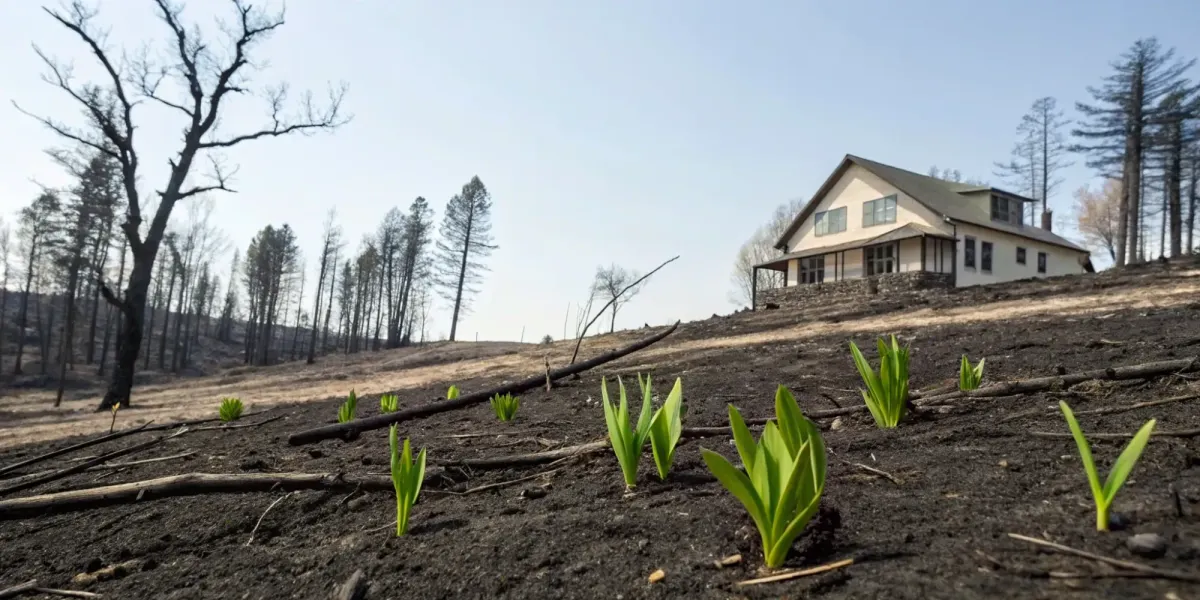
That letter from your insurance carrier—the one with the shocking premium or the dreaded non-renewal notice—can make you feel powerless. You live in a high risk fire zone, and that's that, right? Not exactly. While you can't change your location, you absolutely can change your home's vulnerability. This guide will show you how. We'll explain why finding coverage in high risk fire zones california has become so difficult and, more importantly, what you can do about it. We’ll cover the proactive steps that make your home more insurable and help you find fair, reliable coverage, even when it feels impossible.
Key Takeaways
- Pinpoint Your Property's Official Fire Zone: Use the official CAL FIRE map to find your home's specific Fire Hazard Severity Zone. This isn't just a label; it's the essential first step that clarifies your building codes, legal duties, and gives you a baseline for insurance discussions.
- Make Your Home a Better Insurance Risk: You have the power to improve your insurance options by actively reducing your home's vulnerability. Actions like creating defensible space and hardening your home against embers show insurers you're a responsible homeowner, which can open the door to better coverage.
- Look Beyond Last-Resort Insurance Options: Don't assume the FAIR Plan is your only choice. By partnering with an independent insurance agent, you gain access to multiple carriers, including specialty insurers who understand high-risk properties and are willing to offer comprehensive coverage to proactive homeowners.
What Are California's High-Risk Fire Zones?
If you live in California, you’ve probably heard the term “high-risk fire zone.” But what does that actually mean for your home and your peace of mind? Simply put, these are areas officially designated by the state as having a greater likelihood of experiencing intense wildfires. These zones, formally known as Fire Hazard Severity Zones (FHSZ), aren't just arbitrary lines on a map. They are the result of careful, scientific analysis designed to help everyone—from homeowners like you to local fire departments—understand and prepare for potential fire events.
Think of it as a risk assessment for your neighborhood. This classification directly impacts everything from building codes for new construction to the availability and cost of your homeowners insurance. For those of us living in these areas, it can feel overwhelming. The good news is that understanding your designation is the first step toward taking control. It’s not about causing alarm; it’s about providing the clarity you need to make informed decisions. By learning what your zone means, you can take practical, effective steps to protect your property, find the right insurance coverage, and keep your family safe.
The Growing Threat: Wildfire Trends in California
It’s not your imagination—wildfires in California are becoming more frequent and far more destructive. In fact, recent years have seen a significant rise in the number of fires, with thousands of homes lost annually. This escalating pattern is the primary reason the insurance market has become so challenging. Carriers are re-evaluating their exposure, leading to the premium hikes and non-renewals that leave so many homeowners feeling stranded. Understanding this trend is the first step toward finding a solution. It’s not about fear; it’s about acknowledging the reality of our environment so we can take clear, effective action to protect our homes and secure the coverage we need.
Key Wildfire Statistics
The data paints a stark picture of our new reality. The four most destructive wildfires in California's history have all occurred within the last eight years, highlighting just how rapidly the threat is intensifying. Beyond these major events, state officials have classified more than 2.3 million acres of land as having 'high' or 'very high' wildfire risk. This is why knowing your property’s specific Fire Hazard Severity Zone (FHSZ) is no longer optional—it’s essential information for every California homeowner. This designation is the baseline that insurers use to assess your property, making it a critical piece of the puzzle when you're seeking coverage.
Understanding Fire Hazard vs. Fire Risk
In the world of insurance, "hazard" and "risk" might sound interchangeable, but they mean two very different things—and the distinction is key to getting coverage. A fire hazard is determined by factors largely outside your control, like your area's climate, vegetation, and topography. This is what CAL FIRE maps in its official Fire Hazard Severity Zones (FHSZ). You can’t change your home’s hazard zone, but you absolutely can change its risk profile. Risk accounts for the proactive steps you take to protect your property from that hazard. By creating defensible space, hardening your home against embers, and following fire-safe building codes, you actively lower your home's specific risk, making it a much more attractive property for insurers to cover.
What Do Fire Hazard Severity Levels Mean?
The state doesn't use a one-size-fits-all label. Instead, Fire Hazard Severity Zones are broken down into three distinct classifications: Moderate, High, and Very High. Each level reflects the potential for a wildfire to start and spread in that specific area. A “Moderate” zone has a lower, but still present, risk. As you move into “High” and “Very High” zones, the expected frequency and intensity of fires increase significantly. These classifications help your local government and fire officials develop appropriate safety standards and emergency plans, and they give you a clear benchmark for understanding your own property's risk.
How CAL FIRE Maps Risk Zones
So, how does CAL FIRE decide if your neighborhood is a “Very High” risk? It’s not a guess. They use a comprehensive scientific model to create the FHSZ maps. This isn't just about what happened last fire season; the model looks at various factors over a 30 to 50-year period. This long-term approach provides a more stable and reliable picture of your area's potential fire risk, helping to account for climate trends and landscape changes over time. It’s a forward-looking tool designed to predict how severe a fire could be decades from now.
Long-Term Zone Maps vs. Daily Fire Danger Ratings
It’s easy to confuse your property’s long-term fire hazard zone with the daily fire danger ratings you see on the news or on roadside signs. Think of it this way: your FHSZ designation is like your home’s permanent address in a risk landscape—it doesn’t change day to day. It reflects the underlying, long-term potential for a severe fire based on decades of data. Daily fire danger ratings, on the other hand, are the weather report for that landscape. They tell you about the immediate conditions—like low humidity, high winds, and dry vegetation—that could allow a fire to start and spread rapidly *today*. Both are important, but they serve very different purposes for homeowners and fire professionals.
The National Fire Danger Rating System (NFDRS)
Those daily updates you see are typically based on the National Fire Danger Rating System (NFDRS). This system helps fire managers assess the immediate fire potential for a specific area. It synthesizes current and expected weather conditions, the moisture content of grass and trees, and other factors into a simple rating, often described with adjectives like Low, Moderate, High, or Extreme. While your home might be in a "Very High" FHSZ year-round, the daily NFDRS rating could be "Low" on a cool, damp day. This system is all about situational awareness, giving fire crews and residents a snapshot of the fire risk for the next 24 to 48 hours.
Restrictions During High-Danger Days
When the NFDRS rating climbs to High or Extreme, you’ll often hear about Red Flag Warnings. These warnings trigger specific safety precautions because conditions are ripe for a fire to start easily and grow out of control. During these periods, local authorities may implement restrictions on activities that could spark a blaze. This can include banning campfires, prohibiting the use of certain outdoor equipment like lawnmowers or chainsaws during the hottest parts of the day, and even limiting access to public lands. For homeowners, a high-danger day is a signal to be extra vigilant—avoiding any activity that could create a spark and ensuring you have a clear evacuation route.
The "30-30-30" Rule of Thumb
A simple way to understand when conditions are becoming critical is the "30-30-30" rule. This guideline, often used by firefighters, points to a dangerous tipping point for fire behavior. It flags conditions where the temperature is over 30° Celsius (about 86° F), relative humidity is below 30%, and winds are gusting over 30 kilometers per hour (about 19 mph). When these three factors align, a fire can become incredibly intense and unpredictable. While it’s just a rule of thumb, it’s a powerful mental checklist that can help you recognize when the immediate fire danger is escalating, prompting you to pay close attention to official alerts and safety guidelines.
What Puts a Home in a High-Risk Zone?
The risk model CAL FIRE uses considers a mix of environmental factors that influence how a fire might behave in your area. It’s a combination of the landscape, weather, and vegetation. The main elements they analyze include:
- Vegetation: What kind of natural fuel (like trees, shrubs, and grasses) is present and how dense is it?
- Topography: Fire spreads much faster uphill, so steep slopes increase the risk significantly.
- Weather: The model accounts for typical fire weather in the region, like hot temperatures, low humidity, and strong winds.
- Ember Travel: It also considers how far burning embers could travel—which can be up to a mile—and start new spot fires.
- Fire History: Past fire activity in the area provides important data on how the landscape burns.
Is Your Home in a High-Risk Fire Zone?
Figuring out your home's specific wildfire risk is the first, most important step you can take. It’s not about guesswork; it’s about using official tools to get a clear picture of where you stand. Once you have that information, you can make smarter, more confident decisions about everything from home maintenance to insurance. Here’s how to find your official fire zone designation and what it actually means for you as a homeowner.
Check Your Address with CAL FIRE's Map
The most straightforward way to learn your property's risk level is by using the state's official tool. CAL FIRE provides an interactive Fire Hazard Severity Zone map where you can simply type in your address. The map will show you if your home is located in a moderate, high, or very high fire hazard zone. This isn't just a general estimate; it's the official classification used by state and local agencies. Knowing your zone is the foundation for understanding the specific requirements and insurance considerations that apply to your property. Take a minute to check—it’s the best starting point for getting prepared.
State vs. Local Responsibility: What's the Difference?
As you look at the maps, you might see terms like State Responsibility Area (SRA) or Local Responsibility Area (LRA). It’s helpful to know what they mean. SRAs are typically rural, forested, or watershed lands where CAL FIRE is the primary agency responsible for fire protection. LRAs are usually located within city boundaries, where local fire departments take the lead. The state recently updated the fire hazard maps for SRAs in 2024, with LRA maps scheduled for updates in 2025. This distinction matters because it determines which agency sets the specific fire safety rules for your area.
What Your Fire Zone Rating Really Means
Finding out you’re in a high or very high-risk zone can feel daunting, but it gives you a clear path forward. This classification directly impacts a few key areas of homeownership. You may be subject to stricter building codes for new construction or remodels, especially concerning roofing and siding materials. It also means you’ll have specific requirements for maintaining defensible space around your home. If you decide to sell, you’ll need to disclose your property’s fire risk to potential buyers. Think of this designation not as a penalty, but as a roadmap for making your home safer and more resilient.
What Does Living in a High-Risk Zone Mean for You?
Discovering your home is in a high-risk fire zone can feel overwhelming, but it’s the first step toward taking control. Living in one of these areas comes with a specific set of responsibilities and challenges that go beyond seasonal fire danger. It affects everything from your insurance options and property value to the building materials on your house and the plants in your garden. Understanding these implications is key to protecting your home, your finances, and your family. Let’s walk through exactly what it means for you as a homeowner.
Building Codes You Need to Know
If you live in a high-risk area, your property is likely subject to special building codes designed to give it a fighting chance against a wildfire. In California, these standards are outlined in Chapter 7A of the Building Code. These rules apply to new construction and major remodels, requiring the use of ignition-resistant materials for things like roofing, siding, windows, and decks. The goal is to create a home that’s less likely to catch fire from flying embers, which are a primary cause of home loss during wildfires. While meeting these codes can be an investment, it’s one that directly contributes to your home’s resilience and safety.
Selling Your Home? Know the Fire Risk Disclosure Rules
When you decide to sell your home, California law requires you to be transparent about its location in a high-risk fire zone. Sellers must provide buyers with a Natural Hazard Disclosure Statement (NHD), which officially reports whether the property is in a Very High Fire Hazard Severity Zone. This disclosure is a standard part of the real estate process and ensures potential buyers are fully aware of the risks and responsibilities associated with the property. While it might seem like a hurdle, this transparency builds trust and allows buyers to make an informed decision, factoring in future costs like insurance and mitigation efforts.
Understanding Assembly Bill 38 (AB38)
Beyond the standard disclosure forms, there's another key piece of legislation sellers need to know about: Assembly Bill 38, or AB38. This law takes disclosure a step further. If your home is in a high or very high fire hazard zone, AB38 requires you to prove that your property meets state defensible space requirements before you can close the sale. This means getting an official inspection to confirm you’ve created the necessary buffer zone around your home. The goal is to ensure the buyer knows exactly what they are getting and that the property is compliant with fire safety laws from day one.
This law is part of a larger push for transparency in real estate disclosures for at-risk properties. While it adds an extra step to the selling process, it also encourages proactive fire mitigation. By completing this work, you’re not just checking a legal box; you’re making your home safer and more resilient, which is a valuable feature for any potential buyer. It’s a practical measure that helps protect both individual properties and the wider community.
Property Safety Requirements in a Fire Zone
As a homeowner in a high-risk zone, you have a legal responsibility to maintain your property to reduce fire danger. The most critical requirement is creating and maintaining defensible space. This involves clearing flammable vegetation, dead plants, and clutter in zones extending at least 100 feet from your home (or to your property line). These measures are not just suggestions; they are often mandated by local fire ordinances and are inspected. Furthermore, insurance carriers are increasingly looking for homeowners to take these steps. Proving you’re actively mitigating your property’s risk can be a powerful factor in securing and keeping your insurance coverage.
How Fire Risk Can Affect Your Home's Value
It’s natural to worry about how a high-risk designation might impact your home’s value. The reality is that it can be a factor for potential buyers and appraisers, who may weigh the beautiful location against the increased risk and insurance costs. However, this doesn’t automatically mean your property value will drop. A home that has been proactively "hardened" with fire-resistant materials and has excellent defensible space can be highly attractive. By demonstrating that you’ve taken serious steps to make your home safer, you show that it’s a well-maintained and resilient property. These proactive efforts can help protect your financial security and make your home stand out in the market.
How to Insure a Home in a High-Risk Area
Finding affordable homeowners insurance when you live in a high-risk fire zone can feel like an uphill battle. If you’ve faced non-renewal notices or shocking premium hikes, you know the stress all too well. But you’re not out of options. Understanding the landscape—from the challenges to the solutions—is the first step toward securing the protection your home needs. The good news is that with the right approach and a little proactive effort, you can find a path to fair and reliable coverage.
Why Finding Coverage Can Be a Challenge
If you’re struggling to find a policy, it’s not personal—it’s a business decision based on risk. From an insurer’s perspective, homes in areas prone to wildfires represent a much higher chance of a total loss. To balance that risk, insurance providers often charge higher premiums or may decide to stop offering coverage in certain areas altogether. Your home’s specific location and its proximity to fire hazards directly influence your insurance rates and the policy options available to you. This market shift has left many California homeowners feeling stranded, searching for a carrier willing to take them on.
Do FHSZ Maps Directly Affect Insurance Rates?
It’s a logical question: if the state officially places your home in a "Very High" fire hazard zone, does that automatically mean your insurance rates will skyrocket? The answer is a little more complicated than a simple yes or no. While your FHSZ designation is definitely a factor that insurers consider, it’s not the only one. Think of the official map as a starting point. Insurance companies use their own sophisticated risk models, which often go far beyond the state's classifications. They might use satellite imagery to assess the density of vegetation right up to your property line or analyze historical claims data for your specific zip code. So, while the FHSZ map provides a broad-strokes picture of risk, your premium is ultimately determined by a much more detailed and personalized assessment.
The Official Stance from the Department of Insurance
To clear up any confusion, it’s helpful to go straight to the source. The California Department of Insurance has stated that the FHSZ maps created by CAL FIRE "do not directly affect insurance rates or whether you can get insurance." This is because the maps serve a different primary purpose: they are tools for local governments to set building codes and plan for emergencies. While insurers certainly look at this public data, they combine it with their own proprietary information to calculate your specific risk. This official guidance underscores that your zone designation isn't the final word. It’s just one piece of a much larger puzzle that includes factors you can control, like home hardening and defensible space.
What Is the California FAIR Plan?
When you can’t find coverage on the standard market, you might be pointed toward the California FAIR Plan. It’s important to know what it is—and what it isn’t. The FAIR Plan is a state-mandated program that acts as a last-resort insurer, providing basic fire insurance for high-risk properties. However, it’s not a comprehensive homeowners policy. It typically only covers damage from fire, lightning, and internal explosion. For protection against things like theft, water damage, or liability, you’ll need to purchase a separate "Difference in Conditions" policy to wrap around your FAIR Plan coverage, which adds another layer of complexity and cost.
How an Independent Insurance Agent Can Help
You don’t have to go it alone. Working with an independent insurance agent can be a game-changer. Unlike captive agents who only represent one company, independent agents partner with multiple insurance carriers. This gives them access to a wider range of products, including policies from specialty insurers that are more comfortable with high-risk properties. An experienced agent can help you navigate the complexities of the current market, compare your options, and find the best available coverage for your unique situation. They act as your advocate, dedicated to finding a solution that fits your needs and budget.
Lower Your Fire Risk for Better Insurance Options
One of the most powerful things you can do is take steps to make your home a better risk for insurers. When insurance carriers see that you’re actively working to mitigate fire danger, they’re often more willing to offer you a policy—sometimes even at a better rate. Actions like creating defensible space, hardening your home with fire-resistant materials, and performing regular maintenance can significantly lower your property’s vulnerability. These mitigation efforts are a powerful motivator for insurers because they demonstrate your commitment to protecting your property, making you a more attractive and responsible client.
Make Your Property More Fire-Resistant
Taking steps to make your home more fire-resistant is one of the most powerful things you can do as a homeowner in a high-risk area. Not only does it help protect your property and your family, but it can also directly impact your ability to get and keep good homeowners insurance. Insurers are looking for partners in risk management, and when you show you’re actively working to reduce your property’s vulnerability, it makes you a much more attractive customer. This can open up more coverage options beyond last-resort plans.
Think of it as a three-part strategy: clearing the area immediately around your home (defensible space), strengthening the structure of your home itself (home hardening), and choosing smart, fire-wise landscaping. Each of these pillars works together to create layers of protection that can make a critical difference during a wildfire. While it might seem like a lot to take on, many of these improvements are straightforward and can be tackled over time. Every action you take, big or small, contributes to a safer home, gives you more control, and helps build a more resilient community for everyone.
Reframing the Challenge: A "People Problem"
It’s easy to view wildfires as an unstoppable force of nature, but that’s only part of the story. As the International Association of Wildland Fire points out, the real challenge is often less about the fire itself and more about how we, as people, live in and interact with these fire-prone landscapes. This perspective is a game-changer because it shifts the focus from something that just happens *to* us to a situation we can actively influence. It’s not about assigning blame; it’s about acknowledging that our choices in how we manage our own properties play a significant role in our collective vulnerability.
Ultimately, seeing the wildfire issue this way is incredibly empowering. It means your actions matter—a lot. When you take concrete steps to create defensible space and harden your home with fire-resistant materials, you are directly addressing the problem. You make your property a less attractive target for wildfire and, in turn, a better risk for an insurance carrier. This proactive approach is exactly what can open up more coverage options and help you find a policy that truly protects your home without breaking your budget.
Create Your Defensible Space
Creating a defensible space is all about giving your home breathing room. This is the buffer zone you create between your house and the surrounding grass, trees, and wildland. Its purpose is to slow or stop a wildfire from reaching your home and to give firefighters a safe area to work. California fire officials break this down into zones. Zone 0, the first five feet from your home, is the most critical; it should be completely free of flammable materials. Think gravel or concrete walkways instead of bark mulch. Zone 1 extends 30 feet out, where you should remove dead vegetation and keep trees properly spaced. Creating a defensible space is a foundational step in protecting your property.
Simple Ways to Harden Your Home
"Hardening" your home means upgrading its components to better withstand heat and flying embers, which are a primary cause of homes igniting during a wildfire. You can start with simple, high-impact changes that don’t require a huge budget. Installing fine metal mesh screens (1/8-inch) over all vents can block embers from getting into your attic or under your house. Sealing gaps around windows and doors with weather stripping is another easy fix. For bigger projects, consider replacing your roof with Class A fire-rated materials like asphalt shingles or metal. There are many ways to harden your home, and every improvement adds another layer of defense against wildfire.
Choose Fire-Resistant Landscaping
Your yard doesn't have to be a barren landscape of rocks to be fire-safe. The key is to choose the right plants and arrange them strategically to avoid creating a path for fire to reach your home. Fire-resistant plants, like succulents and many native California species, have a high moisture content and are less likely to ignite. Avoid planting highly flammable vegetation like juniper, cypress, or eucalyptus close to your home. You can also use hardscaping features like gravel walkways or stone retaining walls to create fuel breaks. This helps make your home more ignition-resistant by interrupting a fire's path and eliminating "fuel ladders"—arrangements where fire can climb from low-lying plants to taller trees and then to your roof.
Your Fire-Safe Maintenance Checklist
Fire safety isn't a one-and-done project; it requires regular upkeep to be effective. A simple maintenance routine can keep your defensible space clear and your home hardened against risk. Think of it as seasonal yard work with a focus on safety. Consistent maintenance is essential for keeping your property prepared year-round, especially as fire season becomes a year-round concern in many parts of California.
Here’s a quick checklist to follow:
- Clean leaves, pine needles, and other debris from your roof and gutters regularly.
- Trim tree branches so they are at least 10 feet away from your chimney and roof.
- Keep your lawn mowed and watered, as dry grass can act as a fire accelerant.
- Store firewood and other flammable materials at least 30 feet away from your house.
- Inspect your home's siding and roof for any damage or gaps and make repairs promptly.
Create Your Wildfire Emergency Plan
When a wildfire threatens your community, things happen fast. The smoke, the alerts, the uncertainty—it can all be overwhelming. Having a clear, practiced emergency action plan is one of the most powerful things you can do to protect your family and reduce chaos during a crisis. It’s your playbook for what to do, where to go, and how to stay in touch when every second counts. A solid plan doesn't just prepare you for the worst; it gives you a sense of control in a situation that feels anything but. It turns panic into purposeful action.
Thinking through these scenarios ahead of time means you won’t have to make critical decisions under pressure. You’ll have already done the hard work. From establishing a meeting point to knowing your escape routes, every detail you plan today is a gift to your future self. Let’s walk through the key steps to building a comprehensive plan that keeps everyone safe.
Preparing Your Home and Documentation Before a Fire
While you're creating your emergency plan, don't overlook a crucial piece of preparation that happens long before an evacuation order: documenting your mitigation work. After all the effort you've put into creating defensible space and hardening your home, you need proof. Keep a detailed digital folder with receipts, invoices, and before-and-after photos of every improvement. Did you install ember-resistant vents or a Class A roof? Scan the receipts. Did you hire a crew for tree trimming? Save the invoice. This isn't just for your records; it's your evidence for insurance carriers. Having this file saved to the cloud or on a thumb drive in your go-bag ensures you can access it from anywhere. This documentation is a powerful tool that can help you maintain your coverage by proving you’re a responsible homeowner who is serious about reducing risk.
Build Your Family's Emergency Plan
Your family’s emergency plan is your roadmap for what to do when a wildfire alert is issued. Start by sitting down with everyone in your household to discuss the plan. The first step is to identify two meeting places: one just outside your home in case of a sudden fire, and another outside your neighborhood in case you can’t return. Next, assign specific roles. Who is responsible for grabbing the emergency kit? Who will round up the pets? Who is in charge of checking on elderly neighbors? Writing it all down ensures everyone is on the same page. The California Fire Safe Council offers great resources for creating a detailed plan that covers all your bases.
Stock Your Home with Essential Safety Gear
Having the right gear on hand can make a world of difference. Make sure you have functional smoke detectors on every level of your home and in every bedroom. Keep at least one ABC-rated fire extinguisher in an accessible location, like the kitchen, and ensure everyone knows how to use it. Beyond that, every household needs a well-stocked emergency "go-bag" for each person. This should include water, non-perishable food, a first-aid kit, flashlights, and copies of important documents. Don't forget medications and pet supplies. Ready.gov provides a great checklist to help you build a kit with everything you need.
Know Your Evacuation Routes
When an evacuation order is given, you may have only minutes to leave. Wildfires are unpredictable and can block roads unexpectedly, so knowing multiple ways out of your neighborhood is essential. Take the time to drive your primary and secondary evacuation routes so you’re familiar with them. Pay attention to potential bottlenecks or tricky intersections. Sign up for your county’s emergency alert system to get real-time updates on road closures and evacuation orders. This preparation is a key part of a broader strategy for creating ignition-resistant homes and helps you stay calm and move quickly when it matters most.
Establish Your Family Communication Plan
During an emergency, cell towers can become overloaded or damaged, making communication difficult. Establish a clear communication plan before a disaster strikes. Create a group text with family members and key contacts to share updates easily. It’s also smart to designate one out-of-state friend or relative as a central point of contact, as it's often easier to make a long-distance call than a local one. Everyone can check in with this person to report they are safe. This simple system ensures everyone stays informed. You can find helpful templates to make a plan that includes communication on Ready.gov.
Safety Checklist for Returning Home After a Fire
The urge to return home after a wildfire is completely understandable, but your safety must come first. Always wait until emergency officials give the official all-clear before you go back. Once you have permission, the first thing to do is a careful inspection from the outside. Before you even think about going in, walk the perimeter of your property. Look for downed power lines, listen for hissing sounds or the smell of gas, and check for any obvious structural damage. The ground can also hide dangers like hot spots or ash pits, which can cause severe burns. Be aware of your surroundings, including weakened trees or unstable structures that could collapse. It's critical to wear protective gear—think sturdy boots, thick gloves, and an N95 mask to avoid hazards from breathing in ash and other particles. This initial, cautious assessment is a crucial step before you begin to deal with the aftermath.
Know Your Legal Requirements and Resources
Living in a high-risk fire zone comes with a unique set of responsibilities, but you don't have to figure them out on your own. Understanding your obligations and knowing where to find support can make all the difference in protecting your home and your finances. Think of these requirements not as hurdles, but as a clear roadmap to a safer, more resilient property. From state laws to local fire codes, these guidelines are designed to help you and your community reduce your shared risk. Plus, there are fantastic programs and financial resources available to help you every step of the way.
Your Obligations as a Property Owner
As a homeowner in a wildfire-prone area, your responsibilities extend beyond just paying your mortgage. Your home’s location directly influences your insurance options, and carriers will expect you to be an active partner in reducing risk. Insurers often require specific mitigation measures before they will offer or renew a policy. The most common requirement is creating and maintaining defensible space around your home. This isn't just a suggestion; it's a critical step that demonstrates you're taking the threat seriously. By understanding and fulfilling these obligations, you not only protect your property but also improve your ability to secure the coverage you need.
How to Stay Compliant with Fire Codes
Local and state fire codes are your best guide for home safety, and staying compliant is essential for your insurance. These codes aren't arbitrary rules; they are based on proven methods for preventing a wildfire from damaging or destroying homes. Insurance carriers often mandate that you adhere to local fire codes as a condition of your policy. This can include using specific fire-resistant building materials for your roof and siding, following certain landscaping practices to reduce fuel for a fire, and performing regular maintenance to keep your property clear of flammable debris. Checking with your local fire department is a great first step to ensure your home is up to code.
Local Rules and Red Flag Warnings
It helps to know who’s calling the shots on fire safety in your neighborhood, as the rules can vary. In California, properties are generally in either a State Responsibility Area (SRA) or a Local Responsibility Area (LRA). Think of SRAs as the rural and forested lands where CAL FIRE is the primary fire protection agency. LRAs are typically within city limits, where your local fire department takes the lead. This distinction is important because it determines which agency sets the specific fire codes you need to follow. The state has recently updated the fire hazard maps for SRAs, so it’s a good time to confirm your area’s status.
You should also be on the lookout for "Red Flag Warnings." These are special alerts issued by the National Weather Service on days when conditions are ripe for extreme fire danger due to high winds and low humidity. When a warning is in effect, local authorities may implement temporary rules, like parking restrictions on narrow streets, to ensure emergency vehicles have clear access. Staying informed about these warnings allows you to be extra vigilant and helps you understand the day-to-day fire threat in your fire zone.
Find State Programs That Can Help
The good news is that California offers a wealth of resources to help homeowners navigate these requirements. You’re not expected to become a fire safety expert overnight. State-led initiatives like the Fire Safe Communities Program are designed specifically to help residents prepare for wildfires. These programs provide invaluable guidance, tools, and community support to help you implement proven mitigation strategies. They can connect you with local experts, offer workshops, and provide checklists to help you make sure you’ve covered all your bases, making the process of protecting your home feel much more manageable.
Where to Find Financial Assistance
We know that making your home more fire-resistant and paying for insurance in a high-risk area can be expensive. The financial strain is real, but help is available. Many homeowners don't realize that there are state programs and grants designed to ease this burden. These programs can offer financial assistance to help you cover the costs of creating defensible space, upgrading to fire-resistant materials, or even offsetting higher insurance premiums. Taking the time to research these options can make essential safety upgrades more affordable, allowing you to protect your investment without breaking the bank. Your local Fire Safe Council is an excellent place to start looking for grants and other support.
Related Articles
- Western US Home Insurance | Wildfire & High-Risk Coverage | Five Bays Insurance Agency
- Western US Home Insurance | Wildfire & High-Risk Coverage | Five Bays Insurance Agency
- Western US Home Insurance | Wildfire & High-Risk Coverage | Five Bays Insurance Agency
- Western US Home Insurance | Wildfire & High-Risk Coverage | Five Bays Insurance Agency
- Western US Home Insurance | Wildfire & High-Risk Coverage | Five Bays Insurance Agency
Frequently Asked Questions
My home is in a 'Very High' fire zone. What are the first three things I should do right now? Finding out you're in a top-tier risk zone can be jarring, but you can take immediate, meaningful action. First, confirm your official designation using the CAL FIRE interactive map so you're working with the right information. Second, focus on creating your defensible space, starting with the most critical five-foot zone directly around your home—clear it of all flammable materials like mulch, dead leaves, and plants. Finally, create and discuss a family emergency plan, including your evacuation routes and a go-bag with essential supplies. These foundational steps give you a solid starting point for building your home's resilience.
Will making my home more fire-resistant actually lower my insurance premium? While there's no universal rule that says a specific upgrade guarantees a specific discount, taking mitigation steps is one of the most powerful things you can do to improve your insurance situation. Many carriers are now looking for proactive homeowners. By hardening your home and maintaining defensible space, you make your property a much better risk. This can open up more coverage options with standard insurers and may help you avoid being forced into more expensive, last-resort plans. It demonstrates that you are a responsible partner in protecting your property.
I've been dropped by my insurer. Is the California FAIR Plan my only option? Not necessarily. The FAIR Plan is an important safety net that provides basic fire coverage when you can't find it elsewhere, but it isn't a comprehensive homeowners policy and shouldn't be your first stop. Before turning to it, consider working with an independent insurance agent. They have access to multiple carriers, including specialty companies that are more willing to write policies in high-risk areas. An agent can shop the market for you and find solutions that you might not be able to find on your own.
"Home hardening" sounds expensive. Are there any low-cost ways to make a real difference? Absolutely. While replacing a roof is a major investment, many of the most effective home hardening tasks are affordable and straightforward. You can start by installing 1/8-inch metal mesh screens over all vents to block flying embers from entering your attic or crawlspace. Regularly cleaning all debris from your roof and gutters is another crucial, low-cost habit. Sealing any gaps around windows and doors with weather stripping can also prevent embers from finding a way inside. These small projects add up to create a much safer home.
How often do these fire zone maps change? The official Fire Hazard Severity Zone maps are not static; CAL FIRE updates them every few years to reflect the latest science, weather patterns, and vegetation data. For example, the maps for State Responsibility Areas were recently updated, with maps for Local Responsibility Areas scheduled for a future update. This means your home's risk designation could change over time. It’s a good practice to check your property’s status periodically, as these classifications influence building codes, disclosure requirements, and insurance availability.


