
The Best Insurance for Wildfire-Prone Upscale Homes
Find out what’s the best insurance for homes in wildfire-prone upscale areas and get practical tips for securing high-value coverage that truly protects.

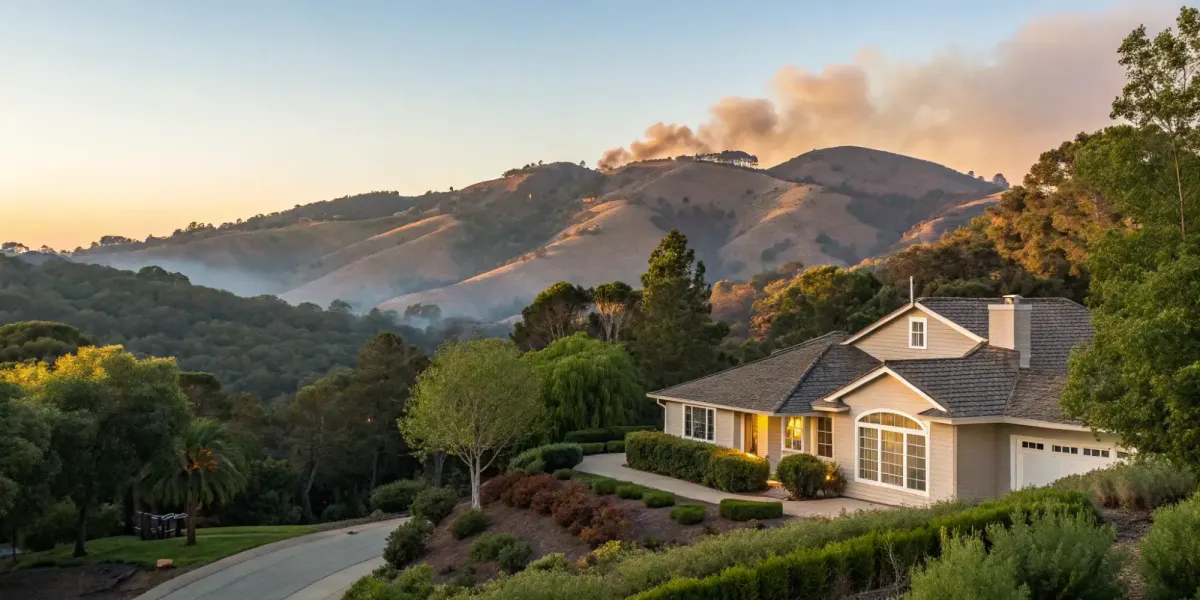
You’ve done everything right. You created defensible space, installed a Class A roof, and hardened your home against embers. You’ve invested time and money to make your property as safe as possible, yet finding insurance still feels like an uphill battle. It's a deeply frustrating experience. The problem isn't your home; it's that the traditional insurance market doesn't know how to reward your efforts. So, what’s the best insurance for homes in wildfire-prone upscale areas? It’s time to look beyond standard options and find carriers who actually understand and value the steps you’ve taken.
Key Takeaways
- Standard Policies Fall Short for High-Value Homes: Your custom home needs more than a one-size-fits-all policy. Seek out specialized coverage from carriers, like those in the Excess & Surplus (E&S) market, who understand high-risk areas and offer the higher, more flexible limits required to fully rebuild.
- Proactive Home Protection Makes You More Insurable: Taking concrete steps like creating defensible space and hardening your home with fire-resistant materials does more than just keep you safer. It signals to insurance carriers that you are a responsible homeowner, which can lead to better coverage options and rates.
- An Independent Agent is Your Connection to Better Coverage: Don't go it alone in a tough market. An independent agent works for you, not a single company, giving you access to specialty insurers and the expertise needed to find a policy that truly protects your property when standard carriers say no.
What Is High-Value Home Insurance?
If your home is valued at $1 million or more, a standard homeowners policy probably isn’t giving you the protection you need. High-value home insurance is a specialized type of coverage designed for luxury and custom homes. Think of it less as a one-size-fits-all product and more as a tailored solution built around your property’s unique features, your lifestyle, and the true cost to rebuild everything exactly as it was. This type of insurance moves beyond the basics, offering higher, more flexible coverage limits for your home’s structure, your personal belongings, and your liability.
For homeowners in wildfire-prone areas, this distinction is critical. The insurance landscape in California has become incredibly challenging, with many standard carriers pulling back, leaving homeowners with fewer and more expensive options. A standard policy might not cover the full cost to rebuild a custom home with unique architectural details or high-end finishes, leaving you with a significant financial gap. In contrast, high-value homeowners insurance is specifically designed to address these complex risks. It’s about ensuring that if the worst happens, you have the resources and support to make a full recovery without financial strain or compromise.
High-Value vs. Standard Policies: What's the Difference?
The biggest difference between a standard policy and high-value home insurance comes down to customization and capacity. A standard policy often uses a rigid formula to calculate your coverage, which can leave you underinsured, especially when rebuilding costs for custom homes are high. In high-risk areas, many homeowners struggle to find adequate insurance, as standard carriers may cap their coverage, add restrictive wildfire deductibles, or refuse to write a policy at all. As major insurance companies continue to pull back from states like California, the limitations of standard policies have become even more apparent. High-value insurance, on the other hand, is built for this reality. It’s underwritten by carriers who understand the risks and are equipped to handle them, providing broader coverage and higher limits that reflect the true replacement cost of your home and possessions.
Tailored Protection for Your Unique Property
This is where high-value insurance truly shines. These policies often include coverages that are either unavailable or sold as expensive add-ons in standard plans. For example, you’ll typically find guaranteed or extended replacement cost coverage, ensuring you can rebuild your home to its original standard, even if costs have gone up. Many policies also include complimentary benefits like water backup coverage, which protects you from sewer or drain overflow. Most importantly for those in wildfire zones, many high-value policies include proactive wildfire defense services. Some insurers provide private fire mitigation services that can be dispatched to your home during an active threat to apply fire retardant and help protect your property. These policies are designed not just to pay a claim after a disaster, but to actively help you prevent one.
Understanding the Current Insurance Landscape
If you feel like getting homeowners insurance has become a full-time job, you’re not alone. The market has shifted dramatically, especially in states like California, leaving many homeowners feeling stuck and confused. Insurers are re-evaluating risk like never before, and factors that were once minor details are now major drivers of cost and availability. Understanding what’s happening behind the scenes is the first step toward finding a real solution. It’s not just about rising prices; it’s about a fundamental change in how insurance companies view risk, particularly when it comes to climate-related events like wildfires.
The Financial Realities of Home Insurance
The price you pay for insurance is no longer just about the size of your house or the value of your belongings. Today, it’s a complex calculation heavily influenced by external factors that can feel completely out of your control. Insurers are using sophisticated models to predict future losses, and that has a direct impact on your premium. For homeowners in high-risk areas, this has created a perfect storm of higher costs and fewer options, making it more important than ever to understand exactly what goes into your rate.
How Costs Are Calculated
Your home’s location is one of the biggest factors determining your insurance premium. If you live in an area with a higher probability of natural disasters, carriers will charge more to offset their increased risk. This is especially true in designated wildfire zones, where the potential for catastrophic loss is significant. While this logic makes sense from an insurer’s perspective, it can be incredibly frustrating for homeowners who have invested heavily in mitigation. You’ve done the work to make your home safer, yet you’re still being penalized for your zip code. This is a core challenge in the modern insurance market, where broad risk models often overlook individual preparedness efforts.
The Impact of Credit and Claims History
Beyond your location, your personal history also plays a key role. Your credit-based insurance score can influence your rates, as carriers use it as a predictor of future claims. More directly, your claims history has a major impact. According to one analysis, homeowners who have filed a claim in the past five years often see significantly higher annual premiums. This can feel like a double-edged sword; you pay for insurance to use it when you need it, but doing so can make your coverage more expensive and harder to keep in the future. It’s another layer of complexity that makes finding fair and stable coverage a challenge.
Wildfire Risk by the Numbers
The threat of wildfire isn’t a distant headline; for millions of Americans, it’s a tangible risk that shapes major life decisions, including how to protect their homes. The scale of this threat has grown, and the insurance industry has taken notice. The data paints a stark picture of a new reality where wildfires are more frequent and destructive, forcing a major shift in how insurers operate in vulnerable regions. This isn't just a California problem anymore; it's a national issue with deep local impacts.
The Growing Threat in California and Beyond
Wildfire risk now affects a huge portion of the country, with some reports indicating that more than one-third of people in the U.S. live in counties with a high risk of wildfires. The numbers from recent years are staggering, with tens of thousands of fires burning millions of acres annually. In response, many standard insurance companies are refusing to cover homes in high-risk areas, canceling existing policies, or simply not writing new ones. This retreat has created a massive insurance gap, leaving responsible homeowners with limited, and often inadequate, choices like last-resort state plans. It’s a difficult situation that highlights the urgent need for new solutions and specialized carriers who are willing to work with homeowners in these challenging markets.
Why Is Insuring a High-Value Home in a Wildfire Zone So Hard?
If you’ve been trying to find insurance for your home in a wildfire-prone area, you’ve probably felt like you’re hitting a wall. You’re not alone, and it’s not your imagination—it has become genuinely difficult. The core of the problem is a collision between two powerful forces: the high cost to rebuild a custom home and the escalating, unpredictable risk of wildfires. Insurers see a high-value home in a fire zone as a significant financial risk, one that many are no longer willing to take on.
For decades, insurance models were built on historical data that felt predictable. But with climate change intensifying wildfire seasons, the old rules no longer apply. The risk isn't just a line on a map anymore; it's a dynamic threat that makes it tough for carriers to calculate their potential losses accurately. This uncertainty has caused a major shift in the insurance market. As a result, homeowners like you are left with fewer choices, higher costs, and a lot of anxiety about protecting what is likely your biggest asset. Understanding the specific reasons behind this shift is the first step toward finding a real solution.
Why Are So Few Insurers Offering Coverage?
One of the biggest hurdles you'll face is the simple fact that many traditional insurance companies are pulling back. Major carriers have started to stop offering coverage or are not renewing policies in states like California, Colorado, and Arizona due to the growing wildfire threat. They see the potential for catastrophic losses as too high for their business models to sustain.
This industry retreat creates a domino effect for homeowners. With fewer companies writing policies, there’s less competition, which often leads to higher prices and stricter underwriting requirements. You might find yourself getting denied by companies you’ve been with for years, forcing you to search for coverage in a market with very limited supply. It’s a frustrating position to be in, but it’s the new reality of the insurance landscape in high-risk areas.
Why Rebuilding Costs More Than You Think
When insuring a high-value home, the policy isn’t just covering a structure; it’s covering custom finishes, unique architectural details, and high-end materials that are expensive and difficult to replace. After a widespread disaster like a wildfire, the cost of labor and materials can skyrocket due to high demand and broken supply chains. This means the amount needed to rebuild your home to its original standard could be far higher than you—or your insurer—initially estimated.
This is why a robust policy should cover the cost to rebuild your home even if it ends up costing more than your original policy limit. However, this extended replacement cost coverage also represents a massive potential payout for the insurer, making them extremely cautious about offering it in areas where a total loss is a real possibility.
What Makes a Home "High-Risk"?
When you hear the term “high-risk,” your mind probably jumps straight to wildfires, and for good reason. But for an insurance carrier, that’s just one piece of a much larger puzzle. They look at a wide range of factors to determine a property’s risk level, and some of them have nothing to do with your home’s location. These elements fall into two main buckets: risks related to you as the homeowner and risks related to the property itself. Understanding both sides of this equation is the first step to figuring out why you might be getting denied and what you can do about it.
Homeowner-Related Risks
It can feel a bit personal, but insurance carriers look at your history to predict future possibilities. A key factor is your claims history; if you’ve filed multiple claims in the past—even for small, unrelated issues—it can signal to an insurer that you’re more likely to file another one. Other personal details can also come into play. For example, owning certain dog breeds, running a business from your home, or having a lower credit-based insurance score can place you in a higher-risk category. It’s not a judgment on you as a person, but rather a business decision based on statistical data that carriers use to calculate their potential for loss.
Property-Specific Risks
Beyond your personal profile, the physical characteristics of your home are heavily scrutinized. Location is obviously a major factor, especially in areas prone to natural disasters like wildfires or hurricanes. But the evaluation goes deeper. The age and condition of your home are critical; a house that’s over 50 years old or has a roof that’s more than 20 years old is often seen as a liability due to potential issues with wiring, plumbing, and structural integrity. Even features meant for enjoyment, like a swimming pool without a proper fence, can increase risk. Each of these details helps an underwriter assess the likelihood of a future claim on your specific property.
Don't Fall for These Wildfire Coverage Myths
It’s easy to get tripped up by assumptions when it comes to wildfire coverage. One of the most common myths is that a standard homeowner's policy will automatically cover fire damage of any kind. While that’s often true for a kitchen fire, it’s a different story for wildfires. In high-risk zones, many standard policies now specifically limit or exclude wildfire damage, meaning you might need a separate, specialized policy to be fully protected.
Another misconception is that higher premiums are simply unfair. While the sticker shock is real, insurance providers charge higher premiums for homes in these areas to balance the increased financial risk they are taking on. Understanding these realities helps you ask the right questions and ensure you’re not left with critical gaps in your coverage.
What Are Your Insurance Options in a Wildfire Zone?
If you’ve received a non-renewal notice or struggled to find a carrier, you know how frustrating the search for coverage can be. As traditional insurers pull back from high-risk areas, many homeowners feel stranded. But you’re not out of options. The insurance landscape is adapting, and new solutions are emerging to fill the gap. Understanding these alternatives is the first step toward securing the protection your home needs. Let's look at the primary paths available to you.
What Are Excess and Surplus (E&S) Lines?
When standard insurance companies say "no," where do you turn? Often, the answer is the Excess and Surplus (E&S) market. Think of E&S carriers as specialists who are comfortable taking on risks that traditional insurers avoid. Because they aren't bound by the same rate and form regulations as standard carriers, they have more flexibility to create policies for unique situations, like homes in wildfire zones. These specialized insurance markets are stepping in to provide coverage when standard insurers won't, and these plans often offer more complete protection.
Finding Policies with Built-In Wildfire Defense
Some modern insurance policies are shifting from a reactive to a proactive model. Instead of just paying for damages after a fire, they include services designed to protect your home before and during a wildfire. These policies often partner with private companies that provide on-the-ground support when a fire threatens your property. This can include services like clearing brush, applying fire retardant, and monitoring conditions. Some programs offer higher coverage limits and bundle in these valuable wildfire defense services to give you an added layer of protection and peace of mind when it matters most.
Can State-Backed Programs Fill the Gap?
As many large insurance companies stop writing policies in states like California, Arizona, and Colorado, state-backed programs have become the insurer of last resort for many. Plans like the California FAIR Plan provide a critical safety net, but it's important to understand their limitations. They typically offer basic fire coverage and may not include protection for liability, theft, or water damage. You often need to buy a separate "wraparound" policy to get comprehensive coverage. Meanwhile, state regulators are focused on reducing risk as a long-term strategy to encourage private insurers to re-enter the market, but for now, these state plans remain a necessary option for thousands of homeowners.
Understanding FAIR Plan Limitations
The California FAIR Plan is a crucial last resort, but it's essential to know what you're getting—and what you're not. Think of it as a basic fire-only policy, not a complete homeowners solution. It was created to be a safety net, so its coverage is limited by design. While it provides basic fire coverage, the FAIR Plan leaves major gaps, offering no protection for common risks like personal liability, theft, or most water damage. To fill these holes, you'll need to buy a separate "wraparound" policy from another insurer. This two-policy system can be complicated to manage and may still fall short of the comprehensive protection a high-value home requires, leaving you underinsured when you need it most.
How to Reduce Your Wildfire Risk (and Insurance Costs)
When you live in a high-risk area, it’s easy to feel like you’re at the mercy of rising insurance premiums and limited choices. But you have more power than you think. Taking proactive steps to make your home safer from wildfires doesn’t just give you peace of mind—it can also make you a much more attractive applicant to insurance carriers. Insurers are increasingly focused on risk reduction, and they are starting to reward homeowners who invest in protecting their property.
By focusing on two key areas—creating a buffer zone around your house and strengthening the structure itself—you can significantly lower your home’s vulnerability. These mitigation efforts show insurers that you are a responsible partner in protecting your investment. Think of it as a win-win: you get a safer home, and you improve your chances of securing better, more affordable coverage. Document every improvement you make, because this is the evidence you’ll use to make your case for a better policy.
Your First Step: Creating Defensible Space
One of the most effective things you can do is create a "defensible space" around your home. This is essentially a buffer zone that you clear of flammable materials to slow or stop a fire from reaching your house. This involves clearing away flammable plants, shrubs, mulch, and firewood from the immediate vicinity of your home, especially near windows and decks. The goal is to remove fuel that a fire could use to climb from the ground to your structure.
Start with the area closest to your home—at least the first five feet. This zone should be free of anything combustible. From there, extend your efforts out to 30 feet or more by keeping grass mowed, trimming low-hanging tree branches, and ensuring there’s space between shrubs. A well-maintained defensible space not only protects your home but also gives firefighters a safe area to work if they need to defend it. You can find detailed guidelines on how to create these zones from resources like CAL FIRE.
Upgrade Your Home with Fire-Resistant Materials
While defensible space manages the area around your home, "home hardening" focuses on making the structure itself more resistant to catching fire. Many homes aren't ignited by a wall of flames but by tiny, wind-blown embers that can travel a mile or more ahead of a wildfire. These embers can get into small openings and set your house ablaze from the inside out. To protect your home, you should consider proven home hardening strategies, like using fire-resistant building materials and sealing vents.
Start with the most vulnerable parts of your house: the roof and vents. A Class A fire-rated roof made of composite, metal, or tile is your best defense. You should also cover all attic and foundation vents with a fine metal mesh (1/8-inch is recommended) to keep embers out while maintaining airflow. Other valuable upgrades include installing double-paned windows, which are less likely to break from heat, and ensuring your siding is made from non-combustible materials like stucco or fiber cement.
Beyond Defensible Space: Additional Safety Measures
Creating defensible space and hardening your home are the cornerstones of wildfire preparedness, but your efforts don’t have to stop there. Once you’ve handled the major structural and landscaping projects, you can add further layers of protection with some smart, low-cost planning. These next steps are about preparing for an active emergency and tapping into the expert resources available in your community. Taking these additional measures not only enhances your family’s safety but also demonstrates an even deeper level of commitment to risk reduction, which is something every insurance provider wants to see. Think of these as the finishing touches on your home’s resilience plan.
Planning for Water Access in an Emergency
In the chaos of an evacuation, having a readily available water source can be a game-changer for firefighters. If you have time before leaving, you can take a few simple steps to help them defend your home. Fill your bathtubs and sinks with water and leave buckets nearby. This provides an immediate, accessible water supply for dousing embers or small spot fires. It’s also a good idea to connect long garden hoses to your outdoor spigots and leave them in a visible, easy-to-reach location. These small preparations can save precious time and give first responders the tools they need to protect your property when every second counts. For more tips, you can review an emergency supply checklist to ensure you're prepared.
Consulting Your Local Fire Department
Your local fire department is one of the best resources you have. These professionals understand the specific fire behavior, topography, and weather patterns in your neighborhood better than anyone. Schedule a consultation to have them assess your property; they can offer tailored advice that goes beyond general guidelines and point out vulnerabilities you might have missed. They are also your best source for information on local or state grants that can help offset the cost of fire prevention upgrades. Many communities participate in programs like Firewise USA, which can provide both guidance and financial assistance for homeowners committed to creating safer neighborhoods.
Turning Mitigation Efforts into Lower Premiums
After all your hard work creating defensible space and hardening your home, you need to make sure you get credit for it. Insurance companies are paying more attention to these proactive measures. As the Arizona Department of Insurance notes, taking steps to mitigate wildfire risks can lead to better insurance rates and more coverage options. It’s crucial to document everything you do. Take before-and-after photos, keep receipts for materials and labor, and make a detailed list of all the upgrades you’ve completed.
Share this documentation with your independent insurance agent. They can present your home as a lower-risk property to underwriters, which can make a real difference in your premiums and eligibility. Some states are also formalizing this process. For example, California’s Safer from Wildfires framework creates a clear, verifiable list of actions that can qualify homeowners for discounts. By demonstrating your commitment to safety, you position yourself as a proactive homeowner and a better insurance risk.
How to Choose the Right High-Value Policy
Once you have a few quotes in hand, the real work begins. Comparing high-value home insurance policies isn’t just about looking at the premium; it’s about understanding the fine print and ensuring the coverage truly matches the unique value and risks of your property. A policy that looks good on the surface might have critical gaps that could leave you underinsured when you need it most. The goal is to find a plan that not only covers the structure of your home but also protects your lifestyle and provides a clear path to recovery after a disaster. Let’s walk through the key features to look for, the exclusions to watch out for, and what to expect for living expenses if you’re ever displaced.
What Should Your High-Value Policy Include?
A high-value home needs more than a standard insurance policy. You should look for carriers that offer flexible and customizable coverage designed for unique, high-value properties. This allows you to tailor the policy to your home’s specific features, from custom architecture to high-end finishes. Pay close attention to the dwelling coverage limit. You need a policy that offers enough to rebuild your home to its original standard, not just its market value. Some specialized programs offer higher coverage limits and include essential benefits like water backup coverage and even proactive wildfire defense services that can help protect your home before a fire arrives. These are the kinds of features that set a premium policy apart.
Understanding the 80% Rule for Replacement Cost
One of the most important, and often overlooked, details in a policy is the 80% rule. In simple terms, this rule states that you must insure your home for at least 80% of its total replacement cost. If your coverage dips below this threshold, your insurance company can impose a penalty during a claim, paying out less than you expect, even for a partial loss. This is especially risky in wildfire-prone areas where rebuilding costs can surge unexpectedly after a widespread disaster. Keeping your coverage updated is critical, as the cost to rebuild your home can change significantly over time due to inflation and demand for materials and labor. An accurate replacement cost estimate is the foundation of a solid policy.
Enhanced Coverage for Jewelry and Valuables
A standard homeowners policy often has surprisingly low limits for valuables, sometimes capping coverage for all of your jewelry at just $1,500. This is rarely enough to cover an engagement ring, let alone a collection. High-value policies recognize that your possessions are part of your home's overall value and provide much broader protection. For instance, some premier carriers like PURE Insurance offer up to $50,000 in coverage for lost, misplaced, or stolen jewelry, even for items that aren't scheduled on a separate policy. This built-in protection provides a much stronger safety net, ensuring that a total loss doesn't also mean losing the full value of your most cherished personal items.
Deductible Waivers and Loss Prevention Funds
Beyond just coverage, some high-value policies offer financial features that demonstrate a true partnership in protecting your home. One standout benefit is a deductible waiver. If you have a major covered loss, say over $100,000, some insurers will waive your deductible entirely, saving you thousands of dollars out-of-pocket during a stressful time. Even more proactively, some carriers provide funds after a claim to help you prevent future losses. For example, after a covered loss of more than $10,000, you might receive up to $2,500 to install a backup generator or a water leak detection system. This shows the insurer is invested in your long-term safety, not just in processing claims.
Watch Out for These Common Policy Exclusions
Reading the exclusions section of a policy is critical, especially in a wildfire zone. You can’t assume that a standard fire peril automatically covers wildfire damage. In fact, some policies explicitly exclude wildfire damage in high-risk areas, meaning you might need a special wildfire policy to be fully protected. It’s also important to know that many major insurance companies are stopping coverage in states like California and Colorado due to increasing risk. This makes it even more important to work with an agent who understands the local market and can connect you with carriers still writing policies in your area. Don’t be afraid to ask direct questions about what isn’t covered.
Damage from Floods and Earthquakes
It’s a common and costly assumption that your homeowners policy covers every type of natural disaster. Unfortunately, that’s not the case. Standard policies, including high-value ones, almost always exclude damage from floods and earthquakes. These events are considered separate, catastrophic risks that require their own specific coverage. For homeowners in California, this is a critical detail to get right. A wildfire might be top of mind, but earthquake risk is a constant reality. To be protected, you’ll need to purchase a separate earthquake insurance policy and a separate flood insurance policy. Don’t wait until it’s too late to discover you have a major gap in your coverage.
Issues from Mold, Pests, or Poor Maintenance
Insurance is designed to protect you from sudden and accidental events, not from problems that develop over time due to a lack of upkeep. This is why damage from mold, pests, or general wear and tear is typically excluded from coverage. For example, if a slow, undiscovered leak in a pipe leads to a major mold problem, your policy likely won’t cover the remediation. Similarly, structural damage caused by a termite infestation that could have been prevented with regular inspections is considered a maintenance issue. Insurers view routine home maintenance as the homeowner's responsibility. Keeping your property in good repair not only prevents these kinds of issues but also strengthens your position when seeking coverage in a competitive market.
Does Your Policy Cover Additional Living Expenses (ALE)?
If a wildfire forces you from your home or, worse, destroys it, your "Additional Living Expenses" (ALE) coverage becomes your lifeline. This part of your policy covers the cost of temporary housing, meals, and other essentials while you’re displaced. For high-value homes, look for policies that offer generous ALE limits without a strict timeline, as rebuilding can take a year or more. Some premium policies even give you the option to rebuild it or get a cash payment, offering valuable flexibility during a stressful time. Before you sign anything, take the time to carefully check their current insurance policy to understand exactly what it covers and what it doesn’t. This ensures you have a solid plan for maintaining your family’s stability.
How to Get Coverage When You've Been Denied
Receiving a denial or non-renewal notice from your insurance carrier can feel incredibly disheartening, especially when you’ve done everything right. It’s easy to feel stuck, but this isn’t the end of the road. In fact, it’s often the starting point for finding a more specialized solution that truly fits your home’s unique needs. The standard insurance market isn’t always equipped to handle the complexities of high-risk areas, but that doesn’t mean you’re out of options.
Getting coverage after a denial is all about shifting your strategy. Instead of going directly to big-name carriers, it’s time to work with experts who know the ins and outs of the high-risk market. By partnering with the right professional, understanding the financial levers you can pull, and exploring alternative insurance markets, you can find a path forward. Think of it as moving from the general store to a boutique—you’re now looking for a specialist who has exactly what you need. Let’s walk through the practical steps you can take to secure protection for your home.
Why an Independent Agent Is Your Best Ally
If you’ve only ever worked with a single insurance company, partnering with an independent agent can be a game-changer. Unlike captive agents who represent one carrier, independent agents work for you. Their job is to find the best possible coverage by shopping around with multiple insurance providers, including those that specialize in hard-to-place risks. Finding an agent who understands specialized insurance markets is crucial. They have the relationships and expertise to find policies that aren’t available to the general public. They can explain your options in plain language and advocate on your behalf, turning a frustrating search into a guided, productive process.
Access to Risk Management Consultations
A great independent agent does more than just find you a policy; they connect you with insurers who are true partners in protecting your home. Many high-value carriers offer services that go far beyond what you’d expect from a standard company, like in-person risk management consultations. For example, PURE Insurance offers a PURE360® Risk Management Consultation where an expert visits your home. Their goal isn't to judge, but to help. They'll suggest practical ways to lower your risk, document your home's special features, and make sure your coverage is spot-on. This proactive approach helps you identify vulnerabilities you might have missed and ensures your policy is built for your home's true value—not just a rough estimate.
Help with Pre-Purchase Property Reports
The search for a new home in a high-risk area can be nerve-wracking. How do you know if a property is a good investment or a future insurance nightmare? Some high-value carriers offer a powerful tool to help: pre-purchase property reports. Before you even make an offer, these insurers can provide a detailed analysis of the home’s risk profile. For instance, PURE Insurance offers a PURE Home Spotlight® report that uncovers hidden risks like a history of water damage, flood potential, or past insurance claims. This kind of insight is invaluable, helping you make a smart, informed decision and avoid falling in love with a property that you won’t be able to protect.
Balancing Premiums and Deductibles
When you’re looking for coverage in a wildfire zone, it’s important to have a clear grasp of your policy’s costs. Insurers often charge higher premiums in these areas to balance out the increased risk they’re taking on. Your premium is the regular amount you pay to keep your policy active. Your deductible, on the other hand, is the amount you pay out of pocket for a covered loss before your insurance kicks in. Often, you can choose a higher deductible to lower your annual premium. Understanding this trade-off is key to finding a policy that fits your budget while still providing the protection you need.
How Percentage-Based Deductibles Work
In high-risk areas, it's common to encounter deductibles that are calculated differently. Instead of a flat dollar amount, wildfire deductibles are often a percentage of your home's insured value—typically between 2% and 5%. This means if your home is insured for $1 million and you have a 5% deductible, you would be responsible for the first $50,000 of a covered wildfire claim. Insurers use this model to manage their financial exposure in regions where catastrophic losses are more likely. While this approach helps keep insurance available in the market, it's crucial for you to understand the potential out-of-pocket cost and ensure you have the financial reserves to cover it if a disaster strikes.
Looking Beyond Traditional Insurance
When standard carriers say no, it’s time to look at alternative markets. This is where Excess and Surplus (E&S) lines come in. E&S insurance is designed specifically for risks that don’t fit the neat boxes of the standard market, like high-value homes in wildfire-prone areas. These specialized carriers have more flexibility in how they price policies and what they cover. An E&S policy might offer more comprehensive protection tailored to your home’s specific vulnerabilities. While they can sometimes be more expensive, they provide a critical safety net when traditional options aren’t available, ensuring your home is protected.
What to Do After a Wildfire: Filing a Claim
The aftermath of a wildfire is chaotic and emotionally draining. Once you know your family is safe, your focus will immediately shift to your home and the overwhelming task of recovery. Filing an insurance claim is one of the first and most critical steps on that path, but it can feel daunting. The key is to be methodical. Taking a calm, step-by-step approach will help you stay organized and ensure you have everything you need to make the process as smooth as possible. This is the moment where having the right coverage and a supportive team truly matters. Your goal is to document everything, communicate clearly, and begin rebuilding your life. Let’s break down exactly what you need to do.
Your First Steps After a Loss
Before you do anything else, contact your insurance company or independent agent to report the loss. The sooner you get the process started, the better. Once you can safely access your property, your next job is to become a documentarian. Use your phone to take extensive photos and videos of all the damage, both inside and out, before you move or clean up anything. Be as thorough as you can. Keep a dedicated notebook to log every conversation you have with your insurance company—note the date, time, who you spoke with, and what was discussed. Finally, don't throw away any damaged items until your insurance adjuster has had a chance to see them. These items are part of your claim, and you’ll need them as proof of loss.
Documenting Damage and Tracking Expenses
As you begin the recovery process, keeping meticulous financial records is essential. Your "Additional Living Expenses" (ALE) coverage is designed to help with the cost of temporary housing, meals, and other necessities if you can't live in your home. You must track your living expenses meticulously, so save every single receipt for your hotel, food, and any other related costs. This documentation is crucial for getting reimbursed. You’ll also need to create a detailed inventory of all damaged or destroyed personal property. Go room by room and list everything you can remember, including its age and estimated replacement cost. This is a difficult task, but it’s vital for ensuring you receive a fair settlement for your belongings.
Protecting Your Home for the Long Haul
Finding the right insurance for your high-value home in a wildfire zone can feel like a full-time job. After all the work you’ve put into making your home more fire-resistant and understanding your risk, the final step is securing a policy that truly protects your investment and gives you peace of mind. This isn’t just about checking a box; it’s about creating a sustainable plan to keep your home and family safe for years to come.
The insurance landscape is constantly shifting, especially in areas affected by climate change. What worked last year might not be the best option today. That’s why it’s so important to be proactive. By combining your home mitigation efforts with a smart insurance strategy, you can find stable, reliable coverage. It requires a clear understanding of your policy details and, often, a little help from someone who knows the market inside and out. Let’s walk through how to put these final pieces together.
How to Stay Insured Year After Year
In a high-risk area, your insurance policy isn’t something you can file away and forget. It’s an active part of your homeownership plan. Insurance providers often charge higher premiums for homes in wildfire zones to offset the increased risk, so it’s essential to understand the details of your home insurance policy. Take the time to carefully review your coverage limits, deductibles, and exclusions. Does your policy cover the full cost of rebuilding at today’s prices? Does it include adequate coverage for additional living expenses if you’re displaced? Answering these questions now helps you avoid devastating surprises later. Think of your policy as a living document that should be reviewed annually to ensure it still aligns with your needs and the current market.
Why You Shouldn't Go It Alone
You don’t have to go through this process alone. When you’re dealing with limited options and complex policies, working with an expert can make all the difference. An independent insurance agent who specializes in high-risk properties can be your greatest asset. Unlike captive agents who only work for one company, independent agents have access to a wide range of carriers, including those in the specialty and E&S markets. They can compare different policies, explain the fine print, and help you find the best available options for your unique situation. They act as your advocate, helping you secure coverage when you’ve been denied elsewhere and ensuring you get all the credits you deserve for your mitigation efforts.
Related Articles
- Western US Home Insurance | Wildfire & High-Risk Coverage | Five Bays Insurance Agency
- Policy Checkup: Wildfire & High-Risk Coverage | Five Bays Insurance Agency
- FAQ: Wildfire & High-Risk Home Insurance | Five Bays Insurance Agency
- Disclaimers & Disclosures | Five Bays Insurance Agency
- Western US Home Insurance Overview | Five Bays Insurance Agency
Frequently Asked Questions
Is high-value home insurance just a more expensive version of a standard policy? Not at all. Think of it as a custom-tailored suit versus one off the rack. A standard policy uses a rigid formula that often fails to account for the unique materials, custom architecture, and true replacement cost of a high-value home. High-value insurance is built from the ground up for your specific property, offering higher, more flexible limits and specialized services, like wildfire defense, that you won’t find in a typical plan.
Why can't I just get coverage from the big insurance company I see on TV? Many of the large, national insurance carriers have significantly reduced their presence in states like California because they view the wildfire risk as too unpredictable for their business models. This industry retreat is why you might get denied or non-renewed by a company you’ve been with for years. It forces homeowners to look beyond the household names to specialized insurers who are comfortable with these risks and equipped to handle them.
Will the home hardening and defensible space work I do actually guarantee me a lower premium? While there's no absolute guarantee, these actions are the single most powerful tool you have to improve your insurability. Insurers are increasingly focused on proactive risk reduction, and they are more likely to offer coverage—and better rates—to homeowners who can prove they’ve made their property safer. Be sure to document every improvement with photos and receipts to build the strongest possible case for yourself.
What exactly is an E&S policy, and does it mean I'm getting second-rate coverage? E&S stands for Excess and Surplus, and it’s a market for specialized risks that standard insurers won’t take on. It is absolutely not second-rate coverage; in fact, it’s often more robust and better suited for a high-risk home. Because E&S carriers have more flexibility, they can create tailored policies that truly fit your needs, providing a vital solution when standard options are unavailable.
My policy was just non-renewed. What is the very first thing I should do? Before you do anything else, contact an independent insurance agent who specializes in high-risk properties. Unlike an agent tied to one company, an independent agent works for you. They have access to a wide range of carriers, including the E&S market, and can find options you wouldn’t be able to find on your own. They will be your advocate and guide through this complex process.


