
Getting a Home Insurance Quote in a Fire Zone
Get a home insurance quote in a fire zone with practical tips on finding coverage, preparing your documents, and working with the right insurance experts.

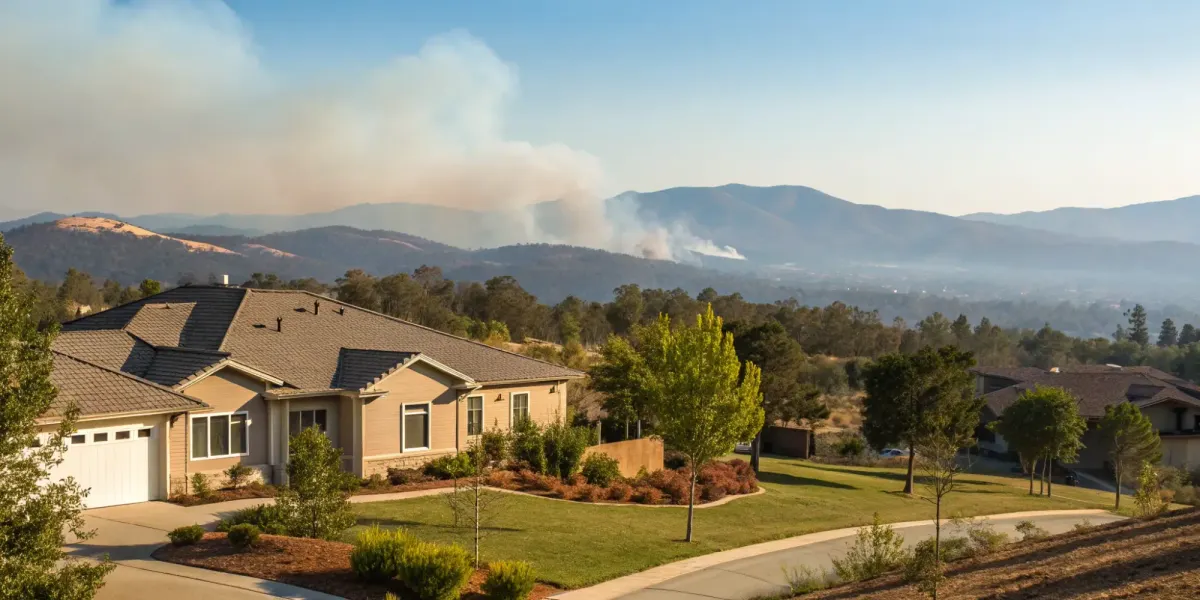
It’s not just you. Finding affordable home insurance in California, especially in a fire zone, can feel impossible. As major carriers pull back, your options shrink and the prices climb. But here's the good news: a "no" from a standard insurer isn't the end of the road. There are specialized carriers and independent agents ready to help. This guide will show you exactly how to get a home insurance quote by looking beyond the big names and connecting with the experts who know where to find the right coverage for your home.
Key Takeaways
- Take control by reducing your home's fire risk: Making your property safer with defensible space and fire-resistant materials isn't just for protection—it makes your home a better candidate for insurance and can lead to more coverage options.
- Partner with an independent agent: They work with multiple carriers, including specialized companies that cover high-risk homes, giving you access to policies you wouldn't find on your own.
- Organize your information before you shop: Having your property details, a home inventory, and a list of fire-safety upgrades ready shows insurers you’re prepared and helps your agent find the most accurate quotes much faster.
Understanding the Cost of Homeowners Insurance
National Averages and What to Expect
Let's talk numbers. Trying to pin down the "average" cost of homeowners insurance can feel a bit like guessing the weather—it changes depending on where you are. Nationally, you can expect to see annual premiums fall somewhere between $1,200 and over $2,000. The Insurance Information Institute provides this range as a general benchmark, but it's really just a starting point. Your specific situation, especially your home's location, plays the biggest role in determining your final cost. Think of the national average as the baseline before local risk factors, like the threat of wildfires or hurricanes, come into play and adjust the price up or down.
If you live in California, that national average might seem like a distant memory. Here, the average cost for home insurance is closer to $2,424 per year, and in high-risk fire zones, it can be even higher. This isn't arbitrary; it's a direct reflection of the increased risk that carriers take on in areas prone to natural disasters. When the risk of a total loss from a wildfire is high, the pool of available insurers shrinks, and the premiums for the remaining policies rise. This is the reality for many homeowners in our state, but it doesn't mean affordable, quality coverage is out of reach. It just means you have to be more strategic about where you look.
So, what exactly goes into that final number on your quote? Insurers look at a whole host of factors to calculate your premium. Your home's ZIP code, age, and overall condition are major players, as are your personal claims history and even your credit score. The good news is that some of these factors are within your control. For instance, many homeowners can find significant savings by bundling their home and auto policies with the same carrier. It’s a straightforward way to manage costs while ensuring you have the right protection in place for your biggest assets.
What Affects Your Home Insurance Quote in a Fire Zone?
Getting a home insurance quote in a high-risk fire zone can feel like a shot in the dark. The price you receive isn't random—it’s the result of a detailed calculation based on a few key factors. Insurance carriers are trying to predict the likelihood that your home might be damaged or destroyed in a wildfire. When you understand what they’re looking at, you can better prepare your property and your application to find the best possible coverage.
Think of it from the insurer's perspective: they are assessing risk. This risk is determined by your property’s specific location, the way it was built, and the broader insurance landscape in your state. While some of these factors are out of your control, others can be managed. Knowing the difference is the first step toward securing a policy that truly protects your home without breaking the bank. Let’s break down the three main elements that shape your home insurance quote.
How Wildfire Risk and Past Claims Affect Your Rate
The single biggest factor influencing your insurance quote is your home's direct exposure to wildfire risk. Insurers use sophisticated mapping tools and risk models to score your property’s vulnerability. They look at things like the surrounding vegetation (fuel), the slope of your land, and local weather patterns. If you live in an area with a history of frequent or severe wildfires, carriers see a higher probability of a future claim, which translates to a higher premium.
It’s not just about your property, either. The claims history of your entire neighborhood or region plays a significant role. After a major wildfire event causes widespread losses, insurance companies often re-evaluate their risk tolerance for that area. This can lead to higher rates for everyone, even for homeowners who didn't file a claim. It’s a tough reality of living in a beautiful but fire-prone region.
Why Your Home's Location and Materials Matter
Insurers will look closely at the specific characteristics of your home and property. Your home’s accessibility is a key concern; if you live on a narrow, winding road or in a canyon with limited access, it makes it harder for firefighters to defend your property. This increased risk can directly impact your ability to get a standard policy.
The materials used to build your home are just as important. A home with a wood shake roof and siding is considered much riskier than one with a Class A fire-rated roof made of composite shingles or metal. Insurers also check for vulnerabilities like open eaves and unscreened vents where embers can enter. Making proactive home hardening updates, like installing fine mesh screens over vents, can sometimes improve your insurability and demonstrate to carriers that you are actively reducing your risk.
Other Key Factors That Influence Your Premium
Beyond the big-picture risks like your home's location and regional fire history, insurers also look at factors that are more personal to you and your property. These details help them build a complete picture of the risk they’re taking on. Understanding these elements gives you more control over your application and can help you find a more favorable quote.
Your Credit Score and Personal Claims History
It might seem unrelated, but your credit-based insurance score can have a real impact on your premium. Insurers often see a strong credit history as an indicator of financial responsibility, which can translate to lower rates. Your personal claims history is also under the microscope. Filing multiple claims in a short period can signal a higher risk to insurers, often leading to increased premiums or even non-renewal. It’s wise to handle smaller repairs yourself and reserve filing a claim for major losses you can't cover on your own.
Your Home's Specific Characteristics
As we've touched on, the physical details of your home—from its construction materials to its accessibility for fire crews—are critical. But it's not just about having these features; it's about effectively communicating them. When you apply for insurance, be prepared to document any fire-resistant upgrades you've made. Did you replace a wood shake roof with a Class A composite one? Have the paperwork ready. Did you install ember-resistant vents? Take photos and keep the receipts. Presenting a detailed list of your home hardening efforts shows carriers that you are a proactive partner in risk reduction, which can make a significant difference in a competitive market.
How Today's Insurance Market Affects Your Quote
Finally, your quote is heavily influenced by the state of the insurance market itself, which is something you can’t control. In recent years, major insurance carriers have been limiting their exposure in high-risk states like California. Some have stopped writing new policies in certain ZIP codes altogether, while others are non-renewing existing customers. This shrinking availability creates a more competitive, and often more expensive, market for homeowners.
When standard insurers pull back, it leaves fewer options on the table. Many homeowners find themselves turning to specialized carriers or last-resort plans. For example, if you’re unable to find coverage in the private market, you may need to look into the California FAIR Plan, which provides basic fire coverage when other options aren't available. This market pressure is a primary reason why finding affordable, comprehensive coverage has become so challenging.
Key Insurance Terms to Know Before You Get a Quote
Insurance policies can feel like they’re written in another language. But when you’re comparing quotes, understanding a few key terms can make all the difference. Knowing what you’re looking at helps you accurately compare offers and ensures you’re not just choosing the cheapest option, but the right one for your home. Getting familiar with this vocabulary empowers you to ask the right questions and select a policy that provides real protection when you need it most. Let’s walk through a few of the most important terms you’ll encounter.
Replacement Cost vs. Actual Cash Value
These two terms determine how your insurance company will pay you after a loss, and the difference is huge. Replacement Cost Value (RCV) covers the full cost to rebuild or repair your home with materials of similar kind and quality, without deducting for depreciation. Think of it as the "new for old" option. On the other hand, Actual Cash Value (ACV) pays you for the replacement cost *minus* depreciation. So, if your 15-year-old roof is destroyed, an ACV policy will pay for a new roof less 15 years of wear and tear, leaving you to cover the difference. While an ACV policy has a lower premium, it can lead to significant out-of-pocket expenses after a claim. For most homeowners, RCV offers far better financial protection and peace of mind.
Understanding Other Structures Coverage
Your homeowners policy doesn’t just cover your house; it also protects other buildings on your property that aren't attached to the main dwelling. This is called "Other Structures" coverage. This includes things like a detached garage, a shed, a guesthouse, a workshop, or even a fence. Typically, this coverage is set as a percentage of your main dwelling coverage, often around 10%. It’s a good idea to take a quick inventory of the structures on your property and estimate what it would cost to replace them. If you have a large, custom-built workshop or an extensive fence, the standard amount might not be enough. You can often increase this coverage if needed to make sure everything is protected.
Do You Need a Rider for High-Value Items?
A standard homeowners policy is great for covering your everyday belongings, but it has limits on certain categories of high-value items. Things like jewelry, fine art, collectibles, and expensive electronics often have a specific, and usually low, coverage cap (for example, $1,500 for theft of jewelry). If the value of your items exceeds this limit, you’ll want to add a rider—also called a floater or scheduled personal property endorsement—to your policy. This add-on provides specific, separate coverage for your valuables. To get a rider, you’ll likely need a recent appraisal of the item. It’s the only way to ensure your most precious belongings are fully protected for their true worth.
4 Things to Do Before You Get a Quote
Getting a home insurance quote in a high-risk fire zone requires more than just a quick online form. Insurers are looking closely at every detail, so a little preparation can go a long way. By gathering the right information ahead of time, you can streamline the process, present your home in the best possible light, and have a much more productive conversation about your coverage options. Think of it as building a strong case for why your home is a good risk, even in a challenging area.
Gather Your Key Property Documents
Before you even start a conversation with an agent, get your paperwork in order. Insurers will need specific details about your property to give you an accurate quote. Having everything ready shows you’re organized and serious. You’ll want to have your property deed, mortgage information, and the square footage and year your home was built. If you have a current or previous insurance policy, have that declaration page handy, too. It provides a snapshot of your coverage history. In high-risk areas, underwriters scrutinize applications carefully, so providing complete and accurate information from the start helps build trust and avoids potential delays or denials down the line.
Create a Detailed Home Inventory
A home inventory is simply a list of your personal belongings, along with their estimated value. While standard homeowners policies typically include fire coverage, you’ll need to prove what you owned if you ever have to file a claim. You don’t need a complicated spreadsheet—a simple video walkthrough of your home where you narrate what you’re seeing can work perfectly. Open closets and drawers to document contents. For big-ticket items like electronics or jewelry, make sure to note the make, model, and serial number, and keep receipts if you have them. Store this inventory in the cloud so you can access it from anywhere.
Document Your Fire Safety Upgrades
This is your chance to show an insurer all the steps you’ve taken to protect your property. Making your home safer from fire can directly impact your ability to find affordable coverage. Create a detailed list of any fire-resistant features or home-hardening improvements you’ve made. This includes things like a Class A fire-rated roof, dual-paned windows, ember-resistant vents, and a well-maintained defensible space around your property. Insurance companies often provide discounts for these proactive measures because they reduce the overall risk. Don’t leave anything out—every improvement helps build your case for better rates and more options.
Understand Your Area's Official Fire Risk
Understanding your property’s specific risk level helps you anticipate the questions and concerns an insurer might have. It’s no secret that getting standard insurance is becoming more difficult in high-risk parts of California. You can use online resources like your state’s fire marshal website or CalFire’s risk maps to see how your neighborhood is rated. Knowing your Fire Hazard Severity Zone (FHSZ) rating gives you a baseline for conversations with agents. As wildfire risk grows in new areas, being informed about your local environment shows you’re a proactive homeowner, which is exactly what insurers want to see.
Where to Find Insurance for High-Risk Homes
When you live in a beautiful but high-risk area, getting a "no" from an insurance company can feel incredibly discouraging. It’s easy to think you’ve run out of options, but the truth is, you just need to know where to look. The standard insurance carriers you see advertised everywhere often have strict guidelines that automatically disqualify properties in fire zones. The key is to shift your search away from these one-size-fits-all providers and toward more specialized channels.
Think of it like this: you wouldn't go to a general family doctor for a complex specialty surgery. The same logic applies here. You need an expert who understands the unique challenges of insuring a home in a wildfire-prone region. This means connecting with independent agents who have access to a wider market, exploring companies that are built to handle this specific type of risk, and even tapping into the knowledge of your local community. By exploring these avenues, you can find partners who are equipped and willing to help you secure the protection your home needs. It takes a bit more legwork, but finding the right coverage is absolutely possible.
Talk to an Independent Insurance Agent
Working with an independent insurance agent is one of the most effective steps you can take. Unlike "captive" agents who only represent one company, independent agents work with multiple insurance carriers. This gives them a much broader view of the market and access to policies you would never find on your own. They are your advocates, searching for the best fit for your specific situation.
An experienced local agent understands the nuances of your area. They know which carriers are still writing policies in high-risk zones and which smaller, specialized companies might be a perfect match. These professionals can help you find the right coverage, ensuring your home’s protective features are properly highlighted to get you the most favorable terms. They act as your personal guide, saving you the time and frustration of calling dozens of companies just to hear "no."
Go Directly to an Insurance Carrier
While it’s true that many large, national insurance companies are reducing their presence in high-risk areas, it’s still worth reaching out to them directly. Think of this as your due diligence. Most major carriers, like Travelers or State Farm, allow you to get a quote online or over the phone. This process can give you a quick read on the standard market’s appetite for risk in your specific neighborhood. Be prepared that you might get an automatic "no" based on your ZIP code alone, which can be frustrating.
However, this step is valuable even if it results in a rejection. It helps you confirm that your property does, in fact, require a more specialized approach. By checking this box first, you can confidently tell an independent agent that you’ve already explored the standard market and need their expertise to find carriers who are willing to look closer at your home’s individual characteristics and the fire mitigation efforts you’ve made.
Use Online Comparison Tools
Online comparison tools can be a great way to quickly survey the insurance landscape. Platforms like The Zebra or Policygenius let you enter your information once and receive quotes from multiple carriers side-by-side, saving you the hassle of filling out the same forms over and over again. For homeowners in low-risk areas, these sites are incredibly efficient for finding competitive rates on standard policies.
The challenge for those in fire zones is that these platforms primarily pull from the same pool of standard insurance companies. If your property is flagged as high-risk by one carrier, it’s likely that most others on the platform will also decline to offer a quote. While these tools are excellent for getting a quick snapshot of the market, they often lack access to the specialized, surplus lines carriers that an independent agent can connect you with. Use them as a starting point, but don’t be discouraged if they don’t yield the results you need.
Explore Insurers Specializing in High-Risk Areas
Some insurance companies are specifically designed to cover properties that standard carriers won't. These are called surplus lines (or "non-admitted" insurers) and they specialize in underwriting unique or high-risk situations. While their names might not be as familiar, they are regulated and offer a vital service for homeowners in fire-prone areas. They have the expertise to accurately assess the risk and price a policy accordingly.
Another critical resource is the California FAIR Plan, which acts as a last-resort option for homeowners unable to find coverage elsewhere. It provides basic fire insurance when the traditional market fails. While its coverage is less comprehensive than a standard policy, it offers an essential safety net. Often, homeowners will pair a FAIR Plan policy with a separate Difference in Conditions (DIC) policy to cover things like liability and theft.
Ask Neighbors and Local Agents for Leads
Sometimes, the best leads come from right next door. Your neighbors are facing the same insurance challenges you are, so don't hesitate to ask them who they use for their homeowners insurance. They can provide firsthand accounts of their experiences with different companies and agents, giving you valuable insight into who is actively writing policies in your immediate area. This simple conversation can save you hours of research.
Beyond your neighbors, talk to other local professionals. Your real estate agent, mortgage broker, or even members of your local Fire Safe Council often have a pulse on the local insurance market. They can recommend agents and companies with a proven track record of helping homeowners in your community. This grassroots approach helps you gather real-world intelligence and find trusted partners who understand the landscape.
What to Do When You Can't Get a Standard Policy
It’s incredibly frustrating to learn that traditional insurance companies won’t cover your home. After you’ve been denied coverage by a few standard carriers, it can feel like you’ve hit a dead end. But you haven’t. In California, there’s a safety net of options designed for exactly this situation. These are often called “last resort” policies, but it’s more helpful to think of them as specialized solutions for high-risk properties.
When the standard market isn’t an option, your path forward will likely involve one of three routes: the California FAIR Plan, a surplus lines insurer, or another state-sponsored program. Each has its own structure and purpose, but all are designed to provide a crucial layer of protection when you can’t get it anywhere else. Understanding how they work is the first step toward securing the coverage you need to protect your home and your peace of mind.
Consider the California FAIR Plan and a DIC Policy
If you’ve been turned down for coverage, your first stop will likely be the California FAIR Plan. Think of it as a state-mandated insurance pool for homeowners who can't find a policy on the open market. However, it’s critical to understand that the FAIR Plan is not a comprehensive homeowners policy. It’s a basic, fire-only plan that covers damage from fire, lightning, and smoke.
To get the kind of protection a standard policy offers, you’ll need to pair it with a second policy called a Difference in Conditions (DIC) policy. This separate "wrap-around" coverage fills in the gaps left by the FAIR Plan, covering risks like theft, water damage, and personal liability. Piecing these two policies together is the most common way to build comprehensive coverage in a high-risk fire zone.
Learn About Surplus Lines Insurers
Another route is to work with a surplus lines insurer. These are often called "non-admitted" carriers, which simply means they aren’t regulated by the state in the same way as standard insurers like State Farm or Allstate. This allows them to take on higher risks that standard companies avoid. While they can be a great solution, it’s important to do your homework.
Because they don’t have the same state-level safety nets, you need to be confident in their financial stability. Before signing a policy, it’s crucial to check their financial strength rating from an agency like AM Best. This rating acts like a report card, telling you how capable the insurer is of paying out claims. A strong rating ensures the company will be there for you when you need them most.
Check for Other State-Sponsored Insurance Plans
State-sponsored programs exist because regulators know that a healthy housing market requires accessible insurance. The California FAIR Plan is the primary state-run program designed to ensure no homeowner is left completely uninsured. While it provides essential fire coverage, it’s important to remember its purpose: it’s a foundational safety net, not a full-service solution.
Policies from these programs typically cost more than standard insurance and only cover the basics. They are there to provide a last line of defense against catastrophic fire loss. By pairing the FAIR Plan with a DIC policy, you can create a complete coverage package, but it’s essential to manage your expectations about the cost and complexity compared to a single, standard policy.
How to Lower Your Fire Risk and Improve Your Options
When you live in a high-risk fire zone, it can feel like all the control is in the hands of the insurance companies. But you have more power than you think. By proactively reducing your property’s wildfire risk, you not only create a safer home for your family but also make your property a much more attractive prospect for insurers. Taking these steps can open up more coverage options, help you secure better rates, and demonstrate that you are a responsible homeowner.
Think of it as a partnership: you do your part to protect your home, and insurers are more willing to do theirs. This process involves creating a protective bubble around your property through landscaping, construction materials, and specific home upgrades. Let’s walk through the most effective ways to lower your fire risk and strengthen your insurance application.
Create and Maintain Defensible Space
One of the most critical steps you can take is creating "defensible space" around your home. This is essentially a buffer zone that slows or stops a wildfire from reaching your house. Insurance inspectors will look for this, and in many areas, it’s a requirement for coverage. Start by clearing away flammable materials within at least 30 feet of your home’s exterior. This includes dead leaves, pine needles, dry grass, and woodpiles.
Trim tree branches so they don’t hang over your roof, and remove flammable shrubs and plants, especially from under windows or next to your siding. The goal is to create a clean, green, and lean landscape that gives firefighters room to work and robs an approaching fire of fuel. For detailed guidelines, you can review the standards set by CAL FIRE.
Upgrade to Fire-Resistant Building Materials
The materials your home is made of play a huge role in its ability to withstand a wildfire. Embers can travel a mile or more ahead of a fire, and if they land on a flammable roof, your home is in serious trouble. Using fire-resistant building materials is a key part of home hardening. Your roof is the most vulnerable area, so consider materials with a Class A fire rating, like metal, slate, or composition shingles.
Beyond the roof, look at your siding and decks. Materials like stucco, fiber cement, and treated wood are far less combustible than traditional wood siding. While upgrading your home’s exterior can be a significant investment, it’s one of the most effective long-term strategies for protecting your property and maintaining insurability.
Install Modern Fire Alarms and Sprinklers
Insurers love to see internal fire protection systems because they can stop a small fire from becoming a total loss. Make sure you have smoke detectors installed in every bedroom and on each level of your home, and test them regularly. This is a simple, low-cost measure that saves lives and is a basic requirement for most policies.
For an even higher level of protection, consider installing a residential fire sprinkler system. While it’s a bigger project, sprinklers can extinguish a fire in less time than it would take the fire department to arrive. Many insurance companies offer significant discounts for homes with sprinklers, which can help offset the installation cost over time and make your home much easier to insure.
Learn the Basics of Home Hardening
Home hardening focuses on sealing the small gaps where flying embers can enter your home and start a fire from the inside. Start by covering all vent openings—like those for your attic, foundation, and dryer—with a fine metal mesh screen (1/8-inch is the standard). This simple fix prevents embers from getting sucked into your home.
Next, inspect your windows. Double-paned windows provide better insulation against a fire’s heat, and tempered glass is more resistant to breaking. Ensure your window frames are in good condition and that there are no gaps where embers could slip through. These small, targeted upgrades create a powerful defense system, and you can find more guidance on how to harden your home from the Insurance Institute for Business & Home Safety.
Common Ways to Save on Your Home Insurance Premium
Once you've found a carrier willing to cover your home, the next step is to make sure the premium is as affordable as possible. While rates in high-risk areas are often higher, there are still several ways to bring down the cost. Insurers reward proactive and loyal customers, so it pays to explore every available discount. A few simple questions and strategic choices can lead to significant savings on your annual premium, giving you more control over your budget.
Bundle Your Home and Auto Policies
One of the most common and effective ways to lower your insurance costs is by bundling your policies. This simply means buying your home and auto insurance from the same company. Insurers love this because it builds customer loyalty, and they pass the savings on to you in the form of a multi-policy discount. This strategy can often lead to significant savings, typically ranging from 5% to 15% off your total premium. Beyond the financial benefit, bundling also simplifies your life by consolidating your bills and giving you a single point of contact for all your insurance needs.
Ask About Other Common Discounts
Beyond bundling, don't hesitate to ask your agent about other potential discounts. Insurers offer a wide range of credits, but they aren't always advertised or automatically applied. You might qualify for a lower rate by installing protective devices like a security system or fire alarms. Other common discounts include having a newer or more resilient roof, being over the age of 50, or even paying your entire annual premium upfront instead of in monthly installments. Many of the home hardening measures that improve your insurability can also qualify you for discounts, so be sure to provide a full list of your home's safety features.
Getting Your Quote: What to Expect Step-by-Step
Getting an insurance quote in a high-risk fire zone isn't as simple as filling out an online form and getting an instant price. Because carriers are taking on more risk, they need a much clearer picture of your property and its specific vulnerabilities. The process is more hands-on, involving detailed assessments, careful underwriting, and a lot more communication. Think of it less like a quick transaction and more like a partnership where you, your agent, and the insurance carrier work together to find the right fit. This means you'll be more involved, but it also means the policy you get will be better tailored to your home's reality. An independent agent is crucial here, acting as your guide and advocate. They can explain why certain information is needed and help you present your home in the best possible light to underwriters. Knowing what’s coming can make the entire experience feel more manageable and less overwhelming. From property inspections to understanding the fine print, let's walk through the key stages so you can feel prepared and confident every step of the way.
Preparing for the Property Inspection
Before an insurance company offers you a policy, they’ll need to verify your home’s condition and risk level. This almost always involves a property inspection, which can be done either in person or virtually. An inspector will evaluate factors like your roof material, defensible space, and proximity to brush. Insurance companies charge more for homes in areas with higher wildfire risk because the potential for damage is greater, and the inspection is their way of measuring that risk accurately. An independent agent can be your best ally here, as they often know what specific carriers are looking for and can help you prepare your property for the assessment.
Handling the Paperwork and Waiting Periods
Time is of the essence, especially if you’ve received a non-renewal notice. In California, insurance companies must give you at least 45 days notice before your policy expires, which means you need to start shopping for new coverage immediately. To speed things up, have your documents ready. You’ll typically need your current or previous policy declaration page, your property deed or mortgage statement, and your home inventory list. Having this information organized and on hand allows your agent to get to work quickly and find quotes from carriers who are actively writing policies in your area.
Watch Out for Common Policy Gaps and Limitations
It’s critical to understand that not all policies are created equal. Even if a standard homeowners policy includes fire coverage, it might have specific exclusions for wildfire damage in high-risk areas. You need to ask direct questions and read the fine print. If you can’t secure a traditional policy, you might be offered a standalone fire insurance policy. This is a separate, more limited policy that only covers fire-related perils. It’s often paired with a Difference in Conditions (DIC) policy to cover other risks like theft and liability. Make sure you know exactly what is—and isn’t—covered before you commit.
How to Compare and Choose the Right Policy
Getting a few quotes is just the first step. Now comes the real work: figuring out which policy actually gives you the protection you need. It’s tempting to just pick the cheapest option, but the best policy is the one that will be there for you when it matters most. When you’re comparing offers, you’re doing more than just looking at prices—you’re choosing your financial safety net. Let's break down how to look past the premium and compare policies like a pro, so you can feel confident in your decision.
Compare Coverage, Deductibles, and Exclusions
First, you need to understand what a policy actually covers. A standard homeowners policy typically includes fire coverage for your home’s structure, your personal belongings, and liability if someone is injured on your property. However, in high-risk fire zones, this isn't always guaranteed. Some insurers may add specific exclusions for wildfire damage, leaving you unprotected. Read the fine print carefully to see what’s included and, more importantly, what isn’t. Also, pay close attention to the deductible—the amount you’ll pay out of pocket before insurance kicks in. A higher deductible can lower your premium, but make sure it’s an amount you could comfortably cover after an emergency.
Balance the Monthly Premium with Your Coverage Needs
Let’s be honest: insurance in a high-risk fire area is expensive. It’s not uncommon to see premiums run into the thousands of dollars per year. While it’s smart to find an affordable option, the cheapest plan isn’t always the best value. Insurance companies set their prices based on risk, and homes in wildfire zones simply have a greater chance of expensive damage. Instead of focusing only on the premium, think about the total potential cost. A low-premium plan with a high deductible and major coverage gaps could leave you paying far more out of pocket if you ever need to file a claim.
Check the Claims Process and Additional Living Expenses
A policy is only as good as the company’s ability to pay a claim. Before you commit, look into the insurer’s reputation for handling claims. Are they responsive and fair? Beyond that, check for a crucial benefit called Additional Living Expenses (ALE) or Loss of Use coverage. This pays for hotel stays, rent, and other living costs if your home becomes uninhabitable after a fire. This coverage is a lifeline that gives you stability during a chaotic time. Also, be aware of what isn’t covered. If you end up with a state-run plan like the FAIR Plan, you’ll need a separate policy to cover things like theft and liability. Finally, remember that insurers expect you to do your part by maintaining defensible space to reduce your home’s risk.
Consider a Higher Deductible to Lower Your Premium
One of the most direct ways to influence your premium is by adjusting your deductible. The deductible is the amount of money you agree to pay out of pocket for a covered loss before your insurance company starts paying. Think of it as your share of the risk. By choosing a higher deductible, you’re telling the insurer you’re willing to cover a larger portion of a potential claim yourself, which in turn lowers your monthly or annual premium. This can be a smart strategy for managing costs, but it comes with a major caveat. You must be realistic about what you can afford. A higher deductible only makes sense if you have that amount saved and accessible in an emergency fund.
Review an Insurer's Financial Strength Rating
When you’re looking at policies from surplus lines or other specialized carriers, it’s essential to look beyond the price and coverage details. You need to know if the company has the financial stability to pay out claims, especially after a widespread disaster. This is where financial strength ratings come in. Independent agencies like AM Best evaluate insurance companies and give them a grade, much like a report card, on their financial health. A strong rating (such as A- or better) indicates that the insurer has a solid track record and the capital to meet its obligations. This step is non-negotiable, as these carriers don't have the same state-backed guarantees as standard insurers, making their financial solvency your primary safety net.
Plan for an Annual Policy Review
Your home insurance policy isn't a "set it and forget it" document. Your life and your home change, and your coverage needs to keep up. Make it a habit to review your policy with your agent at least once a year. Did you complete a major renovation that increased your home's value? Did you buy new furniture or expensive electronics? Have local construction costs gone up? An annual check-in ensures your coverage limits are still adequate to rebuild your home and replace your belongings. It’s also a great time to discuss any new discounts you might qualify for, especially if you’ve made recent fire-safety upgrades. This simple yearly habit can prevent you from being dangerously underinsured when you need protection the most.
Related Articles
- Western US Home Insurance | Wildfire & High-Risk Coverage | Five Bays Insurance Agency
- FAQ: Wildfire & High-Risk Home Insurance | Five Bays Insurance Agency
- Policy Checkup: Wildfire & High-Risk Home Insurance | Five Bays Insurance Agency
- Disclaimers & Disclosures | Five Bays Insurance Agency
- Western US Home Insurance Overview | Five Bays Insurance Agency
Frequently Asked Questions
Why did my insurance premium increase so much this year, even though I didn't file a claim? This is a frustrating but common experience for homeowners in fire-prone areas. Your rate isn't just based on your personal history; it's heavily influenced by the risk of the entire region. After a major wildfire season, insurance carriers often re-evaluate the risk for a whole area, leading to higher premiums for everyone living there. It's also a matter of supply and demand. As some large insurers reduce their presence in states like California, the remaining companies have less competition, which can also drive up costs across the board.
Will completing home hardening projects guarantee me a lower insurance rate? While there's no absolute guarantee, making these improvements significantly strengthens your position. Home hardening, like installing ember-resistant vents or a Class A fire-rated roof, shows insurers that you are actively working to reduce your property's risk. This can open up more coverage options from carriers who might have otherwise declined your application. Some companies offer specific discounts for these features, but the primary benefit is making your home more insurable in a tough market.
Is the California FAIR Plan my only choice if I can't get a standard policy? Not necessarily, but it is the most common safety net. The FAIR Plan is designed as a last-resort option for basic fire coverage. Before you go that route, an independent agent can help you explore other possibilities, like surplus lines insurers. These are specialized companies that are willing to take on risks that standard carriers won't. Your best path is to exhaust all private market options with an expert guide before turning to the FAIR Plan.
What's the real benefit of using an independent agent instead of just calling a big carrier myself? Think of an independent agent as your personal shopper for insurance. A captive agent at a large carrier can only sell you their company's products. An independent agent, on the other hand, works with many different insurance companies, including smaller, specialized ones you've likely never heard of. They understand the local market, know which carriers are still writing policies in your area, and can advocate on your behalf to find the best possible fit for your high-risk property.
If I combine a FAIR Plan policy with a DIC policy, is my coverage just as good as a standard homeowners plan? When structured correctly, this combination can provide comprehensive protection that is very similar to a standard policy. The FAIR Plan covers fire damage, while the separate Difference in Conditions (DIC) policy "wraps around" it to cover other risks like theft, water damage, and personal liability. The key is to work with an agent to ensure there are no gaps between the two policies. While it involves managing two separate plans, it's a very effective strategy for creating complete coverage when a single policy isn't available.


