
Home Insurance Wildfire: What You Need to Know
Find out which insurers still offer home insurance wildfire coverage in California fire zones and learn how to protect your property with the right policy.

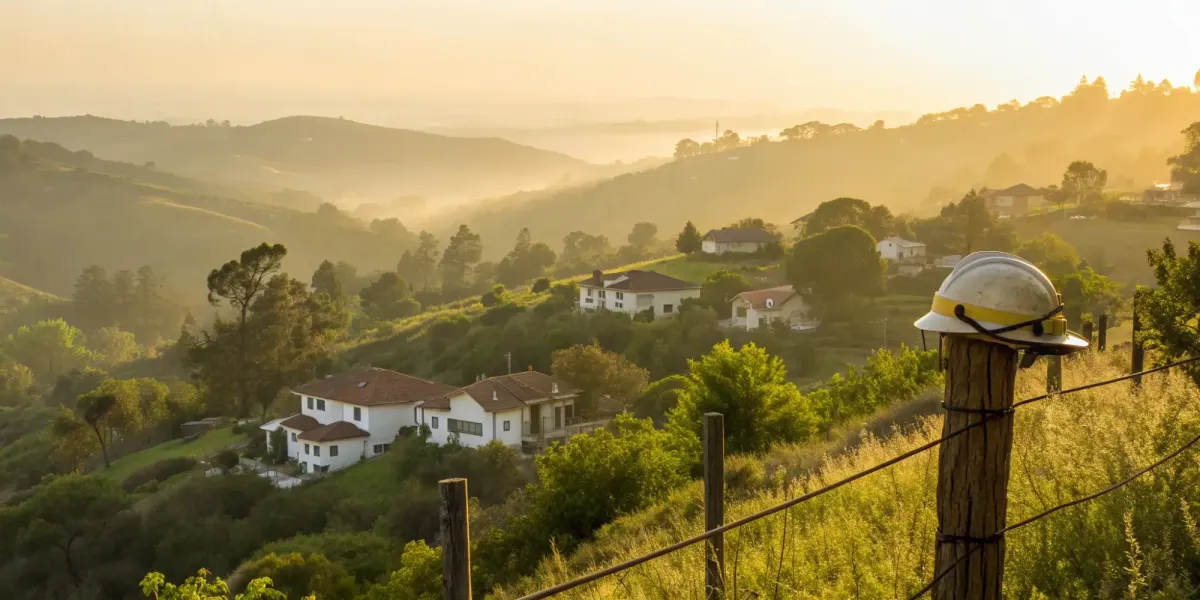
Feeling stuck trying to find homeowners insurance in California? It's like you've been handed an outdated map. You call the big companies, only to hear they aren't writing new policies in your neighborhood. This is a common frustration for homeowners in high-risk fire zones. But here's the good news: you don't have to keep hitting dead ends. The key is knowing where to look. We'll pull back the curtain and show you which insurance companies are writing in California fire zones. These are the specialty carriers actively providing comprehensive home insurance wildfire protection that you won't see advertised on TV.
Key Takeaways
- Make your home a better risk: The most effective way to find and keep insurance is to actively lower your property's wildfire risk. Focus on creating defensible space and hardening your home with fire-resistant materials to show insurers you are a proactive partner.
- Your options have changed, not disappeared: While major carriers have pulled back, coverage is still available from specialty insurers and regional carriers that understand the California market. Don't assume the FAIR Plan is your only choice—it should be a last resort, not a first stop.
- The FAIR Plan is a starting point, not a complete policy: It provides essential fire coverage but leaves you exposed to risks like theft and liability. To be fully protected, you must combine it with a separate Difference in Conditions (DIC) policy to fill these critical gaps.
Can You Still Get Home Insurance in a California Fire Zone?
If you’ve been searching for home insurance in a high-risk fire area, you know how frustrating it can be. It often feels like every door is closing as major carriers pull back. The good news is that coverage is still available—you just have to know where to look. The market has shifted, and understanding the key players, from specialty insurers to regional carriers, is the first step toward finding a policy that protects your home and your peace of mind.
Meet the Insurers Still Covering California Homes
While the California Department of Insurance maintains a list of licensed residential insurers, this list can be misleading. Just because a company is licensed in the state doesn’t mean it’s actively writing new policies in your specific neighborhood. Many are only renewing existing customers or have strict limitations on the types of homes they’ll cover. This is where working with an independent agency helps. We build relationships with a network of carriers, giving us direct insight into which companies are still writing policies in fire-prone regions and which ones are the right fit for your property.
What's the Deal with State Farm & Farmers?
You’ve probably seen the headlines. Major national carriers that were once household names for California homeowners are now significantly limiting their presence. State Farm, the state's largest home insurer, stopped accepting new applications in 2023 and began non-renewing tens of thousands of policies. Similarly, Farmers Insurance has capped its new policies. These companies are backing away due to the increased financial risk from catastrophic wildfires and the rising costs of rebuilding. While this is a frustrating reality for many long-time customers, it highlights the need to look beyond the big brands for sustainable coverage.
Why Specialty Insurers Are Your Best Bet
As traditional insurers step back, specialty insurers are becoming more important. The most well-known is the California FAIR Plan. It’s not a private company but a state-mandated insurance pool designed as a last-resort option for homeowners who can’t find fire coverage anywhere else. A FAIR Plan policy provides basic but essential protection against fire, lightning, and smoke damage. It’s important to remember that it’s not a comprehensive homeowners policy—it won’t cover things like theft or liability. For that reason, it’s often paired with a supplemental policy to fill in the gaps.
What Are Surplus Lines and Regional Carriers?
Beyond the major brands and the FAIR Plan, there are other key players in California’s insurance market. Regional carriers often have a deeper understanding of local risks and may be more willing to write policies in certain areas. There are also surplus lines carriers, which are non-admitted insurers that have the flexibility to cover high-risk properties that standard carriers won’t. Because they aren’t bound by the same rate regulations as admitted carriers, they can adjust their pricing to match the risk. An independent agent can help you access these specialized markets and find a carrier willing to protect your home.
Why Are Insurers Leaving California?
If you’ve received a non-renewal notice or struggled to find affordable coverage, you’re not alone. It can feel personal, but the truth is that major insurance carriers are pulling back from the entire state due to a complex mix of escalating risks, regulatory hurdles, and rising costs. Understanding these factors is the first step toward finding a solution. At its core, the problem is that the money insurers are paying out in claims has started to far exceed the premiums they’re allowed to collect. This has created an unsustainable market, forcing many to limit their exposure or leave California altogether.
The Real Impact of Growing Wildfire Risk
The single biggest driver of the current insurance crisis is the increased frequency and severity of wildfires. What were once considered rare, catastrophic events are now a regular threat for millions of homeowners. For insurance companies, this new reality represents an enormous financial risk. A single wildfire can destroy hundreds or even thousands of homes, leading to billions of dollars in claims. This isn't just a fluke; it's a consistent pattern that has made it incredibly difficult for insurers to accurately price their policies and remain profitable in high-risk areas. The California insurance crisis is a direct result of these devastating and costly fires.
The Data Behind the Risk
To understand why insurers are so cautious, it helps to look at the numbers. The financial impact of wildfires goes far beyond the cost of rebuilding homes. These events can significantly reduce the value of homes and land, with estimates reaching into the hundreds of billions of dollars each year. When insurers see this level of consistent, large-scale financial loss, they have to reassess whether they can afford to take on that risk. This massive exposure is a key reason why so many are choosing to limit their policies or pull out of high-risk areas altogether.
How Wildfires Affect Property Values and Utilities
The risk doesn't stop at your property line; it extends to the essential services you rely on. As wildfires become more common, they increasingly damage power lines and other important equipment. This puts immense strain on utility companies, which then face their own challenges securing insurance for their infrastructure. This creates a ripple effect across the state, as the instability of critical services adds another layer of risk that insurers must account for when deciding whether to offer coverage in a community. It’s one more factor making the California market so challenging.
How California's Rules Impact Your Premiums
While designed to protect consumers, California's insurance regulations have unintentionally added to the problem. The state requires insurers to base their rates primarily on historical loss data, not on future projections. In a rapidly changing climate, this model no longer works. Insurers argue that they can't charge premiums that accurately reflect the current, much higher risk of wildfire. When they can't raise rates to cover their potential losses, they are left with two choices: face massive financial deficits or stop writing policies in high-risk areas. This regulatory friction is a key reason why so many carriers have decided it's simply too risky to do business here.
A Look at Recent State-Level Insurance Laws
State lawmakers are stepping in with new rules aimed at stabilizing the market and protecting homeowners. In California, for example, one law holds utility companies more accountable for their role in starting fires, creating a fund to help manage the massive financial risk they pose. This is a big deal because it addresses one of the core issues that makes insurers nervous about covering homes here. At the same time, states are reinforcing safety nets like the California FAIR Plan, which acts as a last-resort option for fire coverage when you can’t find it elsewhere. Other states are also taking action. In Oregon, for instance, a law prevents insurers from using state wildfire maps as the sole reason to cancel a policy or hike your rates, giving homeowners more transparency and protection. These legislative efforts show a growing awareness that the old rules aren't working and that new approaches are needed to keep homeowners safely insured.
The Sticker Shock of Rebuilding After a Fire
It’s not just the fires themselves that are expensive—it’s the cost to rebuild afterward. In recent years, inflation, supply chain disruptions, and a shortage of skilled labor have caused construction costs to skyrocket. When a home is lost in a wildfire, the cost to replace it is often much higher than it was just a few years ago. This means insurers are paying out more for each individual claim. When you multiply these higher rebuilding costs by the thousands of homes lost in major fires, the financial burden on insurance companies becomes immense, further contributing to their decision to reduce their presence in the state.
How Climate Change Impacts Your Policy
Ultimately, climate change is the long-term force reshaping the insurance landscape. Insurers are now using advanced modeling that predicts future risk rather than just looking at the past. These models show that the threat of wildfires and other natural disasters is only going to grow. As a result, insurance companies are fundamentally changing their approach to risk. They are re-evaluating areas once considered safe and adjusting their pricing to reflect the higher probability of future losses. For homeowners in fire-prone zones, this forward-looking risk assessment often leads to higher premiums or, in many cases, the inability to find coverage from traditional carriers.
Understanding Your Wildfire Coverage
When you’re worried about wildfires, the fine print on your insurance policy is probably the last thing you want to decipher. But knowing exactly what’s covered—and what isn’t—is one of the most powerful steps you can take to prepare. A standard homeowners policy is designed to protect you from fire, but the specifics can vary. Let’s break down the key parts of your coverage so you can feel confident that you have the right protection in place for your home and family.
What a Standard Homeowners Policy Covers
A typical homeowners policy is built to handle the financial aftermath of a fire. It’s broken down into a few main categories that cover your physical structures and the belongings inside them. Think of it as a comprehensive safety net designed to help you rebuild your life after a disaster. While every policy has its limits and conditions, most provide a strong foundation of protection against fire and smoke damage, which are the primary threats from a wildfire.
Dwelling and Other Structures
This is the core of your policy. Dwelling coverage pays to repair or completely rebuild your house if it's damaged or destroyed by a wildfire. This includes damage from the flames themselves as well as from smoke, which can often cause extensive harm even if the fire doesn't reach your home directly. This protection also extends to other structures on your property that aren't attached to your house, like a detached garage, a shed, or a guesthouse. It’s designed to restore your physical property to its pre-fire condition.
Personal Property
Your home is more than just walls and a roof; it’s filled with your personal belongings. Personal property coverage is what helps you replace those items if they are lost or damaged in a wildfire. This includes everything from furniture and electronics to clothing and kitchenware. An interesting and important detail is that this coverage often extends to theft or vandalism that might occur in the chaotic aftermath of a fire, providing an extra layer of security when your property is most vulnerable.
Coverage for Additional Living Expenses (ALE)
If a wildfire forces you to evacuate or makes your home unlivable, Additional Living Expenses (ALE) coverage is a critical lifeline. This part of your policy helps cover the extra costs you incur while you’re displaced. It’s not meant to pay your regular mortgage, but it does reimburse you for the difference between your normal living costs and your temporary ones. This can include hotel bills, the cost of restaurant meals, laundry services, pet boarding, and even furniture rental for a temporary home. ALE ensures you can maintain a sense of normalcy without draining your savings while you wait to return home.
Common Policy Exclusions to Know
Knowing what your policy covers is essential, but understanding what it *doesn't* cover is just as important. Every insurance policy has exclusions, and being aware of them ahead of time can prevent major surprises during a claim. For wildfire risk, a few specific exclusions come up frequently. These are areas where you might need to find supplemental coverage or simply accept the risk. Taking a clear-eyed look at these limitations helps you create a more complete financial protection plan.
Landscaping Damage
While your policy is great at protecting your home, it usually offers very limited, if any, coverage for wildfire damage to your landscaping. This means trees, shrubs, lawns, and gardens destroyed by a fire are typically not covered for replacement. Some policies might offer a small amount of coverage, but it’s rarely enough to restore a mature landscape. This is an important factor to consider, as the cost of replacing landscaping can be significant, and it’s a cost you will likely have to cover out of pocket.
Intentional Acts and Other Disasters
This exclusion is fairly straightforward but crucial to understand. No insurance policy will cover damage that you cause intentionally. Beyond that, policies also exclude damage resulting from what’s called “willful negligence.” In a wildfire context, this could be interpreted as a failure to take reasonable precautions to protect your property, especially if you’ve been officially ordered to clear brush or take other fire-safety measures. It’s a reminder that proactive risk reduction, like creating defensible space, isn’t just a good idea—it can be a key part of maintaining your coverage.
What Is the California FAIR Plan (and When Should You Use It)?
If you’ve received a non-renewal notice or been denied coverage by multiple insurance companies, you might feel like you’re out of options. This is where the California FAIR Plan comes in. It’s not a traditional insurance company but a state-mandated program that acts as a safety net for homeowners who can’t find fire insurance anywhere else. Think of it as the insurer of last resort, created to ensure everyone has access to at least basic property protection.
While it’s a critical resource, it’s important to understand exactly what the FAIR Plan is—and what it isn’t. It’s a solution designed for a specific problem, and knowing when and how to use it is key to protecting your home and your finances.
Why the FAIR Plan Is Your Last Line of Defense
The California FAIR Plan was specifically created to provide basic fire insurance to homeowners in high-risk areas who are turned away by the traditional market. It’s not meant to compete with private insurers; instead, it fills a gap for those with nowhere else to go. Because it’s designed as a last-resort option, you can’t simply choose the FAIR Plan over a standard policy. It’s there for you when other doors have closed. This structure ensures that it serves its intended purpose: protecting Californians who, through no fault of their own, can’t secure coverage to protect their homes from fire.
What the FAIR Plan Does (and Doesn't) Cover
A FAIR Plan policy is a starting point, not a complete solution. It provides essential protection against damage caused by fire, lightning, and smoke. However, its protections are limited. A standard FAIR Plan policy does not cover common risks like theft, water damage, or personal liability—the kind of coverage that protects you if someone is injured on your property. While it offers a crucial shield against fire, it leaves significant gaps that most homeowners need to fill. Understanding these limitations is the first step to building a complete protection plan for your home.
How to Qualify and Apply for the FAIR Plan
To be eligible for the FAIR Plan, you must first prove that you’ve tried and failed to get coverage elsewhere. This typically means you need to show that you’ve been denied a policy by at least one private insurer. This requirement reinforces the plan’s role as a last resort. The application process involves submitting documentation of your property and your attempts to find insurance on the private market. While it adds an extra step, this process ensures that the program remains available for those who truly need it most.
How to Supplement Your FAIR Plan Policy
Because the FAIR Plan only covers the basics, most homeowners need to purchase a second policy to get comprehensive protection. This supplemental plan is called a Difference in Conditions (DIC) policy. A DIC policy wraps around your FAIR Plan policy, adding in the coverages it lacks, such as liability, theft, and water damage. By combining a FAIR Plan policy for fire risk with a DIC policy for everything else, you can build a coverage plan that is comparable to a traditional homeowners policy. This two-policy approach is a common strategy for navigating the California fire insurance crisis.
How to Make Your Home More Insurable
Feeling powerless against the shifting insurance market is understandable, but you have more control than you might think. When major carriers pull back from high-risk areas, it’s easy to assume your options have vanished. However, insurers are in the business of managing risk, and they are actively looking for homeowners who are willing partners in protecting their property. By taking proactive steps to reduce your home’s wildfire risk, you can significantly improve your chances of finding affordable coverage. Making your home a lower risk is the single most effective way to make it more insurable, and it starts with a few key actions you can take right now.
Clear the Way: Creating Defensible Space
Think of defensible space as a safety buffer around your home. It’s an area of cleared or managed vegetation that can slow or even stop a wildfire from reaching your house, giving firefighters a chance to defend it. Creating this space is a critical first step that insurers look for. Start by clearing all dead plants, dry leaves, and wood piles within 30 feet of your home. From 30 to 100 feet out, thin out trees and shrubs to create separation between them. Following California’s defensible space guidelines not only makes your property safer but also sends a clear signal to carriers that you are actively managing your risk.
Simple Upgrades to Harden Your Home Against Fire
While defensible space protects the area around your home, "home hardening" focuses on the structure itself. The goal is to make your house more resistant to embers, which are the leading cause of home ignition during a wildfire. Start with the most vulnerable areas. If you have an older roof, consider replacing it with Class A fire-resistant materials like composite shingles or metal. You can also install fine mesh screens over vents to block embers from entering your attic. Simple maintenance, like regularly cleaning leaves and pine needles from your gutters and roof, is another easy yet powerful step. These home hardening improvements are investments in your home’s resilience and insurability.
Why You Need a High-Risk Insurance Specialist
You don’t have to navigate this challenging market alone. An independent insurance agent who specializes in high-risk areas can be your most valuable asset. Unlike captive agents who only work for one company, specialists like us at Five Bays have access to a wide network of carriers, including specialty insurers who are comfortable writing policies in fire-prone regions. We understand the specific underwriting requirements and can help you present your home in the best possible light. We know which mitigation efforts carriers value most and can guide you toward the right coverage, saving you from endless phone calls and frustrating dead ends.
Debunking Common Wildfire Coverage Myths
One of the most common myths we hear is that the California FAIR Plan is the only option for homeowners in high-risk zones. This is simply not true. While many well-known carriers have pulled back, a robust specialty market still exists to serve homeowners like you. The FAIR Plan should be a last resort, not your first stop. It often provides less comprehensive coverage and requires you to purchase a separate policy for liability. Before settling, it’s essential to explore all your options with a specialist who can connect you with private insurers who are still actively writing policies in California.
What Happens If You Can't Find Coverage?
Facing the possibility of not finding homeowners insurance can feel overwhelming, especially when you live in a high-risk fire zone. It’s a scenario no one wants to imagine, but understanding the potential outcomes is the first step toward finding a solution. If you’re struggling to secure a policy, it’s important to know what could happen next and what options you might have. This isn’t just about protecting your property; it’s about safeguarding your financial future and your family’s stability. Let’s walk through the realities of being uninsured and what you can do about it.
What's at Stake? The Real Cost of Being Uninsured
Going without homeowners insurance in a fire-prone area is a significant gamble. Without coverage, you are personally responsible for 100% of the costs to repair or rebuild your home after a disaster. For most people, this means facing a devastating financial loss that could be impossible to recover from. The California fire insurance crisis has left many homeowners in this precarious position, as insurers pull back from high-risk regions. Beyond the structure of your home, you’d also have to cover the replacement of all your personal belongings—furniture, clothes, electronics—out of pocket. This financial burden can derail life plans, from retirement savings to your children’s education, making the search for coverage a critical priority.
How Your Mortgage Lender Will Respond
If you have a mortgage, your lender requires you to maintain continuous homeowners insurance. It’s a non-negotiable part of your loan agreement because the lender needs to protect its investment in your property. If your policy is canceled and you can’t find a replacement, your lender will be notified. They will then purchase a policy on your behalf, often called "force-placed" or "lender-placed" insurance. While this keeps you in compliance with your mortgage, these policies are typically much more expensive than what you could find on your own and offer far less protection. They primarily cover the lender's interest in the property, not your personal belongings or liability, leaving you underinsured and with a higher monthly payment.
Can You Afford to Self-Insure?
For some, the idea of self-insurance—essentially, saving enough money to cover a total loss—might seem like an alternative. However, this path carries enormous risk and is unrealistic for the vast majority of homeowners. To truly self-insure, you would need to have the full cash value of your home, plus the cost of your belongings, readily available in a liquid emergency fund. This could easily amount to hundreds of thousands or even millions of dollars. While building a robust emergency fund is always a smart financial move, relying on it to replace your home after a wildfire is a high-stakes strategy that leaves no room for error and exposes your family’s financial security to a single catastrophic event.
Filing a Claim After a Wildfire
Dealing with the aftermath of a wildfire is an incredibly difficult and emotional experience. When you’re finally able to think about the practical steps, the insurance claim process can feel like another overwhelming challenge. The key is to take it one step at a time. This guide will walk you through the essential actions to take, from the moment you can safely return to your property to understanding the timelines that will shape your recovery. Following a clear plan can help you feel more in control during a chaotic time and ensure you get the support you’re entitled to.
Your First Steps After Ensuring Your Safety
Before you even think about insurance, your family’s safety is the top priority. Do not return to your property until emergency officials have declared it safe. When you are cleared to go back, proceed with extreme caution. Your first task is to assess the immediate livability of your home. Look for any obvious structural damage, like a compromised roof or foundation, that could make the building unstable. Be aware of potential hazards from downed power lines or problems with your gas and plumbing systems. If you have any doubts about your home's safety, it's best to stay elsewhere until a professional can conduct a thorough inspection. Your well-being comes first, always.
Documenting Damage and Preserving Belongings
Once you’ve confirmed it’s safe, your next call should be to your insurance company or agent to start the claims process. From there, your job is to become a meticulous record-keeper. Before you move or clean anything, take extensive photos and videos of all the damage, both inside and out. Capture wide shots of each room and close-ups of specific items. This visual evidence is crucial for your claim. Next, begin creating a home inventory—a detailed list of everything that was damaged or destroyed. If you didn't have one before the fire, start now. Don't throw away damaged belongings until your insurance adjuster has had a chance to see them, as they are part of your claim.
Understanding Key Claim Deadlines
The insurance claim process is time-sensitive, and missing a deadline can jeopardize your ability to recover financially. Every insurance policy includes specific time limits for filing a claim and submitting documentation. These timelines can vary by company and state law, so it’s critical to understand what’s required of you. When you first speak with your insurance representative, ask them to clearly explain all relevant deadlines. Make a note of the final day to file your claim, the deadline for submitting your personal property inventory, and any time limits on using your Additional Living Expenses (ALE) coverage. Staying organized and proactive will help ensure your claim proceeds smoothly and you don't miss your chance to file.
Know Your Rights After a Wildfire
If the worst happens and you need to file a claim, understanding your rights is essential. After a disaster, the claims process can be confusing and stressful. It’s important to remember that insurance companies are businesses, and sometimes their priorities may not align with yours. You have the right to a fair and timely settlement. Document everything, keep detailed records of your communications with the insurer, and don’t be afraid to ask questions. If you feel your claim is being unfairly delayed, denied, or underpaid, you have options. Understanding the basics of wildfire insurance claims can empower you to advocate for yourself and get the full compensation you’re entitled to under your policy.
Beyond Insurance: Other Sources of Financial Help
After a wildfire, your homeowners policy is your primary tool for recovery, but it may not be the only financial resource available to you. When a disaster is widespread, federal and state support often becomes available to help communities rebuild. Additionally, if the fire was caused by a specific entity's negligence, you may have legal avenues to explore. Understanding these options can provide a more complete picture of the support systems in place to help you get back on your feet after a loss.
Government Assistance from FEMA
When a wildfire is declared a major disaster by the president, the Federal Emergency Management Agency (FEMA) can step in to provide direct support to affected individuals. This assistance is not meant to replace insurance but to fill in the gaps for essential needs and uninsured losses. FEMA may offer grants to help with expenses like temporary housing, home repairs not covered by your policy, and other disaster-related costs. If you've been impacted by a wildfire, it's always a good idea to check FEMA's website to see if your area qualifies for assistance.
Legal Action Against Responsible Parties
In some cases, wildfires are caused by the negligence of a third party, such as a utility company failing to maintain its equipment. When a specific entity is found to be responsible for starting a fire, you may be able to pursue compensation for your damages through legal action. This process can be complex and often involves joining a lawsuit with other affected homeowners. While it’s not a quick solution, a successful claim can help cover losses that your insurance policy may not, such as the full cost of rebuilding or compensation for emotional distress.
What About Other Types of Insurance?
While your homeowners policy is the main focus after a fire damages your house, it’s not the only insurance that might come into play. Other policies you hold, like auto or business insurance, have their own specific coverages that can provide crucial financial support for different aspects of your loss. It’s important to review all of your insurance policies after a disaster to make sure you’re not leaving any money on the table. Taking a comprehensive look at your coverage can make a significant difference in your overall recovery.
How Comprehensive Auto Insurance Responds to Fire
It’s easy to forget about your car when you’re focused on your home, but vehicles are often damaged or destroyed in wildfires. If you have comprehensive coverage on your auto insurance policy, it typically covers damage from fire. This is separate from collision coverage, which applies to accidents. The "comprehensive" part of your policy protects your vehicle from non-collision events, including fire, theft, and vandalism. If your car was damaged, make sure to file a separate claim with your auto insurer to cover repairs or replacement costs.
Coverage Options for Business Owners
If you run a business from your home or own a separate commercial property, you’ll need to look at your business insurance policy for coverage. A standard business owner's policy will typically cover fire damage to your building, equipment, and inventory. More importantly, if your policy includes "business income" insurance, it can be a lifeline. This coverage helps replace lost profits and covers extra expenses if the fire forces you to temporarily close or relocate, allowing you to keep your business afloat while you recover from the disaster.
Related Articles
- Western US Home Insurance | Wildfire & High-Risk Coverage | Five Bays Insurance Agency
- Western US Home Insurance | Wildfire & High-Risk Coverage | Five Bays Insurance Agency
- Western US Home Insurance | Wildfire & High-Risk Coverage | Five Bays Insurance Agency
- Western US Home Insurance | Wildfire & High-Risk Coverage | Five Bays Insurance Agency
- Western US Home Insurance | Wildfire & High-Risk Coverage | Five Bays Insurance Agency
Frequently Asked Questions
My longtime insurer just dropped me. Is it something I did? It’s completely understandable to feel that way, but it’s almost certainly not personal. Major insurance carriers are making broad business decisions to reduce their overall risk in California due to the rising frequency of wildfires and the high cost of rebuilding. Your non-renewal is likely part of a larger strategy affecting thousands of homeowners, even those who have been loyal customers for decades. It’s a reflection of a challenging market, not a reflection on you as a homeowner.
Is the California FAIR Plan my only real option now? Not at all. While the FAIR Plan is an essential safety net, it should be treated as a last resort, not your first stop. Many people believe it's their only choice after a non-renewal, but there is still a market of private insurers, including specialty and regional carriers, who are actively writing policies in high-risk areas. The key is knowing how to access them, which is where working with a specialist can make all the difference.
I've made my home safer from fire. Will that actually help me get a policy? Yes, absolutely. Taking steps like creating defensible space and hardening your home with fire-resistant materials are the most powerful things you can do to improve your chances of getting coverage. When insurers see that you’ve actively worked to reduce your property’s risk, it makes you a much more attractive applicant. These actions demonstrate that you are a proactive partner in protecting your home, which can open up options with carriers that might otherwise decline your application.
What's the difference between working with a specialist versus calling a big company directly? When you call a major carrier, their agent can only offer you that one company's products. If their guidelines say they aren't writing policies in your area, that's the end of the conversation. An independent agent or specialist works with a whole network of different insurance companies. We have relationships with carriers that focus specifically on high-risk properties, giving you access to more options and a much better chance of finding a policy that fits your needs.
My mortgage company says they'll buy insurance for me if I can't find it. Is that a good solution? While this will keep you in compliance with your loan, it is not a good long-term solution. This "force-placed" insurance is significantly more expensive than a policy you would find on your own, and it offers very limited protection. It’s designed to protect the bank’s investment in the building, but it typically doesn’t cover your personal belongings or protect you from liability. You end up paying more for less coverage, making it critical to secure your own policy whenever possible.


