
Your Guide to Home Insurance in Fire Zones
Get practical tips for securing home insurance in fire zones, including how to document mitigation efforts and find companies still writing policies.

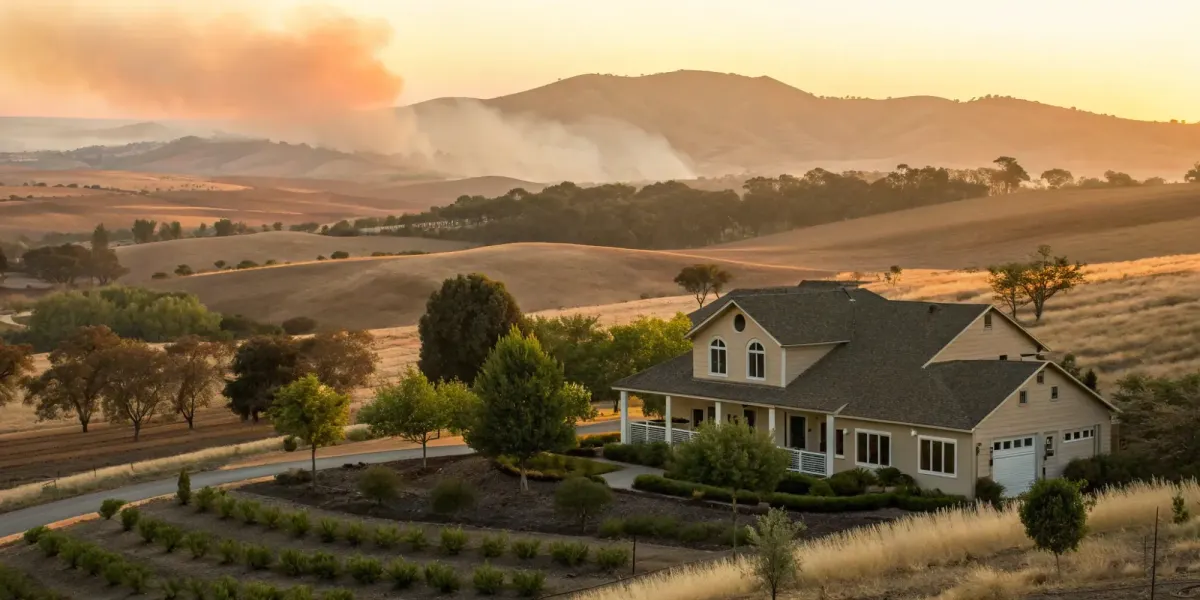
It's frustrating when your homeowners insurance premium skyrockets or your policy gets canceled, especially when you feel like you've done everything right. But you have more control than you think. The key to getting affordable home insurance in fire zones isn't just about doing the work—it's about proving it. Insurers are looking for well-prepared homes, and the few companies writing policies in these areas want to see your mitigation efforts. This guide is your action plan. We’ll walk through effective home hardening techniques, creating defensible space, and documenting it all to build an undeniable case for coverage.
Key Takeaways
- Make Your Home a Defensible Asset: Proactively hardening your home with fire-resistant materials and maintaining defensible space makes it a more attractive risk to insurers. Document every upgrade to build a strong case for coverage and potentially better rates.
- Look Beyond Traditional Insurance Policies: When standard carriers say no, your options are far from over. Investigate specialty insurers, the Excess & Surplus (E&S) market, or a combination of the California FAIR Plan with a Difference in Conditions (DIC) policy to get complete protection.
- Work with an Independent Agent Who Knows the Market: Don't go it alone. An independent insurance specialist works with multiple carriers, giving you access to companies that focus on high-risk areas and can effectively present your mitigation efforts to find the best available coverage.
How Do Insurers Calculate Your Wildfire Risk?
When an insurance company looks at your home, they aren't just seeing a house; they're seeing a collection of data points that add up to a specific risk score. Understanding how they calculate this score is the first step toward improving your home's insurability. It’s not about one single factor, but rather how your property’s location, construction, and accessibility come together to create a complete picture of its vulnerability to wildfire. Insurers use advanced modeling and on-the-ground data to weigh these different elements, and knowing what they’re looking for can empower you to make meaningful changes.
Does Your Home's Location Put You at Risk?
First and foremost, insurers look at where your home is on the map. They use sophisticated fire hazard maps and risk models that analyze everything from your proximity to dense forests or wildlands to the slope of your property (fire travels faster uphill). They also consider the types of vegetation surrounding your home, which can act as fuel. It’s not just about wildfire, either; carriers often assess other regional risks, like hail or windstorms, to get a full understanding of the environmental threats your home faces. This broad view helps them predict the likelihood of a claim and set premiums accordingly.
Use Online Tools to Check Your Risk Level
You don't have to guess where you stand. Several online tools can give you a clear, data-backed picture of your property's wildfire risk. A great place to start is the U.S. Forest Service's Wildfire Risk to Communities tool. By simply typing in your address, you can see how your specific area is rated based on factors like vegetation, weather patterns, and fire history. Understanding this score is powerful because it’s similar to the data insurers use. When you see a high-risk rating, it can help explain why finding affordable coverage is so challenging. But more importantly, it gives you a baseline—a starting point for taking action and making the home hardening improvements that can change an insurer's perspective.
How Building Materials Affect Your Policy
Next, they zoom in on the house itself. The materials used to build your home play a huge role in how it might withstand a wildfire. A home with a wood-shake roof and siding is considered much riskier than one with a Class A fire-rated roof (like composite, metal, or tile) and stucco or fiber-cement siding. Insurers also check for vulnerabilities like single-pane windows, which can shatter from heat, and open eaves or vents where embers can easily enter. Every detail, from your deck material to your fencing, is evaluated as part of a home hardening strategy to predict how your home will perform when embers fly.
Can Firefighters Easily Reach Your Home?
Finally, an insurer needs to know if firefighters can actually get to your home to defend it. They’ll assess the accessibility of your property, looking at things like the width and condition of the road leading to your house. Is it a narrow, winding dirt road or a well-paved street with enough room for a fire truck to pass? They also consider your distance from the nearest fire station and fire hydrant. Having clear, reliable access for emergency vehicles is a critical piece of the puzzle, as it directly impacts the chances of your home surviving a wildfire and gives insurers confidence that a loss can be prevented.
Why Is Finding Home Insurance in Fire Zones So Hard?
If you’ve received a non-renewal notice or seen your premiums skyrocket, you’re probably wondering why it’s suddenly so difficult to get coverage. It’s not just you. The insurance landscape in fire-prone areas has changed dramatically, leaving many homeowners feeling stuck and frustrated. The root of the problem comes down to two major factors: the massive financial risk insurers now face and a complex web of state regulations. Understanding how these forces interact can help clarify why finding an affordable policy has become such a challenge.
How Wildfires Drive Up Insurance Costs
At its core, the problem is financial. Wildfires have become more frequent and destructive, leading to staggering losses for insurance companies. Unlike an isolated house fire, a single wildfire can destroy hundreds or even thousands of homes at once, forcing an insurer to pay out a massive number of claims simultaneously. This concentrated risk makes it incredibly difficult for them to remain financially stable. As a result, some private insurers have pulled back from high-risk areas because the potential for catastrophic loss is simply too high. The long-term implications of wildfire risk have forced the entire industry to re-evaluate how it covers homes in these vulnerable communities.
Understanding the Numbers: Costs and Risk Statistics
The numbers behind recent wildfire seasons help paint a clearer picture of the financial risk. In one recent year, there were nearly 65,000 wildfires that burned over 8.9 million acres across the country. When a single event can cause tens of billions in property damage, it fundamentally changes the math for insurers. This isn't a problem affecting a few remote communities, either. More than one-third of people in the U.S. now live in counties with a high risk of wildfires. This widespread, high-cost risk is the primary reason many insurance companies are limiting coverage or raising prices, leaving homeowners to deal with the consequences.
How State Rules and Reinsurance Affect You
Beyond the immediate threat of fires, the insurance market is shaped by regulations and something called reinsurance. State regulations can limit how much insurers can raise rates, sometimes preventing them from charging premiums that accurately reflect the true level of risk. When an insurer can't price for the risk, they often choose not to take it on at all. At the same time, insurers buy their own protection, called reinsurance. As global disasters increase, reinsurance becomes more expensive for them, and those costs get passed down. Insurers use sophisticated analytics that factor in everything from topography to climate patterns to predict future risks, but when financial and regulatory pressures mount, their only viable option is often to reduce their exposure in the highest-risk zones.
What Challenges Will You Face in a High-Risk Area?
If you live in a high-risk area, you've likely felt the stress of finding and keeping homeowners insurance. It’s not just you—many homeowners are running into the same frustrating hurdles. The insurance landscape is shifting, and it’s leaving many people feeling uncertain about how to protect their homes. Let's break down the most common challenges you might be facing so you can better prepare for what’s ahead.
What to Do if Your Policy Is Canceled
Receiving a non-renewal notice in the mail can feel like a gut punch. You’ve paid your premiums on time, yet your insurance company has decided to drop your coverage. This is an increasingly common experience for homeowners in fire-prone regions. As wildfire frequency and severity have grown, some private insurers have simply pulled back from offering coverage in high-risk areas to limit their financial exposure. This isn't a reflection on you as a homeowner; it's a business decision based on a broad assessment of risk that leaves you scrambling to find a new policy.
Facing Higher Premiums and Limited Options
Even if you aren't non-renewed, you’ve probably noticed your premiums climbing higher each year. With fewer carriers willing to write policies in fire zones, the basic law of supply and demand kicks in, driving up prices for the limited options available. Insurers consider many individual and geographical risk factors beyond just wildfire that affect your rates, from the slope of your land to local weather patterns. This volatility also impacts property values, as potential buyers struggle to assess the true cost of ownership when insurance is expensive or hard to secure.
How Your Claims History and Deductible Affect Rates
Beyond your home's location and construction, insurers also look at factors you have more direct control over, like your personal claims history and your policy’s deductible. If you’ve filed claims in the past, carriers may see you as a higher risk for future claims. Even a single claim can have a real impact; one analysis found that filing one claim can increase your rate by an average of 9% annually. On the other hand, adjusting your deductible is one of the most effective ways to manage your premium. The deductible is the amount you agree to pay out-of-pocket before your insurance kicks in. By choosing a higher deductible—say, $2,500 instead of $1,000—you signal to the insurer that you’re willing to handle smaller losses yourself. In return for taking on more of that initial risk, they will typically offer you a lower yearly premium.
Are There Gaps in Your Wildfire Coverage?
Securing a policy is one thing; ensuring it actually covers what you need is another. Insurance companies rely heavily on sophisticated data, including fire hazard map data, when setting coverage terms and rates. They analyze everything from historical wildfire data and vegetation types to topography and climate patterns to predict future risks. This can result in policies with surprisingly high deductibles for wildfire damage, specific exclusions for outbuildings, or coverage limits that don’t come close to your home’s replacement cost. It’s critical to read the fine print to understand exactly what you’re paying for.
Who Still Offers Home Insurance in Fire Zones?
If you’ve received a non-renewal notice or struggled to find a carrier, it can feel like no one is willing to insure homes in fire zones anymore. While it’s true that many standard insurance companies have pulled back from high-risk areas, that doesn’t mean you’re out of options. The market has shifted, and finding coverage now often means looking beyond the household names you’re used to seeing.
Insurers who remain in these markets do so by taking a much more detailed approach to risk. They rely on sophisticated fire hazard map data and advanced modeling to understand the specific threat to your property, rather than just writing off an entire zip code. This is actually good news. It means the unique features of your home and the mitigation steps you’ve taken can make a real difference. The key is knowing where to find these more specialized carriers and how to present your home in the best possible light.
How Five Bays Helps You Find Coverage
Working with an independent insurance agency like Five Bays is one of the most effective ways to find coverage. Unlike a captive agent who only works for one company, we partner with a wide range of carriers, including those that specialize in high-risk properties. We know which insurers are actively writing policies in your area and what they’re looking for. Our team helps you go beyond a simple application by highlighting your home’s specific strengths and any fire mitigation work you’ve done. We understand that insurers consider many individual risk factors, and we make sure your full story is told.
What Are Specialty Insurance Carriers?
Specialty carriers are insurance companies that focus on covering risks that standard insurers typically avoid. They have developed deep expertise in specific areas, like homes in wildfire zones. These companies use advanced analytics to get a granular view of your property’s risk, looking at everything from local topography and vegetation to historical weather patterns. By predicting future fire risks with greater accuracy, they can price policies in a way that allows them to stay in the market while others leave. While you may not recognize their names from Super Bowl commercials, they are often the key to securing comprehensive and stable coverage.
A Look at Surplus Lines Insurers
When you can’t find coverage in the standard market, you may be able to get a policy from a surplus lines insurer. Also known as the excess and surplus (E&S) market, these carriers are regulated differently, which gives them more flexibility to cover unique or high-risk properties. Think of them as the specialists who step in when the general practitioners can’t help. Because they aren’t bound by the same rate and form regulations as standard carriers, they can tailor policies and premiums to match the specific risk of a property. This flexibility is essential for insuring homes in areas that face complex threats.
What Are Your Options if You Can't Find Coverage?
It’s incredibly disheartening to learn that traditional insurance companies won’t cover your home. After all the effort you’ve put into creating a safe and beautiful space, facing a non-renewal or denial can feel like a dead end. But it’s important to know that you haven’t run out of options. Even when the standard market says no, there are other paths to securing the protection your home needs.
These alternatives are specifically designed for high-risk properties and can provide a crucial safety net. The three main avenues to explore are the California FAIR Plan, which offers basic fire coverage; a Difference in Conditions (DIC) policy, which fills in the gaps left by the FAIR Plan; and the Excess and Surplus (E&S) lines market, which provides specialized coverage for unique risks. Understanding how each of these works is the first step toward finding a solution that fits your situation. While they might not be what you initially expected, they are effective ways to keep your home insured.
The California FAIR Plan: What It Is and Isn't
Think of the California FAIR Plan as the state’s insurer of last resort. It was created to make sure homeowners in high-risk areas have access to basic fire insurance when they can’t get it from a traditional company. The FAIR Plan provides essential coverage for fire, lightning, and internal explosion, which can be a lifesaver when no other carrier will write a policy.
However, it’s critical to understand what the FAIR Plan isn’t. It is not a comprehensive homeowners policy. It doesn’t cover common risks like theft, water damage, or personal liability. So, while it protects your home’s structure from fire, it leaves significant gaps that you’ll need to address separately. It’s a foundational piece of the puzzle, not the complete picture.
The High Cost of Last-Resort Coverage
While the FAIR Plan can be a critical lifeline, it comes at a steep price—and not just in dollars. Because it only covers specific fire-related perils, you are left financially exposed to everything else, from a burst pipe to a break-in. To get the comprehensive protection you’re used to, you have to purchase a second, separate policy called a Difference in Conditions (DIC) policy to fill those gaps. This means managing two policies, two premiums, and two different companies. The combined cost of a FAIR Plan policy plus a DIC policy is often significantly more expensive than a traditional homeowners policy, making this last-resort solution a costly and complicated puzzle to piece together.
Fill Coverage Gaps with a DIC Policy
So, how do you fill the holes left by the FAIR Plan? The answer is a Difference in Conditions (DIC) policy. A DIC policy, often called a "wraparound," is designed to work alongside a FAIR Plan policy. It adds back many of the standard coverages you’d find in a traditional homeowners policy, such as liability, theft, and medical payments to others.
By combining a FAIR Plan policy for fire risk with a DIC policy for everything else, you can build a coverage package that is comparable to a standard HO-3 homeowners policy. An independent broker can help you find a carrier that offers a DIC policy and ensure it pairs correctly with your FAIR Plan coverage, giving you more complete protection.
Using the Excess and Surplus (E&S) Market
Another important option is the Excess and Surplus (E&S) lines market. E&S carriers specialize in insuring risks that standard companies avoid, including homes in high-wildfire-risk areas. These insurers have more flexibility in their pricing and policy terms, allowing them to take on risks that others won’t. While E&S policies can be more expensive—the average premium in California is around $5,500—they often provide comprehensive, all-in-one coverage.
As more homeowners have sought solutions, the E&S market has grown significantly to meet the demand. These policies often come with higher deductibles, but for many, they are a viable way to secure robust protection without having to piece together multiple plans.
How to Make Your Home More Insurable
Feeling powerless against rising premiums or non-renewal notices is frustrating, but there are concrete steps you can take to improve your situation. By making your home more resilient to wildfires, you not only increase its safety but also make it a more attractive risk for insurance carriers. Think of it as building a stronger case for why your home deserves coverage. Let’s walk through the most effective ways to do just that.
How to "Harden" Your Home Against Fire
Home hardening is all about upgrading your home with materials and features that can better withstand a wildfire. The main goal is to prevent wind-blown embers from getting inside, as they are a primary cause of homes catching fire. This can involve installing fine mesh screens over vents, choosing fire-resistant roofing materials like composite or metal, and ensuring your windows are double-paned. Even small changes, like sealing gaps where embers could sneak in, can make a huge difference in your home's defense system.
Choosing Fire-Resistant Building Materials
When it comes to home hardening, the materials your home is made of matter most. Your roof is the most exposed surface, so replacing an old wood-shake roof with a Class A fire-rated one is one of the most impactful upgrades you can make. Materials like composite shingles, metal, or tile are far more resistant to embers. The same logic applies to your siding; swapping wood for non-combustible options like stucco or fiber-cement creates a much stronger barrier against flames. Insurers pay close attention to these core components, as they form the first line of defense when assessing your home’s risk.
Beyond the major surfaces, look at the details where embers can find a way in. Single-pane windows can easily shatter from the intense heat of a nearby fire, creating an entry point for embers. Upgrading to double-paned windows provides crucial insulation and strength. Similarly, covering all vents and open eaves with fine metal mesh (1/8-inch is the standard) can block embers from entering your attic or crawlspace. Every material choice, from your deck to your fence, contributes to your home’s overall defense, and documenting these fire-resistant upgrades is key to building a strong case with an insurer.
Create and Maintain Your Defensible Space
Think of defensible space as a protective bubble around your home. It’s a buffer zone you create by clearing away flammable vegetation, which can slow or even stop a wildfire from reaching your house. In California, homeowners are legally required to maintain 100 feet of defensible space, but it’s a smart practice no matter where you live. This involves removing dead plants and dry leaves, trimming trees so branches don’t hang over your roof, and choosing fire-resistant landscaping. This space doesn’t just protect your property; it gives firefighters a safer area to work if they need to defend your home.
Document Your Mitigation Efforts for Insurers
After you’ve put in the work to harden your home and create defensible space, don’t keep it a secret. Document everything. Take before-and-after photos, keep receipts for fire-resistant materials, and save invoices from any professionals you hired. New regulations in California require insurers to consider your mitigation efforts when determining your rates and eligibility. By providing clear proof of the steps you’ve taken, you’re showing them that your home is a lower risk. This documentation can be a powerful tool when you or your agent are negotiating with carriers for coverage.
Install Protective Systems and Plan for Emergencies
Beyond structural changes, installing active protective systems can add another powerful layer of defense to your home. A home sprinkler system, for instance, can help suppress a fire before it gets out of control and might even earn you a discount on your insurance policy. While interior sprinklers are common, you can also look into exterior systems that spray your roof and walls with water or fire retardant. It’s also smart to have a clear emergency plan that includes readily available water sources. Simple actions like connecting long garden hoses to spigots and having buckets ready can make a huge difference for firefighters arriving on the scene.
Leverage Local Resources and Expertise
You don’t have to figure all of this out on your own. Your local fire department is an incredible resource for advice tailored to your specific area. They can often provide recommendations on home hardening and may even know about local grants available to help you pay for fire prevention upgrades. When it comes to the insurance side of things, partnering with an expert is key. An independent insurance agent who specializes in high-risk areas, like the team here at Five Bays, can be your most valuable ally. We know which carriers are writing policies in your neighborhood and can effectively present your mitigation efforts to find the best possible coverage.
How New Rules Are Changing Fire Zone Insurance
If you feel like the rules for getting homeowners insurance are constantly shifting, you’re not wrong. The challenges of insuring homes in high-risk areas have caught the attention of state regulators. As a result, new laws and protections are being introduced to create a more stable market for homeowners. While the landscape is still complex, these changes are designed to provide some much-needed relief and create a clearer path forward for everyone involved.
What New Protections Do You Have?
State governments are stepping in with new rules to protect homeowners, especially those who have recently been impacted by a wildfire. For example, California has introduced a temporary ban on home insurance companies from canceling policies for residents living near recent fire perimeters. This type of reform provides a one-year grace period, giving you critical time to recover and rebuild without the immediate threat of losing your coverage. These measures are a direct response to the insurance crisis, offering a safety net when you need it most and preventing mass cancellations in the wake of a disaster.
What Is a Cancellation Moratorium?
A moratorium is a temporary freeze on insurance cancellations and non-renewals for a specific area after a state of emergency has been declared. Think of it as a mandatory timeout. Regulators implement these to prevent a wave of homeowners from being dropped by their carriers all at once, which would destabilize the community. This is a balancing act, as insurers are also grappling with massive losses from wildfires. The challenging regulatory environment has made it difficult for carriers to price policies in a way that accurately reflects the risk, which is why some have pulled back from high-risk areas altogether. Moratoriums provide temporary stability while longer-term solutions are worked out.
How Your Mitigation Efforts Can Lower Your Rates
Your efforts to make your home safer are starting to get more official recognition. New regulations are pushing insurers to offer discounts and credits for wildfire mitigation work. This means that hardening your home and creating defensible space isn't just a smart safety measure—it's becoming a key factor in your insurability and premium costs. Insurers are being encouraged to look beyond your zip code and consider the specific risk-reduction steps you’ve taken. The goal is to create a system that rewards proactive risk management, making it easier for responsible homeowners to secure fair, risk-based pricing for their coverage.
What to Expect from a Fire Zone Insurance Policy
Once you secure a policy in a high-risk fire area, the next step is to understand exactly what it covers—and what it doesn’t. These policies often have specific terms that differ from standard homeowners insurance, so it’s essential to know the details before you ever need to file a claim. Pay close attention to the exclusions, limits, deductibles, and premiums, as these are the areas where you’ll see the biggest differences. Being proactive here ensures you have the protection you think you have and helps you avoid any unwelcome surprises down the road.
Replacement Cost vs. Actual Cash Value: Know the Difference
When you're reading your policy, two terms you absolutely need to understand are Replacement Cost (RC) and Actual Cash Value (ACV). They sound similar, but they can lead to vastly different outcomes after a claim. Replacement cost coverage pays to replace your damaged property with new items of similar kind and quality, without deducting for depreciation. In contrast, an actual cash value policy pays you what your property was worth at the time of the loss, which includes a deduction for age and wear and tear. For example, if a wildfire destroys your 15-year-old roof, an RC policy would cover the cost of a brand-new roof. An ACV policy would pay for a new roof minus 15 years of depreciation, leaving you to pay the difference out of pocket. While ACV policies often come with lower premiums, they can leave a significant financial gap when you need to rebuild.
Watch Out for These Policy Exclusions and Limits
It’s tempting to file your policy away once you get it, but you need to review it carefully. Insurance companies rely heavily on fire hazard map data to set coverage terms, which means your policy is tailored to your property’s specific risk level. Look for exclusions related to wildfires. For example, some policies may not cover landscaping, detached structures like sheds or guest houses, or may have lower limits for personal property. Understanding these limits ahead of time allows you to purchase additional coverage if needed. Don’t be afraid to ask your agent to walk you through the policy line by line so you know precisely what is and isn’t protected.
Common Perils Not Covered by Standard Policies
Even the most comprehensive homeowners policy has its limits. It’s crucial to know that standard policies almost never cover damage from floods or earthquakes. For homeowners in California, this is a massive gap, as we live with the risk of both. A wildfire policy won't help you if your home is damaged by mudslides after a fire, and it certainly won’t cover seismic activity. To be protected, you need to purchase separate, specialized policies for flood and earthquake insurance. It's an extra step, but it's the only way to ensure you're covered for some of the most significant risks we face in the West. Knowing what your policy does not cover is just as important as knowing what it does.
Understanding Limits on High-Value Possessions
Your homeowners policy includes coverage for your personal belongings, but it places specific dollar limits on high-value items. Things like jewelry, fine art, collectibles, and firearms typically have a maximum payout that might be far less than their actual worth. For example, your policy might cover up to $50,000 in personal property but limit jewelry theft to just $1,500. If you have an expensive engagement ring or a valuable art collection, you won't be fully reimbursed under a standard plan. The solution is to "schedule" these items with a personal property endorsement or floater. This provides specific, itemized coverage for their appraised value, ensuring your most prized possessions are properly protected.
How Do Deductibles and Premiums Work?
In a fire zone, you can expect to pay higher premiums because the risk of a total loss is significantly greater. Insurers aren't just guessing; they use sophisticated analytics to predict future fire risks by studying historical data, vegetation, and weather patterns. This data-driven approach directly influences your costs. Your deductible might also be different. Some policies have a standard flat-dollar deductible, while others may have a separate, higher deductible specifically for wildfire damage, often calculated as a percentage (1% to 5% or more) of your home's insured value. This means you’d be responsible for a much larger out-of-pocket expense before your insurance kicks in after a fire.
Your Step-by-Step Plan for Finding Coverage
Searching for fire zone insurance can feel overwhelming, but a clear plan puts you in control. A proactive approach is your strongest asset in a challenging market. Let's walk through the key steps: partnering with the right expert, timing your application, and preparing your documents to present your home in the best possible light.
Why You Should Work with an Independent Agent
Your first call should be to an independent insurance specialist. Unlike captive agents who represent one carrier, independent agents work with many insurance companies, including those specializing in high-risk properties. They know the local market and which carriers are still writing policies in your area. An experienced specialist acts as your advocate, helping you compare coverage options and highlighting your home’s mitigation efforts. They do the heavy lifting of shopping around, saving you time and frustration while improving your odds of securing a policy.
Gather Recommendations and Do Your Research
Once you have an expert on your side, it’s time to gather information. Start close to home by asking your neighbors who they use for insurance. They’re dealing with the same local risks and may have already found a carrier willing to write policies in your area. While you’re at it, shop around by getting quotes from several different companies. This is where your independent agent becomes invaluable, as they can access multiple carriers and compare prices and coverage details on your behalf. This process isn't just about finding the lowest price; it's about understanding which insurers are committed to your community and offer policies that truly meet your needs.
Look for Discounts to Lower Your Premium
Don't be afraid to ask every potential insurer about available discounts—you might be surprised by what’s available. The most common way to save is by bundling your home and auto policies with the same company. You can also ask about discounts for having safety features like a monitored security system or fire alarms. Most importantly, make sure to bring up all the fire mitigation work you’ve done. With your documented proof of home hardening and defensible space, your agent can push for credits that reflect your home’s reduced risk. Every little bit helps, and being proactive in this conversation can lead to meaningful savings on your premium.
When Is the Best Time to Apply for Coverage?
Timing is critical in a high-risk area. Don't wait for a non-renewal notice to start your search. The insurance market can change quickly, and some private insurers have pulled back from offering coverage in certain regions, making the process longer than you might expect. Start shopping for a new policy at least 60 to 90 days before your current one expires. This gives you and your agent ample time to gather quotes, complete applications, and handle inspections without the stress of a looming deadline. Starting early helps you avoid a dangerous lapse in coverage.
Get Your Paperwork and Inspections Ready
Insurers use a lot of data to assess your home’s risk, from topography to historical wildfire patterns. Your job is to provide a complete picture of your property. Document every fire mitigation upgrade you’ve made with photos, receipts, and certificates. Show off your defensible space, ember-resistant vents, and Class A roof. Since insurance companies use fire hazard map data to set rates, this detailed documentation is essential. Consider a professional wildfire inspection to get an official report to submit with your applications. This shows carriers you are a proactive homeowner, which can make all the difference.
Related Articles
- Western US Home Insurance | Wildfire & High-Risk Coverage | Five Bays Insurance Agency - FAQ
- Western US Home Insurance | Wildfire & High-Risk Coverage | Five Bays Insurance Agency - Policy Checkup
- Western US Home Insurance | Wildfire & High-Risk Coverage | Five Bays Insurance Agency - Get a Quote
- Western US Home Insurance | Wildfire & High-Risk Coverage | Five Bays Insurance Agency - Disclaimers & Disclosures
- Western US Home Insurance | Wildfire & High-Risk Coverage | Five Bays Insurance Agency - Licenses
Frequently Asked Questions
My premium went up dramatically, but I’ve never filed a claim. Why? It’s frustrating when your rates climb for reasons that feel out of your control. This usually isn't about you personally, but about the bigger picture. Insurance companies are facing massive losses from recent catastrophic wildfires, which have become more frequent and destructive. To stay financially stable, they have to spread that risk across all policyholders in fire-prone regions. At the same time, the cost for them to get their own insurance, called reinsurance, has also gone up. These combined financial pressures are the primary drivers behind the rate increases you're seeing.
Will the home hardening and defensible space work I've done actually help me get a better rate? Yes, it absolutely can. In the past, insurers often focused more on your zip code than your specific property. Now, new regulations are requiring them to account for the mitigation work you’ve done. When you replace a wood roof with a fire-rated one or clear 100 feet of defensible space, you are actively lowering your home's risk. Documenting these upgrades with photos and receipts gives your agent powerful proof to show carriers that your home is a better risk than your neighbor's, which can directly influence your eligibility and premiums.
Is the California FAIR Plan enough coverage on its own? No, it is not. The FAIR Plan is an essential safety net that provides basic coverage for fire damage when you can't get it elsewhere, but that's where its protection ends. It does not cover other common risks like theft, water damage, or personal liability if someone gets hurt on your property. To get comprehensive protection similar to a standard homeowners policy, you need to pair the FAIR Plan with a second policy called a Difference in Conditions (DIC) or "wraparound" policy, which fills in those critical coverage gaps.
Why can't I just get a policy from one of the big, national insurance companies I see on TV? Many large, standard insurance companies have decided that the financial risk in certain high-fire-hazard areas is too great, so they have significantly reduced the number of policies they offer there. This has opened the door for specialty and surplus lines carriers. These companies are experts in assessing high-risk properties and have more flexible pricing models that allow them to continue offering coverage. While you may not recognize their names, they are often the key to finding a comprehensive policy in today's market.
My insurer sent me a non-renewal notice. Does that mean I did something wrong? Receiving a non-renewal notice can feel personal, but it almost never is. This is typically a business decision made by the insurance company to reduce its overall risk in an entire geographic area. As wildfire risk has grown, many insurers have re-evaluated their portfolios and are strategically pulling back from regions they deem too risky to cover profitably. Your non-renewal is a reflection of this market shift, not a judgment on you as a homeowner.


