
Insuring a Second Home in a Catastrophe Zone
Get practical tips on insurance for a second home in a catastrophe zone, from coverage options to risk reduction and protecting your property year-round.

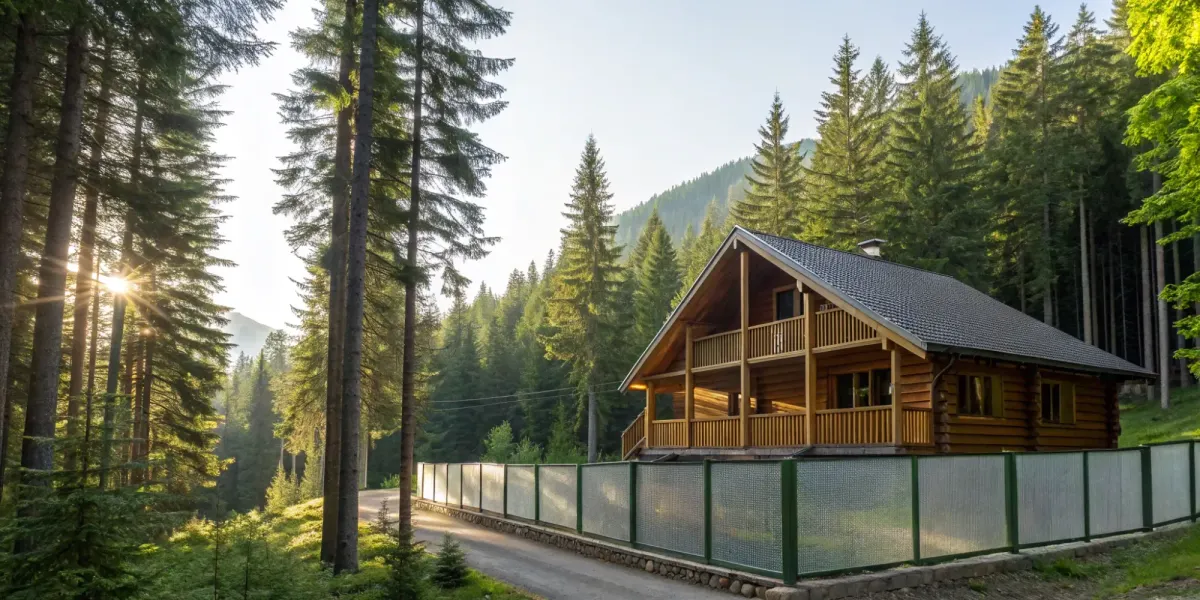
A second home is more than just a getaway; it’s a major financial commitment. But without the right protection, that asset can quickly become a liability. In high-risk areas across the West, the insurance market has become increasingly complex, leaving many homeowners feeling frustrated and underinsured. The key to safeguarding your investment is understanding how carriers assess risk and what steps you can take to make your property more resilient. Finding the right insurance for a second home in a catastrophe zone is the foundation of that security. This article will show you how to harden your home, find the right policy, and protect your financial future.
Key Takeaways
- Secure Specialized Coverage: A standard homeowners policy leaves critical gaps for a second home in a high-risk area. You must actively add separate policies for specific threats like floods and earthquakes and ensure your coverage accounts for the risks of the property being vacant.
- Take Control of Your Risk Profile: Your actions directly impact your insurability. Making physical upgrades to your property—like creating defensible space or installing a monitored security system—demonstrates responsibility to insurers and can lead to better coverage options.
- Treat Protection as an Active Strategy: Don't just set and forget your policy. Partner with an agent who understands local risks, review your coverage annually to keep it current, and maintain a consistent inspection schedule to catch small problems before they become major disasters.
Why Is Insuring a Second Home in a High-Risk Area Different?
Insuring a second home isn’t just a copy-paste of your primary home’s policy, especially when it’s located in an area prone to natural disasters. Insurers view vacation properties through a different lens because the risks are fundamentally different. From its location in a wildfire zone to how often you’re actually there, several factors come together to shape the type of coverage you need and how much it will cost. Understanding these differences is the first step to getting the right protection for your investment.
What Makes an Area "High-Risk"?
First, insurers generally consider second homes more expensive to insure because they carry more risk than a primary residence. When you place that home in a high-risk area, the costs and complexity increase. An area is deemed "high-risk" if it's susceptible to natural disasters like wildfires, floods, or earthquakes. For example, a cabin in the Sierra Nevada faces a different threat profile than a coastal bungalow. Insurers calculate premiums based on the likelihood of these events, which is why secondary home insurance in a catastrophe-prone region requires a more specialized approach than coverage for a home in a less vulnerable location.
Common Myths About Second Home Insurance
A common mistake is assuming your standard homeowner's policy will cover a second property. Most policies have clauses about how long a home can be vacant before coverage is affected. If your vacation home will be unoccupied for weeks or months at a time, you’ll likely need a specific type of vacant home insurance to remain protected. Another myth is that you aren’t responsible for accidents if you aren’t there. Unfortunately, you can still be held liable if someone is injured on your property—whether it’s a guest, a contractor, or a trespasser. This makes liability coverage a critical piece of your policy.
The Unique Risks of an Unoccupied Home
An unoccupied home presents a unique set of challenges for insurers. For one, it can be a more attractive target for theft or vandalism. But the bigger concern is often maintenance-related issues. A small problem that would be caught quickly in your primary residence, like a minor water leak or a pest infestation, can go unnoticed for weeks at a second home. By the time you discover it, the damage can be catastrophic and costly to repair. This elevated risk of small issues spiraling into major claims is a key reason why insurers look at coverage for these properties so carefully.
Get the Right Coverage for Your High-Risk Property
Once you understand the risks your second home faces, the next step is making sure your insurance is actually up to the task. It’s easy to assume a standard homeowners policy has you covered, but that’s rarely the case in a high-risk area. Getting the right protection means looking beyond the basics and actively filling the gaps that could leave your investment exposed. Think of it as building a custom safety net for your property, one that accounts for the specific challenges of its location. Let’s walk through what’s typically missing from a standard policy and how you can add the layers of protection you need.
What Your Standard Policy Won't Cover
One of the biggest surprises for homeowners is learning what their standard policy doesn't cover. These policies are designed for common perils like fire from a kitchen mishap or theft, but they almost always exclude major catastrophic events. As People's Trust Insurance notes, "Standard home insurance usually doesn't cover major natural disasters like floods, earthquakes, sinkholes, or hurricanes." If your second home is in an area prone to these events, you'll have a major gap in your coverage from day one. Relying on a basic policy in a high-risk zone is like bringing an umbrella to a hurricane—it’s simply not enough protection for the real threats you face.
Essential Add-Ons for Better Protection
To fill those gaps, you’ll need to add specific coverage for the threats unique to your area. These aren't just nice-to-haves; they are essential for protecting your investment. You can often add these protections as endorsements to your main policy or purchase them as separate, standalone policies. The key is to match your coverage to your location's risks. For example, if your vacation home is in a flood-prone coastal region or a seismically active zone, you’ll want to purchase special insurance for those specific perils. Taking this step ensures you’re prepared for the most likely disasters instead of hoping they won’t happen.
Options for Natural Disaster Coverage
So, what do these add-ons look like? For earthquakes, which are a major concern in California, you can’t just add a rider to your homeowners policy. The California Earthquake Authority makes it clear that you need a separate policy for that kind of damage. Similarly, flood damage is almost always excluded from standard policies and requires its own policy, often through the National Flood Insurance Program (NFIP) or a private carrier. For wildfire risk, coverage might be included in a standard policy, but in high-risk areas, you may need a specialized policy from a carrier that understands the unique challenges of insuring homes in the wildland-urban interface.
Find and Fill Common Coverage Gaps
Protecting your second home is all about being proactive. Don’t wait for a disaster to find out you’re underinsured. Take the time to sit down and review your policy, specifically looking for exclusions that apply to your area. Understanding these unique risks and potential gaps in coverage is the best way to protect your investment and give yourself peace of mind. If you’re unsure where to start, this is where an independent insurance agent can be a huge help. They know the local landscape and can help you identify vulnerabilities in your current plan, ensuring you get the right kind of insurance to fully protect your property.
How Insurers See Your Second Home
When you apply for insurance on a second home, carriers look at it through a different lens than your primary residence. From their perspective, a property that isn't occupied full-time carries a unique set of risks. Think about it: when you’re not there, small problems like a leaky pipe can turn into major disasters, and the property is a more likely target for theft or vandalism. This is why getting the right policy often involves a more detailed look at your property and its surroundings.
Insurers carefully assess a few key areas to determine your policy and pricing. They’ll look closely at your home’s location and its exposure to natural disasters, the specific features of the property itself, and how often you actually use it. Understanding what they’re looking for is the first step toward finding fair coverage and taking control of your home’s insurability. It’s not about being penalized for owning a second home; it’s about accurately matching the coverage to the risk.
How Location Determines Your Risk
The old real estate mantra—location, location, location—is just as true for insurance. Where your second home is situated is one of the biggest factors in determining your risk profile. A cabin in a high-wildfire zone or a beach house on a hurricane-prone coast will naturally face more scrutiny from carriers. Insurers use sophisticated mapping and historical data to understand the specific threats in your area. Homes in regions with a history of wildfires or earthquakes often need specific protection that goes beyond a standard policy, which is reflected in the cost and type of coverage available.
Property Features That Affect Your Rates
Beyond its location, the specific features of your home play a big role in how insurers calculate your rates. Things that add to your enjoyment, like a swimming pool, hot tub, or a cozy wood-burning stove, can also add to your risk. These are considered potential sources of liability claims and property damage. If you plan to have guests or renters, the liability risk increases even more. It’s important to make sure your policy adequately covers these features and to consider additional liability coverage if needed, especially for high-risk amenities like pools.
The Impact of How Often You're There
How frequently you visit your second home directly impacts its risk level. A property that sits unoccupied for long stretches is more vulnerable. Without anyone around, it becomes an easier target for break-ins and vandalism. More commonly, maintenance issues can go unnoticed for weeks or months. A slow drip under a sink isn't a big deal if you catch it in a day, but it can cause catastrophic water damage if it’s left unchecked. This is why insurers often ask about your usage patterns and may have different requirements for vacation homes versus primary residences.
Steps That Lower Your Assessed Risk
The good news is that you can take concrete steps to make your second home a better risk in the eyes of an insurer. Proactive measures show carriers that you’re serious about protecting your investment. Installing smart home security systems with cameras, water leak detectors, and remote monitoring can make a real difference. Simple actions like performing regular maintenance and keeping the property clear of fire hazards also help. These efforts not only protect your home but can also lead to more favorable insurance options and sometimes even lower your insurance costs.
Smart Ways to Lower Your Insurance Bill
While insurance costs in high-risk areas can feel out of your control, there are several proactive steps you can take to make your property more attractive to carriers and potentially lower your premium. Insurance companies reward homeowners who actively reduce risk. By making smart upgrades and staying organized, you can demonstrate that your second home is a well-protected investment, which often translates into more favorable rates.
Harden Your Home Against Disasters
"Hardening" your home means upgrading it to better withstand potential disasters like wildfires. Think of it as a protective shield for your property. Simple actions like clearing flammable brush and trees to create defensible space can make a huge difference. You can also make structural improvements, such as installing a fire-resistant roof, covering vents with fine mesh to block embers, and using non-combustible siding. These measures not only protect your home but also show insurers that you are serious about mitigating risk, which can lead to better home hardening discounts.
How a Security System Can Help
A vacant second home can be a target for theft or vandalism, and undetected issues like a burst pipe can cause extensive damage. Installing a modern security system is a smart way to address these risks. Insurers often offer discounts for monitored systems that include burglar alarms, smoke detectors, and automatic water shut-off valves. These features reduce the likelihood of a major claim, making your property less risky to insure. A smart system also gives you peace of mind, allowing you to check on your property remotely and receive alerts if anything is amiss.
Bundle Your Policies to Save
One of the simplest ways to find savings is by bundling your insurance policies. If you have your primary home, cars, or other assets insured with different companies, you could be missing out on a multi-policy discount. Ask your current provider what kind of savings you could get by bringing your second home insurance under the same roof. Consolidating your policies with a single carrier not only saves you money but also simplifies your life by giving you one point of contact for all your insurance needs.
Keep the Right Documents on Hand
Being an organized and informed homeowner is key to managing your insurance effectively. Start by creating a detailed home inventory with photos and receipts, and store a digital copy in the cloud. Make sure you understand the specifics of your coverage and keep a copy of your policy documents easily accessible. Maintaining open communication with your insurance agent is also crucial. A regular policy review ensures your coverage remains adequate as your needs or property value change, preventing you from being underinsured or overpaying for protection you don’t need.
Create Your Protection Plan
Insuring a second home in a high-risk area requires a thoughtful strategy. It’s about more than just finding a policy; it’s about building a comprehensive plan that protects your investment and gives you peace of mind. When you’re dealing with risks like wildfires or severe storms, a proactive approach is your best defense. This means understanding exactly what coverage you need, keeping that coverage up-to-date, and actively managing your property to reduce potential threats.
Think of your protection plan as a living document that adapts to your home’s needs and the changing environment around it. It involves four key areas: selecting the right coverage levels from the start, reviewing your policy every year to ensure it still fits, managing your property to address the unique risks of a part-time residence, and staying on top of routine maintenance to prevent small issues from becoming major disasters. By focusing on these steps, you can take control of your home’s safety and make it a more resilient, insurable property.
Choose the Right Coverage Levels
A standard policy designed for your primary residence likely won't be enough for your second home, especially in a high-risk zone. Insurers view second homes as having more risk because they are often unoccupied, making them more vulnerable to theft or unnoticed damage. It’s critical to work with an agent to secure a policy that reflects these realities. If your property is in an area prone to specific events like floods or earthquakes, you’ll need to purchase special insurance for those perils, as they are almost always excluded from standard homeowners policies. Don’t assume you’re covered; confirm your policy addresses the specific threats your home faces.
Review Your Policy Annually
Your insurance needs aren't static. Property values fluctuate, construction costs change, and new risks can emerge in your area. That’s why an annual policy review is essential to protect your investment. Set a yearly reminder to connect with your insurance agent and go over your coverage. This is your chance to discuss any updates you’ve made to the property, ask questions about your deductibles, and confirm your coverage limits are still adequate to rebuild if the worst happens. An annual check-in ensures there are no surprises and that your protection keeps pace with your life.
Manage Your Property Proactively
An unoccupied home presents a unique set of risks. A small leak can turn into a major flood, or a broken window can go unnoticed for weeks. Because homes that are empty are more vulnerable, proactive management is key. Consider installing a security system with cameras and environmental sensors that detect water or extreme temperature changes. You could also hire a local property manager or ask a trusted neighbor to check on the house regularly. These simple measures not only deter potential issues but also demonstrate to insurers that you are a responsible homeowner, which can positively impact your ability to get coverage.
Stay on Top of Maintenance
Consistent upkeep is one of the most effective ways to protect your second home and manage your insurance costs. Simple, routine maintenance prevents small problems from escalating into expensive claims. For homes in wildfire zones, this means regularly clearing defensible space by removing dead vegetation and trimming trees. In any location, it involves checking the roof for damage, clearing gutters, and inspecting plumbing and electrical systems. By taking good care of your second home, you not only safeguard your property but also make it a much better risk in the eyes of an insurance carrier.
Protect Your Investment for the Long Term
Owning a second home should be a source of joy, not constant worry. Protecting that investment, especially in a high-risk area, is an ongoing commitment. It’s about more than just buying a policy and hoping for the best. A proactive approach involves building the right partnerships, planning for the unexpected, and using modern tools to your advantage. By taking these steps, you can create a comprehensive protection plan that gives you peace of mind, whether you’re at your vacation home or hundreds of miles away. These strategies not only safeguard your property but also demonstrate to insurers that you are a responsible owner, which can positively impact your coverage options and costs over time.
Partner With Your Insurance Provider
Your insurance agent should be more than just a name on a policy document; they should be a key partner in protecting your home. When your property is in a place like California, you need someone who truly understands the specific local risks, from wildfire corridors to earthquake faults. A knowledgeable provider can offer insights that a generic national company might miss. Don't hesitate to ask them detailed questions about your coverage and what you can do to make your home more resilient. A good agent will help you identify potential vulnerabilities and suggest mitigation efforts that can make a real difference. Think of them as your first line of defense in building a solid protection strategy.
Develop a Clear Emergency Plan
When a disaster strikes, having a plan can mean the difference between manageable recovery and total chaos. Since you aren't always at your second home, this plan is even more critical. It should be simple, clear, and shared with anyone who might be at the property, including renters or family members. Your plan should include evacuation routes, a list of emergency contacts, and the location of shut-off valves for gas and water. It’s also wise to have a "go-bag" or an emergency supply kit on-site. You can find excellent templates to build a family emergency plan from government resources. A well-documented plan shows your insurer that you’re serious about mitigating risk, which is always a good thing.
Stick to an Inspection Schedule
An unoccupied home is uniquely vulnerable. A small leak or a pest problem can become a major disaster if it goes unnoticed for weeks or months. That's why regular inspections are non-negotiable for a second home. If you can't visit frequently, consider hiring a local property manager or asking a trusted neighbor to do periodic walk-throughs. Create a simple seasonal maintenance checklist to guide these inspections. This should include checking for water damage, clearing flammable debris from around the property (especially for fire season), testing smoke detectors, and looking for any signs of forced entry. Consistent upkeep helps you catch issues early and prevents small problems from becoming expensive insurance claims.
Use Tools to Manage Your Risk
Technology offers powerful ways to keep an eye on your property from afar. Installing smart home devices is a practical step toward protecting your second home and can often lead to insurance discounts. A security system with cameras can deter break-ins, while smart smoke and carbon monoxide detectors can alert you and the authorities to a problem instantly. Water leak sensors are another great investment, as they can notify you of a burst pipe before it causes catastrophic damage. These tools provide real-time information and allow you to respond quickly, minimizing potential harm. They are a smart investment in both the safety of your home and your financial well-being.
Related Articles
- Western US Home Insurance | Wildfire & High-Risk Coverage | Five Bays Insurance Agency
- Western US Home Insurance | Wildfire & High-Risk Coverage | Five Bays Insurance Agency
- Western US Home Insurance | Wildfire & High-Risk Coverage | Five Bays Insurance Agency
- Western US Home Insurance | Wildfire & High-Risk Coverage | Five Bays Insurance Agency
- Western US Home Insurance | Wildfire & High-Risk Coverage | Five Bays Insurance Agency
Frequently Asked Questions
Why can't I just add my vacation home to my primary home's insurance policy? Insurers see a second home very differently than the one you live in full-time. Because it’s often unoccupied, the risks of unnoticed damage from something like a water leak, or even theft, are much higher. A standard policy is built for a home that's lived in daily, so you'll need a separate, specialized policy that accounts for the unique challenges of a property that sits empty for periods of time.
My standard policy covers fire, so does that mean I'm protected from wildfires? Not necessarily. While a standard policy typically covers fire damage, like from a kitchen accident, coverage for wildfires in a high-risk zone can be more complicated. Some policies have specific exclusions or require a separate endorsement for wildfire-prone areas. It's critical to read the fine print and confirm with your agent that you have explicit coverage for this specific peril, as it's one of the biggest threats to homes in California.
What are the most effective ways to lower my insurance costs? You can directly influence your rates by showing insurers you're a proactive owner. The most impactful steps include "hardening" your home by installing a fire-resistant roof and creating defensible space, installing a monitored security system with water and smoke detection, and bundling your second home policy with the same carrier that insures your primary home and cars.
Besides getting the right policy, what is the most important thing I can do to protect my property? Consistent, hands-on management is key. Since you aren't there all the time, you need a system for keeping an eye on the property. This could mean hiring a local property manager, asking a trusted neighbor to do weekly walk-throughs, or installing smart home devices that can alert you to leaks or break-ins. Catching a small problem early is the best way to prevent a catastrophic claim down the road.
Do small features like a hot tub or a wood stove really affect my insurance? Yes, they absolutely do. Insurers refer to these as "attractive nuisances" or sources of risk. A swimming pool or hot tub increases the chance of a liability claim, while a wood-burning stove adds to the fire risk. It's important to disclose all of these features to your agent to ensure you have adequate liability coverage and that your policy remains valid.


