
The Complete Guide to Insuring Your Cabin for Wildfire
Get practical steps for insuring cabin wildfire risks, from understanding coverage options to making your property more fire-resistant and insurance-ready.

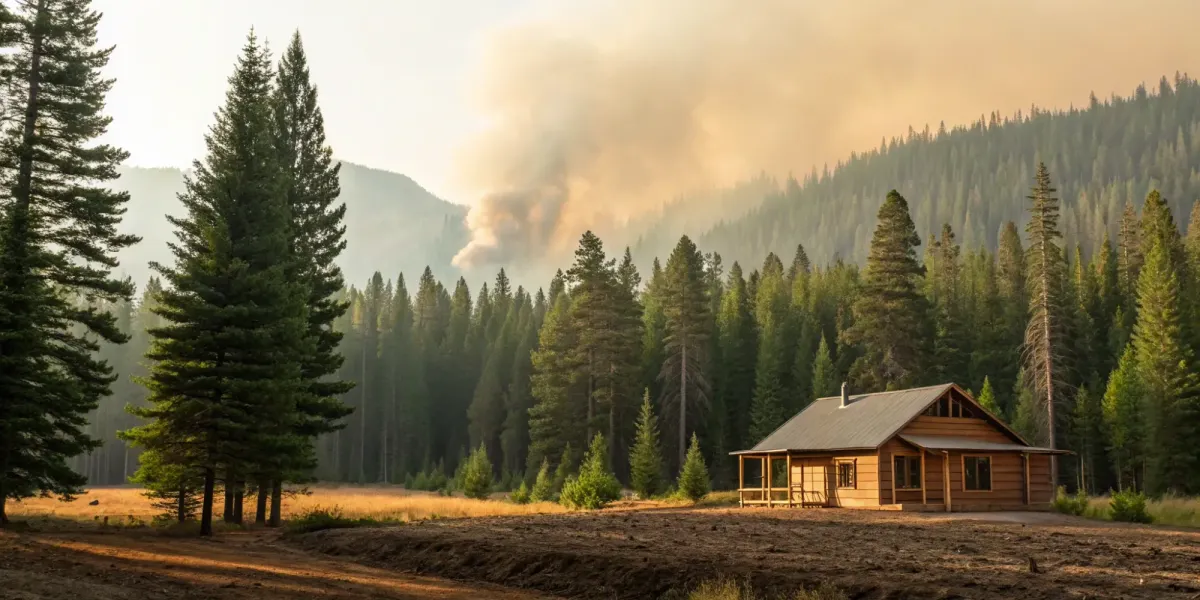
That non-renewal notice in the mail can feel like a gut punch. After years of paying premiums, being told your cabin is suddenly "too risky" to insure is frustrating and feels deeply unfair. You’re not just protecting a building; you’re protecting a place filled with memories. The insurance landscape has shifted, and the old rules for getting coverage no longer apply, especially in states like California. The good news? You are not out of options. Finding a policy is still possible, but it requires a new strategy. The process of insuring a cabin in a wildfire zone has changed, and this guide will walk you through the concrete steps you can take to secure the protection you need.
Key Takeaways
- Make your cabin a lower risk: You have the power to improve your insurance options by actively making your property more fire-resistant. Simple actions like clearing defensible space and using fire-safe materials show insurers you're a proactive owner, which can make all the difference in getting approved.
- Know your numbers before you shop: Get a clear picture of your situation by assessing your property's specific wildfire risk and creating a detailed home inventory. This preparation ensures you seek the right amount of coverage to fully rebuild and replace your belongings at today's costs.
- Think beyond a single policy: In high-risk areas, standard insurance is often unavailable. Be prepared to layer different types of coverage, like a state FAIR Plan with a supplemental policy, and partner with an independent agent who can find these creative solutions for you.
What Is Your Cabin's Wildfire Risk?
Before you can find the right insurance for your cabin, you need a clear picture of what you're up against. Understanding your property's specific wildfire risk is the first and most important step in protecting your investment and securing the right coverage. It’s not just about knowing if you’re in a high-risk state; it’s about understanding the unique factors that make your cabin more or less vulnerable. This knowledge empowers you to have more productive conversations with insurance agents and take meaningful steps to make your property more resilient.
Insurers determine your premiums and even your eligibility based on a detailed risk assessment. They look at everything from your cabin’s location and the surrounding landscape to the materials used in its construction. By getting ahead of this process and learning about your own risk profile, you can identify potential issues and start addressing them. This proactive approach not only improves your chances of finding affordable insurance but also gives you peace of mind, knowing you’ve done everything you can to safeguard your retreat. Let’s break down what defines a wildfire zone and how you can evaluate your cabin’s specific level of risk.
Is Your Cabin in a Wildfire Zone?
A wildfire zone is an area where conditions make it highly susceptible to catching fire and spreading it quickly. Think of regions with long, dry seasons, abundant vegetation that can act as fuel, and a history of droughts. States like California, Colorado, and Arizona are well-known for these conditions, but it's a mistake to think the risk is limited to just a few places. As weather patterns shift, areas that were once considered safe are now facing new threats. An insurer’s definition of a high-risk zone is constantly evolving based on the latest data, which is why you might find your rates changing even if nothing on your property has.
How to Evaluate Your Cabin's Risk Level
You don’t have to guess about your cabin’s vulnerability. You can get a clear, data-driven picture of your property’s specific danger level. The U.S. Forest Service provides a powerful public tool that allows you to assess your wildfire risk by simply entering an address. This resource breaks down your exposure based on local factors and shows how your risk compares to others in your county and state. Understanding this information gives you a starting point for discussions with insurance providers and helps you identify which mitigation efforts will have the biggest impact. It’s a crucial step in moving from worrying about the unknown to taking concrete action.
The Growing Threat: Wildfire Statistics
The feeling that wildfires are becoming more common isn't just in your head—the numbers paint a clear and troubling picture. This isn't a distant problem; it's a sustained trend that directly impacts homeowners. For those of us in California, the risk is especially acute, with over a million homes located in high-danger zones. In response, major insurance carriers are pulling back. State Farm, for example, recently canceled 72,000 policies in the state, reflecting a broader shift that leaves many homeowners scrambling. The financial pressure is mounting, too, with average premiums projected to soar. This new reality makes it more important than ever to understand your cabin's specific risk and take control of your insurability.
What Environmental Factors Increase Fire Risk?
It’s impossible to talk about wildfire risk without acknowledging the role of our changing climate. Rising average temperatures and more frequent, severe droughts are creating the perfect storm for devastating wildfires. These conditions dry out vegetation, turning forests and grasslands into tinderboxes where fires can ignite more easily and spread with terrifying speed. This isn't a distant problem—it's directly impacting insurance availability and affordability across the West. As these environmental challenges grow, they create substantial challenges for insurance companies, making them more cautious and making it even more important for homeowners to understand the broader climate trends affecting their property’s long-term insurability.
Finding the Right Wildfire Insurance for Your Cabin
Finding the right insurance for a cabin in a high-risk area can feel like a puzzle, but it’s one you can absolutely solve. Unlike insuring a home in a low-risk suburb, you’ll need to look closely at the type of policy, its limits, and where you get it from. The standard, off-the-shelf policy might not provide the protection you truly need when wildfire is a real threat. It's frustrating when you feel like your options are shrinking while your premiums are climbing, especially when you're just trying to protect your family and your investment. The key is to understand the landscape of insurance in these unique markets. Knowing the difference between a standard policy and a specialized one, what state programs are available, and how to read your coverage limits will empower you to find a solution that works. This process requires a bit more diligence, but securing coverage that lets you rest easy is worth the effort.
Do You Need a Specialized Wildfire Policy?
Most standard homeowners insurance policies include coverage for fire damage, which is great news. This typically covers the cost to rebuild your cabin, replace your belongings, and pay for temporary living expenses if you’re displaced. However, here’s the catch: in areas with very high wildfire risk, some standard insurance carriers may add a "wildfire exclusion" to their policies or simply refuse to offer coverage at all. If you find yourself in this situation, you’ll need to look for a specialized policy. This could be a standalone fire policy that you purchase alongside a standard policy that excludes fire, or it could be a comprehensive plan from an insurer that specializes in high-risk properties.
When to Consider a State FAIR Plan
If you’ve been denied coverage by private insurers, you’re not out of options. Many states, including California, have created state-mandated programs to act as a safety net. The California FAIR Plan, for example, provides basic fire insurance for high-risk properties that can’t get it elsewhere. While it’s an essential resource, it’s important to know that a FAIR Plan policy is not a replacement for comprehensive homeowners insurance. It typically only covers damage from fire, lightning, and internal explosion. You would need to purchase a separate "Difference in Conditions" (DIC) policy from a private insurer to cover other risks like theft, liability, and water damage.
Understanding FAIR Plan Coverage Limits
Getting approved for the FAIR Plan can feel like a huge relief, but it's critical to understand that you aren't buying a standard homeowners policy. Think of it as a very specific, bare-bones safety net. The FAIR Plan provides essential basic fire insurance, covering damage from fire, lightning, and internal explosions, but that’s where its protection ends. It leaves significant gaps that would normally be covered by a traditional policy. For instance, the FAIR Plan offers no liability protection, meaning if a guest is injured at your cabin, you are personally responsible for their medical bills. It also doesn't cover theft, vandalism, or damage from a burst pipe. To get that kind of protection, you must pair the FAIR Plan with a separate Difference in Conditions (DIC) policy, which is designed to fill in these exact gaps.
What Does Your Wildfire Policy Actually Cover?
Once you have a policy in hand, your work isn't quite done. You need to read the fine print and understand exactly what you’re paying for. The most critical number to check is your dwelling coverage limit. Is it high enough to completely rebuild your home at today’s construction and labor costs? Building material prices have fluctuated a lot, so a limit that was adequate a few years ago might leave you underinsured now. Also, review your personal property coverage to ensure it’s enough to replace your furniture, electronics, and other belongings. Pay close attention to any exclusions or specific sub-limits that could impact your ability to recover fully after a loss.
Common Exclusions in Wildfire Policies
While a standard policy generally covers fire damage, you need to be aware of specific exclusions that could leave you with unexpected costs. For instance, coverage might be denied if the fire was caused by your own carelessness or an illegal activity, like ignoring a burn ban. More commonly, you’ll find specific limits on certain types of property. Your policy might only cover a small fraction of the cost to replace landscaping, fences, or detached structures like a shed or guesthouse. These items often have their own sub-limits that are much lower than your main dwelling coverage. It’s essential to review these details so you understand the exact scope of your protection before a fire ever starts.
Special Policy Features for Rebuilding
After a major wildfire, the demand for contractors and building materials skyrockets, driving up rebuilding costs significantly. A standard policy might not provide enough coverage to handle this surge pricing. This is where a feature called "extended replacement cost" becomes invaluable. This endorsement adds a buffer—typically 25% to 50%—on top of your dwelling coverage limit, giving you a crucial financial cushion to rebuild your cabin completely, even at inflated prices. Another important feature to look for is "ordinance or law" coverage. This helps pay the extra costs required to rebuild your cabin to meet the latest, often stricter, building codes, which is a common requirement after a disaster.
Understanding Wildfire-Specific Deductibles
The deductible is the amount you pay out of pocket before your insurance kicks in, but it’s not always a simple flat fee. In high-risk areas, insurers are increasingly using separate, higher deductibles specifically for wildfire claims. Instead of a fixed amount like $1,000, a wildfire deductible is often a percentage of your home's insured value, typically ranging from 1% to 5% or more. For a cabin insured for $500,000, a 5% deductible means you would be responsible for the first $25,000 of the repair costs. This can be a major financial shock if you aren't prepared. Always check your policy for a separate wildfire or hurricane deductible so you know exactly what your responsibility would be.
Is Your Car Covered?
If your car, truck, or RV is damaged or destroyed in a wildfire at your cabin, your homeowners insurance policy won't cover it. Instead, you’ll need to file a claim with your auto insurance provider. Vehicle damage from fire is typically covered under the comprehensive portion of your auto policy, which handles non-collision events like fire, theft, and storm damage. It’s a good idea to review your auto policy to ensure you have this coverage in place, as it's often optional. Without it, you would be left paying for repairs or a replacement vehicle entirely on your own, adding another layer of financial stress to an already difficult situation.
Where to Look When Traditional Insurers Say No
When the standard market says no, it’s time to explore the alternatives. This is where working with an independent insurance agent who specializes in high-risk properties can make all the difference. These agents have access to what’s known as the surplus lines market, which includes specialty insurance companies willing to take on risks that standard carriers won’t. While these policies can be more expensive, they often provide comprehensive coverage tailored to the unique needs of a property in a wildfire zone. This market is a crucial lifeline for many homeowners, offering a more robust alternative to the basic protection of a FAIR Plan policy and giving you a path to full coverage.
Excess and Surplus (E&S) Carriers
Think of Excess and Surplus (E&S) carriers as the specialists of the insurance world. They step in to cover risks that standard insurers have decided are too high, which is often the case for cabins in wildfire zones. Because they take on more risk, their policies come with a higher price tag and significantly higher deductibles—sometimes starting at $100,000. While this might sound intimidating, an E&S policy can be the difference between having solid protection and having none at all. Accessing these carriers isn't something you can typically do on your own; you'll need to work with an independent agent who has relationships in this specialized market and can find the right fit for your property.
Premier Carriers for High-Value Homes
If your cabin is a high-value property, typically valued at $1 million or more, you may have access to another tier of insurance: premier carriers. These companies specialize in insuring luxury and high-value homes and often provide much broader coverage than a standard policy. More importantly, they frequently offer proactive services as part of their package, such as private wildfire mitigation consultations and even fire prevention services. They invest in protecting your property because it’s in their best interest, too. This approach offers a partnership in resilience, providing not just financial protection after a disaster but also expert help in preventing one in the first place.
The Risks of Self-Insuring
Faced with high premiums and limited options, some homeowners are choosing to "self-insure," which is another way of saying they’re going without insurance and hoping for the best. This is a massive financial gamble. Self-insuring means you are personally responsible for every penny of the cost to rebuild your cabin, replace your belongings, and clean up the debris after a fire. With construction costs constantly rising, this could easily amount to hundreds of thousands of dollars out of your own pocket. While the idea of saving on premiums is tempting, a total loss could jeopardize your entire financial future, turning your dream cabin into a devastating liability.
What Affects Your Insurance Costs?
When you get an insurance quote, the number you see isn’t pulled out of thin air. It’s the result of a detailed calculation that weighs dozens of factors related to risk. For cabin owners in wildfire zones, this assessment is even more specific. Understanding what carriers look at can help you see your property through their eyes and identify areas where you might be able to make improvements. From your cabin’s exact location to the materials used in its construction, each detail plays a role in determining your final rate and even your eligibility for coverage in the first place.
How Your Location Impacts Your Premium
The single biggest factor influencing your insurance cost is your cabin’s location. Insurers use sophisticated mapping tools to evaluate the specific wildfire risk of your property’s address. They look at things like the region’s history of wildfires, typical weather patterns, and the type of vegetation surrounding your home. If your cabin is in an area known for dry conditions and dense foliage, carriers will view it as a higher risk. Many homeowners in places like California, Colorado, and Oregon have found it harder to get good home insurance and often pay more as a result. While you can’t move your cabin, knowing your specific risk level is the first step in managing it.
Does Your Cabin's Construction Raise Your Rates?
What your cabin is made of matters—a lot. A home built with fire-resistant materials is much more likely to survive a wildfire, which makes it a better risk for an insurance company. Carriers will look closely at your roof, siding, and windows. For example, a roof made of metal, tile, or asphalt shingles is far safer than one made of wood shake. They’ll also check for features like ember-resistant vents, which prevent burning embers from getting into your attic, and dual-paned windows that can withstand higher heat. Making upgrades with fire-resistant building materials can have a direct, positive impact on your ability to get insured.
How Close Is the Nearest Fire Station?
Insurers also consider how easily firefighters can protect your cabin. They’ll check your property’s distance from the nearest fire station and whether your area is served by a professional or volunteer department. Beyond that, they look at the defensible space around your home. This is the cleared buffer zone—typically 30 to 100 feet—that separates your cabin from surrounding trees and brush. A well-maintained defensible space gives firefighters a fighting chance to save your property. Creating this space is one of the most effective actions you can take, as it can directly help with fire insurance eligibility and may even lower your costs.
Why Fewer Insurers Can Mean Higher Prices
Finally, your insurance costs are shaped by the broader insurance market. In recent years, devastating wildfires have led to massive losses for insurance companies. In response, many have raised their rates significantly or have stopped offering coverage in high-risk areas altogether. This shrinking availability creates a supply-and-demand problem, driving up costs for the policies that are still available. This is the frustrating reality for many California homeowners. It’s also why working with an independent agent is so critical. We have access to a wider range of carriers, including specialized companies that are still actively writing policies in hard-to-insure areas.
The Hard Market: Why California Premiums Are Rising
If you feel like your insurance bill is climbing while your options are disappearing, you're not imagining things. This is what’s known as a "hard market," and it’s the reality for homeowners across California. The primary driver is the staggering financial impact of recent wildfires. These events have caused massive losses for insurance companies, forcing them to rethink their risk. In response, many major carriers have either stopped writing new policies or are non-renewing existing ones across the state. This creates a classic supply-and-demand issue, driving up the cost for the few policies still available. The average yearly home insurance cost in California is expected to be almost $3,000 in 2025, a sharp increase from just a few years ago, making the search for affordable coverage more challenging than ever.
How to Lower Your Wildfire Risk (and Your Premium)
Taking proactive steps to make your cabin more fire-resistant does more than just protect your property—it shows insurance carriers that you are a responsible owner, which can significantly improve your ability to get coverage. When insurers see you’ve invested in mitigation, they see a lower risk. These actions, often called "home hardening," are some of the most powerful tools you have for securing your cabin's future.
Create a Fire-Safe Zone Around Your Cabin
Think of defensible space as a buffer zone between your cabin and an approaching wildfire. It’s the area you manage to slow or stop the spread of flames. Insurance companies pay close attention to this, and a well-maintained property is much more likely to be insurable. The first step is creating defensible space by clearing a zone of at least 30 feet around your cabin. This means removing dead plants, dry leaves, and overgrown shrubs. Trim tree branches so they don’t hang over your roof, and make sure there’s plenty of separation between clusters of vegetation. This simple landscaping strategy can make all the difference when embers are flying.
Upgrade to Fire-Resistant Building Materials
The materials your cabin is made of play a huge role in its ability to withstand a wildfire. If you’re building or planning a renovation, opt for fire-resistant building materials whenever possible. A roof made of metal, tile, or asphalt shingles is far safer than one made of wood shake. Consider siding made from stucco or fiber cement instead of wood. You can also make smaller, high-impact upgrades. Installing fine mesh screens over vents can prevent embers from getting into your attic, and double-paned windows offer more protection against intense heat than single-paned ones. These choices are a direct investment in your cabin’s resilience.
Install Smart Fire and Smoke Detectors
Early detection and suppression can be critical in a fire. While smoke detectors are a must-have, consider installing a more robust system. Interior home sprinkler systems can extinguish a fire before it has a chance to grow, and many insurance providers offer discounts for homes that have them. Some homeowners in high-risk areas even install exterior sprinkler systems that can be activated to wet down the cabin and surrounding property. Smart home technology can also provide early warnings by sending alerts to your phone if a fire is detected, giving you precious time to react, even if you aren't there.
Your Year-Round Fire Prevention Checklist
Protecting your cabin isn’t a one-and-done project; it requires consistent upkeep. Simple, regular maintenance is one of the best ways to keep your property safe. Make it a habit to clean leaves and pine needles out of your gutters, as this is a prime spot for embers to ignite. Regularly sweep decks and patios to keep them clear of flammable debris. Walk your property each season to remove any new dead or dry vegetation that has appeared. By integrating these tasks into your routine, you ensure your defensible space stays effective and your cabin remains as prepared as possible for wildfire season.
Getting Approved: How to Secure Your Cabin Insurance
Finding an insurance policy for your cabin is a huge win, but the work doesn’t stop there. In high-risk areas, securing coverage is an ongoing process that requires preparation and diligence. Insurers want to see that you’re a proactive partner in protecting your property. This means having your paperwork in order, preparing for inspections, and regularly reviewing your policy to ensure it still meets your needs.
Think of it less like a one-time transaction and more like a relationship with your insurance carrier. By taking a few key steps, you can show them you’re serious about risk mitigation, which not only helps you get approved but also makes it easier to maintain your coverage year after year. It puts you in a stronger position in a challenging market and gives you peace of mind knowing you’ve done everything you can to protect your investment.
What Paperwork Will You Need?
Before you even apply for a policy, get your documentation in order. The most important thing you can do is create a detailed home inventory. Go through your cabin room by room and document everything you own with photos or videos. This might feel tedious, but it’s invaluable if you ever need to file a claim, as it provides clear proof of your belongings and their condition. Keep this inventory, along with digital copies of receipts for major purchases, stored safely in the cloud. Having this information ready makes the application process smoother and can significantly speed up any future claims.
What to Expect During a Property Assessment
Insurers will almost certainly require a property assessment or inspection before issuing a policy in a wildfire zone. This is their way of verifying the information on your application and evaluating your cabin’s actual risk level. An inspector will look at your defensible space, the condition of your roof, the building materials used, and your property’s overall maintenance. Don’t wait for the inspection to be scheduled. Get your property ready ahead of time by clearing brush, cleaning gutters, and making any necessary repairs. A well-maintained property demonstrates that you are actively working to reduce your fire risk, which is a major positive in an underwriter's eyes.
Why an Independent Agent Can Be Your Best Ally
You don’t have to go through this process alone. Unlike a captive agent who only works for one company, an independent insurance agent partners with multiple carriers. This is a huge advantage in a high-risk market where options are limited. An independent agent can shop around on your behalf to find insurers willing to write policies in your area, including specialized companies you might not find on your own. They understand the nuances of the market and can help you present your property in the best possible light, guiding you toward the coverage that truly fits your needs and budget.
Don't Set and Forget: Review Your Policy Annually
Your insurance needs can change over time, so it’s critical to review your policy at least once a year. Check your coverage limits to ensure you have enough to rebuild your cabin and replace your belongings at today’s prices, not what they were worth five years ago. Construction costs and inflation can quickly leave you underinsured. If you’ve done any major renovations or purchased expensive new items, you’ll need to update your policy to reflect that. This is also a good time to discuss your options if private insurance becomes unavailable. While programs like the California FAIR Plan exist as a last resort, they often provide less coverage at a higher cost.
What to Do After a Wildfire
The aftermath of a wildfire is overwhelming. When you're finally allowed to return to your property, the emotional weight of what you find can be immense. It’s hard to know where to even begin. In these first few hours and days, your focus should be on two things: ensuring your family’s immediate safety and starting the process of recovery. Taking things one step at a time can make a daunting situation feel more manageable. This is the moment where your preparation and your insurance policy are put to the test, and knowing the right steps to take can make a world of difference in getting your life back on track.
First Steps for Safety and Recovery
Before you do anything else, your absolute first priority is safety. Even if your cabin is still standing, it may not be safe to enter. Look carefully for any signs of structural damage, like a sagging roof or cracked foundation. Be aware of potential hazards from downed power lines, gas leaks, or compromised plumbing. If you have any doubt about the safety of your home, do not go inside. Your well-being is more important than any possession. Once you've confirmed everyone is safe, you can begin to think about the next steps for shelter and support.
If your home is uninhabitable, you'll need to find a temporary place to stay. This is where your homeowners insurance policy can provide immediate relief. Most policies include Additional Living Expenses (ALE) coverage, which is designed to pay for costs like a hotel, meals, and other essentials while you're displaced. Contact your insurance agent as soon as possible to understand your coverage. For immediate assistance, organizations like the American Red Cross can also provide shelter and resources to help you through the initial shock and displacement.
How to File a Wildfire Insurance Claim
Once you've addressed your immediate safety, it's time to contact your insurance company or agent to start the claims process. The sooner you report the loss, the sooner you can get assistance. When you call, be prepared to provide your policy number and a description of the damage. If it is safe to do so, take photos and videos of the entire property before you move or clean up anything. This visual evidence is crucial for your claim. It’s also a good idea to request a copy of the official report from the fire department that responded to the incident.
Thorough documentation is your best tool during the claims process. This is where the home inventory you created earlier becomes invaluable. Provide your insurance adjuster with your list of belongings, photos, and any receipts you have for major items. Keep a detailed log of everyone you speak with at the insurance company, noting the date, time, and what was discussed. Also, hold on to all receipts for any expenses you incur after the fire, including lodging, food, and clothing. Following a clear process will help you navigate your claim more smoothly and ensure you receive the full support you're entitled to.
Your Long-Term Wildfire Protection Plan
Taking proactive steps to protect your cabin from wildfire isn't just about peace of mind—it's one of the most powerful ways to improve your property's insurability. Insurance carriers want to see that you're actively managing your risk. By making your cabin more fire-resistant, you demonstrate a commitment to protecting your investment, which can make a real difference when you’re seeking coverage in a high-risk area.
Many of these protective measures are straightforward and can be integrated into your regular property maintenance schedule. From simple landscaping changes to strategic upgrades, these actions show that you are a responsible homeowner and a proactive partner in reducing risk. Think of it as taking control of the things you can, which can help you secure better insurance options and, most importantly, keep your special getaway safe for years to come.
Does Your Family Have an Evacuation Plan?
Before a wildfire threatens, you need a clear and practiced plan. This isn't just about knowing when to leave; it's about having a comprehensive strategy for your family and your property. Start by mapping out multiple evacuation routes from your cabin and establishing a meeting point in a safe location. You should also assemble a "go bag" with essentials like important documents, medications, water, and a first-aid kit. A great first step is to create a wildfire action plan that outlines these steps. Your local fire department is another valuable resource; they can offer specific advice for your area and may know of grants to help with fire prevention costs.
What to Do Before Fire Season Starts
One of the most effective ways to protect your cabin is by creating defensible space. This is a buffer zone around your home that slows or stops the spread of wildfire. The goal is to clear a 30-foot perimeter around your cabin of anything flammable. This includes removing dead plants, dry leaves, and overgrown shrubs. Regularly trim tree branches so they don't hang over your roof, and make sure there's a safe distance between any remaining vegetation and the structure itself. Think of it as seasonal yard work with a critical purpose. This simple, ongoing effort can dramatically reduce your home's wildfire risk and is something insurers look for during property assessments.
Should You Install an Exterior Sprinkler System?
While landscaping and maintenance are your first line of defense, you might also consider installing more advanced systems. Exterior sprinkler systems, for example, can be set up to douse your cabin and the surrounding area with water, which can be a game-changer if a fire approaches. Some modern systems can even be activated remotely. While this is a bigger investment, it provides a significant layer of protection. Installing a home sprinkler system may also make you eligible for a discount on your homeowners insurance policy, so it’s worth discussing with your agent as you explore coverage options.
Make Fire Safety a Year-Round Habit
Protecting your cabin is not a one-time project; it requires consistent upkeep. Regular maintenance is key to keeping your property fire-resistant season after season. Make it a habit to clean your gutters and roof of pine needles, leaves, and other debris that can easily ignite from flying embers. You should also clear away any flammable materials from under your decks and patios. Insurance companies often conduct property inspections to verify that defensible space is being maintained. Committing to these simple, regular tasks ensures your cabin stays protected and helps you keep the insurance coverage you worked hard to secure.
A Critical Safety Reminder: Leave Firefighting to Professionals
It’s natural to feel a powerful instinct to protect your cabin, but when a wildfire is approaching, your role is to evacuate safely, not to stay and fight. Wildfires are incredibly dangerous and unpredictable, and you should always leave firefighting to the professionals. Your most important contribution happens long before the fire arrives. By creating and maintaining a clear defensible space, you give firefighters the safe access and buffer zone they need to do their job effectively. This proactive work is the single best way to help them protect your property and is a clear signal to insurance carriers that you are a responsible homeowner committed to reducing risk.
What If You Still Can't Find Coverage?
If you’ve received a non-renewal notice or struggled to get a quote for your cabin, you’re not alone. The traditional insurance market is shrinking in high-risk areas because many national carriers have decided the risk of catastrophic wildfires is too high. As one report notes, many insurers are now refusing to renew existing policies or sell new ones in states like California, viewing the landscape as too unpredictable.
This shift can feel discouraging, but it doesn’t mean you’re out of options. It just means you need to look beyond a single, one-size-fits-all policy. Protecting your cabin now often involves piecing together different types of coverage to create a comprehensive safety net. Instead of relying on one company for everything, you might need to use a combination of state programs, specialized policies, and supplemental coverage to get the protection you need. This approach requires a bit more effort, but it’s the most effective way to secure reliable insurance in a changing market.
Can You Join an Insurance Pool?
When the standard market pulls back, state-run insurance programs often step in to fill the void. These are often called FAIR Plans, or "Fair Access to Insurance Requirements" Plans. Think of them as a last-resort option designed to ensure everyone has access to basic coverage. For homeowners in high-risk fire zones, the California FAIR Plan is a common solution. It provides a basic fire insurance policy for homes that can’t get coverage elsewhere. However, it’s important to know that these plans are not comprehensive—they typically only cover damage from fire and smoke, leaving you exposed to other risks like theft or liability.
Layering Policies for Better Protection
Because a FAIR Plan policy is so limited, you’ll need to pair it with other coverage to fully protect your property and finances. A standard home insurance policy usually covers fire, but in high-risk areas, some carriers may specifically exclude wildfire damage. This is where layering policies becomes essential. You can purchase a FAIR Plan policy for fire protection and then buy a separate "Difference in Conditions" (DIC) policy from another insurer. A DIC policy is designed to wrap around the FAIR Plan policy, adding coverage for things like liability, theft, and water damage, giving you more complete protection.
Adding Supplemental Coverage for Peace of Mind
Finding the right supplemental coverage is key to making a FAIR Plan policy work for you. A basic fire policy won't cover you if a guest slips and falls on your property or if your cabin is burglarized. That’s why you need to find a secondary policy that covers these other common risks. An independent insurance agent who specializes in high-risk properties can help you find carriers that offer these wraparound policies. They understand the unique challenges of the current market and can help you assemble a coverage package that protects your cabin from more than just fire.
Understanding Legal Responsibility for Wildfires
After a wildfire, the focus is rightly on safety and recovery. But once the immediate danger has passed, the financial reality of rebuilding sets in. It’s natural to wonder how this could have happened and who, if anyone, is responsible for the immense damage. Understanding the basics of legal liability isn’t about placing blame; it’s about knowing your rights and exploring every possible avenue for recovery. When a fire is caused by negligence, the responsible parties can be held accountable, which can be a critical part of helping you and your community rebuild what was lost.
Who Can Be Held Liable for Wildfire Damage?
Determining who is at fault for a wildfire is a complex process, but it often comes down to negligence. Several parties can be held responsible. Utility companies are a frequent focus, especially when fires are started by poorly maintained equipment or power lines that haven't been properly cleared of surrounding vegetation. For example, PG&E was found responsible for the devastating 2018 Camp Fire. Government agencies can also be liable if they fail to manage public lands or enforce fire safety regulations. Even private property owners or businesses can be at fault if they don't maintain their land by clearing dry brush, or if their activities, like welding, accidentally spark a blaze.
Your Rights as a Wildfire Victim
If your property has been damaged or destroyed in a wildfire, you have rights. Holding the responsible party accountable can provide the financial resources you need to cover property damage, emotional distress, and the costs of relocating or rebuilding your life. You don't have to face this complicated process by yourself. The first step is often to talk to a lawyer who specializes in wildfire litigation. They can help investigate the cause of the fire, identify the liable parties, and build a case to help you recover your losses. Knowing that there are professionals who can guide you through this process can provide a sense of control during an overwhelming time.
Related Articles
- Western US Home Insurance | Wildfire & High-Risk Coverage | Five Bays Insurance Agency
- Policy Checkup for Wildfire & High-Risk Coverage | Five Bays Insurance Agency
- Wildfire & High-Risk Coverage FAQ | Five Bays Insurance Agency
Frequently Asked Questions
My insurance company just dropped me. What's my first step? First, take a breath. A non-renewal notice is stressful, but it's not the end of the road. Your first move should be to contact an independent insurance agent who specializes in high-risk properties. They have access to a wider range of insurance companies, including those that don't sell directly to the public. While you're doing that, gather your current policy documents and any photos or records you have of recent home improvements that might reduce your fire risk. This will give your agent a head start in finding you a new solution.
Is the California FAIR Plan a complete insurance policy? This is a great question, and the answer is no. The FAIR Plan is an essential safety net, but it's designed to be a last-resort option that only covers damage from fire, lightning, and internal explosions. It does not include crucial coverages like personal liability, theft, or water damage. To get that broader protection, you'll need to purchase a separate "Difference in Conditions" policy that wraps around your FAIR Plan policy. Think of it as two pieces of a puzzle that you need to put together for a complete picture of coverage.
What's the most important thing I can do to make my cabin more attractive to insurers? Without a doubt, it's creating and maintaining defensible space. This is the managed buffer zone of at least 30 feet around your cabin that is clear of dead leaves, dry brush, and overgrown vegetation. Insurers see this as a direct indicator of a responsible homeowner who is actively working to reduce risk. It gives firefighters a chance to defend your property and can be the single biggest factor in determining whether a company is willing to offer you a policy at all.
Why is it so hard to find cabin insurance now, even if I've never had a claim? It's a frustrating situation that has very little to do with you personally. In recent years, catastrophic wildfires have resulted in massive financial losses for insurance companies. In response, many national carriers have decided to reduce their exposure in high-risk areas by writing fewer policies or pulling out of certain regions altogether. This shrinks the pool of available options, which unfortunately makes it harder and more expensive for everyone to secure coverage.
Will making my cabin more fire-resistant actually lower my premium? While some upgrades, like installing a fire-resistant roof, might earn you a discount, it's better to think of home hardening as the key to getting and keeping insurance in the first place. In today's challenging market, these improvements are often what make your property eligible for coverage at all. Instead of just lowering a bill, these actions prove to an insurer that your cabin is a manageable risk worth taking on, which is the most important goal.


