
Will a New Roof Lower Insurance? A Complete Guide
Wondering if a new roof lowers insurance in fire zones? Learn how the right roof can make your home insurable and help roof lower insurance premiums.

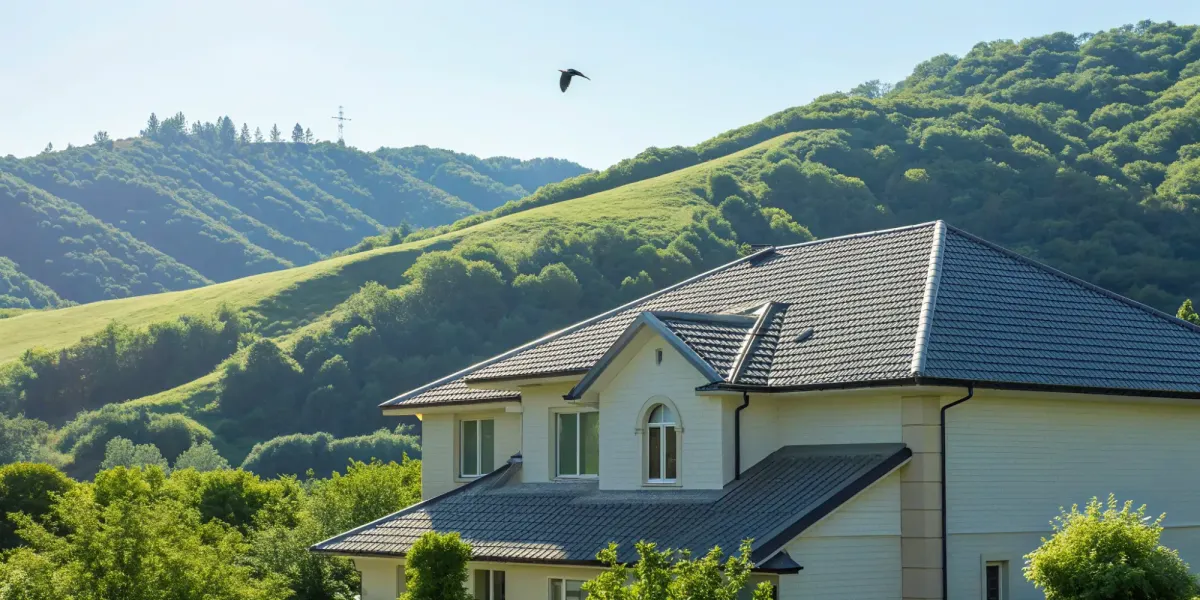
Living in a fire zone can feel like you're just waiting for the other shoe to drop, especially when it comes to your home's insurance. But you can take back control. Installing a new, fire-resistant roof is one of the most powerful moves you can make. It changes your home from a high-risk liability to a well-defended asset in an insurer's eyes. So, does a new roof lower insurance premiums? Yes, but that's not even the biggest benefit. It makes your home insurable, opening doors to better carriers and giving you real leverage in the market.
Key Takeaways
- Focus on a Class A Fire Rating for the Biggest Savings: Your choice of roofing material is the most critical factor for your premium. Insurers reward Class A-rated materials like metal, tile, or slate with the most significant discounts because they offer the highest level of fire protection.
- Be Proactive to Get the Credit You Deserve: A discount isn't automatic. Call your agent before you start the project to confirm which materials qualify for savings, then provide them with all your documentation—like invoices and photos—once the job is complete.
- Layer Your Defenses to Maximize Your Discount: A fire-resistant roof is your best first step, but combining it with other Firewise upgrades like ember-proof vents and defensible space makes your home an even lower risk. This comprehensive approach can lead to stacked discounts and greater overall savings.
Will a New Roof Lower Your Homeowners Insurance?
If you’re a homeowner in a fire-prone area, you know that every home improvement decision is weighed against its impact on your safety and your insurance premium. The good news is that installing a new roof is one of the most effective upgrades you can make to lower your insurance costs. Insurance companies reward proactive homeowners who reduce their property’s risk. A new, fire-resistant roof is a clear signal that you’ve made a significant investment in protecting your home from wildfire, which can translate directly into savings on your policy.
But it’s not just about getting something new. The specific material, its fire rating, and its overall condition are what really move the needle for insurers. A well-chosen roof not only hardens your home against embers but also makes it a more attractive, lower-risk property in the eyes of an underwriter. This can lead to better rates and more coverage options, which is a huge win in today's challenging insurance market. Let’s look at how these factors play into your premium.
How Your Roofing Material Impacts Your Premium
Your choice of roofing material sends a clear message to your insurance provider about your home's level of risk. Insurers prefer materials that are durable and can stand up to severe weather, especially fire. When embers from a wildfire land on a roof, the material determines whether they die out or ignite a new blaze. That’s why homes with fire-resistant roofing, like metal or tile, are seen as a much safer bet. Opting for these materials demonstrates you've actively lowered your risk, which can lead to more favorable homeowners insurance rates. An old, weathered wood-shake roof is a huge liability in a fire zone, while a modern, fire-rated one is a major asset.
Understanding Roof Fire Ratings: Class A, B, and C
Roofing materials are tested and assigned a fire rating to indicate how well they resist fire. These ratings are Class A, B, and C, and understanding them is key to maximizing your insurance savings. Class A is the highest rating, offering the most protection against severe fire exposure. Materials like metal, concrete tiles, and clay tiles typically carry a Class A rating. Class B provides moderate protection, and Class C offers light protection. For homeowners in wildfire zones, a Class A roof is the gold standard. Installing one is one of the most powerful statements you can make to an insurer that your home is well-protected and built to withstand the threat of embers.
Why Your Roof's Age and Condition Matter
Beyond the material itself, the age and condition of your roof play a huge role in how an insurance company assesses your home. An older roof, even if made from decent materials, is seen as a higher risk. Years of exposure to sun, wind, and rain can create vulnerabilities. Worn-out shingles, cracked tiles, or loose seams can catch wind-blown embers, creating an entry point for fire. Insurers know that older roofs are more likely to fail during a storm or fire, leading to costly claims. A brand-new roof eliminates that uncertainty. It assures the provider that your home’s first line of defense is strong, intact, and ready to perform as designed, which often results in a lower premium.
Actual Cash Value vs. Replacement Cost Coverage
When it comes to your roof, your insurance policy has one of two ways of covering it: Actual Cash Value (ACV) or Replacement Cost Value (RCV). Understanding the difference is critical, especially with an older roof. As Progressive notes, your policy will specify if it pays for the full cost of a new roof (replacement cost) or just what your old roof was worth after depreciation (actual cash value). An ACV policy on a 15-year-old roof might only pay out a fraction of what you need to install a new one after a fire. Securing RCV coverage is the goal, as it ensures you can fully rebuild without dipping into your savings. A new, durable roof makes it much easier to qualify for this superior coverage.
Signs Your Roof Is Considered Too Old by Insurers
Insurance companies start getting nervous about roofs once they hit a certain age. Many insurers look closely at roofs that are 15 to 20 years old, and some may consider a roof over 20 years old "too old" to insure for its full replacement cost. This isn't just an arbitrary number; it's based on the fact that older roofs are more susceptible to damage from wind, hail, and fire. An aging roof with curling shingles, missing granules, or cracked tiles is a red flag for underwriters. They see it as a claim waiting to happen. If your roof is approaching that two-decade mark, it’s time to start planning for a replacement to avoid non-renewal or a forced switch to a less favorable policy.
How Roof Lifespan Varies by Material
The expected lifespan of your roof depends entirely on its material, which directly influences how long you can go without worrying about its age. Standard asphalt shingle roofs, the most common type, typically last around 20 years—right around the time insurers start to get concerned. In contrast, more durable materials offer much greater longevity and peace of mind. Metal roofs can last 40 to 70 years, while premium options like slate, tile, and copper can last more than 50 years. Investing in a Class A material with a longer lifespan not only provides superior fire protection but also resets the clock on its age, securing your insurability for decades to come.
Don't Fall for These Roofing Insurance Myths
A common myth is that telling your insurance company about a new roof is a hassle that won’t lead to any real savings. Many homeowners assume their rate is fixed or that the discount wouldn't be worth the paperwork. In reality, most insurance companies offer meaningful discounts for new roofs, especially when they are made of impact-resistant or fire-resistant materials. Failing to notify your agent means you’re leaving money on the table. Another misconception is that only a full roof replacement matters. Even significant repairs or upgrades that improve your roof's resilience can sometimes qualify for a rate reduction. It’s always worth having the conversation with your provider.
How Roof Shape Affects Your Premium
While the material of your roof is a top concern for insurers, its architectural style also plays a significant role in determining your premium. The shape of your roof dictates how well it can handle environmental stressors like high winds, heavy rain, and the accumulation of flammable debris—all critical factors in a wildfire-prone area. An insurer looks at your roof’s design to predict its performance under pressure. A well-designed roof that sheds water and deflects wind is seen as a lower liability, while a shape prone to collecting debris or water can be a red flag. This is why two homes with the same Class A roofing material might receive different insurance rates based on their structural design alone.
Why Hip Roofs Can Lead to Savings
If you want a roof design that insurers tend to favor, look no further than the hip roof. This style features four sloping sides that meet at a ridge, creating a self-bracing structure that is incredibly stable and resistant to high winds. During a windstorm or a wildfire event where winds are strong, this aerodynamic design helps minimize pressure and lift, reducing the chance of damage. Because of their superior performance, insurers often view hip roofs as a lower risk compared to other styles, like gable roofs, which can be more vulnerable to wind. This reduced risk can translate into noticeable savings on your homeowners insurance premium, rewarding you for having a home that is structurally built to withstand the elements.
The Risks Associated with Flat Roofs
On the other end of the spectrum are flat roofs, which often lead to higher insurance premiums. Their primary drawback is poor drainage. Without a slope, rainwater and melting snow can pool, increasing the risk of leaks and water damage over time. In a wildfire zone, they present another serious hazard: they easily collect dry leaves, pine needles, and other wind-blown debris. This accumulation creates a ready-made fuel bed for embers, turning your roof into a significant fire risk. Insurers are well aware of these vulnerabilities, and the increased potential for both water and fire-related claims makes homes with flat roofs more expensive to insure.
Top Fire-Resistant Roofing Options for Your Home
When you live in a high-risk fire zone, your roof is your home's first line of defense. It’s also one of the first things an insurance underwriter looks at when assessing your property's risk. Choosing a fire-resistant material isn't just a smart safety measure; it's a strategic move that can make your home more insurable and potentially lower your premium. Insurers heavily favor materials with a Class A fire rating, which is the highest level of protection against severe fire exposure. Let's walk through some of the top choices that are both durable and preferred by insurance carriers.
Metal Roofs: Durable and Fire-Resistant
Metal roofing is a fantastic option for homeowners in wildfire-prone areas. Materials like steel, zinc, and copper are non-combustible and carry a Class A fire rating. They are incredibly durable, with a lifespan of 40 to 70 years, and can withstand high winds and hail. Because they don't burn, they prevent airborne embers from igniting your roof—a common way homes catch fire during a wildfire. Insurers appreciate the longevity and resilience of metal roofs, often viewing them as a lower risk. This can translate into more favorable terms on your homeowners policy.
Clay and Concrete Tiles: A Classic, Safe Choice
Tile roofs have been used for centuries for a reason—they are tough, long-lasting, and beautiful. Both clay and concrete tiles are non-combustible and provide excellent protection against fire. They won't rot or be damaged by insects, and their durability means they can last for 50 years or more with proper maintenance. Their weight and interlocking design also help them resist high winds. For insurance companies, a well-maintained tile roof signals a well-protected home. The inherent fire resistance of these materials makes them a top-tier choice for reducing wildfire risk and improving your home's insurability.
Class A Asphalt Shingles: Popular and Protective
Asphalt shingles are the most common roofing material in the country, but not all are suitable for high-risk fire zones. It's crucial to choose shingles with a Class A fire rating. These shingles are treated with fire-retardant chemicals that slow the spread of flames. Many are also designed to be impact-resistant (often rated as Class 4), which helps them stand up to hail and wind-blown debris. An insurer will specifically look for the Class A fire rating, so be sure to confirm this with your contractor. While they may not last as long as metal or tile, they offer a cost-effective way to get top-tier fire protection.
Natural Slate: The Ultimate in Durability
Slate is a premium roofing material that offers exceptional performance. As a natural stone, it is completely fireproof, making it an ideal choice for homes in wildfire areas. Slate roofs are also incredibly durable, resisting rot, insects, and harsh weather with very little upkeep required. A professionally installed slate roof can last for over a century. While the upfront cost is higher than other materials, its longevity and superior fire resistance make it a worthwhile investment. Insurance carriers recognize the resilience of slate, and having it on your home can be a significant advantage when seeking coverage.
Is the Upfront Cost Worth the Insurance Savings?
Investing in a fire-resistant roof often comes with a higher price tag, but it's important to look at the bigger picture. A new roof can reduce the risk for your insurance company, which can lead to lower premiums. The exact savings will depend on your location, your chosen material, and your specific insurance provider. Think of it as an investment in your home's safety and financial stability. The long-term benefits—including durability, reduced maintenance, and peace of mind—often outweigh the initial cost. Before you commit, talk to your insurance agent to understand how different roofing materials could impact your policy.
How to Maximize Your Insurance Savings
Installing a fire-resistant roof is a fantastic step toward protecting your home, but the insurance discount doesn’t always follow automatically. To make sure your investment pays off on your premium, you need to be strategic. It’s about choosing the right materials, keeping great records, and communicating clearly with your insurance provider. Think of it as a partnership: you make the upgrades, and they reward you for reducing your home’s risk. By following a few key steps, you can ensure you get the maximum savings available for your efforts. It takes a little planning, but the long-term financial benefits are well worth it.
Start by Choosing the Right Material
Your choice of roofing material is the single most important factor in securing an insurance discount. Insurers want to see that you’ve installed a roof that can genuinely withstand a threat like a wildfire. A good, fire-resistant roof is your first line of defense. Materials with a Class A fire rating, like metal, slate, and clay or concrete tiles, are top-tier choices because they offer the highest level of protection. Some modern asphalt shingles also achieve a Class A rating and can be a more budget-friendly option. When you’re getting quotes from roofers, make sure to specify that you need a Class A-rated material and confirm it’s suitable for a high-risk fire zone.
Get Your Paperwork in Order
Once the work is done, your insurance company will need proof of the upgrade. This is where meticulous record-keeping comes in. Before the project even starts, take clear "before" pictures of your old roof. During and after the installation, collect all the important paperwork. This includes the contractor’s invoice, receipts for the materials, and any manufacturer warranties or product specifications that confirm the material and its Class A fire rating. Having a complete file with "after" photos makes the process of claiming your discount much smoother. It removes any guesswork for your insurer and clearly demonstrates the investment you’ve made in protecting your property.
Talk to Your Insurance Agent
Don’t wait until the new roof is already on to contact your insurance agent. A quick call before you even hire a contractor can save you a lot of headaches. Your agent can tell you exactly which roofing materials qualify for the best discounts and what specific documentation they’ll need from you. They might even have recommendations for reputable local installers. This conversation sets clear expectations and ensures you’re on the right track from the beginning. Think of your agent as a resource—they can help you make the most informed decision for both your home’s safety and your wallet.
Time Your Installation Strategically
When you replace your roof can impact your out-of-pocket costs. If you’re replacing an old, worn-out roof proactively, you’ll cover the full cost of the project. However, if your roof is damaged in a covered event, like a severe storm, your homeowners insurance will likely cover a portion of the replacement cost after you pay your deductible. Understanding the difference is key. A proactive replacement gives you more control over materials and timing, while a post-damage replacement involves your insurance policy more directly. Either way, a new, more resilient roof is a win, but knowing the financial implications of your timing helps you plan accordingly.
Don't Forget Regular Maintenance
Installing a great roof is step one; keeping it in top condition is step two. Insurers value ongoing maintenance because it ensures the roof continues to provide the protection it was designed for. Simple actions like clearing debris from gutters, trimming overhanging tree branches, and scheduling periodic professional inspections can prevent small issues from becoming big problems. Keep a log of any maintenance or repairs you perform. This not only extends the life of your roof but also shows your insurance provider that you’re a responsible homeowner committed to mitigating risk, which can help keep your premiums stable over the long term.
How Much Can You Actually Save?
This is the big question, isn't it? Investing in a new roof is a major financial decision, and you want to know if it will actually pay off on your insurance statement. The short answer is yes, it can make a real difference. But the exact amount you’ll save depends on a few key things, from the materials you choose to the age of your current roof. Let's break down what you can realistically expect.
What's a Typical Insurance Discount?
While every policy and provider is different, installing a new roof can cut your homeowners insurance costs by anywhere from 5% to 35%. Most homeowners find themselves somewhere in the middle, saving an average of 20% on their annual premium. For a policy that costs a few thousand dollars a year—which is common in high-risk areas—that adds up to hundreds of dollars back in your pocket. This discount reflects the simple fact that a new, well-installed roof makes your home safer and less likely to suffer damage, reducing the risk for your insurance carrier.
Comparing Savings by Roofing Material
Insurance companies aren't just looking at whether your roof is new; they care deeply about what it's made of. They want to see materials that are durable and can stand up to the specific threats in your area, like fire, wind, and hail. This is why different roof types affect homeowners insurance rates so much. A standard asphalt shingle roof might get you a modest discount, but choosing a Class A fire-rated material like metal or clay tile shows you’re serious about mitigating risk. That proactive choice often translates into a much more significant premium reduction.
Why a New Roof Doesn't Guarantee Savings
While installing a new, fire-resistant roof is one of the smartest investments you can make, it’s important to have realistic expectations about the impact on your insurance premium. A new roof is a huge step in the right direction, but it isn’t a magic wand that guarantees a lower bill. Sometimes, broader market forces can overshadow the positive changes you make to your home. In other cases, the real win isn't a discount, but simply being able to secure a policy in the first place. Understanding these factors helps you see the full value of your investment, even if it doesn't immediately translate to a huge price drop on your renewal notice.
The Impact of Broader Market Conditions
It can be incredibly frustrating to spend thousands on a Class A roof only to see your insurance premium stay the same or even go up. This often has less to do with your home and more to do with the bigger picture. Insurance rates are heavily influenced by what’s happening across your entire state. When a region experiences a rise in catastrophic events like wildfires, the cost of insurance for everyone goes up to cover the increased risk. Your new roof is still incredibly valuable—it might be the reason your premium increased by 5% instead of 25%, or why your insurer was willing to renew your policy at all when others in your area were dropped.
When a New Roof is a Requirement for Coverage
In today's tough insurance market, the conversation is shifting from "Will a new roof save me money?" to "Will a new roof make me insurable?" For many carriers operating in high-risk areas, a roof over a certain age—sometimes as young as 15 years—is an automatic dealbreaker. They simply won't offer you a policy. In these situations, replacing your roof isn't an optional upgrade for a discount; it's a mandatory step to secure coverage. As many homeowners have discovered, the real benefit wasn't a lower bill, but getting an insurance company to cover their home at all. This makes the investment less about immediate savings and more about protecting your largest asset.
What Else Impacts Your Insurance Rate?
Beyond the material, your roof's age and overall condition are huge factors. An older roof is one of the biggest red flags for an insurer. As roofs age, they become more vulnerable to leaks, wind damage, and failure during a storm or fire. Because of this, an old roof can drive your premiums up or even make it difficult to get coverage at all. The shape and design of your roof can also play a role. A simple, sloped hip roof, for example, tends to perform better in high winds than a more complex gable roof with multiple angles, which can also influence your rate.
Stacking Discounts for Bigger Savings
The best part is that discounts can often be stacked. You might get one discount just for replacing an old roof, but you could get an additional one for choosing Class A fire-resistant materials. If you opt for impact-resistant materials that hold up against hail, that could be another discount on top. Think of it as a series of smart choices that add up. When you combine a resilient new roof with other fire-wise upgrades—like ember-resistant vents or clearing defensible space—you present your home as a much lower risk, giving you the best possible chance at securing the lowest rates.
How to Claim Your New Roof Insurance Discount
Installing a fire-resistant roof is a major step toward protecting your home, but the savings on your insurance premium aren’t automatic. To make sure you get the credit you deserve, you need to be proactive. Your insurance provider won’t know you’ve made this significant upgrade unless you tell them and provide the right information to back it up. Think of it as a partnership: you invest in reducing your home’s risk, and your insurer rewards that effort with a lower rate.
The process is straightforward, but it requires a bit of organization. From planning your project to keeping up with maintenance, each step plays a role in securing and keeping your discount. By following these steps, you can make the process smooth and ensure your investment pays off, not just in safety but in long-term savings. Let’s walk through exactly what you need to do to claim your discount.
Understand Your Coverage During Renovations
Before the first shingle comes off your old roof, it’s essential to have a conversation with your insurance agent. A major renovation like a roof replacement temporarily changes your home’s risk profile, and your standard policy might not fully cover you during the construction phase. For instance, are the thousands of dollars of new roofing materials sitting in your driveway covered against theft? What happens if a worker is injured on your property? A quick call to your agent can clarify these points and ensure you don’t have any coverage gaps. They can review your current policy and advise if you need a temporary adjustment or a special endorsement to protect you while your home is a construction zone.
Your contractor’s insurance is just as important as your own. Before signing any contracts, ask for proof of their general liability and workers' compensation insurance. This is non-negotiable. Their liability insurance protects your property from damage they might cause, while workers' comp covers their employees if they get hurt on the job, preventing them from suing you for medical costs. It's crucial to verify your contractor's insurance and license to ensure they are legitimate and that you are protected from financial liability. This simple due diligence provides a critical layer of security and peace of mind throughout the project.
Do Your Homework Before Installation
Before you even start getting quotes from roofers, your first call should be to your insurance agent. This simple step can save you a lot of headaches and money down the line. Your agent can tell you exactly which roofing materials and fire ratings qualify for a discount under your specific policy. They can also outline any documentation or inspection requirements their company has. It’s a good idea to talk to your insurance agent before you commit to a material, so you can be confident your choice will lead to the savings you expect.
Have Proof of Installation Ready
Once the work is done, your insurance company will need proof of the upgrade. This is where good record-keeping comes in. Be prepared to provide a complete file on your new roof. You should save all documents related to the project, including the contractor’s invoice, a list of materials used (especially the shingle or tile manufacturer and model), and the final permit. It’s also incredibly helpful to take “before and after” photos of your roof to visually document the change. This paperwork proves that the installation was completed professionally with high-quality, fire-resistant materials.
Confirm the Details with Your Insurer
Don’t be surprised if your insurance provider wants to see the new roof for themselves. Some insurers may require a physical inspection to confirm the quality of the installation and the materials used. This isn’t a sign of distrust; it’s a standard procedure to verify that the roof meets their underwriting standards for safety and durability. A professional inspection ensures the work was done correctly, which is what ultimately justifies the discount on your premium. Think of it as a final quality check that solidifies your home’s improved risk profile.
Keep Your Insurance Provider in the Loop
This might sound obvious, but it’s the most critical step: you have to tell your insurance company about your new roof. They won’t know you’ve made this important upgrade unless you reach out. As soon as the project is complete and you have your documentation in hand, call your agent or send them an email. Let them know you’ve installed a new, fire-resistant roof and that you’d like to have your policy reviewed for any available discounts. Almost everyone agrees that you should definitely tell your insurance company to ensure you get the financial benefits.
Keep Detailed Maintenance Records
Securing a discount is great, but keeping it often depends on maintaining your roof’s condition. Your insurer is rewarding you for reducing risk, and that risk stays low only if the roof is well-cared-for. Keep a simple log of any maintenance you perform. This includes records of annual inspections, receipts for gutter cleaning, and notes on any minor repairs you’ve had done. These records demonstrate that you’re a responsible homeowner committed to upkeep, which helps ensure you continue to receive the benefits of your lower premium year after year.
More Ways to Protect Your Home and Save Money
A new fire-resistant roof is a powerful step toward securing your home and your insurance rate, but it works best as part of a bigger strategy. By pairing your new roof with other smart upgrades and ensuring everything is done by the book, you can maximize both your protection and your potential savings. Think of it as building layers of defense—each one makes your home a more resilient and insurable property. Here’s how to make sure your investment pays off in every possible way.
Pair Your New Roof with Other Firewise Upgrades
Your roof is your home's first line of defense against embers, but it shouldn't be the only one. When you install a Class A roof, consider other Firewise home improvements that create a comprehensive defense system. This includes installing non-combustible siding, covering vents with fine metal mesh to block embers, and upgrading to dual-pane tempered glass windows. Clearing vegetation to create defensible space around your property is also critical. Each upgrade you make demonstrates to your insurer that you are proactively reducing your risk, which can lead to more significant discounts when bundled together.
Consider Other Weather-Resistant Features
While fire is the primary concern in many California communities, a truly resilient home is prepared for a range of weather events. Insurance companies take a holistic view of risk, so demonstrating that your home can withstand other threats like high winds and hail can further improve your insurance profile. These additional layers of protection not only give you more peace of mind but can also unlock extra discounts on your premium, making your home safer and more affordable to insure.
Hail-Resistant Roofing Discounts
In many regions, severe hail is a real and costly threat. If you're already investing in a Class A fire-rated roof, it’s worth exploring materials that also have a high impact-resistance rating, typically a Class 4 rating. Materials like metal, slate, and certain types of asphalt shingles are designed to withstand hail damage, preventing the dents and cracks that can lead to expensive claims. When you choose impact-resistant materials, insurers see a home that’s fortified against multiple perils. This can result in an additional discount stacked on top of your fire-resistance savings, rewarding your comprehensive approach to risk reduction.
Wind Mitigation Upgrades
High winds can cause significant damage on their own and are a major factor in how quickly a wildfire spreads. Taking steps to strengthen your home against wind is another smart way to lower your insurance risk. This can include installing hurricane straps to secure your roof to the walls, reinforcing your garage door, or adding storm shutters. These wind mitigation upgrades show your insurer that your home is less likely to suffer structural damage during a severe weather event. When combined with a fire-resistant roof and defensible space, these features create a robust defense system that makes your property far more attractive to underwriters.
Other Home Upgrades That Can Lower Insurance
Beyond fortifying your home’s exterior, there are several other upgrades and strategies you can use to lower your homeowners insurance premium. These improvements focus on reducing common internal risks, like fire and water damage, and leveraging policy options for straightforward savings. Insurance companies reward homeowners who are proactive about safety and loyalty, and these steps are often some of the easiest to implement for a noticeable impact on your rate.
Updating Electrical and Plumbing Systems
Outdated systems inside your walls can be a hidden source of risk. Old electrical wiring, especially knob-and-tube or aluminum wiring, is a significant fire hazard that makes insurers nervous. Updating your home’s electrical system to meet modern safety codes can make your property much safer and may lead to a lower premium. Similarly, old, corroded plumbing increases the risk of leaks and costly water damage claims. By replacing aging pipes and fixtures, you demonstrate to your insurer that you’re actively preventing some of the most common and expensive types of home insurance claims.
Installing Safety and Security Devices
Insurance companies love data that proves your home is secure. Installing modern safety and security devices is a clear way to show you’re serious about protecting your property. You can often get a discount for having centrally monitored systems that alert the authorities in case of a fire or break-in. This includes professionally installed fire alarms and smoke detectors, burglar alarms, and even water-leak sensors. These devices can significantly reduce the severity of a potential claim by ensuring a fast response, a fact that insurers are happy to reward with a reduction in your premium.
Bundling Your Home and Auto Policies
One of the simplest ways to save on homeowners insurance doesn't involve a hammer or a contractor—it just requires a phone call. Most insurance carriers offer a multi-policy discount when you bundle your home and auto insurance policies with them. This is often one of the most significant discounts available, and it streamlines your billing by putting everything in one place. As an independent agency, we can help you compare bundling options from multiple carriers to find the combination that offers the best coverage and the most substantial savings for your specific needs.
Why You Must Meet Local Building Codes
In areas prone to wildfires, local and state building codes are not just suggestions—they are essential safety standards. These codes are regularly updated to reflect the latest in fire-safe construction. When you replace your roof, ensuring the project meets or exceeds current California building codes is crucial. Insurance carriers look at code compliance as a fundamental measure of a home's risk level. A properly permitted and inspected installation proves your roof is built to withstand local threats, making it a key factor when underwriters calculate your premium.
Why Professional Installation is Non-Negotiable
You can choose the best Class A roofing material on the market, but it won’t protect your home if it isn't installed correctly. A shoddy installation can create gaps where embers can enter or compromise the material's fire rating. That’s why insurers often require documentation proving a licensed professional handled the job. Investing in professional installation ensures your roof is compliant with manufacturer warranties and local codes. It’s a non-negotiable step that protects your investment, secures your home, and validates your eligibility for insurance discounts.
Think About the Long-Term Value
The upfront cost of a new fire-resistant roof can feel steep, but it’s important to look at the bigger picture. Beyond the immediate safety benefits, a new roof is an investment in your home's long-term financial health. Homeowners can see their insurance premiums drop by an average of 20%, and sometimes by as much as 35%, depending on the material and location. This new roof also increases your property value and reduces the likelihood of costly repairs down the line. When you weigh the potential insurance savings against the initial expense, the long-term value becomes clear.
Frequently Asked Questions
Do I have to tell my insurance company about my new roof, or will they find out on their own? You absolutely need to tell them. Insurance companies don’t automatically know when you’ve made home improvements, so the discount won’t just appear on your statement. Once the project is finished, call your agent and let them know you’ve installed a new roof. Be ready to provide documents like the contractor’s invoice and material specifications to prove the upgrade and its fire rating.
Is it worth spending more on a metal or tile roof just for the insurance discount? Think of it as an investment in your home's overall resilience, not just a play for a discount. While a Class A metal or tile roof often yields the highest insurance savings, it also offers superior protection against fire and lasts decades longer than standard shingles. The long-term value comes from durability, reduced maintenance, peace of mind, and potentially making your home insurable when it otherwise might not be. The premium savings are a significant and welcome bonus.
What if my current roof is in good shape but doesn't have a Class A fire rating? This is a common situation in high-risk areas. While a roof in good condition is always a plus, insurers in fire-prone regions place a heavy emphasis on the material's fire rating. An older, unrated material like wood shake can make your home difficult or extremely expensive to insure, even if it looks fine. Upgrading to a Class A roof is one of the most effective ways to lower your risk profile and improve your standing with insurance carriers.
Besides the invoice, what specific documents should I save to prove my upgrade? A complete file is your best tool for securing a discount. Along with the final invoice, be sure to keep the manufacturer’s warranty for the roofing material, which will specify its Class A fire rating. It’s also smart to save any building permits related to the job and take clear "before and after" photos. This collection of documents removes any doubt for your insurer and makes the process of adjusting your premium much smoother.
Will a new fire-resistant roof guarantee that I can get insurance coverage? While a new Class A roof significantly improves your chances of getting coverage, it isn't an absolute guarantee. Insurers look at your property’s total risk, which includes factors like your home’s location, defensible space, and proximity to brush. However, installing a fire-resistant roof is one of the most powerful signals you can send to an underwriter that you are a proactive and responsible homeowner, making your property a much more attractive risk for them to take on.
Related Articles
- Western US Home Insurance | Wildfire & High-Risk Coverage | Five Bays Insurance Agency
- FAQ: Wildfire & High-Risk Home Insurance
- Policy Checkup: Is Your Home Protected?
- Disclaimers & Disclosures
- Licenses


