
Nonrenewed Home Insurance Due to Wildfire Risk? A Guide
Find practical steps and expert tips for nonrenewed home insurance due to wildfire risk, plus how to secure new coverage and protect your property.

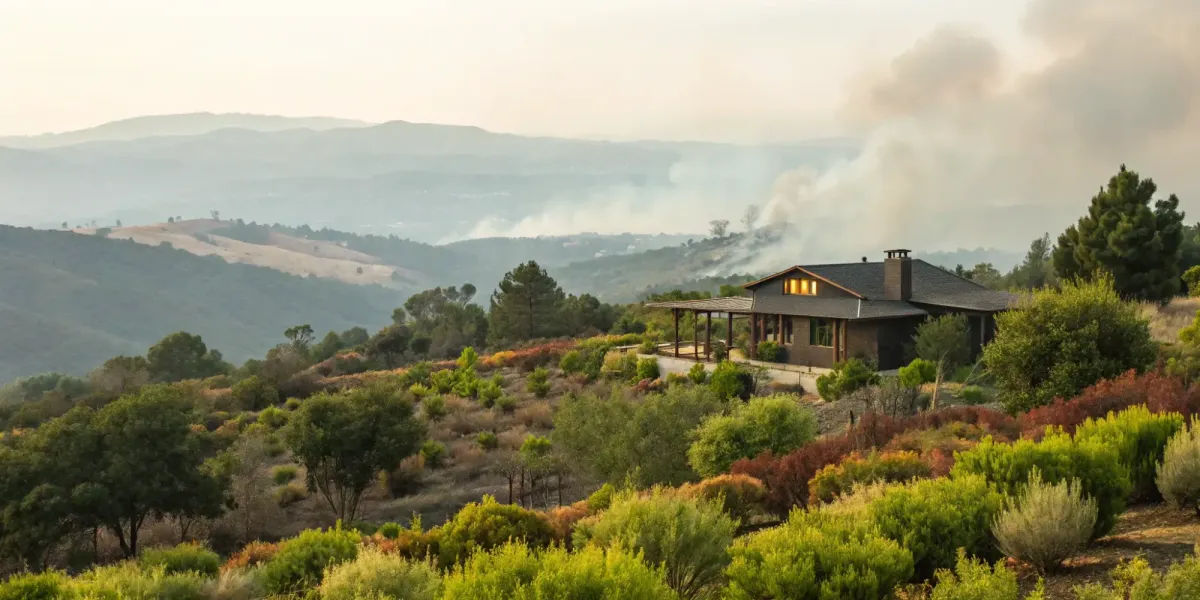
Getting that non-renewal notice can make you feel powerless, as if the decision is completely out of your hands. But you have more control than you think. When you're facing nonrenewed home insurance due to wildfire risk, you can take direct action. Proactive steps to make your home safer and more resilient don't just protect your family—they make your property a more attractive risk to insurance carriers. This guide shows you exactly how to turn this situation into an opportunity, strengthening your home’s defenses and expanding your options for coverage.
Key Takeaways
- A non-renewal is a starting point, not a final notice: Use the 30-60 day window to your advantage. Contact your current insurer to discuss their decision, gather your property documents, and begin shopping for new coverage immediately to prevent a lapse.
- The private market has options for high-risk homes: Don't assume you're uninsurable. Work with an independent agent to explore specialty carriers that understand wildfire risk, and learn about the FAIR Plan as a backup so you know all your potential paths to coverage.
- Proactive home protection improves your insurability: Taking concrete steps like creating defensible space and hardening your home against embers makes your property a more attractive risk. Document every improvement with photos and receipts to build a strong case for new carriers.
The Growing Challenge of Insuring Homes in Wildfire Zones
Understanding the Numbers Behind Non-Renewals
If you’ve received a non-renewal notice, it’s easy to feel singled out, but you’re part of a much larger trend affecting homeowners across the state. The insurance landscape in wildfire-prone areas is shifting dramatically as major carriers re-evaluate their risk. This has led to a wave of policy cancellations and sharp premium increases for those who can still get coverage. This isn't a reflection on you as a homeowner; it's a market-wide response to escalating climate risks. Understanding the scale of this challenge is the first step toward finding a sustainable solution and securing the protection your home needs.
The Scale of Non-Renewals in California
It’s not just smaller companies pulling back; some of the biggest names in insurance are pausing new policies in California. Major carriers like State Farm, Allstate, and Chubb have announced they are not renewing existing policies or are stopping new ones in high-risk areas. This industry-wide retreat has left countless homeowners scrambling for coverage. The decision by these household names to limit their exposure shows how significant the perceived risk has become, making it much harder for residents to find coverage in the traditional market and forcing them to seek alternatives.
Rising Premiums Across High-Risk States
For homeowners who can find a carrier willing to offer a policy, the cost can be staggering. Predictable, affordable premiums are fading for many in wildfire zones, with some annual premiums jumping from a few thousand dollars to over $18,000. This kind of price hike can strain household budgets and make homeownership feel financially unsustainable. These rising costs are a direct result of insurers trying to balance the immense financial risk of catastrophic wildfires. It leaves homeowners caught in the middle, facing tough choices about how to protect their most valuable asset.
The Growth of Last-Resort Insurance Plans
As traditional insurers pull back, more homeowners are turning to the California FAIR Plan. While it provides a crucial safety net, it’s important to understand its limitations. The FAIR Plan is a last-resort option offering basic fire insurance, but it doesn't cover common risks like theft, water damage, or liability. Crucially, it typically pays for the actual cash value of your property, not the full cost to rebuild. The plan’s enrollment has more than doubled in recent years, highlighting how many people are left without other options and underscoring the need for specialized agents who can find more comprehensive coverage.
Decoding Your Home Insurance Non-Renewal Notice
Getting a non-renewal notice in the mail can feel like a gut punch, especially when you’ve always paid your premiums on time. It’s easy to feel singled out, but it’s important to understand what this letter actually means. A non-renewal notice is simply a formal heads-up from your insurance company that they will not be continuing your policy when it expires. It’s a business decision, and it’s not the same as having your insurance canceled.
This situation is becoming more common for homeowners in California and other high-risk areas as insurers adjust to changing climate conditions. While it’s definitely stressful, it’s not a dead end. This notice is your cue to start exploring new options to keep your home protected. You have time to find a new policy, and understanding the process is the first step toward finding the right coverage for your home.
Is It a Non-Renewal or a Cancellation?
It’s crucial to know that non-renewal and cancellation are two different things. A non-renewal means your insurer has decided not to extend your coverage for another term once your current policy ends. Think of it as a contract that simply isn’t being renewed. A cancellation, on the other hand, is when your insurer terminates your policy before its scheduled expiration date. This usually happens for specific reasons, like failing to pay your premiums or misrepresenting information on your application. A cancellation can make it harder to find new insurance because it often implies fault, whereas a non-renewal is frequently due to broader business factors that are completely outside of your control.
Wildfire Coverage is Part of Your Standard Policy
On paper, damage from a wildfire is covered by a standard homeowners policy, just like any other type of fire. This coverage is meant to protect your house, other structures on your property like a shed or detached garage, and your personal belongings. However, if you live in a high-risk area, you know the reality is far more complicated. The challenge isn't about the fine print in the policy; it's about finding an insurer willing to write the policy in the first place. Many carriers are limiting their exposure in these regions, and those that do offer coverage often include a separate, steep wildfire deductible. This is usually a percentage of your home's value, which can mean you’re on the hook for tens of thousands of dollars out of pocket. It’s this difficult market that forces many to turn to the California FAIR Plan as a last resort.
Your Rights and Deadlines After a Non-Renewal
When you receive a non-renewal notice, you have rights. Your insurance company can’t just drop you without warning. By law, they are required to send you a written notice explaining their decision, giving you a critical window of time to find a new policy without a lapse in coverage. Typically, your insurer must send this notice 30 to 60 days before your policy is set to expire, though the exact timing can vary by state. This period is your opportunity to understand their reasoning, gather your current policy documents, and start shopping for a new carrier. Don’t let the notice sit on your counter—acting quickly is key to ensuring your home remains protected.
State-Mandated Notice Periods
Thankfully, state law provides a buffer so you won’t be left scrambling. In California, your insurance company is required to give you at least 75 days’ written notice before they can non-renew your homeowners policy, and they must provide a clear reason for their decision. This isn’t just a courtesy; it’s a legal requirement designed to give you a fair chance to find new coverage. Use this time wisely. This window is your opportunity to contact your current provider for more details, get your documents in order, and start exploring other insurance options. This protected timeframe helps reduce the initial panic, allowing you to approach the situation with a clear, strategic plan.
Protections After a Declared Disaster
If your non-renewal notice is related to a recent major wildfire, you may have additional protections. California law provides a mandatory one-year moratorium on non-renewals for homes located within or adjacent to the perimeter of a fire that resulted in a declared state of emergency. This means if your property is in an affected ZIP code, your insurer cannot drop your policy for at least 12 months following that declaration. This crucial protection is designed to give communities time to recover and rebuild without the immediate threat of losing their insurance. It provides a much-needed sense of stability, allowing you to focus on your home and family during a stressful time.
Why Was My Home Insurance Non-Renewed?
It’s natural to wonder what you did wrong, but a non-renewal is often not personal. Insurers are businesses managing risk, and their decisions are usually based on a broad assessment of their exposure. In areas with high wildfire risk, an insurer might decide to non-renew a large number of policies to reduce its potential for massive claim payouts. Other common reasons for homeowners insurance nonrenewal include filing multiple claims in a short period, changes to your property’s condition that increase risk (like a deteriorating roof or outdated electrical wiring), or a drop in your insurance score. Understanding the reason listed on your notice can help you prepare to find your next policy.
How New Regulations Are Changing the Market
It can feel like the ground is constantly shifting when it comes to insurance, but state regulators are actively working to create more stability. In California, for instance, new rules can provide a temporary safety net. After a major wildfire, the state can implement a one-year moratorium on non-renewals for homes within or near the fire perimeter, giving affected homeowners crucial time to recover. At the same time, regulations are changing how insurers calculate risk. As part of a broader Sustainable Insurance Strategy, carriers can now use predictive models for future wildfires when setting rates. The goal is to create a healthier, more competitive market that encourages insurers to continue offering coverage in high-risk areas, ultimately giving you more options.
Don't Believe These Non-Renewal Myths
Receiving a non-renewal notice can spark a lot of anxiety, much of it fueled by myths. Let’s clear a few things up. First, a non-renewal does not mean you’re uninsurable. It just means your current carrier has changed its risk appetite. Many other insurers, including specialty carriers, may still be willing to cover your home. Second, it doesn’t automatically mean your next policy will be drastically more expensive. While finding coverage in a high-risk area can be challenging, it’s not a given that your premiums will skyrocket. By working with an independent agent and taking proactive steps to make your home more resilient, you can often find competitive and affordable options.
Okay, You Got the Notice. Now What?
Getting a non-renewal notice in the mail can feel like a gut punch, but this is not the time to panic. It’s time to get organized. A non-renewal isn’t a cancellation; it simply means your current insurer has decided not to continue your coverage after your policy term ends. This gives you a window of time—usually 30 to 60 days—to find a new solution.
Think of this as your action plan. The steps below will help you understand why this happened, see if you can reverse the decision, and prepare you to find new coverage without a lapse. The key is to be proactive. By tackling this head-on, you can move from a place of uncertainty to one of control. Gather your documents, make a few phone calls, and remember that you have options. Many homeowners in high-risk areas have successfully found great coverage after a non-renewal, and you can too.
Read the Fine Print: What Your Notice Says
First, take a deep breath and carefully read the non-renewal notice and any accompanying documents. Your insurance company is required to give you a specific reason for their decision. It could be related to your property's risk profile, a change in their business strategy, or even something as simple as a missed inspection. Understanding their reasoning is the first step in figuring out your next move. Pay close attention to the effective date of the non-renewal so you know exactly how much time you have to secure a new policy. This letter is your starting point for every conversation you’ll have next.
What to Ask Your Current Insurance Company
Your next call should be to your current insurance agent or company. Don't assume their decision is final. Ask them directly if they would be willing to reconsider. Sometimes, a non-renewal can be reversed if you agree to make certain changes to your property. For example, they might renew your policy if you commit to clearing brush to create defensible space or replacing an old roof. Be polite, direct, and open to their suggestions. This conversation will clarify whether you can stay with your provider or if you definitely need to start shopping for a new one.
Can You Appeal the Decision? Here's How
If you believe the non-renewal was based on incorrect information or you’ve already fixed the issue they cited, you can formally ask them to reconsider. This is your chance to build an appeal. Gather any proof you have, such as receipts for a new roof, photos of your cleared defensible space, or documentation from a recent home inspection. A strong appeal presents clear evidence that you’ve addressed their concerns. According to experts, providing this proof might be enough to get them to reverse their decision and keep you as a customer.
Get Ready to Shop: Prepping for Insurer Calls
Whether your appeal is successful or not, you should prepare to shop for a new policy. Start by gathering all the necessary information about your home: its age, square footage, construction materials, and a list of any recent upgrades or wildfire mitigation efforts you’ve made. Having these details on hand will make the application process much smoother. This is also a great time to connect with an independent insurance agent. They work with multiple carriers, including smaller, specialized companies you might not find on your own, giving you a better chance to get homeowners insurance that fits your needs.
Review Your CLUE Report for Errors
Think of your CLUE report as a credit report for your insurance history. The Comprehensive Loss Underwriting Exchange (CLUE) report details any claims you’ve filed on your property over the last several years, and insurers use it to assess your risk level. An error on this report—like a claim that was never paid out or an inquiry that was incorrectly listed as a claim—could be the hidden reason behind your non-renewal. A negative mark can lower your insurance score, making you appear riskier to carriers. You have the right to request a free copy of your report from LexisNexis each year. Go through it line by line. If you find an inaccuracy, dispute it immediately. Correcting these errors can significantly improve your insurability and strengthen your case when you apply for a new policy.
Shopping for New Insurance in a High-Risk Area
Getting a non-renewal notice can feel like the end of the road, but it’s really just a detour. Now is the time to explore all your options for protecting your home, and the good news is that you have more than you might think. The key is to act quickly and strategically. A gap in your homeowners insurance can cause issues with your mortgage lender and make it harder to get an affordable policy later on.
Think of this process as a fact-finding mission. You’ll look at familiar, big-name companies, explore insurers that specialize in homes like yours, and learn about state-run programs. Each path offers a different type of solution, and understanding them will help you make the best choice for your family and your finances. Let’s walk through where to look and who can help you find a new policy that fits your needs.
How We Can Help You Find Coverage
This is our specialty. At Five Bays, we work every day with homeowners in high-risk areas who have been non-renewed. Instead of you having to call dozens of companies, we do the legwork for you. We partner with a wide range of insurance carriers—including those that understand the realities of wildfire risk in California and are willing to write policies for well-maintained homes. We can help you compare quotes, understand the fine print, and figure out which coverage makes the most sense. Our goal is to find you a reliable policy in the private market so you can avoid last-resort options.
Can You Still Get Coverage from a Traditional Carrier?
Your first step should be to shop for new insurance right away. Start with the well-known, traditional insurance companies. While they may have stricter guidelines for wildfire-prone areas, you should still get quotes from them. Having your home’s details, a list of all the fire-hardening improvements you’ve made, and your previous policy information on hand will make these calls more productive. Don’t be discouraged if you get a few rejections; this is a common experience. The most important thing is to avoid a gap in coverage, which can complicate things with your mortgage lender and lead to higher rates down the line.
When to Consider a Specialty Insurer
If traditional carriers aren’t an option, it’s time to look into specialty insurers. These companies focus on providing coverage for homes that standard insurers consider high-risk. They have a deeper understanding of specific risks, like wildfires, and their underwriting process is designed to handle more complex situations. While their premiums may be higher than a standard policy, they are a crucial part of the market because they provide a private insurance solution when other doors have closed. An independent agent can be your best resource for identifying and getting quotes from these specialized companies.
Why an Independent Agent Might Be Your Best Bet
You don’t have to handle this search alone. Working with an independent insurance agent gives you an expert advocate who is on your side. Unlike captive agents who only work for one company, independent agents partner with multiple insurance carriers. This means we can shop the market for you, saving you time and stress. An experienced broker can help you find policies from smaller, regional, or specialty companies you might never discover on your own. We know the market, we understand the underwriting questions, and we can present your home in the best possible light to find you coverage.
How Agencies Like Five Bays Bridge the Gap
Finding a new policy on your own can feel like a full-time job, filled with confusing applications and frustrating rejections. This is where an independent agency like Five Bays steps in. Think of us as your expert guide and advocate. Instead of you calling dozens of companies, we do the legwork for you. We partner with a wide range of insurance carriers—including specialty insurers you might not find on your own—that understand the realities of wildfire risk in California. We help you package your home’s story, highlighting the proactive steps you’ve taken, like creating defensible space or hardening your home against embers. By presenting your property in the best possible light, we build a stronger case for coverage and connect you with carriers ready to offer a policy.
What Are Surplus Lines?
When you’ve been turned down by multiple standard insurers, you may be pointed toward surplus lines. This is a segment of the insurance market that covers risks that traditional, "admitted" carriers won't take on. Surplus lines policies are a legitimate and often necessary option for very high-risk homes. However, it’s important to know that they operate differently. Premiums and deductibles are typically higher, and the policies might have more exclusions. These surplus lines policies are not backed by the state’s guarantee fund, but the companies are still regulated to ensure they can pay out claims.
Understanding the High Cost of Surplus Lines
The main thing you'll notice about surplus lines policies is the price tag. It's higher, and there's a straightforward reason for it: these insurers are stepping in to cover risks that standard companies have already walked away from. Because they are taking on a much greater chance of a major claim, especially in a wildfire zone, they have to charge more to balance that risk. This isn't just reflected in the premium you pay each year. You'll also likely see a much higher deductible, meaning you'll be responsible for a larger portion of the repair costs before your insurance kicks in. It’s a trade-off—you get the coverage you need to protect your home, but it comes at a higher upfront and potential out-of-pocket cost.
Beyond the sticker shock, it's important to understand the structural differences in these policies. A key point is that surplus lines carriers are not backed by your state's guarantee fund. This fund is a safety net that pays claims if a standard insurer goes out of business. With a surplus lines policy, that safety net isn't there. However, these companies are still regulated and must meet specific financial requirements to prove they can pay out claims. You should also be aware that these policies can have more specific exclusions than standard ones. It’s essential to work with an agent who can walk you through the policy details so you know exactly what is and isn't covered before you sign.
Is the FAIR Plan Right for You?
If you’ve received a non-renewal notice, you’ve probably heard about the California FAIR Plan. It’s often mentioned as the insurer of last resort, which can sound a little intimidating. But think of it more as a safety net. It was created to make sure homeowners in high-risk areas have access to basic coverage when traditional insurance companies are no longer an option. While it’s a critical resource, it’s important to understand exactly what it is—and what it isn’t—before you decide it’s the right path for you.
How the FAIR Plan Works
The FAIR Plan is a state-mandated program that provides basic fire insurance for high-risk properties that can’t get coverage in the voluntary market. If you’ve been denied coverage by multiple private carriers because you live in a wildfire-prone area, the FAIR Plan is designed to be your fallback. It’s not a government agency but an association of private insurers that pools risk among all property insurers in the state to offer coverage where others won’t. Its primary goal is to ensure that no homeowner is left completely uninsured against fire, the most significant threat in many California communities.
Mind the Gaps: What the FAIR Plan Doesn't Cover
This is the most important thing to know: the FAIR Plan is not a comprehensive homeowners policy. It’s a bare-bones plan that typically only covers damage from fire, lightning, and internal explosion. It does not include coverage for other common risks like theft, water damage, or personal liability. This means if someone is injured on your property, you won’t be covered. To get that essential protection, you’ll need to buy a separate policy called a Difference in Conditions (DIC) policy. A DIC policy wraps around your FAIR Plan policy to fill in the coverage gaps, giving you protection that’s much closer to a traditional homeowners plan.
Actual Cash Value vs. Replacement Cost
When you're comparing new insurance quotes, you'll run into two key terms: Actual Cash Value (ACV) and Replacement Cost. The difference between them can have a massive impact on your financial recovery after a loss. An Actual Cash Value policy pays for the value of your damaged items minus depreciation. So, if your 10-year-old roof is destroyed, you’ll get a check for what a 10-year-old roof is worth, not what it costs to install a new one. On the other hand, Replacement Cost coverage is designed to pay the full amount needed to replace your property with new items of similar quality, without deducting for wear and tear. For homeowners in wildfire zones, this distinction is critical. Rebuilding a home is expensive, and having Replacement Cost coverage ensures you have the funds to do it right, without having to cover a huge gap out of pocket.
What Does the FAIR Plan Cost?
Because the FAIR Plan insures properties that private companies consider too risky, its premiums are often higher than a standard homeowners policy. The cost reflects the elevated risk of fire in your area. When you’re budgeting, remember to account for the cost of two separate policies: the FAIR Plan for fire coverage and a DIC policy for everything else. The combined price can be significant, so it’s crucial to get quotes for both to understand your total annual insurance cost. An independent agent can help you shop for the most affordable DIC policy to pair with your FAIR Plan coverage.
How to Apply for the FAIR Plan
You can’t just sign up for the FAIR Plan; you have to prove you need it. To be eligible, you typically need to show that you’ve been unable to find coverage from traditional insurance carriers. This usually means providing evidence of non-renewal or denial from a certain number of insurers. Keep all your non-renewal notices and any letters of denial you receive, as you’ll need them for your application. You can apply for the FAIR Plan directly or through an insurance agent. Working with an agent can simplify the process, as they can handle the paperwork and help you find a companion DIC policy at the same time.
How to Make Your Home More Insurable Against Wildfire Risk
After receiving a non-renewal notice, it’s easy to feel powerless. But you can take back control by making proactive changes that reduce your home’s wildfire risk. Insurers base their decisions on risk, so showing them you’ve taken concrete steps to protect your property can make a significant difference. These improvements not only make your home safer for your family but also make it a more attractive risk for insurance carriers, opening up more coverage options for you.
Step 1: Create Defensible Space Around Your Home
Think of defensible space as a buffer zone between your home and an approaching wildfire. It’s one of the most effective ways to protect your property and a key factor insurers look at. Creating this space involves clearing away flammable materials to slow or stop the spread of fire. Start by removing dead plants, dry leaves, and pine needles from your yard, roof, and gutters. Trim tree branches so the lowest limbs are at least six to ten feet from the ground. You should also move firewood piles and other flammable items at least 30 feet away from your house. Following these defensible space guidelines shows insurers you are serious about wildfire mitigation.
Step 2: Harden Your Home Against Wildfires
While defensible space protects the area around your home, home hardening focuses on making the structure itself more fire-resistant. The goal is to prevent wind-blown embers from getting inside and igniting your house—the leading cause of homes burning down in a wildfire. You can harden your home by installing fine mesh screens over vents, using non-combustible siding and roofing materials, and upgrading to dual-pane tempered glass windows. Even small fixes, like sealing gaps around doors and your garage, can make a big impact. These upgrades are a long-term investment in your home’s safety and insurability.
Step 3: Document Every Improvement You Make
Making improvements is the first step, but proving you did the work is just as important. Keep a detailed portfolio of every mitigation project you complete. Take before-and-after photos to create a clear visual record of the changes. Save all receipts for materials and invoices from contractors. Create a simple document that lists each improvement, the date it was completed, and the cost. When you apply for new insurance or ask an insurer to reconsider a non-renewal, this portfolio becomes powerful evidence that you have actively reduced your property’s risk.
Step 4: Check Your Property's Wildfire Hazard Score
Insurance companies use a wildfire hazard score to quickly gauge the risk of insuring your home. Think of it like a report card for your property's location, the surrounding vegetation, and its fire history. Knowing this score gives you a powerful advantage because you can see your home through an underwriter's eyes. You can check your property's wildfire hazard score using online tools, like the maps provided by Cal Fire, which can show you exactly what risks your property faces. This isn't just about getting a number; it's about understanding where you can make the biggest impact. A high score might highlight the need for more aggressive brush clearing or specific home hardening projects, giving you a clear roadmap for improving your insurability.
Will These Upgrades Lower Your Premium?
Investing in defensible space and home hardening can directly influence your insurance options and costs. While a non-renewal can be stressful, it doesn’t automatically mean you’ll be stuck with higher premiums forever. By making your home more resilient, you become a lower risk in the eyes of insurers. Many carriers recognize and reward these efforts with better coverage terms or more favorable pricing. These improvements are a win-win: they provide you with peace of mind, increase your property’s resilience, and can lead to more affordable insurance solutions in the long run.
You Have Options—Now Let's Secure Your New Policy
Once you’ve done the work to make your home more insurable, it’s time to find a policy that fits your needs and budget. This part of the process can feel like a puzzle, but there are several strategies you can use to find the right pieces and put them together. It’s all about knowing what to look for and what to ask for.
From exploring insurers that specialize in high-risk properties to finding creative ways to lower your costs, you have more control than you might think. Let’s walk through four practical approaches you can take to secure a new homeowners policy and protect your property.
How to Compare High-Risk Insurance Policies
If you live in a wildfire-prone area, standard insurance carriers might turn you down. The good news is that some companies specialize in what the industry calls “high-risk” properties. These specialty or surplus lines insurers are comfortable working in areas that others avoid. While their premiums can be higher, they provide solid coverage where it’s needed most. An independent agent is your best ally here, as they have relationships with these niche carriers and can find options you wouldn’t discover on your own. They can help you compare quotes and understand the fine print of each policy.
The Danger of Underinsurance
When you’re shopping for a new policy, it’s tempting to focus on the lowest premium, but it’s critical to make sure you have enough coverage to actually rebuild your home. Being underinsured means your policy limit is less than the true cost of rebuilding, leaving you to pay the difference out of pocket. This is a widespread problem. After the 2021 Marshall Fire, a staggering 74% of homeowners discovered they did not have enough insurance to cover their rebuilding costs. With construction and material prices on the rise, an outdated coverage amount can leave you financially devastated after a total loss, unable to restore the home you worked so hard for.
Understanding Wildfire-Specific Deductibles
As you compare policies, pay close attention to the deductible. In high-risk areas, insurers are increasingly using wildfire-specific deductibles, which work differently than the flat dollar amount you might be used to. Instead of a set $1,000 or $2,500, a wildfire deductible is often a percentage of your home’s insured value—typically between 2% and 5%. For a home insured for $800,000, a 5% deductible means you would have to pay $40,000 out of pocket before your insurance kicks in. It’s essential to get private wildfire insurance with a deductible you can comfortably afford so you’re not caught by surprise during an already stressful time.
Key Questions to Ask Your Agent
When you’re discussing a new policy with an agent, you need to be your own best advocate. Not all homeowners insurance policies are created equal, and the specific details of your coverage can make a world of difference when it’s time to file a claim. Don’t just look at the total coverage amount and the premium. Asking the right questions will help you understand exactly what you’re buying and ensure you have the protection you need to recover fully after a disaster. Here are the four most important questions to ask before you commit to a new policy.
How Much Extended Replacement Cost (ERC) Do I Need?
After a widespread disaster like a wildfire, the demand for building materials and labor skyrockets, driving up rebuilding costs unexpectedly. Extended Replacement Cost (ERC) is a crucial coverage that provides a buffer—usually 25% to 50%—above your dwelling coverage limit to absorb these price surges. Without it, you could find yourself underinsured even if your initial coverage amount was accurate. Many wildfire victims have faced this exact problem. To protect yourself, you should ask for at least 50% ERC to ensure you have the funds to complete your rebuild, no matter what happens to local construction costs.
Is Coverage for Building Code Upgrades Included?
If your home is destroyed, you won’t be rebuilding the same house; you’ll be building a new one that must meet today’s building codes. These codes are often much stricter and more expensive to comply with than when your home was originally built. Standard policies often provide very little coverage for these mandatory upgrades, sometimes as low as 10% of your dwelling limit. This is rarely enough. Ask your agent about "Building Code Upgrade" or "Ordinance or Law" coverage and make sure you have at least 20% to cover the cost of modernizing your home’s electrical, plumbing, and structural systems during the rebuild.
How Are My Personal Belongings Covered?
Your policy will cover your personal belongings in one of two ways: Replacement Cost (RC) or Actual Cash Value (ACV). ACV pays you what your items were worth at the moment they were destroyed, factoring in depreciation. That means you’ll get the value of a five-year-old sofa, not the money to buy a new one. Replacement Cost coverage, on the other hand, pays to replace your lost items with new ones of similar kind and quality. Always insist on a policy that provides Replacement Cost coverage for your personal property. It is the only way to ensure you can truly replace what you’ve lost without draining your savings.
What Are My Limits for Additional Living Expenses (ALE)?
If a wildfire forces you out of your home, Additional Living Expenses (ALE) coverage pays for temporary housing, food, and other essentials while your home is repaired or rebuilt. Rebuilding after a major disaster can easily take more than a year, so a policy with only 12 months of ALE coverage is a huge risk. You could run out of benefits long before your home is ready. Experts recommend asking for at least 24 to 36 months of ALE coverage. This gives you a realistic timeline and the peace of mind that you’ll have a place to live throughout the entire recovery process.
What Happens If You Can't Find Insurance?
The thought of being unable to find any insurance at all is terrifying, especially when you have a mortgage. Your lender requires you to maintain homeowners insurance to protect their financial interest in your property. If you let your policy lapse without securing a new one, your mortgage company won’t just let it slide. They will take action by purchasing a policy on your behalf to cover the property. This is known as "forced-place" insurance, and while it prevents you from being completely uninsured, it is an option you want to avoid at all costs.
Understanding Forced-Place Insurance
Forced-place insurance is a policy your mortgage lender will buy for you if you fail to provide proof of coverage. While it sounds like a safety net, it’s a poor substitute for a real homeowners policy. First, it is extremely expensive—often much more than a policy you could find on your own—and the lender will add the high premium to your monthly mortgage payment. Second, the coverage is very limited. It is designed to protect the bank, not you. A forced-place policy typically only covers the structure for the amount of your outstanding mortgage, offering no protection for your personal belongings, your equity, or liability. It is the absolute last resort and a powerful motivator to find proper coverage.
Could Bundling Your Policies Save You Money?
Don’t underestimate the power of bundling. If you need auto insurance or other coverage, ask insurers for a quote that bundles it with your home policy. Companies often provide a significant discount for keeping multiple policies under one roof. This can sometimes make an insurer more willing to cover a higher-risk home, as they are also getting your lower-risk auto business. It’s a simple question that could save you hundreds of dollars and open up new coverage possibilities, so be sure to explore this with every potential carrier.
Looking for Discounts? Here's Where to Find Them
You can directly influence your premium by adjusting your deductible. Your deductible is the amount you pay out of pocket on a claim before your insurance starts paying. Choosing a higher deductible tells the insurer you’re willing to share more of the risk, which usually results in a lower monthly or annual premium. Just be sure to select a deductible amount you can comfortably afford if you need to file a claim. Also, ask about every possible discount, from loyalty programs to credits for home security systems.
How to Combine Policies for Complete Coverage
If you’re struggling to find a traditional policy, the California FAIR Plan is an important option to know about. It’s not a private company but a last-resort insurance pool that provides basic fire coverage. However, the FAIR Plan doesn’t cover things like theft, water damage, or personal liability. To get that protection, you’ll need to buy a separate "Difference in Conditions" (DIC) policy from a private insurer. Combining a FAIR Plan policy with a DIC policy creates a comprehensive coverage solution when other options aren't available.
Don't Go It Alone: Where to Find Support
Facing a non-renewal can feel isolating, but you don’t have to handle it alone. Several resources are available to help you understand your rights, explore your options, and find a path forward. Whether you need regulatory backup, expert advice, or just someone in your corner, knowing where to turn can make all the difference. Think of these contacts as your personal support team, ready to step in when you need them most.
When to Contact Your State's Department of Insurance
If you believe your policy was non-renewed unfairly, your first official call should be to your state’s insurance regulator. In California, this is the Department of Insurance. This government agency acts as a watchdog for consumers. Their team can review your case, help you understand the specific reasons your insurer provided, and confirm whether the company followed state laws. They can also provide guidance on filing a formal complaint if you have grounds for one. It’s a free and impartial resource designed to protect your rights as a policyholder and ensure you’re being treated fairly.
Why Filing a Formal Complaint Matters
Receiving a non-renewal notice can be disheartening, but it’s important to remember you have rights as a policyholder. Filing a formal complaint with your state’s insurance regulator is a crucial step in advocating for yourself. The California Department of Insurance, for example, acts as a consumer watchdog, making sure insurance companies follow state laws. When you file a complaint, their team can review your case, help you understand the specific reasons your insurer provided, and confirm whether the company followed the proper procedures. This process isn’t just about your individual situation; it’s about holding insurers accountable for their decisions and ensuring the system remains fair for everyone.
Beyond holding companies accountable, the act of filing a complaint can sometimes lead to a better outcome for you. If you believe your policy was non-renewed based on inaccurate information or for an unjust reason, contacting your state’s insurance regulator is a proactive measure that can clarify your options. As consumer advocacy groups like United Policyholders advise, it's an important step to take if you feel you've been unfairly dropped. This formal process can prompt a second look from the insurer and, in some cases, may even lead them to reverse their decision. It’s a vital action that helps you regain some control over your insurance situation.
What Can a Consumer Advocate Do for You?
Sometimes you just need someone on your side who isn't the government or your insurance company. Non-profit groups like United Policyholders are dedicated to being a voice for insurance consumers. These organizations offer a wealth of free information, from tips on appealing a non-renewal to guidance on finding new coverage in difficult markets. They can help you make sense of complex policy language and offer practical advice based on years of experience helping homeowners in similar situations. Reaching out to an advocacy group can give you clarity and confidence as you figure out your next steps.
Know When to Seek Legal Advice
While it’s not always necessary, there are times when speaking with an attorney is the right move. If you’ve made all the recommended home improvements, appealed the decision with your insurer, and still believe your non-renewal was unjust or discriminatory, legal counsel might be your next step. An attorney specializing in insurance law can help you determine if your insurer acted in bad faith or violated the terms of your policy. This isn't the first resort for most people, but it’s an important option to keep in mind if you’ve exhausted all other avenues and feel your rights have been ignored.
How to Vet a New Insurance Company
Once you have a few quotes in hand, it’s tempting to just pick the cheapest one and call it a day. But price is only one part of the equation. You’re not just buying a policy; you’re buying a promise that a company will be there for you when you need them most, especially after a disaster. Before you sign anything, it’s important to do a little homework to make sure the insurer is reliable, financially stable, and has a good track record with claims. Taking a few extra minutes to vet a company can save you from major headaches down the road and give you real confidence that your home is in good hands.
Check an Insurer's Financial Strength Rating
Think of a financial strength rating as a report card on an insurer's ability to pay its claims. You need to know that if a major wildfire strikes your community, your insurance company has the financial muscle to handle a massive number of claims without faltering. Reputable rating agencies like AM Best evaluate the financial health of insurance companies and assign them a grade, which you can check for free. This is more important than ever in a market where some carriers are pulling back from high-risk areas. A strong rating is a clear indicator that the company is well-managed and can keep its promises to policyholders like you, giving you peace of mind that your coverage is secure.
Why Your Insurance Agent Is Your Best Resource
An independent insurance agent can be your most valuable ally in this process. Unlike agents who work for a single company, independent agents partner with multiple carriers. They have a broad view of the market, including specialty insurers you might not find on your own. A good agent will take the time to understand your property’s unique risks and do the legwork to find policies that fit your needs and budget. At Five Bays Insurance, our entire focus is on helping homeowners in high-risk areas find fair and reliable coverage. Working with a professional saves you time and stress, giving you an expert guide to lead the way.
How to Prevent Future Non-Renewals
Securing a new policy after a non-renewal is a huge relief, but the work doesn’t stop there. In a changing insurance market, staying insured requires a proactive, long-term strategy. Think of it as an ongoing partnership between you and your insurer—one where you continuously demonstrate that your home is a risk worth taking. By adopting a mindset of regular maintenance and annual reviews, you can build a stronger foundation for the future and avoid finding yourself in this position again. This approach not only makes your home safer but also positions you as a responsible homeowner, which can make all the difference when it’s time for renewal.
Keep Up with Your Wildfire Defenses
Your efforts to create defensible space and harden your home aren’t a one-time fix. Insurers want to see a consistent commitment to wildfire safety, and ongoing maintenance is proof. Regular upkeep, like clearing dead leaves from your roof and gutters, trimming overgrown brush, and ensuring vents are properly screened, is essential. Think of it as seasonal home care that directly impacts your insurability. When renewal time approaches, carriers may review your property again. Consistent maintenance shows them you’re serious about reducing risk, which can heavily influence their decision to continue your coverage.
Plan for Future Home Safety Upgrades
If your non-renewal was tied to a specific issue with your property, like an old roof or outdated wiring, fixing it should be your top priority. But even if it wasn't, continuing to make safety upgrades is one of the best ways to improve your home’s profile. Whether you’re installing a fire-resistant roof or upgrading to double-paned windows, every improvement makes your home more resilient. Be sure to document everything with photos and receipts. When you have a new upgrade to report, send the proof to your insurance agent. Showing that you’re actively investing in your home’s safety can help you secure better terms and may even lead an insurer to reconsider a non-renewal decision.
Make an Annual Insurance Review a Habit
Don’t just set your policy and forget it. In high-risk areas, the insurance landscape can shift dramatically in just one year. Make it a habit to review your coverage with your agent at least 60 to 90 days before your renewal date. This gives you plenty of time to discuss any changes to your policy, explore other options, and make adjustments without feeling rushed. An annual review ensures your coverage still meets your needs and that you’re getting a fair price. It also helps you stay ahead of market trends and avoid any unwelcome surprises, like a sudden rate hike or another non-renewal notice.
Secure Your Home and Your Finances
Even with the best preparation, finding affordable coverage in the private market can be a challenge. It’s important to know your backup options to ensure your home is never unprotected. For many California homeowners, this safety net is the FAIR Plan. While it’s designed as a last-resort policy and often provides less comprehensive coverage than a standard plan, it’s a crucial tool for maintaining basic fire protection. Understanding how it works and how to supplement its coverage is a key part of a long-term financial protection strategy. Having a plan B gives you peace of mind, knowing you won’t face a total loss if you can’t secure a traditional policy right away.
Related Articles
- Policy Checkup: How to Make Sure Your Home Insurance Still Fits
- Frequently Asked Questions About High-Risk Home Insurance
- Understanding Deletion and Non-Renewal Policies
- Disclaimers and Disclosures for Homeowners Insurance
- Terms of Service: What Homeowners Should Know
Frequently Asked Questions
Will a non-renewal notice make it harder to get insurance in the future? Not necessarily. It’s important to remember that a non-renewal is very different from a cancellation, which can be a red flag for insurers. A non-renewal is often a business decision based on an insurer's changing tolerance for risk in a certain area, and it doesn't leave a negative mark on your insurance history. While finding a new policy in a high-risk region is challenging, the notice itself doesn't mean you're uninsurable. It just means you need to find a new carrier whose strategy aligns with your home's profile.
What's the most important first step after getting the notice? Before you do anything else, carefully read the entire notice to understand two key things: the reason for the non-renewal and the date your current policy expires. This information is your starting point. Knowing the official reason helps you prepare for conversations with new insurers and tells you if there's anything you can fix. The expiration date is your deadline, giving you a clear timeline to find new coverage without any gaps.
Do I have to accept the FAIR Plan if it's my only offer? The FAIR Plan is designed to be a safety net, not your first and only choice. You should view it as the last resort after you have thoroughly explored all your options in the private market. Before committing to the FAIR Plan, it's essential to work with an independent agent who can connect you with specialty and surplus lines carriers you might not find on your own. The goal is always to find a comprehensive policy with a private company first.
How much will home hardening improvements actually help my chances of getting insured? They can help significantly. When insurers assess your property, they are calculating risk. By creating defensible space and installing fire-resistant materials, you are actively lowering that risk. This shows carriers that you are a proactive and responsible homeowner, which can make your property much more attractive. While it’s not a guarantee, providing documented proof of these upgrades can open doors to more coverage options and better pricing.
Is it possible to get my old insurance company to reverse its decision? Sometimes, yes. If the non-renewal was based on a specific issue with your property that you have since fixed—like replacing an old roof or clearing hazardous brush—you can absolutely appeal their decision. You'll need to provide clear documentation, like receipts and photos, as proof. However, if the non-renewal is part of a larger company strategy to reduce its exposure in your entire region, an individual appeal is much less likely to be successful.


