
How to Find the Best Private Insurance Providers
Find the best private insurance providers for wildfire-prone homes. Get tips on choosing reliable coverage and protecting your property in high-risk areas.

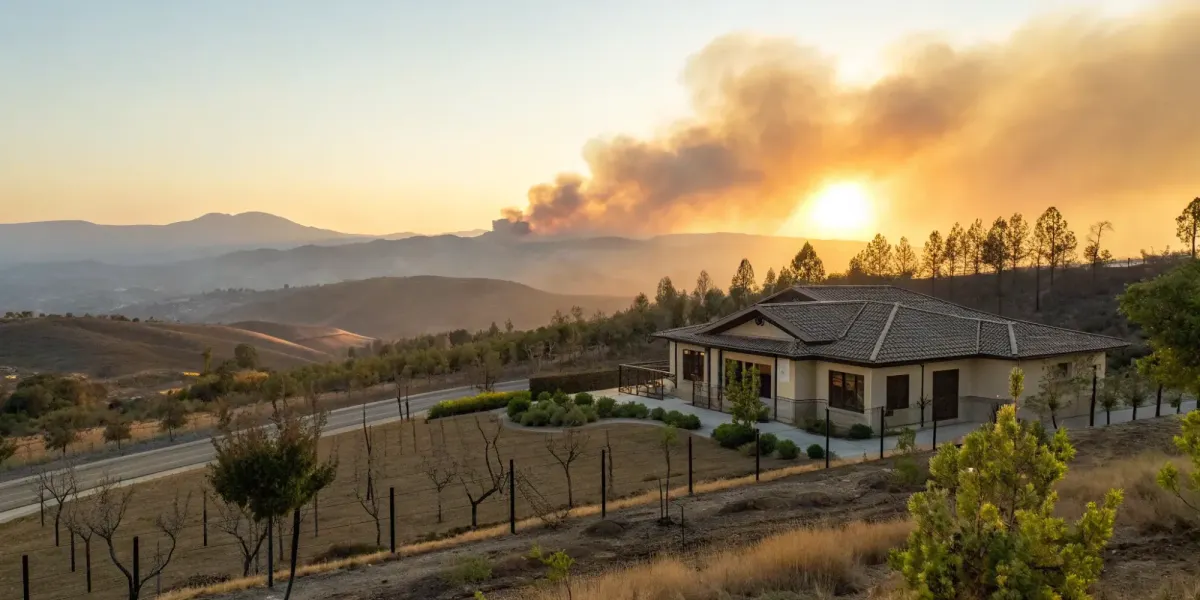
Getting a non-renewal notice for your homeowners insurance in California is incredibly stressful. It can feel like your options are shrinking, pushing you toward expensive, last-resort plans. But you have more control than you think, even if you live in a high-risk wildfire area. This guide gives you a clear path forward. We’ll show you how to find dependable companies, what to look for in a policy, and how to compare different private insurance providers so you can find a true partner in protecting your home.
Key Takeaways
- Focus on Value, Not Just Price: A provider's true strength is shown in its high financial ratings and positive customer reviews on claims. Ensure your policy has high enough limits to fully rebuild your home and cover temporary living expenses.
- Make Your Home More Insurable: Taking steps to reduce your wildfire risk, like creating defensible space and using fire-resistant materials, can directly improve your ability to find coverage and may even lower your premium.
- Work with an Independent Agent: An independent agent acts as your personal advocate, comparing policies from multiple carriers—including specialty insurers—to find the best fit for your high-risk property, saving you time and stress.
What Is a Private Insurance Provider?
When you’re looking for homeowners insurance, you’ll likely encounter two main categories: private providers and government programs. A private insurance provider is a company that offers coverage directly to you, the homeowner. Think of them as the businesses you see advertised—the ones competing for your trust and your business. They operate in the open market, providing a range of products from home and auto to life insurance.
This is different from a government-backed plan, like the California FAIR Plan, which often serves as an insurer of last resort when you can’t find coverage elsewhere. While these plans provide a crucial safety net, they typically offer less comprehensive coverage than a private policy. Choosing a private insurer gives you more control and a wider array of options to protect your home and assets fully. The challenge, especially in wildfire-prone areas, is finding a reliable private provider that understands the risks and is committed to insuring your home. That’s where knowing what to look for becomes so important.
What Is an Insurance Policy?
Think of an insurance policy as a formal agreement between you and an insurance company. It’s a contract where you pay a regular fee, called a premium, and in exchange, the insurer promises to help cover the costs if a specified event—like a fire or theft—damages your home. This document is your financial safety net, and understanding what it says is the first step to ensuring you're truly protected, especially when the unexpected happens.
Your policy details exactly what’s covered, including the physical structure of your home and your personal property. It also specifies your coverage limits (the maximum amount the insurer will pay), your deductible (the amount you pay out-of-pocket before coverage begins), and any exclusions, which are specific events or types of damage the policy won’t cover. Getting these details right is especially important in California, where rebuilding costs can be high. A solid policy ensures you have the resources to recover without facing a massive financial burden on your own.
What Makes an Insurance Provider Reliable?
Finding a provider you can count on feels like the biggest hurdle, but a few key indicators can light the way. Start by looking at their Claim Settlement Ratio (CSR). This simple number tells you how many claims a company actually pays out compared to the number of claims filed. A higher ratio is a great sign that the provider follows through on its promises. You should also check their range of plans. A good insurer knows that every home and family is different and will offer flexible coverage options to match your specific needs, rather than pushing a one-size-fits-all policy.
Why Financial Strength Ratings Matter
An insurance policy is a promise that a company will be there to help you rebuild after a disaster. But what if that company isn’t financially stable? Financial strength ratings are essentially a report card on an insurer's ability to pay claims, even after a widespread event like a major wildfire. Reputable rating agencies like A.M. Best and Moody's analyze an insurer's financial health and assign it a grade. A high rating gives you confidence that the company has the resources to handle your claim without issue. It’s a critical piece of the puzzle for ensuring your policy is worth more than the paper it’s written on.
How an Independent Agency Can Help
You don’t have to sort through all of this alone. Working with an independent insurance agency can make the process much simpler. Unlike a captive agent who only works for one company, an independent agent partners with multiple insurance providers. This means they work for you, not a single carrier. They can compare policies from several different companies to find the best fit for your home and budget. An independent agency provides personalized advice tailored to your life, helping you find a reliable provider willing to offer coverage in high-risk areas.
The Best Private Insurance Providers for Your Home
Finding the right insurance provider can feel like searching for a needle in a haystack, especially when you live in a high-risk area. The good news is that you have options, from large national companies to smaller, specialized agencies. The best fit for you depends on your specific needs, your home’s location, and the level of service you’re looking for. Understanding the strengths of each type of provider is the first step toward securing a policy that gives you genuine peace of mind. Let’s walk through some of the top choices available so you can make an informed decision for your home and family.
Five Bays Insurance Agency
Working with an independent agency like us gives you a powerful advantage: local expertise. We live and work in the same communities you do, so we have a deep, firsthand understanding of the risks California homeowners face, particularly from wildfires. Instead of offering a one-size-fits-all policy, we provide personalized service to connect you with carriers that offer coverage tailored to our state’s unique challenges. This focused approach means you get a policy that truly fits your needs, backed by a team that’s dedicated to helping you protect your home. We do the heavy lifting of comparing policies and finding the right fit, so you don’t have to.
Top Regional Insurers to Consider
Regional insurance carriers are often unsung heroes for homeowners in catastrophe-prone states. Because their focus is narrowed to a specific geographic area, they tend to have a much better grasp of local risks than many larger, national companies. This specialization allows them to offer specialized coverage options designed to address specific environmental threats, like the wildfires common throughout the West. Their underwriting can be more nuanced, and they may be more willing to write policies in areas that national carriers have pulled back from. If you’re looking for a provider that truly understands your backyard, a regional insurer is a fantastic place to start.
Leading National Carriers We Recommend
The biggest names in insurance bring a few key strengths to the table: vast resources and financial stability. Leading national carriers often have the backing to handle widespread catastrophic events without faltering, which can be a major comfort when you’re facing a significant claim. They typically offer a wide range of coverage options, allowing you to bundle different types of policies, like home and auto. While they may not have the same localized touch as a regional provider, their robust digital tools and large customer service teams can make managing your policy straightforward and convenient.
How Do You Measure a Provider's Performance?
Before you commit to any provider, it’s smart to do a little homework on their track record. A company’s marketing can promise the world, but its performance is what truly matters. Start by evaluating insurance providers based on real customer experiences. Look up online reviews and check their satisfaction ratings with independent bodies like J.D. Power. Pay close attention to feedback on their claims process—is it smooth and fair, or do customers report long delays and frustrating denials? A little research upfront can save you a massive headache down the road, ensuring you partner with a company that will be there for you when you need it most.
How to Choose the Right Insurance Provider
Finding the right insurance provider can feel like a huge task, especially when you live in an area with a high risk of wildfires. It’s about more than just finding the lowest price; it’s about finding a true partner who will be there for you when you need them most. A great provider offers the right blend of comprehensive coverage, fair pricing, and outstanding support. Think of this process as vetting a long-term partner for your home’s financial security. You’re looking for a company that understands the unique challenges of insuring a home in California and is committed to helping you protect it. This isn't just another bill to pay; it's a critical part of your financial plan, so taking the time to choose wisely is one of the best investments you can make in your home's future.
When you're comparing companies, it's easy to get lost in the jargon and fine print. That's why it helps to have a clear framework for what matters. We'll break down the five most important factors to consider: the specifics of their coverage, the total cost beyond the premium, the ease of their claims process, the quality of their customer service, and the usefulness of their digital tools. By evaluating each potential provider against these benchmarks, you can cut through the noise and see which company truly aligns with your needs. This methodical approach will help you make a decision that helps you sleep better at night, knowing your home is in good hands.
Verify They Are Licensed in Your State
Before you get too far with any potential insurer, it’s essential to confirm they are licensed to do business in your state. Think of this as a basic background check. Every state has a regulatory body, like the California Department of Insurance, that oversees insurance companies to ensure they meet specific financial and ethical standards. Verifying a license confirms that a provider is legitimate and legally permitted to offer you a policy. It’s a simple step that helps you avoid scams and untrustworthy operators. Keep in mind, however, that being licensed doesn’t guarantee a company is actively writing new homeowners policies, especially in high-risk areas. You’ll still need to contact them directly or work with an agent to see what they currently offer.
Does Their Coverage Fit Your Needs?
Not all homeowners insurance policies are created equal. Even with the same provider, coverage options can vary quite a bit, so it’s important to look at the details. For a home in a wildfire-prone area, you’ll want to confirm you have adequate dwelling coverage to fully rebuild, as well as coverage for other structures like a detached garage or shed. Pay close attention to the limits for personal property and, most importantly, Additional Living Expenses (ALE). This coverage pays for you to live elsewhere if a fire forces you from your home, and you’ll want to ensure it’s enough to last through a lengthy rebuild.
How to Understand Premiums and Costs
Your premium is what you pay for the policy, but it’s not the only number that matters. To understand the true cost, you also need to look at your deductibles—the amount you pay out of pocket before your insurance kicks in. Some policies have a standard deductible, while others may have a separate, higher deductible for specific perils like wildfires or wind. While a lower premium can be tempting, it might come with a high deductible that could be a financial strain after a disaster. It’s all about finding a balance that fits your budget while providing the financial safety net you need.
How Easy Is Their Claims Process?
The moment you file a claim is when you truly find out what your insurance provider is made of. A great company makes the process as simple and stress-free as possible. Look for providers that offer 24/7 claims reporting online or by phone. A smooth process means you’ll be assigned a dedicated claims adjuster who communicates clearly, answers your questions, and works efficiently to get your claim approved and paid. After a devastating event like a wildfire, the last thing you need is to fight with your insurance company. You want a supportive partner focused on helping you recover and rebuild.
What to Look for in Customer Service
When you have a question or a problem, you want to know you can reach a real person who is ready to help. A provider’s customer service reputation speaks volumes about how they treat their policyholders. Before you commit, take some time to read online customer reviews and testimonials. Do you see patterns of praise for quick responses and helpful agents, or are there complaints about long wait times and unresolved issues? You can even call their customer service line with a few general questions to see how you’re treated. This small step can give you a great feel for the company culture.
Do They Offer Helpful Digital Tools?
In today’s world, managing your insurance policy should be convenient. A good provider will offer user-friendly digital tools, like a website or mobile app, that let you easily access your policy documents, pay your bill, or even start a claim from your phone. Some of the more innovative insurers also provide resources to help you proactively protect your home. This could include online wildfire risk reports for your property, checklists for home hardening projects, or articles with safety tips. These tools show that a provider is invested not just in insuring your home, but in helping you keep it safe.
What Kind of Insurance Do You Need?
Insurance can feel like a huge, complicated world. While our main focus here is protecting your home, it helps to have a basic map of the different types of coverage out there. Each one is designed to protect a different part of your life, from your health to your car. Understanding the fundamentals of each policy type helps you see where they overlap and where you might have gaps. Let's break down the most common types so you can see how they all fit together to create a complete financial safety net for you and your family.
Protecting Your Home: Homeowners Insurance
This is the big one for us. Homeowners insurance is your financial shield for what is likely your largest investment: your home. It’s designed to cover repairs or rebuilding if your house is damaged by events like fire, wind, or theft. But it goes beyond the physical structure. A standard policy typically covers your personal belongings, liability if someone is injured on your property, and even additional living expenses if you need to live elsewhere during repairs. It’s comprehensive protection for your home and everything in it.
On the Road: Auto Insurance Basics
If you own a car, you’re required by law to have auto insurance, and for good reason. It offers financial protection if you're in an accident. This coverage can pay for repairs to your vehicle, medical bills for you or others involved, and legal costs if you're found at fault. Policies can range from basic liability, which covers damage you cause to others, to comprehensive plans that also cover theft, vandalism, or damage from a fallen tree. It keeps you and your assets safe when you're on the road.
Planning Ahead: Life Insurance Explained
Life insurance is a little different because it’s not about protecting your things—it’s about protecting your people. This type of policy is designed to provide financial support to your beneficiaries after you pass away. The payout can help your loved ones cover everything from mortgage payments and daily living costs to funeral expenses and future college tuition. It’s a way to ensure your family has a financial safety net during a difficult time, giving you peace of mind today.
Understanding Key Terms like "Beneficiaries"
A beneficiary is the person, group, or even an organization you name to receive the payout from your life insurance policy. This doesn't have to be just one person; you can name multiple people, a trust you've set up for your children, or a favorite charity. The key is to be specific when you name them. A clearly designated life insurance beneficiary ensures that the financial support you’ve planned for goes to the right people without any confusion or legal delays. It’s a straightforward but powerful step in making sure your policy does exactly what you intend it to do.
Finding the Right Health Insurance Plan
We all know medical care can be incredibly expensive. Health insurance is what makes it manageable. It’s a contract that requires your insurer to pay a portion of your medical costs when you’re sick or injured. A good policy helps cover the cost of medical expenses, including routine doctor visits, emergency room stays, surgeries, and prescription drugs. The specifics of what’s covered and how much you pay out-of-pocket can vary a lot between plans, but the goal is always to protect your health and your finances from unexpected medical bills.
Types of Health Plans: HMO vs. PPO
When you start looking at health plans, you’ll quickly run into a few acronyms, most commonly HMO and PPO. Think of them as two different roadmaps for your healthcare. An HMO, or Health Maintenance Organization, is typically more budget-friendly. It operates within a specific network of doctors and hospitals, and you’ll usually need a referral from your primary care physician to see a specialist. A PPO, or Preferred Provider Organization, offers more flexibility. You can see doctors both in and out of network without a referral, but you’ll pay less if you stay in-network. The right choice depends on your priorities: lower costs with an HMO or more freedom with a PPO.
The Importance of Provider Networks
Before you sign up for any health plan, there’s one step you absolutely can’t skip: checking the provider network. A plan’s network is the list of doctors, specialists, hospitals, and clinics that have agreed to provide care at a discounted rate for members. If you see a doctor who is “out-of-network,” your insurance will cover a much smaller portion of the bill, or sometimes, nothing at all. If you have a doctor you love and want to keep seeing, make sure they are included in the network of any plan you’re considering. This simple check can save you from surprise medical bills and ensure you have access to the care you need.
What Are Essential Health Benefits?
Thanks to the Affordable Care Act (ACA), most major medical plans sold to individuals and small groups are required to cover a core set of ten essential health benefits. This creates a baseline of coverage you can count on, no matter which plan you choose. These benefits include things you’d expect, like emergency services, hospital stays, and prescription drugs. But they also cover preventive care (like check-ups and vaccines), maternity and newborn care, and mental health services. Knowing these are included provides a solid foundation, allowing you to focus on comparing other plan features like deductibles and provider networks.
When to Enroll: Open and Special Enrollment Periods
Unlike other types of insurance, you can’t just buy a health plan whenever you want. Most people enroll during the annual Open Enrollment Period, which typically happens in the fall. This is the window when anyone can sign up for a new plan or change their existing one. Outside of that period, you can only enroll if you experience a qualifying life event, which triggers a Special Enrollment Period. These events include things like getting married, having a baby, losing your job-based coverage, or moving. It’s important to know these rules so you don’t miss your chance to get covered.
How Government Subsidies Can Help
If the cost of health insurance feels out of reach, you might be eligible for financial assistance from the government. The ACA created subsidies to make coverage more affordable for individuals and families with low to moderate incomes. The most common type is the premium tax credit, which lowers your monthly payment. Some people may also qualify for cost-sharing reductions, which reduce out-of-pocket costs like deductibles and copayments when you seek care. These subsidies can make a significant difference, so it’s always worth checking if you qualify when you’re shopping for a plan on the health insurance marketplace.
Extra Perks: Value-Added Member Benefits
Some health insurance plans go beyond just covering doctor visits and prescriptions. Many providers offer value-added benefits designed to support your overall well-being. These perks can include discounts on gym memberships, access to telehealth services for quick medical advice, and wellness programs that reward you for healthy habits. Many plans are also expanding their mental health support, offering free access to counseling apps or resources to help you find a therapist. When you’re comparing plans, look for these extra benefits—they can add a lot of value and help you stay healthy all year long.
Private Health Insurance by the Numbers
Private health insurance is the most common type of coverage in the United States, covering a little more than half of the population. The majority of these individuals—nearly 159 million Americans—get their health insurance through an employer-sponsored plan. This is the coverage offered by a company as part of a benefits package. The rest of the privately insured population buys coverage directly from an insurance company or through the Health Insurance Marketplace. These numbers show just how central private insurance is to our healthcare system, providing a critical financial safety net for millions of families across the country.
Do You Need Specialized Coverage?
For those of us living in places like California, a standard homeowners policy might not be enough. That’s where specialized coverage comes in. These are add-on policies or separate plans designed for specific risks that standard insurance often excludes, like floods, earthquakes, or even wildfires. Specialized coverage options are absolutely essential for homeowners in high-risk areas because they fill critical gaps in protection. Without them, you could be left paying for catastrophic damage entirely on your own. It’s all about making sure your coverage truly matches the risks you face.
Renters Insurance
Even if you own your home, you might need to think about renters insurance for a family member, like a child heading off to college or moving into their first apartment. This type of policy is crucial for protecting their financial well-being. A typical renters policy includes a few key protections. It provides personal property coverage, which helps cover the cost of replacing belongings if they’re damaged or destroyed by an event like a fire or theft. It also includes liability coverage, which protects them financially if someone is injured in their rental unit. Plus, if the apartment becomes uninhabitable, the policy can provide coverage for additional living expenses, helping pay for a temporary place to stay.
Pet and Travel Insurance
Life is about more than just your home, and some of the best parts—like your pets and your travels—deserve protection, too. Pet insurance can be a lifesaver, helping cover unexpected and often expensive veterinary bills so you can make decisions about your pet’s care based on their needs, not your budget. Similarly, travel insurance protects the investment you make in your vacations. It can reimburse you for non-refundable costs if you have to cancel a trip due to an emergency, cover medical expenses if you get sick or injured while away from home, and even help with costs related to lost luggage. Both policies are about giving you peace of mind so you can enjoy your life without worrying about the "what ifs."
Coverage for Motorcycles, Boats, and Jewelry
Your homeowners policy does a great job of protecting your house and the general belongings inside, but it has its limits, especially when it comes to high-value items or recreational vehicles. Things like motorcycles, boats, and expensive jewelry often require their own specialized coverage to be fully protected. A standard policy might have a low coverage limit for jewelry, for example, that wouldn't come close to replacing a stolen engagement ring. Getting a separate policy or adding a rider for these items ensures they are insured for their full value against theft, damage, or liability. It’s a critical step in closing potential gaps in your coverage and making sure all your valuable assets are properly secured.
Protecting Your Business: Commercial Insurance
If you run a business out of your home or own a separate commercial enterprise, it’s important to know that your homeowners insurance policy likely won't cover business-related incidents. That’s where commercial insurance comes in. This type of insurance is designed to protect your business from the unique risks it faces every day. It’s not a single policy but a category of coverage that can be tailored to your specific needs. The most common types include commercial property insurance, which covers your building and equipment; general liability, which protects you from claims of bodily injury or property damage; and workers' compensation, which covers employees who get injured on the job.
Choosing the right commercial insurance is about understanding the specific vulnerabilities of your operation. A freelance graphic designer working from home has very different needs than a local coffee shop owner. A good policy provides a safety net that allows you to focus on running your business without the constant fear of a single lawsuit or accident derailing everything you’ve worked to build. It’s an essential investment in your company’s longevity and financial health. An independent agent can help you assess your risks and find a policy that provides comprehensive protection for your business assets and operations.
Finding Insurance in High-Risk Areas
If you live in a beautiful part of California, you know the threat of wildfire is a real and growing concern. You also know that finding affordable, reliable homeowners insurance has become incredibly difficult. It’s a frustrating and stressful situation that leaves many homeowners feeling stuck. As the insurance landscape shifts, it’s more important than ever to understand your options and the steps you can take to protect your home. The path to securing coverage in a high-risk area isn’t always straightforward, but it’s definitely possible with the right approach. Think of it less as a dead end and more as a detour that requires a better map.
How to Get Coverage in a High-Risk Area
It’s not just you. If you’ve received a non-renewal notice or been turned down for a new policy, you’re part of a massive trend. Many traditional insurance companies are limiting their coverage in regions prone to natural disasters, especially wildfires. After years of significant losses, they are re-evaluating their risk, causing them to pull back from entire ZIP codes. This business decision can leave you with a lack of options and a lot of uncertainty. It’s a challenging market, but understanding why it’s happening is the first step toward finding a solution that works for you.
Exploring Your High-Risk Coverage Options
When the standard insurance market says no, it’s time to look at providers who specialize in saying yes. Your best bet is to explore specialty insurers that focus specifically on high-risk areas. These companies are built to handle the unique challenges of insuring homes like yours and often have policies designed for this reality. The easiest way to access these carriers is by working with an independent insurance agency. Unlike agents who work for a single company, independent agents partner with multiple insurers, including these specialty providers. They can shop the market for you, finding coverage options you wouldn’t be able to find on your own.
Strategies to Lower Your Risk (and Your Premium)
You have more power than you think. Taking proactive steps to make your home more fire-resistant can directly improve your ability to get insured. Insurers want to see that you’re actively reducing their risk. Start by creating defensible space—a buffer between your home and the surrounding vegetation. This includes clearing dead plants, trimming trees, and choosing fire-resistant landscaping. You can also harden your home by installing a Class A fire-rated roof, covering attic vents with fine metal mesh, and using fire-resistant siding. These upgrades not only make your home safer but also make it a much more attractive property for an insurance provider to cover.
How to Save Money on Your Insurance Policy
Finding affordable coverage in a high-risk area can feel like a challenge, but you have more control over your premium than you might think. Insurance costs aren't set in stone. By taking a proactive approach and knowing what to ask for, you can find meaningful savings without sacrificing the quality of your coverage. It starts with understanding where the opportunities for savings are. Many carriers offer credits and discounts for everything from the type of roof you have to your claims history, but these aren't always advertised upfront or applied automatically. The key is to work with an agent who knows the market and can help you identify every available discount. Think of it as a partnership—your efforts to maintain and protect your home can translate directly into lower insurance costs. Let’s walk through some of the most effective ways to reduce your premium.
What Discounts Can You Get?
One of the simplest ways to lower your bill is to ask your agent, "What discounts am I eligible for?" You might be surprised by the answer. Many insurance providers offer a variety of discounts that can significantly reduce your premium. These often include savings for having a home security system, being claims-free for a certain number of years, or even for being a member of specific professional organizations or alumni associations. Don't assume discounts are applied automatically; always ask to make sure you’re not leaving money on the table.
Should You Bundle Your Insurance Policies?
If you have car insurance, you’ve probably heard about bundling. It’s a popular strategy for a reason: it works. Bundling your home and auto insurance with the same company can lead to substantial savings on both policies. Many insurance companies provide a multi-policy discount when you purchase more than one type of coverage from them, making it a simple and cost-effective option for most homeowners. It also simplifies your life by letting you manage your policies with a single carrier. Ask your agent to run the numbers to see how much you could save.
Does Your Provider Reward Loyalty?
Sticking with the same insurance provider for several years can pay off. Insurance companies often have loyalty programs that reward long-term customers with discounts or other benefits. Some carriers will reduce your premium by a certain percentage after you’ve been a customer for three to five years, with the discount increasing the longer you stay. While loyalty is great, it’s still wise to review your policy annually with your agent to ensure your rate remains competitive. A good agent can help you decide when staying put is the best financial move.
Earn Credits for Home Protection
This is a big one, especially for those of us in wildfire-prone areas. Installing safety and loss mitigation features can earn you valuable credits on your insurance policy. These measures not only protect your home but also demonstrate to carriers that you are actively reducing your risk. Simple updates like installing smoke detectors, fire alarms, and internal sprinkler systems can lead to lower premiums. For those in high-risk zones, creating defensible space and using fire-resistant building materials can also make a significant impact on your insurability and your costs.
How to Compare Private Insurance Providers
Shopping for insurance can feel like a huge task, especially when you're worried about wildfire risk. It’s easy to get lost in a sea of quotes, policy documents, and industry jargon. But finding the right provider doesn’t have to be complicated. With a clear, methodical approach, you can confidently compare your options and choose the coverage that truly fits your needs. It’s not just about finding the lowest price; it’s about finding the best value. This means looking at the full picture—from the coverage limits and deductibles to the company’s reputation for handling claims. Breaking it down into a few simple steps will help you see which provider offers the right blend of protection, service, and affordability for your home and family.
How to Get an Accurate Quote
To get a true apples-to-apples comparison, you need to give every provider the exact same information. Think of it as setting a level playing field. When you request a quote, be ready with details like your home’s square footage, construction materials, year built, and any recent upgrades. Be specific about any fire-resistant features you’ve added, as these can make a big difference. Providing consistent, accurate details ensures the estimates you receive are comparable and reliable, so you can avoid any unwelcome surprises when it’s time to sign on the dotted line.
What's Hiding in the Fine Print?
Before you commit, it’s so important to understand what a policy actually covers—and what it doesn’t. Dive into the terms and conditions to look for key details like exclusions and limitations, especially those related to wildfires. Does the policy cover smoke damage? What about debris removal or additional living expenses if you’re displaced? Understanding these specifics is crucial for knowing exactly what to expect if you ever need to file a claim. A little time spent reading the details of your policy now can save you a lot of stress later on.
Check Their Repair and Service Networks
A great policy is only as good as the support you receive when you need it most. After a widespread disaster like a wildfire, contractors and repair services are in high demand. That’s why you should check if an insurance provider has a reliable network of professionals who can respond quickly. A strong, pre-vetted network can make a huge difference in how fast and how well your home is repaired. Don’t hesitate to ask a potential insurer about their claims process and the contractors they work with in your area. This insight can tell you a lot about the quality of service you’ll receive.
Compare Coverage Details Side-by-Side
To make your final decision easier, create a simple comparison chart. This is a fantastic way to visualize your options and cut through the marketing noise. Make columns for the provider, annual premium, deductible, and key coverage limits for your dwelling, personal property, and liability. You can also add notes on customer service or the quality of their repair network. This visual aid helps you move beyond just the price and compare the actual value each provider offers. It puts you in control, allowing you to make an informed choice based on what matters most to you.
Don't Fall for These Common Insurance Myths
When you’re trying to protect your home, especially in an area prone to wildfires, misinformation can be just as damaging as the fire itself. There’s a lot of confusion out there about what homeowners insurance does and doesn’t do. Believing these myths can leave you financially vulnerable when you need support the most. It’s easy to assume your policy is a catch-all safety net, but the reality is often more complicated.
Understanding the truth behind your coverage isn’t just about being a savvy consumer—it’s a critical part of your home protection plan. Knowing what to expect from your policy, your bill, and the claims process helps you prepare for the worst-case scenario. Let’s clear up some of the most common misconceptions so you can feel confident that you have the right protection in place for your home and family.
Myth vs. Reality: What Your Policy Actually Covers
One of the biggest assumptions homeowners make is that a standard policy automatically covers wildfire damage. While many policies do, it’s never a guarantee. Coverage can vary significantly between providers, and some may have specific exclusions or limitations, particularly in high-risk zones. It's essential to read the fine print of your policy to understand exactly what is included and what is excluded. Don’t wait until after a disaster to discover that your coverage isn’t what you thought it was. Proactively review your policy documents and ask your agent direct questions about wildfire protection.
What to Really Expect on Your Bill
Another common myth is that your insurance will cover every single penny of damage after a wildfire. Unfortunately, that’s rarely the case. Every policy has coverage limits, which is the maximum amount the insurer will pay for a loss. You’ll also have a deductible—the amount you have to pay out-of-pocket before your coverage kicks in. These factors can significantly affect your final expenses. Understanding your homeowners insurance policy and its financial limits is key to knowing what your responsibility will be and avoiding unexpected costs during an already stressful time.
The Truth About the Claims Process
Many people think that if their home is damaged, they can just call their insurer and a check will arrive. The reality is that the claims process can be complex and demanding. Filing a claim after a wildfire requires you to thoroughly document all your losses, from the structure of your home to the personal belongings inside. If you don’t provide detailed evidence, you could face significant delays or disputes. Keeping a home inventory with photos and receipts can make this process much smoother and help ensure you get the full settlement you’re entitled to.
What to Know About Provider Networks
When it’s time to rebuild, who you work with matters. A common oversight is not knowing how your insurance provider handles repairs. Many insurers have a network of preferred contractors, adjusters, and repair services they work with. While you can often choose your own contractor, using someone from your provider’s network can sometimes streamline the payment and approval process. Understanding your provider's network can help you navigate the claims process more effectively and connect you with professionals who are experienced in wildfire restoration.
How to Find Your Perfect Provider Match
Choosing an insurance provider is a big decision, especially when your home is in a high-risk area. You’re not just buying a policy; you’re investing in a partner who will be there for you when you need them most. Finding the right fit means looking beyond the price tag and digging into the details of what each company offers. It’s about finding a provider whose coverage, service, and values align with your needs, giving you confidence that your home is protected.
This process requires a bit of homework, but it’s well worth the effort. By assessing your options carefully, asking the right questions, and knowing what to look for, you can find a provider that offers both comprehensive protection and peace of mind. Let’s walk through the steps to find the perfect match for you and your home.
Use This Checklist to Assess Providers
Not all insurance plans are created equal. Even within the same company, coverage options can vary significantly, so it’s crucial to compare policies with a critical eye. Before you commit, run through this checklist to make sure you’re getting the protection you actually need. Start by confirming the policy covers wildfire damage specifically, including smoke and ash. Then, verify that the dwelling coverage limit is high enough to completely rebuild your home at current construction costs. Don’t forget to check for adequate coverage for your personal belongings and additional living expenses (ALE) if you’re displaced.
Key Questions to Ask Before You Sign
Getting clear, direct answers is essential before you sign any policy. Don’t be afraid to ask pointed questions to ensure you fully understand your coverage. It's important to understand what services are covered under your plan and if they include specific protections for wildfire-related damages.
Here are a few key questions to start with:
- What is my deductible for wildfire-related claims?
- Does my policy cover the full cost of rebuilding, even if material costs go up after a disaster?
- What are the limits for Additional Living Expenses (ALE), and how long does that coverage last?
- Are there any specific home hardening measures that could earn me a discount?
Red Flags to Watch Out For
Just as you look for positive signs, you also need to watch for warnings that a provider might not be the right fit. A major red flag is any provider who is vague about their coverage limits or uses unclear terms for claims related to natural disasters. Be cautious if an agent seems to be using high-pressure sales tactics or can’t provide straight answers to your questions. Another warning sign is a history of poor customer reviews, especially regarding the claims process. Trust your gut—if something feels off, it probably is.
How to Make Your Final Decision
After you’ve gathered quotes and compared policies, it’s time to make a choice. Your decision should balance three key factors: coverage, cost, and the company’s reputation. While affordability is important, the cheapest plan isn’t always the best, especially if it leaves you underinsured. Most importantly, consider the financial stability of the insurance provider. A company’s ability to pay claims is critical, particularly after a widespread disaster that results in many claims at once. Look up their financial strength rating from independent agencies like AM Best to ensure they’ll be there when it counts.
Related Articles
- Western US Home Insurance | Wildfire & High-Risk Coverage | Five Bays Insurance Agency
- Western US Home Insurance | Wildfire & High-Risk Coverage | Five Bays Insurance Agency
- Western US Home Insurance | Wildfire & High-Risk Coverage | Five Bays Insurance Agency
- Western US Home Insurance | Wildfire & High-Risk Coverage | Five Bays Insurance Agency
- Western US Home Insurance | Wildfire & High-Risk Coverage | Five Bays Insurance Agency
Frequently Asked Questions
Why is it so hard to find homeowners insurance in California right now? After several years of major wildfires, many insurance companies have become more cautious about offering coverage in areas they see as high-risk. They are re-evaluating their financial exposure, which has led some to limit the number of new policies they write or even pull back from certain ZIP codes altogether. This business decision has tightened the market, making it more challenging for homeowners to find the private coverage they need.
Is the California FAIR Plan a good long-term solution? The FAIR Plan is an essential safety net that provides basic fire coverage when you can't find it anywhere else, but it's best viewed as a temporary or last-resort option. A FAIR Plan policy is not as comprehensive as a standard homeowners policy. It typically doesn't include coverage for things like personal liability or theft, meaning you would need to purchase a separate policy to fill those gaps. The ultimate goal should be to find a more complete policy from a private insurance provider.
Will home hardening projects like creating defensible space guarantee I can get a private policy? While there's no absolute guarantee, taking steps to make your home more fire-resistant significantly improves your chances. Insurers want to see that you are actively working to lower your property's risk. Creating defensible space, installing a fire-rated roof, and clearing gutters are powerful signals that your home is a better risk to insure. These actions can open up options with carriers that might have otherwise declined to offer you a policy.
What's the main advantage of using an independent agency instead of just calling a big national company directly? The biggest advantage is choice. When you call a single national carrier, you only get their options and their price. An independent agency works for you, not for one insurance company. We partner with multiple carriers, including specialty insurers that focus on high-risk areas. This allows us to compare a wide range of policies and find the one that truly fits your specific situation and budget, giving you access to solutions you likely wouldn't find on your own.
Besides the premium, what hidden costs should I watch out for in a policy? The most important cost to understand beyond your premium is your deductible. This is the amount you must pay out of pocket before your insurance coverage begins. It's crucial to check if a policy has a separate, and often much higher, deductible for specific events like wildfires. A low premium might look appealing, but if it comes with a deductible that you can't comfortably afford, it could create a serious financial strain when you need help the most.


