
High-Risk Rental Property Insurance Explained
Find rental property insurance for high-risk areas with practical tips on coverage, cost-saving strategies, and what to look for in the right landlord policy.

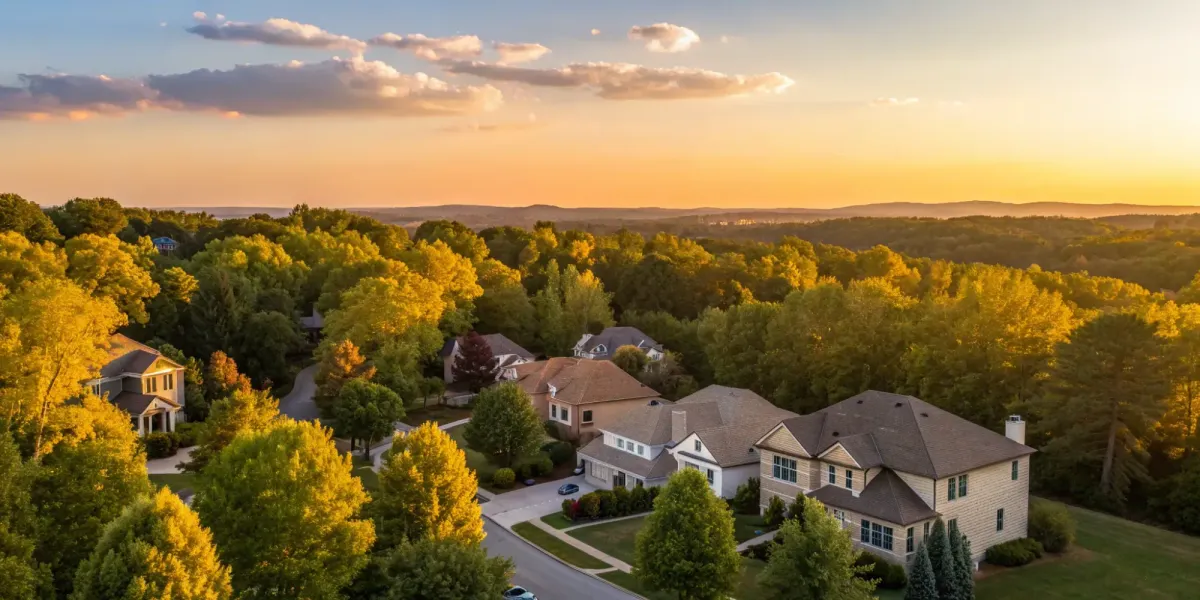
Finding affordable coverage for your California rental shouldn't be this hard. You spend hours filling out forms, only to face rejections or shockingly high quotes. It’s a frustrating cycle that leaves many landlords feeling stuck, especially in high-risk areas. But here's the good news: you have more options than you think. The key is knowing where to look. This guide cuts through the noise and gives you a clear path to securing the right rental property insurance—without the usual headache.
Key Takeaways
- Your Homeowners Policy Won't Cover Your Rental: A standard homeowners policy is for a property you live in and can lead to denied claims for a rental. You need a specific landlord policy to protect the structure, cover tenant-related liability, and replace lost rental income after a disaster.
- Identify and Fill Your Coverage Gaps: Most landlord policies exclude catastrophic events like floods and earthquakes. Review your policy's exclusions and purchase separate, specialized coverage for these high-risk perils to ensure your property is fully protected.
- Proactive Steps Can Lower Your Premiums: You can directly influence your insurance costs by making your property less risky. Hardening your home against disasters, performing regular maintenance, and choosing a suitable deductible are all practical ways to earn better rates from insurers.
Insuring High-Risk Investments: Landlord, Vacation, and Remote Home Coverage
Insuring a primary residence in California is difficult; insuring a secondary vacation home or a rental property in a high-fire zone is even more complex.
Landlord Insurance in California
For rental properties, "DP-3" policies are the gold standard. However, in wildfire zones, many landlords are forced into "Basic" policies that lack Loss of Use or Fair Rental Value coverage. We specialize in finding comprehensive landlord policies that protect your income stream even if a wildfire renders the property uninhabitable.
Vacation and Remote Homes
Remote cabins and secondary vacation homes often face the double challenge of "High Fire Risk" and "Distance to Fire Station" (Protection Class). If your retreat is more than 5 miles from a station or 1,000 feet from a hydrant, standard insurance is nearly impossible to find.
High-Value Wildfire Coverage
For luxury estates in areas like Malibu, Montecito, or Lake Tahoe, a standard policy isn't enough. We provide high-limit coverage that includes:
- Private firefighting forces.
- Extended replacement cost for custom materials.
- Debris removal limits that exceed the state minimum.
Rental Property vs. Homeowners Insurance: What's the Real Difference?
If you own a property that you rent out, it’s easy to assume your standard homeowners policy is all you need. After all, it’s a home you own, right? Unfortunately, this is a common misconception that can leave you financially exposed, especially in high-risk areas. Homeowners insurance and rental property insurance (often called landlord insurance) are designed for two very different situations, and having the wrong one can lead to denied claims when you need coverage the most.
Think of it this way: a standard homeowners policy is built for an owner-occupied property. It protects the physical structure, your personal belongings inside, and your liability as the resident. Landlord insurance, on the other hand, is a business policy. It’s designed to protect your financial interest in a property that generates income through tenants. It accounts for risks that are unique to being a landlord, from tenant-related liability issues to the loss of rental income after a disaster. When your property is located in an area prone to wildfires or floods, the financial stakes are even higher. A single event could not only damage your property but also disrupt your rental income for months. This is why choosing the right type of policy isn't just a technicality—it's a critical part of a sound investment strategy. Understanding this core difference is the first step in making sure your rental property is properly protected.
Breaking Down the Coverage Differences
The most significant difference between these two policies lies in what—and who—they protect. A homeowners policy covers the home you live in and your personal property, like furniture, clothes, and electronics. It’s tailored to the risks of a primary residence. In contrast, landlord insurance is specifically for non-owner-occupied properties. It covers the physical dwelling and any property you own on-site, such as appliances or lawn equipment, but it does not cover your tenant’s personal belongings. A key feature is loss of rent coverage, which can reimburse you for lost rental income if your property becomes uninhabitable due to a covered event like a fire. This is a crucial protection that a standard homeowners policy simply doesn’t offer.
How Landlord Liability Protects You
Liability is another area where these policies diverge significantly. Your homeowners liability coverage protects you if a guest is injured at your primary home. However, it generally won’t cover incidents at a separate rental property. That’s where landlord liability comes in. This specialized coverage protects you financially if a tenant or their guest is injured on your rental property and you are found legally responsible. For example, if a loose handrail causes a fall or a tenant slips on an icy walkway, landlord liability can help pay for medical bills and legal defense costs. Without it, you would be paying for these expenses out of pocket, which could put your entire investment—and personal assets—at risk.
Insurance for Different Types of Rental Properties
Just as no two rental properties are exactly alike, the insurance policies designed to protect them aren't one-size-fits-all either. The way you use your rental—whether for long-term tenants or short-term vacationers—creates different risks, and your insurance needs to reflect that reality. Understanding these distinctions is key to making sure you have the right coverage in place before you ever need to file a claim. Let's break down some of the most common scenarios and the industry jargon you're likely to encounter.
Short-Term vs. Long-Term Rentals
If you rent your property for long-term leases, a standard landlord policy is usually the right fit. But if you're operating a short-term rental on a platform like Airbnb or Vrbo, your insurance needs change dramatically. The constant turnover of guests introduces unique risks that most landlord policies aren't designed to cover, from guest-caused property damage to liability issues. To address this, you may need to add what’s called "home sharing coverage" to your policy or purchase a specialized policy altogether. As insurance experts point out, regular landlord insurance often excludes the specific risks tied to short-term rentals. Failing to secure the right coverage could leave you on the hook for damages or injuries, so it's crucial to be transparent with your insurance provider about how you use the property.
Common Policy Names (Dwelling Fire vs. Rental Dwelling)
The insurance industry loves its jargon, which can make shopping for a policy feel more confusing than it needs to be. You might hear agents talk about a "Dwelling Fire policy" and wonder if that’s what you need. In most cases, this is just another name for landlord insurance. According to major carriers like Progressive, a Dwelling Fire policy is specifically designed to protect property owners who rent out their homes. Whether it's called a rental dwelling policy, landlord insurance, or a dwelling fire policy, the core function is the same: to protect your non-owner-occupied property. The key takeaway is not to get bogged down by the name, but to confirm that the policy provides the essential coverages for a rental: property structure, landlord liability, and loss of rental income.
What Makes a Rental Property "High-Risk"?
When an insurance company labels a property "high-risk," it’s not a judgment call—it’s a calculation. Insurers are essentially trying to predict the likelihood of you filing a claim. A "high-risk" designation simply means that, based on data, your property has a greater chance of experiencing a loss compared to a standard property. Several factors contribute to this assessment, but they generally fall into three main categories: where your property is located, the environmental threats it faces, and the specific features of the building itself. Understanding these elements is the first step to finding the right coverage.
Does Your Property's Location Increase Risk?
More than anything else, your rental property’s address determines its risk profile. Some homes are simply harder to insure because of their location. If your property is situated in an area with a history of claims or exposure to severe weather, carriers will take notice. For landlords in California, this often means proximity to the Wildland-Urban Interface (WUI), where communities are built alongside open, fire-prone land. But risk isn't limited to the WUI. Being located on a coastal bluff, near a major earthquake fault line, or in a low-lying flood plain can also place your rental in a high-risk category, leading to higher premiums or difficulty finding coverage.
Key Natural Disaster Risks for Landlords
High-risk insurance is designed for homes in areas prone to natural disasters. While you can’t control the weather, knowing which perils threaten your property is crucial. In California, the primary concerns are typically wildfires, earthquakes, and floods, but severe winter storms and mudslides also pose significant threats. Insurers use advanced mapping technology and historical data to pinpoint which properties are most vulnerable. You can see what hazards affect your property by using tools like California’s MyHazards interactive map. This data helps carriers calculate the probability of a catastrophic event, which directly influences your policy options and pricing.
Property Features That Raise Red Flags
Beyond location, the physical characteristics of your rental property play a big role in how insurers view it. Some features increase liability risk, meaning the chance of someone getting injured on your property. For example, swimming pools, diving boards, and trampolines are often called "attractive nuisances" because they can lead to accidents. Other features increase the risk of property damage. An old roof, outdated electrical wiring, or certain types of wood siding can make a home more susceptible to damage from wind, rain, or fire. Taking steps to harden your home against these risks can not only make it safer but may also improve your ability to get insured.
How High-Risk Factors Affect Your Premiums
When an insurance carrier labels your rental property as "high-risk," it means they see a greater chance of you filing a claim in the future. This increased risk directly translates to higher insurance premiums. While it can be frustrating to see those numbers climb, understanding how insurers arrive at them is the first step toward finding a better solution. They aren't just picking a number out of a hat; they're using a specific set of data points to calculate the cost of protecting your investment.
Think of it this way: the price of your policy reflects the potential cost of future repairs. If your property is in an area prone to wildfires or has an older electrical system, the likelihood of a costly claim goes up, and so does your premium. Let's break down exactly what insurers are looking at when they put together your quote.
How Insurers Calculate Your Rate
Insurers use sophisticated models to determine your rate, but the core idea is simple: they weigh the probability of a claim against the potential cost of that claim. Every detail about your property feeds into this calculation. They consider the replacement cost of the structure, the materials it’s built with, its age, and its exact location. For a rental property, they also factor in liability risks. While costs vary widely, many landlords find their annual premiums fall somewhere between $800 and $2,500, with high-risk properties often landing on the higher end of that spectrum.
Why Landlord Insurance Costs More
It’s not your imagination—landlord insurance almost always costs more than a standard homeowners policy, often by about 25%. This price difference isn't arbitrary; it reflects the increased risks that come with renting out a property. Insurers see a higher probability of claims when a home isn't occupied by its owner. Tenants, even with the best intentions, may not spot or report maintenance issues as quickly, turning a small leak into a major problem. Furthermore, your liability exposure is greater. With tenants and their guests frequently on the property, the chances of a slip-and-fall or other accident increase. Your policy has to account for these unique risks, as well as provide specialized coverage like loss of rent, which protects your income if the property becomes uninhabitable after a covered event. You're not just insuring a building; you're protecting a business investment, and that comprehensive coverage comes at a higher price.
What Insurers Look For in a Rental Property
So, what specific details can push your property into the high-risk category? Location is the biggest one. If your rental is in an area susceptible to wildfires, hurricanes, or other severe weather, insurers will see it as a higher risk. Beyond location, they also scrutinize the property's condition, its age, and your personal claims history. If you've filed multiple claims in the past—even for a different property—it can signal a higher risk to a new carrier. These are some of the key factors that make a home high-risk in the eyes of an underwriter.
Exploring State Programs and Alternative Coverage
If you’ve been rejected by multiple private insurers, you might feel like you’re out of options. This is where state-run programs, often called "insurers of last resort," come in. In California, this is the FAIR Plan. It provides basic coverage for perils like fire when you can't find it on the open market. However, these plans are typically more expensive and offer less comprehensive coverage than a standard policy. They are a safety net, but they’re designed to be a last resort, not a first choice. Exploring all your options with an independent agent can help you find better coverage before you have to turn to a state plan.
Essential Coverage for Your High-Risk Rental
Finding an insurer willing to cover your high-risk rental is a huge step, but the work isn’t over yet. Now, you need to make sure the policy itself provides the right protections. A bare-bones policy might leave you exposed when you need coverage the most. A comprehensive Landlord Insurance policy is built on a few key components that work together to protect your property, your income, and your personal finances. Let’s walk through the essential coverages you should look for.
Dwelling Coverage: Protecting the Building Itself
This is the foundation of your policy, often called “dwelling coverage.” Its purpose is straightforward: to pay for repairs or to completely rebuild your rental property if it’s damaged by a covered event like a fire, windstorm, or vandalism. This coverage protects the physical structure of the building, including the walls, roof, and built-in appliances. For any landlord, especially one with a property in a high-risk area, this is non-negotiable. Without it, you’d be left paying out-of-pocket to fix damages, which could easily run into the hundreds of thousands of dollars and put your entire investment at risk.
Liability Coverage: Protecting Your Assets
As a landlord, you’re responsible for maintaining a safe environment for your tenants and their guests. If someone is injured on your property—say, they slip on an icy walkway or trip on a loose step—you could be held legally responsible. This is where liability coverage comes in. It helps pay for medical bills, legal fees, and settlements if you’re sued over an accident at your rental. Without this protection, a single lawsuit could threaten your personal assets, from your savings to your own home. Think of it as a financial shield that protects you from unforeseen accidents.
Loss of Rent Coverage: What You Need to Know
What happens if a fire or severe storm makes your rental property unlivable? Not only are you facing costly repairs, but you’ve also lost the monthly rent you rely on. That’s why “loss of income” coverage is so important. If your property becomes uninhabitable due to a covered event, this feature helps replace the rent money you would have collected while the unit is being repaired. This provides a crucial financial cushion, ensuring you can still meet your mortgage payments and other obligations even when your property isn’t generating income.
Ordinance or Law Coverage: For Mandatory Upgrades
After a major disaster, local building codes are often updated to improve safety and resilience. If your property needs to be rebuilt, you may be required to use more expensive materials or construction methods to meet these new standards. For example, you might have to use fire-resistant building materials that weren’t required when the home was first built. Standard dwelling coverage might not pay for these mandatory upgrades. An “Ordinance or Law” endorsement helps cover these extra costs, ensuring you can rebuild your property to the latest codes without draining your savings.
Optional Coverages to Consider
Once you have the core protections in place, it’s time to think about tailoring your policy to your specific needs. Every rental property is different, and a standard policy might have gaps you haven’t considered. Optional coverages, also known as endorsements or riders, are designed to fill these gaps. They allow you to add specific protections that address the unique risks you face as a landlord. Think of them as a way to build a more complete financial safety net, giving you peace of mind that you’re covered for a wider range of potential issues.
Vandalism and Theft Coverage
Most landlord policies will cover accidental damage caused by a tenant, like a kitchen fire. However, they often exclude intentional damage. If a disgruntled tenant vandalizes the property upon moving out, or if the home is broken into while vacant, you could be left with the entire bill. Vandalism and theft coverage closes this gap. It specifically protects you from malicious damage and theft of your property, such as appliances or copper piping. This is an especially important add-on to consider if you expect your property to be vacant for any period of time between tenants.
Service Line Coverage
As a property owner, you’re responsible for the utility lines that run from the street to your rental home, including water, sewer, and gas lines. If one of these lines fails due to age, tree root invasion, or other damage, the repair costs can be surprisingly high, often running into thousands of dollars. Service line coverage is an affordable endorsement that helps pay for the excavation and repair of these underground pipes and wires. It’s a small addition to your policy that can protect you from a major, unexpected expense that standard dwelling coverage typically won't handle.
Personal Injury Protection
Your standard liability coverage protects you from claims of bodily injury, like a slip-and-fall accident. But what about non-physical harm? Personal injury protection extends your liability coverage to include claims like wrongful eviction, wrongful entry, libel, or slander. For example, if a tenant sues you, claiming you entered their unit without proper notice, this coverage can help pay for your legal defense. In a world where tenant disputes can easily escalate, this provides an essential layer of protection against a different kind of lawsuit.
Umbrella Insurance
If a major lawsuit occurs at your rental property, the limits on your standard liability policy could be exhausted quickly. An umbrella policy provides an extra layer of liability protection that kicks in after your primary landlord policy is maxed out. It offers an additional one million dollars or more in coverage, protecting your personal assets from being targeted in a large settlement. For landlords who have built up significant personal wealth, an umbrella policy is a smart and often affordable way to ensure that one catastrophic event at your rental property doesn't jeopardize your financial future.
Do You Need Separate Disaster Coverage?
One of the biggest misconceptions about landlord insurance—especially in high-risk areas—is that one policy covers everything. Unfortunately, that’s rarely the case. While your policy will cover standard perils like fire and theft, it almost certainly has major exclusions for catastrophic events. Think of your main policy as the foundation, but for specific, large-scale disasters common in California, you’ll likely need to add separate, specialized coverage. It’s crucial to know what your policy doesn’t cover so you can fill those gaps before you ever need to file a claim.
When Is Flood Insurance Required?
Let’s be clear: standard landlord insurance policies do not cover damage from flooding. This isn't a gray area or a fine-print detail; it's a standard exclusion across the industry. Whether the water comes from a hurricane storm surge, an overflowing river, or heavy rainfall, you won't be covered without a separate flood insurance policy. If your rental property is in a designated flood zone, your mortgage lender will likely require you to carry it. Even if it’s not required, it’s a smart investment. You can check your property’s risk level using FEMA's official flood maps and purchase a policy through the National Flood Insurance Program (NFIP) or a private insurer.
How to Get Coverage for Earthquakes and Wildfires
Living in California, earthquakes are a constant threat, yet damage from ground-shaking is another major exclusion in standard landlord policies. To protect your property, you’ll need to buy a separate earthquake insurance policy or add it as an endorsement to your existing plan. Wildfire coverage is a bit more complex. While standard policies typically cover fire damage, the extreme wildfire risk in many parts of the state has made insurers cautious. Some may refuse to write policies in high-risk zones altogether, while others might impose a specific, and often very high, wildfire deductible. Always review your policy to understand exactly how wildfire damage is handled.
What Your Standard Policy Won't Cover
Beyond floods and earthquakes, your policy might have other exclusions you need to be aware of. If private insurers consider your property too risky to cover, you may need to turn to a state program like the California FAIR Plan. It’s important to understand that the FAIR Plan is not a comprehensive policy; it’s a last-resort option that primarily covers fire damage. It doesn’t include liability, theft, or water damage. To get coverage comparable to a standard landlord policy, you would need to purchase a separate Difference in Conditions (DIC) policy to wrap around the basic FAIR Plan.
Routine Maintenance and Wear and Tear
Your landlord policy is designed to protect you from sudden and unexpected events, not the predictable costs of upkeep. Think of it this way: if a pipe bursts and floods the kitchen, your insurance is there to help. But if a furnace simply gets old and stops working, replacing it is considered routine maintenance—a cost of doing business as a landlord. Things like peeling paint, worn-out carpets, or a dripping faucet fall under the category of normal wear and tear. These are your responsibility to manage and are not covered by your insurance policy.
Intentional Damage by Tenants
It’s important to distinguish between accidental and intentional damage. If your tenant accidentally starts a kitchen fire, your policy will likely cover the repairs. However, if a tenant maliciously damages the property—like punching holes in the walls or spray-painting graffiti before moving out—it’s a different story. Most standard landlord policies exclude intentional damage caused by tenants. This is where your tenant's security deposit becomes your first line of defense. Some insurers do offer vandalism coverage as an add-on, so it’s worth asking about if this is a major concern for you.
Eviction Costs
While evicting a tenant can be a costly and stressful process, it’s considered a business risk, not an insurable event. Your landlord policy will not cover the legal fees, court costs, or other expenses associated with the eviction process. Insurance is there to protect you from property damage and liability claims, not to intervene in disputes over a lease agreement. While some specialized policies might offer an endorsement for these costs, it is not a standard feature of landlord insurance. These expenses are something you’ll need to budget for as a potential cost of managing a rental property.
Lost Rent from Tenant Non-Payment
This is one of the most common points of confusion for landlords. While your policy includes "loss of rent" coverage, it only applies when your property becomes uninhabitable due to a covered peril, like a fire or severe storm. It does not cover your financial losses if a tenant simply stops paying rent. If your tenant loses their job and can no longer afford the rent, you cannot file an insurance claim to recoup that income. Your recourse in that situation is through the eviction process and your tenant screening procedures, not your landlord insurance policy.
Where to Find Insurance for High-Risk Rentals
Finding the right insurance for a rental property in a high-risk area can feel like hitting one brick wall after another. After a few rejections, it’s easy to assume that affordable, comprehensive coverage is out of reach. But you have more options than you might think. The key is knowing where to look and who to talk to. Instead of spending hours filling out online forms for different companies, you can take a more strategic approach that connects you with insurers who understand your situation.
The insurance landscape for high-risk properties is complex, with a mix of specialty companies, major carriers, and state-run programs. Trying to sort through it all on your own is a challenge, but you don’t have to. By working with the right partners, you can access policies and carriers that aren't always available to the general public. An expert can cut through the noise and present you with clear, viable choices. Let's walk through the best places to start your search, from specialized independent agencies to national carriers that still write policies in challenging markets. This approach will save you time, reduce frustration, and ultimately help you find the protection your investment property needs.
Five Bays Insurance Agency
As an independent insurance agency based right here in California, our entire focus is on helping homeowners and landlords in high-risk areas. We partner with a network of insurance carriers, including providers like Travelers, who are willing to provide coverage where others won't. This means we do the heavy lifting for you, comparing policies and rates to find a solution that fits your property and your budget. We understand the unique challenges of insuring properties in wildfire zones and can help you find coverage for everything from single-family rentals to multi-unit buildings. Think of us as your dedicated guide through a complicated market.
Finding Specialty Insurers for High-Risk Properties
Beyond the big names, there are specialty insurance companies that focus exclusively on high-risk properties. Because this is their core business, they have a deeper understanding of the risks involved and are often more flexible with their underwriting. This can sometimes lead to more favorable terms and better rates than you'd find elsewhere. The catch is that these insurers often work exclusively through independent agents. An agent with experience in high-risk markets will have established relationships with these companies and can bring their unique policy options to the table for you, giving you access to coverage you wouldn't find on your own.
National Carriers That Insure Rental Properties
While it's true that some major national carriers have reduced their presence in high-risk states like California, many still offer landlord policies. The trick is finding the right one. Some of the largest insurers have subsidiaries that handle higher-risk properties, but these aren't always widely advertised. You can spend time researching and comparing quotes from different national brands, but an independent agent can streamline this process significantly. We can quickly identify which national carriers are actively writing policies in your area and compare their offerings against those from specialty insurers to ensure you get comprehensive rental property insurance at a fair price.
Smart Ways to Reduce Your Insurance Costs
Finding affordable insurance for a high-risk rental property can feel like an uphill battle, but you have more control than you might think. While you can't change your property's location, you can take several practical steps to make your rental more attractive to insurers and lower your premium. It’s all about reducing risk. Here are a few smart strategies to help you manage your insurance costs without sacrificing coverage.
Improve Your Property, Lower Your Rate
Insurers love to see proactive homeowners. Making upgrades that reduce the risk of damage from fire, wind, or other disasters can directly translate into lower rates. For properties in wildfire-prone areas, this could mean installing a fire-resistant roof, adding dual-paned windows, or creating defensible space by clearing brush and trees around the home. Even smaller updates like installing a sprinkler system or hurricane shutters can make a difference. These improvements show insurers that you’re serious about protecting your investment, which often earns you a more favorable premium. Think of it as a long-term investment in both safety and savings.
Choose the Right Deductible
Your deductible is the amount you pay out of pocket before your insurance coverage kicks in. Generally, the higher your deductible, the lower your monthly premium will be. This can be a great way to reduce your regular expenses, but it requires a careful balancing act. Before you opt for a high deductible, make sure you have enough cash saved to comfortably cover that amount if you need to file a claim. The last thing you want is to be unable to afford repairs after a disaster. Review your emergency fund and choose a deductible amount that aligns with your financial reality.
Bundle Policies to Save Money
Don’t overlook the simple power of bundling. Most insurance carriers offer a significant discount if you purchase multiple policies from them, like your rental property insurance and your auto insurance. It’s one of the easiest ways to save. Beyond bundling, always ask your agent about other potential discounts you might qualify for. You could get a price break for having a security system, being a long-time customer, or having a claims-free history. These home insurance discounts can add up, so it never hurts to inquire about every available option. You might be surprised by what you’re eligible for.
How Regular Maintenance Pays Off
Consistent upkeep is one of the most underrated ways to keep your insurance costs in check. A well-maintained property is less likely to suffer from the kinds of problems that lead to claims, like water damage from a leaky roof or a fire from faulty wiring. Following a simple home maintenance checklist for tasks like cleaning gutters, trimming overhanging tree branches, and servicing your HVAC system can prevent major issues down the road. Insurers reward this diligence. A property with a clean claims history is seen as a lower risk, which helps you secure better rates over time. It’s a win-win: you protect your property’s value and keep your premiums from creeping up.
How to Compare Rental Insurance Quotes
Once you have a few quotes in hand, it’s time to look closer. Comparing landlord insurance policies isn't just about finding the lowest price—it's about making sure you have the right protection for your specific property, especially when it’s located in a high-risk area. A cheap policy that doesn't cover a likely disaster isn't a bargain; it's a liability.
Think of this as an interview process for your insurance policy. You need to understand what each one brings to the table, what it leaves out, and how it will perform when you need it most. Let’s break down exactly what to look for, what to ask, and what to watch out for so you can choose your coverage with confidence.
What to Look for in a Policy
First, make sure you’re looking at the right type of insurance. You need a landlord policy, sometimes called rental property insurance, not a standard homeowners policy. While they sound similar, they are built for different purposes. A homeowners policy is designed for an owner-occupied property and won’t cover tenant-related risks.
A solid landlord policy protects your financial interests by covering property damage, liability claims from accidents involving your tenants, and even lost rental income if your property becomes uninhabitable after a covered event. This last part is a key difference—your standard homeowners policy won't reimburse you for rent you can't collect. Look for a policy that balances property, liability, and income protection.
Key Questions to Ask Your Agent
Your insurance agent is your best resource, so don’t be shy about asking detailed questions. Start by asking about available discounts. Many insurers offer savings for bundling policies (like home and auto), installing security systems, or having fire-resistant roofing. Next, ask what happens if you can’t find coverage through standard carriers. An independent agent can explain alternatives like the state’s FAIR Plan or surplus lines insurance, which are designed for properties that don’t fit the typical mold. Finally, ask how specific home improvements, like clearing brush or upgrading electrical systems, could impact your rate. Taking proactive steps can sometimes make a big difference in your premium.
How to Spot Common Policy Exclusions
Every insurance policy has exclusions, and it’s critical to know what they are before you sign. For properties in California, the most important exclusions to be aware of are typically earthquakes and floods. These events are almost never covered by a standard landlord policy and require separate, specialized coverage. Read the fine print carefully to see what other perils are excluded, such as vandalism if the property is vacant for an extended period or damage from mold. If an insurer denies your application entirely due to your property's location, you may need to turn to the California FAIR Plan for essential fire coverage, which you can then supplement with a separate liability policy.
Debunking Common Landlord Insurance Myths
Navigating the world of insurance can feel complicated, and it’s easy to see how myths and misunderstandings take root. When you’re a landlord, especially in a high-risk area, having the right information is critical to protecting your investment. Let’s clear up a few of the most common misconceptions about landlord insurance so you can make sure you have the coverage you actually need.
Myth: My Homeowners Policy Is Enough
This is one of the most frequent and costly mistakes a landlord can make. A standard homeowners insurance policy is designed for a property that you live in. Once you rent it out, the risks change entirely, and your homeowners policy likely won't cover any claims that arise. You need a dedicated landlord insurance policy specifically designed for non-owner-occupied homes. These policies account for risks unique to renting, like tenant-caused damage, liability for tenant injuries, and loss of rental income if the property becomes uninhabitable after a covered event.
Myth: My Policy Covers My Tenant's Belongings
Your landlord insurance is there to protect your property—the physical building, other structures on the property, and any of your personal property you leave onsite for maintenance or tenant use (like a lawnmower or appliances). It does not cover your tenant’s personal belongings. If a fire or flood damages their furniture, electronics, or clothes, your policy won’t pay to replace them. That’s why it’s always a good idea to require or strongly encourage your tenants to purchase their own renters insurance. It protects them and can prevent potential disputes down the line.
Myth: All Insurance Policies Are the Same
It’s easy to assume that one landlord policy is just like another, but that’s far from the truth. While homeowners insurance is for owner-occupied homes, landlord insurance is specifically for rental properties and offers different protections. A key distinction is liability coverage. Landlord policies provide more robust protection against lawsuits related to tenants and their visitors, which is a significant risk for any property owner. Coverage amounts, exclusions, and available add-ons can vary widely between insurers, so it’s important to compare policies carefully to find one that fits your specific property and risk level.
Related Articles
- Western US Home Insurance | Wildfire & High-Risk Coverage | Five Bays Insurance Agency
- Western US Home Insurance | Wildfire & High-Risk Coverage | Five Bays Insurance Agency
- Western US Home Insurance | Wildfire & High-Risk Coverage | Five Bays Insurance Agency
- Western US Home Insurance | Wildfire & High-Risk Coverage | Five Bays Insurance Agency
- Western US Home Insurance | Wildfire & High-Risk Coverage | Five Bays Insurance Agency
Frequently Asked Questions
Why can't I just use my homeowners insurance for my rental property? Think of it this way: your homeowners policy is designed to protect the home you live in and the life you lead there. Landlord insurance is a business policy meant to protect an income-generating asset. It covers risks that are unique to renting, such as liability if a tenant is injured or the loss of rental income if a fire makes the property uninhabitable. Relying on a homeowners policy for a rental can lead to a denied claim, leaving you to cover massive expenses on your own.
My rental is in a high-risk fire area. Does this mean my landlord policy automatically covers wildfire damage? Not necessarily. While a standard landlord policy covers fire, insurers in high-risk areas often treat wildfire differently. Some may include it but with a separate, much higher deductible specifically for wildfire damage. Others might exclude it entirely, forcing you to seek coverage from a state program like the California FAIR Plan. It's critical to read your policy documents carefully and ask your agent exactly how wildfire is handled so you aren't caught by surprise.
What is "loss of income" coverage, and is it really necessary? Loss of income coverage is one of the most important features of a landlord policy. If your rental becomes unlivable due to a covered event like a storm or fire, this coverage helps replace the rent payments you would have collected during repairs. This provides a vital financial cushion, ensuring you can still meet your mortgage and tax obligations even when your property isn't bringing in any money. For any landlord, it's an essential protection for your cash flow.
If my tenant gets hurt on the property, am I covered? This is exactly what the liability portion of your landlord insurance is for. If a tenant or their guest is injured due to a maintenance issue, like a broken step or an icy walkway, you could be held legally responsible. Landlord liability coverage helps pay for their medical bills and your legal defense costs, protecting your personal finances from a potentially devastating lawsuit. It’s a non-negotiable shield for your assets.
Besides raising my deductible, what can I do to make my insurance more affordable? You have more control than you might think. Making proactive upgrades to reduce risk can lead to significant savings. This includes "hardening" your home against wildfires by installing fire-resistant roofing and siding or creating defensible space around the property. Simple steps like bundling your landlord policy with your auto insurance or installing a security system can also earn you discounts. These actions show an insurer you're a responsible owner, which can directly lower your premium.


