
What Is Seasonal Home Insurance, Really?
Get practical tips for securing a seasonal home insurance quote in high-risk areas. Learn how to protect your property and compare coverage options with confidence.

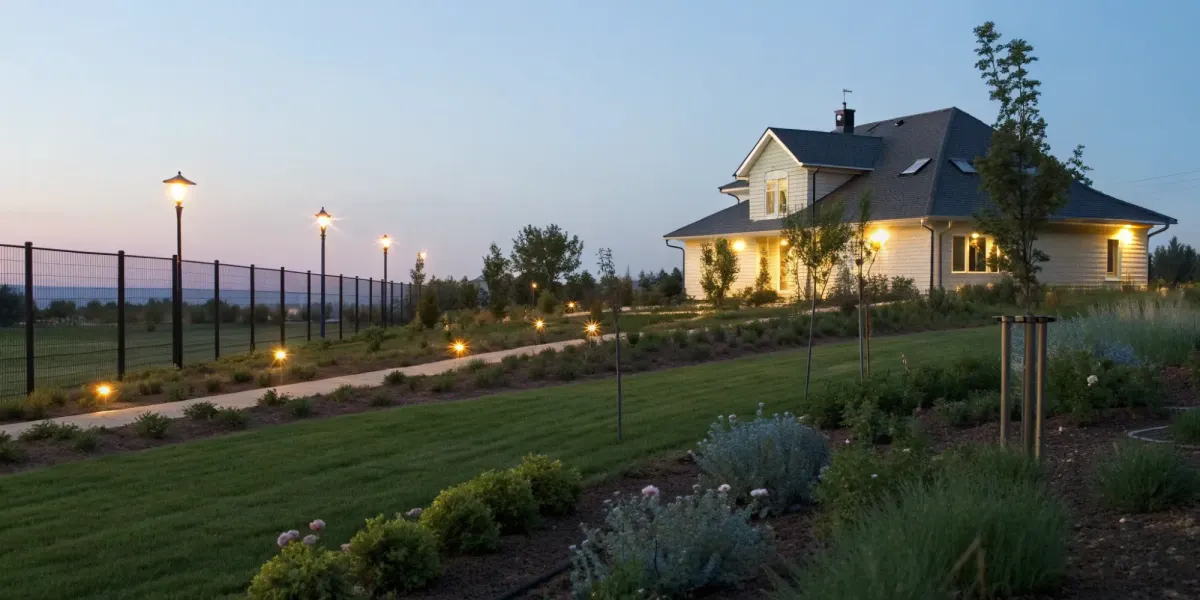
It’s easy to feel powerless when an insurance company labels your property "high-risk." That non-renewal letter or shockingly high quote can make it seem like the decision is completely out of your hands. But you have more control than you think. Protecting your vacation home is a partnership, and taking proactive steps to reduce risk can fundamentally change an insurer’s perspective. By investing in smart upgrades, creating a defensible space, and maintaining your property, you become a more attractive partner. This guide is your action plan. We’ll show you exactly how to make your home more resilient and find the right seasonal home insurance policy that rewards your efforts.
Your cabin, beach house, or mountain retreat is more than just a building; it’s a place filled with memories and future plans. The last thing you want is for that special place to become a source of financial stress. Yet, for many homeowners in beautiful, catastrophe-prone regions, the search for insurance has become a nightmare. It can feel deeply unfair when the very location you love makes your home nearly impossible to protect affordably. You're not alone in this frustration. This guide is designed to walk you through the challenges with practical advice, helping you understand your options and feel more in control as you seek a seasonal home insurance quote for high-risk areas.
Key Takeaways
- A Seasonal Home Requires Its Own Policy: Standard homeowners insurance isn't designed for a property that sits empty for months. A dedicated seasonal policy accounts for the unique risks of an unoccupied home, like unnoticed water damage or theft, preventing a potential claim denial due to a vacancy clause.
- You Can Actively Lower Your Insurance Costs: Your premium is based on risk, which you can help manage. Investing in proactive measures like fire-resistant roofing, creating defensible space, or installing smart security devices shows insurers you're a responsible partner and can lead to significant discounts.
- Look Beyond the Price to Avoid Coverage Gaps: The cheapest quote rarely tells the whole story. Compare policies by their coverage limits, deductibles, and exclusions to understand their true value. Remember that flood and earthquake damage require separate policies, so confirm you're covered for the specific threats your property faces.
What Is Seasonal Home Insurance, Really?
If you own a vacation home, a cabin in the mountains, or a beachside retreat, you’ve probably realized its insurance needs are a bit different from your primary residence. That’s where seasonal home insurance comes in. This specialized policy is designed to protect a property that isn’t your full-time home, accounting for the unique circumstances and risks that come with part-time occupancy. It’s not just a copy of your standard homeowners policy; it’s tailored coverage that gives you peace of mind when you’re miles away.
Understanding this type of insurance is the first step toward making sure your getaway spot is properly protected, especially if it’s located in an area prone to wildfires or other climate risks. Let’s break down what makes it different and what kind of coverage is essential.
How Is It Different From Your Main Home Policy?
The main difference between your primary and seasonal home policies comes down to one thing: occupancy. Your primary home insurance is priced and structured with the assumption that someone is living there most of the time. A seasonal policy, on the other hand, is built for a property that may be unoccupied for weeks or even months at a time. This is a key distinction because an unattended home faces a different set of risks.
As one agency puts it, secondary home insurance is specifically for homes you own but don't live in year-round. Because these properties are unoccupied more often, the risk of unnoticed issues like a water leak, break-in, or storm damage increases. As a result, the coverage details might look different. For instance, the policy may have lower limits for personal belongings, since most people keep fewer valuables at their vacation home.
Secondary vs. Seasonal Home: What's the Difference?
You’ll often hear the terms “secondary” and “seasonal” used interchangeably, but for an insurance carrier, the distinction can be important. A seasonal home is typically used for a specific part of the year—think of a summer lake house or a winter ski cabin that sits empty for long, predictable stretches. A secondary home, on the other hand, might be a weekend getaway that you visit more frequently and without a set pattern throughout the year. From an insurer's perspective, the key difference isn't the name you use but the pattern and length of vacancy, as this directly influences the property's risk profile.
This matters because an unoccupied home is more vulnerable. An undiscovered water leak, a fallen tree, or a break-in can cause far more damage when no one is around to respond quickly. Because of this heightened risk, a standard homeowners policy usually won't provide adequate coverage. Most standard policies include a vacancy clause that can void your protection if the home is empty for an extended period, often 30 to 60 days. This is why both seasonal and secondary homes require their own dedicated vacation home insurance to ensure you’re not left with a denied claim when you need help the most.
What's Actually Covered When You're Away?
When you lock the door and head home for the season, you need to know your property is still protected. This is why getting the right coverage is so important. If your vacation home will be unoccupied for long stretches, you should look into a policy specifically designed for that situation. This type of coverage is often referred to as unoccupied home insurance and is built for properties that are not lived in for extended periods.
This specialized insurance helps protect against risks that are more common when a home is unattended, like vandalism, theft, or damage from a burst pipe that goes undiscovered. It’s crucial to get a policy tailored to your seasonal home’s unique situation. Standard policies may have clauses that limit or deny coverage if a home is left unoccupied for more than 30 or 60 days, which is why a dedicated seasonal policy is a must-have.
Core Coverages in a Seasonal Policy
A seasonal home policy isn't starting from scratch; it’s built on the same foundation as your primary home insurance. It typically includes the core protections you’d expect, such as Dwelling Coverage for the structure itself, Other Structures Coverage for things like a detached garage or shed, and Personal Property Coverage for your belongings inside. It also provides Personal Liability Coverage if someone is injured on your property. However, it’s the exclusions you really need to pay attention to. As noted by financial experts, common exclusions often include damage from floods or earthquakes, which require separate policies. It's also important to know that if you plan to rent out your seasonal home, you'll likely need a specific short-term rental endorsement or a landlord policy, as a standard seasonal policy won't cover commercial activity.
How Claims Are Paid: ACV vs. Replacement Cost
When you file a claim, how you get paid depends on a key choice you make when buying your policy: Actual Cash Value (ACV) versus Replacement Cost. Think of ACV as the "garage sale" price; it pays for the value of your damaged property minus depreciation, which accounts for age and wear. This option usually results in a lower premium, but you'll get less money back. Replacement Cost, on the other hand, is designed to make you whole again. It pays the cost to replace your damaged items with new ones of similar quality, without a deduction for depreciation. Many insurers offer policies that let you choose between Actual Cash Value and Replacement Cost, so you can decide what level of protection fits your budget and risk tolerance. This decision is critical because it directly impacts your ability to rebuild and refurnish after a loss.
Why Is Your Seasonal Home Considered "High-Risk"?
When you think about your seasonal home, you probably picture relaxation and getaways. But from an insurance perspective, that same property carries a unique set of risks that make it different from your primary residence. Insurers see a seasonal home as a higher-risk property not because you’re a less responsible owner, but because of a combination of factors that are simply part of owning a second home.
The main reasons boil down to three key areas: its location, how often it’s occupied, and the logistics of keeping it in good shape from a distance. A home that sits unoccupied for months at a time in a location prone to wildfires or storms presents a different challenge than the house you live in every day. Understanding how insurers view these factors is the first step toward finding the right coverage and feeling confident that your investment is protected, no matter where you are.
The Threat of Natural Disasters
Many of us choose vacation homes in beautiful, remote places—a cabin in the mountains, a cottage near the coast, or a retreat in the woods. Unfortunately, these scenic locations are often more exposed to natural disasters like wildfires, floods, and severe storms. An insurer’s job is to calculate the probability of a claim, and a home’s location is a major part of that equation.
Your home might be considered high-risk if it’s in an area with a history of catastrophic events. Insurers will look at wildfire maps, flood zones, and storm patterns to assess the threat level. They also consider the home’s age, construction materials, and overall condition, as these details determine how well it might withstand a disaster. It’s not personal; it’s a data-driven assessment of the potential for a significant loss.
When No One's Home: The Risks of Vacancy
A home that isn’t lived in full-time faces different kinds of threats. When no one is around for weeks or months, small problems can quickly become major disasters. A minor pipe leak that you’d normally catch in a day can lead to extensive water damage and mold. Similarly, a fire could cause far more destruction before it’s reported, and a break-in is more likely to go unnoticed.
These properties are also more attractive targets for vandalism or theft. Because of these increased risks, insurers require specific secondary home insurance policies designed to cover properties that are not primary residences. This coverage accounts for the higher likelihood of certain claims that are less common in an occupied home where someone is always there to keep an eye on things.
The Challenge of Long-Distance Maintenance
Keeping up with maintenance is tough when you’re not living at the property year-round. It’s easy for small issues—like a loose shingle or a clogged gutter—to go unnoticed until they cause serious damage. Insurers know that a well-maintained home is a less risky one, so they pay close attention to how you care for your seasonal property from afar.
Regular check-ins, whether by you, a neighbor, or a property manager, are crucial. Proactive upkeep shows an insurer that you’re committed to protecting your investment. Furthermore, taking steps to prepare your home for specific threats can make a real difference. Investing in certain hazard mitigation measures can sometimes lead to discounts on your premium, as it demonstrates you’re actively working to reduce the risk of a claim.
How Do High-Risk Factors Affect Your Insurance Quote?
Getting an insurance quote can sometimes feel like a black box, especially when you’re trying to protect a seasonal home. The final number you see isn’t arbitrary; it’s the result of a detailed risk assessment. Insurers are in the business of managing risk, and they use a wide range of data points to predict the likelihood that you’ll file a claim and how much that claim might cost. For a seasonal home in an area prone to wildfires, hurricanes, or other hazards, this calculation becomes even more complex.
Understanding what goes into your quote is the first step toward finding the right coverage at a fair price. When an insurer looks at your property, they see more than just a vacation spot—they see a collection of variables that add up to a specific risk profile. Your home’s location, its physical condition, and how you use it all play a major role in determining your premium. By learning what insurers are looking for, you can better prepare for the quoting process and identify opportunities to make your property a more attractive risk.
Breaking Down How Insurers Calculate Premiums
At its core, an insurance premium is the price you pay for transferring the financial risk of your property to the insurance company. To set this price, insurers use sophisticated models that weigh the probability of a loss against the potential cost of that loss. They look at historical data for your area, information about your specific home, and broader industry trends. If you’ve taken steps to make your home safer, like installing a fire-resistant roof or hurricane shutters, you might see a reduction in your premium. However, you’ll need to research the policies of your insurer, as each company weighs these improvements differently.
The Average Cost of Seasonal Home Insurance
Let's talk numbers, because cost is often the biggest hurdle. While a standard homeowners policy might average around $1,300 annually for a typical home, you should expect to pay more for a seasonal property. Insurance for a vacation home can be 20% to 25% higher, and if the home is considered vacant for long periods, that premium could jump by 50% or more compared to a standard policy. This increase reflects the higher risks we've discussed, like its location in a disaster-prone area and the simple fact that no one is there year-round to handle small issues before they become big problems. Your final quote will depend on your home's specific location, its value, and how long it sits unoccupied each year.
The Checklist Insurers Use to Assess Risk
A home might be considered high-risk for several reasons, and each one contributes to the final quote. Insurers look closely at factors that increase the chance of a claim. Your home might be harder to insure because of its location in an area prone to natural disasters, its age, or its overall condition—an old roof, for example, is a common red flag. Since a seasonal home is often vacant, that can also increase its risk profile. Even your personal claims history can play a part. Each of these elements helps an insurer build a complete picture of the risk they are being asked to cover.
Why Your Property's Location Matters So Much
Of all the factors, location often carries the most weight, especially for a seasonal property. If your home is in an area that regularly experiences extreme weather like wildfires or hurricanes, insurers will view it as a higher risk. But location isn’t just about weather; it can also refer to proximity to a fire station or even local crime rates. It’s also a common misconception that a standard policy covers every type of disaster. For example, damage from flooding or earthquakes almost always requires separate coverage. Understanding your area’s specific natural hazard risk is key to making sure you have the right protection in place.
Finding Seasonal Home Insurance in High-Risk Areas
Finding the right insurance for a seasonal home in a high-risk area can feel like a daunting task, especially when you’re met with high quotes or outright rejections. But don’t get discouraged. The key is knowing where to look and who to talk to. While the market has certainly gotten tougher, there are still clear paths to securing the coverage you need to protect your property.
The search for seasonal home insurance typically leads you down one of three avenues: working with an independent agent who specializes in your area, seeking out carriers that focus on high-risk properties, or clarifying coverage options with traditional insurers. Each approach has its own benefits, and understanding them will help you find a policy that fits your home’s unique needs and gives you peace of mind when you’re not there.
How We Help You Find the Right Coverage
Working with an independent agency like Five Bays is one of the most effective ways to find coverage. Unlike captive agents who only represent one company, we have access to a wide network of carriers, including those willing to write policies in catastrophe-prone regions. We act as your advocate, using our expertise to match your property with the right insurer. We also help you understand which home-hardening and hazard mitigation measures can make your property more attractive to insurers, potentially leading to better rates and more options. Our goal is to find you a sustainable, affordable policy that truly protects your investment.
Working With Specialized High-Risk Insurers
If you've been turned down by a mainstream insurance company, your search isn't over. Several specialized insurers focus specifically on insuring properties that others won't, including seasonal homes in high-risk zones. These companies have a deeper understanding of the risks involved and have developed policies tailored to these unique situations. For example, some carriers offer specific products for homes that are unoccupied for several months at a time. These niche providers can be a lifeline for homeowners who feel they’ve run out of options, offering customized coverage that standard carriers simply can’t provide.
Should You Ask Your Current Insurance Provider?
Don’t automatically assume your primary home insurer can’t or won’t cover your seasonal property. It’s always worth having a direct conversation with them. Start by asking if they offer coverage in your seasonal home’s location and what specific policies are available. It’s also crucial to clarify what is and isn’t included. Many homeowners mistakenly believe their standard policy covers events like floods, but this is one of the most overlooked home insurance gaps. Ask your agent about endorsements or separate policies you can add to ensure you’re fully protected against the specific risks your property faces.
Understanding Provider Requirements
Once you find a potential insurer, it’s important to understand what they’ll expect from you. It’s not just about them approving your property; it’s about you meeting their specific conditions for coverage. For instance, some insurers may require you to insure your primary residence with them to offer a policy for your seasonal home, as they prefer to manage your entire risk profile. You also need to be upfront about how you plan to use the property. If you intend to rent it out, even for short periods on platforms like Airbnb, a standard seasonal policy won’t cut it. You’ll likely need a specific endorsement or a landlord insurance policy to cover that commercial activity. Finally, insurers want to see that you’re a proactive partner in protecting your home. Having a clear plan for regular maintenance and investing in mitigation measures shows them you’re serious about reducing risk, which can make all the difference in securing a policy.
Requesting a Quote: What to Expect
Getting an insurance quote can feel like a pop quiz you didn't study for. You're asked a ton of questions, and at the end, you get a number that can be hard to decipher. But it doesn’t have to be that complicated. When you’re looking for coverage for a seasonal home, especially in a high-risk area, being prepared is your best strategy. Knowing what information to have ready, how to look at different offers, and what to watch out for in the policy details will help you find the right coverage without the headache. Let’s walk through the process step-by-step so you can feel confident when you request your next quote.
What Information to Have on Hand
To get the most accurate quote, you’ll need to provide a detailed snapshot of your property. Have the basics ready, like the year it was built, its square footage, and the primary construction materials used for the roof and exterior walls. Insurers will also want to know about specific features, such as the type of heating system, the age of the electrical wiring, and whether you have safety devices like smoke detectors or a security system. If you’ve made any upgrades to make your home more resilient—like installing storm shutters or using fire-resistant siding—be sure to mention them. Providing accurate details about your home’s risk factors helps insurers give you a fair premium, and it’s essential for getting credit for any hazard mitigation efforts you’ve made.
A Smart Way to Compare Your Quotes
When quotes start rolling in, it’s tempting to just pick the one with the lowest price. But the cheapest option isn’t always the best fit. Look beyond the premium and compare the core components of each policy. What are the coverage limits for your dwelling and personal property? How high is the deductible you’ll have to pay out-of-pocket for a claim? Pay close attention to how each policy handles perils specific to your area, like wildfires or hurricanes. If you’ve invested in upgrades, see if the insurer is rewarding you for those proactive mitigation measures, as this can make a big difference in cost. A side-by-side comparison of these details will give you a much clearer picture of the true value each policy offers.
Don't Skip the Fine Print: Common Exclusions
This is the part where your eyes might start to glaze over, but it’s one of the most important steps. Every policy has limitations and exclusions, and you need to know what they are before you sign. One of the most prevalent myths is that a standard homeowner's policy covers all types of weather-related damage. In reality, damage from flooding—meaning water rising from the ground up—is almost always excluded and requires a separate policy. Your policy might cover water damage from a burst pipe inside your home, but not from a storm surge. Take the time to read the exclusions section carefully so there are no surprises when you need your coverage the most.
Exclusions for Lack of Maintenance
Think of your insurance policy as a partnership. You pay your premium, and the insurer agrees to cover unexpected events. Your side of the deal is to keep your property in good working order. This is especially important for a seasonal home, where a small issue like a clogged gutter or a loose shingle can go unnoticed for months and turn into a major problem. Insurers are aware of this risk, which is why most policies won't cover damages from a lack of maintenance. If a claim investigation shows that the damage was caused by a pre-existing issue you failed to address, your claim could be denied. This is why having a local property manager or a trusted neighbor regularly check on your home isn't just a good idea—it's a crucial part of protecting your investment.
What Should Your Seasonal Home Policy Include?
Shopping for seasonal home insurance can feel complicated, but it really comes down to making sure your policy matches the unique risks of a property that isn’t occupied year-round. It’s not just about finding a good price; it’s about finding the right protection. A standard homeowners policy often has gaps when it comes to a second home, especially one in a high-risk area. You need coverage designed for the specific challenges of your property, from its location to the amount of time it sits unoccupied. Insurers see a home that isn't lived in full-time as having a different risk profile, and your policy needs to account for that. For example, a small issue like a water leak could go unnoticed for weeks, causing far more damage than it would in your primary residence.
When you review a potential policy, look past the premium and focus on the details of what’s actually covered. The best policies for seasonal homes offer robust protection against environmental threats, property crime, and personal liability. These three areas are where a secondary home is most vulnerable, and having the right features in your policy can make all the difference when you need to file a claim. Understanding these key coverages will help you compare quotes effectively and choose a plan that truly protects your investment, giving you peace of mind when you're miles away. Let’s break down exactly what you should be looking for.
Are You Covered for Floods, Fires, and Storms?
One of the most common and costly mistakes is assuming a standard home policy covers flood damage. It doesn’t. Homeowners insurance typically helps with water damage from internal sources, like a burst pipe, but it won’t cover damage from rising water or a storm surge. If your seasonal home is anywhere near a body of water or in an area with heavy rainfall, you’ll need a separate flood insurance policy. The same goes for other regional disasters; in California, for example, you may need to confirm your policy includes specific coverage for wildfires or consider a separate policy for earthquakes.
Named Peril vs. All-Risk Policies
As you compare policies, you’ll notice they fall into two main categories: named peril and all-risk. A named peril policy is the more basic option, covering only the specific risks explicitly listed in your contract, like fire or theft. If a disaster isn't on that list, you aren't covered. An all-risk policy, on the other hand, offers broader coverage by protecting you from all potential perils except for those specifically excluded. For a seasonal home that sits empty, an all-risk policy can provide greater peace of mind, but it’s essential to read the exclusions list carefully. Common exclusions often include damage from floods, earthquakes, or neglect, so you need to know exactly what you’re protected against.
Securing Your Home Against Theft and Vandalism
A home that is unoccupied for long periods is a more attractive target for theft and vandalism. It’s crucial to have a policy that acknowledges this increased risk. Some standard insurance policies contain a “vacancy clause” that can limit or even deny coverage if a home is left unoccupied for more than 30 or 60 days. A true seasonal or vacation home policy is designed for this situation and won’t penalize you for being away. Make sure your policy explicitly covers property damage from vandalism and losses from theft, giving you peace of mind while you’re not there.
Getting Clear on Your Liability Coverage
Liability coverage protects your finances if someone is injured on your property and you are found legally responsible. This is just as important for a seasonal home as it is for your primary residence. An accident can happen anytime, whether it’s a guest visiting for the weekend or a delivery person slipping on your walkway in the off-season. If you ever rent out your property, your liability risk increases even more. Review the liability limits in your policy to ensure they are high enough to protect your assets, and ask about additional coverage if you have features like a pool or hot tub.
What About Coverage for Short-Term Rentals?
If you plan to list your seasonal home on platforms like Airbnb or Vrbo to offset costs, it’s crucial to have a conversation with your insurance agent first. Your standard seasonal policy is designed for personal use, not commercial activity, and renting your home out is considered a business. This is a critical distinction because if a renter is injured or causes damage, your claim could be denied, leaving you financially responsible. You may need a specific short-term rental endorsement or a landlord policy to cover this increased liability. Being upfront about your rental intentions is the only way to ensure you have the right protection and avoid a devastating coverage gap.
Practical Ways to Lower Your Insurance Costs
While insuring a seasonal home in a high-risk area can feel expensive, you have more control over your costs than you might think. Insurance companies base your premium on risk, so the more you can do to show them your property is a safe bet, the more you stand to save. It’s about taking proactive steps to protect your investment, which often translates directly into lower insurance bills.
Think of it as a partnership with your insurer. By making smart choices and demonstrating that you’re a responsible homeowner, you can often find significant savings. Simple strategies like combining your policies, making safety-focused upgrades, and sticking to a maintenance schedule can make a real difference to your bottom line. Let’s look at how you can put these actions into practice.
Bundle Your Policies for Big Savings
One of the most straightforward ways to save is by bundling your insurance policies, which simply means purchasing multiple types of insurance from the same company. The most common combination is home and auto insurance. Insurers value loyal customers, and they’re often willing to offer a multi-policy discount—typically between 5% and 25%—to keep your business.
If you have a car, it’s always worth asking your current auto insurer if they offer seasonal home coverage. If not, an independent agent can shop around for carriers that offer both, finding you the best combined rate. It’s a simple step that requires minimal effort but can yield consistent savings year after year.
Get Discounts for Home Safety Upgrades
Insurers reward proactive homeowners. Making upgrades that strengthen your home against potential disasters shows that you’re actively working to reduce risk, and many companies will offer premium discounts in return. These mitigation efforts are an investment in your home’s safety that can also pay you back.
Depending on your location, this could mean installing storm shutters or impact-rated windows to protect against hurricanes. In wildfire-prone areas, you might earn discounts for using fire-resistant roofing materials or creating defensible space around your property. Even smaller updates like installing a centrally monitored security system or smoke detectors can help lower your costs. Always ask your agent what specific discounts are available for home safety improvements.
Claims-Free Discounts
Insurers love a good track record. If you go for a certain period—usually three to five years—without filing a claim, many companies will reward you with a claims-free discount. This is because a claims-free history shows insurers that you are a lower risk, which can lead to significant savings on your premium. This doesn't mean you should never use your insurance, but it does mean you should be strategic. For smaller issues, like a broken window or minor fence damage, it can sometimes be more cost-effective to pay for the repair out-of-pocket. This approach preserves your discount and prevents a small claim from increasing your premium for years to come.
Age of Home Discounts
If your seasonal home is a newer build, you might be in luck. Insurers often offer discounts for newer properties because they are built to modern safety codes with more durable materials, making them less susceptible to damage. But even if your home isn't brand new, you may still be able to qualify for savings. Major renovations that bring key systems up to date—like a new roof, updated electrical wiring, or modern plumbing—can significantly reduce your home's risk profile. Be sure to tell your agent about any major upgrades you’ve made, as they could help you secure a better rate.
How Regular Upkeep Can Reduce Your Rate
A well-maintained home is a less risky home, and insurers take notice. This is especially true for a seasonal property that sits empty for part of the year. Small issues like a minor leak or clogged gutter can turn into major damage when no one is around to catch them. Proving you have a plan for upkeep can directly impact your insurability and your rates.
Create a home maintenance checklist and stick to it. This should include tasks like inspecting the roof, servicing the HVAC system, and checking for water damage. It’s also wise to arrange for someone to check on the property regularly while you’re away. Consistent maintenance helps prevent claims and demonstrates to your insurer that you’re committed to protecting your property, which can help keep your coverage affordable.
Adjust Your Deductible to Lower Your Premium
Think of your deductible as the portion of a claim you agree to pay yourself before your insurance coverage begins. It’s a straightforward trade-off: the more financial risk you’re willing to take on upfront, the less you’ll pay in yearly premiums. This can be a powerful tool for managing your budget. For example, if you raise your deductible from $1,000 to $2,500, you could potentially see your annual premium drop by 10% or more. It’s a direct way to influence your rate without sacrificing the core protection your policy provides.
Of course, this strategy comes with an important consideration: you have to be comfortable paying that higher amount out of pocket if you need to file a claim. The key is to choose a deductible that aligns with your emergency savings and won’t cause financial strain. For homeowners who maintain their property well and have a solid financial cushion, opting for a higher deductible is a smart, practical way to achieve long-term savings on seasonal home insurance.
More Ways to Actively Reduce Your Premiums
While you can’t change your home’s location, you have more control over your insurance premiums than you might think. Insurers base their rates on risk, and the more you do to lower that risk, the better your chances are of securing a more affordable policy. Taking proactive steps shows carriers that you’re a responsible partner in protecting your property. It’s not just about saving money—it’s about making your seasonal home safer and more resilient for the long haul.
Think of it as a win-win. You get a more secure property and greater peace of mind, while your insurer sees a lower likelihood of a major claim. Many carriers are eager to reward homeowners who invest in protecting their homes. By focusing on structural improvements, smart technology, and consistent upkeep, you can directly influence your home’s insurability. These actions demonstrate a commitment that can make a real difference when it’s time to get a quote.
Fortify Your Home Against the Elements
Making physical upgrades to your home, often called "home hardening," is one of the most effective ways to reduce risk, especially in areas prone to wildfires or severe weather. Start with the most vulnerable parts of your house. For instance, if your roof is made of wood shake, replacing it with a fire-resistant material like metal or composite shingles can significantly improve your risk profile. The same goes for siding—swapping wood for fiber cement or stucco creates a much stronger barrier against embers. Other impactful upgrades include installing dual-pane tempered glass windows and covering vents with fine metal mesh to keep embers out. These changes make your home more resilient and show insurers you’re serious about loss prevention.
Use Smart Home Tech to Your Advantage
Smart home devices are more than just a convenience; they’re your eyes and ears when you’re not there. For a seasonal home that sits empty for long stretches, this technology is invaluable. Water leak sensors can alert you to a burst pipe before it causes catastrophic damage, and smart smoke detectors can notify you and the fire department at the first sign of trouble. Security cameras and motion sensors deter theft and vandalism, while smart thermostats can help prevent pipes from freezing in the winter. Installing these devices can prevent costly claims, and many insurance companies offer discounts for homes equipped with them. It’s a small investment that can pay off in both savings and security.
Commit to a Regular Maintenance Schedule
Consistent upkeep is fundamental to protecting your seasonal home and keeping your insurance costs in check. An unmaintained property is a high-risk property. Simple, routine tasks make a huge difference. Regularly clear your gutters and roof of flammable debris like pine needles and leaves. Trim tree branches so they are at least 10 feet away from your roof and chimney. Before you leave for the season, have your plumbing, HVAC, and electrical systems inspected to catch any potential issues. Documenting your efforts is also a great idea. Keeping a log of your maintenance activities shows insurers that you are a diligent homeowner. To get the most credit for your work, it’s wise to maintain a regular maintenance schedule and understand what your specific carrier values most.
Arrange for Regular Property Check-ins
Smart home technology is a great first line of defense, but nothing replaces having a real person check on your property. When a home is unoccupied for long stretches, a small issue like a dripping pipe can turn into a major disaster, causing thousands in water damage before it’s ever discovered. That’s why arranging for a trusted neighbor, family member, or professional property manager to do regular walk-throughs is so important. This simple step provides a critical layer of security and shows insurers that you are serious about managing the unique risks of a vacant property. It proves you’re committed to preventing small problems from becoming large claims, which can make a real difference in your ability to secure and maintain affordable coverage.
3 Common Myths About Seasonal Home Insurance
Insurance for a seasonal home can feel complicated, and a few common misconceptions can leave you unprotected when you need it most. Believing your vacation property is covered in the same way as your primary residence is a risky assumption, especially in areas prone to wildfires, floods, or storms. Understanding the reality behind these myths is the first step toward securing the right protection and avoiding costly surprises down the road.
Getting the right policy isn’t just about checking a box; it’s about making sure your investment is truly safe, whether you’re there or not. Let’s clear up some of the biggest myths about seasonal home insurance so you can feel confident in your coverage. By separating fact from fiction, you can ask smarter questions and find a policy that genuinely fits the unique needs of your second home.
Myth #1: "My Standard Policy Covers Flooding"
This is one of the most critical misunderstandings in home insurance. A standard homeowner's policy—for either a primary or seasonal home—does not cover damage from flooding. This includes storm surges, overflowing rivers, or heavy rainfall that saturates the ground. To protect your property from these events, you need a separate flood insurance policy. Even if your home isn't in a designated high-risk flood zone, it’s worth considering. After a wildfire, for example, the burned landscape can’t absorb water effectively, dramatically increasing the risk of flash floods and mudflows in the following rainy season.
Myth #2: "My Coverage Is the Same All Year"
Many seasonal home policies include what’s known as a "vacancy clause." If your property is unoccupied for an extended period, typically more than 30 or 60 days, your coverage for certain risks like vandalism, theft, or water damage from a burst pipe might be limited or denied. Insurers see an empty home as a riskier property because no one is there to handle small issues before they become big problems. It’s essential to read your policy carefully and understand your responsibilities, which might include arranging for regular property check-ins or performing specific maintenance tasks to keep your coverage intact.
Myth #3: "The Minimum Liability Is Good Enough"
It’s easy to assume that liability risk is low at a home you rarely visit, but accidents can happen anytime. Your personal liability coverage protects you if someone is injured on your property, whether it’s a guest, a maintenance worker, or even a trespasser. A dead tree branch falling on a neighbor’s car or a delivery person slipping on an icy path can lead to an expensive claim. Since you aren’t there to spot and fix hazards regularly, the risk can actually be higher. Review your liability limits to ensure they are sufficient to protect your assets.
Related Articles
- Western US Home Insurance | Wildfire & High-Risk Coverage | Five Bays Insurance Agency
- Policy Checkup for High-Risk Homeowners | Five Bays Insurance Agency
- Get a Quote for High-Risk Home Insurance | Five Bays Insurance Agency
- Disclaimers & Disclosures | Five Bays Insurance Agency
- Five Bays Insurance Agency Home
Frequently Asked Questions
Is seasonal home insurance always more expensive than a primary home policy? Not necessarily, but it often is. Insurers price policies based on risk, and a home that sits empty for months at a time faces different challenges, like a higher chance of unnoticed water damage or theft. If that home is also in a wildfire-prone area, the risk increases further. However, you can influence the cost by taking proactive steps like installing a security system, using fire-resistant building materials, and bundling it with your auto policy.
What if I sometimes rent out my seasonal home on sites like Airbnb or Vrbo? This is a critical point to address with your insurance agent. A standard seasonal home policy is not designed to cover the risks associated with renting your property to others, which is considered a business activity. If a renter is injured or causes damage, your claim could be denied. You will likely need a special endorsement or a separate commercial policy to ensure you’re properly protected when you have paying guests.
What's the difference between a 'vacant' and an 'unoccupied' home in the eyes of an insurer? These terms may seem similar, but they mean very different things to an insurance company. An "unoccupied" home is fully furnished with the intention that you will be returning, which describes a typical seasonal home. A "vacant" home is empty of personal property, suggesting no one is planning to live there. Many standard policies have clauses that limit coverage for vacant properties, which is why it's so important to get a policy specifically designed for an unoccupied seasonal home.
My regular insurer won't cover my cabin because of wildfire risk. What should I do first? The first step is not to get discouraged, as this is an increasingly common situation. Your best move is to contact an independent insurance agent who specializes in high-risk properties. Unlike an agent who only works for one company, an independent agent partners with multiple carriers, including niche insurers that are comfortable writing policies in areas that mainstream companies avoid. They can shop the market for you and find the best available options.
Besides home hardening, what's the single most important thing I can do to keep my coverage affordable? Consistent documentation is key. Keep a detailed record of all the maintenance, repairs, and safety upgrades you complete, from clearing defensible space to servicing your HVAC system. Share this log with your insurance agent every year when your policy is up for renewal. This proves you are a proactive and responsible owner, which makes your property a more attractive risk and can help you secure the best possible rates over the long term.


