
DP3 Insurance Policy Guide: What It Covers and How It Compares to HO3 and DP1
A fire DP-3 policy protects rental and investment properties with broad coverage for structural damage, lost rental income, and more. Learn what it covers.

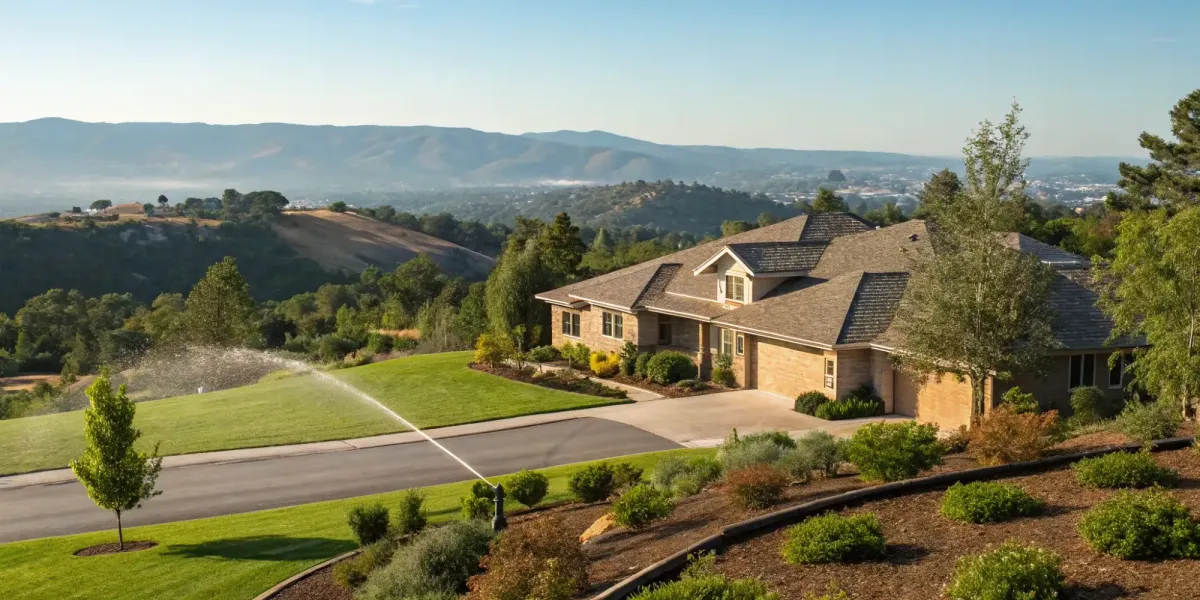
Understanding how a DP3 insurance policy works is essential for landlords and property owners who want reliable protection for rental or secondary homes. Unlike a standard HO3 homeowners policy, a DP3 is specifically designed to cover tenant-occupied properties and reduce the risk of denied claims.
This guide explains what a DP3 policy covers, how it compares to HO3 and DP1 options, and when it is the right choice for safeguarding your investment property.
With clear comparisons and practical examples, you will learn how each policy differs in coverage, exclusions, and benefits. Use this breakdown to make a confident insurance decision and ensure your property is protected the way you expect.
Key Takeaways
- A DP-3 Policy is for Properties You Don't Live In: It's the right choice for rental properties, vacation homes, and other investments because a standard homeowner's policy isn't designed for the unique risks of a non-owner-occupied dwelling.
- It Offers Superior Structural Coverage: A DP-3 uses "open peril" protection, covering damage from all causes unless specifically excluded, and pays claims at "Replacement Cost Value" (RCV) to help you rebuild with new materials at current prices.
- You Must Fill Gaps to Be Fully Protected: A base policy excludes major risks like floods, earthquakes, and personal liability. You'll need to add specific endorsements or separate policies to ensure your investment and personal finances are truly secure.
What Is a DP-3 Dwelling Fire Policy?
If you own a home that isn’t your primary residence, you’ve probably wondered how to insure it properly. A standard homeowners policy often won’t cut it, which is where a Dwelling Fire (DP-3) policy comes in. Despite its name, it covers much more than just fire and is one of the most popular and comprehensive options for protecting rental properties, vacation homes, and other non-owner-occupied houses. Think of it as business-level protection for your real estate investment. Let's break down what a DP-3 policy includes and why it might be the perfect fit for your property.
The Scope of the Modern Rental Market
Owning a rental property is more than just having a second house; it's running a business. This means you face a different set of risks than you do with your own home. You're not just protecting a building; you're protecting an income stream and a significant financial asset. That's why a specialized policy is so important. A DP-3 policy is specifically designed for homes that are not your main residence, making it the go-to for landlords. It's widely considered one of the most complete insurance options available because it addresses the unique challenges of owning an investment property. If a fire or another covered disaster makes your rental uninhabitable, this type of policy can also help cover the lost rental income you'd otherwise miss out on during repairs, providing a crucial financial safety net for your business.
Why This Policy Is a Landlord's Best Friend
A DP-3 policy is a type of landlord insurance designed specifically for residential properties you own but don't live in. This could be a long-term rental, a vacation home you use a few weeks a year, or even a property you list on a short-term rental site. It matters because a standard homeowners (HO-3) policy is written for an owner-occupied home. If you file a claim on a rental property under an HO-3 policy, your insurer could deny it because the risks are different. The DP-3 is built to handle the specific challenges of a non-owner-occupied home, ensuring you have the right protection in place for your investment.
How a DP-3 Policy Protects Your Investment
The main benefit of a DP-3 policy is its comprehensive protection for your physical structures. It covers the main dwelling itself and other structures on the property, like a detached garage, fence, or shed. This policy also typically includes coverage for any personal property you own that's kept at the location to service it—think appliances like a refrigerator or washer and dryer, or a lawnmower you leave for landscaping. It’s designed to protect your financial interest in the property from the ground up, giving you peace of mind that your asset is secure even when you’re not there.
Decoding "Open Peril" Coverage
One of the biggest advantages of a DP-3 policy is that it offers "open peril" coverage for the structure. This might sound like insurance jargon, but it’s a simple and powerful concept. Instead of only covering a list of specific, named disasters, an open peril policy covers damage from all potential causes, unless a cause is specifically excluded in the policy documents. Common exclusions include things like floods, earthquakes, or neglect. This type of coverage is much broader than a "named peril" policy and protects you from a wider range of unexpected events, from a fire to a tree falling on the roof.
Getting Paid: Replacement Cost or Actual Cash Value?
When it comes to paying out a claim for your home's structure, a DP-3 policy typically uses replacement cost value (RCV). This is a critical feature. RCV pays to repair or rebuild your property with new, similar materials at today's prices, without deducting for depreciation. The alternative, actual cash value (ACV), only pays you what the damaged item was worth at the moment it was destroyed. For example, if your 15-year-old roof is ruined by a storm, RCV helps you pay for a brand new roof. ACV would only give you the depreciated value of a 15-year-old roof, leaving you to cover the rest. RCV provides much greater financial protection.
Understanding Payouts for Your Personal Property
While your home's structure gets the top-tier replacement cost coverage, it's important to know that any personal property you own and keep at the rental is handled differently. Items like the refrigerator, washer, dryer, or lawnmower are typically covered on an Actual Cash Value (ACV) basis. This means the policy pays what the item was worth at the time of the loss, factoring in depreciation for age and wear. So, you’d get the value of a five-year-old fridge, not the money for a new one. It’s also critical to remember that a DP-3 policy never covers your tenants' belongings. They need to secure their own renters insurance to protect their furniture, electronics, and other personal items. Making this clear in your lease agreement is always a smart move.
Is a DP-3 Policy Right for Your Property?
A standard homeowner's policy is designed for one thing: the home you live in. But what about the other properties you own? That’s where the DP-3 policy comes in. It’s specifically built to protect dwellings that aren’t your primary residence. If you own a long-term rental, a vacation cabin, an investment property, or even a home you list on Airbnb, a DP-3 policy is likely what you need to properly protect your asset.
This type of coverage is essential because insurers view non-owner-occupied properties differently. The risks are unique, and your insurance needs to match. Let’s walk through a few common scenarios to help you determine if a DP-3 policy is the right fit for you.
Why Landlords Choose DP-3 Insurance
A DP-3 policy is a cornerstone of smart landlord insurance. If you own a home and rent it out to tenants, your standard homeowner's policy won't cover it. Insurers see rental properties as a different type of risk, which requires a specialized policy. The DP-3 steps in to provide comprehensive protection for the physical structure of your rental home. It covers damage from a wide range of events, giving you peace of mind that your investment is secure. This policy is designed to protect your interests as the property owner, covering the building itself while your tenant’s renter’s insurance covers their personal belongings.
Does Your Vacation Home Need a DP-3 Policy?
That cabin in the mountains or cottage by the lake is a wonderful escape, but it also comes with unique insurance needs. Vacation homes often sit empty for long stretches, which makes them a higher risk in the eyes of an insurer. An unoccupied home is more vulnerable to issues like theft, vandalism, or undetected problems like a burst pipe. A standard homeowner's policy isn't built for this situation, but a DP-3 policy is an excellent choice. It provides robust, open-peril coverage for the structure, ensuring your second home is protected even when you aren't there. This allows you to safeguard your vacation property and relax, knowing your getaway is properly insured.
A Smart Choice for Investment Properties
For real estate investors, protecting your assets is non-negotiable. A DP-3 policy is a powerful tool for safeguarding your portfolio of residential investment properties. Often called a "dwelling property policy," it’s designed to cover homes you own but don't live in, offering broad protection against damage and financial loss. Whether you own a single rental or several, this policy helps ensure that an unexpected event—like a fire or a major storm—doesn't derail your financial goals. It focuses on protecting the structure itself, which is the core of your investment. This specialized coverage is essential for any serious investor looking to manage property risks effectively and maintain the long-term value of their properties.
What About Your Airbnb or VRBO?
If you rent out your property on a short-term basis through services like Airbnb or Vrbo, you're running a business—and you need business-level insurance. Your homeowner's policy almost certainly excludes coverage for commercial activity. A DP-3 policy can be the right solution to fill this critical gap. It’s designed for non-owner-occupied homes, which fits the short-term rental model perfectly. In fact, if you have guests—even family—staying in your property for more than a couple of weeks a year, a DP-3 is worth considering. While some rental platforms offer their own protection plans, they often have significant limitations. A dedicated DP-3 policy provides more reliable and comprehensive coverage for your rental, protecting your property against the risks that come with a steady stream of guests.
When to Choose a DP-3 Over a Home-Sharing Endorsement
You might have heard about adding a home-sharing endorsement to your existing homeowner's policy as a quick fix for short-term rentals. While it can seem like an easy option, it’s often just a patch on a policy that was never intended for business use. These endorsements can come with strict limits on how many days you can rent your property or how much income you can earn. A DP-3 policy, on the other hand, has no such restrictions because it’s built specifically for this purpose. When you host guests through a service like Airbnb or Vrbo, you are running a business. A DP-3 provides the comprehensive, business-level coverage you need, protecting your investment without the tricky limitations of an endorsement.
Guidelines for Use by Family and Friends
It’s a wonderful perk to let family and friends use your vacation home, but this generosity doesn't change the fundamental insurance risk: you, the owner, don't live there. From an insurer's perspective, a non-owner-occupied property is in a different category, regardless of who stays in it. These homes often sit empty for long stretches, making them more vulnerable to undetected issues like a burst pipe, or to risks like theft. A DP-3 policy is the perfect solution because it’s designed to protect your second home even when it’s unoccupied. It safeguards your financial interest in the structure itself, giving you peace of mind. Just remember that your guests, even if they're family, are responsible for insuring their own personal belongings.
What Does a DP-3 Policy Actually Cover?
A DP-3 policy, often called a Dwelling Fire policy, is one of the most comprehensive coverage options for a property you don’t live in yourself. It’s designed to protect your investment, whether it’s a rental, a vacation home, or a property you’re planning to sell. But what exactly are you paying for when you buy one? Let's break down the key components so you can see how it protects your asset from the ground up.
The Structure of Your Home
This is the heart of your policy. The dwelling coverage protects the main house or structure itself—the foundation, walls, roof, and everything in between. A DP-3 policy provides "open peril" coverage, which is a huge advantage. This means the structure is protected from all potential causes of damage except for those specifically listed as exclusions in your policy. This is much broader than "named peril" policies that only cover damage from a specific list of events. It’s a robust form of landlord insurance that gives you peace of mind that your primary investment is secure against a wide range of potential risks.
Special Considerations for Your Roof
Your roof is your property's first line of defense, and it's also one of the most expensive components to replace. This is where the strength of a DP-3 policy really shines. Since the roof is part of the main dwelling, it's protected under the policy's broad "open peril" coverage. More importantly, claims are typically settled at Replacement Cost Value (RCV). This means if a hailstorm or fallen tree damages your 15-year-old roof, the policy helps you pay for a brand new one at today's prices, not the depreciated value of your old one. For landlords in areas prone to severe weather, this feature is a massive financial safeguard. It ensures a critical part of your investment can be fully restored without a huge out-of-pocket expense, especially when considering the importance of resilient roofing materials in high-risk zones.
What About Garages, Fences, and Sheds?
Your coverage doesn’t stop at the main house. A DP-3 policy also extends to what the insurance world calls “other structures” on your property. This includes buildings that aren’t attached to the main dwelling, like a detached garage, a tool shed, a fence, or even a gazebo. Typically, this coverage is calculated as a percentage of your main dwelling’s insured value, often around 10%. So, if your home is insured for $500,000, you might have up to $50,000 in coverage for these other structures. It’s an important feature that ensures all parts of your property are accounted for.
Covering Your Lost Rental Income
If you’re a landlord, this part is critical. Known as Fair Rental Value coverage, this feature helps you recoup lost income if your property becomes uninhabitable due to a covered event, like a fire or major water damage. While your property is being repaired, you can’t collect rent, but your mortgage and other expenses don’t stop. This coverage replaces that lost monthly rent, helping you stay financially stable during the restoration process. It’s a financial safety net that keeps a disaster from completely derailing your investment income stream and helps you manage your rental property finances effectively.
Are Your Personal Items Covered?
This is an area where DP-3 policies have specific rules. The policy is designed to cover personal property that you, the landlord, own and keep at the property to service it. Think of items like a lawnmower you use for landscaping or the appliances you provide for your tenants, such as a refrigerator, washer, and dryer. It’s important to know that a DP-3 policy does not cover your tenant’s personal belongings—they need their own renter's insurance for that. Also, be aware that theft of your personal property is often not included in a standard DP-3 policy, but you can typically add it as an endorsement.
What Is Personal Liability Coverage?
Imagine a visitor tripping on a cracked sidewalk or a tenant falling down poorly lit stairs. If you’re found legally responsible for their injuries, the costs could be astronomical. Personal liability protection is designed to cover these situations. It helps pay for medical bills, legal fees, and settlements. While it’s not automatically included in every DP-3 policy, it’s one of the most important add-ons you can get. Without it, you’re personally on the hook for these expenses. Adding personal liability insurance is a simple step to protect your personal finances from a lawsuit.
Popular Ways to Extend Your Coverage
A standard DP-3 policy provides a great foundation, but you can tailor it to meet your specific needs with various endorsements, or add-ons. We’ve already mentioned adding coverage for personal liability and theft, which are two of the most common. You might also consider adding coverage for vandalism, which can be a concern for vacant properties or during tenant turnovers. Other useful add-ons include protection for water backup from sewers and drains or ordinance and law coverage, which helps pay for the extra costs of rebuilding to current building codes after a loss. An agent can help you identify which endorsements make the most sense for your property.
What Isn't Covered by a Standard DP-3 Policy?
A DP-3 policy offers fantastic protection, but it’s important to remember that no insurance policy covers everything. Understanding what’s left out, or “excluded,” is just as critical as knowing what’s included. This helps you avoid surprises during a claim and ensures you have the right protection in place for your specific property. Think of it as reading the whole map, not just the highlights, before you start your trip. Let’s walk through the common exclusions and limitations so you can see the full picture of your coverage.
What's Typically Left Out?
Every policy has a list of things it won’t cover, and the DP-3 is no exception. These exclusions are fairly standard across the industry. For instance, insurance is designed for accidents, not intentional acts, so any damage you cause to your property on purpose won't be covered. Other common exclusions include damage from war, government action, power failure originating off-site, and neglect. The policy expects you to perform reasonable upkeep to keep your property in good shape. Issues that arise from a lack of maintenance, like mold or rot, are typically not covered.
Common Exclusions: Mold, Power Failure, and More
A DP-3 policy is designed to protect you from sudden and accidental events, not issues that develop over time due to a lack of upkeep. This is why problems stemming from neglect, like mold, rot, or insect infestations, are typically excluded. Your policy assumes you'll handle routine home maintenance to keep the property in good condition. Other standard exclusions you’ll find in most policies include damage from war, nuclear hazards, and power failures that originate off your property. For example, if a widespread blackout causes your sump pump to fail and the basement floods, that specific damage wouldn't be covered by the DP-3 policy.
Theft by a Tenant
It’s crucial to understand the boundaries of your DP-3 policy when it comes to personal property. First, the policy does not cover your tenant's belongings under any circumstances; they need their own renter's insurance to protect their things. Second, while your policy covers your personal property used to service the rental (like appliances), theft of those items is often excluded from a base DP-3 policy. This means if a tenant moves out and takes the refrigerator with them, you might not be covered. The good news is that you can usually add theft coverage through an endorsement, closing this gap and adding another layer of protection for your investment.
Are Floods and Earthquakes Covered?
This is a big one, especially for homeowners in California. While a DP-3 policy covers many weather-related events like fire and wind, it almost always excludes damage from earthquakes and floods. These events are so widespread and catastrophic that they require their own separate policies. If your property is in an area prone to these risks, you’ll need to purchase a dedicated earthquake insurance policy or flood insurance through the National Flood Insurance Program (NFIP) or a private insurer. Don’t assume your dwelling fire policy has you covered for every type of natural disaster.
How Much Personal Property is Covered?
A DP-3 policy is primarily focused on protecting the physical structure of your property. While it provides some coverage for personal property you own as a landlord—like appliances you provide for your tenants—this coverage can be limited. It’s also important to know that theft of your personal property is often not included in a base DP-3 policy, though you can sometimes add it as an endorsement. If you store valuable tools or equipment at your rental, you’ll want to double-check these limits and consider adding extra protection to your policy.
Why Your Tenants Still Need Renters Insurance
This is a crucial point of clarity: your DP-3 policy does not cover your tenant’s personal belongings. If a fire damages the home, your policy will help repair the structure, but your tenant’s furniture, clothes, and electronics are their own responsibility. This is why it’s so important to require your tenants to carry their own renters insurance. A renters policy protects their possessions and also provides them with liability coverage if they accidentally cause damage to your property. It’s a win-win that protects both you and your tenant.
Why Most Landlords Require It
Making renters insurance mandatory isn't just about protecting your tenants—it's a critical layer of protection for you and your investment. The primary reason landlords require it is for the liability coverage. If your tenant accidentally starts a kitchen fire or lets a bathtub overflow, causing significant damage to your property, their renters insurance can cover the repair costs. This saves you from having to file a claim on your own policy, which means you avoid paying a deductible and prevent a potential premium increase. By making it a standard part of a lease agreement, you create a clear financial buffer that protects your asset and encourages responsible tenancy.
How to Spot Gaps in Your Coverage
Because every property is unique, insurance is rarely a one-size-fits-all solution. Your DP-3 policy provides a strong foundation, but you might have specific risks that require extra attention. Do you have a swimming pool? Is the property vacant for long periods between tenants? Do you allow short-term rentals? Each of these scenarios can create potential coverage gaps. The best way to make sure you’re fully protected is to review your specific situation with an insurance agent who can help you identify and fill these gaps with the right endorsements or additional policies.
How Does a DP-3 Compare to Other Policies?
When you're looking for property insurance, it’s easy to get lost in a sea of acronyms like DP-1, HO-3, and DP-3. While they might sound similar, the differences in what they cover—and how they pay out after a claim—are huge. Choosing the right policy is about matching the coverage to the property's specific use. A policy designed for your primary home isn't the right fit for a rental, and a bare-bones policy might leave you with massive out-of-pocket costs when you need protection the most. Understanding these key distinctions ensures your investment is properly secured against the unexpected. Let's break down how a DP-3 policy stacks up against other common options so you can see exactly what you’re getting.
DP-3 vs. DP-1 and DP-2: What's the Difference?
Think of Dwelling Fire policies as a family, with DP-1 as the most basic and DP-3 as the most comprehensive. A DP-1 policy is a "named peril" policy that only covers a short list of specific risks, like fire and lightning. It also pays claims based on "Actual Cash Value," meaning it deducts for depreciation, paying you what your damaged property was worth, not what it costs to replace it. A DP-2 is a step up, covering more named perils. The DP-3, however, offers the broadest protection of the three. It provides "open peril" coverage for the structure and pays claims at "Replacement Cost," giving you the funds to rebuild with new materials at current prices.
DP-3 vs. HO-3: When Do You Need Each?
The biggest difference between a DP-3 and an HO-3 policy comes down to who lives in the house. An HO-3 policy is designed for an owner-occupied home—it’s the standard insurance for your primary residence. A DP-3 policy, often called landlord insurance, is built for properties you don't live in, like long-term rentals, vacation homes, or investment properties. While both offer similar "open peril" coverage for the main dwelling, their personal property and liability coverages are structured differently to address the unique risks associated with a home you own versus one you rent out to others.
Loss of Use vs. Fair Rental Value
Both policies offer a safety net if the home becomes uninhabitable after a covered event, but they protect different financial interests. An HO-3 policy includes "Loss of Use" coverage, which helps pay for your additional living expenses—like hotel bills and restaurant meals—if you’re forced to move out of your primary residence during repairs. A DP-3 policy, on the other hand, includes "Fair Rental Value" coverage. This feature is critical for landlords because it helps you recoup lost income if your property becomes unlivable. While your property is being repaired, you can’t collect rent, but your mortgage and other expenses don’t stop. This coverage replaces that lost monthly rent, helping you stay financially stable during the restoration process.
Liability and Medical Payments Coverage
This is one of the most significant distinctions. An HO-3 policy typically includes broad personal liability coverage that protects you and your family from lawsuits for injuries or property damage you cause, whether at home or elsewhere. A DP-3 policy does not automatically include this. Instead, you must add premises liability coverage as an endorsement. Imagine a visitor tripping on a cracked sidewalk or a tenant falling down poorly lit stairs. If you’re found legally responsible, this add-on helps pay for medical bills, legal fees, and settlements. Given the potential for astronomical costs, it’s one of the most important endorsements a landlord can get to protect their personal assets from a lawsuit.
Comparing What's Actually Covered
The type of protection a policy offers is one of its most important features. A DP-3 is an "open peril" policy, which means it covers damage from all causes except for those specifically listed as exclusions in the policy documents. This creates a wide safety net for your property. In contrast, more basic policies like the DP-1 operate on a "named peril" basis. This means they only cover the specific list of perils written into the policy, such as fire or wind. If a risk isn't on that list, you have no coverage. The open peril approach of a DP-3 provides far more robust and reliable protection for your asset.
How Payouts Differ Between Policies
How you get paid after a disaster is just as important as what’s covered. DP-3 policies typically pay for damage to the main dwelling on a Replacement Cost Value (RCV) basis. This means the policy pays to repair or rebuild your property with new, similar materials at today's labor costs, without deducting for age or wear and tear. Other policies, like the DP-1, use Actual Cash Value (ACV). ACV pays you the replacement cost minus depreciation. For example, if a storm destroys your 15-year-old roof, RCV would pay for a brand-new roof, while ACV would only pay for the depreciated value of your old one, leaving you to cover the difference.
What to Expect for Premiums
Because a DP-3 policy offers significantly more coverage, it naturally costs more than a basic DP-1 policy. You’re paying for better protection and a more favorable claims payout. A DP-3 is also generally more expensive than an HO-3 policy for a similar home. Insurers view rental properties as having a higher risk profile due to tenant occupancy, potential vacancies, and different liability concerns. While the national average for homeowners insurance is around $2,285 per year, landlords can often expect to pay about 25% more for their coverage. It’s helpful to see this not as an extra cost, but as a crucial business expense for protecting a valuable, income-generating asset.
What About a DF3-DO Policy?
You might also come across a policy called a DF3-DO, which stands for "Dwelling Flex - Dwelling Owner." Think of it as a modern, flexible cousin to the traditional homeowners policy. While the DP-3 is built for landlords, the DF3-DO is designed for owner-occupied homes, offering a creative solution in tough insurance markets. Its main advantage is its adaptability; it's a flexible policy that allows you to build the coverage you need. You can often choose your valuation method—like replacement cost or actual cash value—and add optional protections for personal property, theft, and liability. For homeowners in high-risk areas struggling to find a standard HO-3 policy, the DF3-DO can be an excellent alternative that provides comprehensive structural protection.
How to Customize Your DP-3 Policy
A standard DP-3 policy offers a fantastic foundation, but it’s not a one-size-fits-all solution. The real value comes from customizing it to fit your property’s unique needs. Think of the base policy as the frame of a house—strong and essential, but the finishing touches are what make it the right home for you. By choosing the right add-ons, setting appropriate limits, and regularly reviewing your coverage, you can build a policy that truly protects your investment. Let’s walk through how you can fine-tune your DP-3 policy to get the exact protection you need.
Choosing Add-Ons That Make Sense
The standard DP-3 policy covers a lot, but you can add specific coverages, often called endorsements, to fill any potential gaps. These add-ons let you address the unique risks associated with your property. For example, you can add extra coverage for things like loss of rent, which replaces your rental income if your property becomes uninhabitable due to a covered event. You can also add personal liability protection in case a tenant or guest gets hurt on your property. Other popular endorsements include coverage for water backup, theft of personal property, or even ordinance and law coverage to help with the costs of rebuilding to current codes after a loss.
Ordinance or Law Coverage
Imagine your older rental property is badly damaged in a storm or wildfire. Your policy covers the cost to rebuild, but then the local building inspector informs you that any new construction must meet today's stricter building codes. This could mean expensive, mandatory upgrades like installing a new sprinkler system, using fire-resistant siding, or updating the electrical wiring—upgrades that weren't required when the home was first built. A standard policy won't pay for these code-related expenses, leaving you to cover a potentially massive bill out-of-pocket. This is precisely the gap that Ordinance or Law coverage is designed to fill. It’s a crucial endorsement that helps pay for the extra costs of rebuilding to current regulations, protecting you from the financial shock of compliance.
Setting the Right Coverage Limits
Setting the right coverage limits is one of the most important steps in tailoring your policy. Your dwelling coverage limit should be high enough to completely rebuild your property from the ground up. DP-3 policies usually pay based on Replacement Cost Value (RCV), which means the insurance pays to fix or replace damaged property with new materials at today’s prices. This is a huge advantage, as it doesn’t deduct for depreciation. To get this right, you’ll need an accurate estimate of your home’s replacement cost—which is different from its market value. An accurate valuation ensures you won’t be left underinsured after a major disaster.
Simple Ways to Lower Your Premium
While landlords often pay more for insurance due to the increased risks of having tenants, there are still smart ways to manage your premium costs. One of the simplest methods is to choose a higher deductible—the amount you pay out of pocket before your insurance kicks in. Just be sure it’s an amount you can comfortably afford. You can also ask about discounts for installing safety and security features like monitored alarm systems or smoke detectors. For those of us in California, proactive wildfire mitigation efforts can also play a role in improving your property’s risk profile and potentially lowering your costs.
Why You Should Review Your Policy Every Year
Your insurance needs aren't static—they change as your property and circumstances evolve. That’s why it’s so important to review your DP-3 policy every year with your insurance agent. An annual check-in ensures your coverage keeps up with your life. Did you complete a major renovation, like a new kitchen or bathroom? Did you add a deck or a shed? Have local construction costs gone up? All of these factors can impact your home’s replacement cost, and an outdated policy could leave you underinsured. A quick annual review is a simple step that provides lasting peace of mind.
Working With an Agent to Finalize Your Policy
Navigating policy options, endorsements, and coverage limits can feel complicated, but you don’t have to figure it out on your own. If you're unsure if a DP-3 policy is right for you or what extra coverage you might need, it’s always best to talk to your insurance agent. An independent agent acts as your advocate, helping you compare options from different carriers to find the right fit. They can explain the fine print, identify potential gaps in your coverage, and help you find a policy that balances comprehensive protection with a price that makes sense for your budget.
Frequently Asked Questions
Is a DP-3 policy the same thing as landlord insurance? Yes, for the most part. "Landlord insurance" is a general term, and a DP-3 policy is one of the most common and comprehensive types of insurance policies used to protect a rental property. While there are other, more basic options like a DP-1, the DP-3 is often what people mean when they refer to good landlord insurance because of its broad "open peril" coverage and "replacement cost" payout for the structure.
My tenant has renters insurance, so why do I still need a DP-3 policy? This is a great question because it highlights how the two policies work together. Your tenant's renters insurance is designed to protect their personal belongings—like furniture, electronics, and clothing—and their personal liability. Your DP-3 policy protects your financial interest in the property itself, covering the physical building, other structures, and your liability as the property owner. You need your policy to repair the home after a fire, while your tenant needs theirs to replace their lost possessions.
How do I determine the right amount of dwelling coverage for my property? The key is to insure your property for its replacement cost, not its market value. Market value is what someone would pay for your house and the land it's on, while replacement cost is the estimated price to rebuild the house from scratch using similar materials at today's labor costs. An insurance agent can help you calculate an accurate replacement cost to ensure your dwelling coverage limit is high enough to fully protect you if you ever need to rebuild.
Does a DP-3 policy cover damage from wildfires? Generally, yes. Fire is a standard covered event in a DP-3 policy. Because this policy operates on an "open peril" basis, it covers damage from all causes unless they are specifically excluded. Wildfire is not a standard exclusion. However, the availability and terms of coverage can vary significantly depending on your property's location and specific risk level. It's essential to review the policy details with your agent to understand exactly how you are protected.
What happens if my property is vacant between tenants? Is it still covered? Your DP-3 policy will typically cover your property while it's vacant, but there may be limitations. Many policies have a "vacancy clause" that can restrict coverage for certain risks, like vandalism or glass breakage, if the home has been empty for an extended period, usually 30 to 60 days. If you expect your property to be vacant for a while, it's important to talk to your agent to make sure you have the right protection in place.


