
Home Insurance 101: A Guide for High-Risk Homes
Learn what makes a home uninsurable, how home insurance companies assess risk, and steps you can take to improve your chances of getting covered.

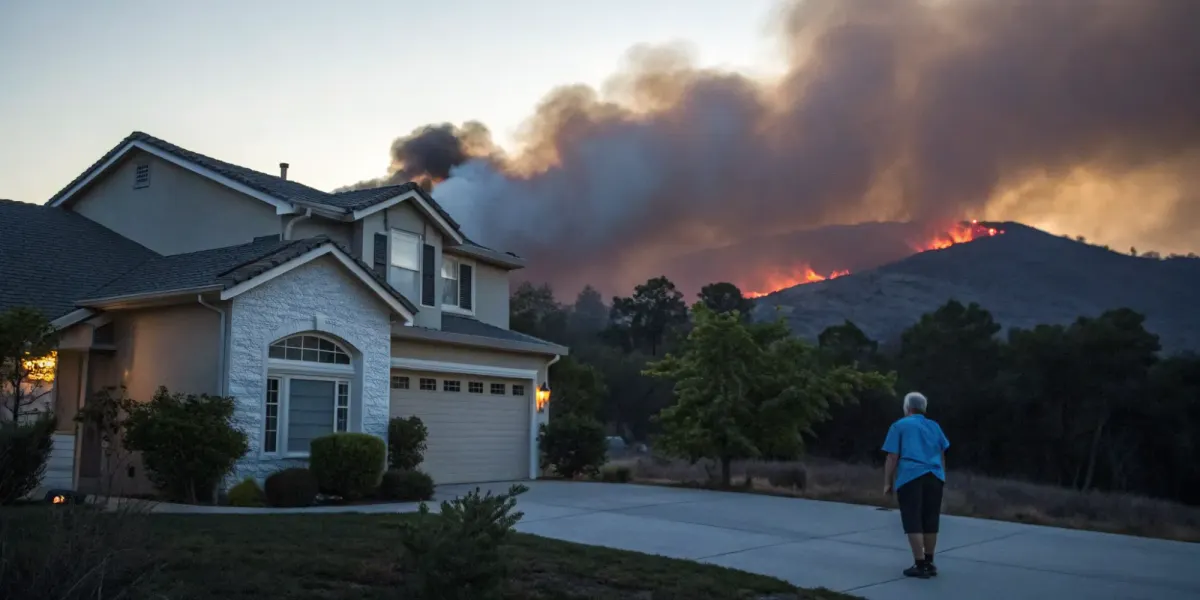
You might think your home’s insurability comes down to one simple factor: its location. And while living in a wildfire or flood zone is a major consideration for home insurance, it’s only part of a much larger puzzle. The truth is often found in details that are easy to overlook. An outdated electrical system, a history of small but frequent claims, or even a trampoline in the backyard can all raise red flags for an underwriter. This guide moves beyond the obvious risks to uncover the specific property conditions that can make securing a policy difficult—and what you can do about them.
Key Takeaways
- Understand What Makes Your Home a High Risk: Insurers aren't making a personal judgment; they're assessing risk based on your home's location, physical condition, and claims history. Knowing which red flags they look for—from an old roof to a history of water damage—is the first step to addressing them.
- Take Control with Strategic Improvements: Many insurability issues are fixable. Investing in key upgrades like a new roof, modernizing old electrical systems, or creating defensible space shows insurers you're a proactive partner in protecting your property.
- Work with an Expert to Find a Path Forward: A denial from one carrier isn't the end of the road. An independent agent can help you find coverage through specialty insurers or last-resort options like a state FAIR Plan, ensuring you don't have to go without protection.
Understanding the Basics of Home Insurance
Home insurance can feel like a complex subject, but at its core, it’s a straightforward concept: it’s a promise of financial protection for what is likely your biggest asset. Think of it as a safety net designed to catch you when unexpected events happen, from a kitchen fire to a major storm. For homeowners, especially those of us in areas prone to natural disasters, a solid policy isn’t just a requirement for a mortgage—it’s the foundation of our financial security. Understanding what your policy covers, what it excludes, and how it works is the first step toward making sure your home and family are properly protected. It’s about replacing uncertainty with confidence, knowing you have a plan in place to rebuild if the worst should happen.
What a Standard Home Insurance Policy Covers
A standard homeowners insurance policy is actually a package of several distinct coverages, each designed to protect you from a different type of financial loss. While policies can vary, most are built around five key areas of protection. These components work together to shield your physical structures, your personal belongings, and your personal liability from a wide range of potential risks. Getting familiar with these core coverages helps you see the full value of your policy and identify any gaps you might need to address with additional protection. Let’s break down what each part does.
Dwelling Coverage
Dwelling coverage is the part of your policy that protects the physical structure of your house. This includes the foundation, walls, roof, and any attached structures, like a garage or deck. If your home is damaged by a covered event such as a fire, windstorm, or lightning, this coverage provides the funds to repair or completely rebuild it. The amount of dwelling coverage you need should be based on the cost to rebuild your home from the ground up, not its market value. This is a critical distinction, as construction costs can often exceed what you paid for the property, especially after a widespread disaster.
Personal Property Coverage
While dwelling coverage protects the house itself, personal property coverage is for all the stuff you own inside it. This includes your furniture, clothing, electronics, appliances, and other personal items. If your belongings are damaged, destroyed, or stolen, this coverage helps you replace them. Most policies set your personal property limit as a percentage of your dwelling coverage, often between 50% and 70%. It’s a good idea to create a home inventory—a detailed list of your possessions with their estimated values—to ensure you have enough coverage and to make the claims process smoother if you ever need to file one.
Personal Liability Protection
Personal liability protection is a crucial component that safeguards you financially if someone is accidentally injured on your property, or if you or a family member cause damage to someone else's property. For example, if a visitor slips on your walkway and needs medical attention, this coverage can help pay for their medical bills and your legal fees if you are sued. It provides a financial buffer against accidents that could otherwise lead to significant out-of-pocket expenses, protecting your savings and other assets from being put at risk by a lawsuit.
Other Structures Coverage
Your property likely includes more than just your house. Other structures coverage is designed to protect detached buildings on your land, such as a separate garage, a shed, a workshop, or a fence. This coverage is typically set at a percentage of your dwelling coverage, usually around 10%. If a storm knocks down your fence or a fire damages your shed, this is the part of your policy that would kick in to cover the costs of repair or replacement. It ensures that all the structures that add value and utility to your property are protected.
Loss of Use Coverage
If a covered disaster makes your home uninhabitable while it's being repaired or rebuilt, loss of use coverage is a lifesaver. Also known as additional living expenses (ALE), this coverage helps pay for the necessary costs you incur to maintain your normal standard of living elsewhere. This can include expenses like hotel bills, rent for a temporary apartment, and even the extra cost of restaurant meals if you don't have access to a kitchen. It’s designed to ease the financial burden during a stressful time, allowing you to focus on getting your life back on track without worrying about covering these extra costs yourself.
Common Exclusions in a Standard Policy
It’s just as important to know what your home insurance policy *doesn’t* cover as what it does. Standard policies are not all-encompassing and typically exclude damage from certain events. The most significant exclusions for homeowners in the western U.S. are floods and earthquakes. These perils require separate, specialized insurance policies. Other common exclusions can include damage from pests, mold that isn't the result of a covered event, and general wear and tear. Understanding these limitations is key to building a comprehensive protection plan and avoiding surprises when you need to file a claim. An independent agent can help you identify potential gaps in your coverage and find the right solutions.
Different Types of Home Insurance Policies
While the standard homeowner's policy (often called an HO-3) is the most common, it’s not the only type of property insurance available. The right policy for you depends on your living situation. Insurance carriers offer different products tailored to specific needs, ensuring everyone can find protection for their home and belongings. Whether you own a condo, rent an apartment, or live in a mobile home, there’s a policy designed to fit your circumstances. Let's look at a few of the most common types.
Condo Insurance
If you own a condominium, your insurance needs are different from those of a traditional homeowner. A condo policy, or HO-6, is designed specifically for you. Your condo association’s master policy typically covers the building's exterior and common areas, but you are responsible for everything inside your unit. Condo insurance protects your personal belongings and the interior of your unit, including walls, flooring, and fixtures. It also includes personal liability coverage, giving you a complete package of protection tailored to the unique structure of condo ownership.
Renters Insurance
Many people who rent their home mistakenly believe their landlord’s insurance policy covers their personal belongings. Unfortunately, that’s not the case. The landlord’s policy only protects the building itself, leaving your possessions vulnerable. Renters insurance, or an HO-4 policy, is an affordable way to protect your furniture, electronics, clothes, and other items from events like theft or fire. It also provides personal liability coverage in case a guest is injured in your apartment. For a relatively low monthly cost, renters insurance offers essential peace of mind and financial security.
Mobile Home Insurance
Mobile and manufactured homes have their own unique insurance needs, which are addressed by a specialized policy (often called an HO-7). This type of insurance is similar to a standard homeowner's policy but is tailored to the specific risks and construction of mobile homes. It covers the physical structure of your home, your personal belongings, and provides personal liability protection. Given that mobile homes can be more vulnerable to certain types of damage, like windstorms, having the right dedicated policy is essential for proper protection.
Why Mortgage Lenders Require Insurance
If you have a mortgage, your lender will almost certainly require you to have homeowners insurance. This isn't just an arbitrary rule; it's a way for the lender to protect their financial investment in your property. Your home serves as collateral for the loan, and if it were destroyed, both you and the lender could face a significant financial loss. By requiring insurance, the lender ensures that there are funds available to repair or rebuild the home, restoring its value and protecting their stake. This requirement ultimately benefits you as well, guaranteeing that you have the resources to recover from a disaster.
How Home Insurance is Paid and Quoted
Many homeowners pay for their insurance through an escrow account managed by their mortgage lender. With this arrangement, a portion of your monthly mortgage payment is set aside to cover your property taxes and homeowners insurance premiums. When the bill is due, the lender pays it on your behalf from the escrow account. This process simplifies budgeting and ensures your policy never lapses. When you're shopping for a policy, insurers provide quotes based on a detailed risk assessment. They analyze factors like your home's location, age, construction type, and your claims history to determine the premium that reflects the likelihood of you filing a claim.
What Determines the Cost of Home Insurance?
The price of a home insurance policy isn't arbitrary; it's a carefully calculated figure based on risk. Insurance companies use a wide range of data points to predict the likelihood that you'll file a claim and how much that claim might cost. Some of these factors are within your control, while others are not. Your home's location, for instance, is a major driver of cost, especially in regions susceptible to wildfires or other natural disasters. But insurers also look at the physical characteristics of your home, your personal claims history, and even your credit score. Understanding these variables can help you see why your premium is what it is and identify opportunities to potentially lower your costs.
The Average Cost of Home Insurance
Nationally, the average cost of a new homeowners insurance policy is around $1,966 per year. However, this figure can be misleading for homeowners in states like California. Here, the heightened risk of wildfires, earthquakes, and other catastrophes means that premiums are often significantly higher than the national average. For many, finding affordable coverage has become a serious challenge. While it's helpful to know the average as a benchmark, your actual premium will be unique to your specific home and circumstances. The key is to focus less on averages and more on finding the best possible value for the coverage you need.
Factors That Affect Your Insurance Bill
Your insurance premium is a complex equation with many variables. Insurers weigh dozens of factors to determine how much to charge for a policy, all in an effort to accurately price the risk they are taking on. These factors range from the physical details of your home to your personal financial habits. While you can't change your home's location, you can influence other elements that contribute to your final bill. Knowing what underwriters look for can empower you to make smarter decisions and take steps to make your home—and your profile—more attractive to insurers.
Your Deductible
Your deductible is the amount of money you agree to pay out of pocket on a claim before your insurance coverage begins. It has a direct impact on your premium: choosing a higher deductible will typically lower your annual cost. For example, increasing your deductible from $1,000 to $2,500 could result in significant savings. This is because you're agreeing to take on a larger portion of the financial risk yourself, which reduces the insurer's potential payout. It’s a trade-off you should consider carefully, balancing the desire for a lower premium with what you could comfortably afford to pay if you needed to file a claim.
Your Credit Score
It may come as a surprise, but your credit history can play a role in what you pay for home insurance. Many insurers use a credit-based insurance score to help predict the likelihood of future claims. The logic is that statistical data has shown a correlation between how a person manages their financial responsibilities and their claims history. While California law places some restrictions on how insurers can use credit information, a strong credit history can still contribute to a more favorable premium. It's one of many factors, but it's a reminder of how interconnected our financial lives are.
Construction Materials
The materials used to build your home are a key consideration for insurers, especially when assessing fire risk. A home built with fire-resistant materials, like brick or stone, is generally less expensive to insure than a wood-frame house. The type and age of your roof also matter a great deal. A newer roof made of durable, fire-resistant materials can lead to lower premiums, as it's less likely to be damaged in a storm or ignite from flying embers. These physical characteristics give underwriters a clearer picture of how your home might perform in a disaster.
Proximity to Fire Services
How close your home is to a reliable water source and a professional fire department can significantly affect your insurance rates. Insurers look at your home's distance from the nearest fire station and fire hydrant, as well as the local fire department's rating. Living in a community with a well-equipped, full-time fire department can result in lower premiums compared to living in a rural area served by a volunteer department. This factor is all about response time—the faster firefighters can get to your home, the better the chance of minimizing damage, which reduces the insurer's risk.
How to Save Money on Home Insurance
Even in a challenging insurance market, you aren't powerless over your premiums. There are proactive steps you can take to lower your costs without sacrificing essential protection. Saving money on home insurance is often a matter of reducing your risk profile in the eyes of an insurer. By making smart choices, installing protective devices, and actively seeking out discounts, you can make your coverage more affordable. It’s about being a proactive partner in protecting your home, which insurance companies are often willing to reward.
Bundle Your Policies
One of the simplest and most effective ways to save money is by bundling your insurance policies. Most insurance companies offer a multi-policy discount if you purchase both your home and auto insurance from them. This discount can often be substantial, saving you money on both policies. It also simplifies your life by allowing you to manage your coverage with a single provider. If your policies are currently with different companies, it’s worth getting a quote to see how much you could save by bringing them under one roof.
Install Safety and Protective Devices
Insurers love to see homeowners take proactive steps to reduce risk, and they often reward them with discounts. You may be eligible for savings by installing devices that protect your home from fire and theft. This includes centrally monitored smoke detectors, fire alarms, and home security systems. In wildfire-prone areas, taking steps to create defensible space and harden your home with features like ember-resistant vents can also make a huge difference, not just in your premium but in your home's survivability. These investments show you're serious about loss prevention.
Ask About Other Discounts
Insurance companies offer a variety of discounts, but they aren't always advertised or applied automatically. It pays to ask your agent what you might be eligible for. You could find savings for being a new homebuyer, remaining claims-free for a certain number of years, or for being a non-smoker. Some insurers even offer discounts for seniors or for having specific safety features like deadbolt locks and fire extinguishers. Don't be shy about asking for a full review of available discounts—it’s your money, after all.
Shop Around for Quotes
Insurance is not a one-size-fits-all product, and prices can vary dramatically from one company to another. The single best way to ensure you're getting a fair price is to compare quotes from multiple carriers. This is where working with an independent insurance agency like Five Bays can be a huge advantage. Instead of you having to call several different companies, we do the shopping for you. We have access to a wide range of carriers, including those that specialize in high-risk properties, and can find the policy that offers the best combination of coverage and value for your unique situation.
Reasons Your Insurance Rate Might Increase
Receiving notice that your home insurance premium is going up is never welcome news, but it’s often an unavoidable reality. Rate increases can happen for a variety of reasons, some related to your individual circumstances and others tied to broader market trends. If you've filed one or more claims recently, you can likely expect your rate to rise at renewal. Similarly, making significant changes to your property, like adding a swimming pool, increases your liability risk and will raise your premium. Even a lapse in your coverage, no matter how brief, can lead to higher costs when you reinstate your policy.
Why Would an Insurer Deny Coverage?
Finding out your home is considered "uninsurable" can be incredibly stressful, but it’s usually not a permanent label. Instead, think of it as a sign that insurance carriers see a high level of risk associated with your property. At its core, insurance is a numbers game. Carriers analyze a wide range of data to predict the likelihood of you filing a claim in the future. If their calculations show that the risk of a significant loss—from a wildfire, a flood, or even a burst pipe—is too high, they may decide they can't offer you a policy. This can result in an outright denial of coverage or a premium that feels completely out of reach. This process isn't personal; it's a business calculation based on their assessment of potential financial loss. The goal of this guide is to pull back the curtain on that process. By understanding exactly what insurers are looking for, you can take proactive steps to lower your home's risk profile. The good news is that many of the factors that raise red flags are within your control, and addressing them can make a huge difference in your ability to get fair and affordable coverage.
What Are the Biggest Red Flags for Insurers?
Insurers weigh several factors when deciding whether to offer you a policy. Your home’s location is a major one, especially if it’s in an area prone to natural disasters like wildfires or floods. They also look at the property itself—an older home with a deteriorating roof, outdated electrical wiring, or a cracked foundation presents a much higher risk than a well-maintained one. A history of multiple claims, even for minor issues, can signal to an insurer that future claims are likely. Even factors outside your home, like high crime rates in your neighborhood, can play a role in their decision.
Home Insurance Myths You Shouldn't Believe
It’s easy to get tripped up by misinformation when it comes to home insurance. For example, many people don’t realize that owning certain dog breeds considered “aggressive” by insurers can make it harder or more expensive to get coverage. Another common issue is the frequency of claims. While you have insurance for a reason, filing too many claims in a short period can backfire. If you’ve filed more than two claims in the last three years, many insurers might see you as high-risk and may choose not to renew your policy, making it tougher to find coverage elsewhere.
How Insurers Evaluate Your Home's Risk
At its core, an insurance policy is a promise that your home is a safe place to live. An uninsurable property is often one that fails to meet basic safety and living standards. An inspector will check that the home is structurally sound, secure, and has essential utilities like a working heating system and proper plumbing. Insurers expect you to handle routine upkeep, and significant neglect can lead to a denial. They aren’t looking for perfection, but they do need to see that the home is fundamentally safe and that you’re doing your part to maintain it.
Why Your Location Impacts Your Insurance Rates
You’ve heard it in real estate a million times: location, location, location. The same principle applies directly to your homeowners insurance. Where your home is physically located is one of the most significant factors an insurance carrier considers when deciding whether to offer you a policy and how much it will cost. Insurers use advanced mapping tools and historical data to assess the specific risks associated with your address, looking at everything from your proximity to a fire station to your region’s history of natural disasters.
This geographic risk assessment is why two identical houses in different neighborhoods can have wildly different insurance premiums. If your home is in an area with a high likelihood of wildfires, floods, hurricanes, or even crime, carriers will view it as a greater financial risk. For them, it's a simple calculation of probability—the higher the chance of a claim, the higher the risk they take on. This can lead to higher premiums, stricter underwriting requirements, or even an outright denial of coverage. Understanding these location-based factors is the first step toward figuring out your home’s insurability and finding the right coverage for your unique situation.
Wildfire Zones: What It Means for Your Policy
For homeowners in California and other western states, wildfire risk is a top concern. Insurance carriers are increasingly cautious about offering coverage in areas designated as high-risk fire zones. The reason is simple: wildfires have the potential to cause a total loss, completely destroying a home and everything in it. This makes insuring these properties a significant financial gamble for carriers. As one agency notes, "Homes in areas prone to wildfires are very hard to insure" because insurers worry the home will be completely destroyed. This reality has left many homeowners scrambling for coverage, facing non-renewals, or being pushed toward last-resort state plans.
Flood Zones and Your Home Insurance
Living near the coast or in a designated floodplain presents another major hurdle for insurability. Insurance companies see properties in these areas as having a much higher chance of sustaining significant water damage, which is one of the most expensive types of claims to resolve. Even if your home has never flooded, its location within a high-risk zone on a flood map can make it difficult to secure a standard policy. According to Mercury Insurance, "homes in places with floods are seen as high risk." It’s also important to remember that standard homeowners policies typically exclude flood damage, requiring a separate policy for that specific peril.
Insuring Your Home Against Hurricanes and Storms
Beyond fires and floods, homes in regions frequently hit by hurricanes, tornadoes, or severe hail storms also face insurance challenges. For carriers, the risk isn't just from one type of weather event but from a pattern of destructive conditions. High winds can tear off roofs, shatter windows, and cause structural damage, while heavy rains can lead to flooding and water intrusion. This combination of threats makes properties in these areas more expensive to insure. Insurers often group these locations together, noting that homes in places with a history of severe weather are simply riskier to cover.
How Neighborhood Crime Affects Your Premiums
Location-based risk isn't just about nature—it’s also about your neighborhood. Insurance carriers analyze local crime statistics when underwriting a policy. If your home is in an area with a high rate of theft, burglary, or vandalism, the likelihood of you filing a claim for one of these events increases. This perceived risk can translate into higher premiums or even a denial of coverage. As one insurer explains, "If your neighborhood has a lot of crime, insurers worry about theft or vandalism." A strong neighborhood watch program or a home security system can sometimes help offset this risk, but the baseline crime rate remains a key factor.
Is Your Property's Condition a Red Flag?
Even if your home is in a lower-risk area, its physical condition plays a massive role in whether an insurance company will offer you a policy. Insurers look for signs that a home is well-maintained and structurally sound because a neglected property is far more likely to result in a claim. From the foundation to the roof, carriers assess every detail to gauge the potential for future losses.
The good news is that many of these issues are within your control. Unlike your home’s location, you can actively address maintenance problems, update old systems, and remove on-site hazards. Taking care of these red flags not only makes your home safer but also shows insurers that you are a responsible homeowner, which can significantly improve your chances of securing affordable coverage. Think of it as a partnership: when you reduce the risk, carriers are more willing to take it on.
Foundation Problems Insurers Won't Ignore
The foundation is the literal base of your home, so any issues with it are an immediate dealbreaker for most insurers. Major red flags include large cracks in the foundation, bulging or bowing basement walls, or floors that are noticeably unlevel. These aren't just cosmetic flaws; they signal that the entire structure could be unstable, posing a massive risk for collapse or severe damage during an earthquake or storm. An underwriter sees these problems and anticipates a catastrophic, high-cost claim in the future. Before you can even think about getting a policy, you’ll likely need a structural engineer to assess the damage and make professional repairs.
Why an Old Roof Can Make Your Home Uninsurable
Your roof is your home’s primary shield against the elements, so insurers pay close attention to its age and condition. A roof that is more than 10 to 15 years old, has missing or curling shingles, or shows signs of water damage is a major concern. A failing roof can lead to leaks, mold, and significant interior damage—all of which result in expensive claims. On the other hand, a new roof made with durable, fire-resistant materials can make your home much more attractive to insurers. In fact, investing in a high-quality roof can sometimes lead to potential discounts on your premium because it demonstrates proactive risk management.
The Insurance Risks of Old Electrical and Plumbing
Hidden behind your walls, your home’s electrical and plumbing systems can present some of the biggest risks. Old or defective systems are leading causes of two of the most common claims: fire and water damage. Insurers are particularly wary of outdated knob-and-tube or aluminum wiring, which can be a serious fire hazard. Similarly, old galvanized or polybutylene pipes are prone to corrosion and leaks, increasing the likelihood of water damage. If your home has not had its core systems updated in several decades, many carriers will require an inspection and upgrades before they are willing to write a policy.
How Building Code Violations Affect Coverage
That charming back deck or converted garage might be what sold you on the house, but if the work was done without the proper permits, it can make your home uninsurable. Unpermitted renovations are a huge liability because they haven't been inspected to ensure they meet local building codes for safety and structural integrity. An insurer has no way of knowing if the electrical work is safe or if the structure can withstand a storm. If a claim arises from a faulty, unpermitted addition, the insurance company could be facing a massive and complicated payout. To avoid this, they often decline coverage altogether until the work is properly permitted and inspected.
Hazardous Materials That Can Block Coverage
Insurers also look at your entire property for potential liabilities that could lead to an accident or claim. These are often called “attractive nuisances” or hazards. Common examples include a swimming pool without a safety fence, a trampoline, or large, dead trees that could fall on your house during a storm. Even something as simple as a crumbling walkway or a deck with a broken railing can be a red flag. These issues create obvious safety risks that could result in injury claims. An insurer wants to see that you’ve taken reasonable steps to make your property safe for both residents and visitors.
How Your Claims History Impacts Your Insurance
Think of your home’s claims history as its permanent record. Insurance companies review this history, often through a report called a C.L.U.E. (Comprehensive Loss Underwriting Exchange) report, to understand a property's risk level. A history of frequent or severe claims can signal to an insurer that the home is more likely to have future losses, which directly affects your ability to get or keep affordable coverage. It’s not personal; it’s a data-driven assessment of risk. Understanding what insurers look for in your claims history can help you make smarter decisions about when to file a claim and how to protect your home's insurability for the long haul.
What Happens if You File Too Many Claims?
Filing several claims in a short period can raise a major red flag for insurers. From their perspective, a property with a busy claims history might have underlying issues that haven't been fully addressed. For example, recurring water damage claims could point to old plumbing, or multiple theft claims might suggest inadequate security. An insurer may see this pattern and classify your home as a high-risk property. This can lead to higher premiums or even a non-renewal of your policy. It’s a key reason why it’s important to be strategic about when you use your insurance, saving it for significant losses rather than minor incidents.
The Types of Claims That Insurers Dislike
Not all claims are viewed equally. Insurers pay close attention to certain types that often lead to large payouts. These high-risk claims include liability incidents like dog bites or someone getting injured in your pool, as well as significant property damage from burst pipes, theft, or fires. While having one of these incidents won't automatically make your home uninsurable, a pattern of them can. These events suggest a higher potential for future liability or property loss, making insurers cautious. Understanding which types of claims concern insurers most can help you focus your risk-mitigation efforts where they count.
How Long Do Claims Stay on Your Record?
It’s important to know that your claims history has a long memory. A claim you file today will typically stay on your property’s record for five to seven years. This means that even if you sell your home, its claims history can still affect the new owner's ability to get insurance. If you've filed more than two claims in the last three years, many insurers will consider you a higher risk. This long-term view is why it’s crucial to think ahead. Every claim becomes part of your home’s permanent record, influencing insurance rates and availability for years to come.
How to Maintain a Good Insurance Record
You have more control over your claims history than you might think. The key is to be selective about filing claims. For smaller issues where the repair cost is close to your deductible, it often makes more sense to pay out of pocket. This approach keeps minor incidents off your record and preserves any claims-free discounts you might have. By saving your insurance for major, unexpected events, you maintain a cleaner claims history. This makes you a more attractive customer to insurers and helps ensure you can secure affordable coverage when you truly need it.
Why Your Home's Age and Upkeep Matter to Insurers
The age of your home is a factor in your insurance, but it’s not the whole story. An older home with modern, updated systems can be more insurable than a newer home that’s been neglected. Insurers are less concerned with the year your house was built and more interested in its functional condition. They want to see that the core components—like the roof, plumbing, and electrical systems—are in good shape and pose a minimal risk of failure.
Think of it this way: regular maintenance is one of the most powerful tools you have for keeping your home protected and insurable. When an underwriter sees a well-cared-for property, they see a responsible homeowner who is actively working to prevent losses. This proactive approach can make a significant difference, especially in high-risk areas where insurers are more selective. By investing in upkeep, you’re not just preserving your home’s value; you’re also building a strong case for why your property is a good risk to insure.
Why You Need to Keep Home Systems Updated
The systems running behind your walls and over your head are critical to your home’s safety. Outdated electrical wiring, like knob-and-tube, is a significant fire hazard, while old plumbing can lead to catastrophic water damage. Your roof is your home’s first line of defense against the elements, and an aging or damaged roof is a major liability. Insurers look closely at the age and condition of these key systems. If you’ve recently upgraded your electrical panel, repiped the house, or installed a new roof, it shows you’re actively reducing the risk of a major claim. These updates are an investment in your home’s long-term insurability and can make securing coverage much easier.
What Counts as Regular Home Maintenance?
Insurers believe that a well-kept home is less likely to have claims. It’s that simple. They look for signs of deferred maintenance that could signal future problems. This includes issues like a cracked foundation, broken windows, peeling paint, or an unkempt yard with overgrown trees that could fall on the house. These might seem like small cosmetic issues, but to an insurer, they can indicate a pattern of neglect. Following a consistent home maintenance checklist not only keeps your property in great shape but also demonstrates to insurance providers that you are a conscientious homeowner, which can work in your favor when you apply for or renew a policy.
How Staying Up to Code Affects Your Insurance
Building codes aren't just suggestions; they are minimum standards for safety and structural integrity. Insurers expect properties to meet local and national building safety codes because a compliant home is a safer home. An inspector might flag issues like a wet basement, faulty wiring that isn’t up to code, or unpermitted additions that haven’t been properly inspected. These violations make a property a significant liability. Ensuring your home is "safe, sound, and secure" by meeting these standards is fundamental to its insurability. If you’re planning renovations, always work with licensed contractors who pull the necessary permits to ensure all work is up to code.
Why You Should Document All Repairs and Upgrades
Keeping a detailed record of all maintenance, repairs, and upgrades is a smart move. This documentation serves as proof of your proactive efforts to maintain your property. If you’ve had to file claims in the past, this record is even more important. While past insurance claims can stay on your record for several years, showing an underwriter that you’ve since replaced the faulty plumbing that caused a leak or installed a fire-resistant roof can help offset their concerns. Hold onto receipts, contracts, and photos of completed work. This "home resume" can be a powerful tool when discussing your coverage options with an agent, as it proves you’re committed to mitigating risk.
Do Unique Home Features Affect Your Insurance?
Beyond your home's age and location, certain unique features can make finding insurance more complicated. Insurers look at the complete picture of risk, and sometimes the things that make a property special are the very things that raise a red flag. This could be anything from how you use the property to the materials it was built with or even the family pet. Understanding these factors ahead of time can save you a lot of frustration. It’s not always about major structural flaws; sometimes, it’s the smaller details that require a closer look. Being prepared to discuss these features with your agent and show how you’re managing any associated risks is key to securing the coverage you need to protect your home.
How to Get Insurance for a Vacant Home
An empty house can feel like an open invitation for trouble, and insurance carriers see it the same way. When a home is unoccupied for an extended period—typically 30 to 60 days—the risk of vandalism, theft, or undetected damage like a water leak increases significantly. That’s why leaving a home vacant for too long can be grounds for your policy to be canceled or a claim to be denied. If you know your home will be empty, whether it’s between tenants or during a long renovation, talk to your agent immediately. You may need to add a special endorsement or purchase a separate vacant home insurance policy to ensure you’re properly covered.
Why Unpermitted Work Is an Insurance Nightmare
That finished basement or extra bathroom might add value to your life, but if the work was done without the proper permits, it could create a major insurance headache. Unpermitted work is a huge red flag for insurers because there’s no official record that the construction meets safety and building codes. As one agency notes, if additions or remodels "don't meet local building rules, they can make your home unsafe and uninsurable." An insurer won’t want to cover a structure with faulty wiring or unstable framing. If you’re buying a home, check for unpermitted work. If you already own one, look into getting the work retroactively inspected and permitted to avoid coverage gaps.
Getting Coverage for Non-Standard Homes
The materials and design of your home play a big role in how insurers calculate risk. Homes with unique or non-traditional construction—like log cabins, dome homes, or those with straw-bale walls—can be harder to insure. The primary reasons are that replacement costs are difficult to estimate and there’s less data on how these materials hold up in disasters like fires or earthquakes. On the other hand, some materials can work in your favor. For instance, homes built with materials like brick are less likely to burn than wood-frame homes, which is a huge plus in wildfire-prone areas. If your home is unconventional, be ready to provide extra details to your agent.
How to Insure Jewelry, Art, and Other Valuables
Your insurance policy doesn’t just cover the structure of your home; it also covers liability—the risk of someone getting injured on your property. Features known as "attractive nuisances," like swimming pools, hot tubs, and trampolines, can increase your liability risk and your premium. Even the family dog can be a factor. Some insurers view certain dog breeds as 'aggressive', which can lead to higher rates or even make it difficult to get coverage at all. It’s crucial to be upfront about these features. Installing safety measures like a fence around your pool and providing proof of dog training can help demonstrate that you’re a responsible homeowner.
How to Find Insurance for a High-Risk Home
Finding out your home is considered “hard to insure” can be incredibly stressful, but it doesn’t mean you’re out of options. Instead of feeling stuck, you can take proactive steps to improve your home’s insurability and find the right protection. By focusing on key improvements, reducing specific risks, and knowing where to look for coverage, you can find a path forward. It’s all about showing insurers that you’re a responsible partner in protecting your property. Let's walk through some of the most effective strategies you can use.
Home Improvements That Can Help You Get Insured
Insurers love to see proactive homeowners. Making smart, targeted upgrades is one of the best ways to show you’re serious about protecting your property. Start with the big-ticket items that have the most impact on risk, like your roof. If it’s over 10 years old, replacing it with durable, modern materials can make a huge difference. Think about high-quality shingles, better waterproofing, or even hurricane straps if you’re in a storm-prone area. These kinds of home improvements not only strengthen your home against damage but can also lead to discounts on your premium. It’s an investment that pays off in both safety and insurability.
Simple Steps to Lower Your Home's Risk
Beyond major renovations, you can lower your risk profile with smaller, strategic mitigation efforts. Think about what an insurer sees as a potential claim. An old electrical system with a fuse box is a fire hazard waiting to happen; updating it to modern breaker switches is a powerful preventative step. Installing a home security system, especially one that monitors for fire, theft, and water leaks and connects to emergency services, also demonstrates responsibility. These measures directly address common causes of claims, making your home a much more attractive risk for an insurance carrier. They show you’re not just maintaining your home, but actively working to prevent loss.
What Are Your Options Beyond Standard Policies?
If you’ve made improvements and still can’t find coverage in the standard market, don’t give up. There are private insurance companies that specialize in covering higher-risk homes. These carriers understand the unique challenges of properties in areas prone to wildfires or other hazards and have policies designed for them. Because they are taking on more risk, you can expect to pay a higher premium for this type of uninsurable property coverage. An independent insurance agent who knows the market can be your best ally here, helping you find reputable specialty carriers that other agents might not work with.
Could a State FAIR Plan Be Your Solution?
When private market options are exhausted, state FAIR Plans can serve as a crucial safety net. FAIR stands for Fair Access to Insurance Requirements, and these state-run programs are designed to be an insurer of last resort. They provide essential coverage for high-risk homes that can’t get a policy anywhere else. For homeowners in California, the California FAIR Plan is the primary option. While the coverage might be less comprehensive than a standard homeowners policy—often covering just fire damage—it ensures your property isn’t completely unprotected. It’s a vital resource that provides peace of mind when you need it most.
How to Work with an Agent to Get Covered
Facing insurance challenges can feel isolating, but you don’t have to go it alone. Think of your insurance provider as a partner in protecting your home. Open communication and a collaborative approach can make all the difference in securing the coverage you need. By working together, you can identify risks, explore your options, and build a clear plan to make your home more insurable. Instead of seeing the process as a hurdle, view it as an opportunity to work with an expert who can guide you toward the right solutions.
Why You Should Get a Professional Home Assessment
One of the most powerful first steps you can take is to get a clear, objective look at your property’s risk factors. A professional home assessment or inspection can uncover issues you might not be aware of, from an aging electrical system to vulnerabilities in a wildfire-prone area. When you’re looking to buy a new property, it’s smart to ask directly about any issues that could make it hard to get insurance. For current homeowners, an assessment gives you a roadmap for improvements. Knowing what an insurer will see allows you to address problems proactively, turning potential red flags into manageable projects and demonstrating that you’re a responsible homeowner.
How to Choose the Right Coverage for Your Home
If you’ve been denied coverage or received a non-renewal notice, it’s easy to feel discouraged. However, this is the perfect time to have an open conversation with an insurance professional. Your agent can explain exactly why your home is considered high-risk and help you find solutions. Sometimes, a standard policy isn’t the right fit, but that doesn’t mean you’re out of options. There may be specialized policies, surplus lines carriers, or endorsements you can add to a policy to get the protection you need. Don’t be afraid to ask questions and explore every avenue—the right coverage options are often available, even for complex properties.
Create a Plan to Manage Your Home's Risks
Insurers love to see homeowners who are actively working to reduce risk. Creating a tangible risk management plan shows you’re serious about protecting your property. This plan can include making your home safer through upgrades, managing your finances to handle deductibles, and performing regular maintenance. For those in wildfire zones, this could mean creating defensible space or installing a fire-resistant roof. For homes in flood-prone areas, it might involve improving drainage or elevating utilities. Taking these steps not only makes your home safer but can also make it more attractive to insurers, potentially leading to better availability and lower insurance costs.
Why an Independent Agent Can Help
When your home has unique challenges, working with the right professional is key. An independent insurance agent can be your greatest advocate. Unlike captive agents who work for a single company, independent agents partner with multiple insurance carriers. This gives them the flexibility to shop around for a policy that fits your specific situation. They can explain why your home is considered high-risk and help you find solutions or different coverage options. At Five Bays, we specialize in connecting homeowners in high-risk areas with carriers willing to provide coverage, ensuring you get the expert guidance needed to protect your home.
Related Articles
- Western US Home Insurance | Wildfire & High-Risk Coverage | Five Bays Insurance Agency
- Western US Home Insurance | Wildfire & High-Risk Coverage | Five Bays Insurance Agency
- Western US Home Insurance | Wildfire & High-Risk Coverage | Five Bays Insurance Agency
- Western US Home Insurance | Wildfire & High-Risk Coverage | Five Bays Insurance Agency
- Western US Home Insurance | Wildfire & High-Risk Coverage | Five Bays Insurance Agency
Frequently Asked Questions
Does "uninsurable" mean I can never get insurance for my home? Not at all. Think of "uninsurable" as a temporary status, not a permanent judgment. It simply means that standard insurance carriers have identified risks that are too high for their typical policies. This could be due to your home's location, its physical condition, or a history of claims. The key is to identify those specific risks and take clear steps to address them, which can absolutely change an insurer's decision.
My home is in a high-risk wildfire zone. What are my options? Living in a wildfire zone presents a real challenge, but you do have options. First, focus on mitigation efforts like creating defensible space and using fire-resistant building materials, as these can make your home more attractive to specialty insurers. If you still struggle to find coverage in the private market, state-run programs like the California FAIR Plan are designed to be a safety net, providing essential coverage when no one else will.
My house is older and needs some work. What repairs should I prioritize to improve my chances of getting insured? When it comes to an older home, insurers focus on the systems that prevent the biggest losses. Start with the "big three": the roof, the electrical system, and the plumbing. A new, well-installed roof is your best defense against water damage. Upgrading old wiring reduces fire risk, and replacing aging pipes prevents major leaks. Addressing these core components shows insurers you are serious about preventing claims.
I had to file a couple of claims in the past. How long will that affect my insurance? Claims typically stay on your property's record for five to seven years, and a cluster of claims within a short period can make insurers cautious. However, you can offset this by being proactive. Keep detailed records of the repairs you made to fix the underlying issue that caused the claim. Showing an underwriter that you've replaced the faulty plumbing or installed a new security system demonstrates that you've taken steps to prevent the problem from happening again.
I've been denied coverage. What is the single most important first step I should take? The most important first step is to talk to an independent insurance agent. Unlike an agent who only works for one company, an independent agent partners with multiple carriers, including those that specialize in higher-risk properties. They can help you understand exactly why you were denied and then shop the market to find a company that is a better fit for your home's specific situation.


