
Who Offers Premium Reductions for Fire-Resistant Homes?
Find out who offers premium reductions for fire-resistant building materials and learn how WiserBuild and FireFoil upgrades can lower your home insurance costs.

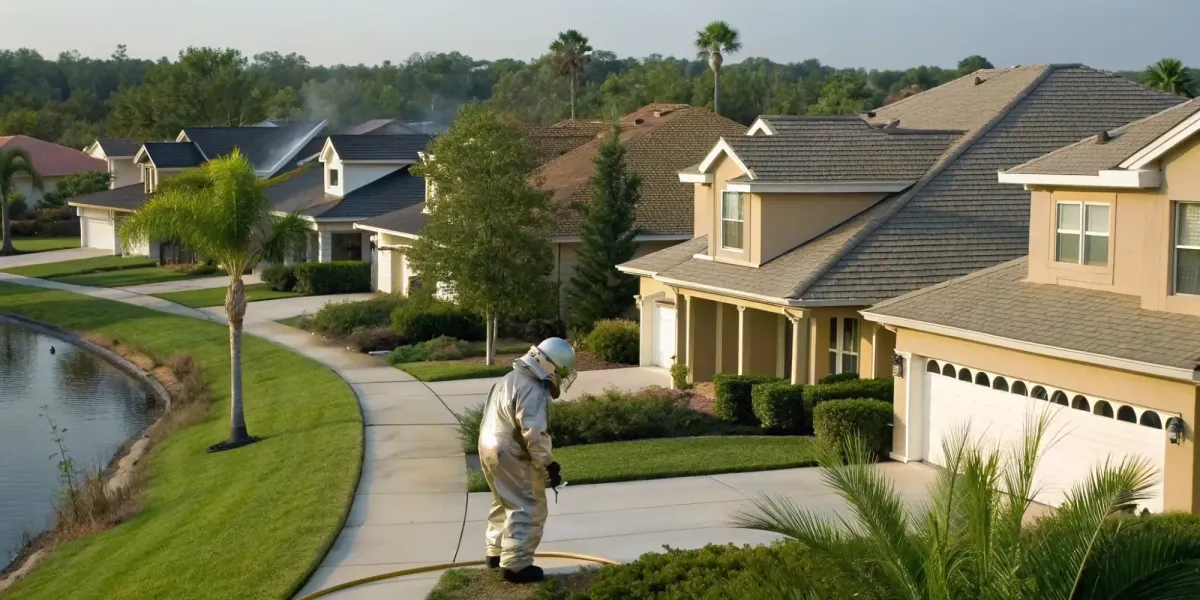
You think of a new kitchen as an investment in your home’s value, but what about an investment that pays you back every single year? Making your home more fire-resistant is one of the smartest financial moves you can make. Beyond invaluable peace of mind, these improvements deliver a guaranteed return through lower insurance premiums. This isn't a rare perk; it's your right under new state regulations. This changes the conversation. The question isn't who offers premium reductions for fire-resistant building materials?, but how to claim the savings you've rightfully earned. We'll show you exactly how.
Key Takeaways
- Take Control of Your Premium with Proactive Upgrades: California law requires insurers to offer discounts for wildfire mitigation. By installing fire-resistant materials and creating defensible space, you can directly reduce your annual insurance costs.
- Keep a Detailed Paper Trail to Prove Your Work: To get the discounts you've earned, you need solid proof. Organize all your before-and-after photos, contractor invoices, and material receipts to make the approval process smooth and successful.
- Layer Your Defenses for Bigger Discounts: Don't stop at one fix. Combine home hardening efforts, like installing a Class A roof, with maintaining defensible space and joining a community program like Firewise USA® to stack multiple discounts and maximize your savings.
Lower Your Insurance Bill with WiserBuild and FireFoil
When you live in a high-risk fire area, it can feel like your insurance costs are completely out of your control. But what if you could take concrete steps to not only make your home safer but also see a real drop in your premium? That’s exactly the idea behind programs like WiserBuild and innovative products like FireFoil. Insurance is all about risk assessment. The less risky your home is to insure, the less you’ll have to pay. By proactively installing fire-resistant upgrades and following mitigation guidelines, you’re demonstrating to carriers that your property is a safer bet.
The great news for California homeowners is that these efforts are now formally recognized. New regulations require insurers to offer discounts for specific wildfire mitigation actions you take. This isn't just a courtesy from the insurance company; it's a mandated savings program designed to reward your hard work. By investing in your home's resilience, you’re not just buying peace of mind—you’re making a smart financial decision that pays off every year when your insurance bill arrives. Let’s break down how these programs and products work to put money back in your pocket.
What is the WiserBuild Wildfire Mitigation Program?
Think of the WiserBuild program as a roadmap for making your home more wildfire-resistant—with a financial reward at the end. It’s a state-recognized initiative that encourages homeowners to adopt specific safety measures. Under California law, insurers must give discounts to homeowners who complete these mitigation efforts. This program takes the guesswork out of protecting your property by outlining the most effective actions, from creating defensible space to upgrading vents and windows. By following the WiserBuild guidelines, you’re not only making your home and community safer but also ensuring you qualify for the premium reductions you deserve. It’s a clear, structured way to lower your risk and your insurance costs simultaneously.
How Do FireFoil Products Work?
Wildfires often destroy homes not through direct contact with flames, but from airborne embers that find their way into vulnerable spots. This is where FireFoil products come in. Specialized materials like fire wraps and ember-proof house wraps are designed to create a protective shield around your home. Installed under your siding or around specific structures, these wraps act as a barrier against extreme heat and embers, preventing them from igniting your home. By fortifying these weak points, you drastically reduce the chance of your house catching fire. For an insurance carrier, a home wrapped in FireFoil represents a much lower risk, which can directly translate into a lower premium for you.
How Fire-Resistant Materials Lead to Lower Premiums
The connection between fire-resistant upgrades and insurance savings is simple: a safer home is a less expensive home to insure. When you invest in materials that resist ignition, you lower the probability of a catastrophic loss. Insurance companies recognize this reduced risk and reward you with lower premiums. Actions like creating defensible space, installing a Class-A fire-rated roof, and using fire-resistant siding can help you qualify for wildfire mitigation discounts. Depending on the upgrades and your specific carrier, these discounts can range from 5% to 15% or even more. Every fire-resistant improvement you make is another line of defense for your home and another reason for your insurer to lower your bill.
How Much Can You Save with Fire-Resistant Upgrades?
Making your home more resilient to wildfires isn't just about peace of mind—it's also a smart financial move. When you take proactive steps to protect your property, insurance carriers see you as a lower risk, and that translates directly into savings on your premium. The exact amount you can save depends on your specific upgrades, your location, and your insurance provider, but the discounts are often significant. Many homeowners find that the long-term savings on their insurance premiums make these upgrades a worthwhile investment.
In California, this isn't just a courtesy from insurers; it's the law. Under new state programs, property insurers are now required to provide discounts for home wildfire mitigation, giving you a clear path to a lower bill. This shift empowers homeowners to take control of their insurance costs by investing in safety. Let’s break down how these savings work and what you can expect.
Earn Discounts for Creating Defensible Space
One of the most effective ways to lower your insurance costs is by creating defensible space around your home. This simply means clearing away flammable vegetation and creating a buffer zone that can slow or stop a wildfire from reaching your house. Many insurance companies offer discounts for homeowners who implement wildfire mitigation strategies, and defensible space is at the top of their list. You can also earn savings by joining a recognized program like a Firewise USA community, which shows carriers you’re part of a neighborhood committed to fire safety. It’s a practical, hands-on project that delivers real results on your premium.
Lower Your Premiums with Fire-Resistant Materials
Investing in fire-resistant building materials can substantially reduce the risk of fire-related damages, leading to potential cost savings in insurance premiums. This process, often called "home hardening," involves upgrading vulnerable parts of your house. Think about replacing a wood-shake roof with a Class A fire-rated material like metal or asphalt shingles, installing dual-pane tempered glass windows, and covering attic vents with fine metal mesh to block flying embers. Each of these upgrades makes your home a stronger defense against wildfire, and insurers are ready to reward you for it. These improvements are a direct investment in your home’s resilience and your financial stability.
What Are California's Mandatory Discounts?
If you live in California, you have a powerful tool on your side. Under a new state program, property insurers must provide discounts for home wildfire mitigation. This isn't just a suggestion—it's a requirement. The "Safer from Wildfires" framework outlines specific actions homeowners can take to qualify for these mandatory savings. This regulation empowers you by creating a clear and predictable process for reducing your premium. By following the state's guidelines for home hardening and creating defensible space, you can confidently request the discounts you've earned.
Which Insurance Companies Offer Wildfire Mitigation Discounts?
The good news is that you don't have to search high and low to find an insurer that rewards your hard work. Thanks to new regulations and a growing awareness of proactive risk management, most carriers operating in California now offer some form of wildfire mitigation discount. The key is knowing which ones provide the most significant savings for the specific upgrades you’ve made. As an independent agency, we help homeowners compare these programs to find the best fit. Whether you’re with a major national brand or the state’s FAIR Plan, there are savings available for you.
Major Insurers
Many of the largest insurance companies have well-established discount programs for homeowners who take steps to protect their homes. For example, Mercury Insurance offers a discount of up to 18% for comprehensive wildfire protection efforts. Most major carriers will recognize improvements like creating defensible space, installing a Class-A fire-rated roof, and using fire-resistant siding. These actions can help you qualify for discounts that typically range from 5% to 15%. The best approach is to document your work thoroughly and speak directly with your agent to ensure you’re receiving every credit you’ve earned for making your property a lower risk.
The California FAIR Plan
If you’re insured through the California FAIR Plan, you might feel like you have limited options for lowering your costs. However, the same state laws that apply to private insurers also apply to the FAIR Plan. This means you are legally entitled to discounts for your mitigation efforts. By following the "Safer from Wildfires" framework, you can reduce your premium even if you’re on this plan of last resort. This program takes the guesswork out of protecting your property by outlining the most effective actions, ensuring that your investments in safety are rewarded with a lower bill. It’s a critical way to manage costs while you work toward finding coverage in the private market.
What Could Your Annual Savings Look Like?
So, what does this all add up to? While every situation is unique, the savings can be substantial. Insurance companies in California are required by law to provide wildfire mitigation discounts, and these can range from 5% to over 20%, depending on the carrier and the extent of your efforts. The key is to stack your upgrades. Combining a hardened home with excellent defensible space will yield much higher savings than doing just one or the other. Think of it as a long-term strategy: the initial cost of the upgrades is often offset over time by the consistent, year-after-year reduction in your homeowners insurance premium.
How to Qualify for WiserBuild and FireFoil Discounts
Making your home more fire-resistant is a major accomplishment, but to see the savings on your insurance premium, you need to take a few more steps. Qualifying for discounts from programs like WiserBuild and for using products like FireFoil involves clear documentation, proactive communication with your insurance provider, and meeting established safety standards. Think of it as the final part of your home-hardening project. By gathering the right paperwork and understanding the requirements, you can ensure you get the full financial credit you deserve for your hard work.
What Proof and Documentation Will You Need?
Your insurance carrier will need proof that you’ve completed the fire-resistant upgrades to your home. Start by creating a dedicated folder for all related documents. The most important items to keep are the receipts and invoices for any materials purchased and labor performed. If your project required permits, make sure you have copies of the final, approved versions. It’s also a great idea to document everything with before-and-after photos. This visual evidence provides undeniable proof of the work you’ve done, from clearing defensible space to installing a new fire-resistant roof. Having this documentation organized and ready will make the discount application process smooth and straightforward.
How to Work with Your Insurance Provider
Don’t wait until after the work is done to talk to your insurance agent. A proactive conversation can save you time and money. California law actually requires insurance companies to offer discounts for wildfire mitigation efforts, so your provider should have a clear process in place. Call your agent and ask them what specific upgrades offer the best discounts. They can provide a list of qualifying actions, which often fall into three categories: protecting your home’s structure, creating defensible space, and participating in community-wide programs. This conversation helps you prioritize your efforts and ensures the upgrades you invest in will translate directly into lower premiums.
Understanding Eligibility and Building Codes
To qualify for discounts, your mitigation efforts must meet certain standards. It’s not enough to just make an upgrade; it has to be done correctly and in compliance with local and state codes. California’s "Safer from Wildfires" regulations outline the specific actions that insurers must reward. Beyond individual home upgrades, community-level participation carries significant weight. If your neighborhood is a designated Firewise USA® site, you are automatically eligible for a discount. Check to see if your community is part of the program or consider leading the effort to get it recognized. This not only helps your premium but also improves the safety of your entire neighborhood.
Which Fire-Resistant Upgrades Should You Prioritize?
When you’re facing a long list of potential home improvements, it’s easy to feel overwhelmed. The good news is you don’t have to do everything at once. By focusing on the upgrades that offer the most protection and the biggest insurance discounts, you can make smart, strategic decisions for your home and your budget. Think of it as a step-by-step plan to build a more resilient home while lowering your annual premium. Let’s walk through where to start.
Start with WiserBuild's Top Recommendations
Programs like WiserBuild often look at your home’s wildfire readiness from a holistic perspective. To qualify for the best discounts, you’ll want to focus on three key areas. The first is protecting your home’s structure by hardening it against embers and flames. The second is creating defensible space by managing the vegetation and materials immediately surrounding your home. Finally, many insurers offer discounts for community-wide efforts, like being part of a recognized Firewise USA® site. By addressing all three, you show carriers that you’re serious about reducing risk on every level.
Essential FireFoil Products for Your Home
Investing in fire-resistant building materials is one of the most effective ways to protect your home. Embers are the leading cause of home ignition during a wildfire, so your goal is to stop them from finding a place to land and ignite. Start from the top down with a Class A fire-rated roof made of materials like asphalt shingles, metal, or tile. Next, consider non-combustible siding such as fiber cement or stucco. Don’t forget the small details that make a big difference: cover vents with fine metal mesh (1/8-inch) to block embers, and upgrade to dual-paned tempered glass windows, which are more resistant to breaking from heat.
Address the Primary Threat: Wind-Blown Embers
It’s easy to picture a wildfire as a massive wall of flames, but the reality is that the biggest threat to your home is often much smaller. The vast majority of homes lost in wildfires are ignited by wind-blown embers, which can travel a mile or more ahead of the fire itself. These tiny, glowing embers act like flying matches, landing in gutters, on decks, and getting sucked into vents. This is why a home can burn down even if the main fire is still far away. To truly protect your property, you need to create a shield that stops these embers from finding a place to ignite. Fortifying your home against this primary threat is the single most important step you can take, and it’s exactly what insurers look for when offering discounts.
Create Defensible Space and Firebreaks
Creating defensible space is one of the most important—and often most affordable—actions you can take. This is all about managing the area around your home to slow a fire’s spread. Start with the 5-foot zone directly around your foundation. You’ll want to remove all flammable materials from this area—that means clearing away dead leaves, pine needles, firewood piles, and even bark mulch. Swap flammable plants for fire-resistant landscaping. From there, work your way out to 30 feet, thinning out trees and vegetation to create a "lean, clean, and green" landscape. Regularly cleaning your roof and gutters is also a critical part of maintaining this protective buffer.
Prioritize Upgrades for the Biggest Discounts
While any mitigation effort is a step in the right direction, some upgrades carry more weight with insurance companies. Homeowners in California can save between 2% and 18% on their premiums by taking wildfire safety steps. The largest discounts are typically tied to the most significant risk-reduction measures. A new Class A roof or a comprehensive defensible space plan will almost always earn you a bigger discount than a single, smaller fix. The best approach is to talk with your insurance agent. We can help you understand which upgrades your carrier values most, ensuring your investment provides the maximum return in both safety and savings.
What Paperwork Do You Need to Secure Your Savings?
After all the hard work of upgrading your home, the last thing you want is to miss out on insurance savings because of a paperwork hiccup. Getting your discount is all about proving the work was done correctly. Think of yourself as building a case for your home’s resilience—the stronger your evidence, the better your outcome. Your insurance carrier needs clear, official proof that your property is a lower risk before they can adjust your premium. Keeping organized records from the very beginning makes this final step smooth and successful. It’s not just about what you did, but how well you can show it. Let’s walk through exactly what you’ll need to have on hand.
Gathering Photos and Installation Receipts
Your smartphone is one of your best tools here. Take clear "before" photos of your property prior to starting any mitigation work, and then take "after" photos from the same angles once the upgrades are complete. This visual evidence is incredibly compelling. Just as important are the receipts and invoices for every product purchased and every contractor hired. These documents prove you used compliant materials like FireFoil and that the installation was done professionally. Make sure every invoice details the work performed and the materials used. By thoroughly documenting your upgrades, you create an undeniable record of your investment in wildfire safety, making it easy for your insurer to approve your discount.
Securing Plans and Compliance Certificates
Beyond photos and receipts, official documents carry a lot of weight. If you worked with a wildfire mitigation specialist, keep a copy of their report and recommendations. If your community has a wildfire protection plan, showing that your efforts align with it can be a major plus. Some upgrades, like a new roof, may come with a fire-resistance certificate from the manufacturer or installer—make sure you get a copy. These certificates are formal proof that your home meets specific safety standards. Demonstrating that your home improvements contribute to reducing community wildfire risk shows insurers you’re serious about protection on a larger scale, which can strengthen your case for a lower premium.
Common Paperwork Mistakes to Avoid
One of the most common mistakes homeowners make is providing incomplete or disorganized paperwork. A random pile of receipts won’t cut it. Instead, organize everything by project—for example, create a folder for "Roof Replacement" with photos, invoices, and the Class A fire rating certificate. Another pitfall is forgetting to get documentation for work done as part of a larger community effort, like HOA-managed brush clearing. You’ll need supporting documentation in all cases, so if your HOA handled the work, ask for a letter confirming your property’s compliance. Finally, don’t assume your contractor will keep these records for you. It’s your responsibility to collect and save everything.
When Will You See the Savings on Your Premium?
Patience is key. Once you submit all your documentation to your insurance provider, they will need time to review it and verify the upgrades. Typically, any discounts you qualify for will be applied at your next policy renewal. Don’t expect to see your premium drop overnight. It’s a good idea to submit your paperwork at least 60 days before your renewal date to ensure there’s enough time for processing. Thanks to new state programs, insurers are now required to provide discounts for home wildfire mitigation, so your efforts will pay off. Just be proactive and follow up with your agent to confirm they have everything they need.
More Ways to Save: Common Home Insurance Discounts
While fire-resistant upgrades are a powerful way to lower your premium in high-risk areas, they aren't the only tool in your toolbox. Many homeowners miss out on savings simply because they don't know what to ask for. Most insurance carriers offer a standard menu of discounts for common-sense safety and loyalty measures that have nothing to do with wildfire risk. Think of it as a layered approach to savings. By combining your home hardening efforts with these other widely available discounts, you can maximize your annual savings and ensure you’re not paying a penny more than you need to for excellent coverage. Let's explore some of the most common discounts you should be asking your agent about.
Bundle Your Home and Auto Policies
One of the easiest and most significant ways to save is by bundling your insurance policies. If you have your home insurance with one company and your auto insurance with another, you’re likely leaving money on the table. Insurers love to keep your business under one roof, and they reward that loyalty with a multi-policy discount. By bundling your home and auto policies with a single carrier, you can often see a substantial reduction on both premiums. It also simplifies your life by streamlining your payments and points of contact. It’s a simple phone call that could lead to hundreds of dollars in savings each year.
Install Home Security and Safety Devices
Insurance companies are all about reducing risk, and a home equipped with security and safety features is a much safer bet for them. Installing devices like a central burglar alarm, smoke detectors, deadbolt locks, and even a sprinkler system can make you eligible for a discount. These features lower the risk of theft, fire, and water damage, which are some of the most common and costly claims. Be sure to let your insurance agent know about any security systems you have, whether they are professionally monitored or self-monitored, as different systems can qualify for different levels of savings.
Maintain a Claim-Free History
Sometimes, the best way to save money is by not needing to use your insurance in the first place. Insurers often reward policyholders who have a long history without filing any claims. A claim-free discount is their way of saying "thank you" for being a low-risk client. While you should never hesitate to file a legitimate claim when you need to, this discount incentivizes homeowners to handle smaller issues out-of-pocket. If you’ve gone several years without filing a claim, check with your provider to make sure you’re receiving the credit you deserve for your excellent track record.
Fortify Your Home Against Wind and Hail
Just as you can harden your home against wildfires, you can also fortify it against other severe weather events like wind and hail. These upgrades are especially valuable in areas prone to strong storms. Installing storm shutters, impact-resistant roofing materials, or reinforced garage doors can significantly reduce the potential for damage. Insurers recognize these proactive measures and often offer discounts for homes that are better prepared to withstand high winds and hail. It’s another example of how investing in your home’s resilience can pay you back through lower insurance costs.
Other Factors That Shape Your Premium
Your insurance premium is a complex calculation based on dozens of data points. While things like your home’s age and construction are obvious factors, others are less intuitive. Insurers use a wide range of information to assess the risk associated with your property and your policy, and some of it might surprise you. From your home’s location relative to emergency services to your personal financial history, these elements all play a role in determining your final rate. Understanding these hidden factors can give you a more complete picture of your insurance costs and highlight areas where you might have some influence.
Your Home's Proximity to a Fire Hydrant
Location is everything in real estate, and it’s also a major factor in insurance. One specific detail insurers look at is the distance from your home to the nearest fire hydrant and fire station. A home that is closer to these resources is likely to sustain less damage in a fire because emergency responders can get there faster and have immediate access to a water source. This is especially critical in wildfire-prone areas. While you can’t move your house, knowing that this is a rating factor helps explain why premiums can vary so much even within the same neighborhood.
Your Credit History
This one often surprises homeowners, but your credit history can play a role in what you pay for insurance. Many insurers use what’s called a credit-based insurance score to help predict the likelihood of a future claim. Statistically, individuals with higher credit scores tend to file fewer claims. It’s important to note that this is different from your standard credit score, as it uses parts of your credit history to assess risk, not your ability to pay. Maintaining a good credit history can have a positive impact on your rates, giving you another reason to manage your finances carefully.
Your Past Insurance Claims
Your personal claims history is a direct indicator of your risk level to an insurer. If you have filed multiple claims in the past few years, a new carrier may see you as a higher risk and charge a higher premium as a result. Even small claims can add up and affect your rate. This is why it’s sometimes wise to pay for minor repairs out of pocket rather than filing a claim. A clean claims record over a long period demonstrates that you are a responsible homeowner, which can help you secure a more favorable rate when you shop for a new policy.
Your Family Dog
As much as we love our furry family members, certain dog breeds can have an impact on your homeowners insurance. This isn't about whether your dog is friendly; it's about liability risk based on breed-specific statistics for dog bites. Some insurers have a list of breeds they consider "high-risk," and owning one could lead to a higher premium or even make it difficult to get coverage. It’s crucial to be honest with your insurer about any pets you have and to understand their specific policies regarding dog breeds to avoid any coverage issues down the line.
Smart Strategies for Lowering Your Premium
Beyond making physical upgrades to your home, there are several strategic moves you can make to actively manage and reduce your insurance premium. These strategies involve adjusting the structure of your policy and being a savvy consumer. Too often, homeowners set up their policy and let it auto-renew for years without a second thought, potentially missing out on significant savings. Taking a more hands-on approach allows you to tailor your coverage to your current needs and budget. By periodically reviewing your policy and exploring your options, you can ensure you’re getting the best possible value for your money.
Increase Your Deductible
One of the most direct ways to lower your monthly or annual premium is to raise your deductible. The deductible is the amount of money you agree to pay out of pocket on a claim before your insurance coverage kicks in. By choosing a higher deductible—say, increasing it from $1,000 to $2,500—you are taking on a larger portion of the initial financial risk. In return, your insurer will typically reduce your premium. The key is to choose a deductible amount that you can comfortably afford to pay on short notice if you need to file a claim.
Compare Rates from Different Carriers
Insurance is not a one-size-fits-all product, and loyalty to a single carrier doesn’t always pay off. Different insurance companies have different ways of calculating risk, which means the premium for the exact same house can vary dramatically from one carrier to the next. That’s why it’s so important to shop around and compare rates. Working with an independent agency like Five Bays Insurance can make this process much easier. We can gather quotes from multiple carriers on your behalf, helping you find the best combination of coverage and price without you having to make dozens of phone calls.
Review and Adjust Your Coverage Limits
Your life and your home are not static, and your insurance policy shouldn't be either. It’s a good practice to review your coverage limits with your agent at least once a year. Major life events like a home renovation, a significant purchase of valuables like jewelry or art, or even selling off expensive items can change your coverage needs. You want to make sure you’re not underinsured, but you also don’t want to be overinsured and pay for coverage you no longer need. A quick annual review of your policy ensures your protection keeps pace with your life.
Know Your Rights: Understanding Policy Rules
Navigating the world of insurance can sometimes feel intimidating, but it’s important to remember that as a policyholder, you have rights. Insurance companies are regulated industries that must follow specific rules and procedures, especially when it comes to changing or ending your coverage. Understanding these rules empowers you to be a more confident and informed consumer. It ensures you know what to expect from your provider and what steps you can take if you believe your policy is being handled unfairly. This knowledge is particularly crucial if you ever receive a notice of cancellation or non-renewal, which can be a stressful experience for any homeowner.
Rules for Policy Cancellation
An insurance company can’t cancel your policy for just any reason, at any time. State regulations provide specific guidelines for when and how an insurer can cancel or choose not to renew a policy. For example, during the first 60 days of a new policy, a carrier may have more flexibility to cancel. After that, they can typically only cancel for specific reasons, such as non-payment of your premium or fraud. They are also required to provide you with advance written notice. Knowing the rules for policy cancellation in your state helps you understand your protections and gives you time to find new coverage if necessary.
Get the Most Out of Your Insurance Savings
Making your home more fire-resistant is a powerful way to lower your insurance premiums, but the real magic happens when you approach it strategically. It’s not just about installing one product; it’s about creating a comprehensive defense plan for your property. By layering different mitigation efforts, meticulously documenting your work, and understanding the long-term financial picture, you can get the most significant discounts available. Think of it as building a portfolio of safety upgrades—each one adds value and contributes to a safer home and a healthier budget. This approach puts you in control, turning your proactive safety measures into tangible, recurring savings on your policy.
Your Step-by-Step Plan to Get Started
Getting started is simpler than you might think, but the first rule is to document everything. Before you even begin, take clear photos of the areas you plan to upgrade. As you make improvements, keep every single invoice, receipt, and contractor agreement in a dedicated folder. Once the work is complete, take "after" photos from the same angles. This paper trail is your proof. Insurers need this documentation to verify the work and apply the discounts you’ve earned. Investing in fire-resistant building materials is a fantastic step, but without the records to back it up, you could miss out on the savings you deserve.
Combine Strategies to Save Even More
Don’t stop at just one upgrade. Most insurance carriers reward a layered approach to safety. You can often stack discounts by combining home hardening with other mitigation efforts. For example, you can earn a wildfire mitigation discount by upgrading your roof to fire-resistant materials and creating defensible space around your property. You can save even more by getting involved with community-wide programs. Many insurers offer additional premium reductions for homeowners whose neighborhoods are recognized by programs like Firewise USA®. Each step you take adds another layer of protection and another potential discount, creating a compounding effect on your savings.
Are These Upgrades Worth It in the Long Run?
The upfront cost of home hardening can feel daunting, but it’s an investment that pays for itself over time. For instance, some fire-resistant coatings can reduce insurance premiums by up to 15%. While other mitigation steps might save you an average of $42 to $75 a year, these homeowner benefits add up year after year. When you calculate the premium reductions over a 10, 20, or 30-year period, the financial benefit becomes clear. These upgrades don't just lower your insurance bill; they also increase your property value and, most importantly, give you peace of mind by drastically reducing your risk of a devastating loss.
Related Articles
- Western US Home Insurance | Wildfire & High-Risk Coverage | Five Bays Insurance Agency
- Western US Home Insurance | Wildfire & High-Risk Coverage | Five Bays Insurance Agency
- Western US Home Insurance | Wildfire & High-Risk Coverage | Five Bays Insurance Agency
- Western US Home Insurance | Wildfire & High-Risk Coverage | Five Bays Insurance Agency
- Western US Home Insurance | Wildfire & High-Risk Coverage | Five Bays Insurance Agency
Frequently Asked Questions
Do I have to complete every single upgrade to get a discount? Not at all. Think of this as a progressive plan, not an all-or-nothing checklist. Even starting with one or two high-impact projects, like clearing the first five feet around your home or installing ember-resistant vents, can make a difference and qualify you for savings. The goal is to start building layers of protection.
Is it better to focus on my house itself or the yard around it first? Both are incredibly important, but many wildfire safety experts recommend starting with the area around your home. Creating defensible space is often the most affordable and effective first step you can take to reduce your risk. Once you’ve managed your landscape, you can then focus on hardening the structure itself by upgrading things like your roof or windows.
What if my insurance company isn't offering a discount after I've done the work? In California, insurers are legally required to provide discounts for recognized mitigation efforts under the "Safer from Wildfires" framework. If you're not getting the credit you deserve, make sure you have provided clear, organized documentation of the work. Politely reference the state regulations with your agent. Your proactive efforts have earned you these savings, so don't hesitate to advocate for yourself.
Will making these upgrades guarantee that I can get or keep my insurance coverage? While these steps dramatically improve your home's risk profile, they can't serve as an absolute guarantee of coverage in a challenging insurance market. What they do is make your home a far more attractive property for an insurer to cover. By proving you are a proactive homeowner, you significantly increase your chances of securing and maintaining a policy.
How much will these upgrades cost, and is it really worth it? The costs can range from a few hundred dollars for DIY landscape clearing to a more significant sum for a new roof. It’s helpful to see this as a long-term investment in your home's safety and value. The annual premium savings add up year after year, often offsetting the initial cost over time. Beyond the numbers, you’re investing in peace of mind, which is truly priceless.


