
Extended Replacement Cost: Your Wildfire Safety Net
Extended replacement cost adds a crucial buffer to your wildfire insurance, helping cover rising rebuild costs when standard policy limits fall short.

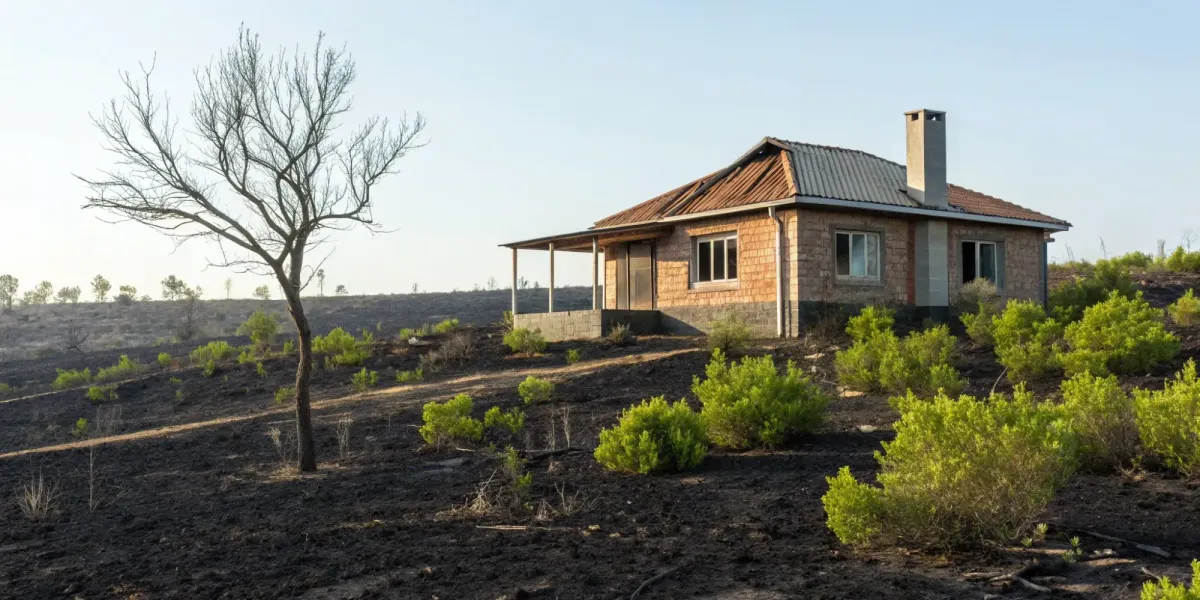
Losing your home to a wildfire is devastating enough without the shock of discovering your insurance won't cover the full cost to rebuild. After a widespread disaster, the price of labor and materials can surge, leaving your standard policy limit far short of what you actually need. This is precisely the gap that extended replacement cost is designed to fill. This optional coverage acts as a financial safety net, providing a crucial buffer to protect you from unexpected rebuilding costs and ensuring you have the funds to make your family whole again.
Key Takeaways
- Protect against post-disaster price hikes: Standard dwelling coverage is based on normal construction costs. After a wildfire, a surge in demand for labor and materials can leave you underinsured, and extended replacement cost is designed to cover these inflated expenses.
- Add a percentage-based safety net to your policy: This endorsement adds an extra 25% to 50% on top of your dwelling coverage limit, giving you access to more funds if the actual cost to rebuild exceeds your standard policy amount.
- Confirm your coverage is adequate before you need it: Don't wait for a disaster to discover a gap. Review your policy's dwelling limit against current local building costs and speak with an agent who understands wildfire risk to ensure you're fully protected.
What Is Extended Replacement Cost Coverage?extended replacement cost coverage?
Think of extended replacement cost as a crucial safety net for your home’s rebuilding budget. It’s an optional add-on, often called an endorsement, that you can include in your homeowners insurance policy. Its purpose is simple but powerful: to provide an extra layer of financial protection if the cost to rebuild your home after a total loss, like a wildfire, ends up being higher than your standard dwelling coverage limit.
Your policy’s dwelling coverage is calculated based on what it would cost to rebuild your home today, under normal market conditions. But after a widespread disaster, the market is anything but normal. The future cost of rebuilding can skyrocket unexpectedly due to high demand for materials and labor. This is where standard coverage can fall short, leaving you with a significant gap to pay out of pocket.
Extended replacement cost coverage is designed to bridge that gap. It adds a buffer—typically a percentage of your dwelling coverage—to ensure you have the funds you need to make your home whole again, even when construction costs are inflated. For homeowners in areas prone to natural disasters, this isn't just a minor upgrade; it's a fundamental part of a resilient financial plan. It provides peace of mind that you won’t be left underinsured when you need your policy the most.
Replacement Cost vs. Actual Cash Value (ACV)
When you're looking at your policy, you'll see one of two terms that determine how you get paid after a claim: replacement cost or actual cash value (ACV). Think of replacement cost as the straightforward option. It covers the full amount needed to rebuild your home with similar materials at today's prices, without any deduction for age or wear and tear. On the other hand, actual cash value is the replacement cost minus depreciation. This means if your 15-year-old roof is destroyed, your payout will reflect its used value, not the cost of a new one. For homeowners in wildfire zones, an ACV policy can create a massive financial shortfall, leaving you to cover the difference between a depreciated payout and the sky-high cost to rebuild in a post-disaster market. This is why understanding your policy's valuation method is non-negotiable for true financial protection.
How Is Extended Coverage Different From a Standard Policy?
The main difference between standard and extended replacement cost comes down to flexibility. A standard policy has a hard limit on your dwelling coverage. If your home is insured for $500,000, the policy will pay up to $500,000 for rebuilding—and not a penny more.
Extended replacement cost, on the other hand, builds a buffer on top of that limit. This extra coverage typically expands your dwelling coverage by 10% to 50%. Using the same example, if you have a $500,000 policy with 25% extended replacement cost, you’d have access to an additional $125,000. This brings your total potential rebuilding fund to $625,000, giving you critical breathing room if labor and material costs surge.
Extended Coverage vs. Simply Raising Your Dwelling Limit
You might be wondering, "Why not just increase my dwelling coverage from the start?" It’s a fair question. While raising your base limit is proactive, it’s still a fixed number based on today's construction costs. It doesn't account for the unpredictable price spikes that are almost guaranteed after a widespread disaster like a wildfire. Extended replacement cost is different. It’s a flexible buffer designed specifically for that scenario. This endorsement adds a percentage—say, 25%—on top of your limit, creating a safety net that activates only when rebuilding costs exceed your standard coverage. It’s a smarter way to prepare because it directly addresses the problem of post-disaster inflation, ensuring you have the funds to make your home whole again.
Why Your Standard Policy Might Not Be Enough
After a major wildfire, the cost to rebuild a home can climb dramatically. This happens for a few key reasons: a sudden spike in demand for limited contractors and building materials, and the implementation of new, stricter building codes designed to make homes more fire-resistant. These factors create a perfect storm for inflated rebuilding costs that your standard coverage limit was never designed to handle.
Without extended replacement cost, your insurance payout stops once your policy limit is reached. If rebuilding costs more, you'd have to pay the extra money yourself. This is a situation no homeowner wants to face after losing their home. For those living in wildfire-prone regions, this coverage is especially important because it directly addresses the financial volatility that follows a widespread disaster, protecting you from unexpected and overwhelming out-of-pocket expenses.
Why This Coverage Matters More Than Ever
The Rising Risk of Underinsurance
Losing your home to a wildfire is devastating enough without the added shock of discovering your insurance won't cover the full cost to rebuild. This is a situation no homeowner wants to face, yet the risk of underinsurance—having a policy that pays out less than what you need—is a growing concern. Without extended replacement cost, your insurance payout stops once your policy limit is reached. If rebuilding costs more, you'd have to pay the extra money yourself. An outdated policy or a simple miscalculation can leave your family’s biggest asset dangerously exposed, forcing you to either downsize, take on significant debt, or abandon the dream of rebuilding your home altogether.
Broader Economic Factors Driving Up Costs
After a major wildfire, the cost to rebuild a home can climb dramatically. This happens for a few key reasons: a sudden spike in demand for limited contractors and building materials, and the implementation of new, stricter building codes designed to make homes more fire-resistant. These factors create a perfect storm for inflated rebuilding costs that your standard coverage limit was never designed to handle. It’s not just about replacing what you lost; it’s about rebuilding in a completely different economic environment where everything from lumber to labor is suddenly a premium commodity, and prices reflect that surge.
This is precisely why a standard policy often falls short. It’s based on today's costs, not the inflated prices of a post-disaster market. Extended replacement cost coverage is designed to bridge that gap. It adds a buffer—typically a percentage of your dwelling coverage—to ensure you have the funds you need to make your home whole again, even when construction costs are inflated. This endorsement directly addresses the financial volatility that follows a widespread disaster, giving you the security to rebuild your life without facing overwhelming out-of-pocket expenses.
How Extended Replacement Cost Works After a Wildfire
After a wildfire, the path to rebuilding is often more complicated and expensive than homeowners expect. The replacement cost value listed on your policy is an estimate made under normal market conditions. But a widespread disaster creates anything but normal conditions. This is precisely where extended replacement cost coverage steps in. It acts as a critical financial buffer, providing additional funds above your dwelling coverage limit to absorb the sudden, sharp increases in rebuilding expenses. Without it, you could face a significant gap between what your insurance pays and what it actually costs to rebuild your home.
What Rebuilding After a Wildfire Really Looks Like
Let's be direct: rebuilding after a wildfire is a marathon, not a sprint. It’s a process filled with unique challenges, from clearing debris and securing permits to the complex task of navigating insurance claims. The emotional and logistical weight can be overwhelming. Extended replacement cost coverage provides a crucial layer of financial security during this stressful time. It ensures you have the resources to manage unexpected hurdles without draining your savings or compromising on the quality of your new home. This coverage gives you the breathing room to focus on putting the pieces back together, knowing you’re protected against the financial shocks that often follow a disaster.
Why Labor and Material Costs Spike After a Disaster
After a major wildfire, you’re not the only one rebuilding. Your entire community is. This creates a massive spike in demand for limited resources, a phenomenon known as "demand surge." Suddenly, the cost of lumber, roofing, and other essential materials skyrockets. The same goes for skilled labor—contractors, electricians, and plumbers are in high demand and can charge a premium. Many homeowners discover too late that their standard coverage doesn't account for these inflated prices. Extended replacement cost is designed for this exact scenario. It provides that extra percentage—typically 25% to 50%—on top of your dwelling limit to cover these post-disaster price hikes and avoid difficult insurance realities.
The Unexpected Cost of New Building Codes
Your home was likely built to the codes of its time, but those standards have almost certainly changed. When you rebuild, you must comply with today’s stricter building codes, which are designed to make homes more resilient to future disasters. These upgrades are not optional, and they can be expensive. You might need to install fire-resistant siding, dual-pane windows, or even make significant changes to your home's foundation. As experts note, fires often expose issues like unstable slopes or shallow footings that require modern engineering to fix. These code-mandated upgrades can easily push your rebuilding costs beyond your standard policy limits, but they are exactly the kind of expense extended replacement cost is meant to cover.
What Does Extended Replacement Cost Actually Cover?
The main reason to add extended replacement cost to your policy is for financial peace of mind. After a wildfire, the last thing you want to discover is that your insurance payout won’t be enough to rebuild the home you lost. This coverage acts as a critical buffer, protecting your savings and your family’s future from the unpredictable costs that follow a widespread disaster. It’s a straightforward way to ensure you have the funds you need to make a full recovery, without having to compromise on the quality of your home or take on unexpected debt. By planning for the worst-case scenario, you give yourself the best chance to rebuild your life.
Gaining Peace of Mind with a Coverage Buffer
After a major wildfire, the cost to rebuild a home can skyrocket. When an entire community needs to rebuild at the same time, there’s a sudden surge in demand for contractors, construction crews, and building materials like lumber and drywall. This high demand and limited supply can drive prices up significantly, a situation known as demand surge. Your standard homeowners policy is based on normal rebuilding costs, not these inflated post-disaster prices. Extended replacement cost coverage is designed specifically for this scenario. It provides an extra layer of financial protection to cover these unforeseen expenses, ensuring you aren’t left paying the difference out of your own pocket.
An Extended Replacement Cost Example: Adding 25% to 50% More
Think of extended replacement cost as a percentage-based increase to your home’s primary insurance amount, also known as your dwelling coverage. Most insurance companies offer this endorsement in tiers, typically adding an extra 25% or 50% to your policy limit. For example, if your home is insured for $500,000, a 25% extended replacement cost endorsement would give you up to an additional $125,000 for rebuilding. This brings your total potential coverage to $625,000. This extra amount is only accessible if your rebuilding costs actually exceed your original $500,000 limit due to factors like increased labor and material prices.
How Is Your Coverage Limit Calculated?
Your standard coverage limit is based on your home’s replacement cost value—the estimated price to rebuild your home from the ground up using similar materials at current prices. This is different from market value, which includes the land. An insurer uses software and local construction data to calculate this value. The extended replacement cost isn’t something the insurer calculates; it’s a percentage you choose to add on top of that base amount. By selecting a 25% or 50% extension, you are proactively creating a safety net to account for the price inflation that almost always follows a regional disaster.
Key Factors in a Replacement Cost Estimate
When an insurer calculates your home's replacement cost, they aren't guessing. They use sophisticated software that pulls in a ton of data points to create a detailed estimate. Key factors include your home's total square footage, the number of bedrooms and bathrooms, the type of foundation, and the materials used for the roof and exterior. They also consider local labor rates and the current price of materials in your specific area. It’s important to remember this figure is based on rebuilding under normal market conditions—not the high-demand, low-supply environment that follows a widespread wildfire. This initial estimate is the baseline for your dwelling coverage, and it’s the number your extended replacement cost percentage will build upon.
Common Home Features That Affect Cost
The more unique your home is, the more it will cost to rebuild. Standard builder-grade homes are easier to estimate, but custom features can significantly increase the replacement value. Think about what makes your house a home: custom kitchen cabinets, high-end appliances, hardwood floors, or unique architectural details like vaulted ceilings or large, custom windows. Exterior features also play a big role, including multi-level decks, swimming pools, and detached structures like workshops or guest houses. Each of these elements needs to be factored into your coverage to ensure you can rebuild with similar quality materials, and they are all subject to the same post-disaster price inflation.
What Happens If Your Coverage Falls Short?
After a disaster like a wildfire, the last thing you want to discover is that your insurance policy won't cover the full cost of rebuilding your home. This gap between your coverage limit and the actual rebuilding cost is what it means to be underinsured, and it carries a massive financial risk. It’s a situation that can turn a devastating loss into a long-term financial crisis. Many homeowners assume their policy is adequate, only to find out too late that rising construction costs and post-disaster price surges have left them exposed. Understanding these risks is the first step toward making sure your family is truly protected. The financial fallout isn't just about immediate costs; it can affect your financial stability for years to come, forcing you to make difficult choices about your future.
The Reality of Paying Out-of-Pocket
This is the most straightforward and painful consequence of being underinsured. When your insurance payout runs out before your home is fully rebuilt, the remaining balance comes directly from you. If your regular insurance isn't enough, you're forced to pay the extra money yourself. This could mean draining your life savings, pulling from retirement accounts, or taking on significant debt just to make your home whole again. It’s a heavy burden to carry while also dealing with the emotional toll of a disaster, turning your recovery process into a financial nightmare.
"But I Thought I Was Covered": Common Insurance Myths
One of the most common and heartbreaking things we hear from homeowners after a wildfire is, "I thought I was covered." Unfortunately, many people discover their coverage doesn't match today's rebuilding costs until it's too late. A standard policy might be based on what it would cost to build your home under normal circumstances, but it often fails to account for the reality of a post-disaster environment. After a widespread event like a wildfire, demand for labor and materials skyrockets, driving prices up dramatically. This is why so many homeowners in California find themselves with a major gap between their policy limit and the actual bill.
Important Policy Conditions to Know
It's important to understand that extended replacement cost isn't a blank check; it comes with specific conditions. The most critical one is that you must actually rebuild your home on the same property to access the additional funds. This coverage is designed to make you whole again, not to provide a cash windfall. After a major wildfire, rebuilding costs can climb dramatically, creating a perfect storm for inflated expenses that your standard coverage was never designed to handle. This endorsement is your protection against that scenario, but it’s tied directly to the act of rebuilding.
Another key detail is that this coverage only activates after your primary dwelling limit is completely used up. You can’t tap into the 'extended' portion until you’ve exhausted the base amount of your policy. This means meticulous record-keeping of all rebuilding expenses is essential to prove you’ve hit that limit. The main reason to add this coverage is for financial peace of mind, knowing you have a buffer for post-disaster price surges. Accessing it requires you to follow the process, demonstrating that the extra funds are truly necessary to finish the job.
How a Coverage Gap Impacts Your Financial Future
A coverage gap is more than just a short-term problem; it can have lasting effects on your family’s financial future. Without extended replacement cost coverage, your insurance stops paying once your policy limit is reached, even if rebuilding costs more. This shortfall can force you to make impossible decisions. Do you take on a second mortgage? Do you sacrifice your kids' college fund or your retirement savings? In the worst-case scenario, you might not be able to afford to rebuild at all, forcing you to sell your land at a loss and relocate. Protecting yourself with the right coverage isn't just about rebuilding your house—it's about safeguarding your family's long-term security and ability to recover fully from a loss.
Are You Ready for Wildfire Season? A Coverage Checklist
Wildfire season can feel overwhelming, but you have more control than you think. Taking a proactive approach to your homeowners insurance now is one of the most powerful steps you can take to protect your family and your finances. It’s about moving from a place of worry to a place of preparedness. Instead of waiting to see what happens, you can take clear, simple actions to ensure your policy is ready for whatever comes. This means looking closely at your coverage, talking to the right people, and keeping your information current. Let’s walk through exactly what you need to do to feel confident in your coverage before the season begins.
How to Estimate Your Home's Replacement Cost
First, make sure your dwelling coverage limit is accurate. This number should reflect the true cost to rebuild your home from the ground up with similar materials at today's prices—not its market value. Market value includes your land, which won't be destroyed in a fire. Your policy's replacement cost value is the foundation of your financial protection. If this starting number is too low, even an extended replacement cost endorsement might not be enough. Review this figure with your agent every year, especially if you've made renovations or if local construction costs have risen. For the most accurate assessment, consider hiring a professional appraiser who specializes in replacement cost estimates.
Check for Ordinance or Law Coverage
Rebuilding your home isn't just about replacing what you lost; it's about meeting today's much stricter building codes. These modern standards are designed to make homes more resilient, requiring upgrades like fire-resistant roofing, ember-proof vents, and updated electrical systems. These changes are mandatory and can add tens of thousands of dollars to your rebuilding bill. Standard homeowners policies often don't cover these expenses. Look through your policy for "Ordinance or Law" coverage. This specific endorsement is designed to pay for these code-mandated upgrades. If you don't have it, talk to your agent about adding it. It’s a small addition that can save you from a massive, unexpected expense.
Upgrade Your Personal Property Coverage
While your house is the main focus, don't forget about everything inside it. Many standard policies cover your personal belongings at their "Actual Cash Value" (ACV), which pays you what your items were worth at the time of the fire, factoring in depreciation. That means you'll get the value of a five-year-old couch, not the money to buy a new one. For true peace of mind, consider upgrading to "Replacement Cost Value" (RCV) for your personal property. This coverage provides the funds to replace your old items with new ones. It makes a huge difference in how quickly and completely you can get back on your feet after a total loss.
Find the Gaps in Your Current Policy
The first step is a simple policy check-up. Pull out your declarations page and look at your dwelling coverage amount. Does it reflect what it would actually cost to rebuild your home today? Many homeowners find their coverage doesn't match today's rebuilding costs, creating a major financial gap if they need to file a claim. Construction material prices, labor shortages, and new building codes can all drive up costs far beyond your original policy limit. Take a few minutes to research local rebuilding costs per square foot and compare that figure to your coverage. If you see a significant difference, it’s time to talk to your agent about closing that gap.
Talk to an Agent Who Understands Wildfire Risk
Not all insurance agents are created equal, especially when it comes to wildfire risk. You need someone who understands the unique challenges of insuring a home in a high-risk area. An experienced agent can explain how endorsements like extended replacement cost work and help you find carriers willing to write policies in your neighborhood. After a disaster, working through insurance claims can be incredibly complex. An agent who specializes in wildfire risk knows the ins and outs of the process, from documenting your losses to accounting for demand surge in rebuilding costs. They are your best advocate for making sure you have the right protection from the start.
Keep Your Policy and Home Inventory Current
Your insurance policy should be a living document, not a file-and-forget item. If you’ve done any renovations—finished the basement, updated the kitchen, or added a deck—you need to tell your insurer. These improvements increase your home’s value and, therefore, your rebuilding cost. The same goes for your personal belongings. Keeping a detailed inventory is one of the smartest things you can do. Walk through your home with your smartphone and record a video of everything you own, opening closets and drawers. Save receipts for big-ticket items. This simple step makes filing a personal property claim infinitely easier and helps ensure you get fully compensated.
Related Articles
- The Cost of Home Insurance in a Wildfire Zone
- How to Get the Right Wildfire Coverage Policy
- Your Guide to Nonrenewed Home Insurance for Wildfire Risk
Frequently Asked Questions
My policy already says it has "replacement cost." Isn't that enough? This is a really common and important point of confusion. Having a replacement cost policy is great—it means your insurer agrees to pay to rebuild your home with similar materials at today's prices. However, it only pays up to your policy limit. Extended replacement cost is the endorsement that provides a crucial safety net if post-disaster price surges for labor and materials push your actual rebuilding bill beyond that limit. Think of it as the difference between having a budget and having a budget with an emergency fund attached.
How is this different from just increasing my main dwelling coverage? While you can always increase your base dwelling coverage, extended replacement cost serves a more specific purpose. It acts as a flexible buffer designed specifically to handle the unpredictable cost inflation that happens after a widespread disaster. Increasing your base coverage raises your limit for all situations, but the extended endorsement is a targeted tool that activates only when you need it most, protecting you from the unique financial shock of a demand surge without necessarily over-insuring your home for a normal, isolated incident.
Will adding this coverage make my insurance a lot more expensive? While any additional coverage will affect your premium, the cost for an extended replacement cost endorsement is typically a small fraction of what you would face if you were underinsured after a total loss. It’s a predictable expense that buys you protection against a potentially devastating and unpredictable financial gap. Consider it an investment in your financial stability, ensuring that a disaster doesn't force you to drain your savings or take on massive debt to finish rebuilding your home.
How do I decide if I need 25% or 50% extra coverage? The right percentage really depends on your personal risk tolerance and your home's specific situation. A 50% extension offers the highest level of protection and is often a wise choice for homes in areas with very high construction costs or those located in severe wildfire risk zones where demand surge could be extreme. A 25% extension still provides a significant and valuable buffer. The best approach is to talk with an agent who can provide insight into local rebuilding costs and help you weigh the cost against the level of security you're comfortable with.
Is extended replacement cost the same thing as guaranteed replacement cost? No, they are two different types of coverage. Extended replacement cost adds a specific percentage (like 25% or 50%) on top of your dwelling limit, creating a higher but still finite cap. Guaranteed replacement cost is a much rarer and more premium coverage that promises to pay the full cost to rebuild your home to its former state, no matter how high the price goes. For most homeowners, especially in high-risk areas, extended replacement cost provides a strong, accessible, and effective layer of protection.


