
What's Considered High-Risk for Homeowners Insurance?
Find out what is considered high-risk for homeowners insurance, which factors impact your rates, and how to improve your chances of getting covered.

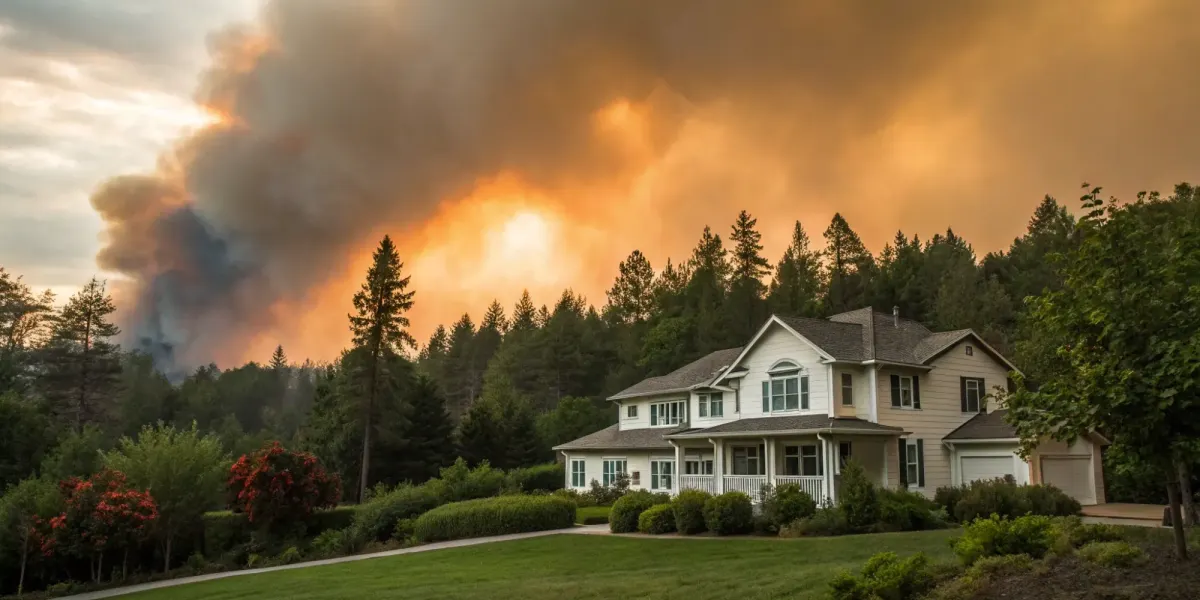
Getting a non-renewal notice in the mail can feel like a punch to the gut. It’s a formal, impersonal letter that often leaves you with more questions than answers, chief among them being, "What did I do wrong?" The truth is, it’s probably nothing you did. For many California homeowners, being labeled "high-risk" has less to do with you and more to do with your zip code. Understanding what is considered high-risk for homeowners insurance is the first step toward taking back control. It’s not a personal judgment; it’s a calculation based on data. This guide will break down exactly what insurers are looking at—from your roof’s age to your neighborhood’s wildfire score—so you can see your home from their perspective and find a path forward.
Key Takeaways
- "High-risk" is more than just your location: Insurers assess a wide range of factors to build your home's risk profile, from the age of your roof and your claims history to features like old plumbing or a backyard trampoline.
- Proactive home maintenance can improve your insurability: Taking steps like updating old wiring, installing a modern security system, or choosing a higher deductible shows carriers you're a responsible partner in protecting your property.
- An independent agent is your best ally for complex situations: When standard carriers say no, an independent agent can access specialty insurers to find comprehensive coverage that's a better fit than a basic state FAIR Plan.
What Makes a Home "High-Risk" for Insurance?
When an insurance company labels a home "high-risk," it isn't a judgment call on your housekeeping skills or lifestyle. It’s a straightforward calculation based on one question: What is the likelihood that this specific home will have a claim filed in the future? Insurers look at a combination of factors—from the age of your roof to your neighborhood's wildfire score—to assess that probability. Understanding what they look for is the first step toward finding the right coverage and potentially lowering your costs. Let's break down some of the most common property-related factors that can place a home in a higher-risk category.
Your Home's Condition and Features
Insurers pay close attention to a home's overall condition. Signs of deferred maintenance can be a major red flag. Things like a cracked foundation, a visibly aging roof with curling shingles, or significant wood rot suggest that problems may be on the horizon. From an underwriter's perspective, a small issue left unchecked today can easily become a major, expensive claim tomorrow—like a slow leak turning into a collapsed ceiling. A well-maintained home signals that the owner is proactive about preventing losses, which makes the property a much more predictable and appealing risk for an insurance carrier. Keeping up with a regular home maintenance checklist is one of the best ways to keep your property in good standing.
Age and Building Materials
The age of your home and what it’s made of are two of the biggest factors in a risk assessment. An older home might have charm, but it could also have outdated electrical wiring, old plumbing, or a roof that’s nearing the end of its lifespan. These elements carry a higher chance of failure, which can lead to fires or water damage. Furthermore, the building materials themselves are critical, especially in California. A home with a wood-shake roof and siding will be viewed as much riskier in a wildfire zone than a home built with modern, fire-resistant materials like stucco and composite roofing. Insurers evaluate how your home’s construction will hold up against the specific threats in your area.
"Attractive Nuisances" and Other Liabilities
This is an insurance term that sounds a little strange, but the concept is simple. An "attractive nuisance" is anything on your property that might attract and endanger people, particularly children. The most common examples are swimming pools, hot tubs, and trampolines. While these features are great for family fun, they also increase the risk of accidents and injuries occurring on your property. This creates a higher liability risk, meaning there's a greater chance of someone filing a claim against you for a medical issue. Having a pool or trampoline doesn't make your home uninsurable, but your provider will want to see that you have proper safety measures in place, like a fence with a locking gate around the pool.
How Your Location Impacts Insurance Risk
It’s no secret that where you live plays a huge role in your homeowners insurance. While your home’s physical condition is important, its location on a map is one of the first things an underwriter examines. This isn’t about judging your neighborhood; it’s about using data to predict the likelihood of a future claim. Insurers analyze everything from regional weather patterns and historical disaster data to local crime statistics to determine how risky it is to cover a property in a specific spot.
For homeowners in places like California, this can feel incredibly frustrating. You can’t just pick up your house and move it away from a wildfire zone or an earthquake fault line. But understanding exactly what insurers are looking at can help you see your property from their perspective and take proactive steps. Key location-based factors include your home’s exposure to natural disasters, its proximity to the coast or a flood zone, and even the crime rates in your immediate area. Each of these elements helps an insurance company build a risk profile for your home and, ultimately, decide on your premium and eligibility. This is why two identical houses in different ZIP codes can have wildly different insurance costs.
Wildfire Zones and Natural Disaster Areas
If your home is in an area prone to extreme weather, insurers see a higher probability of a large-scale claim. This is especially true in states like California, Florida, and Texas, which are frequently identified as high-risk markets due to wildfires, hurricanes, and other events. Insurance companies use advanced mapping technology and historical data to pinpoint properties with the greatest exposure. Living within a designated wildfire zone or a region known for seismic activity almost guarantees your home will be flagged for a more detailed risk assessment. This is often the primary reason homeowners find themselves searching for specialty coverage when traditional carriers pull back from an area.
Neighborhood Crime Rates
Beyond natural disasters, insurers also look at man-made risks, including local crime. They analyze public data on theft, burglary, and vandalism in your ZIP code to gauge the likelihood of a claim related to these events. A home in an area with a higher-than-average crime rate is seen as a greater risk for property damage or loss. While this is just one piece of the puzzle, it can contribute to higher premiums or even make it more difficult to find coverage. It’s another reminder that insurers are looking at a wide range of external factors that are completely outside of your control as a homeowner.
Coastal and Flood Zone Proximity
Living near the water comes with its own set of insurance challenges. If your home is in a designated flood zone, its risk level automatically increases. Since standard homeowners policies don’t cover flood damage, this is a major concern for insurers. Similarly, coastal properties face threats from hurricanes, storm surges, and high winds, all of which can cause catastrophic damage. Insurers carefully evaluate a home’s elevation and its distance from the coastline to determine its vulnerability. Understanding what is considered high risk helps explain why homes with a beautiful ocean view often come with a much more complicated insurance situation.
Personal Factors That Influence Your Risk
It’s not just your home’s physical structure or location that insurers look at. They also consider personal factors to build a complete picture of your risk profile. While it can feel a bit invasive, understanding what they look for can help you see your policy from their perspective. Things like your financial habits, your history with past insurance claims, and even your lifestyle choices can play a role in determining your premiums and eligibility for coverage. Let's break down the key personal factors that can influence your homeowners insurance.
Your Credit and Financial History
Insurers often use a credit-based insurance score to predict the likelihood of future claims. While this practice is not allowed for determining rates in California, your broader financial history can still be a factor. A history of bankruptcy or foreclosure may signal financial instability, which some carriers view as a higher risk. Outside of California, a lower credit score is often associated with a higher probability of filing a claim. There are several reasons for being classified as high-risk, and in most states, poor credit is one of them. Maintaining a stable financial history is a good practice that can positively impact your insurance options.
Your Past Insurance Claims
Your claims history is one of the most direct indicators of risk for an insurer. If you’ve filed several claims in the past, especially within a short period, an insurance company might see you as more likely to file them in the future. This is particularly true for certain types of claims, like water damage or theft, which can indicate ongoing maintenance issues or security vulnerabilities. A history of filing many insurance claims can lead to higher premiums or even non-renewal of your policy. This is why it’s often wise to handle smaller repairs yourself and save insurance for significant, unexpected losses.
Home-Based Businesses and Other Factors
Running a business from your home introduces new liabilities that a standard homeowners policy isn't designed to cover. Whether you have clients visiting, store inventory, or use specialized equipment, your home-based business increases the risk of property damage or injury claims. This can make it harder to secure a standard policy without an additional rider or a separate business insurance policy. Other personal choices, like owning certain dog breeds or having a swimming pool without proper fencing, also contribute to your risk profile because they increase the chances of a liability claim on your property.
Home Features That Raise Red Flags for Insurers
Beyond your location, the physical characteristics of your home play a huge role in how insurers calculate your risk. Some features are obvious concerns, while others might surprise you. Understanding what makes underwriters nervous can help you anticipate questions, address potential issues, and present your home in the best possible light. From the wiring hidden in your walls to the dog sleeping at your feet, let's look at the specific home features that can raise red flags.
Old Wiring and Plumbing
Think of your home’s electrical and plumbing systems as its circulatory system. When they’re old or outdated, the risk of a major problem goes way up. Insurers get particularly concerned about things like knob-and-tube or aluminum wiring, which are common in older homes and pose a significant fire hazard. Similarly, old galvanized or polybutylene pipes are prone to corrosion and bursting, leading to extensive water damage. Because these systems can fail without warning, many carriers will require you to update them before they’ll even consider offering you a policy. It’s a big investment, but one that makes your home safer and much easier to insure.
Your Roof's Age and Foundation Issues
Your roof is your home’s primary shield against the elements, so insurers pay close attention to its age and condition. A roof that’s past its prime—typically over 20 years for standard asphalt shingles—is seen as a major liability. Insurers worry about leaks, water damage, and the roof failing during a storm. Likewise, problems with your foundation are an immediate deal-breaker for most companies. Visible cracks or signs of shifting can indicate serious structural issues that could lead to a catastrophic failure. A solid roof and a stable foundation are non-negotiable for most high-risk homeowners insurance providers, as they are fundamental to a home's integrity.
Pools, Trampolines, and Other Fun Risks
A swimming pool or a trampoline can be a great source of family fun, but in the eyes of an insurer, they represent a significant liability risk. These items are known as “attractive nuisances” because they can attract children and lead to accidents, even if the person isn't an invited guest. An injury on your property could result in a massive lawsuit. For this reason, having a pool or trampoline will almost always increase your premium. Some insurers may require you to install safety features, like a fence with a locking gate around the pool, or they might exclude liability coverage for these items altogether, leaving you financially exposed.
Specific Dog Breeds
This can be a tough one for pet lovers, but some insurance companies have a list of dog breeds they consider high-risk due to bite statistics. Breeds like Pit Bulls, Rottweilers, and German Shepherds often appear on these lists. If you own one of these breeds, you might face higher premiums, or an insurer could refuse to write your policy. However, this isn't a universal rule. Some modern insurers are moving away from breed-specific restrictions and instead focus on an individual dog’s history. If your dog has a bite record, that will be a red flag regardless of breed. It’s always best to be upfront with your agent about your pets to find a carrier that’s a good fit.
What Happens When Your Home Is Labeled High-Risk?
Receiving a "high-risk" label from an insurance company can feel like a penalty, especially when the factors are outside of your control, like living in a wildfire zone. This classification isn't just a label; it triggers a chain reaction that directly impacts your wallet and your peace of mind. When insurers see a greater chance of paying out a claim for your property, they adjust their terms to manage that financial risk. For you, the homeowner, this translates into three main challenges: higher costs, limited options, and the stressful search for a company that will cover you at all. Understanding these consequences is the first step toward finding a solution.
Higher Insurance Premiums
The most immediate and noticeable effect of a high-risk designation is the sticker shock. You can expect to see significantly higher insurance premiums compared to what a standard-risk home would pay. Think of it from the insurer's perspective: if your home has a higher probability of experiencing a fire, flood, or break-in, there's a greater chance they'll have to pay for a costly claim. To balance that risk, they charge more upfront. It’s a straightforward financial calculation that, unfortunately, places a heavier burden on homeowners in already vulnerable situations. This isn't a small increase; for many, the cost can become a major strain on their household budget.
Fewer Coverage Choices
Along with higher costs, you’ll likely find you have fewer choices for coverage. Many standard insurance carriers prefer to work with lower-risk properties to keep their own costs predictable. As a result, they may not offer you a policy at all, narrowing the field of available insurers. The companies that are willing to cover a high-risk home often do so with more restrictive policies. This could mean higher deductibles, lower limits on personal property, or specific exclusions for the very risks that make your home a concern, which can feel counterintuitive. You lose the flexibility to tailor a policy that perfectly fits your needs.
Difficulty Finding a Policy
In the most challenging scenarios, you might struggle to find any private insurer willing to write a policy for your home. A high-risk label can lead to a non-renewal notice from your current provider or cause you to be denied coverage altogether when you apply for a new policy. This can leave you feeling stranded and unprotected. For many homeowners in California, this is the point where they are forced to turn to last-resort options like the state's FAIR Plan. While these plans provide a safety net, they often offer less comprehensive coverage at a higher cost, making them a temporary fix rather than a desirable long-term solution.
How to Lower Your Home's Insurance Risk
If you're feeling discouraged by the "high-risk" label, I have good news: you have more power than you think. Insurers assess risk based on data, and you can actively change the data points they see. By taking proactive steps to make your home safer and reduce the likelihood of a claim, you can directly influence your insurability and potentially lower your premiums. It’s about showing carriers that you’re a responsible partner in protecting your property. Let's walk through some of the most effective ways to do just that.
Make Smart Home Upgrades and Repairs
Insurers pay close attention to the core systems of your home because that’s where many expensive claims originate. Start with the big-ticket items that protect your home from the elements and internal failures. If your roof is old or showing signs of wear, getting it repaired or replaced is a major step. The same goes for outdated electrical and plumbing systems, which are common sources of fire and water damage. Don't overlook structural issues, either—even small cracks in the foundation can signal bigger problems to an underwriter. These home maintenance projects aren't just good for your peace of mind; they're clear signals to an insurer that your property is a well-maintained, lower-risk investment.
Install Fire and Security Systems
Making your home safer with modern technology is one of the clearest ways to reduce your risk profile. Installing monitored fire and security systems with alarms and cameras can deter theft and provide early warnings for fires, potentially qualifying you for a discount. But don't stop there. Water damage is one of the most frequent and costly types of claims. Smart water leak detection systems, which were once a luxury, are now affordable and easy to install. These devices can automatically shut off your water main at the first sign of a leak, saving you from a potential disaster and showing your insurer you’re serious about loss prevention.
Be Strategic About Filing Claims
This might sound counterintuitive, but sometimes the smartest way to use your insurance is to not use it. Every claim you file becomes part of your insurance history. A pattern of small, frequent claims can make you look riskier than a homeowner who only files for major events. Consider choosing a higher deductible—the amount you pay out-of-pocket before coverage begins. This not only lowers your premium but also encourages you to handle smaller repairs yourself. Paying for a minor plumbing fix or a broken window on your own can be a better long-term financial move than filing a claim that could raise your rates for years. Save your insurance for the true catastrophes it’s meant to cover. You can find more risk tips on our blog.
Improve Your Credit Score
It may not seem directly related to your home, but your financial health plays a role in how insurers view your risk. In most states, carriers use an insurance score, which is partly based on your credit history, to predict the likelihood of you filing a claim. According to Bankrate, a history of bad credit can be a factor in being classified as high-risk. The logic is that individuals who manage their finances responsibly are also more likely to maintain their property responsibly. Working to improve your credit by paying bills on time and keeping balances low can have a positive ripple effect, potentially leading to better insurance rates down the road.
Finding Insurance for a High-Risk Home
Getting a non-renewal notice or a shockingly high quote can feel incredibly defeating. When your home is labeled "high-risk," it's easy to think you've run out of options and that no one is willing to protect your biggest investment. But I want you to know that's not the end of the road. While the path to getting coverage might look different from your neighbor's, there are specific channels designed for homeowners just like you. It’s not about trying to fit a square peg into a round hole with a standard policy; it’s about knowing where to look for specialized solutions built for your situation.
The traditional insurance market is pulling back from many areas, leaving countless families feeling stranded. That’s why a different set of players exists to fill this growing gap. These aren't obscure, last-ditch efforts; they are legitimate and often robust insurance solutions. We're talking about specialty insurers who lean into the challenge of high-risk properties, state-run programs designed as a safety net, and surplus lines carriers that have the flexibility to cover unique homes. Understanding these avenues is the first step toward taking back control and securing the protection your home needs. You don't have to figure it all out alone—let's walk through what each of these options means for you.
Specialty Insurers (Like Us!)
When standard insurance companies say no, specialty insurers step in. Think of us as the experts for homes that don't fit the typical mold. At Five Bays, we exist to help California homeowners stay insured, specializing in coverage for families in wildfire-prone and other high-risk areas that many insurers are leaving behind. Instead of avoiding risk, we work with you to understand and manage it. We partner with carriers who are committed to these markets and can offer comprehensive policies. Working with a specialty agency means you’re not just another application—you’re a homeowner who needs a partner dedicated to finding a real, sustainable insurance solution.
State-Run FAIR Plans
If you’ve exhausted your options in the private market, you might turn to your state’s FAIR Plan. FAIR stands for Fair Access to Insurance Requirements, and these state-mandated programs act as an insurer of last resort. In California, the FAIR Plan provides basic fire insurance when you can't find it anywhere else. While it’s a crucial safety net, the coverage is often limited and may not cover things like liability or theft, requiring you to buy a separate policy. Our goal is to help homeowners find coverage alternatives to the FAIR Plan, because we believe you deserve more than just the bare minimum protection for your home.
Surplus Lines Coverage
Surplus lines coverage is another important option for high-risk homes. It sounds complicated, but it’s simply insurance from a carrier that isn’t licensed by the state but is approved to operate on a "surplus" basis. This gives them the flexibility to cover unique risks that standard, state-licensed insurers can't. A home insurance surplus lines broker is your guide to this market, helping you find coverage when standard policies aren't available. These policies can be a great fit for homes with unique features, a challenging location, or other factors that make them hard to insure through traditional channels.
Why an Independent Agent Can Help
If you've been told your home is high-risk, it can feel like you've hit a dead end. But this is exactly where an independent insurance agent shines. Unlike a captive agent who works for a single company and is limited to their products, an independent agent partners with multiple insurance carriers. This gives them the flexibility to shop around on your behalf and find a policy that actually fits your unique situation, no matter how complicated it seems.
When Your Situation Is Complex
Navigating the insurance market for a high-risk home is rarely straightforward. An independent insurance agent can help you find coverage for high-risk property, offering more options and expert guidance when standard insurers can't offer a policy. Because they aren't tied to one set of underwriting rules, they can access specialty carriers you might not find on your own. They act as your personal guide, translating the complex jargon and helping you understand the specific risks your property faces and how different policies address them. This expertise is invaluable when you need more than just a standard, one-size-fits-all solution.
To Find Insurers Willing to Cover You
Receiving a non-renewal notice or being told the FAIR Plan is your only option can be incredibly stressful. This is the core reason we exist. At Five Bays, our goal is to help California homeowners stay insured—even when other insurers say no. An independent agent acts as your advocate, leveraging their relationships with a wide range of carriers to find companies still writing policies in your area. We specialize in finding coverage alternatives to the FAIR Plan, replacing non-renewed policies, and making sure you get every possible discount. We do the legwork so you don't have to face the challenge of securing coverage alone.
Related Articles
- 5 Best High Risk Homeowners Insurance Companies
- 7 Steps to Get Insurance for a High-Risk Home
- High-Risk Home Insurance Quote | The Ultimate Guide
- Getting Home Insurance for a Hard-to-Insure Home
Frequently Asked Questions
My insurance company just dropped me because my home is now considered "high-risk." What should I do first? First, take a breath. A non-renewal notice is stressful, but it’s not the end of the road. Your immediate next step should be to contact an independent insurance agent who specializes in high-risk properties. Instead of trying to find a new policy on your own, an agent can shop the market for you, accessing specialty carriers that are comfortable with your home’s specific risks, whether it's wildfire exposure or an older roof. This saves you time and connects you with companies you likely wouldn't find on your own.
Are there any home improvements that will actually make a difference to my insurance options? Absolutely. Insurers love to see proactive homeowners. The most impactful upgrades are those that address major sources of claims. Replacing a roof that's over 20 years old is a huge one. Updating old electrical wiring or plumbing systems is another, as it significantly reduces the risk of fire and water damage. In wildfire zones, creating defensible space and using fire-resistant building materials can also make a big difference in your home's risk profile.
Why does filing a claim or two make me a higher risk if the damage was fully repaired? It’s less about the past damage and more about what the claims history might predict for the future. From an insurer's perspective, a pattern of claims—even for different issues—can suggest that a property is more prone to loss over time. For example, multiple water damage claims might indicate aging pipes that could cause problems again. It’s a statistical calculation, which is why it’s often a good financial strategy to handle smaller repairs yourself and save your insurance for truly significant events.
Is the California FAIR Plan my only choice if I live in a high-risk wildfire area? No, it's designed to be an insurer of last resort, not your only option. While many standard carriers have pulled back from wildfire zones, there are still specialty insurance companies actively providing comprehensive coverage in these areas. An independent agency that focuses on the California market can help you find these alternatives. Our goal is always to find you a robust, private-market policy so that the FAIR Plan remains what it was intended to be: a safety net.
Will having a swimming pool or a certain type of dog make it impossible to get insured? It won't make it impossible, but it will make your insurance situation more complex. These are considered liability risks. For a pool, an insurer will want to see safety measures like a secure fence and a locking gate. For dogs, some carriers do have breed restrictions, but many are shifting their focus to the individual dog's bite history. An independent agent can help you find a carrier with more flexible guidelines that will work with you.


