
What Is Specialty Home Insurance? A Complete Guide
Specialty home insurance protects remote properties, outbuildings, and unique systems. Learn how to get the right coverage for your rural or high-risk home.

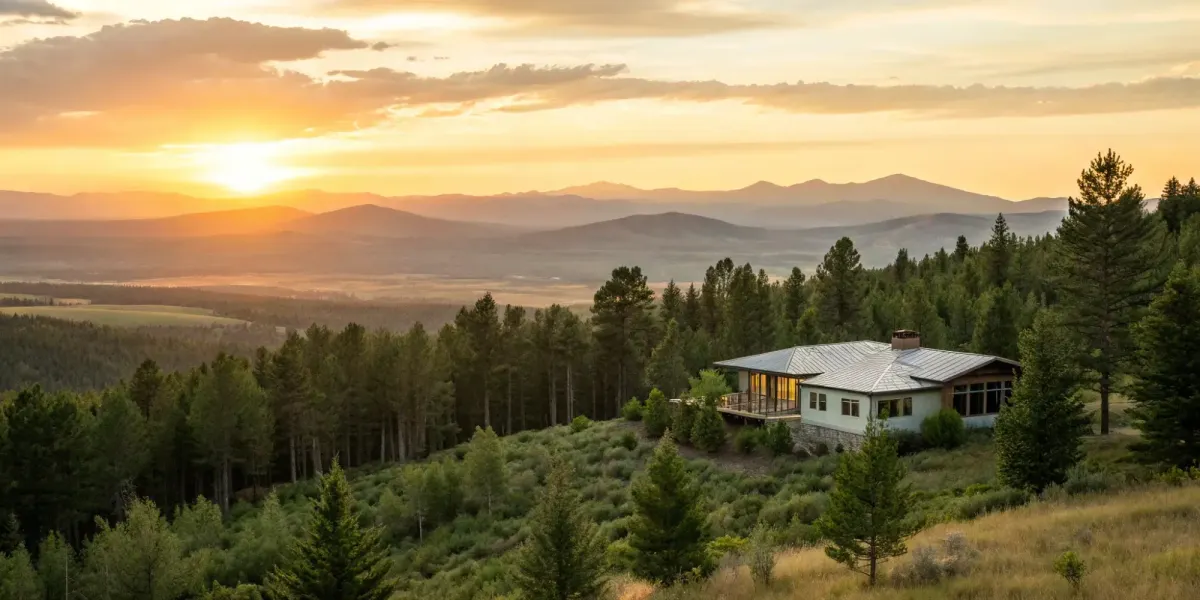
Your property is more than just a house. It’s the workshop where you pursue your hobbies, the barn that shelters your animals, and the acres of land that give you space to breathe. A standard homeowners policy often overlooks these crucial assets, placing low limits on outbuildings and offering no protection for a well pump failure. True security means having a plan that covers your entire property, not just the main structure. This is where specialty home insurance steps in. We’ll explore how to get comprehensive protection for all the things that make your home uniquely yours.
Key Takeaways
- Standard Policies Have Major Blind Spots: Your typical homeowners insurance wasn't designed for rural risks, leaving you exposed when it comes to wildfires, outbuildings, and essential systems like wells and septic tanks.
- Specialty Insurance Covers Your Whole Property: It's a custom-fit solution that protects not just your house but also your outbuildings, equipment, and unique systems, ensuring you have the funds to fully rebuild after a disaster.
- Take Control of Your Premiums and Protection: You can directly lower your insurance costs by making your property more fire-resistant and creating defensible space. Partnering with an independent agent is the most effective way to find the right coverage for your specific needs.
What Is Specialty Home Insurance?
If you’ve ever been told your home is “uninsurable” by a standard carrier, you’ve likely felt a mix of frustration and worry. This is a common hurdle for homeowners in remote or high-risk areas, but it’s exactly where specialty home insurance comes in. Think of it as a custom-fit policy for properties that don’t fit the standard mold. Also known as nonstandard or high-risk property insurance, it’s designed specifically for homes with unique characteristics that traditional insurers may avoid, such as being located in a wildfire-prone canyon or having a non-traditional construction type.
Instead of a one-size-fits-all approach, specialty insurance takes a closer look at your property’s specific risks and provides coverage tailored to them. It’s not a last-resort option but a practical solution that acknowledges the realities of your location. This type of policy bridges the gap left by standard insurance, ensuring you have robust protection that truly matches your needs. It’s about finding a carrier who understands that where you live doesn’t make your home any less worthy of solid, reliable coverage.
Why Specialty Insurance Matters: A Look at the Numbers
The numbers that truly define your insurance policy aren’t in the monthly premium; they’re in the coverage limits and the list of exclusions. For many homeowners in high-risk areas, a standard policy’s fine print reveals major gaps. It might exclude damage from wildfires, floods, or earthquakes, leaving you financially exposed to the most probable threats in your area. This is where specialty insurance makes a tangible difference. It’s designed to provide comprehensive protection by covering the specific, high-stakes risks that standard insurers avoid. Instead of forcing you to buy separate, often expensive policies for different perils, a specialty plan can bundle them, ensuring your home, outbuildings, and property are protected under one cohesive strategy.
Specialty vs. Standard: What's the Real Difference?
The main difference between specialty and standard home insurance lies in the risks they are designed to cover. A standard homeowners policy is built for the "average" home with predictable risks, which is why they often have significant coverage gaps for perils like wildfires, floods, or earthquakes. If you read the fine print, you might find that the very things that keep you up at night are excluded.
Specialty insurance, on the other hand, is built from the ground up to address these specific, higher-risk scenarios. It provides more comprehensive protection for the unique challenges of your property, whether that’s exposure to natural disasters or liability concerns related to a large, rural lot. It’s a more flexible and realistic approach for homeowners who need more than just basic coverage.
Do You Need It for Your Remote Home?
Living in a remote or rural area comes with a unique set of challenges that a standard insurance policy simply isn't equipped to handle. Your home might be more exposed to wildfires, rely on a private well and septic system, or be located far from the nearest fire department, leading to longer emergency response times. These factors increase your risk profile in the eyes of standard insurers.
Specialty home insurance is essential because it directly addresses these realities. It provides coverage for the specific systems your home depends on, like well pumps and septic tanks, which can be incredibly expensive to repair or replace. More importantly, it offers financial protection against the heightened risk of natural disasters, giving you the peace of mind that comes from knowing your biggest asset is properly protected, no matter how far off the beaten path you are.
Types of Properties That Need Specialty Insurance
It’s not just about where you live; the type of property you own can also place it outside the bounds of standard coverage. Traditional insurance policies are designed for a very specific kind of home, and many properties simply don’t fit into that narrow box. If your home has unique features, a non-traditional use, or is unoccupied for long periods, you might find that a standard policy just doesn’t work. This is where specialty coverage steps in, offering protection for a wider range of properties that standard carriers often decline.
Vacant or Unoccupied Homes
An empty house presents a unique set of risks. Without anyone there, a small issue like a leaky pipe can turn into a major disaster before it’s discovered. There’s also a higher risk of vandalism or theft. That’s why many standard insurers are hesitant to cover vacant properties, whether they’re empty during a sale, undergoing renovations, or sitting between renters. Specialty insurance provides crucial coverage for these periods, ensuring your asset is protected even when no one is home. It’s a necessary safeguard for any property that will be unoccupied for an extended time.
Rental and Landlord Properties
When you rent out a property, your insurance needs change significantly. A standard homeowners policy won't cover a home you don't live in, and it certainly won't protect you from risks specific to being a landlord, like liability for tenant injuries or loss of rental income if the property becomes uninhabitable. Landlord insurance is a form of specialty coverage designed to protect your investment property, your income stream, and your liability as the owner. These policies can be customized to fit your specific rental situation.
Seasonal and Vacation Homes
Your cabin in the mountains or cottage by the lake is a cherished getaway, but it also carries risks that differ from your primary residence. Since it sits empty for parts of the year, it’s more vulnerable to issues like break-ins, storm damage, or burst pipes that can go unnoticed. Standard insurers often shy away from these properties for that reason. Specialty policies for seasonal and vacation homes are designed with these extended vacancies in mind, providing peace of mind that your second home is protected year-round, whether you’re there or not.
Older or Lower-Value Homes
Older homes have character and history, but they can also have outdated electrical or plumbing systems that make standard insurers nervous. Similarly, some homes may have a market value that is lower than the cost to rebuild them, creating a tricky situation for standard replacement cost policies. Specialty insurance offers solutions for both scenarios. Carriers can provide coverage that accounts for the unique construction of an older home or offer policies based on actual cash value, ensuring you can get coverage that makes financial sense for your property.
Manufactured and Mobile Homes
Manufactured and mobile homes are built differently than traditional site-built houses, and they face a different set of risks, particularly related to weather and transport. Because of these differences, they often don't qualify for standard homeowners insurance. Specialty carriers, however, offer policies specifically created for manufactured homes. These plans are tailored to the unique construction and valuation of these properties, providing the right kind of protection that a one-size-fits-all policy can't offer.
Homes with Unique Construction
If your home is a log cabin, a dome house, or built with unconventional materials like adobe or straw-bale, you’ve probably discovered that standard insurers don’t quite know what to do with you. They struggle to calculate the replacement cost and assess the risks of non-traditional construction. Specialty insurance is the answer for these one-of-a-kind properties. These insurers have the expertise to properly evaluate and cover homes with unique architectural features, ensuring your distinctive home gets the protection it deserves.
Situations That Can Make Insurance Hard to Find
Sometimes, the challenge in finding insurance has less to do with your property and more to do with your personal history or other circumstances. Certain factors can raise a red flag for standard insurance companies, causing them to deny coverage or offer it at an extremely high price. These situations can feel frustrating and unfair, but specialty insurance often provides a path forward when other doors have closed.
A History of Claims or Cancellations
Filing even one or two claims in a few years can label you as high-risk in the eyes of many insurers, especially for issues like water damage or liability. A history of claims suggests a higher likelihood of future losses, making carriers hesitant to take on the risk. The same goes if you’ve had a policy canceled or non-renewed by a previous insurer. Specialty carriers are often more willing to look at the bigger picture and offer coverage to homeowners with a less-than-perfect claims history, giving you a chance to stay protected.
Owning Certain Dog Breeds
It may come as a surprise, but your furry family member could be the reason you’re denied homeowners insurance. Many standard insurance companies maintain a list of dog breeds they consider "dangerous," and if you own one, they may refuse to offer you a policy due to the perceived liability risk from dog bites. This can feel incredibly unfair to responsible pet owners. Fortunately, some specialty insurance providers take a different approach, evaluating your dog on a case-by-case basis or offering plans that exclude animal liability, allowing you to get the property coverage you need.
What Are the Unique Risks of Living Remotely?
Living off the beaten path has undeniable perks—the privacy, the quiet, and the connection to nature. But that same distance that creates your peaceful retreat also introduces a unique set of risks that standard home insurance often isn’t designed to handle. Understanding these challenges is the first step toward making sure your remote home is properly protected, giving you peace of mind without compromising the lifestyle you love. From wildfire exposure to the simple logistics of getting help, these factors play a huge role in how your property is insured.
Higher Exposure to Wildfires and Disasters
One of the most significant risks for remote properties, especially in California, is wildfire. When your home is miles from the nearest town, it’s also farther from the nearest fire station. This distance can mean a longer wait for help to arrive, giving a fire more time to cause serious damage or even a total loss. Insurers see this increased exposure as a major liability, which is why finding comprehensive wildfire protection is so critical for homeowners in these beautiful but vulnerable areas. It’s not just about the risk of a fire starting, but about the ability to suppress it quickly.
When Wells, Septic Systems, and Utilities Fail
Many remote homes rely on private wells and septic systems instead of municipal services. While this offers self-sufficiency, it also means you're on the hook for expensive repairs if something goes wrong. A failed well pump or a backed-up septic field can cost thousands to fix, and these specialized systems are often excluded or underinsured in a standard policy. It’s important to check if your coverage accounts for the potential failure of these essential systems and the costs to get them running again.
When Help Is Miles Away
It’s not just fires—any emergency can be more complicated when you live remotely. Whether it’s a medical crisis or a fallen tree on your roof, the time it takes for help to reach you is longer. These slower emergency response times are a key factor for insurance providers. A delay of just a few minutes can dramatically increase the severity of a situation, which translates to higher risk and, often, the need for a policy that acknowledges this reality. It’s about ensuring you have support when every second counts.
Why Rebuilding Remotely Costs More
If the worst happens and you need to rebuild, the costs can be much higher in a remote location. Think about the logistics: getting materials, equipment, and skilled labor to your property is more complex and expensive. Rebuilding a rural home can easily cost 20% to 30% more than constructing the same house in a suburb. Without the right coverage, you could face a significant shortfall, leaving you unable to restore your home to its former state. Your policy needs to reflect the true cost to rebuild in your specific area.
Why Your Standard Home Insurance Isn't Enough
You might assume your homeowners insurance policy has you covered, no matter where you live. But the reality is, most standard policies are designed with suburban or city homes in mind. They’re built for properties on small lots with close access to city services. When you live in a more remote location, this one-size-fits-all approach often leaves you with significant and costly gaps in your protection. Understanding where these policies fall short is the first step toward getting the coverage you actually need.
Understanding a Standard Homeowners Policy
To see where the gaps are, it helps to know what a standard policy actually includes. Most policies are broken down into a few key categories, often labeled with letters. Think of it as a package deal where each part covers a different aspect of your property and your personal liability. While the specifics can vary, these foundational coverages are the building blocks of almost every homeowners policy on the market. Let's walk through what each one typically protects.
Coverage A: Dwelling
This is the core of your policy. Dwelling coverage protects the physical structure of your house—the walls, roof, foundation, and anything attached to it, like a deck or an attached garage. The amount listed for Coverage A is the maximum your insurer will pay to rebuild your home from the ground up if it's destroyed by a covered event. For homeowners in remote areas, it's critical that this number accurately reflects the higher cost of materials and labor, or you could be left with a major financial shortfall when it's time to calculate your rebuilding costs.
Coverage B: Other Structures
This part of your policy is for structures on your property that aren't attached to your main house. We're talking about detached garages, sheds, barns, workshops, or even fences. In a standard policy, this coverage is usually set at a small percentage of your dwelling coverage, often just 10%. For someone with a small shed in a suburban backyard, that might be enough. But for a rural property with a large barn or a separate workshop, this limit is almost always inadequate, leaving your most valuable outbuildings dangerously underinsured.
Coverage C: Personal Property
While dwelling coverage protects the house itself, personal property coverage is for all your stuff inside it. This includes your furniture, clothes, electronics, and other belongings. It’s important to know that most policies have specific, lower limits for high-value items like jewelry, art, or firearms. This coverage also typically protects your belongings if they are stolen or damaged away from home. Understanding whether your policy offers replacement cost or actual cash value is key, as it determines whether you'll get enough money to buy new items or just their depreciated value.
Coverage D: Loss of Use
If a covered disaster makes your home uninhabitable, Loss of Use coverage helps pay for your additional living expenses while it's being repaired or rebuilt. This can include the cost of a rental home, hotel bills, and even restaurant meals if you can't cook. This protection is a lifeline that allows your family to maintain a normal standard of living during a stressful time. For those in remote areas, finding suitable temporary housing nearby can be difficult and costly, making this coverage especially important for a smooth recovery process.
Coverage E & F: Liability and Medical Payments
This coverage protects you financially if someone is injured on your property and you are found legally responsible. Coverage E provides liability protection, covering legal defense costs and any damages you're ordered to pay, up to your policy limit. Coverage F handles smaller medical payments for guests who are injured on your property, regardless of who is at fault. With larger properties, unique features like ponds or workshops, or even just more land to manage, the potential for accidents increases, making robust liability coverage a non-negotiable part of your financial safety net.
Common Gaps That Leave You Unprotected
Standard home insurance policies often don't account for the unique features of rural properties. For example, they typically place a low limit on "other structures," which might be fine for a small backyard shed but is completely inadequate for a large barn, workshop, or guest house. The same goes for your equipment; a standard policy won't cover the full value of a tractor or other expensive machinery you rely on. These policies are simply not built to handle the scale and specific risks of rural living, leaving your most valuable assets underinsured when you need protection the most.
Why Insurers Limit Coverage for Remote Homes
From an insurer's perspective, risk is all about location and response time. Many carriers consider a property "rural" or isolated if it's more than a few miles from the nearest fire station. This distance is a major factor because it means slower emergency response times, which can turn a small fire into a total loss. When help is farther away, the potential for severe damage increases dramatically. This heightened risk is why many standard insurers are hesitant to offer coverage for remote homes, and those that do often charge significantly higher premiums to compensate for the added uncertainty.
Liability Gaps on Rural Properties
Living on a larger property comes with more than just extra space—it comes with greater liability risks. Standard policies provide a set amount of personal liability coverage, but it may not be enough for a home with acres of land. Features like a private pond, trails for ATVs, or even a few farm animals create unique situations where accidents can happen. If a guest is injured on your property, a standard liability limit could be exhausted quickly, leaving you responsible for the remaining medical bills and legal fees. Specialty coverage is designed to address these higher risks, ensuring you’re protected from accidents that are more common in a rural setting.
Rebuild Cost vs. Market Value: A Critical Distinction
It’s one of the most common and costly misunderstandings in home insurance: assuming your home’s market value is the same as its rebuild cost. Your home's market value is what a buyer would pay for it, a figure that includes your land, location, and current real estate trends. But your insurance policy is concerned with the rebuild cost—the actual price of materials, labor, and permits needed to reconstruct your home from scratch after a disaster. For homeowners in remote areas, this difference is huge. Getting materials and skilled labor to a rural property is far more complex, often increasing reconstruction costs significantly. If your coverage is based on market value, you could be left with a devastating financial gap, unable to fully restore your home after a total loss.
Essential Types of Specialty Coverage
When you live in a remote area, "standard" just doesn't cut it. Your home has unique features and faces different risks than a suburban house, which is why specialty insurance is so important. It’s not about a single, catch-all policy, but about layering specific protections that address the realities of your location. Think of it as building a custom safety net. Let's look at the key types of coverage that can give you real peace of mind when you're off the beaten path.
Coverage for Wildfires and Natural Disasters
Living in a beautiful, remote location often means being more exposed to risks like wildfires. Because you might be farther from a fire station, a fire is more likely to cause significant damage, sometimes resulting in a total loss of your home. A standard insurance policy might have low limits or even exclude wildfire damage in high-risk zones. Specialty wildfire protection is designed specifically for this threat, providing the coverage you need to fully rebuild. It acknowledges the higher stakes and ensures you have the financial resources to recover completely after a disaster. Creating defensible space is your first line of defense, and this coverage is your essential backup.
Insuring Against Equipment and Utility Failure
When you live remotely, you’re often your own utility provider. That means you rely on systems like well pumps, septic pumps, and generators to keep your home running. If one of these critical pieces of equipment suddenly fails, repairs can be urgent and expensive. Standard homeowners insurance typically doesn't cover mechanical breakdowns. That’s where equipment breakdown coverage comes in. This affordable add-on helps pay for the cost to repair or replace essential home systems due to mechanical or electrical failure, protecting you from an unexpected and costly disruption to your daily life.
Protecting Livestock and Outbuildings
Your property is more than just your house. Barns, sheds, workshops, and guest cottages are valuable assets that need proper protection. A standard policy usually limits coverage for outbuildings to just 10% of your home's insured value, which is often not nearly enough to rebuild them. Specialty coverage allows you to insure these structures for their full replacement cost. If you have animals, you can also add protection for livestock. This ensures that all the important parts of your property, not just the main house, are covered. It’s about creating a policy that reflects the true scope of what you need to protect.
Covering Additional Living Expenses
If a fire or another disaster makes your home unlivable, where will you go? This is a critical question, especially when you live far from town. Additional Living Expenses (ALE) coverage helps pay for temporary costs like rent, hotel bills, and even restaurant meals while your home is being repaired or rebuilt. While standard policies include ALE, the limits can be too low for a lengthy rebuild process. A specialty policy can offer higher limits and longer coverage periods, giving you the stability you need to maintain your normal standard of living during a stressful and uncertain time. It’s a crucial part of any disaster recovery plan.
Protecting Your Well and Septic System
Your well and septic system are the unsung heroes of your remote property, but they can be a major liability if something goes wrong. Repairing a collapsed well or a failed septic field can cost tens of thousands of dollars, involving excavation and specialized contractors. Unfortunately, standard insurance policies often provide very limited coverage for these underground systems, if any at all. Specialty coverage can fill this gap, protecting you from the staggering costs of repairing or replacing these essential systems. It provides a financial safety net for complex problems that most homeowners policies simply weren't designed to handle.
Specialty Insurance Myths, Busted
When you’re looking for insurance for a remote home, it’s easy to get tangled up in misinformation. The world of specialty coverage can seem complicated, but it doesn’t have to be. Let’s clear up a few common myths so you can move forward with confidence and find the right protection for your property.
Myth: It’s Too Expensive
It’s a common assumption that anything with the word “specialty” attached to it automatically comes with a higher price tag. While it’s true that insuring a high-risk property can cost more than insuring a home in a low-risk suburb, the price isn’t arbitrary. The actual cost of your policy depends entirely on your home’s specific situation—its location, the materials it’s built with, your proximity to a fire station, and the amount of coverage you need. A good specialty policy is priced to reflect your actual risk, not based on a generic formula. Think of it less as an automatic price hike and more as a tailored premium for tailored protection.
Myth: My Standard Policy Is Good Enough
This is one of the most dangerous myths out there. A standard home insurance policy is designed for a typical suburban home, and it simply wasn’t built to handle the unique risks of living in a more remote or rural area. These policies often have significant gaps that can leave you exposed. For example, they might offer very limited coverage for “other structures” on your property, like a detached workshop, a barn, or a guesthouse. If you run a small business from home or have unique systems like a well or septic tank, a standard policy will almost certainly fall short, leaving you to cover expensive repairs or liability claims on your own.
Myth: One Size Fits All for Remote Homes
Not all remote properties are created equal, and insurers know this. What makes a home "remote" can vary, but it often comes down to factors like being more than a few miles from the nearest fire department, relying on volunteer fire services, or having limited access via unpaved roads. Beyond location, your home has its own unique features. You might have several outbuildings, expensive farm equipment, a sophisticated well and septic system, or even livestock. A one-size-fits-all policy won’t work because your neighbor’s needs might be completely different from yours. The goal is to find a specialty insurance plan that is customized to cover the specific structures, systems, and risks that make your property unique.
How to Find the Right Specialty Insurance
Searching for specialty insurance can feel like a daunting task, but you don’t have to do it alone. With the right approach, you can find a policy that truly protects your home and gives you peace of mind. The key is to focus on expertise, get personalized quotes, and do a little homework on the companies you’re considering. Breaking it down into these simple steps makes the process much more manageable.
Find an Agent Who Understands Remote Risks
The single most effective step you can take is to partner with an independent insurance agent who specializes in high-risk or rural properties. Unlike agents who work for a single company, an independent agent can source policies from multiple carriers to find the best fit for you. They understand the specific challenges of remote living—from wildfire exposure to the nuances of well and septic systems—and can help you avoid critical coverage gaps. Think of them as your expert guide, someone who knows the landscape and can point you toward the right solutions without being tied to one brand.
Working with an Independent Agent vs. a Broker
You’ll often hear the terms “independent agent” and “broker” used as if they’re the same thing, but they have a few important distinctions. Think of an independent agent as a representative for a curated group of insurance companies. They have the authority to sell policies and, crucially, to bind coverage, which is the final step that puts your policy into effect. A broker, in contrast, works on your behalf to find coverage from a wide variety of insurers across the market. While they can gather quotes for you, they typically can’t finalize the policy themselves. For homeowners needing specialty coverage, this difference matters. Working with an independent agent often means a more direct and efficient process, getting you from quote to covered without an extra step.
Compare Custom Quotes from Multiple Insurers
While online insurance estimators can give you a ballpark figure, they often miss the unique details of a remote home. The best way to understand your options is to request custom quotes. This allows you to provide specific information about your property, including any fire mitigation efforts you’ve undertaken, the materials your home is built with, and details about your outbuildings. A custom quote process ensures that the coverage is tailored to your actual needs, not just a generic profile. It’s your opportunity to show insurers the full picture of your property and get the most accurate pricing possible.
Research an Insurer’s Financial Health and Reputation
An insurance policy is only as good as the company’s ability to pay a claim. Before you commit, it’s essential to check the insurer’s financial stability. You can look up an insurer’s rating through independent agencies like A.M. Best, which grades companies on their financial health. A strong rating (such as an "A") indicates that the company has a solid track record of meeting its financial obligations to policyholders. This isn’t just about numbers; it’s about ensuring the company will be there for you when you need them most, especially after a widespread disaster.
What Are Other Customers Saying?
Financial ratings tell one part of the story, but customer reviews reveal what it’s like to actually work with an insurer. Look for reviews on trusted sites like the Better Business Bureau or your state’s Department of Insurance website. Pay close attention to what other homeowners say about the claims process, customer service, and communication. Are they responsive? Do they handle claims fairly and efficiently? Hearing from people who have been in your situation can provide invaluable insight and help you choose a company that not only offers a solid policy but also acts as a true partner.
Look for Value, Not Just the Lowest Price
When you're facing high insurance quotes, it's natural to gravitate toward the lowest number on the page. But when it comes to protecting your home, especially in a high-risk area, the cheapest option can end up being the most expensive one in the long run. A policy's true worth isn't found in its price tag, but in its ability to make you whole after a disaster. It’s about ensuring you have comprehensive coverage that addresses your specific risks, from wildfire exposure to the unique structures on your property. Without the right protection, you could be left with a policy that covers just a fraction of your rebuilding costs, leaving you to foot the rest of the bill yourself.
Potential Hurdles in Your Insurance Search
Finding the right insurance for a remote or high-risk home isn't always a walk in the park. If you've felt frustrated by the process, you're not alone. The market for specialty coverage has its own set of hurdles, from limited options to higher costs. Understanding these challenges ahead of time can help you set realistic expectations and find a policy that truly protects your property without the headache. Let's break down the three biggest obstacles you might face.
You'll Have Fewer Insurers to Choose From
You’ve probably noticed that the list of companies willing to insure a home in a high-risk area is shorter than you’d like. Many standard insurance carriers have pulled back from regions prone to wildfires and other disasters, leaving homeowners with fewer choices. Standard policies often aren't built to cover the unique risks that rural properties face, so you need a carrier that specializes in this type of coverage. This scarcity can feel discouraging, but it’s precisely why working with an independent insurance agent is so important. They have access to specialty markets and can connect you with insurers who understand and are prepared to cover your home’s specific needs.
Get Ready for a More Complex Application
Because specialty coverage is tailored to your property, the application process is usually more detailed than what you’d find with a standard policy. Insurers need a complete picture of your home’s unique characteristics and risks, from its exact location and wildfire exposure to the type of septic system you have. Expect to answer more questions, provide detailed documentation, and possibly schedule a home inspection. While it might feel like a lot of work upfront, this thoroughness ensures your policy is a perfect fit, not a generic plan that could leave you with dangerous coverage gaps. It’s all about creating a plan that matches your exact needs.
Why Higher Risk Means Higher Premiums
Let’s talk about the elephant in the room: cost. Specialty insurance premiums are often higher, and for a few key reasons. Insurers price policies based on risk, and homes in remote locations face greater threats, from wildfires to longer emergency response times. The cost to rebuild is also a major factor. It can cost 20% to 30% more to get materials and labor to a rural area compared to a suburb, and your premium reflects that. While no one wants to pay more, it’s helpful to view it as an investment in solid protection. A cheaper policy that doesn’t fully cover you in a disaster isn’t a bargain—it’s a liability.
Last-Resort Options: FAIR Plans and Government Programs
Sometimes, despite your best efforts, finding a private insurer willing to cover your home can feel impossible. When you’ve exhausted all your options in the specialty market, it’s easy to feel like you’re out of choices. This is where last-resort insurance programs come in. These state-mandated or government-backed plans act as a crucial safety net, providing essential protection when the private market won’t. While they aren't anyone's first choice, they ensure that homeowners in the highest-risk areas aren't left completely exposed. Think of them as a foundational layer of security that you can often build upon with supplemental policies to get more complete coverage.
The California FAIR Plan
For many California homeowners in high-risk wildfire zones, the California FAIR Plan has become a household name. It’s a state-mandated insurance pool, funded by all property insurers in California, designed to be an insurer of last resort. To qualify, you must prove that you’ve been unable to find coverage in the traditional market. However, it’s critical to understand that the FAIR Plan is not a comprehensive homeowners policy. It provides very basic coverage, typically for fire, lightning, and internal explosion damage. It does not cover crucial risks like theft, water damage, or personal liability, leaving significant gaps in your protection. Most homeowners on the FAIR Plan need to purchase a separate "Difference in Conditions" (DIC) policy to get the kind of coverage a standard policy would offer.
The National Flood Insurance Program (NFIP)
Just as standard policies often exclude wildfire, they almost always exclude flood damage. That’s where the National Flood Insurance Program (NFIP) steps in. Managed by FEMA, this federal program provides flood insurance to homeowners and renters in communities that agree to adopt and enforce floodplain management regulations. An NFIP policy is separate from your homeowners insurance and covers your home’s structure and your personal belongings against damage from flooding. It’s important to remember that you don’t have to live in a high-risk flood zone to be at risk; in fact, a significant percentage of flood claims come from properties outside of designated floodplains. This makes an NFIP policy a vital consideration for creating a complete safety net for your home.
How to Lower Your Specialty Insurance Premiums
While specialty insurance is designed for higher-risk properties, your premium isn't set in stone. The good news is that you have more control over your costs than you might think. Insurance carriers reward homeowners who take proactive steps to reduce risk. By making smart improvements and strategic policy choices, you can make your home more resilient and your coverage more affordable.
Think of it this way: the safer your home is, the less likely you are to file a claim. Insurers see this reduced risk and often pass the savings on to you in the form of lower premiums. It’s a win-win. You get a safer home that’s better prepared for emergencies, and you save money on your annual insurance costs. Let’s break down a few practical ways you can lower your premiums, from clearing your yard to updating your policy.
Create Defensible Space to Reduce Fire Risk
For homeowners in wildfire-prone areas, creating defensible space is one of the most powerful actions you can take. This means clearing a perimeter around your home of flammable materials like dry brush, dead leaves, and overgrown vegetation. Insurers see this as a critical step in protecting your property. You can also make your home itself more fire-resistant by installing Class A rated shingles or a metal roof. Some homeowners even add private water tanks, which can help firefighters in an emergency and may lead to a discount on your policy.
Invest in Home Improvements That Pay Off
Beyond wildfire mitigation, general home maintenance and safety upgrades can also lead to savings. Simple actions like trimming trees away from your roof and clearing gutters can prevent damage that leads to claims. Installing a monitored security system or modern smoke detectors not only protects your family but also shows insurers that you’re serious about preventing loss from theft or fire. These improvements are investments in your home’s safety that can pay you back with lower insurance premiums year after year.
Ask About Bundling and Other Discounts
Don’t forget to look at the structure of your policy itself. One of the easiest ways to save is by bundling your home and auto insurance with the same carrier, which can often reduce your total premium by 5% to 25%. Another option is to choose a higher deductible—the amount you pay out of pocket before your insurance kicks in. A higher deductible typically means a lower annual premium. Just be sure you’re comfortable with the amount and can afford to pay it if you need to file a claim. Always ask your agent to review all available discounts to ensure you’re not leaving any money on the table.
Taking Control: Proactive Steps for Homeowners
Navigating the insurance landscape can feel overwhelming, but you have more power than you realize. Beyond making physical improvements to your property, you can take several key steps to become a more informed and empowered consumer. Being proactive not only helps you secure the right coverage but also ensures the entire process, from application to a potential claim, runs as smoothly as possible. It’s about shifting your mindset from being a passive buyer to an active partner in protecting your home. These next few steps are simple, practical, and can make a world of difference in your confidence and financial security.
Create a Detailed Home Inventory
Imagine trying to list every single thing you own from memory after a disaster. It’s a nearly impossible task. This is why creating a detailed home inventory is one of the most important things you can do to prepare. A thorough inventory helps you understand exactly how much personal property coverage you need and is invaluable if you ever have to file a claim. The easiest way to start is to walk through your home with your smartphone, recording a video of each room while narrating what you see. Open drawers and closets, and be sure to capture serial numbers on electronics and appliances. This simple record can save you an immense amount of stress and help you get your claim settled faster.
Know Your Rights as a Consumer
As a homeowner seeking insurance, you are a consumer with rights. You have the right to ask questions, get clear answers, and understand every detail of your policy before you sign. Don’t ever feel pressured to accept a policy you don’t fully comprehend. A trustworthy agent will take the time to explain your coverage, limits, and exclusions in plain language. It’s your home and your financial future on the line, so it’s perfectly acceptable to seek clarification until you feel completely comfortable. Being an informed consumer is your best defense against being underinsured or misunderstood.
Verify Your Agent's License
The person guiding you through the insurance process matters. Before you commit to working with an agent, take a moment to verify their license with your state’s Department of Insurance. This quick check confirms they are a qualified professional in good standing. Just as important is the financial health of the insurance company they recommend. An agent should be placing you with a carrier that has a strong financial rating from a service like A.M. Best. This rating shows the company has a proven history of paying out claims, which is exactly what you need when it matters most. A great policy from an unstable company isn't worth the paper it's written on.
Don't Confuse a Home Warranty with Insurance
It’s a common point of confusion, but it’s critical to know the difference between a home warranty and your homeowners insurance. A home warranty is essentially a service contract that covers the cost of repairing or replacing major appliances and home systems that fail due to normal wear and tear. Homeowners insurance, on the other hand, is designed to protect you from sudden and accidental losses, like a fire, theft, or a liability claim if someone is injured on your property. One covers breakdowns, the other covers disasters. Understanding this distinction helps you choose the right protections for your home without any surprises.
What Does a Good Specialty Policy Look Like?
Once you find a specialty policy that seems like a good fit, how do you know it’s truly a quality plan? It’s about more than just the price tag. A strong policy provides clear, comprehensive protection and is backed by a team that’s ready to help when you need it most. It should give you confidence that your home and financial future are secure, no matter what comes your way. Here’s what to look for to ensure you’re getting the right coverage.
Non-Negotiables for Comprehensive Coverage
A standard home insurance policy is designed for a suburban house on a city grid, not a home in a remote location. These policies often don’t account for the unique risks and features of rural properties, leaving you with serious gaps. A quality specialty policy is different because it’s built specifically for your situation. It provides true coverage solutions for homes that regular insurance companies might not cover. This means your policy should explicitly address risks like wildfire exposure and include adequate coverage for outbuildings, wells, septic systems, and other features common to properties outside of city limits. It’s not a one-size-fits-all plan; it’s tailored protection.
Look for Flexible and "All-in-One" Policies
A great specialty policy shouldn't feel like a patchwork quilt of different coverages. Instead, look for a flexible, all-in-one plan that consolidates your protection. This means you won't have to juggle a basic policy from one carrier and a separate wildfire plan from another. A truly comprehensive policy is built to cover your entire property—from the main house and outbuildings to your well pump and septic system—under a single, easy-to-manage plan. This approach not only simplifies your life but also ensures there are no dangerous gaps between different policies. It’s about finding a custom-fit solution that provides seamless protection for everything you value, giving you one point of contact and total peace of mind.
Pay Attention to Policy Exclusions and Limits
Your policy document is your guide to what’s covered—and just as importantly, what isn’t. It’s essential to read it carefully to understand the full scope of your protection. Pay close attention to coverage limits for “other structures,” like barns, sheds, or detached workshops, as standard policies often provide very little coverage for them. The most important section to review is the list of exclusions. These are the specific events or types of damage that your policy will not pay for. Knowing your policy’s exclusions upfront helps you avoid devastating surprises and allows you to seek additional coverage if needed.
Understand the Claims Process Before You Need It
A great policy on paper is only useful if you can actually use it when disaster strikes. Before you commit, make sure the insurer has a clear, straightforward, and responsive claims process. You should know exactly who to call and what steps to take if you need to file a claim. This is where working with an experienced independent agent really pays off. They can help you understand the process and advocate for you. Keep your agent’s contact information and the insurer’s 24/7 claims hotline in an accessible place, like saved in your phone and in a waterproof emergency kit.
Related Articles
- Remote Home Insurance: What You Need to Know
- Specialty Carriers for Non-Renewed Policies Explained
- What Is Non-Standard Home Insurance? A Guide
- 8 Best Home Insurers for High-Risk Areas (2025)
- High-Risk Home Insurance Quote | The Ultimate Guide
Frequently Asked Questions
Why are the premiums for specialty insurance often higher? It’s helpful to think of the premium as a reflection of reality. Insuring a home in a remote, high-risk area simply costs more because the potential for a major loss is greater, and the cost to rebuild is significantly higher. Getting materials and skilled labor to an isolated location is more expensive than in a suburb. A specialty policy is priced to cover these true costs, ensuring that if you do have to file a claim, you’ll have enough funds to actually rebuild your life without facing a massive financial shortfall.
What's the most impactful step I can take to improve my home's insurability? Without a doubt, creating and maintaining defensible space is the single most important action you can take, especially if you live in a wildfire-prone area. This involves clearing flammable materials like dry brush, dead trees, and overgrown vegetation from the area immediately surrounding your home. It creates a buffer that can slow or stop a fire from reaching your house. Insurers see this as a serious commitment to risk reduction, and it can make the difference between getting coverage and being denied.
My standard policy covers my detached garage. Why do I need special coverage for outbuildings? A standard policy typically limits coverage for "other structures" to a small percentage of your home's total insured value, often just 10%. While that might be enough to replace a small shed, it's completely inadequate for a large barn, a workshop full of tools, or a guesthouse. Specialty coverage allows you to insure these structures for their full replacement cost, ensuring that all the valuable parts of your property are properly protected, not just the main house.
Is specialty insurance only for homes in wildfire zones? While wildfire risk is a primary reason many homeowners need specialty coverage, it’s not the only one. This type of insurance is designed for any property that doesn’t fit the standard mold. This could include homes with unique construction, like a log cabin or dome home, properties with extensive acreage that creates higher liability risks, or homes that rely entirely on private systems like a well and septic tank. It’s for any situation where a one-size-fits-all policy just won’t work.
Why can't I just find a policy on a big online insurance marketplace? Those big online platforms are built for standard, low-risk homes and often can't account for the specific details of a remote or high-risk property. They use simplified algorithms that might automatically decline your application without understanding the full picture. Working with an independent agent who specializes in this area is crucial because they have access to carriers that don't work through those marketplaces and can properly explain your home's unique risks and mitigation efforts to find a policy that truly fits.


