
Does My Homeowners Policy Cover Wildfire Damage? A Guide
Get clear answers to “does my homeowners policy cover wildfire damage” and learn what’s included, what’s not, and how to protect your home.

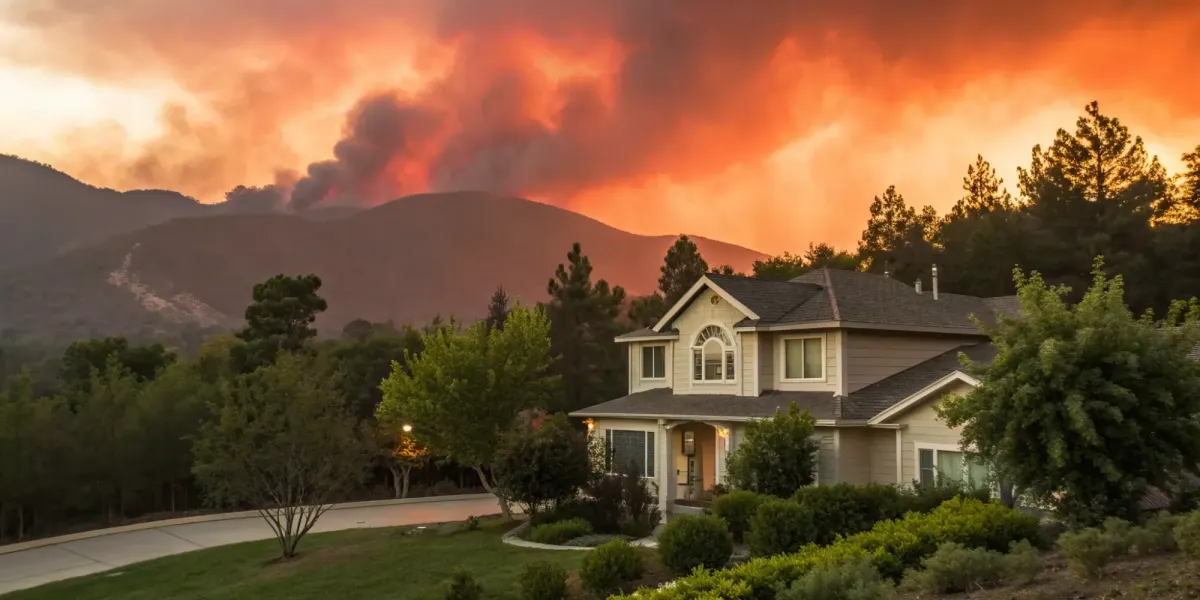
Preparing your home for wildfire season involves more than just clearing brush; it requires financial readiness. The absolute worst time to figure out the details of your insurance is after you’ve suffered a loss. Taking the time now to understand your coverage is one of the most powerful and proactive steps you can take to protect your family and your finances. It all begins with one critical question: does my homeowners policy cover wildfire damage sufficiently? This article will walk you through how to find that answer, showing you how to review your policy, spot potential gaps, and ensure you have enough coverage to rebuild at today’s costs.
Key Takeaways
- Proactive Prep Makes the Difference: Your best protection strategy happens long before a fire. Prioritize creating defensible space, making a video inventory of your belongings, and reviewing your policy annually to keep your coverage aligned with current rebuilding costs.
- Know What Your Policy Doesn't Cover: Standard insurance has key limitations. Pay close attention to low limits for landscaping, exclusions for post-fire mudslides, and dwelling coverage that hasn't kept up with rising construction costs.
- Take Control of the Process: Whether you're filing a claim or searching for a policy, you need to be your own advocate. Meticulously document all damage and expenses for your claim, and if you're denied coverage, work with an independent agent to explore alternatives.
What does homeowners insurance cover after a wildfire?
After the immediate threat of a wildfire passes, the uncertainty can feel just as overwhelming. One of the first questions you’ll likely ask is, “What will my insurance actually cover?” The good news is that fire, including wildfire, is a covered event in a standard homeowners insurance policy. While every policy has its own specific limits and exclusions, most provide a foundational safety net for several key areas.
Your policy is essentially a package of different coverages designed to help you recover financially. The main components work together to repair your home, replace your belongings, and cover your living costs while you rebuild. Understanding these parts is the first step toward a smoother claims process and getting your life back on track. Let’s break down what you can typically expect your policy to cover after a wildfire.
Your home's structure
This is the core of your policy, often called “dwelling coverage.” It’s designed to protect the physical structure of your house itself—the roof, walls, floors, and foundation. If a wildfire damages or destroys your home, your dwelling coverage helps pay to fix or rebuild it. The amount of coverage you have is based on the estimated cost to reconstruct your home from the ground up, not its market value. It’s crucial to ensure this amount is up-to-date so you have enough funds to cover modern labor and material costs.
Your personal belongings
Your homeowners policy also protects what’s inside your home. Known as “personal property coverage,” this helps you replace items destroyed in a wildfire, including your furniture, electronics, clothing, and kitchenware. Most policies set this coverage at a percentage of your dwelling coverage, often between 50% and 70%. Some policies may have specific limits for high-value items like jewelry or art, so it’s important to know what those are. Having a detailed home inventory can make the claims process for your belongings much faster and more accurate.
Fences, sheds, and other structures
What about the structures on your property that aren’t attached to your house? That’s where “other structures coverage” comes in. This part of your policy helps pay for damage to detached garages, sheds, fences, and gazebos. Similar to personal property, this coverage is typically calculated as a percentage of your dwelling coverage, usually around 10%. If you have extensive fencing or a large, valuable workshop on your property, you may want to check your policy to see if you can purchase additional coverage for these structures.
Temporary living expenses
If a wildfire makes your home unsafe and uninhabitable, you’ll need a place to stay during repairs. This is covered by the “loss of use” or “Additional Living Expenses” (ALE) portion of your policy. This essential coverage helps pay for the extra costs you incur while displaced, such as hotel bills, rent for a temporary apartment, and even restaurant meals if you don’t have access to a kitchen. The goal of ALE coverage is to help you maintain your normal standard of living, not to cover all your expenses, just the difference above your usual costs.
Does my policy cover smoke damage?
Even if your home is spared from the flames, smoke can travel for miles and cause extensive damage. The good news is that a standard homeowners policy typically covers damage from smoke, soot, and ash. This is a critical part of your wildfire coverage because smoke damage isn't just cosmetic; it can affect your home's structure, your belongings, and even your health. Soot and ash are acidic and can corrode surfaces if left untreated, while the odor from smoke can permeate everything from your drywall to your furniture.
Because this type of damage can be less obvious than charred walls, it can sometimes become a point of contention during the claims process. Some insurers might downplay the severity of the issue, leading to disagreements over the cost of cleaning and repairs. This is why thorough documentation is so important. Taking photos and videos, getting professional opinions, and keeping detailed notes will be your best tools for ensuring you receive a fair settlement for all the damage, both seen and unseen. Understanding what your policy covers ahead of time helps you advocate for yourself when it matters most.
Smoke damage inside your home
When smoke gets inside your house, it leaves behind a film of soot and a persistent odor that can be incredibly difficult to remove. Your homeowners policy should cover the cost of professional cleaning for surfaces like walls, ceilings, and floors. It also typically covers cleaning for carpets, drapes, and upholstery. Standard cleaning methods often aren't enough to handle the fine particulate matter left by wildfire smoke, which is why specialized restoration services are usually required. These professionals use specific techniques and equipment to properly deodorize your home and remove all traces of soot and ash, ensuring your living space is safe and clean again.
Your HVAC system
Your home's heating, ventilation, and air conditioning (HVAC) system is particularly vulnerable to smoke damage. It can pull in smoke and ash from outside and circulate it throughout your entire house, contaminating the ductwork and damaging sensitive components. This not only spreads the odor but can also pose a serious health risk. Your insurance policy should cover the cost of having your HVAC system professionally inspected and cleaned. In some cases, if the damage is severe, it may even cover a full replacement. Be prepared to advocate for a thorough inspection, as this is an area where insurers may initially offer a less comprehensive solution.
Your personal property
Smoke doesn't just damage the structure of your home; it can ruin your personal belongings. Everything from clothes and furniture to electronics and books can be affected. Your policy’s personal property coverage is designed to pay for the cleaning, repair, or replacement of these items. This is where having a detailed home inventory becomes invaluable. An inventory provides clear proof of what you owned and its condition before the fire, making the claims process much smoother. It helps you account for everything that was damaged and ensures you can recover the full value of your belongings.
What are the common gaps in wildfire coverage?
Having a homeowners insurance policy is a critical first step, but it’s not a magic wand that covers every possible expense after a wildfire. Many homeowners are surprised to find their policy has specific limitations, exclusions, and financial hurdles that can leave them with significant out-of-pocket costs. Think of your policy as a detailed agreement—understanding the fine print is the key to knowing exactly where your protection starts and stops.
The most common gaps show up in four key areas: your yard and landscaping, the financial limits of your policy, the very real risk of being dropped by your insurer, and other standard exclusions that can come into play during a disaster. Knowing about these potential shortfalls ahead of time is one of the most powerful things you can do. It allows you to ask the right questions, adjust your coverage, and create a financial safety net before you ever need to file a claim. Let’s walk through what you need to watch out for.
Your yard and landscaping
After a fire, the damage often extends beyond your home’s foundation to your entire property. Unfortunately, most standard homeowners policies offer very limited help here. As a general rule, home insurance usually does not cover wildfire damage to your landscaping. This means the cost to replace mature trees, shrubs, gardens, and lawns typically falls on you.
Some policies provide a small amount of coverage, often as a percentage of your total dwelling coverage (around 5%), with a low cap per item—say, $500 per tree. When you consider the cost of removing dead trees and professionally restoring a landscape, this amount is rarely enough. It’s important to read your policy carefully to see what, if any, coverage is offered for your yard.
High deductibles and coverage limits
Even with a solid policy, the financial reality of rebuilding can be a shock. The money you receive from a claim often isn't enough to cover the full cost of rebuilding, repairs, or replacing everything you lost. This shortfall usually comes from two places: your deductible and your coverage limits. Your deductible is the amount you have to pay before your insurance kicks in, and in high-risk wildfire areas, this can be a separate, higher amount.
Your coverage limit is the maximum your policy will pay for a total loss. With construction and labor costs constantly on the rise, a limit that was adequate five years ago might leave you dangerously underinsured today. This gap can mean the difference between rebuilding your home as it was and having to scale back or dip into your life savings.
The risk of non-renewal
One of the most stressful challenges for homeowners in wildfire-prone areas is the risk of losing coverage altogether. Insurers are becoming more selective about the risks they’re willing to take on, leading to a surge in non-renewals. This means your insurance company can simply decide not to offer you a new policy when your current one expires, often due to your home's location in a high-risk zone.
This can happen even if you’ve been a loyal customer for years and have never filed a claim. If your insurance company won't renew your policy because of wildfire risk, you have the right to look for other insurance. This is where exploring all your options, from specialized carriers to state-run programs like the California FAIR Plan, becomes essential.
Standard policy exclusions
A standard homeowners policy is designed to cover a wide range of perils, but it doesn’t cover everything. It’s crucial to remember that standard homeowners insurance has important exclusions. Events like floods, mudslides, and earthquakes almost always require separate, specialized policies. This is particularly important in the aftermath of a wildfire.
For example, when a fire destroys vegetation on a hillside, the area becomes extremely vulnerable to mudslides during the next heavy rain. Damage from that resulting mudslide would likely be excluded from your standard policy. Understanding these exclusions helps you see the full picture of your risk and decide if you need to layer on additional coverage to protect your home from related disasters.
How do I know if I have enough wildfire coverage?
Figuring out if your homeowners insurance is truly enough can feel overwhelming, but it’s one of the most important financial checks you can do. The absolute worst time to discover a gap in your coverage is after a disaster when you’re trying to file a claim. Unfortunately, as one source notes, "Many homeowners only find out about insurance gaps when they try to file a claim, which is too late." With construction costs and inflation on the rise, a policy that was perfectly adequate five years ago might leave you seriously underinsured today.
Think of your policy as a living document that needs to keep pace with your life and the economy. A quick annual review can mean the difference between having the funds to rebuild your life and facing a devastating financial shortfall. It’s not just about having a policy; it’s about having the right policy. Let’s walk through four straightforward steps you can take right now to assess your coverage and gain some peace of mind.
Review your policy's declarations page
Your policy’s declarations page is the best place to start. Think of it as the summary or "cheat sheet" for your entire insurance contract. It lists all the key details: who is insured, what property is covered, and, most importantly, your coverage limits. Pull it out and look for “Coverage A” or “Dwelling.” This is the amount your policy will pay to rebuild the structure of your home. You should check your insurance policy regularly to make sure this number is high enough to cover the full cost of rebuilding your home from the ground up at today’s prices.
Replacement cost vs. actual cash value
This is a critical detail that can make a huge difference in your claim payout. Replacement Cost Value (RCV) covers the cost to repair or replace your damaged property with new materials of similar kind and quality, without deducting for depreciation. Actual Cash Value (ACV), on the other hand, pays you for the depreciated value of your damaged property. So, if your 15-year-old roof is destroyed, ACV pays you for a 15-year-old roof, while RCV gives you the funds for a brand-new one. When you hear stories of people whose insurance payout wasn't enough to cover rebuilding, it's often because their policy was based on ACV. Always aim for replacement cost coverage.
Calculate your potential coverage gaps
Once you know your dwelling coverage limit, do a quick reality check. Contact a local contractor or use an online calculator to find the average cost to build per square foot in your area. Multiply that number by your home’s square footage. If the result is significantly higher than your dwelling coverage limit, you have a gap. Also, consider other potential shortfalls. Does your policy include enough for debris removal? What about bringing your home up to new building codes after a loss (known as Ordinance or Law coverage)? These are common gaps that can add up to tens of thousands of dollars in out-of-pocket expenses.
Create a detailed home inventory
If you had to list every single thing you own from memory, could you do it? Probably not. That’s why a home inventory is essential. It’s your proof of ownership for the insurance company. The easiest way to do this is to walk through your home with your smartphone and take a video. As the Office of the Insurance Commissioner suggests, "Open closets and drawers. Make sure the video shows the date and time." Narrate what you’re seeing, mentioning brand names or special features of valuable items. Once you’re done, upload the video to a secure cloud service so you can access it from anywhere.
How can I prepare my home for wildfire season?
While having the right insurance is a critical safety net, taking proactive steps to protect your property can make a huge difference. Hardening your home against wildfire risk not only gives you peace of mind but can also improve your ability to find and afford coverage. Think of it as a partnership between your preparation efforts and your insurance policy. By reducing your home’s vulnerability, you create a stronger defense against the unexpected. Here are four key areas you can focus on to get your home ready for wildfire season.
Create defensible space
Defensible space is a buffer zone you create between your home and the surrounding grass, trees, and wildland. This space is designed to slow or stop the spread of wildfire and protect your home from catching fire. Start by clearing a space of at least 30 feet around your home and any other structures, like sheds or garages. You’ll want to remove dead plants, dry leaves, and overgrown vegetation. It’s also a good idea to clear away wood piles and any other flammable materials stored near your house. This simple act of clearing your immediate perimeter is one of the most effective things you can do to protect your property.
Use fire-resistant materials
The materials your home is made of play a huge role in its ability to withstand a wildfire. Embers can travel for miles and are a leading cause of homes catching fire. Using fire-resistant building materials, especially for your roof, can significantly lower your risk. Materials like composite shingles, metal, concrete, and tile are excellent choices for roofing. You can also consider upgrading your siding to materials made of stucco, fiber cement, or brick. Even small changes, like installing fine mesh screens over vents to keep embers out, can provide an added layer of protection when every detail counts.
Keep a detailed inventory of your belongings
If you ever need to file a claim, having a detailed record of your personal property will make the process much smoother. The best way to create a home inventory is to walk through your home with your smartphone and record a video. Open every closet, cabinet, and drawer to document what’s inside. Make sure to capture brand names and serial numbers for high-value items like electronics and appliances. Once you’re done, store the video file somewhere safe and accessible, like a cloud storage service, so you can get to it even if you can’t return home.
Review your policy annually
Your life and your home’s value change over time, and your insurance policy should, too. Make it a yearly habit to review your policy with your agent. You want to confirm that your dwelling coverage is still high enough to cover the full cost of rebuilding your home at current labor and material prices. Check your personal property limits to ensure you have enough coverage for all your belongings. An annual review helps you spot potential gaps before a disaster strikes, ensuring you have the right protection in place when you need it most.
What are the first steps to take after a wildfire?
The moments after a wildfire are overwhelming. Between the emotional toll and the logistical chaos, it’s hard to know where to even begin. Taking a deep breath and focusing on a few key actions can make a world of difference in protecting your family and starting the recovery process on the right foot. Think of this as your immediate checklist. By tackling these steps one by one, you can bring a little order to the uncertainty and ensure you’re setting yourself up for a smooth insurance claim and a successful rebuild.
Put safety first
Your first instinct might be to rush back and see your property, but your family’s safety is the absolute priority. Do not return to your home until emergency officials have declared it safe to do so. Even after you get the all-clear, proceed with extreme caution. Look for any obvious structural damage, like a weakened roof or foundation, before you step inside. Be aware of potential hazards like downed power lines, gas leaks, or plumbing issues. If you smell gas or see frayed electrical wires, leave immediately and contact the utility company. Your home can be repaired, but your well-being is irreplaceable. For more detailed guidance, you can review post-wildfire safety recommendations from official sources.
Contact your insurer immediately
As soon as you and your family are safe, your next call should be to your insurance agent or company. The sooner you report a claim, the sooner you can get the process started. This call officially opens your claim and gets you assigned to an adjuster who will guide you through the next steps. When you call, have your policy number handy if possible, but don’t worry if you don’t—your agent can look it up with your name and address. They will also explain your coverage for temporary living expenses, which you’ll likely need right away. This initial contact is the critical first step in accessing the financial support your policy provides.
Document all the damage
Before you move, clean, or throw anything away, document everything. Use your phone to take extensive photos and videos of the damage to your property, both inside and out. Capture wide shots of entire rooms and then zoom in on specific damaged items. The more visual evidence you have, the better. If it’s safe to do so, create a detailed list of everything that was damaged or destroyed. This is where a pre-fire home inventory becomes incredibly valuable, but you can recreate one from memory if needed. This documentation will be the foundation of your insurance claim and is essential for proving your losses.
Keep every receipt
From this moment forward, you need to become a meticulous record-keeper. Start a folder or a shoebox and save every single receipt for any expense you incur as a result of the fire. This is crucial for your Additional Living Expenses (ALE) coverage. This part of your homeowners policy is designed to cover costs you have to pay because you can’t live in your home, including hotel bills, restaurant meals, new clothing, laundry services, and even pet boarding. Without receipts, you can’t get reimbursed for these expenses. Keeping track of every dollar you spend will ensure you receive the full benefit you’re entitled to under your policy.
How does a wildfire insurance claim work?
Filing an insurance claim after a wildfire can feel overwhelming, but understanding the process can make it much more manageable. Think of it as a series of steps: you’ll start by notifying your insurer and documenting the damage, then you’ll work with a professional claims adjuster, and finally, you’ll review and settle the claim. While every situation is unique, knowing what to expect can help you feel more in control during a difficult time. Let’s walk through each phase so you can be prepared to get the support you need to recover and rebuild.
The claims process timeline
The first few days after a wildfire are critical. Before you do anything else, confirm your property is safe to enter. Check for structural damage and be cautious of downed power lines or gas leaks. Once you know it’s safe, contact your insurance agent or carrier immediately to get the claims process started. They will guide you on the next steps. Your job is to document everything you can—take photos and videos of all the damage from different angles. If you have a home inventory list, now is the time to pull it out. This simple document can significantly speed up the process of accounting for your lost belongings.
Working with an insurance adjuster
After you file your claim, your insurance company will assign a claims adjuster to your case. The adjuster’s job is to investigate the loss and determine how much the insurer should pay. Remember, while adjusters are there to help, they also work for the insurance company. It’s essential to be your own best advocate. Keep detailed records of every conversation, including the date, time, and what was discussed. Provide them with all your documentation, from photos of the damage to receipts for any immediate expenses like temporary lodging. A thorough and organized approach will help ensure your claim is handled fairly and accurately.
Understanding your settlement offer
Once the adjuster has assessed the damage, you will receive a settlement offer. It’s important to review this document carefully. The initial offer may not be enough to cover the full cost of rebuilding your home or replacing all your belongings, especially with today’s construction costs. Don’t be afraid to ask questions or point out any discrepancies between the offer and your own records. If you believe the estimate is too low, you can often negotiate with the insurer. In some cases, if a third party like a utility company was responsible for the fire, you may have additional legal options, but your primary focus should be on getting a fair settlement from your policy.
What if I can't find wildfire coverage?
Receiving a non-renewal notice or being denied coverage is incredibly discouraging. If you’re struggling to find a standard homeowners policy because of wildfire risk, don’t give up. The traditional insurance market isn’t your only option. There are other paths to securing protection for your home, and understanding them is the first step toward finding a solution. Let’s walk through a few key alternatives.
The California FAIR Plan
If you’ve been turned down by private insurers, you might look into the California FAIR Plan. Think of it as a safety-net insurance pool for high-risk properties. While it provides a crucial last resort, it’s important to know its limitations. FAIR Plan policies typically only cover damage from fire and lightning—they are not as comprehensive as a standard homeowners policy. You would need a separate policy to cover things like theft and liability. It’s often more expensive for less coverage, which is why it’s usually a temporary solution while you seek other options.
Surplus lines insurance
Another route is surplus lines insurance. This coverage comes from insurers approved to insure high-risk properties that standard carriers won't cover. These surplus lines carriers have more flexibility in the policies they write and the rates they charge, which can be a great solution for finding coverage. However, the policies can be complex and differ from standard plans. It’s a specialized market, so you usually need a specific type of agent to help you find these options and understand the fine print.
How an independent agent can help
This is where working with an independent agent is so valuable. Unlike a captive agent who works for one company, an independent agent partners with many different insurance carriers. We have access to a wider market, including specialty insurers and surplus lines carriers you can’t find on your own. If your policy is non-renewed, an agent can immediately shop for other options on your behalf. We understand the nuances of high-risk properties and can find the best possible coverage for your situation. An independent insurance agent is your advocate, dedicated to finding a solution.
Related Articles
- How to Get the Right Wildfire Coverage Policy
- The Cost of Home Insurance in a Wildfire Zone
- 6 Best Insurance Carriers for Wildfire Upgrades
- 7 Best Wildfire Insurance Providers of 2026
Frequently Asked Questions
My home wasn't burned, but it's full of smoke. Am I covered for that? Yes, damage from smoke, soot, and ash is typically covered by a standard homeowners policy. This is a critical part of your protection because smoke damage is more than just an unpleasant smell. The acidic soot can corrode surfaces and the odor can permeate everything from your walls and carpets to your furniture and clothing. Your policy should cover the cost of professional, specialized cleaning for your home, belongings, and even your HVAC system to ensure your living space is safe and healthy again.
What's the biggest mistake people make when assessing their coverage? The most common and costly mistake is not understanding the difference between Replacement Cost Value (RCV) and Actual Cash Value (ACV). If your policy is for ACV, it will only pay you what your property was worth at the time it was destroyed, factoring in depreciation. RCV, on the other hand, pays to replace your items with new ones of similar quality. This difference is what can leave you with a massive financial gap when you try to rebuild your home or replace your belongings.
Will my insurance pay to replace my trees and garden after a fire? Unfortunately, this is one of the most common gaps in coverage. Most standard homeowners policies offer very limited, if any, protection for landscaping. While some policies might provide a small amount, like 5% of your dwelling coverage with a low cap of around $500 per tree, this is rarely enough to cover the cost of removing dead trees and restoring your yard. You should generally expect to cover most landscaping losses out of pocket.
What happens if my insurance company drops me because of wildfire risk? Receiving a non-renewal notice is stressful, but it doesn't mean you're out of options. If you're unable to find coverage in the traditional market, you can look into your state's FAIR Plan, which provides basic fire coverage as a last resort. A better first step is to work with an independent insurance agent. We have access to specialty carriers and surplus lines insurers who are willing to cover homes in high-risk areas, giving you more comprehensive choices than you could find on your own.
If my home is a total loss, will my insurance pay enough to rebuild it completely? This depends entirely on your dwelling coverage limit, which is the maximum amount your policy will pay to rebuild your home's structure. If that limit hasn't been updated in a few years, it may not be enough to cover today's higher labor and material costs. This is why it's so important to review your policy every year and make sure your coverage reflects the current cost to build in your area, not just your home's market value.


