
Best Insurance Carriers for Wildfire-Resistant Home Upgrades and Inspections
Get tips on the best insurance carrier for wildfire-resistant home upgrades and inspections, plus 9 proven ways to earn discounts on your home insurance.

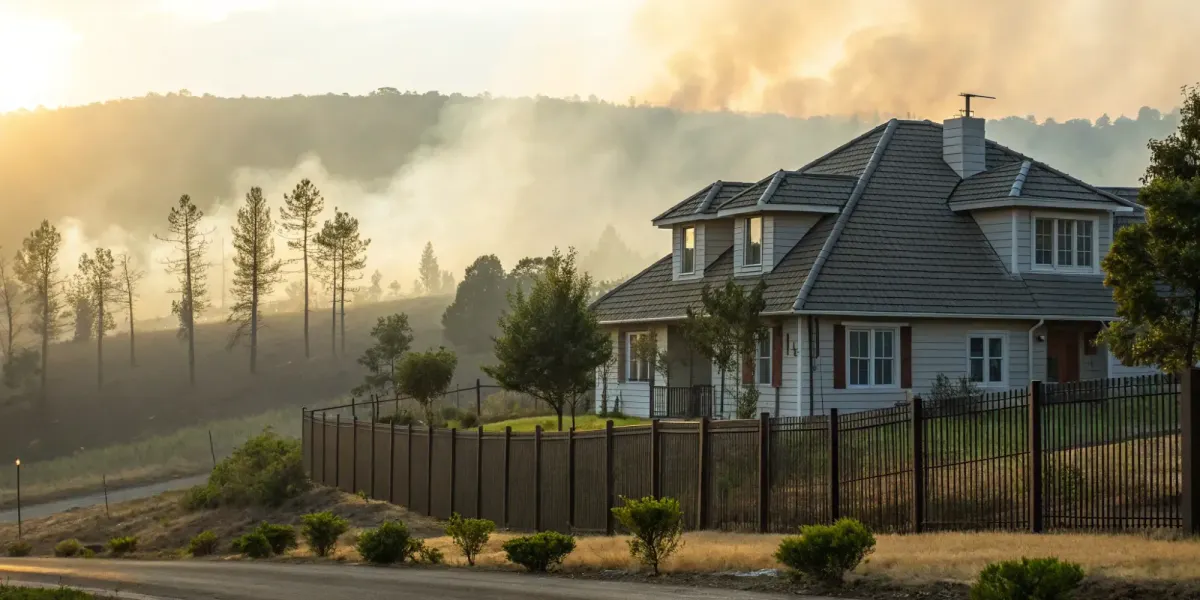
Think you're stuck with a high home insurance premium? Think again. You have more control than you realize, especially in wildfire country. The key is home hardening. By making smart, fire-resistant upgrades, you directly lower your risk profile—which means real savings. We're talking significant insurance discounts for a new roof and fiber cement siding or even for clearing defensible space. But not all insurers are the same. To get the most credit, you need to find the best insurance carrier for wildfire-resistant home upgrades and inspections. This guide breaks down the specific upgrades that qualify for a home hardening discount, helping you invest wisely in both safety and your wallet.
Key Takeaways
- Treat home hardening as a direct investment in lower premiums: Making your home more fire-resistant is a proactive financial move that lowers your risk profile, which can lead to significant savings and better coverage options from insurers.
- Focus on high-impact upgrades for the best return: Prioritize the improvements that insurers value most, such as installing a Class-A fire-rated roof, creating defensible space around your home, and sealing ember entry points like vents and gutters.
- Be proactive to secure your savings: Insurers won't automatically apply discounts, so you need to lead the process by consulting your agent first, documenting every upgrade with photos and receipts, and formally submitting your proof for review.
The Challenge of Insuring a Home in Wildfire Country
Wildfire Risk by the Numbers
If it feels like wildfire season is getting longer and more intense, you're not just imagining it. The data shows a stark reality: over the last decade, the U.S. has seen an average of 63,000 wildfires each year. For those of us in California, the risk hits even closer to home, with climate change contributing to a staggering 172% increase in land burned across the state. This isn't just an abstract threat; it directly impacts the safety and insurability of millions of properties. In fact, more than 2.6 million California homes are currently considered to be at moderate to high risk of wildfire damage, highlighting just how critical proactive protection has become for so many communities.
How the Insurance Industry is Responding
The insurance industry is definitely taking notice of this heightened risk, and its reaction has been a mixed bag for homeowners. On one hand, carriers are starting to reward proactive homeowners who invest in making their properties more fire-resistant—a positive shift that recognizes mitigation efforts. On the other hand, many traditional insurance companies are reducing their exposure by pulling out of high-risk areas altogether, leaving countless families with non-renewal notices and few places to turn. This has forced many onto last-resort plans like the California FAIR Plan, which often provides less comprehensive coverage. It's a frustrating situation, but it also underscores the importance of working with specialists who understand this changing market and can connect you with carriers still willing to write policies in these areas.
What is Home Hardening and Why Does Your Insurer Care?
If you live in a wildfire-prone area, you’ve likely felt the squeeze of rising insurance premiums and shrinking coverage options. It can feel like you’re being penalized for something completely out of your control. But what if you could take back some of that control and make your home more insurable? That’s exactly what home hardening is all about.
Simply put, home hardening is the process of making your home more resistant to wildfires. It involves making strategic upgrades—from using fire-resistant building materials to creating a buffer zone around your property. Think of it as building a suit of armor for your house. By taking these proactive steps, you can significantly reduce the risk of damage during a wildfire, especially from airborne embers, which are a primary cause of homes catching fire.
This is where your insurance company starts to pay close attention. For an insurer, a hardened home is a less risky home. When they see you’ve taken concrete steps to protect your property, they see a lower chance of having to pay out a large, or total, loss claim. This shift in perspective is great news for you, because it means your efforts can translate directly into savings.
In fact, in California, insurers are now required by law to account for the wildfire mitigation efforts you’ve made when they calculate your premium. This isn't just a courtesy; it's a regulatory requirement. The proactive measures you take to safeguard your property can directly lead to lower insurance rates, making home hardening a smart move for both your safety and your wallet. It’s one of the most effective ways to improve your home’s insurability and find more affordable coverage in a tough market.
Understanding Your Homeowners Insurance Policy
Making your home more fire-resistant is a huge step, but it’s only half the battle. The other half is ensuring your insurance policy is strong enough to have your back if the worst happens. A policy is more than just a price tag; it’s a complex document that outlines exactly what is—and isn’t—covered. For homeowners in high-risk areas, understanding the details of your coverage is non-negotiable. It’s the difference between having a true financial safety net and facing devastating out-of-pocket costs. Let’s walk through the key parts of your policy you need to scrutinize to make sure you’re truly protected.
Key Coverage Types for Wildfire Risk
When you live with the threat of wildfires, standard homeowners insurance might not be enough. You need to look closely at specific coverage types that are designed to handle the unique challenges of a widespread disaster. The right coverage ensures you can rebuild your home and your life without draining your savings. Two of the most critical components to verify in your policy are the type of replacement cost coverage for your dwelling and your loss-of-use limits. These two coverages are the bedrock of a solid recovery plan, providing the funds to reconstruct your house and manage your life while you do.
Replacement Cost vs. Extended and Guaranteed Replacement Cost
It’s crucial that your insurance covers the full cost to rebuild your home at today’s prices, not just its market value. This is called “Replacement Cost” coverage. However, after a major wildfire, construction demand surges, driving up the cost of labor and materials. This is where Extended Replacement Cost becomes vital, as it provides an extra cushion—typically 25% to 50% above your dwelling limit—to cover these inflated costs. Guaranteed Replacement Cost is the highest level of protection, promising to cover the full cost of rebuilding, no matter how high it goes. Settling for a policy without at least extended coverage could leave you underinsured and unable to fully rebuild.
Loss-of-Use Coverage
If a wildfire forces you out of your home, where will you live? This is where Loss-of-Use coverage, also known as Additional Living Expenses (ALE), comes in. This part of your policy pays for temporary living expenses—like rent, hotel bills, and even restaurant meals—if your home becomes uninhabitable due to a covered event. Don’t underestimate this coverage. Rebuilding can take months or even years, and the costs of temporary housing can add up quickly. Make sure your policy provides enough Loss-of-Use coverage to sustain your family for an extended period, so you can focus on recovery without the added financial strain.
Reading the Fine Print: Exclusions and Endorsements
Never assume your policy covers all types of wildfire damage. You have to read the fine print to understand exactly what’s included and, more importantly, what’s excluded. Some policies may have specific limitations or exclusions for things like landscaping, detached structures, or debris removal after a fire. If you find gaps in your coverage, you can often fill them by adding an endorsement, which is an amendment to your policy. For example, you might need an endorsement to increase your debris removal limit. Being proactive and reviewing these details with your agent ensures there are no surprises when you need to file a claim.
How Fire-Resistant Upgrades Affect Your Policy
This is where your home hardening efforts truly pay off. Insurance carriers see homeowners who actively reduce their property’s risk as more responsible partners. When you install a Class-A fire-rated roof, create defensible space, or add ember-proof vents, you’re not just protecting your home—you’re making it a better bet for an insurer. In California, insurers are legally required to account for your wildfire mitigation efforts when setting your premium. By documenting your upgrades and sharing them with your insurance provider, you can often secure better coverage options and significant discounts, turning your safety investments into direct financial savings.
Which Insurance Companies Offer Wildfire Mitigation Discounts?
Finding an insurer that rewards you for protecting your home can feel like a huge win, especially when you live in a high-risk area. The good news is that more and more insurance companies are recognizing that proactive homeowners are better risks. They’re beginning to offer meaningful discounts for home hardening upgrades, from installing fire-resistant roofing to creating defensible space around your property.
This shift is a game-changer. It means the investments you make in your home’s safety don’t just give you peace of mind—they can also lead to real, tangible savings on your annual premium. However, not all carriers advertise these discounts equally, and some are more progressive than others. Knowing which companies to look for is the first step. We work with a variety of insurers who understand the value of mitigation, and we can help you find the right fit. Below are a few examples of carriers leading the way.
Our Top Agency Partners for Discounts
We partner with insurance companies that are committed to helping California homeowners stay protected and save money. Many of them offer specific discounts for wildfire mitigation efforts. For example, carriers like Allstate and American Modern Home Insurance Company provide discounts for specific changes you make to your property to reduce fire risk.
Others, including State Farm and American Modern, also offer savings if your home is part of a recognized Firewise USA® community. These programs show that you and your neighbors are actively working together to lower your community’s overall wildfire risk, which insurers see as a major positive. We can help you identify which of our partners offers the best discounts for the specific upgrades you’ve made.
Discounts from Major National Carriers
While it can sometimes be challenging to get coverage from major national carriers in high-risk zones, many are starting to adapt their models to reward home hardening. State Farm is a great example of a large insurer that offers discounts for both individual property upgrades and participation in a Firewise community.
Even the California FAIR Plan, which often serves as a last-resort option for homeowners, provides discounts for mitigation. This is a critical point—if the state's insurer of last resort recognizes the value of home hardening, it underscores just how effective these measures are. If you’re currently on a FAIR Plan policy, it’s absolutely worth exploring what savings you might be eligible for after making fire-safe improvements.
Finding Savings with Regional and Specialty Insurers
Regional and specialty insurers are often more nimble and have a deeper understanding of local risks, like California’s wildfire seasons. Because of this, they can be more proactive in offering discounts for home hardening. For many homeowners, these savings can be significant. With average premiums in high-risk areas climbing, a discount for a Class-A roof or ember-resistant vents can make a serious dent in your annual costs.
These insurers recognize that a hardened home is less likely to suffer a catastrophic loss, and they adjust their pricing to reflect that reduced risk. In fact, many now agree that hardening your home for wildfires can lead to lower insurance premiums. Working with an independent agent like Five Bays can help you connect with these specialty carriers who are actively looking to insure well-protected homes.
Fire-Resistant Materials That Can Lower Your Premium
When an insurance underwriter looks at your home, they're assessing risk. A big part of that assessment comes down to what your house is made of. Using fire-resistant building materials is one of the most effective home hardening strategies you can adopt. These upgrades not only make your home safer but also signal to insurers that you're a lower-risk policyholder, which can translate directly into premium discounts. Let's look at three key areas where your choice of materials matters most.
Start with a Class-A Fire-Rated Roof
Your roof is your home's first line of defense against falling embers, which are a primary cause of home ignition during a wildfire. That's why insurers pay close attention to your roofing material. To qualify for discounts, you'll want a Class-A fire-rated roof, which offers the highest level of protection. This includes materials like asphalt shingles, concrete or clay tiles, and metal. If you have an older wood-shake roof, replacing it is one of the most impactful upgrades you can make. Not only does it significantly reduce your fire risk, but it also makes your home much more attractive to insurance carriers.
Choose Noncombustible Siding (Like Fiber Cement)
Embers can pile up against the base of your home like snowdrifts, creating an intense fire risk right where your walls meet the foundation. To counter this, insurers look for homes with at least six inches of noncombustible material at the bottom of all exterior walls. Think of it as a protective barrier. Materials like brick, stone, fiber-cement siding, or concrete are excellent choices. This simple design feature prevents embers from directly igniting your siding, a detail that underwriters value. It’s a critical upgrade that demonstrates your home is built to withstand wildfire conditions.
Upgrade Windows and Doors for Safety and Savings
Windows and doors are often the most vulnerable points of a house during a wildfire. The intense heat can cause single-pane glass to shatter, allowing embers and flames to enter your home. That's why upgrading to multi-paned windows, especially those with tempered glass, is a smart move. These windows provide an extra layer of insulation against heat and are much more resistant to breaking. Adding fire-resistant shutters offers even more protection. These upgrades show insurers you’ve addressed critical vulnerabilities, making your home a more resilient and insurable property. It’s an investment that protects your home and can lower your premium.
How to Create Defensible Space and Save on Insurance
Beyond the materials your home is built with, what surrounds it matters just as much to an insurance carrier. Defensible space is the buffer you create between your house and the grass, trees, and shrubs around it. Think of it as a safety zone that can slow or even stop a wildfire from reaching your front door. When insurers see a well-maintained defensible space, they see a significantly lower risk of a catastrophic claim. This makes them much more willing to offer coverage and, in many cases, provide a discount on your premium.
Creating this space isn’t about clear-cutting your entire property. It’s a strategic approach to landscaping and maintenance that manages potential wildfire fuel. By clearing away dead vegetation, carefully spacing out plants and trees, and making smart choices about what you plant near your home, you give firefighters a fighting chance to protect your property. It’s one of the most effective actions you can take, and it’s a powerful signal to your insurer that you are a proactive partner in protecting your home. Many states and local governments have specific guidelines for creating defensible space, which can be a great roadmap for getting started.
Establish Your Ember-Resistant Zones
The most immediate threat during many wildfires isn’t a wall of flames—it’s the millions of tiny, wind-blown embers that can travel a mile or more ahead of the fire. These embers can land in flammable materials and ignite your home. Creating an ember-resistant zone, especially in the first five feet around your foundation, is your best defense.
This area should be completely free of combustible materials. Swap out bark mulch for gravel or pavers, remove dead leaves and pine needles from under your deck, and clear away any flammable patio furniture or woodpiles. The goal is to create a non-flammable barrier right next to your home. This simple, high-impact upgrade is something insurers look for during a home inspection because it directly addresses a primary source of wildfire-related home ignitions.
Follow Key Vegetation Management Rules
Your local fire department or county government almost certainly has specific rules for managing the plants and trees on your property. These aren't just suggestions; they are often mandatory requirements designed to create a fire-safe community. Following these local vegetation management rules is essential for both safety and insurability.
These regulations often dictate how far tree canopies should be from each other, the minimum clearance between branches and your roof, and the removal of highly flammable native plants. Keeping your property in compliance is a clear indicator to insurance companies that you are a responsible homeowner. Be sure to document your work and keep records, as this can be a key piece of evidence when you apply for a home hardening discount.
Move Outbuildings Away from Your Home
That garden shed, gazebo, or even the dog house can become a major liability during a wildfire. These structures are essentially fuel sources waiting for an ember. If one catches fire too close to your home, it can easily spread flames and intense heat to your main house, creating a much larger disaster. That’s why a key part of creating defensible space is moving any outbuildings at least 30 feet away from your home, a recommendation backed by the California Department of Insurance. Creating this buffer zone is a powerful, visual signal to an insurer that you’ve significantly reduced the fuel load on your property, making it a less risky and more insurable home.
Structural Upgrades That Qualify for Discounts
Beyond the big-ticket items like roofing and siding, several smaller structural upgrades can make a huge difference in your home’s wildfire resilience. Think of these as reinforcing your home’s most vulnerable points. During a wildfire, the biggest threat often comes from tiny, wind-blown embers that can travel a mile or more ahead of the actual flames. These embers look for any small opening or collection of flammable material to ignite a new fire.
Many insurance carriers recognize that homes with these specific protections are a much lower risk. By addressing common weak spots like vents, decks, and gutters, you show insurers that you’ve taken proactive steps to protect your property. These upgrades are often less expensive than a full re-roofing or siding project but can be just as impactful in preventing a total loss—and in lowering your insurance premiums. Let’s look at a few key structural improvements that can help you secure a discount.
Why You Should Install Ember-Resistant Vents
Vents are necessary for your home’s attic and foundation, but they can also be open doors for fiery embers. Standard vents have openings large enough for embers to slip through, igniting flammable materials inside your attic or crawlspace. The solution is to install ember-resistant vents.
These specialized vents are covered with a fine metal mesh (typically 1/16 to 1/8 inch) that blocks embers while still allowing air to flow freely. It’s a straightforward and effective home hardening measure that directly addresses one of the most common ways homes catch fire during a wildfire. Upgrading your gable, soffit, and foundation vents is a critical step that insurers look for when assessing a home’s risk.
Rebuild Decks and Fences with Safer Materials
Wooden decks and fences attached to your house can act like a fuse, leading flames directly to your exterior walls. To break this path of fire, you need to make these areas less flammable. Start by clearing the space under your deck of all vegetation, weeds, and stored items. Creating a clean, noncombustible zone with materials like gravel or concrete underneath your deck removes fuel from a vulnerable area.
For fences, the five feet closest to your house is the most critical section. Consider replacing that portion of a wooden fence with a metal gate or a section made of noncombustible materials. This simple change creates a firebreak that can stop a ground fire from reaching your home, a modification that can definitely contribute to insurance discounts.
Add Gutter Guards to Stop Embers
Gutters are designed to catch water, but they also catch dry leaves, pine needles, and other flammable debris. For a wind-blown ember, a clogged gutter is the perfect place to land and start a fire right at your roofline. This is one of the most vulnerable parts of your home, and keeping it clean is essential.
Installing noncombustible gutter guards is the best way to solve this problem. These guards cover your gutters, preventing debris from accumulating while still allowing water to drain. By keeping your gutters clear of fuel, you eliminate a significant fire hazard. This is a key part of maintaining the five-foot “ember-resistant zone” around your home that insurers value so highly.
Enclose Your Eaves to Block Embers
Here’s a detail that’s easy to overlook but critical for wildfire defense: the eaves of your roof. Eaves are the edges of your roof that overhang the walls of your house. On many older homes, they are left open, creating a perfect nook where heat and wind-blown embers can get trapped. Once embers get in there, they can easily ignite the framing of your roof and attic. It’s a hidden vulnerability that can compromise your entire home.
The solution is to enclose, or "box in," your eaves with fire-resistant materials, creating what’s known as a soffit. This closes off that dangerous entry point, preventing embers from accumulating. According to the California Department of Insurance, this is a key step in hardening your home. When an underwriter sees that you’ve enclosed your eaves, it shows them you’ve addressed a major structural weakness, which can positively impact your risk assessment and your premium.
Consider an Active Wildfire Defense System
While home hardening focuses on making your home’s structure more resistant to fire, a new generation of technology is taking protection a step further. Active wildfire defense systems are designed to protect your home before firefighters can even arrive on the scene. Think of them as a personal, automated firefighting system for your property. These systems can be activated remotely or automatically when a fire is detected, deploying water, foam, or fire retardant to coat your home and create a protective barrier against embers and flames.
Installing one of these systems is a significant investment, but it can dramatically increase your home's chance of survival. For insurers, a home equipped with an active defense system represents a much lower risk. While the insurance industry is still catching up and specific discounts for these systems aren't standardized yet, having one is a powerful demonstration of your commitment to mitigation. It can make your property far more attractive to carriers, potentially opening up better coverage options that might otherwise be unavailable. It’s a proactive measure that provides both peace of mind and a stronger case for your home’s insurability.
How Active Defense Systems Work
So, how do these systems actually function during a fire? Most are designed to be activated when a wildfire threat is imminent, either automatically through heat and ember sensors or remotely via a smartphone app. Once triggered, a network of sprinklers or sprayers deploys a protective substance—usually water, a special fire-retardant gel, or a biodegradable foam—across your roof, walls, and the immediate surrounding landscape. This creates a wet, fire-resistant barrier that can extinguish embers on contact and slow the advance of flames.
These systems also provide a huge benefit to first responders. When a home can actively defend itself, it allows firefighters to concentrate their efforts on stopping the fire from spreading through the community instead of being tied up trying to save a single structure. It essentially buys them critical time and makes your property a much safer place for them to work, which helps protect your entire neighborhood.
Types of Systems Available
Active defense systems generally fall into two main categories based on what they spray. Some use specialized, long-lasting foams or retardants, while others rely on a high-volume water spray, similar to a powerful sprinkler system. Each approach has its own set of benefits, and the right choice often depends on your property’s specific needs and your available resources, like water supply.
Foam and Retardant Sprayers
Systems like the Frontline Wildfire Defense System use strategically placed sprayers to cover your home and nearby vegetation with a special fire-retardant foam. This foam is similar to what you see in aerial firefighting drops—it’s non-toxic, biodegradable, and designed to cling to surfaces for hours, providing long-lasting protection. Another example, the WaveGUARD system, uses a plant-based retardant that can be deployed quickly over the entire structure. These systems are highly effective because the retardant actively works to extinguish embers and prevent ignition, rather than just wetting the surface.
Rooftop Sprinkler Systems
Other systems, like the FireBozz Mobile Sprinkler System, function more like industrial-strength sprinklers. These powerful, often portable units can spray a large volume of water in a full circle, dousing the roof, walls, and a significant perimeter around the home. They are excellent for creating a wet zone that can stop a ground fire in its tracks. The main consideration for these systems is their reliance on a consistent and high-pressure water source, which could be a swimming pool, a dedicated water tank, or a reliable municipal supply that won't be compromised during a major fire event.
What to Look for When Choosing a System
If you’re thinking about investing in an active defense system, it’s important to do your homework and choose one that’s right for your home. There are a few key factors to consider. First, look at the activation method. Do you want a fully automated system that turns on when it detects heat, or would you prefer a system you can control remotely from your phone? Each has its pros and cons, especially if you need to evacuate quickly.
Next, consider what the system sprays. A foam or retardant system may offer longer-lasting protection, but a water-based sprinkler system might provide broader coverage. You’ll also need to assess your water source to ensure it can support a sprinkler system during an emergency. Finally, evaluate the system’s coverage area. Some are designed just for the roof, while others can protect the entire structure and a defensible space perimeter. Thinking through these elements will help you find a system that offers the best protection for your property.
How Much Can You Really Save with Home Hardening?
This is the big question, isn't it? After investing time and money into making your home more resilient, you want to see a tangible return on your insurance bill. The good news is that home hardening can absolutely lead to lower premiums. The less-simple answer is that the amount you save depends on your insurer, your location, and the specific upgrades you make.
Insurance companies are in the business of risk. When you harden your home, you are actively lowering the odds of a catastrophic loss from a wildfire, which makes your property a much better bet for an insurer. As a result, many carriers are now offering direct discounts to reward homeowners for their efforts. These savings aren't just a nice bonus; they represent a fundamental shift in how insurers are encouraging proactive risk reduction. Think of it less as a coupon and more as a partnership—you do your part to protect your home, and your insurer acknowledges that reduced risk with a better rate. Beyond a simple discount, these upgrades can also improve your eligibility for better coverage, helping you move away from last-resort plans and into a policy that offers more comprehensive protection.
A Breakdown of Discounts by Improvement
While there’s no universal discount schedule, we can look at established programs to get a sense of what’s possible. For example, under California's "Safer from Wildfires" framework, insurance companies are required to reward customers for their mitigation efforts. According to United Policyholders, a leading consumer advocacy group, homeowners can get a 10% discount for structural wildfire hardening of their home. This includes upgrades to the most vulnerable components, like installing a Class-A fire-rated roof or ember-resistant vents.
Additionally, you can earn a 5% discount for hardening the home's immediate surroundings by creating defensible space. These two categories—structure and surroundings—are the foundation of a fire-resilient property. While these percentages are specific to certain programs, they show that insurers are assigning real, concrete value to these critical upgrades.
Why Your Savings Might Vary by State
It’s important to remember that home hardening discounts are not one-size-fits-all. A recent analysis found that premium discounts for home hardening vary immensely from one carrier and state to another. An upgrade that earns a significant discount in California might not be recognized in the same way by an insurer in another state with different wildfire risks and regulations.
This variation exists because each insurance company uses its own complex models to calculate risk. Some are ahead of the curve and have fully integrated mitigation discounts into their pricing. Others are still catching up. This is why it’s so important to have an open conversation with your insurance agent. They can tell you exactly which upgrades will have the biggest impact on your premium with your specific carrier and help you focus your efforts where they’ll matter most.
Don't Fall for These Home Hardening Discount Myths
Making your home more resilient is one of the smartest investments you can make, especially if you live in a high-risk area. But when it comes to insurance discounts, it’s easy to get tripped up by some common misconceptions. Believing these myths can lead to frustration and missed opportunities for savings. Let’s clear the air on what’s true and what’s not, so you can approach your home hardening projects with a clear understanding of the financial benefits.
Myth #1: Savings Are Always Guaranteed
Many homeowners assume that any hardening upgrade will automatically result in a big insurance discount. While these improvements can definitely lead to savings, the amount isn't guaranteed and can vary widely. The discount you receive depends on your specific location, your home’s overall risk profile, and your insurance carrier’s guidelines. For some homeowners, the savings can be significant, but it’s not a one-size-fits-all reward. Think of it less as a fixed rebate and more as a reflection of your home’s reduced risk, which an insurer then translates into a premium adjustment.
Myth #2: Confusing Better Coverage with a Discount
Another common point of confusion is mixing up risk reduction with policy coverage. Hardening your home makes it less likely to be damaged, which is why insurers offer discounts. However, it doesn’t change the fundamental terms of your policy. A standard homeowners policy provides broad protection, but it doesn’t offer blanket coverage for every possible type of damage. Your policy will still have specific covered perils and exclusions, regardless of how many upgrades you’ve made. The goal of hardening is to prevent a claim in the first place, not to alter what’s covered after a loss occurs.
Myth #3: All Carriers Recognize the Same Upgrades
Just because you’ve installed a top-of-the-line, fire-resistant roof doesn’t mean every insurance company will acknowledge it in the same way. A prevalent myth is that all carriers value all hardening efforts equally, but this isn't the case. Some insurers might offer a substantial discount for ember-resistant vents, while others may place more weight on defensible space. This is why it’s so important to understand what specific improvements your carrier recognizes. Working with an agent who knows the market can help you align your wildfire home hardening efforts with the carriers most likely to reward them.
Other Factors That Can Make Your Home "High-Risk"
While wildfire mitigation is a huge piece of the puzzle, it’s not the only factor insurers consider when they assess your home’s risk. Sometimes, a property can be labeled "high-risk" for reasons that have nothing to do with its location. Understanding these other factors can help you get a more complete picture of your insurability. These risks generally fall into two categories: things related to the physical property itself and factors connected to your personal history as a policyholder. Addressing these issues can be just as important as clearing defensible space when it comes to securing affordable and reliable coverage.
Property-Related Risks
Insurers look at every detail of your home to predict the likelihood of a future claim. An old, worn-out roof, for example, is a major red flag. If your home is in an area prone to heavy rain or wind, an older roof is more likely to fail and lead to significant water damage. Similarly, features that might seem like assets, such as a swimming pool or a trampoline, are viewed as liability risks. They increase the chances of an accident happening on your property, which could result in a costly liability claim. A home that sits empty for an extended period is another major concern, as vacant properties are riskier when no one is around to handle small issues before they become big disasters.
Personal Risk Factors
It’s not just about your property; factors related to you, the homeowner, also play a role in how insurers calculate your risk. In many states, your credit history can influence your premium. Insurers have found a statistical correlation between credit scores and the likelihood of filing a claim. A history of filing multiple claims, especially within a short period, is another red flag. It suggests a pattern of risk that can make carriers hesitant to offer a policy or renew an existing one. Even your family pet can affect your insurability, as some dog breeds with a reputation for aggression are considered a higher liability risk by many insurance companies.
What to Do If You're Denied Coverage
Receiving a non-renewal notice or being denied coverage can be incredibly stressful, but it’s not the end of the road. The traditional insurance market isn't always equipped to handle properties with unique or elevated risks, especially in places like California. The key is to not give up. You have options, and understanding them is the first step toward finding a solution. These alternatives are specifically designed to provide a safety net for homeowners who can't find protection through standard carriers. Let’s explore two of the most common paths forward.
State-Run Insurance Programs like the California FAIR Plan
If you’ve been turned down by multiple private insurers, your next step is often a state-run program. In California, this is the FAIR Plan. It’s important to understand that the FAIR Plan is a last-resort option, not a replacement for a comprehensive homeowners policy. It typically provides basic coverage for fire, lightning, and internal explosion, but it doesn't cover things like theft, water damage, or liability. To get that broader protection, you’ll need to purchase a separate "Difference in Conditions" (DIC) policy to wrap around the FAIR Plan. It’s a more complex setup, but it ensures your property remains protected.
Surplus Lines Insurance for High-Risk Homes
Another important option is the surplus lines market. This is a segment of the insurance industry that specializes in covering risks that standard carriers won't take on. Think of it as insurance for unique situations. If your home has features that make it hard to insure—like its location in a high-risk wildfire zone, its unique construction, or a history of claims—a surplus lines carrier may be willing to offer a policy. These insurers have more flexibility in their pricing and policy terms, allowing them to create custom solutions for high-risk properties. An independent agent can help you access these specialty markets.
Insurance for Home Hardening Renovations
You’ve decided to invest in major home hardening upgrades—that’s a fantastic move for both your safety and your future insurability. But before the first hammer swings, you need to make sure you have the right insurance coverage for the construction period. A standard homeowners policy is designed to cover a finished, occupied home, not a construction site. During a renovation, your property is exposed to a whole new set of risks, from theft of materials to damage from the construction work itself. This is where a specialized policy becomes essential.
Why You Need Builder's Risk Insurance
Your regular homeowners insurance policy almost certainly has exclusions for when your home is under major construction. If a fire breaks out or a windstorm damages the partially built structure, your standard policy likely won't cover the loss. That’s why you need builder’s risk insurance. This is a temporary policy designed specifically to protect your home during the course of construction or renovation. It covers the structure, materials on-site, and equipment from a wide range of potential hazards, ensuring your investment is protected from start to finish.
What Builder's Risk Covers (and What It Doesn't)
A builder’s risk policy is your primary line of defense during a renovation. It typically protects against damage from events like fire, wind, theft, and vandalism. For example, if a shipment of expensive, fire-resistant siding is stolen from your property overnight, or if a storm damages the new framing, your builder’s risk policy would cover the cost to replace it. However, it’s important to know what it doesn’t cover. The policy generally excludes contractor liability (your builder should have their own insurance for that) and damage from events like earthquakes or floods unless you add specific coverage. It’s a crucial but specific tool for managing renovation risks.
How to Document Your Upgrades to Get Your Discount
You’ve done the hard work of hardening your home; now it’s time to make sure you get credit for it. Insurers won’t automatically know about your new Class-A roof or ember-resistant vents. It’s up to you to provide clear, organized proof to unlock the discounts you’ve earned. Think of it as building a case for why your home is a lower risk—and a better investment for an insurance carrier. Proper documentation is the key to turning your hard work into real savings on your premium.
Gather Your Proof and Inspection Records
Start by keeping every receipt, invoice, and contract related to your home hardening projects. Take detailed before-and-after photos to visually demonstrate the changes you’ve made. If your project required an official inspection, like from a city building inspector or a certified wildfire mitigation specialist, keep a copy of that report. The goal is to gather proof of your upgrades to give your insurer everything they need to approve a discount. Create a dedicated digital folder or physical binder to store everything, making it easy to share with your agent when the time comes.
Get the Right Certifications and Permits
Official paperwork adds a layer of credibility that insurers value. For significant upgrades like replacing your roof or installing new windows, make sure you or your contractor pull the necessary building permits and keep the finalized records. Some insurance companies also recognize specific wildfire preparedness certifications for your property. These documents prove that the improvements were completed by professionals and meet local safety codes, which gives your insurer confidence that the risk has been genuinely reduced. It’s a formal way of showing you’ve gone the extra mile to protect your home.
How to Talk to Your Insurer About Your Upgrades
Don’t wait for your policy renewal to share your good news. As soon as a project is finished, get in touch with your insurance agent. Let them know exactly what you’ve done and that you have the documentation to prove it. As government agencies advise, you should always report home improvements to your insurance company and ask directly about available discounts. A quick phone call or email can start the conversation. Being proactive ensures your file is updated promptly and that any eligible savings are applied as soon as possible, giving you peace of mind and a lower premium.
Be Prepared for These Home Hardening Hurdles
Making home hardening upgrades is a significant step, but it’s not always a straight path from installation to insurance savings. The process comes with its own set of challenges, from figuring out the budget to making sure your efforts get recognized by your carrier. Knowing what to expect can help you plan effectively and ensure your investment pays off, not just in resilience but also in lower premiums. Let’s walk through two of the most common hurdles you might face: managing the costs and navigating the specific requirements set by your insurance company.
How to Manage Costs and Find Financing
Let's be honest: home hardening projects require an upfront investment. The good news is that this investment can pay for itself over time, partly through lower insurance premiums. Insurance companies aren't just giving you a discount out of goodwill; they recognize that a hardened home presents a much lower risk of a catastrophic claim. To get the most financial benefit, you need a clear strategy.
Start by talking with your insurance agent before you begin any work. They can help you understand which specific upgrades will provide the most significant discounts on your policy. This proactive conversation ensures you’re putting your money toward improvements that offer the best return. Think of it as a long-term financial plan for your home’s safety and your wallet’s health, where you can directly influence your insurance costs through risk mitigation.
Understanding Your Insurer's Specific Requirements
Getting a discount isn’t always as simple as just installing a fire-resistant roof. Every insurance carrier has its own set of rules and standards for what qualifies as a recognized home hardening improvement. These requirements can be incredibly specific, detailing everything from the type of materials used to the installation methods. In many high-risk areas, insurers are required to provide you with written notification that explains these details, so be sure to ask for that documentation.
The key is to be proactive. Don’t wait for your insurer to notice the upgrades you’ve made. Once your project is complete, report the improvements to your agent immediately and ask them to review your policy for discounts. By providing clear documentation and communicating openly, you can make sure your hard work is properly credited, helping you secure the savings you’ve earned.
Your Step-by-Step Guide to Getting Home Hardening Discounts
Knowing that home hardening can lead to lower premiums is one thing; actually getting those discounts applied to your policy is another. The process requires a bit of planning and proactive communication, but it’s completely manageable. Think of this as your game plan for turning your hard work into real savings. By following these steps, you can ensure your efforts are recognized and rewarded by your insurance carrier.
Step 1: Start by Talking to Your Agent
Before you buy a single fire-rated vent or clear any brush, your first call should be to your insurance agent. Don't assume which upgrades will qualify for a discount. Ask them for a specific list of available discounts and the exact requirements for each one. This conversation sets clear expectations and helps you prioritize projects that will have the biggest impact on your premium. It also establishes a record that you are actively working on improving your home’s resilience.
Step 2: Keep Detailed Records of Everything
Once you start your projects, become a meticulous record-keeper. Keep a dedicated folder for all receipts, contracts, and permits related to your home hardening upgrades. Take "before" and "after" photos to visually demonstrate the improvements. If you hire professionals, ask for a certificate of completion that details the materials used, especially for things like a new Class-A roof or ember-resistant vents. This documentation is your proof and will make the final steps much smoother.
Step 3: Submit Your Documentation the Right Way
After the work is complete, it’s time to circle back with your insurer. Don’t wait for them to ask. Compile your documentation—photos, receipts, and certificates—and formally report your home improvements to your agent. Send it in an email so you have a written record of the request. Clearly state which upgrades you’ve completed and which discounts you believe you now qualify for based on your initial conversation. This proactive step shows you’ve done the work and are serious about securing your savings.
Step 4: Follow Up to Verify Your Discount
Don't assume the discount will appear on your next bill automatically. A few weeks after submitting your documentation, follow up with your agent to confirm they have everything they need and that the discounts have been applied to your policy. Ask for an updated policy declaration page that reflects the new, lower premium. Review it carefully to ensure everything is correct. A little persistence here ensures your efforts translate directly into money back in your pocket.
Related Articles
- 5 Best Insurance Carriers for Wildfire-Resistant Homes
- 8 Best High-Risk Home Insurance Companies
- Who Offers Premium Reductions for Fire-Resistant Homes?
- A Guide to Brush Area Home Insurance Eligibility
Frequently Asked Questions
I want to start hardening my home. What's the most important first step? Your first step should always be a conversation with your insurance agent. Before you spend any money, find out exactly which upgrades your specific carrier recognizes for discounts. They can provide a list of qualifying improvements, which will help you prioritize projects that give you the best return on your investment for both safety and savings. This simple call ensures your efforts are aligned with what your insurer values most.
Are home hardening discounts only for major renovations like a new roof? Not at all. While big-ticket items like a Class-A roof or fire-resistant siding certainly make a huge impact, many smaller, more affordable upgrades also qualify for discounts. Things like installing ember-resistant vents, adding gutter guards, and creating a five-foot noncombustible zone around your foundation are highly effective and recognized by many insurers. These smaller projects are great starting points that can still lead to meaningful savings.
Will hardening my home guarantee I can get affordable insurance? While home hardening significantly improves your chances of finding affordable coverage, it isn't an automatic guarantee. Insurers still consider many other factors, like your home's exact location and the area's overall fire risk score. However, taking these proactive steps makes your home a much more attractive risk to carriers. It can be the key factor that opens up more coverage options and helps you move from a last-resort plan to a more comprehensive and fairly priced policy.
What if my current insurance company doesn't seem to offer any discounts for my upgrades? This is a common frustration, as not all carriers have adapted their pricing models at the same pace. If your current insurer doesn't recognize your efforts, it may be time to shop around. As an independent agency, we work with numerous carriers, including specialty insurers who are actively looking to cover well-protected homes. We can help you find a company that will reward the hard work you've put into making your property more resilient.
Besides receipts, what's the best way to prove I've made improvements? Visual proof is incredibly powerful. Take clear "before" and "after" photos of every project you complete. For professional work, ask your contractor for a formal letter or certificate of completion that details the specific materials used, such as the brand and fire rating of new vents or siding. If your county or a program like Firewise USA® offers a home assessment or certification, that official report is one of the strongest pieces of evidence you can provide.


