
Home Insurance Wildfire: Are You Fully Covered?
Get clear answers on home insurance wildfire coverage, including what’s protected, common exclusions, and how to avoid being underinsured after a fire.

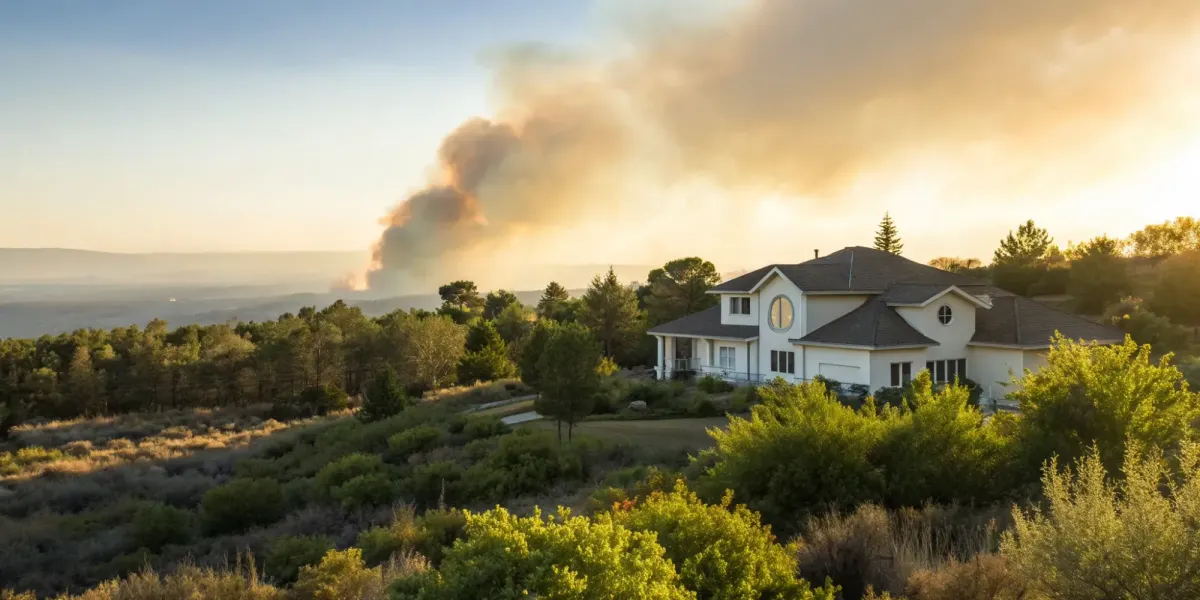
You have a homeowner's policy, so you're fully protected from a wildfire, right? This is a common—and dangerously misleading—assumption. While a standard policy covers fire, the reality is hidden in the fine print. Every policy has specific limits and exclusions that can leave you underinsured when you need help most. That's why it's so important to understand your home insurance wildfire protection before a disaster strikes. We'll walk through what your policy actually covers, from your landscaping to the sudden spike in construction costs, so you have a realistic picture of your financial safety net.
Key Takeaways
- Insure for Rebuilding, Not Market Value: Your policy should cover the cost to rebuild your home from the ground up at current prices, which often surge after a disaster. Always choose Replacement Cost coverage and add an Extended Replacement Cost endorsement for a vital financial safety net.
- Understand What's Covered—and What Isn't: A standard policy protects your home's structure, your belongings, and temporary living costs. However, it typically excludes landscaping, damage from poor maintenance, and any expenses that go beyond your stated coverage limits.
- Pair Home Hardening with a Policy Check-Up: You can improve your insurance options by creating defensible space and using fire-resistant materials. Match these physical preparations with an annual policy review and a detailed home inventory to ensure your financial protection is always up to date.
Understanding the Current Insurance Landscape in California
If you feel like getting homeowners insurance in California has become a massive headache, you’re not alone. The market is changing rapidly, and for many, it feels like the rules are being rewritten overnight. Finding affordable, reliable coverage is tougher than ever, especially if your home is in an area with a higher risk of wildfires. This shift isn't just a perception; it's a reality driven by years of devastating fires that have forced the insurance industry to rethink its approach. Understanding these changes is the first step toward finding a solution that keeps your home and family protected without breaking the bank.
The Growing Challenge in High-Risk Areas
For decades, getting a homeowners policy was a relatively straightforward process. Today, many Californians find themselves facing non-renewals or outright denials, leaving them scrambling for options. This is particularly true for those living in what insurers classify as high-risk zones. The core of the issue is that the increasing frequency and severity of wildfires have made it financially unsustainable for many traditional insurance companies to offer coverage in these areas. As a result, they are reducing their exposure, which leaves homeowners with fewer choices and a lot more uncertainty. This is the gap that specialized agencies are working to fill by connecting homeowners with carriers who are still actively insuring homes in these communities.
Why Major Insurers Are Pulling Back
You’ve probably seen the headlines: major insurance carriers like State Farm and Allstate have been limiting or pausing new policies in California. This isn't a random decision. It's a business move based on risk assessment. After paying out billions in claims from recent wildfires, these companies are trying to limit future losses. This retreat has pushed hundreds of thousands of homeowners toward the California FAIR Plan, the state's insurer of last resort. While the FAIR Plan provides a basic fire policy, it’s often more expensive and offers less coverage than a standard plan, forcing you to buy separate policies for liability and other common perils. The number of homes covered by the FAIR Plan has more than doubled in recent years, highlighting just how many people are being left behind by the traditional market.
Defining the Wildland-Urban Interface (WUI)
A term you’ll hear a lot in these discussions is the "Wildland-Urban Interface," or WUI. This simply refers to areas where homes and communities are built next to or within wildlands like forests and grasslands. Living in the WUI doesn't mean your home is in the middle of a remote forest; it could be a suburban neighborhood that backs up to a canyon or open space. Because these areas have a mix of natural fuel (like trees and brush) and man-made structures, they are at a much higher risk for wildfire damage. As more communities expand into these scenic but vulnerable landscapes, insurers have become increasingly cautious about offering policies to homes located within them, making it critical for homeowners to understand their property's specific risk profile.
How Insurers Are Adapting with New Risk Models
The good news is that the situation isn't static. California regulators and insurance companies are working on new ways to keep the market stable. Under the state's new Sustainable Insurance Strategy, insurers are now permitted to use forward-looking catastrophe models to help set their rates. In plain English, this means they can use modern technology and predictive analytics to better price the actual risk of future wildfires, rather than just looking at historical data. In exchange for this flexibility, these companies must commit to writing more policies in high-risk areas. This is a game-changer, as it encourages insurers to re-enter the market and provides a path forward for homeowners who have been struggling to find coverage.
Your Rights After a Declared Wildfire Emergency
Knowing your rights is one of the most powerful tools you have as a homeowner. In California, if your home is located within the perimeter of a wildfire disaster officially declared by the governor, your insurance company cannot cancel or non-renew your policy for one year from the date of the declaration. This important protection is designed to give you time and stability to recover without the added stress of losing your insurance coverage. It prevents insurers from dropping you when you are most vulnerable and ensures you have the breathing room needed to make repairs and get back on your feet. Always stay informed about official declarations in your area, as this moratorium can be a critical lifeline after a disaster.
What Does Home Insurance Actually Cover in a Wildfire?
When you live in an area prone to wildfires, the biggest question on your mind is likely, "Am I actually covered if the worst happens?" It’s a valid concern, and thankfully, the answer is usually yes. A standard homeowners insurance policy treats fire damage, including from wildfires, as a covered peril. This means your policy is designed to help you rebuild your home and replace your belongings after a fire.
Of course, the specifics depend on your individual policy. Coverage is broken down into a few key areas, each with its own limits and conditions. Understanding these categories is the first step to confirming you have the right amount of protection in place. Let’s walk through what a typical policy covers.
Damage to Your Home's Structure
This is the core of your protection, often called "dwelling coverage." It covers the physical structure of your house—the walls, roof, floors, and built-in appliances. If a wildfire damages or destroys your home, this is the part of your policy that pays to repair or completely rebuild it. Standard home insurance policies are built to handle fire damage, so you can feel confident that you have a foundation of coverage. The only common exception is if the fire was started intentionally, but for a spreading wildfire, your policy is there to help you recover.
What About Garages, Sheds, and Fences?
Your coverage doesn’t stop at your front door. Most policies include protection for "other structures" on your property that aren't attached to the main house. This includes detached garages, sheds, workshops, fences, and even gazebos. If these structures are damaged by a wildfire, your insurance will help cover the cost of repair or replacement. Typically, this coverage is set at a percentage of your total dwelling coverage, often around 10%. It’s a good idea to review your policy to see what your specific limit is for these other structures.
Replacing Your Personal Belongings
A home is more than just its structure; it’s filled with your personal items. Your homeowners policy includes "personal property coverage" for the things inside your home, like furniture, clothing, electronics, and kitchenware. If these items are lost or damaged in a wildfire, your insurance helps you replace them. This coverage can even extend to things like theft or vandalism that might occur in the chaos after a fire. To make the claims process smoother, it’s incredibly helpful to have a detailed home inventory of your belongings with photos or videos.
Important Policy Add-Ons to Consider
A standard policy provides a great foundation, but it often leaves gaps that can become major financial headaches during a rebuild. This is where endorsements, or policy add-ons, come in. They are designed to fill those specific gaps and provide a more complete layer of security. Think of them as essential upgrades for your financial safety net, especially when you live in a place where the risk of wildfire is real. Two of the most critical add-ons for any homeowner in a high-risk area are Building Code Coverage and an Annual Inflation Adjustment. Let's break down why they matter so much.
Building Code Coverage
Imagine your home was built 15 years ago. Since then, local building codes have likely been updated to require more fire-resistant materials and new safety features. If your home needs to be rebuilt after a fire, you’ll be required to meet these new standards. Building Code Coverage, sometimes called Ordinance or Law Coverage, is designed to pay for these mandatory—and often expensive—upgrades. Without it, you could be on the hook for thousands of dollars in extra costs that your standard dwelling coverage won't touch. This endorsement helps ensure you have the funds to rebuild your home to current building codes, without draining your savings.
Annual Inflation Adjustment
Construction costs rarely stay the same. Over time, the price of lumber, labor, and other materials goes up. An Annual Inflation Adjustment automatically increases your coverage limits each year to keep pace with these rising costs. This is especially important in California, where rebuilding expenses can surge dramatically after a widespread wildfire due to high demand for contractors and supplies. This simple feature acts as a safeguard, helping to ensure that the coverage you paid for is still enough to fully rebuild your home, even if a disaster strikes years after you first bought your policy. It’s a crucial tool for preventing you from becoming unintentionally underinsured over time.
Are Your Belongings Protected?
When you think about what you could lose in a wildfire, your mind probably goes straight to your house itself. But what about everything inside it? Your furniture, your family photos, the clothes in your closet—these are the things that make a house a home. The good news is that your homeowners insurance policy is designed to protect these items, too. This is known as personal property coverage, and it’s a standard part of most policies.
However, the amount and type of coverage can vary quite a bit. It’s not as simple as a blanket promise to replace everything. Your policy will have specific limits, and certain types of items might have their own rules. Understanding these details before a disaster strikes is one of the most important things you can do to prepare. Let’s break down how your policy protects the things you own, whether they’re inside your house, in a storage unit, or are particularly valuable.
Coverage for Items Inside Your Home
Your standard homeowners policy includes coverage for the contents of your home. This means if a wildfire damages or destroys your belongings, your insurance is there to help you replace them. We’re talking about your furniture, electronics, clothing, kitchenware, and all the other day-to-day items that fill your home. This insurance for wildfires is designed to help you get back on your feet by covering the cost of these essential possessions. To make sure you have enough coverage, it’s a great idea to create a home inventory—a detailed list of what you own and what it’s worth. This will be incredibly helpful if you ever need to file a claim.
What About Belongings Kept Off-Site?
What about the things you own that aren't stored at home? Many people have items in a storage unit, with a child away at college, or even in their car. Most homeowners policies provide "off-premises" coverage for these belongings. Typically, this coverage is a percentage of your total personal property limit, often around 10%. So, if you have $200,000 in personal property coverage, you might have up to $20,000 for items stored elsewhere. It’s a valuable feature, but it’s crucial to check your specific policy to understand the exact limits and any exclusions that might apply to your belongings when they're away from home.
How to Insure High-Value Items
While your policy covers most of your belongings, it often places special limits on high-value items. Things like jewelry, fine art, antiques, and collectibles usually have a cap on how much the policy will pay out for them, which can be much lower than their actual value. For example, a policy might only cover $1,500 for stolen jewelry. To properly protect these treasures, you’ll likely need to purchase extra coverage through an endorsement or a "floater." This requires getting the items appraised and listing them individually on your policy. This ensures you can recover their full value if they are lost in a wildfire or other disaster.
What if a Wildfire Forces You From Your Home?
The threat of a wildfire is stressful enough without worrying about where you and your family will go if you’re forced to evacuate. If your home is damaged or a mandatory evacuation order is issued for your neighborhood, your focus should be on safety, not finances. This is where a key part of your homeowners policy, often called Additional Living Expenses (ALE) or Loss of Use coverage, comes into play.
Think of ALE as a financial safety net designed to help you maintain your normal standard of living while you’re unable to live in your home. It’s not meant to cover all your expenses—just the difference between your typical monthly costs and what you have to spend while you’re displaced. For example, if your weekly grocery bill is usually $200 but you’re now spending $500 on restaurant meals, ALE can help cover that $300 increase. This coverage is a standard feature in most homeowners policies, but the limits and specific details can vary, so it’s important to know what your policy includes before you ever need it.
Covering Rent and Hotel Stays
When an evacuation order hits, your first priority is finding a safe place to stay. Your Additional Living Expenses coverage is built for this exact scenario. If you can't live in your home because of wildfire damage or an evacuation, your policy can pay for reasonable costs for hotel stays or a temporary rental. This ensures your family has a comfortable place to live, whether it’s for a few nights in a hotel while the immediate danger passes or for several months in a rented house while your home is being rebuilt.
Help with Daily Living Expenses
Being away from home changes your daily routine and your budget. Suddenly, you’re eating every meal out, paying for laundry services, and driving more to get to work or school from your temporary location. If a wildfire makes your home unlivable, your homeowners insurance can help pay for these extra living costs. The goal is to cover the expenses you incur above and beyond your normal spending. Keep all your receipts for things like meals, laundry, and even pet boarding, as these can often be submitted for reimbursement as part of your ALE claim.
Paying for Moving and Storage
What happens to the belongings you were able to save? Or what if you move into an unfurnished rental for a few months? Your ALE coverage often extends to these logistical costs. It can help pay for things like moving expenses, fees for a temporary storage unit, and even the cost of renting furniture for your temporary home. Some policies also cover costs for things like temporary utilities, extra travel, and boarding your pets. These details can make a huge difference in reducing the financial strain of being displaced.
How Long Does This Coverage Last?
To make use of your ALE coverage, the first and most important step is to contact your insurance company as soon as you are safely evacuated. They will walk you through the process and explain what you need to do to start a claim. From that point on, meticulous record-keeping is essential. Save every receipt for every expense, from hotel bills to gas and meals. It’s also crucial to understand that ALE coverage has limits—it might be capped at a certain dollar amount or last for a specific period, like 12 or 24 months. Knowing your policy’s timeline will help you plan accordingly.
What Your Home Insurance Won't Cover After a Wildfire
Knowing what your homeowners policy covers is a great first step, but understanding what it doesn't cover is just as critical. No one wants to be caught off guard by fine print after a disaster. Insurance policies are designed to protect you from sudden, accidental events, but they have specific limitations and exclusions you need to be aware of.
These exclusions aren't meant to be tricky; they help define the scope of the policy and keep coverage affordable. From the plants in your yard to issues caused by neglect, certain types of damage simply fall outside the boundaries of a standard home insurance policy. Let’s walk through some of the most common wildfire-related exclusions so you can have a complete picture of your protection and identify any potential gaps before you need to file a claim.
Damage to Landscaping and Your Yard
After a wildfire, one of the most common surprises for homeowners is discovering that their policy doesn't cover damage to their yard. While your home, garage, and sheds are protected, the policy typically doesn't pay to replace trees, shrubs, or other plants. Some policies might offer a very small amount of coverage for landscaping, often just a few hundred dollars per plant, but it’s rarely enough to restore a mature yard. This exclusion exists because landscaping is difficult to value and highly susceptible to damage. If your beautiful garden is a key feature of your property, it's worth asking your agent about specific endorsements, but be prepared for this to be an out-of-pocket expense.
Damage to Your Vehicles
This is a really common point of confusion, so it’s important to get it straight: your homeowners insurance does not cover your cars, trucks, or RVs. If a wildfire sweeps through your property and damages a vehicle parked in your driveway or garage, you’ll need to turn to your auto insurance policy for help. Specifically, it’s the comprehensive coverage portion of your auto policy that handles damage from events like fire, theft, and natural disasters. Think of it this way: your home policy protects your home and what’s in it, while your auto policy protects your vehicles. Make sure you have comprehensive coverage on all your cars, as it’s often optional, especially for older vehicles that are paid off.
What if Negligence Caused the Fire?
Homeowners insurance is there to protect you from unexpected accidents, not from problems that develop over time due to a lack of maintenance. If a fire starts because of an issue you were aware of but didn't address—like faulty wiring you’ve ignored for months—your claim could be denied. The principle here is that insurance covers sudden and accidental events, not predictable outcomes of poor upkeep. Insurers expect you to perform regular maintenance to keep your home safe. Consistently clearing flammable debris from your defensible space and maintaining your home's systems isn't just good practice for wildfire prevention; it's essential for ensuring your coverage remains intact.
Understanding Exclusions for Intentional Acts
This exclusion is straightforward but important to state: your insurance will not cover damage you cause on purpose. If a homeowner intentionally sets fire to their own property, the claim will be denied. Insurance policies are designed to protect against unforeseen accidents and disasters, not to pay for fraudulent or criminal acts. Any deliberate acts of destruction caused by you or someone living in your home are explicitly excluded from coverage. This is a standard clause in every homeowners policy to protect insurers from fraud, which helps keep premiums more stable for everyone.
Don't Forget Your Policy Limits and Deductibles
Even when a wildfire loss is covered, you may find the payout isn't enough to cover the full cost of rebuilding. Every policy has coverage limits—the maximum amount the insurer will pay for a covered loss. If your home is insured for $500,000 but costs $600,000 to rebuild, you're responsible for the $100,000 difference. Many homeowners discover after a fire that they don't have enough coverage to fully rebuild, especially with construction costs on the rise. Your deductible also plays a role. This is the amount you pay out of pocket before your insurance kicks in. If you have a $5,000 deductible, your insurer will pay your covered loss minus that amount.
Understanding a Separate Wildfire Deductible
If you live in a high-risk area, don't be surprised to find a separate wildfire deductible in your policy. This isn't your standard deductible; it's a specific, often much higher, amount you must pay out of pocket for wildfire damage before your insurance pays a dime. Insurers in states like California add this to manage their risk, which shifts a larger portion of the initial financial burden to you. This is especially important because after a major fire, the demand for labor and materials can cause rebuilding costs to surge. A high deductible can create a serious financial gap when you can least afford it. You need to know this number. Check your policy's declarations page or call your agent to find out if you have a wildfire deductible and what it is. This knowledge is a critical piece of your financial recovery plan.
How to Know if You're Underinsured for Wildfire Damage
It’s easy to file your insurance policy away and forget about it. But in areas prone to wildfires, an outdated policy can be a huge financial risk. The key is to understand what you have before you need it, because the aftermath of a fire is the worst time to discover a gap in your coverage. The peace of mind that comes from knowing you’re properly protected is invaluable. Let's walk through a few critical areas of your policy to see if your coverage is truly enough to help you recover after a wildfire.
Replacement Cost vs. Actual Cash Value
First, you need to know how your insurance company will pay for damages. Policies use one of two methods: Replacement Cost Value (RCV) or Actual Cash Value (ACV). ACV pays you for the value of your home and belongings minus depreciation. Think of it this way: it would give you the money for a 10-year-old roof, not a brand new one. Replacement Cost coverage, on the other hand, pays to rebuild your home and replace your belongings with new items of similar quality at today’s prices. For your home, you absolutely want RCV to ensure you have the funds to rebuild without a massive financial shortfall.
Why You Might Need Extended Replacement Cost
Even with a solid Replacement Cost policy, you might still face a deficit. After a widespread disaster like a wildfire, the demand for contractors and building materials skyrockets, driving up prices unexpectedly. Your standard dwelling limit might not be enough to cover this surge pricing. This is where an endorsement called Extended Replacement Cost comes in. It adds a buffer—typically 25% to 50%—on top of your dwelling coverage limit, creating a crucial financial cushion. It’s a safety net for your safety net, and it’s essential for homeowners in high-risk areas.
How to Check Your Coverage Limits
Now it’s time for a practical check-up. Grab your policy’s declarations page and look at Coverage A, your dwelling coverage. Is that number high enough to completely rebuild your home at today’s labor and material costs? Construction prices change quickly, so it’s wise to consult a local contractor for a current estimate. Next, review your personal property coverage. The best way to know if this limit is adequate is to create a home inventory that details everything you own. Don’t just assume the default amount on your policy is enough to replace a lifetime of belongings.
Common Wildfire Insurance Myths, Busted
Let’s clear up some confusion. A common myth is that any standard policy will make you whole after a fire. While most homeowners policies do cover wildfire damage, the devil is in the details—specifically, your coverage limits and deductibles. Another misconception is that your home’s market value is the same as its rebuilding cost. The price you could sell your house for includes the land, which isn't insured. The cost to rebuild your home from the foundation up could be much higher or lower than its market value, especially after a disaster. Understanding this difference is key to setting the right coverage limit.
Found a Coverage Gap? Here's What to Do Next
Discovering you might not have enough homeowners insurance to cover a total loss from a wildfire is a deeply unsettling feeling. It’s easy to feel overwhelmed, especially when you’ve already been navigating the stress of rising premiums and fewer coverage options. But finding a gap in your policy isn’t a dead end; it’s a starting point. The good news is that you can take clear, practical steps to secure the right protection for your home and family.
Think of this as a course correction. By identifying where your policy falls short, you’ve already done the hardest part. Now, you can move forward with a plan. The key is to act methodically, starting with immediate fact-finding before moving on to strengthening your coverage. Whether you’re looking to add a simple endorsement or need to find a new carrier altogether, there are solutions available. Let’s walk through exactly what to do when you realize your homeowners insurance might not be enough.
Your First Steps to Closing the Gap
If you’ve just experienced a wildfire, your first priority is safety. Before anything else, make sure your property is safe to enter and check for any structural or utility hazards. Once you and your family are secure, your very next call should be to your insurance company to start the claims process. The sooner you report the damage, the faster you can get help.
If you haven’t had a loss but have simply discovered a potential gap in your coverage, your first step is to get clarity. Call your current insurance agent or provider and have your policy documents handy. Ask them to walk you through your dwelling coverage limits (Coverage A), personal property limits (Coverage C), and any specific wildfire-related exclusions or deductibles. This initial conversation is all about gathering information so you know exactly what you’re working with.
How to Increase Your Coverage
Once you’ve confirmed your coverage is too low, it’s time to adjust it. Your goal is to have enough insurance to cover the full cost of rebuilding your home at today’s labor and material prices—not what you paid for it or its current market value. Ask your insurer about adding an Extended Replacement Cost endorsement. This provides an extra cushion, typically 20% to 50% above your dwelling limit, which can be a lifesaver if a widespread disaster causes construction costs to spike.
You should also review your policy annually or anytime you complete a major home renovation. An updated kitchen or a new addition increases your home’s replacement value, and your coverage needs to keep pace. This regular check-in ensures your policy never falls too far behind your home’s actual value, keeping you prepared long before a threat appears on the horizon.
Finding Home Insurance in High-Risk Wildfire Zones
It’s no secret that finding affordable, comprehensive coverage in wildfire-prone areas has become a major challenge. Many standard insurance companies have reduced their exposure in high-risk zones, leaving homeowners with fewer choices. Some carriers may offer policies but with specific wildfire exclusions or sky-high deductibles that make the coverage impractical.
If you’re struggling to find a policy in the traditional market, you may need to look at specialty or surplus lines carriers. These insurers are willing to cover risks that standard companies won’t. Another option is your state’s FAIR Plan, which offers a last-resort policy for fire coverage. However, a
What to Do if Your Policy is Canceled
Receiving a cancellation or non-renewal notice is stressful, but it’s important not to panic. Many major insurers, like State Farm and Allstate, are limiting new policies in California, so this is an increasingly common experience. Your first step is to contact your agent to understand the specific reason for the decision. Then, it’s time to shop around. This is where working with an independent insurance agency can make a huge difference. Unlike a captive agent who only represents one company, an independent agent can access policies from multiple carriers, including specialty insurers that are more comfortable with wildfire risk. At Five Bays, we specialize in exactly this—connecting homeowners in high-risk areas with carriers willing to write comprehensive coverage.
The California FAIR Plan and Its Limitations
If you can’t find coverage in the private market, you may be pointed toward the California FAIR Plan. It’s crucial to understand that this is a "last-resort" insurance option, not a replacement for a standard homeowners policy. The FAIR Plan provides basic fire insurance, but it doesn't cover other essential risks like water damage, theft, or personal liability. To get that broader protection, you would need to purchase a separate "Difference in Conditions" (DIC) policy to wrap around the FAIR Plan. While it serves as a critical safety net, it’s often more expensive and complicated than a traditional policy, which is why it should only be considered after you’ve exhausted all other options.
When to Consider Surplus Lines Insurance
When the traditional insurance market can't provide a solution, it might be time to consider surplus lines insurance. These specialty carriers are equipped to handle risks that standard insurers avoid, making them a vital option for homes in high-risk wildfire zones. Because they aren't bound by the same regulations as standard carriers, they have more flexibility in setting rates and creating custom policies. This allows them to offer coverage where others won't. Navigating this market requires expertise, as these policies can be complex. An experienced agent can help you find a reputable surplus lines carrier and ensure the policy meets your specific needs, providing a viable path to protecting your home.
Why an Independent Agent Can Help
Navigating specialty carriers and FAIR Plans on your own can be confusing and time-consuming. This is where working with an independent insurance agent becomes invaluable. Unlike a captive agent who only works for one company, an independent agent partners with multiple insurance carriers. They can shop the market for you, including accessing specialty insurers that don’t work directly with the public.
An independent agent acts as your advocate, helping you compare complex quotes and find the most suitable coverage for your unique situation. They understand the local insurance landscape and can find solutions for hard-to-insure properties. By leaning on their expertise, you can confidently secure a policy that closes your coverage gaps and gives you peace of mind.
How Insurers Calculate Your Home's Wildfire Risk
When you apply for homeowners insurance, especially in a place like California, carriers don't just look at your credit score and call it a day. They run a detailed analysis to figure out how likely it is that your specific home could be damaged in a wildfire. This risk score directly impacts your eligibility for coverage and the price of your premium. Understanding what goes into this calculation is the first step toward improving your home's insurability and finding the right policy. It’s a mix of factors you can’t control, like your location, and proactive steps you can take to make your property more resilient.
Your Proximity to Fire Services
One of the first things an insurer checks is your proximity to fire protection services. They want to know how quickly help can arrive if a fire breaks out. This includes measuring the distance from your home to the nearest fire station and fire hydrants. A home that’s miles away from the closest fire department is seen as a higher risk than one just down the block. They also consider the availability of essential services like electricity and running water, as these are critical for firefighting efforts. A well-supported, accessible property is always going to look better on an insurance application.
The Impact of Your Property's Location
You know what they say: location, location, location. This is especially true when it comes to wildfire risk. The geographical location of your property is a major piece of the puzzle. If your home is in a region historically prone to wildfires, like many canyons and hillside communities, your baseline risk is automatically higher. Insurers use sophisticated mapping tools that layer historical fire data, wind patterns, and local topography to assess a specific address. Securing the right insurance for wildfires is crucial in these areas, as your location plays such a significant role in protecting your financial well-being from a total loss.
Your Home's Construction and Defensible Space
Beyond where your home is, insurers look closely at what it’s made of and the space immediately surrounding it. The concept of "defensible space" is key here. This is the buffer zone you create between your home and the flammable vegetation around it. Insurers want to see that you’ve cleared away dry leaves, overgrown bushes, wood piles, and low-hanging tree branches that could act as fuel and carry flames directly to your house. A well-maintained defensible space gives firefighters a fighting chance to save your home, which makes your property a much more attractive risk for an insurance carrier.
How Home Hardening Helps
Home hardening refers to the specific building materials and features that make your house more resistant to catching fire. This is one of the most powerful ways you can lower your risk profile. Insurers pay close attention to your roof, as embers can travel for miles and easily ignite a flammable roof. Using fire-resistant materials like composite shingles, metal, or tile can make a huge difference. Other important wildfire home protection measures include installing double-paned windows and covering vents with fine metal mesh to keep embers out. These upgrades show insurers that you’re serious about protecting your property, which can positively influence your rates and coverage options.
Create an Ember-Resistant Zone
Think of the area immediately surrounding your home as its first line of defense. Embers are the biggest threat during a wildfire, capable of traveling a mile or more ahead of the flames and igniting vulnerable spots. Creating an ember-resistant zone is one of the most effective actions you can take. This means clearing a five-foot perimeter around your home's foundation of anything flammable. Remove wood chips, mulch, dry leaves, and flammable plants. Instead, use non-combustible materials like gravel, pavers, or concrete. This simple, non-flammable buffer makes it much harder for embers to find fuel and ignite your siding.
Secure Fences, Eaves, and Walls
Embers are sneaky—they find their way into small crevices and openings you might not even notice. Open eaves under your roofline are a perfect trap for heat and embers, so it's a great idea to enclose them with fire-resistant materials. Similarly, a wooden fence attached directly to your house can act like a wick, carrying fire straight to your walls. Consider replacing the five feet of fencing closest to your home with a metal gate or non-combustible materials. Finally, cover all vents with a fine metal mesh (1/8-inch is ideal) to block embers from getting into your attic or crawlspace while still allowing for airflow.
Clear Flammable Materials from Under Decks
Decks are a wonderful feature, but they can also be a serious fire hazard. The space underneath a deck can easily accumulate dry leaves, weeds, and other flammable debris. If embers ignite this material, the heat can become trapped and intensely focused on the underside of the deck and the side of your house. Make it a regular habit to clear everything out from under your decks and patios. The best practice is to maintain bare dirt or cover the area with non-flammable materials like gravel or concrete, leaving no fuel for a potential fire.
Manage Outbuildings and Landscaping
Your wildfire preparedness shouldn't stop at your back door. Your homeowners policy typically includes coverage for "other structures" like detached garages, sheds, and workshops, but they need protection just as much as your main house. Create defensible space around these outbuildings by clearing flammable vegetation and moving woodpiles at least 30 feet away. The same goes for propane tanks. This not only protects these valuable assets but also prevents them from becoming a source of fuel that could endanger your home during a wildfire.
The Power of Community-Wide Efforts
While individual home hardening is crucial, wildfire safety is truly a team effort. When you and your neighbors work together, the entire community becomes more resilient. Many neighborhoods have organized to become a recognized Firewise USA® site, a program that provides a framework for organizing and taking action to reduce wildfire risk. These community-wide efforts, such as clearing shared spaces and improving evacuation routes, not only make everyone safer but can also make the area more attractive to insurance carriers, potentially leading to better coverage options for everyone involved.
Your Checklist for Wildfire-Ready Insurance
Feeling confident about your homeowners insurance shouldn't be a guessing game, especially when you live in an area prone to wildfires. Taking a proactive approach to your policy helps ensure you have the right protection in place long before you might need it. It’s about turning uncertainty into preparedness. Think of it as a simple annual check-in to confirm that one of your biggest financial assets—your home—is properly secured.
This checklist walks you through four straightforward steps you can take right now. By reviewing your policy, documenting your belongings, understanding the details, and keeping your insurer updated, you can make sure your coverage aligns with your current needs. These actions empower you to work with your insurance agent to identify and close any potential gaps, giving you peace of mind that you’re ready for whatever comes your way. It’s a small investment of your time that can make a world of difference if you ever need to file a claim.
Review Your Home Insurance Policy Annually
Think of your insurance policy as a living document. Just as your life changes, your coverage needs can, too. Set a calendar reminder to review your policy at least once a year. The goal is to confirm that your dwelling coverage limit is high enough to completely rebuild your home in today's market. With construction and labor costs constantly shifting, the amount that was sufficient five years ago might fall short now. An annual check-in ensures your policy keeps pace, protecting you from being underinsured after a total loss.
Why You Need a Detailed Home Inventory
If you had to list everything you own from memory after a fire, could you do it? For most of us, the answer is no. That’s why a home inventory is one of the most powerful tools you can have during the claims process. The easiest way to start is to walk through your home with your smartphone and record a video. Open every closet, cabinet, and drawer. For bigger-ticket items like electronics and appliances, capture the serial numbers. Once you’re done, store the inventory file safely in the cloud or on a drive you keep off-site so it’s accessible when you need it.
Always Read the Fine Print
We get it—insurance documents can be dense. But understanding the key details is essential. The amount your policy pays out is determined by the specific limits, deductibles, and exclusions written into your contract. Pay close attention to your dwelling coverage (for the structure), personal property coverage (for your belongings), and additional living expenses (ALE) coverage. Knowing these figures ahead of time helps you understand exactly what to expect from your insurer. If you come across terms you don’t recognize, don’t hesitate to ask your agent for a clear explanation.
Tell Your Insurer About Home Improvements
Did you recently renovate your kitchen, add a deck, or finish the basement? These upgrades don’t just add to your enjoyment of the home—they also add to its value. It’s crucial to report any significant improvements to your insurance agent. If you don’t, your coverage will still be based on your home’s old value, leaving you underinsured. A quick call to your agent can help adjust your policy limits to reflect the new, higher replacement cost of your home, ensuring your hard work and investment are fully protected.
After the Fire: The Claims Process
The immediate danger of the wildfire may have passed, but the path to recovery is just beginning. Filing an insurance claim is a marathon, not a sprint, and it requires patience, organization, and a proactive mindset. Your insurance company is there to help, but it’s important to remember that you are your own best advocate throughout this process. The steps you take in the days and weeks following a fire can have a significant impact on the outcome of your claim and your ability to rebuild your life.
Navigating the claims process can feel overwhelming, especially when you’re already dealing with the emotional and logistical stress of being displaced. You’ll be communicating with adjusters, submitting documentation, and making major financial decisions. By understanding the common hurdles and preparing yourself with the right tools and information, you can approach the process with confidence. Let’s break down what you can expect and how you can protect your interests every step of the way to ensure you receive a fair and complete settlement.
Common Challenges Homeowners Face
Even with a great policy, the claims process isn't always smooth. One of the most frequent issues homeowners encounter is an initial settlement offer that feels too low to cover the actual cost of rebuilding. Insurers may also downplay or ignore less visible but significant damage from smoke, soot, and ash, which can require extensive professional cleaning. Frustrating delays in communication and payments can add immense stress and slow down your recovery, leaving you in limbo. In some cases, claims can even be denied for reasons like alleged policy violations or specific exclusions, which is why understanding your policy beforehand is so critical.
How to Protect Your Interests
Your most powerful tool during the claims process is documentation. The more evidence you can provide, the stronger your position will be. Start by taking extensive photos and videos of all the damage before you clean up or move anything. This visual record is crucial. If you created a home inventory before the fire, it will be invaluable now. You should also keep a detailed file of every single receipt related to the fire—from hotel stays and meals to the cost of buying new clothes or boarding a pet. These records will be essential for your Additional Living Expenses (ALE) claim and for proving the value of your lost belongings.
Keep a Detailed Claim Journal
From your very first call to the insurance company, start a claim journal. This can be a simple notebook or a digital document where you log every interaction. For each phone call, email, or letter, write down the date, the time, the name of the person you spoke with, and a summary of what was discussed. This creates a clear timeline of your claim and helps you keep track of promises made and information requested. A detailed journal is an incredible asset if disagreements or confusion arise later, as it allows you to document your communications and hold your insurer accountable.
Get Independent Repair Estimates
Your insurance company will send an adjuster to assess the damage and create an estimate for repairs. It’s important to view this as a starting point, not the final word. To ensure you receive a fair settlement, you should get your own independent estimates from trusted, licensed local contractors. A public adjuster can also be a valuable advocate. These professionals work for you, not the insurance company, to help manage your claim and negotiate a settlement. Having your own expert estimate the cost of rebuilding gives you leverage and helps ensure the final amount reflects the true, current costs of labor and materials in your area.
Understanding Your Legal Rights
In most cases, you’ll be able to resolve your claim directly with your insurance company. However, it’s important to know that you have rights. If you believe your insurer is acting in bad faith—by unreasonably delaying your claim, offering an unfairly low settlement, or denying a valid claim—you have options for recourse. Furthermore, if the wildfire was caused by a third party, such as a utility company, you may be able to pursue legal action against them for damages that your insurance policy doesn't cover. If you find yourself in a complex or contentious situation, consulting with an attorney who specializes in insurance claims can help you understand your full range of options.
Related Articles
- How to Get the Right Wildfire Coverage Policy
- The Cost of Home Insurance in a Wildfire Zone
- 6 Best Insurance Carriers for Wildfire Upgrades
- 7 Best Wildfire Insurance Providers of 2026
Frequently Asked Questions
Will my insurance pay to rebuild my house exactly as it was, or will I get less money because it's older? This is one of the most important questions you can ask, and it all comes down to whether your policy has Replacement Cost Value (RCV) or Actual Cash Value (ACV). An ACV policy will pay you for the value of your home minus depreciation, meaning you'd get paid for a 15-year-old roof, not a new one. For your home's structure, you want a Replacement Cost policy. This is designed to pay the full cost to rebuild your home with similar materials at today's prices, which is essential for making you whole after a total loss.
I hear construction costs skyrocket after a big fire. How can I make sure my policy covers that? You're right, this is a major issue. After a widespread disaster, the demand for labor and materials can drive rebuilding costs way up, and your standard coverage limit might not be enough. The best way to protect yourself from this is with an endorsement called Extended Replacement Cost. This adds a buffer of 25% or more on top of your dwelling coverage limit, creating a crucial financial cushion to absorb those unexpected price surges. It’s a must-have for anyone living in a high-risk area.
My insurance company is canceling my policy because of wildfire risk. What are my options now? Getting a non-renewal notice is incredibly stressful, but you do have options. This is the perfect time to connect with an independent insurance agent. Unlike agents who work for a single company, independent agents partner with many different carriers, including specialty insurers who are willing to cover homes in high-risk areas. They can also help you navigate options like the California FAIR Plan if needed, ensuring you find the best possible coverage for your situation.
If I clear my defensible space and harden my home, will my insurance premium actually go down? While these actions don't always guarantee an immediate discount, they are absolutely critical for your insurability. Many insurance carriers won't even offer you a policy without proof of good defensible space and home hardening measures. Taking these steps makes your home a much lower risk, which can make you eligible for better coverage options and more competitive pricing. Think of it less as a direct discount and more as your ticket to getting and keeping good insurance in the first place.
What's the very first thing I should do if I'm ordered to evacuate? Once you and your family are safely out of harm's way, your first call should be to your insurance company. You don't need to have damage to your home to start this process. An evacuation order often triggers your Additional Living Expenses (ALE) coverage, which helps pay for things like a hotel and meals. Starting the conversation with your insurer early allows them to guide you on what expenses are covered and what receipts you need to keep, which will make the entire process much smoother.


