
Wildfire Coverage for Homes: Are You Protected?
Get clear answers on wildfire coverage for homes. Learn what your policy covers, how to protect your property, and what to do if you face non-renewal.

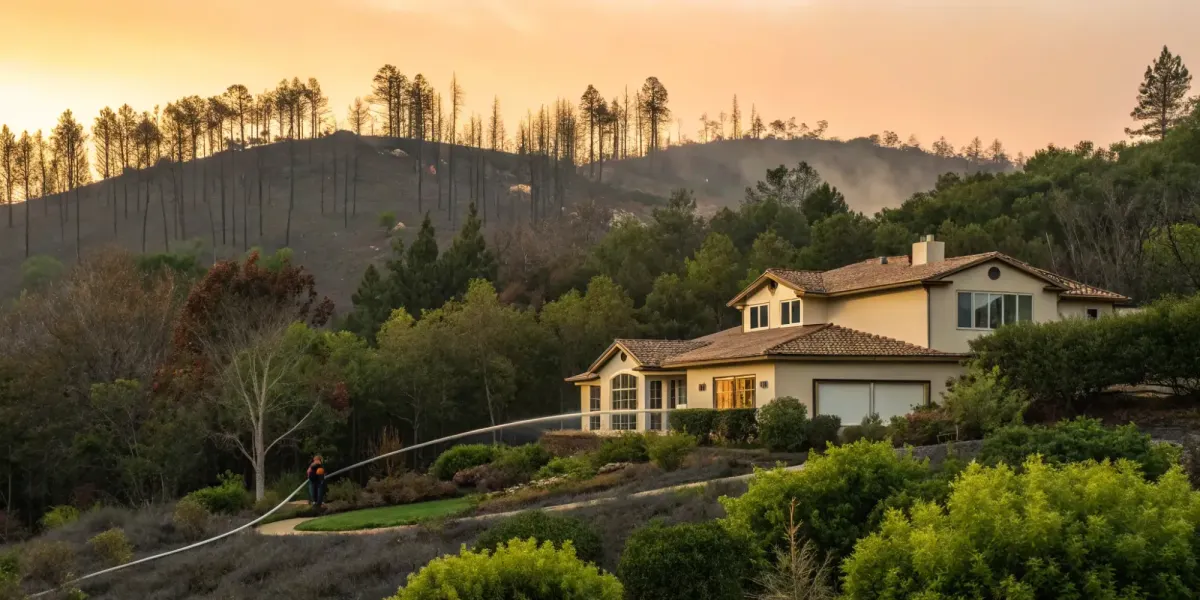
A non-renewal notice from your insurance company can feel like a gut punch. For many homeowners in California, this is becoming an all-too-common reality. When the standard insurance market closes its doors, it’s easy to feel like you’ve run out of options. But you aren't. From the California FAIR Plan to specialty surplus lines carriers, there are still pathways to securing protection. This guide explains these alternatives in simple terms, helping you understand the pros and cons of each so you can find the best wildfire coverage for homes and ensure your property remains protected.
Key Takeaways
- Take control by reducing your home's risk: Actively preparing your property through defensible space and home hardening isn't just for safety—it's a key move that can make you eligible for better coverage and lower insurance rates.
- Know exactly what your policy covers (and what it doesn't): Go beyond the basics and confirm you have Replacement Cost Value (RCV) coverage. It's also crucial to check for specific wildfire deductibles and coverage limits on things like fences and landscaping to avoid financial surprises.
- Don't settle if you can't find standard coverage: If you're facing non-renewal or rejection, you still have a path forward. An independent agent is your best resource for navigating alternatives like the California FAIR Plan or specialty surplus lines carriers to find the right protection.
Does My Homeowners Insurance Cover Wildfire Damage?
If you’re a homeowner in California, this question is likely top of mind. The short answer is yes, most standard homeowners insurance policies do cover damage from wildfires. Fire is a covered peril, and that includes fires that start in the wild and spread to your property. This coverage is designed to help you repair or rebuild your home, replace your belongings, and cover living expenses if you’re forced to evacuate.
However, the details of your policy are what truly matter. The amount of coverage you have, the type of reimbursement you’ll receive, and any specific exclusions can make a huge difference in your ability to recover financially. Understanding these components is the first step toward confirming you have the right protection in place. Let’s break down the four key areas where your homeowners policy can help after a wildfire.
How Wildfire Coverage Protects Your Home's Structure
Your policy’s dwelling coverage is the part that protects the physical structure of your house. If a wildfire damages your home, this coverage pays to repair or completely rebuild it. This isn't just for direct flame damage; it also typically includes damage from smoke, which can be extensive even if your home is still standing. Most policies also extend this protection to other structures on your property that aren't attached to your house, like a detached garage, a shed, or fencing. The key is to ensure your dwelling coverage limit is high enough to cover the full cost of rebuilding in your area.
Are Your Personal Belongings Covered?
A home is more than just its walls; it’s filled with your personal belongings. Your homeowners insurance includes personal property coverage to help you replace items lost or damaged in a wildfire, from furniture and electronics to clothing and kitchenware. This coverage can also apply if your property is stolen or vandalized during the confusion after a fire or evacuation. We recommend creating a home inventory—a detailed list of your possessions with photos or videos—to make the claims process smoother. It’s hard to remember everything you own after a traumatic event, and having a record ready can be a huge relief.
Coverage for Theft and Vandalism During Evacuation
The last thing you want to worry about during an evacuation is the security of the home you just left behind. Thankfully, your insurance policy is designed to protect you in these situations. The personal property coverage we just talked about typically extends to cover losses from theft or vandalism that might happen while your home is empty due to a mandatory evacuation order. It’s a crucial part of your policy that provides a safety net during the chaos that can follow a wildfire. Insurance for wildfires is built to address these complex scenarios, not just the fire itself. If you return home to find your property has been targeted, your first step should be to file a police report. This documentation is essential for your insurance claim, so be sure to contact your agent right away to get the process started.
Paying for Living Expenses if You're Displaced
If a mandatory evacuation or severe damage from a wildfire forces you out of your home, you’ll need a safe place to stay. This is where Additional Living Expenses (ALE) coverage comes in. Part of a standard homeowners policy, ALE helps pay for the extra costs you incur while you can’t live at home. This can include hotel bills, the cost of a temporary rental, restaurant meals, and other necessary expenses that go beyond your normal budget. ALE is a critical financial safety net that allows your family to maintain a sense of stability while your home is being repaired or rebuilt.
Understanding Your ALE Coverage Limits
While this coverage is an incredible resource, it’s important to know that this financial safety net isn’t bottomless. Your policy will have a specific limit on how much it will pay for these expenses, often calculated as a percentage of your total dwelling coverage (typically 20-30%) or set as a fixed dollar amount. Understanding this cap is essential because rebuilding after a major wildfire can take a long time, and the costs of temporary housing and daily life add up fast. We recommend you review your policy to find your specific ALE limit and plan accordingly. Knowing this figure ahead of time helps you budget for a worst-case scenario and avoid unexpected financial strain during an already stressful recovery process.
Replacement Cost vs. Actual Cash Value: What's the Difference?
Understanding how your insurance company will pay for your losses is essential. Policies reimburse you in one of two ways: Replacement Cost Value (RCV) or Actual Cash Value (ACV). ACV pays you for the value of your damaged property minus depreciation for age and wear. RCV, on the other hand, pays the full cost to replace your items with new ones of similar quality. For homeowners, replacement cost coverage is almost always the better choice, as it provides the funds you actually need to rebuild your home and replace your belongings. It’s also important to check for specific limitations; for example, coverage for landscaping like trees and shrubs is often limited or excluded entirely.
Protecting Against Post-Disaster Cost Surges
In the aftermath of a widespread wildfire, a new challenge often emerges: a sudden spike in rebuilding costs. When an entire community is trying to rebuild at the same time, the demand for construction materials and skilled labor can soar. This phenomenon, often called “demand surge,” can drive prices up significantly. As Progressive notes, if many homes are rebuilt at once, these increased costs might push you past your coverage limits. This means that even if your policy was adequate before the disaster, you could find yourself underinsured and facing a major financial gap when it’s time to rebuild your life.
To avoid being caught short, the most important step is to confirm your dwelling coverage limit is sufficient. This isn't about your home's market value, but the actual cost to rebuild it from scratch at current prices. The Insurance Information Institute emphasizes that your primary goal should be ensuring your limit can cover the full rebuilding cost in your specific area. This figure should account for local labor rates and material costs, which can be significantly higher after a disaster. Regularly reviewing this limit with your insurance agent is a smart move to keep your protection aligned with economic realities.
Beyond the coverage amount, the type of coverage you have is just as critical. This is where choosing Replacement Cost Value (RCV) over Actual Cash Value (ACV) makes all the difference. ACV policies pay you for the depreciated value of your home and belongings—what they were worth right before the fire. RCV, however, pays the full cost to replace what you lost with new items of similar quality. In a post-disaster scenario where prices are inflated, this is a game-changer. As Progressive highlights, "for homeowners, replacement cost coverage is almost always the better choice," because it provides the funds you actually need to rebuild your home and replace your belongings without a massive out-of-pocket expense.
Watch Out for Separate Wildfire Deductibles
When you're reviewing your homeowners policy, there's a critical detail you can't afford to miss: a separate wildfire deductible. This means that if your home is damaged by a wildfire, you could be on the hook for a much higher out-of-pocket cost before your insurance coverage kicks in. It’s a specific clause some insurance companies add for homes in high-risk areas. As noted by Progressive, it's not uncommon for policies in these regions to have a separate, and often larger, deductible specifically for wildfire claims. The Insurance Information Institute also stresses that the final amount your insurance pays depends entirely on your policy's specific limits and rules. This is why it’s so important to read the fine print and understand exactly what you’re responsible for. Knowing about a potential wildfire deductible ahead of time allows you to plan accordingly and avoid a major financial surprise during an already difficult time.
Understanding the Growing Threat of Wildfires
If you live in California, it’s not just your imagination—wildfire season feels longer and more intense every year. For many of us, the threat has become a constant, background hum of anxiety. This isn't just a feeling; the data confirms that the risk is growing across the West. Understanding the scale of the problem is the first step in making sure you're prepared. The reality is that hotter, drier conditions are expanding the map of at-risk areas, making it more important than ever to know where you stand and how to protect your home and family from financial devastation.
Wildfire Statistics You Should Know
The numbers paint a clear picture of a growing challenge. On average, the U.S. sees over 61,000 wildfires annually, burning more than 7 million acres of land. These aren't just distant events in remote forests; they are increasingly encroaching on communities and neighborhoods. While California has long been the epicenter of this risk, it's far from the only state affected. Prolonged droughts and consistently hotter weather are creating high-risk conditions across much of the western United States, including states like Oregon, Colorado, and Arizona. This trend has a direct financial impact on homeowners, not only through potential property loss but also through the rising cost of comprehensive insurance coverage, which is your primary tool to protect your home and finances.
Key Factors Driving Wildfire Risk
So, what’s behind this surge in wildfire activity? It’s a combination of factors. Climate change is a major driver, leading to higher temperatures, less rainfall, and drier vegetation that acts as perfect fuel for a fire. Another key element is the expansion of the Wildland-Urban Interface (WUI), which is where homes are built in or near natural landscapes. As more people build homes in these beautiful but vulnerable areas, the risk of a wildfire impacting a community increases dramatically. These combined factors create a new reality where proactive measures and the right insurance are no longer optional—they're essential components of responsible homeownership.
How to Assess Your Home's Wildfire Risk
Understanding your home’s specific wildfire risk is the first step toward protecting it. It’s not just about whether you’re in a high-risk area, but about the unique features of your property that could make it more or less vulnerable. When you know what you’re up against, you can take targeted action to make your home safer and find the right insurance coverage. Think of it as creating a clear roadmap for protecting your biggest asset.
Assessing your risk involves looking at a few key areas: your home’s general location, the specific characteristics of your property, and how an insurance carrier sees these factors. By looking at your home from these different angles, you’ll get a complete picture of your situation. This knowledge puts you in a much stronger position, whether you’re making home improvements or speaking with an insurance agent. It’s about moving from a place of uncertainty to one of empowered action.
Use Online Tools to Find Your Risk Zone
The first piece of the puzzle is understanding your location’s general risk level. A wildfire zone is an area more likely to experience fires due to conditions like dry weather, dense vegetation, or a history of drought. State and local agencies create maps to identify these areas. For California residents, a great place to start is with CAL FIRE’s Fire Hazard Severity Zone maps. These tools can give you an official designation for your neighborhood, which is a critical piece of information that insurers use. Knowing your zone helps you understand the baseline risk you’re working with.
Using the National Wildfire Risk Tool
For an even more granular view, you can explore the National Wildfire Risk Tool. This resource goes beyond general zones to provide a detailed assessment of your specific property, factoring in elements like surrounding vegetation and historical fire data. Understanding your home’s unique risk profile is incredibly valuable because it helps you see your property from an insurer's perspective and clarifies why you might be considered high-risk. This isn't just about confirming a difficult situation; it's about gaining the knowledge you need to take action. Once you pinpoint your specific vulnerabilities, you can focus your home hardening and defensible space efforts where they’ll have the most impact—a critical step toward improving your home's resilience and insurability.
Spot the Biggest Wildfire Risks on Your Property
Beyond the zone map, your home has its own unique risk profile based on its construction and immediate surroundings. Take a walk around your property and look for key factors. Is your home built on a steep slope, where fire can spread quickly uphill? How close is it to dense trees or brush? Your home’s building materials also play a huge role—a home with a wood-shake roof is far more vulnerable than one with a tile or metal roof. Even the distance to the nearest fire station can impact your risk level. Making a list of these property-specific details will help you see where you can make meaningful improvements to create defensible space.
Learn How Insurers Calculate Your Wildfire Risk
Insurance companies look at all these factors to determine your home’s insurability and what your premium will be. They use sophisticated models that analyze your property’s proximity to wildfire zones and areas with dense vegetation. The risk factors you just identified—slope, building materials, and surrounding landscape—are the same ones an underwriter reviews. This is why two houses in the same neighborhood can receive very different insurance quotes. Understanding how home insurance rates are determined helps you see your property through an insurer’s eyes and focus on the upgrades that can make the biggest difference.
High-risk home? You may have more options than you think.
We compare top carriers for wildfire-exposed California homes — surplus lines, admitted, and FAIR Plan alternatives.
Common Myths About Wildfire Coverage
When it comes to protecting your home from wildfires, there’s a lot of information out there—and not all of it is accurate. Misunderstandings about what your homeowners insurance actually covers can leave you financially vulnerable when you need protection the most. It’s easy to assume you’re fully covered for any type of fire, but the reality is often more complicated. Insurance policies are detailed legal documents, and the specifics matter, especially in high-risk areas.
Let's clear up some of the most common myths about wildfire coverage. By understanding the truth behind these assumptions, you can take a closer look at your own policy and make sure you have the right protection in place. Feeling confident about your coverage starts with knowing exactly what to look for and what questions to ask. We’ll walk through the facts so you can move forward with clarity.
Myth: All Fire Damage Is Automatically Covered
It’s a common belief that if your policy covers fire, it automatically covers wildfires. While most standard home insurance policies do cover damage from fires, you can’t assume that coverage is absolute. In areas with a high risk of wildfires, some policies may have specific exclusions or limitations for this type of peril. The only way to be certain is to read the fine print of your policy documents. Look for any language that specifically mentions wildfires to understand how—or if—you’re protected. Don’t wait until you need to file a claim to discover a gap in your coverage.
Myth: Landscaping and Fences Are Always Included
After a wildfire, the damage often extends beyond your home’s foundation to your yard, trees, fences, and sheds. Many homeowners are surprised to learn that these features aren't always fully covered. Your policy typically treats fences and sheds as "other structures," which usually have a coverage limit that’s a percentage of your home’s total insured value (often 10%). Furthermore, damage to your landscaping, like trees and shrubs, might have even lower limits or might not be covered at all. Check your policy for coverage details on "other structures" and landscaping to see what your actual limits are.
Myth: Your Location Doesn't Impact Your Options
Where you live is one of the single most important factors determining your insurance options and costs. It’s a myth that you can get the same policy for the same price no matter your home’s location. Insurance companies charge more for homes in wildfire zones because the likelihood of a claim is significantly higher. In fact, as wildfire risk increases across states like California, some insurers are limiting the number of new policies they write in certain ZIP codes or pulling out of high-risk areas altogether. Your home’s specific location and its risk score directly influence both your premium and your ability to find coverage.
What Isn't Covered? Check Your Policy's Exclusions
The best way to protect yourself from these myths is to become an expert on your own insurance policy. Every policy has exclusions and limitations, and it’s your responsibility to understand them. Some insurance companies may not offer policies for homes in very high-risk areas, forcing homeowners to seek out specialty insurers or state-backed plans like the California FAIR Plan. Your policy might also include a separate, higher deductible specifically for wildfire damage. Take the time to read your full policy—not just the declarations page—and if anything is unclear, call your agent and ask for a detailed explanation.
How to Get Your Home Ready for Wildfires
While you can’t control when or where a wildfire starts, you can take meaningful steps to make your home more resilient. Taking a proactive approach to fire preparedness not only gives you peace of mind but can also make your property more attractive to insurance carriers. Think of these actions as an investment in your home’s safety and your family’s financial security. By reducing your home’s vulnerability, you take back a measure of control in a situation that often feels uncontrollable. These steps show insurers that you are actively working to lower your risk, which can be a key factor in securing and maintaining coverage.
Create Defensible Space Around Your Property
Defensible space is essentially a buffer zone you create between your home and the surrounding landscape. The goal is to slow or stop the spread of wildfire by removing flammable materials that act as fuel. Start by clearing away dead plants, dry leaves, and pine needles within at least 30 feet of your house. It’s also smart to trim tree branches so they are at least 10 feet away from your roof and chimney. When landscaping, consider planting native, fire-resistant vegetation. For more detailed instructions, CAL FIRE provides an excellent guide to defensible space that walks you through creating different zones of protection around your property.
Harden Your Home with Fire-Resistant Materials
"Hardening" your home means using building materials that can better withstand heat and embers. If you’re building or remodeling, this is the perfect time to make fire-safe choices. Opt for materials that don’t burn easily, like metal or tile for your roof and fiber cement for your siding. Even small upgrades can make a big difference. One of the most critical steps is to install ember-resistant vents in your attic and foundation, as these are common entry points for burning debris. The Insurance Institute for Business & Home Safety offers research-backed guidance on which materials and construction methods offer the best protection.
Seal Vents and Install Protective Features
During a wildfire, tiny, wind-blown embers can travel over a mile and are a primary reason homes ignite. These embers can get into your home through small openings, so sealing them is crucial. Cover all vent openings with 1/8-inch metal mesh to block embers from entering your attic or the space beneath your home. Check that your windows are double-paned and that the seals are tight. You should also install gutter guards to prevent debris from building up, as dry leaves in a gutter can easily catch fire from a stray ember. These small fixes are some of the most effective ways to protect your home from ignition.
Clear Debris with Regular Maintenance
Preparing for wildfires isn’t a one-and-done task; it requires consistent upkeep. Make fire-safe maintenance a regular part of your home care routine. At least twice a year, clean all the dead leaves and pine needles from your roof and gutters. Regularly sweep decks, patios, and the areas under them to remove any accumulated debris that could act as kindling. Store firewood and other flammable materials at least 30 feet away from your house, especially during fire season. By making these simple actions a habit, you continuously reduce the fuel available to a fire and keep your defensible space clear and effective.
Install Active Home Protection Systems
Beyond hardening your home with fire-resistant materials, you can install systems that actively fight back against embers and flames. Think of these as your home’s personal fire suppression crew. Installing an active system can give your property a critical advantage, especially when fire departments are stretched thin during a major wildfire event. These systems help firefighters by allowing them to focus on stopping the fire’s advance rather than dedicating all their resources to saving a single structure. It’s a powerful way to add another layer of defense and increase your home’s chances of survival.
Automated Sprinkler and Foam Systems
Modern protection systems go far beyond simple rooftop sprinklers. Some advanced systems use a special, environmentally safe fire-retardant foam to coat your roof, gutters, siding, and even the vegetation closest to your house. What makes these systems so effective is their smart technology. Many can be activated remotely from a phone app, giving you the ability to protect your home even after you’ve evacuated. This technology provides a crucial line of defense against wind-blown embers, which are often the primary cause of home ignition during a wildfire.
Prepare Your Home for Firefighter Access
If a wildfire threatens your neighborhood, you want to make it as easy as possible for firefighters to find and defend your home. Start with your address sign—make sure it’s large, reflective, and made from non-combustible material so it’s clearly visible from the street, even in smoky conditions. Ensure your driveway is at least 12 feet wide with a clear path for a fire engine to get through, trimming back any overhanging tree branches. These steps not only help first responders but also demonstrate to insurance carriers that you are a proactive homeowner, which can positively impact your ability to find affordable coverage.
Consult Your Local Fire Department for Advice
You don’t have to figure out every preparedness step on your own. Your local fire department is an invaluable resource for expert advice tailored to your specific property and neighborhood. Many departments offer free home assessments where they can walk your property with you and point out your biggest vulnerabilities. They can provide specific recommendations on everything from landscaping choices to the best types of vents to install. Be sure to ask if they know of any local or state grants available to help homeowners pay for fire prevention upgrades—these programs can make significant improvements more affordable.
What Are Your Options if You Can't Find Coverage?
Receiving a non-renewal notice or being turned down by carrier after carrier can feel incredibly discouraging. If you’re in a high-risk wildfire area, finding affordable and comprehensive homeowners insurance is a real challenge. The good news is that even when the standard market seems closed off, you still have paths forward. Understanding these alternatives can help you find the protection you need for your home and family. Let’s walk through the main options available when traditional coverage is out of reach.
The California FAIR Plan, Explained
If you’ve exhausted your options with private insurance companies, you might turn to the California FAIR Plan. Think of it as a safety net or an insurer of last resort. It was created to ensure all homeowners have access to basic fire insurance, especially in high-risk areas. However, it’s important to know its limitations. A FAIR Plan policy is not as comprehensive as a standard homeowners policy. It typically only covers damage from fire, lightning, and internal explosions. It doesn't include liability, theft, or water damage, and you’ll likely need to buy a separate "difference in conditions" policy to fill those gaps. While it provides essential protection, it often comes at a higher cost for less coverage.
Explore Your Options with Surplus Lines Carriers
Another route to explore is coverage from surplus lines carriers, also known as excess and surplus (E&S) insurers. These companies specialize in covering risks that standard insurers won't take on, including homes in areas with high wildfire exposure. Because they take on greater risk, their policies are often more expensive and may come with higher deductibles. However, they can provide a more comprehensive alternative to the FAIR Plan for homeowners who qualify. These carriers have more flexibility in their pricing and policy terms, which allows them to offer coverage in difficult markets. While not the cheapest option, a surplus lines policy can be a viable solution for protecting your high-value home when standard options aren't available.
How an Independent Agent Can Help
Trying to figure out the FAIR Plan or find a reputable surplus lines carrier on your own can be overwhelming. This is where working with an independent agent can make all the difference. Unlike agents who work for a single company, independent insurance agents partner with multiple carriers, including those specializing in high-risk properties. We can shop the market on your behalf, comparing policies from different companies to find the best possible coverage and rates for your unique situation. An experienced agent can explain the fine print, help you bundle policies to fill coverage gaps, and guide you toward the most practical and protective solution for your home.
Ask Your Neighbors for Recommendations
Sometimes the best resource is right next door. Your neighbors are likely facing the exact same insurance hurdles you are, and they can be an invaluable source of on-the-ground information. They’ve already made the calls and done the research, so don't hesitate to ask who they’re insured with. They can tell you which companies are still writing policies in your neighborhood and which ones have pulled back. This local knowledge is incredibly powerful, as it can help you quickly identify which insurance companies cover homes in your specific area. Learning from their experiences—both good and bad—can save you a significant amount of time and frustration in your own search.
How to Lower Your Premiums and Keep Your Coverage
Facing high premiums or a non-renewal notice can feel discouraging, but you have more control than you might think. Lowering your insurance costs in a high-risk area isn’t about cutting corners on coverage; it’s about making smart, strategic decisions. By taking proactive steps, you can make your home more attractive to insurers and find a policy that fits your budget without leaving you exposed.
The key is to focus on three main areas: reducing your home’s physical risk, thoroughly exploring the insurance market, and structuring your policy to balance cost and protection. Insurers are increasingly looking for homeowners who are partners in risk management. When you demonstrate that you’ve taken tangible steps to protect your property, you not only improve your home's resilience but also your chances of securing better rates and maintaining your coverage. It’s about shifting from a reactive position to a proactive one, giving you the leverage to find the best possible solution for your home and family.
Get Rewarded for Your Fire Mitigation Work
The work you do to protect your home from wildfires can directly translate into savings on your insurance premium. Many insurance companies now offer discounts to reward homeowners who take proven steps to reduce their property's risk. Proactive measures like creating defensible space and using fire-resistant materials show carriers that you are serious about loss prevention.
Document every upgrade you make, from installing ember-resistant vents to clearing flammable vegetation around your home. When speaking with an agent, be sure to list these improvements. These actions not only make your home safer but can also make it more insurable, potentially opening the door to more coverage options and lower costs.
Shop Smart by Comparing Multiple Carriers
Never assume the first quote you receive is the only one you can get. Insurance rates for high-risk homes can vary dramatically from one company to another, as each carrier has its own way of calculating risk. To find the best value, you need to get quotes from different insurance companies and compare their offerings side-by-side.
This is where working with an independent insurance agent can be a huge advantage. Instead of you having to contact multiple companies yourself, an agent can shop the market for you, accessing a wide range of carriers—including some that don’t sell directly to the public. They can help you find insurers willing to write policies in your area and identify the one that offers the most competitive rate for the coverage you need.
Choose the Right Deductibles and Coverage Limits
Adjusting your policy’s structure is another effective way to manage your premium. Your deductible—the amount you pay out of pocket before your insurance kicks in—has a direct impact on your rate. Opting for a higher deductible will typically lower your premium, but be sure to choose an amount you can comfortably afford in an emergency.
It’s also critical to ensure your policy covers the full cost to rebuild your home at today’s prices, not what you originally paid for it. Pay close attention to how your deductible is structured for fire-related claims. Some policies have a separate, higher deductible for specific perils like wildfires, which might be a percentage of your total coverage limit. Understanding these details ensures you won't face any financial surprises when you need your policy most.
Filing a Wildfire Claim: What to Expect
Facing the possibility of a wildfire claim is stressful, but knowing what to do can make a difficult situation much more manageable. The claims process isn’t just something that happens after a fire; it starts with proactive steps you can take today. By preparing ahead of time, you can ensure that if you ever need to file a claim, the process will be as smooth and efficient as possible. Think of it as a clear roadmap with three main stages: documenting your property before an event, filing the claim correctly, and working effectively with your insurance adjuster. Each step is designed to help you recover financially and get back on your feet with less friction. Understanding this process removes a lot of the uncertainty and anxiety that comes with a major loss. It puts you in a position of control, armed with the right documentation and knowledge to work with your insurance company as a partner in your recovery. This preparation is especially critical in high-risk areas, where a quick and accurate claim can make all the difference. Let's walk through what you need to know for each stage, so you can feel prepared for whatever comes your way.
Create a Home Inventory Before You Need It
One of the most powerful things you can do to prepare for a potential claim is to create a home inventory. This is simply a detailed list of your personal belongings, along with their estimated value. The easiest way to do this is to walk through your home with your smartphone, taking video of everything you own. Open closets and drawers, and narrate as you go, mentioning when you bought certain items or what makes them valuable. Take photos of serial numbers on electronics and appliances. A thorough home inventory can be the key to a smoother claims process, helping you account for everything and ensuring you receive a fair settlement for your belongings. Store this documentation in the cloud so you can access it from anywhere.
Store Important Documents Off-Site
Your home inventory is a great start, but don't forget about other essential paperwork. After an evacuation, you'll need access to documents like your insurance policy, birth certificates, passports, and property deeds. Storing the only copies at home is a huge risk, as a fire could destroy them and create major delays in your recovery. The simplest solution is to scan these documents and save them to a secure cloud storage account. This keeps them safe from physical damage and lets you access them from anywhere. For extra peace of mind, you can also place physical copies in a secure, off-site location like a safe deposit box. Taking this step now saves you immense stress later, so you can focus on your family's recovery.
How to File a Claim After a Wildfire
Once it’s safe to return to your area, your first priority is your family’s well-being. Before entering your home, check for any structural damage or hazards like downed power lines or gas leaks. After confirming your safety, contact your insurance company immediately to start the claims process. The sooner you call, the sooner they can assign an adjuster and get things moving. Before you clean up or move anything, take extensive photos and videos of all the damage from multiple angles. This visual evidence is crucial for your claim. It’s also a good idea to request a copy of the official report from the fire department.
Obtain a Copy of the Fire Report
Along with your own documentation, an official fire report is a key piece of evidence for your claim. This report, created by the responding fire department, provides an official account of the incident, which can help validate the cause and extent of the damage. You can typically request a copy directly from the local fire department that responded to the event. Having this document can help streamline the claims process, as it provides your insurance adjuster with a formal, third-party record that supports the information you’ve provided. It’s a simple but important step that adds credibility to your claim and helps ensure all the facts are clearly established from the start.
Completing a "Proof of Loss" Form
As part of the claims process, your insurer will require you to complete a "proof of loss" form. This is a formal statement you make about the financial loss you’ve incurred. On this form, you’ll need to list the property that was damaged or destroyed, describe the items, and state their value. This is where your home inventory becomes invaluable, as it provides the detailed information you need to fill out the form accurately. You’ll likely need to provide details like when you bought certain items and what it would cost to replace them today. Be thorough and honest, as this document is a sworn statement that serves as the basis for your settlement.
Be Aware of Claims Deadlines
Time is a critical factor when filing an insurance claim. Every policy includes specific deadlines for submitting your claim and your proof of loss form. These time limits can vary depending on your insurance company and state regulations, so it’s essential to know what they are. Missing a deadline could jeopardize your ability to receive a settlement. As soon as you file your initial claim, ask your agent or adjuster about all applicable time limits. Mark these dates on your calendar and make sure you submit all required paperwork well before they pass. Staying on top of these deadlines ensures you protect your right to the coverage you’ve paid for.
What to Expect When Working with an Adjuster
After you file a claim, your insurance company will assign an adjuster to your case. Their job is to investigate the damage and determine the amount the insurer will pay based on your policy. To make this process go smoothly, keep detailed records of every conversation you have, including the date, time, and what was discussed. Hold on to all receipts for any immediate expenses you incur, such as temporary housing or clothing, as these may be covered under your policy’s Additional Living Expenses (ALE) coverage. It’s important not to throw away any damaged items until your adjuster has had a chance to inspect them. Be prepared to provide them with your home inventory and photos of the damage.
Beyond Your Policy: Other Avenues for Recovery
After a wildfire, your homeowners insurance policy is your primary line of defense for rebuilding your home and replacing your belongings. However, it’s often not the only resource available to you. A major disaster can impact every part of your life, from your car to your business, and understanding the full range of support options can make a significant difference in your recovery. It’s helpful to think of your insurance as the foundation, with other programs and policies acting as additional layers of support. Knowing where else to turn for help can provide a more complete financial safety net and help you piece your life back together more effectively. Let’s look at some of the other key avenues for recovery that exist beyond your standard homeowners policy.
Is Your Car Covered?
It’s a common point of confusion, but damage to your vehicle is not covered by your homeowners insurance. Instead, you’ll need to file a claim with your auto insurance provider. Specifically, it’s the comprehensive portion of your auto policy that covers damage from events other than a collision, including fire, theft, and natural disasters. If a wildfire damages or destroys your car, your comprehensive coverage will help pay to repair or replace it. If you only have liability coverage, which is the state-mandated minimum, damage to your own vehicle won't be covered. This is a good reminder to review your car insurance policy to ensure you have the right protection in place, especially if you live in a high-risk area.
Applying for Government Disaster Assistance
When a wildfire is severe enough to be declared a major disaster by the president, federal aid becomes available to affected residents. The Federal Emergency Management Agency (FEMA) is the primary agency that provides this support. It’s critical to apply for assistance as soon as you are able, as there are deadlines for registration. FEMA can offer grants for temporary housing, essential home repairs not covered by your insurance, and other serious disaster-related needs like medical or dental expenses. This assistance is not meant to replace your insurance but to fill in the gaps and provide a crucial lifeline for immediate needs while you wait for your insurance settlement.
Legal Options for Compensation
In some cases, a wildfire may be caused by the negligence of a third party, such as a utility company failing to maintain its equipment. If investigators determine that a specific company was responsible for starting the fire, you may have legal options for recovering your losses. This could include compensation for damages that your insurance policy didn't fully cover, such as emotional distress or the loss of sentimental items. If you believe another party’s actions led to your losses, it may be worthwhile to sue them for compensation. Consulting with an attorney who specializes in wildfire litigation can help you understand your rights and determine if this is a viable path for you.
Coverage for Business Owners
If you run a business from your home or have a separate commercial property that was damaged, your homeowners policy won't cover those losses. For this, you’ll need a separate business owner's policy. This type of insurance typically covers damage to your business’s physical assets, including the building, equipment, and inventory. Furthermore, many business policies include "business interruption" coverage. This is a vital component that can help replace lost income and cover extra expenses if the fire forces you to temporarily close your doors. Reviewing your insurance for wildfires as a business owner is just as important as reviewing your personal policies to ensure your livelihood is protected.
Related Articles
- California Home Insurance: A Guide to High-Risk Areas
- Why Is Homeowners Insurance Hard to Get in California?
- How to Get the Right Wildfire Coverage Policy
- How to Get Home Insurance in a Wildfire Zone
Frequently Asked Questions
My insurance company just sent me a non-renewal notice due to wildfire risk. What’s the very first thing I should do? Before you panic, your first call should be to an independent insurance agent. Unlike an agent who only works for one company, an independent agent partners with many different carriers, including some that specialize in high-risk properties. They can quickly shop the market for you and find options you wouldn't be able to find on your own, saving you the stress of making dozens of calls yourself.
How do I know if my dwelling coverage limit is high enough to actually rebuild my home? Your dwelling coverage should be based on your home's replacement cost, not its market value or what you paid for it. Replacement cost is the price to rebuild your home from scratch using similar materials at today's labor and construction prices. A good agent can help you calculate an accurate estimate, but you should review this amount every year to make sure it keeps up with rising building costs in your area.
Is the California FAIR Plan a good long-term insurance solution? Think of the FAIR Plan as a critical safety net, not a complete solution. On its own, it only covers damage from fire and a few other specific perils, leaving you exposed to common risks like theft and liability. To get comprehensive protection, you will need to buy a separate "difference in conditions" policy to fill those gaps. While it's an essential option when nothing else is available, it's often more expensive and less convenient than a standard policy.
I’ve done a lot of work to create defensible space. How do I make sure my insurance company knows about it? Documentation is everything. Take clear before-and-after photos of your property showing the cleared space and trimmed trees. Keep receipts for any fire-resistant materials you've installed, like new vents or roofing. Create a simple, one-page summary of all the mitigation work you’ve completed and give it to your agent. This provides them with concrete proof to show underwriters that you are a proactive homeowner who is actively reducing risk.
If I have to evacuate, what kind of expenses will my insurance actually pay for? This is where your Additional Living Expenses (ALE) coverage comes into play. It’s designed to cover the costs you incur above your normal daily budget while you can't live at home. This typically includes hotel bills, the cost of a temporary rental, and even restaurant meals if you don't have access to a kitchen. Be sure to keep every single receipt, as you'll need them to get reimbursed.


