
How to Get the Best Fire Insurance Discount
Get a fire insurance discount by making your home safer. Learn which fire mitigation upgrades qualify and how to document them for maximum savings.

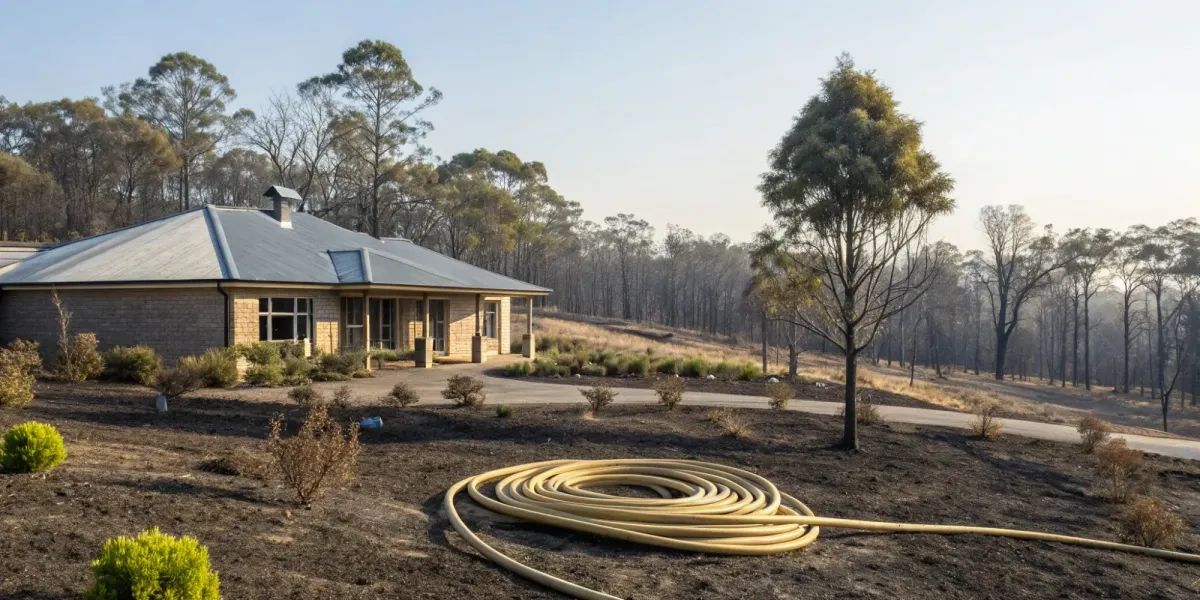
Living in a beautiful, high-risk fire area can feel like you’re at the mercy of rising insurance rates. But you have more power than you think. Proactively protecting your home from wildfires isn't just for peace of mind—it's how you take control of your insurance costs. Insurers reward this hard work with a lower premium, and getting a fire insurance discount is more straightforward than you might imagine. This guide shows you exactly how to do it. We’ll cover the specific home-hardening projects that insurers value most and walk you through the process for claiming the savings you’ve earned.
Key Takeaways
- Focus on High-Impact Upgrades: Prioritize the home hardening projects that deliver the most safety and the biggest insurance discounts, like creating defensible space, installing a Class A fire-rated roof, and adding ember-resistant vents.
- Keep Meticulous Records: Prove your mitigation work with a complete file of dated photos, contractor invoices, and material receipts to ensure your discount application is approved without delays.
- Compare Insurers to Maximize Savings: Wildfire mitigation discounts vary widely between companies, so work with an independent agent to find the carrier that offers the best rewards for your specific home protection efforts.
How Do Fire Mitigation Discounts Actually Work?
Think of fire mitigation discounts as a partnership between you and your insurance company. When you take proven steps to make your home more resistant to wildfires, you lower the chance of a catastrophic loss. In return, your insurer rewards you with a lower premium. It’s a straightforward concept that benefits everyone: you get a safer home and a more affordable policy, and your insurer takes on less risk.
These discounts aren’t just a nice-to-have perk; they are a core part of how the insurance industry is adapting to increased wildfire threats. By offering financial incentives, carriers encourage entire communities to become more resilient. Understanding how this system works is the first step toward protecting your home and finding significant savings on your insurance costs.
Think Like an Insurer: What's a Wildfire Risk?
From an insurer’s perspective, managing wildfire risk comes down to two main actions: offering discounts and deciding which homes to cover. It’s a balancing act. By providing discounts for fire-hardening efforts, they encourage homeowners to reduce the likelihood of a claim. This proactive approach allows them to continue offering coverage in areas they might otherwise consider too risky.
This strategy helps insurers manage their overall risk exposure while promoting safer building and landscaping practices. When you clear defensible space or install a fire-resistant roof, you’re not just protecting your property—you’re also making your home a more attractive and less risky partner for an insurance carrier. This alignment of interests is what makes mitigation discounts possible.
How Home Protection Translates to Savings
The connection between protecting your home and paying less for insurance is now official in California. In 2022, state regulations were put in place that require insurance companies to offer discounts to homeowners who implement wildfire safety measures. This process, often called “home hardening,” includes upgrades like installing ember-resistant vents and creating defensible space.
However, it’s important to know that not all discounts are created equal. The savings you can get for the exact same upgrade can vary quite a bit from one insurance company to another. One carrier might offer a significant discount for a Class A fire-rated roof, while another may offer a smaller one. This is why comparing options is so important.
Common Myths About Fire Insurance Discounts
Many homeowners feel confused about how to get these discounts, and it’s not their fault. There can be a lack of clear communication between insurance companies, local fire departments, and government agencies, leaving you to figure things out on your own. One common myth is that any home improvement will count. In reality, these discounts are specifically for actions that are proven to reduce wildfire risk.
Another point of confusion is availability. Some homeowners assume discounts are hard to find or that the process is too complicated. While it does require some paperwork, the savings are real and achievable. The key is to understand exactly what your insurer is looking for and to provide clear documentation for the mitigation work you’ve completed.
Home Upgrades That Qualify for a Fire Insurance Discount
When you live in an area prone to wildfires, finding affordable homeowners insurance can feel like an uphill battle. But you have more control than you might think. By making strategic upgrades to your home and property, you can directly lower your risk profile in the eyes of an insurer. This isn't just about making your home safer—though that’s the most important benefit—it’s about demonstrating to carriers that your property is a better, more resilient risk to insure.
Think of it as a partnership. You take proactive steps to protect your home, and in return, insurers can offer you better rates and terms. These upgrades, often called "home hardening," range from simple weekend landscaping projects to more significant construction choices. Each one adds a layer of protection that can make a real difference when a wildfire threatens your community. Below, we’ll walk through some of the most impactful home improvements that can lead to meaningful insurance discounts and give you much-needed peace of mind.
Create Your Defensible Space
One of the most effective and affordable ways to protect your home is by creating defensible space. This is essentially a buffer zone around your house that slows or stops the spread of wildfire. Insurers pay close attention to this because it dramatically improves a home's chance of survival. Creating a fire-resistant zone by removing leaves, yard debris, and any flammable material like propane and firewood within 30 feet of your home can significantly reduce fire risk. Simple actions like cleaning gutters, trimming tree branches so they don’t hang over your roof, and swapping wood mulch for gravel or rock in garden beds next to your foundation are powerful mitigation steps. These efforts show insurers you’re actively managing your property’s risk, which they often reward with premium discounts.
Choose Fire-Resistant Materials for Your Home
The materials your home is made of play a huge role in its ability to withstand a wildfire. Utilizing fire-resistant materials for your roof, siding, and decks is one of the most effective ways to protect your home. If you're building a new home or planning a renovation, these choices are critical. Opt for a Class A fire-rated roof, which includes materials like asphalt shingles, metal, or slate. For siding, consider non-combustible options like fiber cement or stucco instead of wood. These upgrades are a significant investment, but many insurance providers recognize their value and may offer lower rates for homes built with non-combustible materials, making them a smart choice for both safety and long-term savings.
Install Ember-Resistant Vents and Screens
During a wildfire, one of the biggest threats comes from wind-blown embers, which can travel a mile or more ahead of the actual fire. These tiny, glowing embers can enter your home through small openings and ignite it from the inside. Installing ember-resistant vents and screens can prevent this from happening. This involves covering all vent openings—in your attic, foundation, and under eaves—with a fine metal mesh (1/8-inch or smaller) that blocks embers but still allows for airflow. This relatively inexpensive upgrade is a critical part of hardening your home. It not only enhances your home's safety but can also lead to insurance discounts, as it demonstrates your commitment to comprehensive fire prevention.
Join a Community-Wide Safety Program
Your home’s safety isn’t just about what you do on your own property; it’s also influenced by your neighbors. That’s why participating in community-wide safety programs can enhance your neighborhood's overall fire resilience. When an entire community works together to clear brush and harden homes, it reduces the risk for everyone. Insurers recognize this collective effort and may offer discounts to homeowners who are part of such initiatives. Programs like Firewise USA® provide a clear framework for neighbors to collaborate on wildfire preparedness. Being part of a recognized Firewise community signals to insurers that your neighborhood is proactive and organized, which can make your home more attractive to underwrite.
How Much Can You Actually Save?
This is the big question, isn't it? After all the work of clearing brush and installing new vents, you want to see a real difference in your insurance premium. The good news is that these upgrades lead to tangible savings. The exact amount depends on the steps you take, your specific property, and your insurance carrier, but the discounts are significant enough to make your efforts worthwhile.
Think of it less as a single, flat-rate discount and more as a range of potential savings. Completing a few key tasks will net you a modest discount, while a comprehensive, top-to-bottom home hardening project can lead to some of the best rates available. It’s all about demonstrating to insurers that you’ve actively lowered your home’s risk profile. Below, we’ll break down the numbers so you can get a clearer picture of what to expect and understand the factors that influence your final premium.
What Are the Typical Discount Ranges?
Let's talk numbers. In California, homeowners can typically save between 2% and 18% on their insurance just by implementing recognized wildfire mitigation measures. If you complete all the state-mandated upgrades, that potential discount range grows, landing somewhere between 3% and 28%.
For homeowners who go the extra mile, the savings get even better. Achieving a certification like the IBHS Wildfire Prepared Home designation can unlock discounts of up to 42%. These figures show that insurers are willing to reward the hard work you put into protecting your property. The more you do to reduce your risk, the more you stand to save.
What Influences Your Total Savings
While the upgrades you make are the biggest factor, your insurance carrier plays a huge role in how much you’ll actually save. Two different companies can offer very different discounts for the exact same work. Why? Because some insurers apply the discount only to the "wildfire risk" portion of your premium, while others apply it to your entire homeowners bill.
This is a critical detail that can dramatically change your out-of-pocket cost. It’s also why simply asking "do you offer a discount?" isn't enough. You need to understand how insurers reward wildfire resilience and calculate those savings. This is where comparing quotes becomes so important for finding the best value.
Do Your Discounts Stack? Understanding the Caps
The great thing about fire mitigation discounts is that they don't exist in a vacuum. You can usually stack them with other common discounts, like those for bundling your home and auto policies or having a security system. This allows you to layer your savings for a lower overall premium.
However, it's important to know that most insurance companies have a cap on the total discount a policy can receive. This means there's a maximum percentage you can save, no matter how many discounts you qualify for. Don't let that discourage you; the goal is to get as close to that cap as possible. These limits are a standard part of how insurance pricing works.
What Paperwork Do You Need for Your Discounts?
After you’ve put in the hard work to protect your home, the last thing you want is to miss out on a discount because you can’t prove it. Insurance carriers need clear documentation to verify the mitigation measures you’ve taken. Simply telling them you’ve done the work isn’t enough; you need to show them. Think of it like building a case for why your home is a lower risk—and therefore deserves a lower premium.
Being organized is your best strategy here. Before you even call your agent, gather all your relevant documents into a single folder, whether it’s a physical one or a digital one on your computer. This preparation makes the application process smoother and shows your insurer that you’re serious and thorough. While specific requirements can vary between carriers, having a solid portfolio of proof will put you in the strongest possible position to get every discount you’ve earned. The following documents are the gold standard for proving your mitigation efforts.
Documenting Your Defensible Space
Maintaining your defensible space is an ongoing task, not a one-time project, and insurers want to see proof of your consistent effort. Start by keeping a simple log of your maintenance activities. Note the dates you clear leaves from your roof and gutters, remove dead vegetation, and ensure there are no flammable materials near your home’s foundation. Creating a fire-resistant zone is one of the most effective actions you can take, so documenting it is critical.
Your best evidence will be visual. Take dated photos or short videos each season to show the condition of your property. A picture of your cleared yard in the spring and another in the fall provides concrete proof that you’re keeping up with maintenance. This visual diary demonstrates your commitment and makes it easy for an underwriter to approve your discount.
Gathering Receipts and Certifications
If you’ve invested in upgrading your home with fire-resistant materials, hold onto every piece of paper related to the project. This includes receipts for materials, invoices from contractors, and any official certifications that came with the products. These documents prove you used qualifying materials that reduce your home’s vulnerability to wildfire.
Create a dedicated file for upgrades like Class A roofing, fiber-cement siding, or dual-paned tempered glass windows. When you apply for a discount, you can provide clear copies showing exactly what was installed and when. Using fire-resistant building materials is a significant investment, and these receipts are your key to getting a return on that investment through lower insurance premiums. Don’t let that proof get lost in a junk drawer.
Getting a Professional Inspection Report
A report from a qualified third-party inspector can be one of the most powerful documents in your arsenal. A professional inspection report provides an objective, expert assessment of your home’s wildfire resilience, which carries significant weight with insurance carriers. It moves your application from "I did this" to "an expert verified this."
Look for certified wildfire mitigation specialists or check if your local fire department offers home assessment programs. These inspectors evaluate your defensible space, building materials, vents, and overall property condition. The final report details your home’s strengths and provides a clear, credible summary of your mitigation efforts. This document can streamline the discount approval process and often helps justify a higher savings amount.
Take Clear Photos and Videos as Proof
A picture is worth a thousand words, especially when it comes to insurance discounts. Documenting your work with clear photos and videos provides undeniable proof of your efforts. The best approach is to capture before-and-after shots. For example, take a "before" photo of a dense, overgrown area and an "after" photo showing it cleared and maintained. If you’re replacing a wood shake roof, take pictures of the old roof, the work in progress, and the new Class A roof.
Make sure your photos are clear, well-lit, and dated. Most smartphones automatically embed a timestamp in the photo’s data, which is perfect. For even stronger proof, consider taking a short video where you walk around your property, pointing out the specific upgrades and maintenance you’ve completed. This visual tour can serve as valuable evidence that makes your application file complete and compelling.
How to Find Insurers with the Best Discounts
Once you’ve done the hard work of protecting your home, the next step is to make sure you get credit for it. Finding the right insurance company is just as important as installing the right vents. Not all carriers offer the same discounts, and some are far more proactive about rewarding homeowners for their mitigation efforts. Taking the time to find an insurer that values your work can lead to significant savings and a much smoother experience.
Compare Discount Programs Side-by-Side
It’s easy to assume that a discount for a fire-resistant roof is standard everywhere, but that’s rarely the case. One insurer might offer a 5% discount, while another offers 15% for the exact same upgrade. Because discounts vary so much, you could find much better savings with a different company. Don’t just compare final premium quotes; ask for a detailed breakdown of the wildfire mitigation discounts each carrier offers. Look at their specific programs, like those for Firewise USA or Safer from Wildfires communities, to see where your efforts align with their biggest savings opportunities. This extra step helps ensure you’re not leaving money on the table.
Why an Independent Agent Can Help
Instead of spending hours calling dozens of different companies, you can have an expert do the comparison shopping for you. An independent insurance agent isn’t tied to a single carrier. We work with multiple insurance companies, so we have a broad view of the market and know which ones offer the most competitive discounts for wildfire resilience. An agent can compare quotes on your behalf, matching your home’s specific upgrades to the insurer that will reward you the most. This not only saves you time but also gives you a professional advocate who understands the nuances of insuring homes in high-risk areas.
Ask These Questions About Wildfire Coverage
Being prepared for conversations with insurers can make all the difference. Whether you’re speaking with a potential new carrier or your current one, you need to ask the right questions to get the clarity you need. Start with a list to guide the conversation and ensure you cover all your bases.
Be sure to ask your insurance agent about specific upgrades that qualify for discounts and what proof you’ll need to provide. You should also find out if your home's location within a recognized fire-safe community makes you eligible for additional savings. A few key questions can uncover hidden discounts and help you maximize the return on your home protection investments.
How to Apply for Your Fire Insurance Discount
You’ve done the hard work of protecting your home from wildfires. Now it’s time to get the financial credit you deserve. Applying for insurance discounts can feel like another chore, but it’s a straightforward process when you break it down. Being organized and proactive is the key to ensuring your efforts translate into real savings on your premium. Think of it as closing the loop on your home-hardening project. Follow these three simple steps to make sure your application goes smoothly and your discounts are applied correctly.
Contact Your Insurer to Get Started
Your first move should be a call to your insurance agent. Don't assume which upgrades will earn a discount—ask directly. Your agent can provide a list of qualifying mitigations their carriers recognize and explain the specific requirements for each one. They can also review your property details and help you identify existing features that might already make you eligible for savings. This conversation sets you up for success by clarifying the exact documentation you’ll need, preventing you from wasting time gathering the wrong paperwork.
Get Your Paperwork Right the First Time
Insurers need proof of your mitigation work, so documentation is everything. Keep a detailed file with dated receipts for materials, invoices from contractors, and any professional certifications you received for upgrades like a new roof or windows. Before-and-after photos are also incredibly powerful. Snap clear pictures of your defensible space after clearing vegetation or of your newly installed ember-resistant vents. Submitting a complete and organized package makes it easy for the insurer to approve your discounts without delays. A strong application shows you’re a proactive homeowner, which is exactly what carriers want to see.
Follow Up on Your Application
Once you’ve submitted your paperwork, don’t just assume the discount will appear. The final step is to confirm it has been applied to your policy. When you receive your renewal documents, carefully review the declarations page to see the new premium and a line item for the wildfire mitigation credit. If you don’t see it or the amount seems incorrect, contact your agent right away. They can advocate on your behalf with the carrier to sort out any issues. Staying on top of this ensures your hard work pays off and you continue to receive the savings year after year.
Avoid These Mistakes When Applying for Discounts
You’ve put in the hard work to make your home more fire-resistant, and you absolutely deserve to see that effort reflected in your insurance premium. But the application process can sometimes feel like one last hurdle. Getting your discounts approved often comes down to avoiding a few common slip-ups that can delay or even derail your application. Let’s walk through the most frequent mistakes so you can get the savings you’ve earned without any extra headaches.
Check That Your Paperwork Is Complete and Current
This is by far the most common reason a discount request gets held up. You can do an amazing job clearing defensible space or installing a fire-resistant roof, but if you don’t have the right documents to prove it, your insurer can’t approve the discount. Before you start any project, create a dedicated folder for all related paperwork. Keep detailed receipts for materials, invoices from contractors, and any certifications you receive. It’s also a great idea to take before-and-after photos. To get California FAIR Plan home hardening discounts, for example, you need to send clear proof of your upgrades for them to be approved.
Time Your Application with Your Renewal
Many homeowners wait until they receive their renewal notice to think about discounts, but by then, it’s often too late. Insurance companies need time to process your application, review your documents, and apply the savings to your policy. A good rule of thumb is to submit your paperwork at least 60 to 90 days before your renewal date. If you’re planning a larger mitigation project, start the conversation with your agent even earlier. This gives you plenty of time to complete the work and get your documentation in order without rushing. Don’t wait for the renewal bill to be a reminder; be proactive to ensure your savings are applied to your next policy term.
Read the Fine Print: Understand Your Policy's Rules
Not all insurance companies handle discounts the same way. One carrier might accept photos as proof of defensible space, while another may require a formal inspection report. Assuming what worked for a neighbor will work for you can lead to wasted time and effort. Before you spend a dime, call your insurance agent and ask for a clear list of their requirements. Insurers have different ways of verifying safety measures, so it's always best to confirm their process ahead of time. Ask specific questions like, "What type of documentation do you need for a Class A fire-rated roof?" or "Do you have a list of approved ember-resistant vents?" Getting clarity upfront ensures you’re doing the right work and gathering the right proof from the start.
Overlooked Ways to Get a Fire Insurance Discount
Beyond major renovations like replacing your roof or siding, there are several effective and often overlooked strategies that can make your home safer and more attractive to insurers. These steps focus on managing the immediate environment around your home and participating in community-wide safety efforts. Insurers value these actions because they demonstrate a proactive commitment to reducing risk. By focusing on these areas, you can find additional savings and add powerful layers of protection to your property. Many of these strategies are low-cost but have a high impact, making them a smart investment of your time and effort. They show that you’re a responsible homeowner who is actively working to protect your asset, which can go a long way in securing better rates and coverage options.
Create a Five-Foot Non-Combustible Zone
Think of the five feet immediately surrounding your home’s foundation as a critical, non-combustible zone. This is where embers are most likely to land and ignite your house. To secure this area, remove all flammable materials. This includes bark mulch, pine needles, dry leaves, and even firewood stacks. Instead, use non-combustible materials like gravel, pavers, or concrete. A key detail many people miss is fencing. If you have a wooden fence attached to your home, it can act like a wick, carrying fire directly to your walls. You can mitigate this risk by replacing the first five feet of the fence with a non-combustible material like metal.
Choose Fire-Resistant Landscaping
Your yard can either be a fuel source for a wildfire or a buffer that helps protect your home. The goal is to create a landscape that is "lean, clean, and green." This means choosing fire-resistant plants with high moisture content and avoiding flammable options like juniper and cypress. Regularly clear away dead vegetation, prune tree limbs so they are at least six feet from the ground, and ensure there is proper spacing between shrubs and trees. This smart landscaping disrupts the fire's path, making it harder for flames to spread across your property and reach your house.
Join a Firewise Community for Bigger Savings
Insurers know that wildfire safety isn’t just about one house—it’s about the entire neighborhood. That’s why joining a nationally recognized Firewise USA® community can lead to meaningful discounts. In these programs, neighbors work together to manage vegetation, improve evacuation routes, and hold educational events. This collective effort significantly reduces the wildfire risk for everyone involved. Being part of a Firewise community sends a strong signal to insurance carriers that your neighborhood is organized, educated, and serious about safety, which can make them more willing to offer coverage and better premiums.
How an IBHS Certification Can Help
For homeowners who want to meet the highest standard of wildfire resilience, pursuing a designation from the Insurance Institute for Business & Home Safety (IBHS) is a powerful move. The IBHS Wildfire Prepared Home™ program provides a research-based framework for hardening your home against embers and flames. Achieving this certification involves a third-party inspection to verify that your home meets rigorous criteria. While it requires a dedicated effort, this designation is a clear, credible signal to insurers that your property is exceptionally well-protected, which can lead to the best possible discounts and improve your access to coverage.
How to Maximize Your Fire Insurance Discount
Making your home more fire-resistant is a powerful step, but you want to make sure your hard work translates into real savings. Being strategic about your upgrades and how you document them can make a significant difference in your insurance premiums. Think of it as getting the best possible return on your investment in safety. It’s not just about doing the work; it’s about making the work count.
Focus on Upgrades with the Biggest Payoff
If your budget is limited, you’ll want to focus on the projects that give you the most protective bang for your buck. Insurers pay close attention to the upgrades that most effectively reduce your home’s vulnerability. The most effective ways to lower your fire danger are to protect your roof from flying embers, use fire-resistant building materials, and create a non-combustible perimeter around your home’s foundation. Embers are a primary cause of home ignition during a wildfire, so preventing them from finding a place to land and ignite is a top priority for both safety and insurance discounts.
Stack Your Discounts with Other Savings
Wildfire mitigation discounts are a fantastic way to lower your premium, but they don't have to be your only savings tool. You can often pair these credits with other common insurance discounts. Ask your agent about potential savings from bundling your home and auto policies, installing a security system, or even raising your deductible. Being part of a recognized community wildfire safety program can also qualify you for a discount, which you can stack on top of your individual home hardening efforts. These discounts help by lowering your costs and encouraging more homeowners to make their properties safer.
Don't Lose Your Discounts: Keep Up the Maintenance
Earning a mitigation discount isn’t a one-time event; it’s an ongoing commitment. Insurance carriers expect you to maintain the safety measures you’ve put in place. For example, if you received a discount for creating defensible space, you’ll need to clear brush and debris annually to keep it. If you don't, your insurance company might remove your discount at renewal time. Schedule a yearly check-up for your property to ensure everything is still in good shape, and keep records of your maintenance work. Staying informed through your local fire department can also help you keep up with the latest safety standards.
Beyond Wildfire Mitigation: Other Common Home Insurance Discounts
While hardening your home against wildfires is the most impactful step you can take in California, it’s not the only way to save. Many insurance carriers offer a range of other discounts for general home safety, modern features, and even personal loyalty. Think of these as extra layers of savings you can stack on top of your fire mitigation credits. Each one might seem small on its own, but together, they can add up to a significant reduction in your annual premium. Exploring these options ensures you’re getting every bit of credit for being a responsible and proactive homeowner, helping you find the most affordable coverage possible without compromising on protection.
Discounts for General Home Safety
Insurers reward homeowners who take steps to protect their property from common risks like theft and internal fires. These discounts are all about reducing the likelihood of a claim, no matter the cause. By installing safety and security devices, you’re showing your carrier that your home is a well-protected, lower-risk property. This proactive approach can lead to some easy-to-get savings on your policy.
Internal Fire Safety Devices
Simple safety features inside your home can make a big difference. Having smoke alarms, fire extinguishers, and especially a home sprinkler system can help prevent a small incident from becoming a catastrophic fire. Insurers often provide a discount for these devices because they can significantly reduce potential fire damage.
Monitored Home Security Systems
A professionally monitored security system that protects against burglary and fire is a major plus for insurance companies. These systems alert emergency services automatically, which can stop a threat before it gets out of hand. This added layer of protection for your home often qualifies you for a premium discount.
Proximity to Fire Services
How close you live to a fire station or a fire hydrant can also affect your rates. If emergency services can get to your home quickly, the potential for severe damage is lower. Many carriers offer a small discount if your home is within a certain distance of a fire hydrant or a permanently staffed fire station.
Living in a Secured Community
If your home is in a gated community or a neighborhood with a private security service, you may be eligible for a discount. These features help deter theft and vandalism, which reduces the overall risk associated with your property and can lead to lower insurance costs.
Discounts for Home Features and Age
The age and condition of your home play a big role in how insurers calculate your premium. A newer, well-maintained home with modern systems is less likely to have issues like plumbing leaks or electrical fires. Carriers recognize this reduced risk and often reward homeowners with discounts for having a newer home or for making significant updates to an older one.
New Home Discount
If your home was built within the last five to ten years, you could qualify for a new home discount. Newer homes are built to more current building codes, making them safer and more resilient. This discount often applies if you’re the first owner or if the home has had major systems updated recently.
Non-Smoker Discount
Because smoking is a common cause of house fires, many insurance companies offer a discount if no one in your household smokes. This simple lifestyle factor can translate into real savings by lowering your home's fire risk profile in the eyes of your insurer.
Discounts for Weather Resistance
Beyond wildfires, other weather events like hail and high winds can cause serious damage to a home. Insurers are increasingly offering discounts to homeowners who invest in weather-resistant features. These upgrades show that your home is built to withstand a variety of environmental threats, making it a more resilient and less risky property to insure.
Impact-Resistant Roofs
A strong roof is your home’s first line of defense against the elements. If you have a roof made from durable, impact-resistant materials, such as Class 4 shingles that can withstand hail, you could earn a significant discount. This is especially valuable in areas prone to severe storms.
Wind and Hurricane Mitigation
In states where high winds are a concern, features that make your home more wind-resistant can lead to savings. This can include things like storm shutters, reinforced garage doors, and hurricane-grade windows. These upgrades help protect your home from wind damage and can lower your insurance premium.
Personal and Policy-Based Discounts
Sometimes, the discounts you qualify for have less to do with your house and more to do with you and your relationship with the insurance company. Carriers often reward loyal customers, new homebuyers, and members of certain groups. These discounts are easy to overlook but can provide consistent savings year after year.
Loyalty Discount
Many insurance companies offer a discount to customers who stay with them for several years. This is their way of rewarding you for your loyalty. If you’ve been with the same carrier for a while, it’s always worth asking if you qualify for this type of credit.
Senior or Retiree Discount
If you are over a certain age (often 65) or retired, you may be eligible for a senior discount. Insurers often view retirees as lower-risk because they tend to be home more often, which can help prevent theft or allow them to spot maintenance issues early.
Group Insurance Plans
Check to see if your employer, alumni association, or another professional group has a partnership with an insurance carrier. These arrangements can sometimes give you access to special group rates that are lower than what you could get on your own.
New Homebuyer Discount
If you purchased your home within the last 12 months, you might qualify for a new homebuyer discount. This is a nice perk for recent buyers, so be sure to ask your agent if it’s available when you’re setting up your first policy for the property.
Financial Strategies for Lowering Your Premium
Beyond home upgrades and personal discounts, there are several financial levers you can pull to make your homeowners insurance more affordable. These strategies involve adjusting your policy terms and managing your financial health. While they require careful consideration, they can have a direct and immediate impact on your annual premium. Taking control of these factors allows you to fine-tune your coverage to better fit your budget without sacrificing essential protection. It’s about finding the right balance between your monthly payment and your long-term financial security.
Increase Your Deductible
Your deductible is the amount you pay out of pocket before your insurance coverage kicks in. By choosing a higher deductible, you agree to take on a bit more financial risk yourself, which in turn lowers your premium. For example, raising your deductible from $1,000 to $2,500 can often result in significant savings. Just be sure you choose a deductible amount that you can comfortably afford to pay on short notice if you need to file a claim.
Manage Your Claims History
Your claims history is one of the biggest factors insurers consider when setting your rates. Filing a claim can cause your premium to increase for several years. Because of this, it’s often wise to handle small repairs yourself rather than filing a claim. If the cost of the repair is close to your deductible amount, paying out of pocket can save you more money in the long run by keeping your claims history clean and your premium stable.
Improve Your Credit Score
In many states, including California, insurers can use a credit-based insurance score to help determine your premium. Statistically, a higher credit score is associated with a lower likelihood of filing a claim. By taking steps to improve your credit—like paying bills on time and keeping credit card balances low—you can potentially lower your insurance costs. A better score can lead to a noticeably lower premium over time.
Change How You Pay Your Premium
How you pay your bill can also unlock some savings. Many insurance companies charge a small administrative fee for monthly payment plans. If you can afford to pay your entire annual premium in one lump sum, you can often avoid these fees and may even receive a small discount for paying in full. It’s a simple switch that can save you money without changing your coverage at all.
Understand Your Coverage Type: ACV vs. Replacement Cost
It’s important to know what kind of coverage you have. Replacement Cost Value (RCV) pays to rebuild your home and replace your belongings with new items of similar kind and quality. Actual Cash Value (ACV), on the other hand, pays for the replacement cost minus depreciation. ACV policies are typically cheaper, but they won’t cover the full cost of rebuilding. Choosing the right option depends on your budget and risk tolerance, but understanding the difference is key to making an informed decision.
What to Do When Discounts Aren't Enough: Insurance for High-Risk Homes
For many homeowners in high-risk fire areas, even with every possible discount, finding affordable coverage in the traditional market can be a challenge. When private insurers pull back from certain regions, it can leave you feeling stranded. But you are not out of options. There are specific insurance solutions designed to act as a safety net for properties that standard carriers are unwilling to cover. Understanding these alternatives is the final piece of the puzzle in securing protection for your home. As an independent agency, we help homeowners find these solutions every day, ensuring they have the coverage they need to protect their most valuable asset.
Understanding the California FAIR Plan
The California FAIR Plan is not a private insurance company but a state-mandated program that provides basic fire insurance when you can’t get it from a traditional carrier. It’s designed to be a last-resort option, offering essential coverage for fire, lightning, and internal explosion. It’s important to know that a FAIR Plan policy is limited; it doesn’t cover things like water damage, theft, or liability. To get comprehensive protection, you typically need to purchase a separate "Difference in Conditions" policy to wrap around the FAIR Plan and fill in those coverage gaps.
Exploring Surplus Lines Insurance
Surplus lines, or non-admitted, carriers are another important option for high-risk homes. These are highly specialized insurance companies that are permitted to cover risks that standard, "admitted" carriers will not. Because they aren’t bound by the same rate regulations as standard insurers, they have more flexibility to price for high-risk properties. While premiums can be higher, surplus lines carriers often provide a comprehensive, all-in-one policy, which can be a simpler and more robust solution than piecing together coverage with the FAIR Plan.
Related Articles
- Who Offers Premium Reductions for Fire-Resistant Homes?
- 5 Best Insurance Carriers for Wildfire-Resistant Homes
- 6 Best Insurance Carriers for Wildfire Upgrades
Frequently Asked Questions
Do I need to make every single upgrade to qualify for a discount? Not at all. Think of it as an à la carte menu rather than a set meal. Even taking one or two significant steps, like clearing your defensible space or installing ember-resistant vents, can qualify you for savings. The key is to start somewhere. You can always add more layers of protection over time, and each one can contribute to a safer home and a lower premium.
Are the upfront costs of these upgrades really worth the insurance savings? This is a great question. While the primary benefit of these upgrades is protecting your home and family, the financial return is also significant. The insurance savings can add up year after year, helping to offset the initial cost. More importantly, these improvements make your home more insurable in a tough market, which can save you from being forced into a more expensive, last-resort policy.
What if my current insurance company doesn't offer good discounts? If your current insurer isn't rewarding your hard work, it's a clear sign that it's time to shop around. Not all companies value mitigation efforts equally. This is where working with an independent agent can be a game-changer. We can compare policies from multiple carriers to find one that offers the most competitive discounts for the specific upgrades you've made.
Once I get a discount for creating defensible space, is it permanent? Discounts for ongoing maintenance, like maintaining defensible space, are typically reviewed each year at your policy renewal. Your insurer expects you to keep up the good work. This is why documenting your efforts annually with dated photos is so important. It provides consistent proof that you are actively managing your property's risk, ensuring you keep the discount you've earned.
I'm feeling overwhelmed. What's the first and most important step I should take? The best place to start is with a simple phone call to your insurance agent. Before you spend any time or money, have a conversation about what your specific carrier values most. Ask for a list of their qualifying upgrades and the documentation they require. This single conversation will give you a clear roadmap, helping you focus your efforts on the actions that will have the biggest impact on both your home's safety and your insurance premium.


