
7 Ways to Earn a Fire Insurance Discount
Get a fire insurance discount by making your home fire-resistant. Learn which upgrades matter, how to document them, and tips for lowering your premium.

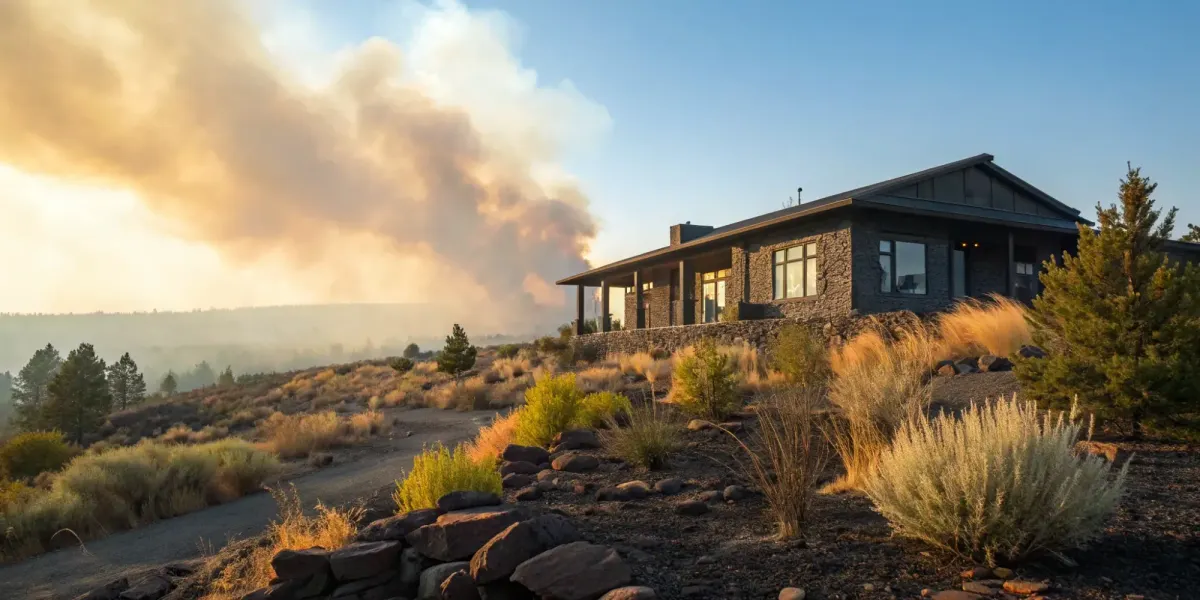
It’s easy to feel like your insurance costs are completely out of your control, especially in high-risk areas. But you have more power than you think. By making strategic, fire-safe upgrades, you’re not just protecting your property—you’re making it a much better risk for insurance carriers. This is often called home hardening. And a lower risk for them should mean a lower premium for you. These proactive steps can lead to a significant fire insurance discount, making your coverage more affordable for years to come.
Key Takeaways
- Prioritize High-Impact Upgrades and Document Your Work: Focus on the improvements that insurers value most, like Class A roofing, ember-resistant vents, and creating defensible space. Keep a detailed file with receipts, photos, and contractor invoices to provide the clear proof needed to secure your discount.
- Drive the Conversation with Your Insurance Agent: Discounts are rarely automatic, so you have to ask for them. Treat your agent as a partner by proactively sharing your completed upgrades and asking them to find every available credit you're entitled to.
- Think Beyond Premiums to Protect Your Investment: Fire-resistant upgrades do more than lower your monthly bill; they safeguard your home's market value, help you avoid massive out-of-pocket repair costs, and are critical for maintaining your insurability in a challenging market.
Your Guide to Home Hardening Insurance Discounts
You’ve put in the work to make your home safer from wildfires, and that investment should pay off—not just in peace of mind, but on your insurance bill, too. Securing a discount for your fire-resistant home is a practical way to lower your premiums. From an insurer’s perspective, a hardened home is a lower-risk home. When you take steps to reduce the likelihood of a major claim, carriers are often willing to reward you with better rates. It’s a true win-win: you get a more resilient home and a more affordable policy.
So, how do you turn those home-hardening projects into actual savings? It starts with knowing which upgrades matter most. Many insurers offer premium discounts, often between 5% and 15%, for homes with specific fire-resistant upgrades like Class A roofing, ember-proof vents, and dual-pane windows. Creating and maintaining defensible space around your property is another critical action that carriers look for. Some companies, like AAA, even have a dedicated wildfire defense discount for homeowners who take these proactive steps.
The key is to document everything and communicate clearly with your insurance provider. Don’t assume a discount will be applied automatically. Keep receipts, take before-and-after photos, and save any certifications for the materials you used. Presenting this information to your agent shows that you’ve made a serious investment in risk reduction. Over time, the savings from your lower premium can help offset the initial cost of the upgrades, making documented fire protection measures a smart financial decision. By being organized and proactive, you can make sure you get the credit you deserve for protecting your home.
Which Upgrades Earn the Biggest Insurance Discounts?
When you live in an area prone to wildfires, it’s easy to feel like your insurance costs are completely out of your hands. The good news is that you have more power than you think. By making smart, strategic upgrades to your home, you’re not just making it safer—you’re also making it a much better risk for insurance carriers. And a lower risk for them often means a lower premium for you.
Think of it as a partnership. Insurers want to see that you’re actively working to protect your property. When you invest in fire-resistant features, you’re sending a clear signal that you’re a responsible homeowner. These proactive steps can lead to significant discounts that make your coverage more affordable. Below, we’ll walk through some of the most impactful upgrades you can make, from the top of your roof down to the landscaping around your foundation. Each one is a powerful step toward securing your home and your finances.
Start at the Top: Install Fire-Resistant Roofing
Your roof is your home's first line of defense against airborne embers, which can travel a mile or more ahead of a wildfire. That’s why having a Class A fire-rated roof is one of the most important upgrades an insurer will look for. These roofing materials, which include asphalt shingles, concrete or clay tiles, and metal, are designed to withstand severe fire exposure without catching fire themselves. While replacing a roof is a major investment, properties with documented fire protection measures often qualify for lower premiums. This makes the project more cost-effective over time while giving you invaluable peace of mind.
Block Embers with Fire-Resistant Vents
It’s the small things that often pose the biggest threat during a wildfire. Embers are tiny, burning pieces of debris that can easily enter your home through vents in the attic, crawlspace, or foundation. Once inside, they can ignite flammable materials and cause the house to burn from the inside out. Installing ember-resistant vents is a relatively simple and affordable fix for this critical vulnerability. These vents are covered with a fine metal mesh that blocks embers while still allowing for proper airflow. This one upgrade can lower your premium by as much as 5-10%, making it a high-impact project with a clear financial return.
Create Your Defensible Space
What you do with the area around your home is just as important as the materials you build it with. Creating a defensible space means establishing a buffer zone that slows or stops the spread of wildfire. This involves clearing away dead vegetation, trimming trees, and removing flammable materials within at least 30 feet of your foundation. The goal is to eliminate fuel that a fire could use to reach your house. Maintaining this space shows insurers you’re serious about risk reduction. It not only helps protect the value of your home but also makes your property significantly more insurable in a high-risk area.
Install Fire Suppression and Detection Systems
Modern fire suppression and detection systems are another powerful tool for protecting your home and earning insurance discounts. While smoke detectors are standard, installing a residential fire sprinkler system can make a huge difference. These systems can extinguish a fire in less time than it would take the fire department to arrive, drastically reducing potential damage. According to the National Fire Protection Association, sprinklers can reduce the risk of dying in a home fire by about 85%. Insurers recognize this and often offer substantial discounts for homes equipped with them. Exterior sprinkler systems designed to wet down your roof and defensible space can also contribute to a lower premium.
Other Protective Upgrades
Don't overlook the smaller upgrades—they can add up to make a big difference on your insurance bill. Swapping out old single-pane windows for dual-pane versions with tempered glass makes your home more resilient against intense heat, preventing breakage that could let embers inside. The same goes for your exterior; using non-combustible siding like stucco or fiber cement can stop a fire in its tracks. Insurers also look favorably on general safety measures. Installing centrally monitored smoke detectors or a home security system shows you’re serious about protecting your property from multiple risks, which can often earn you additional homeowners insurance discounts. The key is to document every improvement. Keep receipts, photos, and any certifications for the materials you used so you can clearly communicate these proactive steps to your agent.
How Different Insurance Carriers Handle Discounts
When it comes to rewarding homeowners for fire-resistant upgrades, not all insurance carriers are on the same page. The reality is that each company has its own set of rules and programs for calculating discounts. Some are ahead of the curve, actively creating incentives for homeowners who invest in mitigation. Others are slower to adapt, which can be frustrating when you’ve spent time and money making your home safer. This is where the landscape can get a little tricky to handle on your own.
Major carriers like State Farm offer discounts for homes and communities that take steps to protect against wildfires. Similarly, AAA has a wildfire defense discount program for its customers in California. However, the specifics of these programs—how much you can save and what exactly qualifies—can vary widely. It often depends on your specific location, the carrier’s current risk assessment for your area, and even when your policy was initiated. Understanding these differences is key to finding a policy that truly rewards your efforts. An independent agent can be a huge asset here, as we know which carriers offer the most meaningful savings for fire-resilient homes.
Our Approach to Fire-Safe Savings
At Five Bays, our entire focus is on finding fair and affordable coverage for homeowners in high-risk areas. We partner with insurance carriers that specifically recognize and reward the fire-resistant upgrades you make. We’ve seen that homes with documented fire protection measures, like fire-retardant coatings, often qualify for premium discounts ranging from 5% to 15%.
Think of it this way: every fire-safe improvement you make is an investment. Not only does it protect your home and family, but it also makes your property a better risk for an insurer. We help you translate those improvements into tangible savings, making the investment cost-effective over time. We’ll connect you with the right carriers and make sure you’re getting every credit you deserve.
What to Expect from Other Insurance Carriers
While many major carriers offer discounts, their policies can sometimes feel like a black box. You might make a significant upgrade, only to find it doesn’t move the needle on your premium as much as you’d hoped. It’s important to remember that a standard homeowners policy doesn't always cover every situation, and understanding the fine print is crucial.
The key is to be proactive. Don’t assume an upgrade will automatically result in a discount. Before starting a project, it’s a good idea to talk to the carrier to see what specific improvements they value most. The availability of discounts can change based on regional risk factors and the company’s internal policies, so asking direct questions is the best way to manage your expectations and your budget.
The Paperwork You'll Need for Your Discount
To get credit for your hard work, you’ll need to prove that you’ve completed the upgrades. Insurance carriers require documentation to verify the materials and methods used, so keeping good records is essential. Think of it as building a portfolio for your home’s resilience.
Be prepared to provide receipts for fire-resistant materials, invoices from licensed contractors, and photos of the completed work. For certain upgrades, you may also need official documentation like inspection reports or certifications from approved vendors. We have a detailed guide on how to prove fire resistance that walks you through exactly what you’ll need. Keeping a dedicated folder for these documents will make the process smooth and ensure you get the maximum discount available.
More Ways to Lower Your Home Insurance Premium
Beyond making physical upgrades to your home, you can find significant savings by looking closely at your policy details and financial habits. How you structure your coverage, pay your bills, and even manage your personal credit can all influence the final price you pay. These adjustments don't require a construction crew, but they do require a bit of attention and strategic thinking. Taking the time to understand these factors gives you more control over your premium and ensures you’re not paying for more than you need. It’s about making your policy work smarter for you and your budget.
Policy and Financial Adjustments
Making a few key adjustments to your policy and payment habits can lead to immediate and long-term savings. These strategies are all about the fine print. By tweaking your deductible, rethinking your payment schedule, and being mindful of your claims history, you can directly influence your premium. It’s also worth noting that factors like your credit history can play a role. While it might seem unrelated, many insurers use this information to assess risk. Taking a holistic look at these financial details is a powerful way to make your insurance more affordable without sacrificing essential protection for your home.
Increase Your Deductible
One of the most direct ways to lower your premium is to raise your deductible. Your deductible is the amount you agree to pay out of pocket before your insurance coverage kicks in. By choosing a higher deductible—say, increasing it from $1,000 to $2,500—you’re taking on a bit more of the initial financial risk. In return, your insurance carrier will typically lower your annual premium. The key is to find a balance. Make sure you choose a deductible that you could comfortably afford to pay on short notice if you needed to file a claim.
Review Your Payment Method
How you pay your premium can also unlock savings. Many insurance companies offer a small discount if you pay your entire annual premium in one lump sum rather than in monthly installments. While it requires a larger upfront payment, it eliminates the administrative fees that are often bundled into monthly payment plans. If your budget allows for it, paying in full is a simple and effective way to shave a little extra off your total cost over the course of the year. It’s an easy win that requires just a quick review of your payment options.
Manage Your Claims History
Your claims history is one of the biggest factors insurers look at when setting your rates. A homeowner who hasn't filed any claims for several years is seen as a lower risk, and that good record is often rewarded with lower premiums. This is why it’s sometimes wise to think twice before filing a small claim. If the repair cost is only slightly more than your deductible, it might make more financial sense to pay for it yourself. This keeps your claims record clean and helps you qualify for valuable claims-free discounts down the road.
Improve Your Credit Score
It may come as a surprise, but your credit history can impact your home insurance premium. Many insurers use what’s called a credit-based insurance score to help determine rates. This score uses aspects of your credit history to predict your likelihood of filing a claim. According to the National Association of Insurance Commissioners, individuals with a higher score are statistically less likely to file claims. By practicing good financial habits—like paying bills on time and keeping credit card balances low—you can improve your credit score and potentially earn a lower insurance rate.
Understanding Your Coverage Options
The details of your policy are just as important as the price tag. Taking the time to understand exactly what you’re paying for can prevent you from being over-insured or, even worse, underinsured when you need it most. Key distinctions, like insuring for your home’s rebuilding cost instead of its market value, can make a huge difference in both your premium and your financial security. Similarly, knowing the difference between “actual cash value” and “replacement cost” ensures you have the right level of protection to truly recover after a loss. Getting these details right is fundamental to building a smart, cost-effective policy.
Insure for Rebuilding Cost, Not Market Value
A common mistake homeowners make is confusing their home’s market value with its rebuilding cost. The market value is what someone would pay to buy your house and the land it sits on. The rebuilding cost is what it would take to reconstruct your home from the ground up, including labor and materials. Your insurance should cover the rebuilding cost. Insuring for the higher market value means you’re paying a premium for coverage you don’t need, since the land itself isn’t at risk from events like a fire. A proper dwelling coverage calculation ensures you’re paying the right price for the right amount of protection.
Actual Cash Value vs. Replacement Cost
When it comes to covering your home and your belongings, policies generally fall into two categories: Actual Cash Value (ACV) and Replacement Cost Value (RCV). An ACV policy will pay for the depreciated value of a damaged item—so, you’d get what your five-year-old roof was worth today. An RCV policy, on the other hand, pays to replace the item with a new one of similar quality. While RCV policies have higher premiums, they offer far greater protection and prevent you from facing huge out-of-pocket costs to rebuild your life after a major claim.
Common Homeowners Insurance Discounts to Ask About
Insurance companies offer a wide range of discounts, but they often aren’t applied automatically. You have to ask for them. Think of your insurance agent as your partner in finding savings. It’s their job to help you identify every discount you’re entitled to, but they can only do that if they have all the information. Whether you’ve installed a new security system, recently retired, or have a claims-free history, make sure your agent knows about it. At Five Bays, we make this a priority. We proactively look for these opportunities because we believe you should be rewarded for being a responsible homeowner.
Discounts for Your Home
Many of the most common discounts are tied directly to your property itself. Insurers reward homeowners for features that reduce the risk of a claim, whether that’s a state-of-the-art security system or simply being located near a fire hydrant. Newer homes also tend to qualify for lower rates because their systems and structures meet modern building codes, making them less prone to issues. It’s always worth reviewing the specific features of your home with your agent to see if you’re missing out on savings you already qualify for. You might be surprised by what earns you a discount.
Multi-Policy Discount (Bundling)
One of the easiest and most popular ways to save is by bundling your policies. If you purchase your home and auto insurance from the same company, you can often get a multi-policy discount that applies to both. According to State Farm, this can lead to significant savings. This strategy simplifies your financial life by letting you manage your policies with a single provider, and the discount can be one of the largest available. If your policies are currently with different carriers, it’s definitely worth getting a quote to see how much you could save by bringing them under one roof.
Home Security and Safety Systems
Insurers love to see proactive safety measures. Installing protective devices like smoke detectors, burglar alarms, and fire extinguishers can often earn you a discount. A centrally monitored security system that alerts the police or fire department in an emergency can lead to even greater savings. These systems reduce the risk of theft, fire, and water damage, which means you’re less likely to file a major claim. Be sure to provide your agent with proof of installation or monitoring contracts to ensure you get the credit you deserve.
New Home Discount
If you live in a recently built home, you may be eligible for a new home discount. Newer homes are built to the latest safety codes and often feature modern plumbing, electrical, and HVAC systems that are less likely to fail. This makes them a lower risk for insurers. According to the Texas Department of Insurance, some carriers offer this discount for homes built within the last five to ten years. If your home is new, make sure your agent is aware of its age so they can apply any available discounts.
Location-Based Discounts
Your home’s location can also play a role in your premium. If your property is close to a fire station or a fire hydrant, your insurer may offer a discount. The logic is simple: faster access for emergency services means a fire is more likely to be extinguished quickly, reducing the extent of the damage. While you can’t move your house, it’s important to make sure your insurance company has the correct information about your proximity to these resources, as it could translate into a lower rate.
Discounts for Your Personal Status
Beyond your home’s physical characteristics, certain aspects of your personal profile can also qualify you for discounts. These savings are tied to your lifestyle, age, and professional affiliations. Insurers often reward stability and low-risk behaviors, so things like being claims-free for several years or being a non-smoker can make a real difference on your bill. It’s important to keep your agent updated on any life changes, as you may become eligible for new discounts over time without even realizing it. These personal discounts are another piece of the puzzle in building the most affordable policy possible.
Claims-Free Discount
If you’ve been a homeowner for a while and haven’t had to file a claim, you may be eligible for a claims-free discount. Insurance companies reward policyholders who have a proven track record of not filing claims, as it shows them you’re a lower-risk customer. Typically, you need to be claims-free for a period of three to five years to qualify. This is a significant discount that grows over time, reinforcing the benefit of handling smaller repairs out of pocket to protect your long-term insurability and affordability.
Senior or Retiree Discount
Many insurance carriers offer special discounts for seniors or retirees. Homeowners over a certain age—often 55 or 60—may qualify for a reduced premium. This is because retirees tend to spend more time at home, making them more likely to spot and address potential issues like a small fire or a water leak before they become major disasters. If you’ve recently retired or are approaching that age, be sure to ask your agent if your policy offers a senior discount.
Non-Smoker Discount
Because smoking is a significant fire hazard inside the home, many insurance companies offer a small discount to households where no one smokes. While it may not be the largest discount available, every little bit helps. If you and everyone in your household are non-smokers, make sure your insurance provider knows. It’s a simple way to get rewarded for a lifestyle choice that makes your home a safer place and a lower risk to insure.
Group Insurance Plans
You may be able to get a better rate on your home insurance through a group plan. Many employers, alumni associations, and professional organizations partner with insurance companies to offer their members special rates. As noted by Liberty Mutual, these affinity group discounts can provide access to lower premiums than what you might find on your own. Check with your employer’s HR department or your university’s alumni office to see if they have any partnerships that could help you save on your homeowners policy.
Financial Benefits Beyond a Lower Premium
Lower insurance premiums are the most immediate reward for hardening your home, but the real financial win is much bigger. Think of fire-resistant upgrades as a strategic investment in your home's long-term financial health. It’s not just about defense; it’s about actively building equity, preventing catastrophic costs, and securing your place in a tough insurance market. In areas across California, where wildfire risk is a real factor in the housing market, these improvements do more than just save you a few dollars on your policy. They safeguard your home's value, protect you from devastating out-of-pocket repair bills, and—most importantly—help ensure you can get affordable coverage for years to come. Let's break down what that really means for your bottom line.
Protect Your Home's Long-Term Value
When you build or retrofit your home with wildfire-resistant features, you’re not just protecting it from loss; you’re also preserving its value. In high-risk regions, a hardened home is a major selling point. Potential buyers see it as a safer, more secure property, which can make your home more attractive on the market. It shows foresight and responsible ownership. These features are becoming a smart long-term investment that can pay off significantly when it’s time to sell. It’s about turning a potential liability—your home’s location—into a resilient and more valuable asset.
Avoid Costly Future Repairs
The cost of recovering from a fire goes far beyond what insurance might cover. Even if your home survives a wildfire, damage from embers, radiant heat, and smoke can lead to thousands in repairs. Investing in fire-resistant siding, dual-pane windows, and proper venting isn't just about preventing a total loss; it's about stopping damage before it starts. By reducing the chance of ignition, you drastically lower the odds of facing a huge, unexpected repair bill. This proactive approach helps you avoid the financial and emotional toll of post-fire restoration, keeping your money where it belongs.
Keep Your Home Insurable for Years to Come
In today's challenging insurance market, just having coverage can feel like a win. As carriers re-evaluate risk, homeowners without proactive safety measures are finding it harder to get and keep affordable policies. By installing fire-resistant upgrades, you make your home a more attractive, lower-risk property to insurers. This isn't just about a discount; it's about long-term access to the private insurance market. Documented fire protection measures show carriers you're a responsible partner in protecting your property, which can be the deciding factor in your ability to secure coverage and avoid last-resort options.
Myths About Fire Insurance Discounts
After putting in the time, effort, and money to make your home more resilient to wildfires, the last thing you want is confusion about insurance discounts. Unfortunately, there’s a lot of misinformation out there that can make the process feel frustrating. Let’s clear up a few of the most common myths so you can approach your home hardening projects with confidence and clarity.
Myth: Every Upgrade Guarantees a Discount
It would be great if every fire-safe improvement you made came with an automatic price cut on your premium, but it’s not quite that simple. Insurance carriers use specific data to determine which upgrades have the biggest impact on reducing their risk. A new Class A fire-rated roof, for example, is a major risk reducer and almost always qualifies for a discount. Other smaller upgrades might not, depending on the insurer’s guidelines. As Mercury Insurance notes, "Many homeowners are surprised to learn that their policy doesn't cover every situation, which is why understanding what's included — and what isn't — is so important." The best approach is to talk with your agent before you begin a project to confirm which upgrades will give you the most financial credit.
Myth: Only Big Renovations Count
This myth stops a lot of homeowners from taking action, but it’s simply not true. While major projects like replacing siding or installing a new roof are impactful, they aren’t the only path to savings. Many smaller, more affordable improvements can also lead to significant discounts. Creating and maintaining defensible space by clearing brush, installing ember-resistant vents, and using non-combustible fencing within five feet of your home are all powerful, cost-effective actions. A guide to wildfire readiness in Southern California points out that "while big upgrades like a new roof are expensive, many of the smaller improvements can also lead to significant savings." A layered approach combining both big and small upgrades often provides the best protection and the most opportunities for discounts.
Myth: Your Discount Will Last Forever
Finding a great discount is a win, but it’s important to know that it might not be permanent. The insurance industry is constantly evolving; carriers regularly update their risk models, underwriting rules, and discount programs based on new data. A discount available today could be modified or even discontinued during a future policy term. As one industry resource explains, discounts "may not be permanent and can change based on the insurance provider's policies." This is why an annual policy review with your agent is so crucial. It’s the best way to stay on top of any changes and ensure you’re still getting every discount you’re eligible for, keeping your coverage both effective and affordable.
How to Maximize Your Insurance Savings
Making fire-resistant upgrades to your home is a huge step, but the work doesn’t stop once the contractor leaves. To ensure you get every dollar of savings you deserve, you need to be proactive. Insurance discounts aren’t always applied automatically; you have to ask for them and provide the right proof. Think of it as the final step in your home-hardening project. It’s about making sure your insurer sees and rewards the investment you’ve made in reducing your property’s risk. Many homeowners assume that once they've installed a Class A roof or cleared their defensible space, the savings will just appear on their next bill. Unfortunately, that's rarely the case. Insurers manage thousands of policies, and it's up to you to raise your hand and show them what you've done.
The key is to be strategic. This means communicating clearly with your insurance agent, looking beyond your own property lines for community-wide opportunities, and timing your upgrades to align with your policy renewals. By taking a hands-on approach, you can do more than just lower your premium. You can build a stronger relationship with your insurer, contribute to your neighborhood’s resilience, and solidify your home’s long-term insurability. These next steps will help you connect your hard work to real, tangible savings.
Partner with Your Insurance Agent
Think of your insurance agent as your strategic partner in protecting your home. They have a direct line of sight into the specific discounts your carrier offers and know exactly what documentation is needed to qualify. Don’t wait for them to ask; reach out after you complete an upgrade. As experts at State Farm note, it’s always best to talk to an agent to find out which discounts are available for your home. An independent agent can be an especially valuable advocate for you, helping you compare options if your current carrier isn’t rewarding your mitigation efforts. Schedule a quick annual review to discuss any changes and ensure you’re not leaving money on the table.
Tap into Community Programs like Firewise USA
Sometimes, the most impactful discounts come from working with your neighbors. Insurers look at risk on a community-wide level, so when an entire neighborhood takes action, carriers take notice. Programs like Firewise USA® guide communities in working together to reduce wildfire risk. Getting your neighborhood certified can make the area more attractive to insurers, which can lead to better rates and more coverage options for everyone. It’s a powerful way to show that your community is serious about safety, turning a collective effort into individual savings. Look into whether your neighborhood is already participating or how you can get a committee started.
Time Your Upgrades for Maximum Impact
Investing in fire safety does more than just lower your premium; it’s a smart financial move that reduces potential repair costs down the line. To get the most immediate benefit, plan your upgrades strategically. If possible, complete major projects before your insurance policy is up for renewal. As soon as the work is done, send all the documentation—including receipts, permits, and photos—to your agent. Properties with documented fire protection measures often qualify for lower premiums, making the investment cost-effective over time. By providing clear proof of your upgrades, you make it easy for your insurer to adjust your rate and reward you for making your home a safer, more resilient property.
Shop Around for Better Rates
Even after you’ve made every upgrade and secured every discount, it’s smart to remember that loyalty to an insurance carrier doesn’t always translate to the best price. The insurance market is constantly shifting, especially in high-risk states like California. A carrier that offered the most competitive rate three years ago might not be the best fit for you today. That’s why it’s a good idea to shop for new rates periodically, at least every few years. Comparing quotes allows you to see if your current premium is still competitive and ensures you’re not overpaying. As an independent agency, this is what we do best—we have access to multiple carriers and can do the comparison shopping for you, finding the company that truly values the fire-safe investments you’ve made.
What to Do When You Can't Get Standard Coverage
Receiving a non-renewal notice or being denied coverage can be incredibly stressful, especially when you’ve done everything right. You’ve hardened your home, cleared defensible space, and documented every upgrade, only to be told you’re still too much of a risk. It’s an unfortunate reality for many responsible homeowners in California, and it’s easy to feel like you’re out of options. The private insurance market has become much more selective in high-risk areas, leaving a growing number of people struggling to find the protection they need for their most valuable asset. This isn't a reflection on you as a homeowner; it's a sign of a challenging market.
When you find yourself in this position, it’s important to know that there are still safety nets in place. You aren’t completely on your own. While the standard, preferred carriers may no longer be an option, there are alternatives designed to provide a basic level of protection when the private market pulls back. These solutions aren't perfect, and they often require a different approach to building your coverage, but they exist to prevent homeowners from being left completely uninsured. The most common of these last-resort options in California is the FAIR Plan.
Understanding the California FAIR Plan
The California FAIR Plan is an insurance pool created to provide basic fire coverage to high-risk homeowners who can’t get it from a traditional carrier. It’s crucial to understand that the FAIR Plan is not a comprehensive homeowners policy. It only covers damage from fire, lightning, and internal explosion. It does *not* cover critical risks like theft, water damage, or personal liability. To get that level of protection, you’ll need to purchase a separate "Difference in Conditions" (DIC) policy to wrap around the FAIR Plan policy. This two-policy approach is often more expensive than a standard plan, but it ensures you have the essential coverage you need to protect your home and assets.
Note: Discounts, eligibility, and underwriting guidelines vary by carrier and location. Not all homes or upgrades qualify. Speak with a licensed agent to review your specific situation.
Related Articles
- Who Offers Premium Reductions for Fire-Resistant Homes?
- 5 Best Insurance Carriers for Wildfire-Resistant Homes
- Homeowners Insurance Cost: A Complete Guide
Frequently Asked Questions
How much can I realistically expect to save on my insurance? While there's no single magic number, many insurance carriers offer discounts between 5% and 15% for homes with documented fire-resistant features. The exact amount depends on the specific upgrade, your location, and the insurance company itself. A Class A fire-rated roof, for example, will typically earn a larger discount than a smaller project, but every bit helps.
Do I need to make all these expensive upgrades at once to get a discount? Not at all. You don't have to tackle a massive renovation to see a difference. While a new roof is a high-impact project, insurers also reward smaller, more affordable actions. Simply clearing defensible space and installing ember-proof vents can make your home significantly safer and may qualify you for savings. A layered approach, combining several improvements over time, is a great strategy.
What's the most important piece of advice for getting the discounts I've earned? Be your own best advocate. Don't assume your insurance company knows you've made upgrades. The key is to document everything—keep receipts, take photos, and save certifications—and present this information clearly to your agent. Proactive communication is the best way to ensure your hard work translates into the savings you deserve.
What if my current insurance company doesn't seem to care about the upgrades I've made? This is a common frustration, as not all carriers have adapted their policies to reward homeowners for mitigation efforts. If your current insurer isn't recognizing your work, it may be time to shop around. An independent agency that specializes in high-risk areas can connect you with carriers that specifically value and reward fire-resilient homes.
Are these upgrades only about getting a discount, or are there other financial benefits? The discount is just the beginning. These upgrades are a powerful investment in your home's long-term financial health. They help protect your property's value in a challenging market, minimize the risk of facing devastating out-of-pocket repair costs after a fire, and, most importantly, help keep your home insurable for years to come.


