
Home Insurance Wildfire: What You Need to Know
Get practical tips on securing home insurance wildfire coverage for your second home. Learn what insurers look for and how to protect your property.

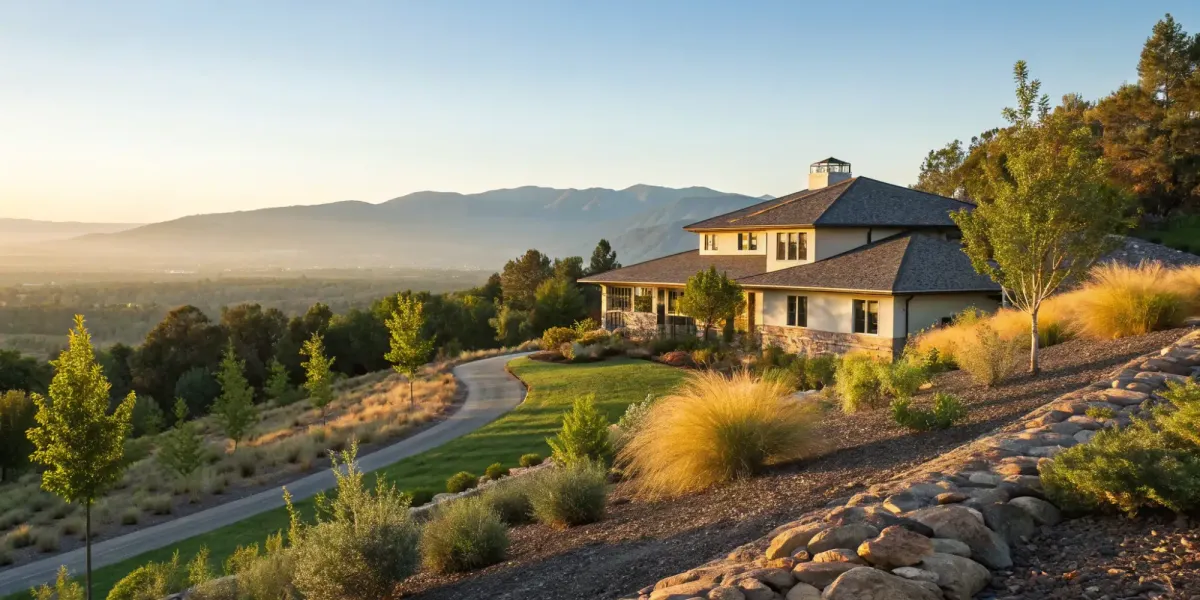
Did you just get a non-renewal notice? Or maybe a premium quote that made your jaw drop? Finding home insurance wildfire coverage can feel impossible, leaving you stuck between high costs and the fear of being unprotected. But here’s the secret: you have more control than you think. The key is understanding what insurers are looking for. This article is your playbook. We’ll show you how to make your home more resilient and improve your options, step-by-step. You can find stable, affordable coverage—it just takes the right strategy and a little insider knowledge.
Key Takeaways
- Make your home a better risk to insure. You can directly influence your coverage options by creating defensible space, upgrading to fire-resistant materials, and documenting every step to prove your home is well-protected.
- Understand the fine print that matters for a second home. Your policy isn't the same as for your primary residence; pay close attention to vacancy clauses that can limit coverage and confirm the specific deductible for wildfire damage, which is often a percentage of your home's value.
- Shop smarter in a challenging market. Partner with an independent agent who specializes in high-risk properties to access carriers you can't find alone, and always confirm your policy provides Replacement Cost Value (RCV) to cover the full expense of a rebuild.
The Growing Threat of Wildfires
It’s not just your imagination—the headlines about wildfires seem to get more intense every year. For homeowners in California and across the West, this isn't a distant problem; it's a reality that directly impacts your safety, your property, and your ability to get affordable insurance. Understanding the forces behind this growing threat is the first step toward protecting your home. The insurance market is responding to a clear and measurable increase in risk, which is why securing coverage has become so challenging. But when you know what you’re up against, you can make smarter, more effective decisions to safeguard your investment and prove to insurers that your home is a risk worth taking.
Understanding the Scale of the Problem
The first thing to recognize is that the frequency and size of wildfires have been steadily climbing. What might have once been considered a rare catastrophe is now a regular feature of the landscape, creating a new normal for millions of homeowners. This shift has forced the insurance industry to re-evaluate risk models that were built for a different era, leading to the premium hikes and non-renewals that many of us are now facing. It’s a challenging environment, but seeing the data clearly helps explain why proactive home hardening and defensible space are no longer just recommendations—they are essential for insurability.
Wildfire Statistics You Should Know
The numbers paint a stark picture of this new reality. In 2022 alone, there were nearly 69,000 wildfires across the country. Looking at the trend over a decade, the annual average was over 61,000 wildfires, burning about 7.2 million acres each year. These aren't just abstract figures; they represent homes, communities, and ecosystems. This data is precisely what insurance carriers analyze when they determine risk levels for a specific area. When they see a consistent pattern of high-frequency events, they adjust their willingness to offer coverage, making it crucial for homeowners to demonstrate that their specific property is an exception to the regional risk.
What Causes Wildfires to Spread?
A wildfire's behavior is driven by a combination of factors, often referred to as the "fire behavior triangle": fuel, weather, and topography. Fuel is anything that can burn, from dry grass and fallen leaves to the homes themselves. Topography, like steep slopes, can cause fires to spread uphill rapidly. But the most unpredictable and powerful element is weather. High winds can carry embers for miles, starting new spot fires far ahead of the main blaze, while low humidity and high temperatures create the perfect conditions for a fire to ignite and grow explosively. Understanding these elements is key to knowing where your home is most vulnerable.
The Role of Climate and Weather
It's impossible to talk about modern wildfires without acknowledging the role of our changing climate. Experts confirm that climate change is making wildfires happen more often and with greater intensity. Prolonged droughts leave forests and grasslands dangerously dry, turning them into tinderboxes ready to ignite. Heatwaves bake the landscape, further reducing moisture and making fires harder to control. This shift isn't just creating a longer fire season; it's creating the conditions for more extreme fire behavior year-round. For homeowners, this means the risk isn't just seasonal anymore, and year-round vigilance and preparation are the new standard for staying safe and insurable.
Need Wildfire Insurance for Your Second Home?
Owning a second home is a dream for many—a peaceful retreat from the everyday hustle. But when that getaway is located in a beautiful, fire-prone region, securing the right insurance can feel like a challenge. It’s not as simple as just extending the policy from your primary residence. Insurers look at second homes through a different lens, and the added risk of wildfire makes the conversation even more specific.
The key is understanding that insurance for a vacation property is a specialized product. It’s designed to account for the unique risks that come with a home that isn’t occupied year-round. When you add wildfire potential to the mix, the policy needs to be even more robust. Getting the right coverage starts with knowing how insurers assess the property, why a high-risk zone demands a different approach, and what common myths could leave you unprotected. With a clear picture of these factors, you can find a policy that lets you enjoy your second home with true peace of mind.
Why Insurers Treat Your Second Home Differently
From an insurance carrier’s perspective, your second home carries a different risk profile than your primary residence. The main reason is vacancy. Since you’re not there all the time, a small issue like a burst pipe or an electrical spark can go unnoticed and turn into a major disaster. This extended period of unoccupancy is a significant concern for insurers. Furthermore, second homes are often located in more remote areas, which can delay emergency response times. If you plan to rent out the property, that adds another layer of liability that your standard policy won’t cover. These factors combined mean that second home insurance is treated as a distinct, higher-risk product.
What Makes Wildfire Zone Insurance Unique?
Living in a wildfire-prone area fundamentally changes the insurance equation. While most standard California homeowners policies include coverage for fire damage, properties in high-risk zones face much greater scrutiny. Insurers see these homes as having a significantly higher chance of a total loss, which makes it harder and more expensive to secure coverage. They will carefully evaluate your property’s specific location, proximity to brush, and the area’s fire history. Because of this elevated risk, you may find that mainstream carriers are unwilling to write a policy, or that the premiums are substantially higher. This isn’t meant to be discouraging; it’s the reality of insuring property in high-risk areas and highlights the need for a specialized approach.
Wildfire Insurance Myths, Busted
One of the most dangerous myths is that a standard policy will automatically cover the full cost of rebuilding after a wildfire. Unfortunately, many homeowners discover they are underinsured only after a disaster strikes. The cost to clear debris and rebuild can skyrocket, especially when local demand for labor and materials surges. It’s crucial to ensure your coverage limits reflect current construction costs, not just the market value of your home. Another common misconception is that homeowners insurance is a catch-all for natural disasters. In reality, damage from events like floods and earthquakes is almost always excluded and requires you to purchase separate, specific coverage. Understanding what your policy doesn’t cover is just as important as knowing what it does.
What Should Your Wildfire Insurance Policy Cover?
When you’re looking at a homeowners policy, it can feel like you’re reading a different language. But understanding the core components is the first step to making sure you’re properly protected. A standard policy is a package of different coverages, each designed to protect a specific part of your life and property. For a second home in a wildfire zone, knowing exactly what each part does is non-negotiable.
Most standard home insurance policies do cover wildfire damage, but the devil is in the details. Your policy isn't just one lump sum of money; it's divided into specific categories that address different types of losses. Think of it as a toolkit where each tool has a specific job. These include coverage for the physical structure of your home, your personal belongings inside it, the costs you might face if you’re displaced, and your personal liability. Getting familiar with these four pillars will help you have more productive conversations with your agent and make smarter choices about your coverage. Let’s break down what these key coverage types mean for you and your property.
Dwelling Coverage: Rebuilding Your Home
This part of your policy, often called dwelling coverage, is what protects the physical house. It covers the cost to repair or completely rebuild your home’s structure if it’s damaged or destroyed by a covered event like a wildfire. This includes the foundation, walls, and roof, as well as attached structures like a deck or garage. When you own a home in a high-risk area, it’s critical that your dwelling coverage limit is high enough to handle a total loss. You’ll want to ensure your policy covers the full cost to rebuild, not just the market value of your home.
Your Rebuilding Options After a Total Loss
In the devastating event of a total loss from a wildfire, your insurance policy becomes your roadmap to recovery. It’s important to know that your policy isn’t a single lump-sum payment. Instead, it’s a package of different coverages designed to address specific needs. This includes funds for rebuilding the physical structure of your home, replacing your personal belongings, and covering the extra costs of living elsewhere while your property is restored. Understanding how these pieces work together is the first step toward rebuilding your life with confidence.
The most critical piece of this puzzle is your dwelling coverage. This is the part of your policy that pays to rebuild the house itself. A common and costly mistake is confusing your home's market value with its replacement cost. The reality is, the cost to hire contractors and buy materials can surge dramatically after a widespread disaster. That’s why it’s essential to have a policy that covers the full cost to rebuild from the ground up, ensuring you aren’t left with a massive financial gap when you need support the most.
Beyond the structure, a strong policy provides for your immediate needs. If a wildfire makes your home unlivable, your coverage for additional living expenses can be a true lifeline. This helps pay for temporary housing, meals, and other essentials so you can maintain a sense of normalcy. This coverage, along with protection for your personal property, ensures your policy supports both your home and your life during a difficult time. It’s about having a complete safety net, not just a check for the building.
Personal Property: Protecting What's Inside
While dwelling coverage protects the house, personal property coverage protects what’s inside it. This includes your furniture, clothing, electronics, and other possessions. After a fire, replacing everything you own can be an overwhelming and expensive task. This coverage is designed to help you get back on your feet by reimbursing you for those items. To make this process smoother, it’s a great idea to create a detailed home inventory with photos or videos of your belongings. This simple step can make a world of difference when it’s time to file a claim, ensuring you account for everything you’ve lost.
Other Structures: Sheds, Garages, and Fences
Your insurance policy extends beyond the four walls of your house. It also protects other structures on your property that aren't attached to the main dwelling. This is your Other Structures coverage, and it’s designed for things like your detached garage, that workshop out back, your garden shed, or even the fence lining your property. Most standard home insurance policies include this protection, covering these structures from events like wildfires. However, the coverage limit is usually set as a percentage—often 10%—of your total dwelling coverage. It's a good idea to take a quick inventory of these structures and estimate their replacement cost. A large detached garage or extensive fencing can easily exceed that standard limit, so you'll want to confirm you have enough coverage to rebuild everything, not just the main house.
Loss of Use: Coverage When You're Displaced
If a wildfire forces you to evacuate or leaves your home uninhabitable during repairs, where do you go? That’s where Additional Living Expenses (ALE) coverage comes in. This essential part of your policy helps pay for the extra costs of living somewhere else temporarily. It can cover expenses like hotel bills, rent for a short-term apartment, and even the cost of meals if you don’t have access to a kitchen. ALE ensures that a disaster doesn’t create a secondary financial crisis, allowing you to maintain a normal standard of living while your home is being restored.
What Additional Living Expenses (ALE) Covers
Think of ALE as a financial safety net that covers the difference between your normal monthly expenses and what it costs to live elsewhere. It’s not a blank check, but it’s designed to help you maintain your usual standard of living. This coverage typically pays for things like the cost of a hotel or a temporary rental home, restaurant meals if you can't cook, and laundry services. It can also extend to other necessary expenses that arise from being displaced, such as pet boarding, storage unit fees for your salvaged belongings, and even extra mileage if your temporary home is further from work. The key is that these are *additional* costs you wouldn't normally have, ensuring you can focus on recovery without the immediate financial strain.
Why You Still Need Liability Protection
Personal liability coverage is your financial safety net if someone is injured on your property and you’re found legally responsible. For example, it helps pay for medical bills and potential legal costs if a guest trips on a loose step. In a wildfire context, this could become relevant if a fire originating on your property causes damage to a neighbor’s home. While it might seem less directly related to fire damage, liability protection is a fundamental part of a homeowners policy that protects your assets from unexpected accidents and lawsuits, giving you one less thing to worry about.
How Wildfire Damage is Covered Across All Your Policies
A wildfire doesn’t just threaten your home; its impact can ripple across other parts of your financial life. Your car, your small business, or even a property you rent could all be at risk. Because of this, it’s a mistake to assume your homeowners policy is the only safety net you need. Different types of insurance are designed for specific purposes, and each one treats fire damage differently. Understanding how your auto, business, or renters insurance responds to a wildfire is just as important as knowing the details of your home coverage.
Think of your insurance portfolio as a team of specialists. Your homeowners policy is the expert on your house, but you need your auto policy to handle your car and a business policy to protect your livelihood. Each has its own rules, limits, and deductibles. Knowing which policy covers what will help you spot potential gaps before a disaster happens. This clarity ensures you’re not left with unexpected out-of-pocket costs and can recover more completely after an event. Let’s look at how coverage works for some of the most common policies you might have.
Homeowners vs. Renters Insurance
For homeowners, a standard policy will almost always cover damage from a wildfire. It’s designed to pay for repairs to the house itself and replace your personal belongings. However, if you live in a high-risk area, your policy might include a separate, higher deductible specifically for wildfire claims. For renters, the situation is different. Your landlord’s insurance covers the physical building, but it does nothing for your personal items. A renters insurance policy is what protects your furniture, clothes, and electronics from fire, theft, and other disasters. It also provides liability protection if you’re found responsible for an accident in your unit.
Coverage for Your Business
If you run a business from home or own a separate commercial property, your personal homeowners policy won’t cover it. You’ll need a separate business owner’s policy (BOP) to protect your assets. A typical BOP covers fire damage to your building, equipment, and inventory. More importantly, it often includes business interruption coverage. This essential protection helps replace lost income and cover ongoing expenses like payroll if a wildfire forces you to temporarily shut down your operations. It’s designed to help your business survive the downtime while you rebuild and recover.
Protecting Your Vehicles from Fire Damage
Your standard auto insurance policy—the one that covers liability for accidents—will not pay for damage to your car from a wildfire. To protect your vehicle from fire, you need to have comprehensive coverage. This is an optional add-on that covers damage from non-collision events, including fire, theft, vandalism, and falling objects. If your car is damaged or destroyed in a wildfire, your comprehensive coverage will pay for repairs or reimburse you for the actual cash value of the vehicle. Given the risk in fire-prone areas, it’s a critical piece of protection for one of your most valuable assets.
Why Wildfire Home Insurance Costs More
Living in a beautiful, remote area is a dream for many, but when that area is also prone to wildfires, it brings a unique set of challenges for your homeowners insurance. It’s not just you; homeowners across California are feeling the pressure. The reality is that insurance is all about risk. When the risk of a total loss from a wildfire goes up, the entire insurance equation changes. Carriers have to account for the possibility of paying out massive claims for entire communities, and that financial reality trickles down to your individual policy.
This shift affects everything from the price you pay to whether you can find coverage at all. Insurers use complex wildfire risk models that look at everything from the slope of your land to the type of vegetation surrounding your property. A higher risk score means your home is more difficult and expensive to insure. Understanding these factors is the first step toward finding a stable, affordable solution. It’s not about being punished for where you live; it’s about understanding the market so you can find the best way to protect your investment.
What to Expect: Higher Premiums & Wildfire Deductibles
The most immediate and obvious impact of high wildfire risk is the cost of your premium. Because the likelihood of a claim is higher, insurers charge more to cover that increased risk. But it’s not just about the monthly or annual payment. Many policies in high-risk areas now include a separate wildfire deductible. Instead of a flat dollar amount like $1,000, this deductible is often a percentage of your home’s insured value—typically between 1% and 5%. For a home insured for $800,000, a 5% deductible means you’d be responsible for the first $40,000 of a wildfire claim, which is a significant out-of-pocket expense to plan for.
Why It's Harder to Find a Carrier
If you’ve been shopping for insurance lately, you’ve probably noticed that fewer companies are offering policies in fire-prone regions. This isn't your imagination. As wildfire losses have mounted, some major insurance carriers have decided to limit their exposure in California to remain financially stable. When a company has too many policies concentrated in one high-risk area, a single catastrophic event could be devastating for them. This business decision means fewer options for you, leading to a much more competitive and often frustrating search for a carrier willing to take on the risk of insuring your home.
Could Your Wildfire Policy Be Canceled?
Finding a policy is one thing; keeping it is another. Even if you have coverage now, there’s no guarantee it will be there for you next year. Insurance companies constantly re-evaluate their risk portfolios. If their models show that the wildfire risk in your neighborhood has increased, they may choose not to renew your policy when it expires. A non-renewal notice can be incredibly stressful, as it often leaves you with a short window—typically 30 to 60 days—to find new coverage in a market that is already difficult. This makes it crucial to stay proactive about managing your property’s risk.
How Your Fire Hazard Zone Affects Your Rate
When it comes to wildfire risk, your specific location is everything. Insurers drill down to a hyper-local level, and "close" doesn't count. They analyze your property’s specific characteristics, including its proximity to dense vegetation, the slope of the terrain (fire travels faster uphill), and ease of access for firefighting equipment. Your home’s Fire Hazard Severity Zone rating plays a huge role. This is why your neighbor across the street might get a completely different quote. Understanding the specific risk factors for your property is key to figuring out both your insurance options and what you can do to improve them.
Why Your Second Home Faces Greater Wildfire Risk
Owning a second home is a dream, but it comes with its own set of responsibilities, especially when it’s located in a beautiful but fire-prone area. From an insurance perspective, a property that isn’t your primary residence carries a different risk profile. Insurers look at factors like how often you're there, its location, and how you use it. These details can significantly influence your policy and premiums. A vacation cabin tucked away in the mountains faces different challenges than your suburban primary home. Understanding these unique risks is the first step toward securing the right protection and ensuring your getaway remains a source of joy, not stress. It’s not just about the threat of wildfire; it’s about how the nature of a second home—often unoccupied and in a more remote location—changes the entire insurance equation.
Why an Empty Home Is a Bigger Target
An unoccupied home is more vulnerable. When you aren't there, small issues can spiral into major disasters. A slow pipe leak can cause extensive water damage, or a broken window can go unnoticed, inviting pests or vandals. Because of this, most standard homeowners policies include what's known as a vacancy clause. If your home is empty for more than 30 or 60 days, your insurer might reduce or even deny coverage for certain types of damage. It’s crucial to know your policy's specific terms and have a plan for someone to check on the property regularly.
When Help is Far Away: The Risk of Remote Locations
Part of the appeal of a vacation home is often its seclusion, but that same remoteness can be a major concern for insurers. If your property is miles from the nearest fire station or emergency services, response times will naturally be slower. A small kitchen fire that could be quickly contained in a city might become a total loss in a rural area. This increased risk is factored directly into your insurance rates. Insurers use tools like a Public Protection Classification (PPC) score to assess a community's fire-suppression capabilities, and a remote location will almost always have a higher-risk score.
How Seasonal Use Changes Your Coverage Needs
If you plan to rent out your second home on platforms like Airbnb or Vrbo, even for just a few weekends a year, your standard insurance policy likely won't cover it. Once you accept payment from a renter, you're operating a business, and that requires a different type of protection. You may need a commercial policy or a specific add-on, often called an endorsement, for short-term rentals. Without it, any claim related to a renter's stay—from property damage to a liability issue—could be denied, leaving you to cover the costs yourself. It's essential to be upfront with your insurance provider about your rental plans.
Why Second Homes Can Be More Vulnerable to Fire
While most homeowners policies cover fire damage, owning a property in a high-risk wildfire zone presents a unique challenge. The constant threat means insurers are much more selective about who they cover. You may face much higher premiums or be required to accept a separate, and often expensive, wildfire deductible. This deductible is frequently a percentage of your home's value, not a flat dollar amount. Furthermore, insurers are increasingly choosing not to renew policies in these areas, forcing homeowners to find new coverage. This is where proactive mitigation and working with a specialist can make all the difference.
How to Lower Your Risk (and Your Insurance Premiums)
When you own a home in a high-risk area, it’s easy to feel like you’re at the mercy of rising insurance costs and limited options. But you have more power than you think. By taking proactive steps to make your property safer and more resilient to wildfires, you can directly influence your ability to get good coverage at a fair price. Insurers see these mitigation efforts as a sign of a responsible homeowner, which often makes you a more attractive applicant.
Think of it as an investment in both your home’s safety and your financial peace of mind. Every action you take, from clearing brush to upgrading your siding, sends a clear message: this home is well-protected. It’s not just about checking boxes; it’s about building a stronger, more defensible property. Let’s walk through the most effective ways you can reduce your home’s wildfire risk, which can help you secure better insurance options and potentially lower your premiums.
Your First Step: Create Defensible Space
Defensible space is your home’s first line of defense. It’s a buffer zone you create between your house and the surrounding vegetation that can slow or even stop a wildfire from reaching your front door. The goal is to clear a perimeter of at least 100 feet around your home, removing flammable materials that could act as fuel. This includes clearing dead leaves, dry grass, and pine needles from your yard, roof, and gutters.
You should also trim tree branches so they don’t hang over your roof and remove any dead or dying shrubs. This not only protects your home but also gives firefighters the space they need to work safely if a fire approaches. For landscaping within this zone, consider planting fire-resistant native plants that are less likely to ignite.
Upgrade to Fire-Resistant Building Materials
Home hardening means upgrading your home’s physical structure with materials that can withstand extreme heat and flying embers. Embers are the leading cause of homes catching fire during a wildfire, so preventing them from getting inside is critical. Start with the most vulnerable parts of your house. Upgrading to a Class A fire-rated roof made of metal, tile, or asphalt shingles is one of the most important steps you can take.
You can also replace wood siding with non-combustible options like fiber cement or stucco. Install double-paned windows to resist heat and cover any vents with fine metal mesh to block embers. These fire-resistant materials make your home a much tougher target for a wildfire, a fact that insurance carriers look upon favorably.
Install Smart Fire Alarms and Monitoring
Modern technology can add another powerful layer of protection to your property. Installing an exterior sprinkler system can help douse your home and the surrounding area with water, which can be a lifesaver during a wildfire, especially if you’re not there. Interior sprinkler systems can also extinguish fires that start inside the home.
Beyond sprinklers, consider installing a monitored fire alarm system that automatically alerts the fire department in an emergency. Smart smoke detectors can send alerts to your phone, keeping you informed no matter where you are. Many insurance companies offer discounts for homes with these protective systems because they significantly reduce the risk of a total loss. Be sure to ask your agent what discounts you might qualify for.
Prove It: Document Your Mitigation Work
All your hard work protecting your home won’t help your insurance application if you can’t prove you’ve done it. That’s why documentation is so important. As you complete mitigation projects, keep a detailed file with receipts for fire-resistant materials, invoices from contractors, and before-and-after photos of your defensible space work. This creates a clear record of your commitment to safety.
It’s also a good idea to create a home inventory by taking photos or videos of your home’s interior and your personal belongings. While this is essential for filing a claim after a loss, your mitigation file is what will help you get the right policy in the first place. It provides tangible proof to insurers that your home is a lower risk.
Prepare Your Paperwork: What to Keep Off-Site
In the rush of an evacuation, the last thing you’ll have time to do is search for paperwork. Having copies of your most important documents stored in a separate, safe location is one of the smartest things you can do to prepare for a disaster. This isn't just about being organized; it's about ensuring you have everything you need to start the recovery process without delay. Your insurance policy, home inventory, and mitigation records are the tools that will help you file a claim and rebuild. Keeping them safe means you can access them even if the originals are lost.
Your off-site file should contain a copy of your insurance policy and your agent’s contact information. Alongside it, you’ll want to create a detailed home inventory—a list of your belongings, with photos or a video walkthrough. This simple step can make a world of difference when it’s time to file a claim. Don’t forget to include the mitigation file you’ve been building. Store these documents in a safe deposit box, with a trusted relative, or in a secure cloud service so they are protected and accessible no matter what happens.
What Your Wildfire Policy Won't Cover
An insurance policy is a contract, and the details really matter. While it’s easy to focus on what’s covered, it’s just as important to understand what’s left out. These are called policy exclusions—specific situations or types of damage that your insurance won’t pay for. For a second home in a wildfire zone, these exclusions can be the difference between a smooth recovery and a financial headache.
Knowing these limitations ahead of time helps you avoid surprises when you file a claim. It also allows you to fill any critical gaps with separate policies or add-ons. Let’s walk through some of the most common exclusions you’ll see so you can be fully prepared.
Are There Limits on Wildfire Coverage?
It might seem strange, but even policies for high-risk areas can have specific limits on wildfire damage. Most California homeowners policies do include coverage for fire, but you have to read the fine print. Some carriers might apply a separate, higher deductible just for wildfire claims. Others may place caps on certain recovery costs, like debris removal or replacing your landscaping. It’s so important to confirm that your policy covers the full cost to rebuild your home and replace your belongings, not just a portion of it. This ensures you won’t be left with a massive out-of-pocket bill after a disaster.
What About Floods or Earthquakes?
A standard homeowners policy is not a catch-all for every possible disaster. Two of the biggest exclusions, especially in California, are damage from floods and earthquakes. If your second home is in an area prone to either, you will need to purchase separate policies to be protected. A wildfire can increase the risk of subsequent flooding and mudslides, since burned ground can’t absorb water effectively. That’s why understanding what your policy doesn't cover is so important; you need a complete picture of your property’s vulnerabilities to secure the right types of coverage.
How the Vacancy Clause Can Affect Your Claim
This is one of the most critical exclusions for second-home owners. Most standard homeowners policies include a “vacancy clause,” which can limit or even suspend your coverage if a home is unoccupied for an extended period, often 30 to 60 days. Since a vacation property is empty by nature, you can’t rely on a primary home policy. You need a specific second home insurance policy that accounts for its seasonal use. Without it, a claim for damage that happens while the house is empty—like a burst pipe, vandalism, or a break-in—could easily be denied.
How Neglecting Maintenance Can Void Your Claim
Insurance is designed to cover sudden and accidental damage, not problems that build up from a lack of upkeep. Your policy will likely exclude damage resulting from neglect or poor maintenance. For example, if termites cause structural damage over several years or if mold grows because of a slow, unrepaired leak, your insurer probably won’t cover the repairs. The same goes for pest infestations. Insurers expect you to perform regular maintenance to keep your property in good shape. Keeping a log of your upkeep, like annual roof inspections and pest control, can be a huge help if you ever need to file a claim.
What to Do After a Wildfire: A Step-by-Step Guide
The moments after a wildfire has passed through your area are overwhelming. Once you know your loved ones are safe, your focus will shift to your home and the long road to recovery. It’s a process that can feel confusing and emotionally draining, but you don’t have to figure it out alone. Having a clear, step-by-step plan can help you take control of the situation and move forward with confidence. This guide will walk you through the immediate safety precautions you need to take and the essential steps for starting your insurance claim. Think of this as your checklist for navigating the aftermath and beginning the process of rebuilding.
Immediate Safety Checks Before Re-entering
Your personal safety is the number one priority. Even after the fire is out and you’ve been given the official all-clear to return to your property, you need to proceed with caution. Before you step inside, take a careful look at the exterior. Check for any obvious structural damage, like a sagging roofline or cracked foundation, that could make the building unstable. Once inside, be aware of potential hazards that aren't immediately visible. There could be problems with your gas lines, electrical system, or water pipes. If you smell gas or see frayed wires, leave immediately and call the utility company. It’s always best to have a qualified professional inspect your home before you decide it’s safe to live in again.
How to File Your Insurance Claim
Once you’ve confirmed the property is safe to access, the next step is to begin the insurance claims process. This can feel like a monumental task, but breaking it down into smaller, manageable actions makes it much less intimidating. The key is to be organized, thorough, and proactive. Your insurance policy is there to help you recover, and the claims process is the mechanism that puts that protection into action. By following a clear procedure, you can ensure your claim is handled as smoothly and efficiently as possible, providing the financial support you need to start rebuilding your life and your home.
Contact Your Insurer Promptly
The very first thing you should do is call your insurance company or agent to report the loss. The sooner you start the claim, the sooner you can get help. This initial call will get your claim number assigned and connect you with an adjuster who will guide you through the process. If you’ve been displaced from your home, be sure to ask about your Additional Living Expenses (ALE) coverage. This can provide immediate funds for temporary housing, food, and other essentials. Your agent can be your best advocate during this time, helping you understand your policy and what to expect next.
Document Everything with Photos and Video
Before you move, clean, or throw anything away, document everything. Use your phone to take extensive photos and videos of the damage from every possible angle. Capture wide shots of each room and close-ups of specific damaged items. This visual evidence is incredibly powerful and will be essential for validating your claim. Don’t forget to document the damage to the exterior of your home and other structures on your property, like a shed or fence. You should also contact your local fire department to get a copy of the fire report, as this is another important piece of official documentation for your claim.
Create a "Proof of Loss" Inventory
Your insurance company will require you to submit a "proof of loss" form, which is essentially a detailed inventory of everything that was damaged or destroyed. This is where the home inventory you created earlier becomes invaluable. For each item, you’ll need to list a description, when you bought it, and what it would cost to replace it today. If you didn’t have an inventory, do your best to recreate one from memory, using old photos, bank statements, or receipts to help jog your memory. Be as thorough as possible; it’s easy to forget small items, but their value adds up quickly.
Understand Your Policy's Deadlines
An insurance policy is a contract, and it comes with specific timelines you must follow. Most policies have deadlines for how long you have to file a claim and submit your proof of loss documentation. These time limits can vary by state and by company, so it’s critical to ask your adjuster about all relevant deadlines right at the beginning of the process. Write these dates down and make sure you meet them. Missing a deadline could jeopardize your ability to receive a full settlement, so staying on top of the timeline is one of the most important things you can do to protect your claim.
Choosing the Right Wildfire Insurance Policy
Shopping for insurance can feel like learning a new language. Between the different coverage types, limits, and exclusions, it’s easy to get lost in the details. But understanding a few key concepts will help you compare policies accurately and choose the one that truly protects your property. When you know what to look for, you can confidently find coverage that fits your needs and gives you peace of mind, especially when your home is in a high-risk area. Let’s break down the most important terms you’ll encounter.
Named Perils vs. All-Risk: What's the Difference?
Think of a "named perils" policy as a specific list of covered events, like fire, wind, or theft. If a disaster isn't on that list, it isn't covered. This is common for secondary homes in high-risk areas because it allows insurers to be very precise about what they are willing to cover. In contrast, an "all-risk" (or "open peril") policy covers everything except for the specific events listed as exclusions. While all-risk offers broader protection, it’s crucial to read the exclusions carefully. Understanding which type of policy you’re being offered is the first step in making a true apples-to-apples comparison.
Replacement Cost vs. Actual Cash Value: Which is Better?
This is one of the most important distinctions in any property insurance policy. Actual Cash Value (ACV) pays you for the value of your damaged property minus depreciation. So, if your 10-year-old roof is destroyed, ACV pays you for the value of a 10-year-old roof, not a new one. Replacement Cost Value (RCV), on the other hand, pays the cost to replace the damaged property with new materials of similar kind and quality, without deducting for depreciation. When you're facing a total loss from a wildfire, having replacement cost coverage is essential for rebuilding your home and life without a massive financial hit.
Do You Have Enough Coverage to Rebuild?
Many homeowners are surprised to find they are underinsured after a disaster. Your policy’s dwelling coverage limit should be high enough to completely rebuild your home at current construction costs. This isn't the same as your home's market value or tax assessment. After a widespread event like a wildfire, the demand for labor and materials can cause rebuilding costs to spike unexpectedly. Work with your agent to accurately calculate your home’s replacement cost and review it annually to make sure your coverage keeps pace with inflation and local construction trends.
Essential Add-Ons: Debris Removal & Code Upgrades
A standard policy might not cover everything you need after a fire. Two critical add-ons to look for are debris removal and ordinance or law coverage. Clearing a property after a fire can be incredibly expensive, and you’ll want to ensure your policy includes a sufficient limit for this task. Additionally, building codes are constantly updated to improve safety. Ordinance or Law Coverage helps pay the extra costs required to rebuild your home to meet the latest, often stricter, fire-safety regulations. Without it, you could be on the hook for thousands in mandatory upgrades.
Get Your Paperwork Ready: What Insurers Need to See
When you’re applying for insurance in a high-risk area, think of it like applying for a job. You need to present your home as the best possible candidate. Insurers want to see that you’re a proactive, responsible owner who is actively working to reduce wildfire risk. The best way to do that is with clear, organized documentation. Having your paperwork in order shows that you’re serious about protecting your property, which can make you a much more attractive applicant to carriers. It’s not just about saying you’ve done the work; it’s about proving it.
Start with a Professional Risk Assessment
A formal report from a certified wildfire risk assessor can be one of the most powerful tools in your arsenal. This isn't just your opinion; it's an objective, professional evaluation of your home's specific vulnerabilities and strengths. This report can detail your property's risk level and verify the mitigation measures you've put in place. For an underwriter, this third-party validation is invaluable. If you live in an area where getting or keeping a policy is difficult, a professional inspection can sometimes make all the difference, showing a carrier that your home is a manageable risk despite its location.
Show Proof of Your Defensible Space
Creating defensible space is non-negotiable in a wildfire zone, and you need to document your efforts. This means clearing flammable vegetation, dead plants, and debris to create a buffer around your home. The goal is to have a clean zone extending at least 30 feet around your house and a reduced fuel zone up to 100 feet. Don't just do the work—prove it. Take "before" and "after" photos each season. Keep receipts from landscaping or tree-trimming services. A simple, dated log of when you cleared your gutters or raked leaves can also serve as powerful proof of your ongoing maintenance.
Provide a List of Building Materials and Upgrades
The materials your home is made of play a huge role in its ability to withstand a wildfire. If you’ve invested in home hardening, make sure you have the records to back it up. This includes receipts, contractor invoices, or building permits for any fire-resistant upgrades. Did you install a metal roof, fiber-cement siding, or double-paned windows? Do you have ember-resistant vents? Keep a file with all the specifications and installation details. This documentation provides concrete evidence that you’ve taken significant steps to make your home more resistant to fire, which can directly impact an insurer's decision.
Keep a Detailed Maintenance Log
Consistency is key. An insurer is more likely to view you favorably if they see a history of diligent upkeep. Beyond major upgrades, you should keep a simple log of all your routine home maintenance. Note the dates you cleaned the gutters, cleared debris from under your deck, inspected your roof, and serviced your HVAC system. This log demonstrates that you’re not just doing a one-time cleanup but are committed to year-round risk reduction. It shows that you maintain your property responsibly, which is a quality every insurance carrier looks for in a policyholder.
Finding Coverage When It's Hard to Get
Receiving a non-renewal notice or seeing impossibly high quotes can feel defeating. When it seems like every door is closing, it’s easy to get discouraged. But finding insurance for your second home in a high-risk area isn’t impossible—it just requires a different approach. The traditional insurance market may not have the right solutions, but that doesn’t mean you’re out of options.
The key is to be strategic and persistent. Instead of relying on standard carriers, you’ll need to look toward specialists and alternative markets that are built to handle unique properties like yours. It’s about connecting with the right people who understand the landscape and knowing which questions to ask to ensure you’re getting the protection you actually need. Think of it less as a dead end and more as a detour. With the right map, you can find your way to solid coverage that lets you rest easy. The following steps will help you get there.
Find an Agent Who Specializes in High-Risk Properties
When your home is in a wildfire zone, you need more than a general insurance agent; you need an expert guide. A high-risk insurance specialist, or an independent agent, lives and breathes this stuff. They have established relationships with carriers willing to write policies in fire-prone areas—insurers you might never find on your own. They understand how wildfire risk affects your home insurance and can help you present your property in the best possible light, highlighting your mitigation efforts to secure better terms. Working with a specialist saves you time and frustration, connecting you directly with viable coverage options.
Look into Surplus Lines and Alternative Insurers
If you’re striking out in the standard market, it’s time to explore alternative options. This includes specialty insurers and surplus lines carriers. These companies are designed to cover risks that traditional insurers avoid. Because they aren’t bound by the same rate regulations as standard carriers, they have more flexibility to create policies for high-risk homes. While this can sometimes mean higher premiums, it also means you can get a policy when you otherwise couldn’t. An independent agent who specializes in high-risk properties will have access to these markets and can find the right fit for your second home.
What is the California FAIR Plan?
Think of the California FAIR Plan as a safety net. It’s the state's insurer of last resort, created to provide basic fire insurance to homeowners who can’t get it anywhere else. It’s important to know that the FAIR Plan is not a comprehensive homeowners policy; it primarily covers damage from fire, lightning, and internal explosion. To protect against risks like theft, water damage, and liability, you’ll need to purchase a separate Difference in Conditions (DIC) policy. While it’s a last resort, recent laws have helped ensure the FAIR Plan can pay claims on time after major disasters, making it a reliable backstop.
Key Questions to Ask Any Potential Insurer
Before you commit to a policy, you need to be your own best advocate. Get clear on exactly what you’re buying by asking pointed questions. Don’t be afraid to dig into the details—it’s your home, after all.
Here are a few essential questions to start with:
- Is my coverage limit high enough to completely rebuild my home today?
- Does this policy pay Replacement Cost Value (RCV) or Actual Cash Value (ACV)? RCV pays to replace items with new ones, while ACV pays their depreciated value.
- What is my deductible specifically for wildfire damage? Sometimes it’s a percentage of your home’s value, not a flat dollar amount.
- Does the policy include extended replacement cost, debris removal, and building code upgrade coverage? These are critical add-ons after a total loss.
Beyond Insurance: Other Avenues for Financial Recovery
After a wildfire, your insurance policy is your primary tool for recovery, but it may not be the only one. When a disaster is widespread, other forms of assistance often become available to help communities get back on their feet. If your insurance coverage has limits or doesn't cover the full extent of your losses, it’s important to know about these other potential sources of financial support. From federal aid to legal options, these avenues can provide a crucial safety net during a difficult time, helping you bridge the gap and begin the process of rebuilding your life and property.
Government Assistance Programs like FEMA
When a wildfire is declared a major disaster by the president, the Federal Emergency Management Agency (FEMA) may step in to provide direct assistance to individuals. This aid is designed to help with necessary expenses and serious needs that aren't covered by your insurance. FEMA can offer grants for things like temporary housing, essential home repairs, and other disaster-related costs. To see if you qualify, you can call 1-800-621-3362 or apply for assistance online. Be prepared to provide your Social Security number, contact information, banking details for direct deposit, and a description of the damage to your property.
Exploring Legal Options for Compensation
In some cases, a wildfire may be caused by the negligence of a third party, such as a utility company. If investigators determine that a specific entity was responsible for starting the fire, you may have the option to pursue legal action to recover your losses. This can be a path to compensation for damages that exceed your policy limits or for losses that weren't covered by insurance at all. Pursuing a claim can be complex, but law firms specializing in wildfire litigation can help you understand your rights and explore your options for compensation against the responsible parties.
Additional Resources for Wildfire Preparedness
Protecting your home from wildfire is an ongoing effort, and you don’t have to do it alone. A wealth of information is available from organizations dedicated to fire safety and home resilience. These resources provide research-backed guidance, practical checklists, and community-based programs that can help you make your property as safe as possible. Tapping into this expert knowledge empowers you to take effective, proactive steps. Below are a couple of the most respected organizations that can help you on your journey to becoming better prepared for wildfire season.
Firewise USA®
The Firewise USA® program is a nationwide initiative that helps homeowners and communities learn how to live more safely with the risk of wildfire. Run by the National Fire Protection Association (NFPA), it provides a framework for neighbors to work together to reduce their collective risk. The program offers detailed resources on creating defensible space, choosing fire-resistant building materials, and developing community-wide safety plans. Becoming a recognized Firewise community can not only make your neighborhood safer but may also be viewed favorably by some insurance carriers, demonstrating a shared commitment to risk reduction.
Insurance Institute for Business & Home Safety (IBHS)
The Insurance Institute for Business & Home Safety (IBHS) is a nonprofit research organization focused on reducing losses from natural disasters. Their work is all about science-backed solutions for building stronger, more resilient homes. IBHS conducts realistic wildfire simulations to test which building materials and landscaping techniques are most effective at preventing ignition from embers. Their website offers a wealth of wildfire preparedness resources, including detailed guides and checklists for home hardening, making it an invaluable tool for any homeowner looking to make meaningful, science-driven upgrades to their property.
Related Articles
- The Cost of Home Insurance in a Wildfire Zone
- How to Get Home Insurance in a Wildfire Zone
- 6 Best Insurance Carriers for Wildfire Upgrades
- Who Still Writes Insurance Policies in Fire Zones?
- Your Guide to a Home Insurance Quote in a Fire Zone
Frequently Asked Questions
Why is insurance for my vacation home so much more expensive than for my main house? The biggest reason comes down to one word: vacancy. Since you aren't there most of the time, a small problem like a leaky pipe or a sparking wire can go unnoticed and turn into a catastrophe. Insurers see an unoccupied home as a higher risk for major damage, and that risk is reflected in the price of the policy. When you add the threat of wildfire to a remote location, the premium naturally increases to cover that elevated potential for a total loss.
If I can only do one thing to improve my chances of getting insured, what should it be? Without a doubt, create and maintain defensible space. This is the buffer zone around your home where you’ve cleared away flammable vegetation, dead leaves, and low-hanging tree branches. It’s the single most effective step you can take because it gives firefighters a fighting chance to save your property. For an insurance underwriter, a well-maintained defensible space is the clearest visual proof that you are a proactive and responsible homeowner, which can make all the difference in their decision.
What exactly is a "wildfire deductible" and how is it different from a regular one? A regular deductible is typically a flat dollar amount, like $1,000 or $2,500, that you pay before your insurance kicks in. A wildfire deductible, however, is usually a percentage of your home's total insured value, often between 1% and 5%. For a home insured at $750,000, a 5% wildfire deductible means you would be responsible for the first $37,500 of a claim. It’s a much larger out-of-pocket expense, so it's critical to know this number and plan for it.
Is the California FAIR Plan all I need if I can't find other coverage? No, the FAIR Plan is not a complete homeowners policy. Think of it as a foundational safety net that provides basic coverage for fire damage. To protect yourself from other common risks like theft, water damage, or personal liability, you will need to purchase a second, separate policy called a Difference in Conditions (DIC) policy. The two policies work together to provide protection that is more similar to a standard homeowners plan.
Does my second home policy cover me if I rent it out on Airbnb or Vrbo? Almost certainly not. Standard second home policies are designed for your personal use and typically exclude any commercial activity. Once you start accepting paying guests, you are running a business, which introduces new liability and property risks that your policy isn't designed to handle. You will need to speak with your agent about adding a specific short-term rental endorsement or purchasing a separate commercial policy to be properly protected.


